That moment of panic when you realize your AC is on, but the air coming from your vents is warm. Your mind immediately jumps to the worst-case scenario: a huge repair bill and sweltering days ahead. But before you make that expensive service call, take a breath. When you find your air not blowing cold, the fix is often surprisingly simple and something you can handle yourself. This guide is your first line of defense. We’ll walk you through easy troubleshooting steps, from checking your thermostat to cleaning your filter, to help you solve the problem yourself.
Key Takeaways
- Check the basics first: Before calling for service, always check for simple fixes. Make sure your thermostat is set to cool with the fan on auto, inspect your air filter and replace it if it's dirty, and clear any debris from around your outdoor unit.
- Recognize serious warning signs: Some issues require immediate professional attention. Turn your system off and call a technician if you notice ice on the indoor unit, hear grinding or squealing noises, or smell anything burning.
- Stay ahead with routine maintenance: The best way to prevent future breakdowns is with consistent care. Changing your air filters on a regular schedule and booking annual professional inspections will keep your system running reliably and efficiently.
AC Blowing Warm Air? 6 Common Reasons Why
There’s nothing quite like the frustration of feeling warm air coming from your vents on a sweltering Corpus Christi day. When you expect a blast of cool relief and get lukewarm air instead, it’s easy to assume the worst. But don’t panic just yet. An air conditioner blowing warm air is a common issue, and the cause isn’t always a catastrophic failure. More often than not, it’s something surprisingly simple.
From a forgotten setting on your thermostat to a filter that’s seen better days, many of the most frequent culprits are things you can check yourself. Understanding what might be going on is the first step to getting your cool air back. We’ll walk through the most common reasons your AC might be struggling, helping you identify what could be happening with your system. Some of these issues have straightforward fixes, while others are clear signs it’s time to call in a professional for an air conditioning service call.
Is Your Air Filter Clogged?
Think of your air filter as the lungs of your HVAC system. Its job is to catch dust, pollen, and other debris, but when it gets too clogged, it can’t “breathe.” This restricted airflow forces your air conditioner to work much harder to pull in air, which can seriously strain the system. Not only does this reduce cooling efficiency, but it can also cause the indoor evaporator coils to get too cold and freeze over. A dirty filter is one of the most common and easily fixed reasons for an AC blowing warm air. Checking and changing it regularly is a simple step that can save you a lot of trouble.
Are Your Thermostat Settings Off?
It might sound too simple to be true, but sometimes the problem is just a matter of a wrong button press. Before you start troubleshooting your AC unit, take a moment to check your thermostat settings. Someone in the house might have accidentally switched it to “heat,” or the fan setting might be on “ON” instead of “AUTO.” When the fan is set to “ON,” it runs continuously, even when the cooling cycle is off. This means it will circulate uncooled, room-temperature air through your vents, making it feel like the AC isn’t working. A quick check can confirm your system is set to “cool” and the fan is on “AUTO.”
Could You Have a Refrigerant Leak?
Refrigerant is the lifeblood of your air conditioner; it’s the substance that absorbs heat from your home’s air. Your AC is a closed-loop system, which means it doesn’t “use up” refrigerant like a car uses gas. If your system is low on refrigerant, it’s almost always because of a leak somewhere in the lines. Without enough refrigerant, your AC can’t effectively cool the air, resulting in warm air from the vents. Finding and fixing a leak is a job strictly for a certified technician, as handling refrigerant requires special tools and training. Our team can perform a professional inspection to locate the source of the leak and get your system properly recharged.
Are Your Evaporator Coils Iced Over?
If you notice warm air and weaker airflow, you might be dealing with frozen evaporator coils. These coils, located in your indoor unit, are filled with refrigerant and are responsible for absorbing heat. When something disrupts airflow, like a dirty filter, or if refrigerant levels are low, the coils can get too cold and cause condensation on them to freeze into a block of ice. This ice buildup prevents air from passing through, so your system can’t cool your home. If you suspect frozen coils, it’s best to turn your AC off completely to let the ice thaw before a technician arrives.
Avoid Setting the Thermostat Too Low
When you walk into a hot house, it’s tempting to set the thermostat to a super-low temperature, thinking it will speed up the cooling process. But here’s a little secret: your air conditioner doesn’t work like a gas pedal. It cools your home at a steady pace, regardless of whether you set it to 75 or 65 degrees. A lower setting just tells the system to run longer until it reaches that frigid temperature. This constant operation can put a huge strain on your AC, driving up energy bills and causing the indoor evaporator coils to freeze. When that happens, you’ll get the opposite of what you want—warm air blowing from your vents because the ice is blocking airflow. Instead, set your thermostat to your desired temperature and let it do its job. This is more efficient and helps prevent unnecessary wear on your equipment, and you can always explore energy-saving systems for even better control.
Is Something Blocking Your Outdoor Unit?
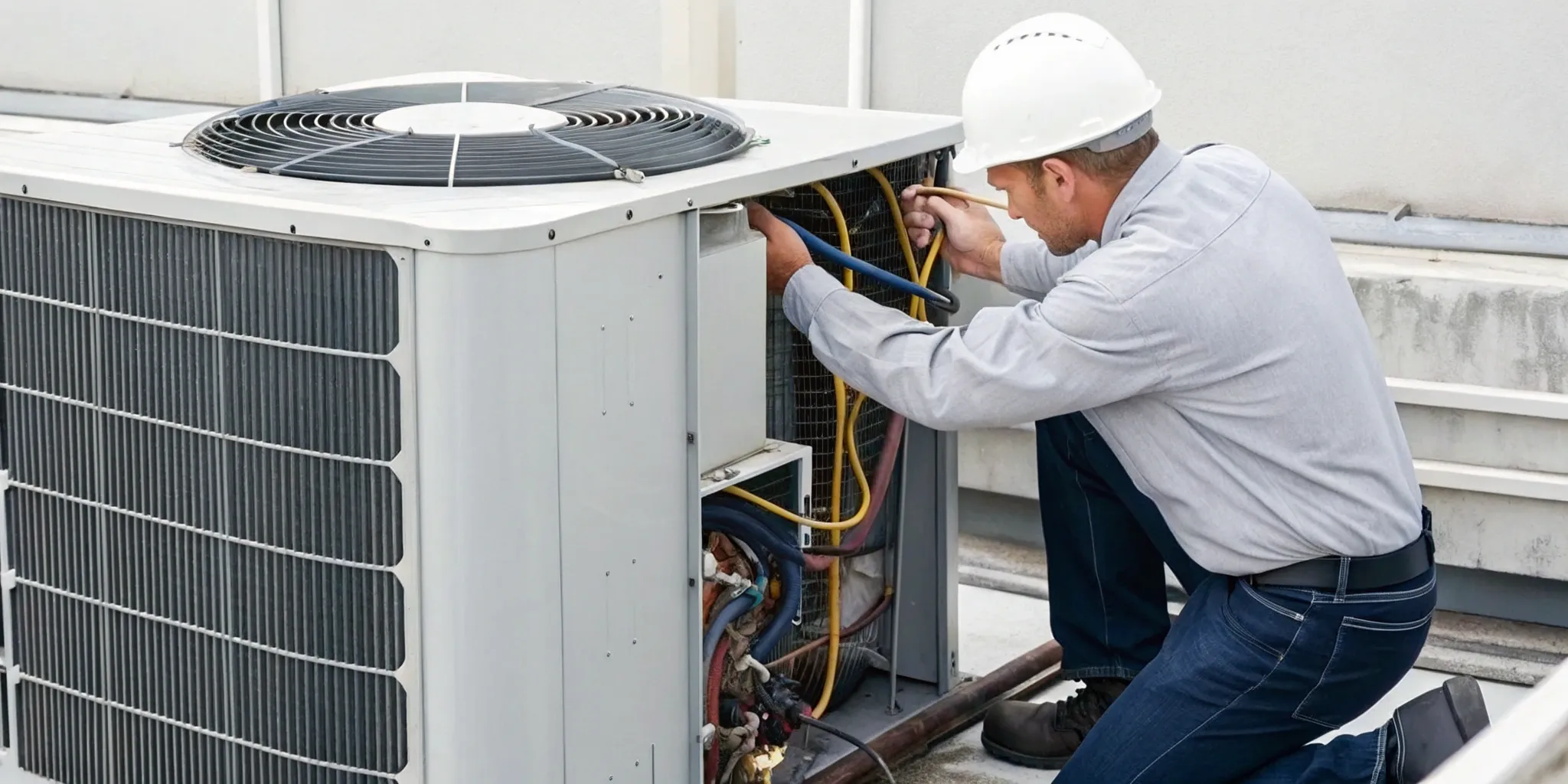
Your air conditioning system has two main parts: an indoor unit and an outdoor unit. The outdoor unit, or condenser, is responsible for releasing the heat that was removed from your home. To do this effectively, it needs plenty of clear space for airflow. If the unit is blocked by overgrown shrubs, covered in leaves, or clogged with dirt and grass clippings, it can’t get rid of heat efficiently. This forces the system to work overtime and can lead to it blowing warm air inside. A quick walk around your property to clear any debris from the unit can sometimes make a big difference.
Did a Breaker Trip? Check for Electrical Problems
Your air conditioner relies on electricity to power both its indoor and outdoor components. Sometimes, a power surge or an overloaded circuit can cause a circuit breaker to trip, cutting power to your outdoor unit. When this happens, the indoor fan may continue to run, but since the outdoor condenser isn’t working, the air it circulates will be warm. You can check your home’s electrical panel to see if the breaker for your AC has tripped. If it continues to trip after you reset it, there’s likely a deeper electrical problem that requires a professional diagnosis to ensure your system is operating safely.
AC Running But No Air Blowing From Vents?
Okay, so you hear the outdoor unit humming away, but inside, there’s nothing but silence from your vents. It’s a strange and unsettling problem. While your AC seems to be working, the cool air it’s creating isn’t actually going anywhere. This usually points to an issue with the indoor part of your system, specifically the components responsible for circulating air. The good news is that the cause is often straightforward. From a simple mechanical failure to a blocked pathway, let's look at what could be stopping the airflow and what you can do about it.
Blower Motor and Fan Assembly Issues
The blower motor is the powerful fan inside your indoor unit that pushes air through the ductwork. If it’s not working, you won’t feel a thing. A common point of failure is the run capacitor, a small part that gives the motor the electrical kick it needs to start. If the capacitor dies, the motor can’t spin up. The motor itself can also fail due to age, or the fan blades might be too caked with dust to move air. These components are central to your entire heating and cooling system, and motor or capacitor issues require a technician.
Ductwork and Vent Blockages
If the blower motor is running, the problem might be in your ductwork. A major duct line can become disconnected, especially in an attic, meaning cool air is just blowing into an empty space. On a simpler note, check your return air vents—the larger grilles that pull air into the system. If they’re blocked by furniture or rugs, the system is essentially being suffocated and can’t produce strong airflow. Improperly sized ducts can also create a permanent bottleneck that a professional needs to assess. Clear ducts are essential for good indoor air quality and efficiency.
System Controls and Safety Features
Modern ACs have safety features to prevent damage. One is the condensate overflow switch. As your AC cools, it removes humidity that collects in a drain pan. If this drain line gets clogged, the pan fills with water and trips a switch that shuts down the indoor unit to prevent a flood. This is a common reason for an AC to stop blowing air. Additionally, your system’s control board might be trying to tell you something with a blinking error code. If you see this, it’s a clear sign that it’s time to call a professional.
5 DIY Fixes When Your AC Air Is Not Blowing Cold
When your AC starts blowing warm air on a hot Texas day, it’s easy to assume the worst. But before you pick up the phone, there are a few simple things you can check yourself. Sometimes, the fix is surprisingly easy and can save you the time and expense of a service call. Walking through these five steps can help you diagnose the issue or, at the very least, gather useful information for a technician. Let's get your cool air back.
Check Your Thermostat Settings
It might sound too simple to be true, but an incorrect thermostat setting is a common culprit. First, make sure your thermostat is set to "cool" and not accidentally switched to "heat" or "off." Next, check the fan setting. If it’s set to "ON," the fan will blow continuously, even when the air isn't being cooled. Change it to "AUTO" so it only runs during a cooling cycle. Finally, set the temperature a few degrees lower than the current room temperature to ensure the system kicks on. If these adjustments don't solve the problem, it's time to move on to the next check.
Replace the Batteries and Clean Out Dust
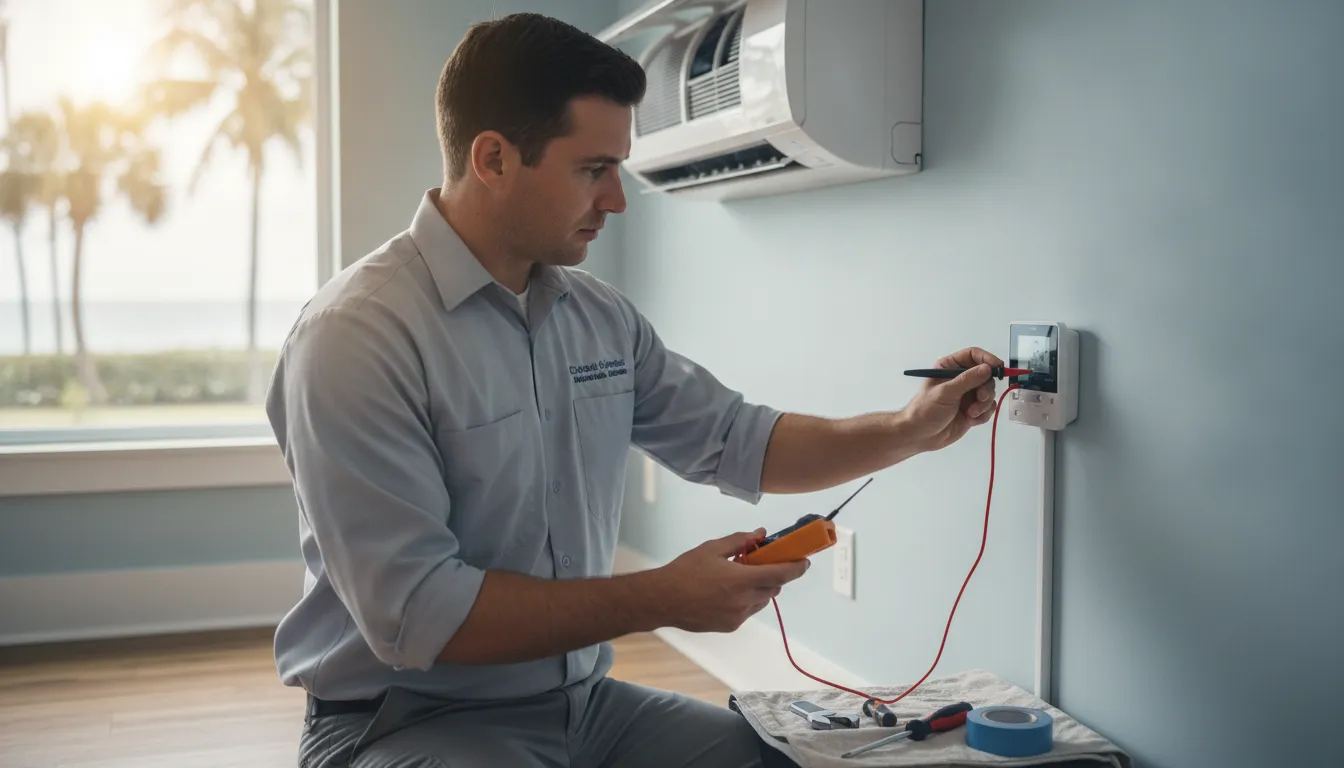
If your thermostat screen is blank or the settings won’t hold, the problem could be as simple as dead batteries. Many digital thermostats rely on battery power to function, and without it, they can't send the signal to your AC unit to start a cooling cycle. Pop the cover off and replace the batteries to see if that restores power. While you have it open, check for dust buildup inside. Dust can insulate the thermostat’s sensors, leading to inaccurate temperature readings. Gently use a soft brush or a can of compressed air to clear away any debris, ensuring your thermostat can accurately sense the room’s temperature and function correctly.
Set an Energy-Efficient Temperature
When you’re feeling hot, it’s tempting to set the thermostat to a very low temperature, hoping it will cool your home faster. However, an air conditioner cools at a set pace, regardless of whether you set it to 75°F or 65°F. Setting it too low only makes the system run longer, putting unnecessary strain on the components and increasing the risk of the evaporator coils freezing over. For a good balance of comfort and efficiency, the Department of Energy suggests a setting of 78°F. This temperature helps prevent your system from being overworked and is a key part of maintaining energy-saving systems in your home.
Inspect and Change the Air Filter
Your AC system needs to breathe, and a dirty air filter can suffocate it. When the filter gets clogged with dust and debris, it restricts airflow, forcing your system to work much harder to cool your home. This strain can reduce its efficiency and even cause the indoor unit’s coils to freeze over. Pull out your air filter and hold it up to a light. If you can't see light through it, it's definitely time for a change. As a general rule, you should check your filter monthly and plan to replace it every one to three months, especially during peak cooling season. A clean filter is essential for good indoor air quality.
Clear Away Debris from the Outdoor Unit
Your air conditioner's outdoor unit, the condenser, works by releasing heat from your home into the outside air. To do this effectively, it needs plenty of space for air to circulate. Take a walk outside and check on your unit. Are there overgrown bushes, tall weeds, or fallen leaves crowding it? Clear away any plants or debris, leaving at least two feet of open space around the entire unit. If the metal fins look dirty, you can gently spray them down with a garden hose to remove any built-up grime. Just be sure to turn the power off at the breaker first.
Check the Circuit Breaker
An air conditioner is a powerful appliance that can sometimes trip a circuit breaker, especially during a power surge or when it’s working extra hard. Head to your home's main electrical panel and look for the breaker labeled for your AC or air handler. If it’s in the "off" position or stuck in the middle, it has tripped. You can try resetting it by flipping it completely off and then back on again. However, if the breaker trips again right away, don't keep resetting it. This indicates a more serious electrical problem that requires professional air conditioning services.
Check All Related Power Switches
Your air conditioner has more than one power switch, and it's important to check them all. Besides the circuit breaker in your main electrical panel, there's usually an outdoor disconnect switch. This is a metal box located on the exterior wall near your condenser unit. Open the cover and ensure the switch is in the "on" position. If both the outdoor switch and the breaker are on but the unit still won't run, the problem is more complex. A breaker that trips repeatedly is a major red flag, signaling an electrical fault that could be a fire hazard. Don't keep resetting it. This is a clear sign that it's time to call for a professional diagnosis to keep your home and system safe.
How to Properly Reset Your AC System
Sometimes, your air conditioner's internal electronics just need a reboot, much like a computer. A full system reset can clear minor faults and get things running again. First, turn your thermostat to the "off" position. Next, go to your circuit breaker panel and flip the breaker for your AC to "off." Leave it off for a full 30 minutes. This waiting period is crucial, as it allows the internal pressure and safety circuits to reset completely. After 30 minutes, flip the breaker back on. Wait another five minutes, then go to your thermostat and set it back to "cool." If your AC still doesn't start, the issue requires a technician's expertise.
Look for Ice on the Indoor Unit
Ice buildup on your indoor unit is a clear sign that something is wrong. It usually points to an airflow problem (like a clogged filter) or low refrigerant levels. If you see ice or frost on the evaporator coil or the copper lines connected to it, the first thing you should do is turn your entire AC system off at the thermostat. This will allow the ice to melt. Running the system while it's frozen can cause serious damage to the compressor. While a dirty filter could be the cause, ice often signals a refrigerant leak, which is a job for a certified technician.
Your AC Is Blowing Warm Air. Now What?
That moment of panic when you realize your AC is running but the air coming out is warm is a feeling no Texan wants. Before you pick up the phone, take a deep breath. There are a few simple things you can check yourself that might solve the problem right away. Walking through these steps can help you identify a minor issue or give a technician valuable information if you do need to make a call. It’s all about ruling out the easy stuff first. Let’s go through a quick checklist to see if we can get that cool air flowing again.
Turn the System Off
First things first, head to your thermostat and turn the entire AC system off. This is the most important initial step because it prevents a small problem from becoming a big, expensive one. If the issue is low refrigerant or frozen coils, continuing to run the unit can seriously damage the compressor, which is the heart of your air conditioner. By shutting it down, you give the system a chance to rest and prevent any further strain while you investigate. This simple action protects your equipment and is a crucial first move in any AC troubleshooting.
Double-Check the Thermostat
It might sound too simple, but you’d be surprised how often the thermostat is the culprit. Someone in the house might have accidentally changed the settings. Make sure your thermostat is set to "COOL," not "HEAT" or "OFF." Next, check the fan setting. It should be on "AUTO," not "ON." When the fan is set to "ON," it runs continuously, even when the air isn't being cooled. This means you'll feel room-temperature air blowing from your vents between cooling cycles, making you think the AC is broken. Setting it to "AUTO" ensures the fan only runs when the system is actively cooling.
If You See Ice, Let It Thaw
Go to your indoor unit (often in a closet, attic, or basement) and look for any signs of ice on the copper lines or the coil. If you see frost or a solid block of ice, it’s a clear sign of a problem, usually related to airflow or low refrigerant. Your first move is to keep the system turned off to let the ice melt completely. Running the AC while it’s frozen can cause significant damage. You can switch the thermostat’s fan setting to "ON" (while the cooling is off) to circulate air and speed up the thawing process. Once it’s thawed, you can try running it again, but if it ices up a second time, it’s time to call for help.
Clear the Outdoor Unit and Change the Filter
Your air conditioner needs to breathe to work properly. Start by checking your air filter. If it’s clogged with dust and debris, it can restrict airflow so much that it causes the system to freeze up or struggle to cool your home. If it looks dirty, replace it. Next, head outside to your condenser unit. Make sure there’s at least two feet of clear space around it. Trim back any overgrown bushes, weeds, or grass. Remove any leaves, twigs, or other debris that may have collected on top of or around the unit. Proper airflow is essential for your AC to release heat outside, and keeping this area clean is a key part of regular HVAC maintenance.
When Is It Time to Call a Professional?
You’ve checked the thermostat, changed the filter, and cleared the outdoor unit, but warm air is still coming through your vents. While it’s great to handle the simple fixes yourself, some AC problems are more complex and require a trained eye. Trying to fix major issues on your own can sometimes lead to bigger, more expensive problems or even create safety hazards. If you’ve run through the basic checklist and are still stumped, it’s a good sign that you need to bring in a professional. Certain symptoms are clear indicators that your system needs expert attention right away.
If You Suspect a Refrigerant Leak
If your AC is blowing warm air but the fan is working, you might have a refrigerant issue. Refrigerant is the substance that absorbs heat from your home, and if levels are low, your system can’t cool effectively. You might hear a hissing or bubbling sound near your unit or notice that your evaporator coils are frozen. It’s important to know that refrigerant doesn’t get "used up" like gas in a car. If it’s low, there’s a leak somewhere. Handling refrigerant requires special certification, so this is a job strictly for a professional. A technician can find and repair the leak before safely recharging your system. Our team is fully equipped to handle these kinds of air conditioning services.
Hearing Strange Noises or Smelling Odors?
Your air conditioner should operate with a consistent, low hum. If you start hearing unusual sounds like grinding, squealing, clanking, or loud buzzing, it’s a cry for help. These noises often point to mechanical problems, like a failing motor, a loose part, or a problem with the compressor. Similarly, any burning smells are a major red flag. An electrical issue or an overheating motor could be the cause. If you hear or smell anything out of the ordinary, turn your AC system off at the breaker immediately to prevent further damage and contact a professional for an emergency repair.
Your AC Cycles Non-Stop or Energy Bills Are Spiking
Does your AC turn on and off every few minutes? This is called short cycling, and it’s a sign that something is wrong. It puts a lot of wear and tear on your system and can drastically shorten its lifespan. Short cycling can be caused by several issues, from a refrigerant leak to an oversized unit. It also means your AC is working inefficiently, which you’ll notice in your monthly energy bills. If your electricity costs have suddenly spiked without a clear reason, your air conditioner is likely working overtime to cool your home. A technician can diagnose the root cause and get your system running efficiently again.
When Your DIY Fixes Aren't Working
Sometimes, despite your best efforts, the problem is beyond a simple DIY fix. If you’ve gone through all the basic troubleshooting steps and your home still feels like a sauna, it’s time to make the call. Continuing to run an AC that isn’t cooling properly can cause serious damage, especially to the compressor, which is one of the most expensive parts to replace. For example, if you see a significant amount of ice on your indoor unit, you should turn the system off and call for help right away. Don’t hesitate to reach out for professional air conditioning services to get your home cool and comfortable again.
Our Team is Ready to Help
While it's empowering to solve an AC issue on your own, knowing when to call for backup is just as important. If you’ve already worked through the basic checks—confirming your thermostat settings, swapping out a dirty filter, and clearing the outdoor unit—but you’re still getting warm air, it’s a strong signal that the problem runs deeper. Issues like a potential refrigerant leak or frozen evaporator coils aren't just complex; they can cause more damage if not handled correctly. Instead of guessing, let our team take it from here. We have the tools and expertise to diagnose the root cause safely and efficiently, ensuring your home gets back to being the cool, comfortable retreat you need. Don't hesitate to reach out to our team for expert help.
How to Prevent Future AC Problems
An ounce of prevention is worth a pound of cure, especially when it comes to your air conditioner in the middle of a Texas summer. Dealing with a broken AC is stressful, but you can avoid many common issues with a little proactive care. Staying on top of a few simple maintenance tasks will keep your system running smoothly, extend its lifespan, and save you from the headache of an unexpected breakdown. Think of it as a simple routine that protects your comfort and your wallet. These steps don't require a lot of time, but they make a huge difference in your system's performance and reliability.
Stick to a Regular Filter-Changing Schedule
This is one of the easiest and most effective things you can do for your AC system. A dirty air filter is a common culprit behind cooling problems. When the filter gets clogged with dust and debris, it restricts airflow, forcing your air conditioner to work much harder to cool your home. This extra strain can lead to bigger issues, like a frozen evaporator coil, and drive up your energy bills. I recommend checking your filter once a month and changing it at least every three months. If you have pets or allergies, you might need to change it more often. Set a recurring reminder on your phone so you never forget.
Don't Skip Annual Professional Maintenance
While changing filters is a great DIY task, your AC system also needs an expert check-up. Having a professional inspect your unit twice a year, once in the spring for cooling and once in the fall for heating, is the best way to catch potential problems before they start. A technician can clean internal components, check refrigerant levels, and ensure everything is running efficiently and safely. Our membership program makes this easy by including regular tune-ups, so you can have peace of mind knowing your system is always ready for the season ahead. It’s a small investment that prevents costly emergency repairs down the line.
Consider Our Membership Program for Ongoing Care
Keeping up with annual maintenance can feel like just one more thing on an already packed to-do list. We get it. That's why we designed our membership program to take the hassle out of HVAC care. Instead of you having to remember to call and schedule service every spring and fall, we handle the reminders and give you priority scheduling. As a member, you can rest easy knowing your system will get a thorough tune-up before the cooling and heating seasons begin. Our technicians will clean essential components, check for potential issues, and ensure your system is running at peak efficiency. It’s a simple, proactive way to protect your investment, avoid costly emergency repairs, and maintain your home’s comfort year-round. Exploring our membership is a great step toward total peace of mind.
Keep the Outdoor Unit Clear
Your AC system has an outdoor component, called the condenser, that needs room to breathe. This unit works by releasing heat from your home into the outside air. If it’s surrounded by bushes, tall grass, leaves, or other debris, it can’t do its job effectively. Make a habit of checking the area around your outdoor unit. Trim back any plants or weeds to create at least two feet of clear space on all sides. You can also gently rinse the exterior fins with a garden hose to remove any built-up dirt and grime. This simple step helps your system run more efficiently.
Learn Your AC's Normal Sights and Sounds
You know your home best, so you’re the first line of defense when it comes to spotting AC trouble. Pay attention to how your system operates. Do you hear any new or strange noises, like grinding or squealing? Does the air coming from the vents feel weaker than usual? Are some rooms warmer than others? Noticing these small changes and addressing them early can prevent a minor issue from turning into a major system failure. If something seems off with your air conditioning, don't wait for it to get worse. Acting quickly is key to keeping your system in top shape.
Understand Your System's Lifespan
Think of your air conditioner like a car—its lifespan depends heavily on how well you care for it. While most modern AC systems are built to last around 15 to 20 years, that number isn't a guarantee, especially with the constant use our units see in Corpus Christi. Knowing your system's age helps you make informed decisions. If your unit is over 10 years old and facing a major repair, it might be more cost-effective to consider a replacement with a more efficient model, like the reliable systems from Trane, rather than patching up an aging unit.
The good news is you have a lot of control over how long your system lasts. A dirty air filter forces your system to work much harder, leading to premature wear. You are the first line of defense in spotting trouble, and paying attention to your system's performance is key. Scheduling regular professional maintenance is one of the best ways to prevent future AC problems. This consistent care helps your AC reach its full potential lifespan and keeps it running efficiently, saving you money on energy bills and unexpected repairs.
How to Stay Cool While You Wait for a Pro
So, you’ve made the call for professional help, but the Corpus Christi heat isn’t going to wait patiently with you. While our team gets ready to head your way, the immediate challenge is staying comfortable and safe. The good news is you aren’t helpless. A few simple adjustments inside your home can make a significant difference in managing the temperature and preventing the AC issue from getting worse. Here are a few practical steps you can take to keep your cool while you wait for one of our technicians to arrive.
Switch Your Thermostat to "Fan Only"
First, head to your thermostat for a quick check. Make sure it’s set to “COOL.” Next, look at the fan setting. You’ll want it on “AUTO,” not “ON.” While it might seem like having the fan constantly running would help, the “ON” setting tells the system to blow air continuously, even when the cooling components aren’t active. This means it will circulate warm or room-temperature air throughout your home, which is the last thing you want. The “AUTO” setting ensures the fan only runs when the system is actively trying to cool the air, giving you a better chance of getting some relief if the unit kicks on intermittently.
Use Fans to Circulate Air
This is the perfect time to put your ceiling and portable fans to work. While fans don’t lower the actual temperature of a room, they create a wind-chill effect that helps your body feel cooler by evaporating sweat from your skin. Make sure your ceiling fans are spinning counter-clockwise to push cool air downward. You can also help keep the heat out by closing blinds and curtains, especially on sun-facing windows. Try to avoid using heat-generating appliances like the oven, stove, or clothes dryer. Every little bit helps when you’re trying to keep your home’s temperature from climbing.
Should You Turn the AC Off Completely?
If your air conditioner is making strange noises or you’ve noticed ice forming on the coils, the best thing you can do is turn the system off completely at the thermostat. Continuing to run the AC when it’s not cooling properly can cause more significant damage, especially if the coils are frozen or the refrigerant is low. Turning it off prevents a minor issue from turning into a major, more expensive repair. It also gives any ice on the coils a chance to thaw before our technician arrives, which can make diagnosing the problem much faster. When you need a professional diagnosis, you can always count on our air conditioning services.
Related Articles
- Air Conditioner Not Blowing Cold Air | Tommy Cool Air
- AC not turning on? A homeowner's checklist | Tommy Cool Air
- My Air Conditioner Froze Up | Tommy Cool Air
- My Air Conditioner Is Making Weird Noises | Tommy Cool Air
- My AC Is Leaking Water | Tommy Cool Air
Frequently Asked Questions
How often should I really be changing my air filter? The standard advice is every one to three months, but your home's needs might be different. If you have pets that shed, live with someone who has allergies, or are near a dusty area, you should check your filter monthly. A good rule of thumb is to hold the filter up to a light; if you can't see light passing through it, it's time for a new one. Staying on top of this simple task is the best way to support your system's health.
I see ice on my indoor unit. What's the first thing I should do? If you spot ice on your indoor coils or the copper lines, your immediate step is to turn the entire AC system off at the thermostat. Running the unit while it's frozen can cause serious damage to the compressor. You can then switch the fan setting to "ON" (while the cooling is off) to help circulate air and speed up the thawing process. Ice is a clear sign of an underlying issue, like poor airflow or a refrigerant leak, so once it has melted, you should call a professional to diagnose the root cause.
My AC breaker keeps tripping. Is it okay to keep resetting it? You can safely reset a tripped breaker once. However, if it trips again shortly after, you should not keep resetting it. A breaker that repeatedly trips is a warning sign of a more serious electrical problem within your AC system. Continuously resetting it can create a fire hazard or cause further damage to the unit. In this situation, it's best to leave the breaker off and call a certified technician to safely inspect your system.
Can I just add more refrigerant to my AC system myself? No, you should never attempt to add refrigerant yourself. Your air conditioner is a closed system, so if it's low on refrigerant, it means there is a leak somewhere. Handling refrigerant requires special tools and an EPA certification due to the environmental and safety risks involved. A professional technician needs to find and repair the leak first, then recharge the system to the precise level required by the manufacturer.
I've tried all the simple checks, but my AC is still blowing warm air. What's next? If you've already checked the thermostat settings, replaced the air filter, and cleared the outdoor unit without success, it's time to call for professional help. These symptoms point to a more complex issue, such as a refrigerant leak, a failing capacitor, or a problem with the compressor. Continuing to run the system could make the problem worse, so turning it off and scheduling a service call is the best next step to get your home cool again.