When you’re buying a home, the biggest fear is the unknown. What expensive problems are hiding behind the walls or buried under the yard? A sewer camera inspection is your best defense against one of the costliest surprises. So if that report came back as a failed sewer inspection, take a deep breath. You’ve actually succeeded in uncovering a major issue before it became your financial burden. Instead of a catastrophe, you now have concrete evidence and leverage. This isn't the end of your homebuying journey; it's a crucial checkpoint that gives you options.
Key Takeaways
- Don't Panic, Negotiate: A failed inspection isn't a dealbreaker; it's your best negotiating tool. Use the detailed report to ask the seller for repairs, a price reduction, or a credit to cover the costs.
- Know Your Three Main Options: You can ask the seller to fix the problem before closing, negotiate a lower price to handle the repairs yourself, or walk away from the deal if the issues are too big or the seller won't budge.
- Get Professional Quotes and Plan Ahead: Before negotiating, get several quotes from licensed plumbers to understand the real cost. Once you own the home, stay proactive with regular maintenance to prevent future issues and protect your investment.
Your Sewer Inspection Failed. Now What?
So, you got the news: the sewer inspection on your potential new home didn't pass. Take a deep breath. While it sounds scary, this is actually a common hurdle in the homebuying process. A failed inspection doesn't automatically mean you have to walk away from your dream house. It simply means you’ve uncovered a problem that needs a solution, and now you have the power to negotiate. Think of it as finding a hidden issue before it becomes your expensive, messy surprise down the road. This report gives you valuable information and leverage. Let's break down what the inspection found and what it means for your next steps.
What a Sewer Camera Inspection Reveals
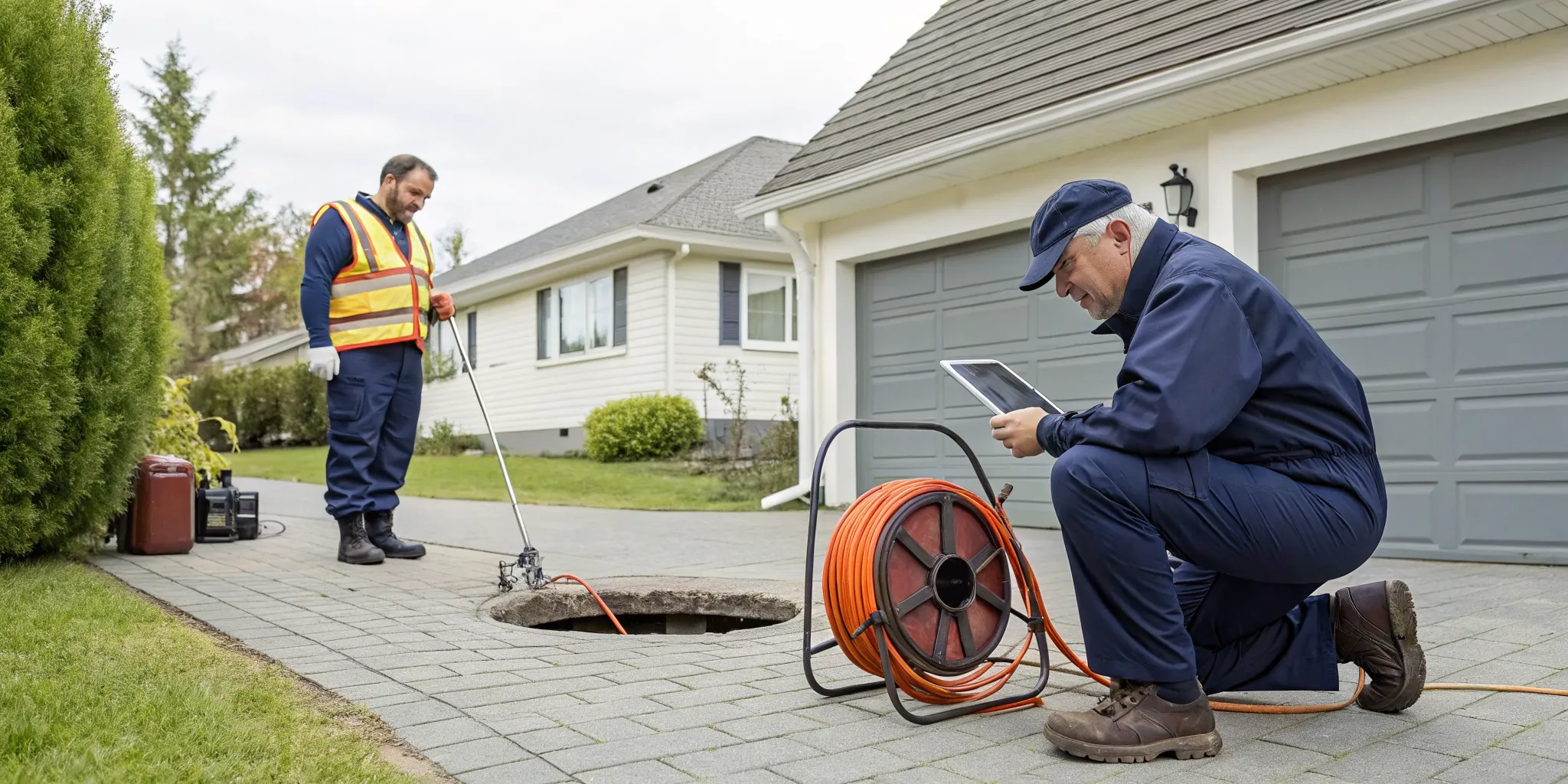
If you’re wondering what a sewer inspection even is, it’s pretty straightforward. A professional plumber feeds a special high-resolution camera attached to a flexible cable into the home's main sewer line. This line is usually accessed from a cleanout pipe in the yard or basement. The camera sends a live video feed to a monitor, allowing the plumber to see the inside of the pipes in real-time. They can spot any issues hidden deep underground, from the house all the way to where it connects with the city's main sewer. This gives you a clear, visual report on the health of a system you’d otherwise never see.
Top Reasons for a Failed Sewer Inspection
A "failed" inspection can mean a lot of different things. The camera might have spotted one or more common problems that can disrupt your home's plumbing. These often include clogs from grease, hair, or other debris that have built up over time. Another frequent culprit is tree roots, which are naturally drawn to the moisture in sewer lines and can force their way into pipes, causing cracks and blockages. In older homes, pipes made of clay or cast iron can simply degrade, crack, or collapse with age. Sometimes, the ground itself shifts, causing pipes to break or become misaligned, which is something we see in the Corpus Christi area.
Corrosion and Pipe Degradation
Many older homes in our area were built with cast iron or steel sewer pipes. While durable for their time, these materials are susceptible to rust and corrosion over the decades. As the metal breaks down, the pipe walls become thin and weak, making them prone to cracks and leaks. An inspection camera can easily spot the rough, flaky texture of a corroding pipe. This isn't just about preventing a future collapse; a compromised pipe can leak wastewater into the ground around your foundation, creating a significant and unsanitary problem. Addressing corrosion early is key to protecting your property and avoiding a much larger, more expensive failure later on.
Bellied or Sagging Pipes
Imagine a dip in the middle of a road where rainwater always pools. A bellied or sagging pipe is the underground equivalent of that. Over time, the soil around a pipe can shift and settle, causing a section of the sewer line to sink lower than the rest. This creates a low spot, or "belly," where water and solid waste collect instead of flowing smoothly out to the city main. This stagnant pool of waste leads to recurring clogs, slow drains, and unpleasant odors. While a drain snake might clear the blockage temporarily, the underlying belly will cause the problem to return until the section of pipe is properly repaired and re-supported.
Inadequate Pipe Slope
Your home's sewer system relies on one simple, powerful force: gravity. For waste and water to flow away from your house effectively, the sewer line must be installed with a specific, consistent downward slope. A pipe that is too flat won't have enough pull to move solids along, leading to buildups and clogs. Conversely, a pipe that is too steep can cause water to rush past solids, leaving them behind to create a blockage. An inadequate slope is typically an installation error, but it’s a critical flaw that a camera inspection will reveal, explaining why a home might have chronic drainage issues.
Improper Venting
Every plumbing fixture in your home needs a vent pipe to function correctly. These vents, which usually run up through the roof, allow air to enter the drain system. This regulates the air pressure, preventing a vacuum from forming and allowing water to flow freely down the drain. If the venting is inadequate or blocked, you'll notice symptoms like gurgling drains, slow drainage, and even foul sewer gas smells entering your home. Because sewer gas contains harmful bacteria, improper venting isn't just an annoyance; it's a health concern that a failed inspection will flag for immediate correction.
Outdated or Non-Code Materials
Plumbing codes are updated regularly to incorporate safer, more durable materials and installation techniques. An inspection might fail because the home's plumbing uses outdated materials, like clay or Orangeburg pipes, which are known to fail. It can also fail due to improper repairs made over the years. Using the wrong fittings or mixing incompatible materials (like connecting a plastic pipe directly to a galvanized one without the proper connector) can create weak points that are prone to leaks. Our licensed plumbers know the current codes and can ensure any plumbing repairs are done right, protecting your home's safety and value.
Cross-Connections
A cross-connection is one of the most serious issues a plumbing inspection can find. This is any point in a plumbing system where the clean, potable water supply could potentially mix with contaminated water from a source like a sewer line, boiler, or irrigation system. This creates a severe health hazard, as it can introduce bacteria and pollutants into your drinking water. An example could be a lawn sprinkler system that is improperly connected to the main water line without a backflow prevention device. An inspector will always fail a system with a cross-connection, as it requires immediate professional correction to ensure the water in your home is safe to drink.
What This Means for Your Home Purchase
Finding these issues before you sign the closing papers is a good thing. It saves you from facing unexpected and costly plumbing repairs after you move in. A failed inspection report is a powerful tool for negotiation. It doesn't mean the deal is off; it means you have concrete evidence of a problem that needs to be addressed. You can use this information to ask the seller to fix the issue, negotiate a lower price for the home to cover the cost of repairs, or request a credit at closing. This puts you in a much better position to make a smart financial decision about the property.
Potential Impact on Home Insurance
Beyond the immediate repair costs, a failed sewer inspection can have ripple effects on your ability to insure the home. Insurance companies view unresolved major plumbing issues as a significant risk for future claims, especially for water damage or sewage backups. If you close on the home without addressing the problem, you might face higher premiums or find it difficult to secure coverage from certain providers. Even worse, if the known issue leads to a sewer backup later, your insurer could potentially deny the claim, arguing it was a pre-existing condition you were aware of. Getting this sorted out before you own the property protects not just your wallet, but also your ability to get affordable and comprehensive homeowners insurance.
The Need to Redo Finished Work
Think about where the sewer line runs. Is it under a pristine lawn, a new driveway, or a finished basement? Sewer repairs are often invasive, requiring excavation to access the pipes. If you wait to fix this until after you've moved in and made the house your own, you could face the heartbreaking and expensive task of tearing up finished work. By addressing this during the negotiation phase, the cost and hassle of digging up landscaping or breaking through concrete falls on the seller or is factored into your purchase price. This is why getting a quote from a licensed plumber is so critical; it accounts for not just the pipe repair, but the entire restoration process, saving you from a messy and costly surprise later.
What Are Your Options After a Failed Inspection?
So, the sewer inspection report came back with bad news. Take a deep breath. While it’s definitely not the update you were hoping for, a failed inspection isn’t a dead end. In fact, it’s the exact reason you got the inspection in the first place: to avoid buying a home with major, hidden problems. Now that you have this information, you have power and options. You’re no longer in the dark about the home’s true condition. This report gives you the information you need to make a smart financial decision instead of an emotional one.
This is the point where you and your real estate agent can strategize. Generally, you have three main paths you can take. You can ask the seller to handle the repairs before you close, you can negotiate on the price to cover the future cost of repairs, or, if the problems are too big or the seller won’t budge, you can walk away from the deal entirely. Each option has its pros and cons, and the right choice depends on the severity of the issue, your budget, and the seller's willingness to cooperate. Let's break down what each path looks like so you can feel confident in your next step.
Check for Insurance Coverage Options
Another important angle to consider is insurance. It's a common misconception that a standard homeowners policy will cover sewer line problems, but that's rarely the case. Most policies don't cover damage from things like normal wear and tear, corrosion, or even tree roots. However, you can often add specific coverage for your sewer lines through an endorsement or rider. This is an optional add-on that can provide financial protection if the lines under your home are damaged. Getting to the bottom of what caused the problem, just like your inspection did, is key to understanding if a future claim would be covered. If you decide to buy the home, looking into this extra sewer line coverage is a smart move to protect yourself from future surprises.
Requesting Repairs from the Seller
This is often the first route buyers consider. Your purchase agreement likely includes an inspection contingency, which gives you the right to request repairs for issues discovered during the inspection. If the sewer line has cracks, root intrusion, or a blockage, you can ask the seller to fix the issues before you buy the house. Your real estate agent will submit a formal amendment to the contract outlining the required repairs based on the inspection report. It’s wise to insist that a licensed professional performs the plumbing services and provides receipts as proof of completion before the final walkthrough. This ensures the job is done right and you aren't left with a shoddy patch job.
Negotiating for a Lower Price or Credit
What if you’d rather oversee the repairs yourself to ensure they meet your standards? Or maybe the seller lives out of state and can’t manage the project. In these cases, negotiating is a great option. An inspection report with a significant repair estimate gives you solid ground to negotiate a better price for the home. You can ask for a price reduction or a "seller credit" at closing. A credit means the seller gives you a lump sum from their proceeds to cover the cost of the future repairs. This puts you in control, allowing you to hire the plumber you trust and manage the project on your own timeline after you own the home.
Knowing When to Walk Away
Sometimes, the best move is to walk away. If the sewer line needs a full replacement that costs tens of thousands of dollars, or if the seller refuses to negotiate on repairs or price, your inspection contingency is your escape hatch. It allows you to terminate the contract and get your earnest money back. This can feel disappointing, especially if you love the house, but it’s far better than getting stuck with a financial nightmare. As one homebuyer put it, if the seller won't budge on the financials, you have to be prepared to walk away. It’s a tough but necessary decision that protects your financial future from a potential money pit.
How to Negotiate for Sewer Repairs
Finding out a home has sewer problems can feel like a major setback, but it doesn't have to be a dealbreaker. With the inspection report in hand, you now have valuable information that gives you leverage. This is your opportunity to negotiate with the seller for a solution that works for you. Approaching the conversation with a clear plan and solid evidence will help you secure a fair outcome. Think of this not as a conflict, but as a business transaction where you are simply presenting the facts and proposing a reasonable path forward.
Start by Getting Multiple Repair Quotes
Your first step is to find out exactly what the repairs will cost. Contact a few different licensed plumbers to get detailed quotes for the work outlined in your inspection report. Costs can vary quite a bit between companies, so getting several estimates helps you understand the typical market rate for the job. This information is essential for your negotiation. When you can show the seller multiple professional quotes, it strengthens your request for a price reduction or repair credit. It moves the conversation from "there's a problem" to "here is the documented cost to fix the problem."
Know Exactly What Needs to Be Fixed
The sewer camera inspection is your most powerful tool. This report gives you a detailed look inside the pipes, showing the exact location and nature of the damage, whether it's cracks, blockages, or tree root intrusion. Before you talk to the seller, review the report and video footage so you can speak confidently about the issues. Knowing the specifics helps you justify your repair requests. You aren't just saying the sewer line is old; you're pointing to specific evidence from the inspection that proves repairs are necessary for the home's plumbing to function correctly.
Always Submit Your Requests in Writing
Once you decide how you want to proceed, whether you're asking for repairs, a price drop, or seller credits, make sure your request is in writing. An email or an official addendum to your purchase offer creates a clear record of your negotiations. This document should reference the sewer inspection report and include copies of the quotes you received. Putting everything in writing protects you and ensures there are no misunderstandings between you and the seller. It formalizes the process and shows you are a serious buyer who has done their homework. You can contact us to get a detailed, written estimate to support your request.
Understanding Your Sewer Repair Options
A failed sewer inspection can feel like a huge setback, but it's really just a new piece of information to work with. Now that you know there's a problem, you can figure out the best way to fix it. The right solution will depend on what the camera inspection revealed, from minor cracks to a completely collapsed line. Understanding your options is the first step toward getting your home purchase back on track and gives you the knowledge you need to negotiate effectively with the seller.
A licensed plumber can give you a detailed diagnosis and recommend the most effective approach, but it helps to know the lingo before you start collecting quotes. Generally, there are three main ways sewer lines are repaired or replaced: trenchless repair, traditional replacement, and spot repairs. Each has its own process, timeline, and cost, and the best choice depends entirely on the specific situation with the home's plumbing. Knowing the difference will help you ask the right questions when you get quotes and make an informed decision for your potential new home. It also prepares you to discuss the issue with the seller, whether you're asking for repairs or a credit toward the closing costs.
The No-Dig Method: Trenchless Repair
Imagine fixing a sewer line without digging up the entire yard. That’s the magic of trenchless sewer line repair. This modern method uses just one or two small access points to either insert a new, durable liner into the old pipe or pull a brand new pipe through. Because it leaves your lawn, driveway, and landscaping intact, it’s a favorite for many homeowners. This advanced trenchless technology is not only less disruptive but can also be faster and more cost-effective since you won't have hefty restoration bills for your yard afterward. It's a great option for fixing cracks, root intrusion, and misaligned pipes without a major excavation project.
The Traditional Method: Full Trenching
Sometimes, a sewer line is too damaged for a less invasive fix, and you have to go with the traditional replacement method. This involves digging a trench along the entire length of the damaged pipe to remove it and install a new one. While it sounds intense, it's often the only solution for severely collapsed lines or pipes made from outdated materials that have reached the end of their life. This approach is more labor-intensive and will disrupt your yard, but it gives you a completely new sewer system from the ground up. The sewer line replacement cost can be higher due to the excavation, but it provides a total overhaul.
Fixing Small Issues with Spot Repairs
If the inspection found only a small, isolated problem, a full replacement might be overkill. In these cases, a spot repair can be the perfect solution. This method targets only the specific area of damage, fixing it without disturbing the rest of the pipe. Depending on the issue, a plumber might use an epoxy lining to seal a crack or replace just a small section of the pipe. This is the least invasive and most affordable option for minor issues. You can learn more about how to repair a sewer line with these techniques, which can often be completed quickly with minimal disruption to the property.
When Should You Walk Away From the Home?
It’s the moment no homebuyer wants to face. You’ve found a house you love, but the inspection report comes back with a major problem. A failed sewer inspection can feel like a deal-breaker, and sometimes, it should be. Deciding whether to proceed or walk away is a huge decision, but it doesn't have to be an emotional one. By looking at the situation logically, you can make the best choice for your future and your finances. It's easy to get attached to a home, but a serious sewer issue is a problem that affects the health and safety of your household, not just the aesthetics.
It really comes down to three key things: the true cost of the repair, the overall state of the house, and how willing the seller is to work with you. Breaking it down this way helps you move past the disappointment and focus on the facts. Remember, finding this out now is far better than discovering a backed-up sewer line a few months after you've moved in. This is your chance to protect your investment before it’s too late. Getting a clear, professional opinion on the necessary plumbing services is the first step toward making a confident choice. A qualified plumber can give you a realistic scope of the work, which is the most powerful tool you'll have in this situation.
Do the Repair Costs Fit Your Budget?
First, let's talk numbers. A full sewer line replacement isn't a minor expense. In some situations, new homebuyers have faced estimates of nearly $18,000 for a complete replacement. That figure often doesn't even include the secondary costs, like repairing the floors, drywall, or landscaping that might be damaged during the repair. Before making any decisions, get a detailed quote from a licensed professional to understand the full financial picture. Once you have that number, hold it up against your budget. Do you have the cash to cover it? Even if the seller offers a credit, you need to be comfortable with the undertaking.
Is the Sewer Just One of Many Problems?
A major sewer issue might be manageable if it's the only problem. As some buyers find, if "the foundation, HVAC, and structure is really good," a single big repair might be worth it for an otherwise perfect home. When you know the rest of the house is in great shape, you can focus your resources on tackling the sewer line without worrying about other costly surprises popping up down the road. However, if the sewer problem is just one item on a long list of needed repairs, it’s a major red flag. A failing sewer line combined with an old roof, an aging air conditioning system, and questionable wiring can point to a pattern of deferred maintenance. In that case, you aren't just buying one problem; you're buying a potential money pit.
How Willing Is the Seller to Negotiate?
The seller's reaction to the inspection report is very telling. An offer to make the repairs, lower the price, or provide a credit shows they are motivated to close the deal. Many buyers find that if a seller covers closing costs or reduces the price to offset the repair, the deal is still worth pursuing. This kind of cooperation can make a stressful situation much more manageable. On the other hand, a seller who refuses to negotiate might be your sign to walk away. In a competitive market, some sellers might stand firm, believing another buyer will come along. But a seller’s refusal to address a significant, documented health and safety issue can speak volumes about how they’ve cared for the property.
Understanding the Seller's Perspective
It’s helpful to remember that the seller is also in a tough position. They now have a documented, significant issue with their property that they are legally required to disclose to any future potential buyers if your deal falls through. This problem isn't going away for them. A motivated seller will understand that it’s often easier and more cost-effective to negotiate a solution with you now rather than putting the house back on the market and starting the process all over again. Their willingness to make repairs, offer a credit, or lower the price is a strong indicator that they want to see the sale through. It shows they are reasonable and invested in making the deal work.
Considering Current Market Conditions
The current real estate market will also play a role in your negotiations. In a hot seller's market, a seller might feel they can easily find another buyer and be less willing to budge on price or repairs. However, a failed sewer line is not a small cosmetic issue—it's a major functional and safety problem that will deter most savvy buyers, regardless of how competitive the market is. A seller’s flat-out refusal to address a documented health and safety concern can be a major red flag. It might suggest a history of neglect and could be a sign of other hidden problems you haven't found yet, making it a risk you may not want to take on.
How to Prevent Future Sewer Problems
Whether you've just negotiated repairs or you're settling into your new home, the last thing you want is another sewer surprise. Staying proactive is the best way to protect your investment and keep your plumbing system running smoothly. By knowing what to look for and committing to a little upkeep, you can avoid the stress and expense of major sewer line problems down the road. Here’s how you can stay ahead of potential issues.
Know the Early Warning Signs of Sewer Issues
Your home will often give you subtle hints that something is wrong with the sewer line. Paying attention to these clues can help you catch a problem before it turns into a messy backup. Keep an eye out for drains that are slow in your sinks, showers, or toilets. You might also notice unpleasant sewage smells inside or outside your home. If you see sewage backing up into a basement drain or find soggy spots and unusually green patches of grass in your yard along the sewer line, it’s time to call a professional. These are all signs that your plumbing system needs immediate attention.
Fluctuating Water Pressure
Is your shower pressure strong one minute and a weak trickle the next? That inconsistent flow isn't just an annoyance; it's a clear warning sign from your plumbing system. Fluctuating water pressure can happen for several reasons. Sometimes, the problem is as simple as debris or mineral buildup inside old pipes. Other times, it could point to a faulty pressure regulator or even a hidden leak somewhere in your system. While occasional changes can be due to the municipal water supply, persistent fluctuations mean it's time to investigate. Ignoring it can lead to bigger problems, so if you notice your water pressure is all over the place, it's a good idea to have a professional diagnose the root cause of the issue.
Protect Your Pipes with Regular Maintenance
The old saying "an ounce of prevention is worth a pound of cure" is especially true for your sewer lines. Regular maintenance helps you find small issues like grease buildup, small cracks, or encroaching tree roots before they cause a complete failure. Catching these problems early is almost always cheaper and less disruptive than dealing with an emergency backup. A scheduled inspection can give you peace of mind and a clear picture of your sewer line's health. Our membership program includes annual plumbing evaluations to help you stay on top of maintenance and protect your home from unexpected, costly repairs.
Related Articles
- Plumbing Services Services | Corpus Christi, TX | Tommy Cool Air
- Broken Furnace: Repair It or Replace It? | Tommy Cool Air
Frequently Asked Questions
Is a failed sewer inspection an automatic deal-breaker? Not at all. In fact, it’s better to find a problem now than after you’ve moved in. Think of the inspection report as a powerful tool for negotiation. It gives you clear evidence of an issue, which you can use to ask the seller to make repairs, lower the home's price, or provide a credit to cover the costs. A failed inspection only becomes a reason to walk away if the damage is catastrophic and the seller is completely unwilling to find a fair solution with you.
Should I let the seller fix the sewer line or ask for a credit to do it myself? This depends on your comfort level. If you ask the seller to handle the repairs, you should insist that a licensed, reputable plumber does the work and provides proof of completion. This way, you move into a home with the problem already solved. However, taking a seller credit gives you full control. You can hire the plumber you trust and oversee the project to ensure the repair meets your standards. This option requires you to manage the work after you own the home, but it often provides greater peace of mind about the quality of the job.
What’s the real cost of a sewer line repair? The cost can vary significantly, so there isn't one simple answer. The final price depends on the extent of the damage, the length and location of the pipe, and the repair method needed. A minor spot repair will cost much less than a full traditional replacement that requires digging a trench across the yard. This is why your first step should always be to get at least two or three detailed, written quotes from professional plumbers. These estimates will give you a realistic financial picture and serve as the foundation for your negotiations with the seller.
If the seller agrees to repairs, how do I know they were done correctly? This is a great question. You shouldn't just take the seller's word for it. Your request for repairs should specify that the work must be completed by a licensed and insured plumber. You should also ask for copies of all receipts and warranties for the work performed. Finally, it is wise to schedule a follow-up camera inspection with your own trusted plumber after the repairs are finished but before your final walkthrough. This confirms the problem was truly fixed and gives you confidence before you sign the closing papers.
Once the sewer line is fixed, how can I prevent future problems? The best strategy is proactive care. Be mindful of what goes down your drains; avoid pouring grease, coffee grounds, or flushing anything other than toilet paper. If your property has large trees, their roots can be a recurring issue, so regular inspections are a good idea. Consider scheduling a professional plumbing evaluation every year or two. A plumber can run a camera through the line to catch small issues like minor cracks or root intrusion before they become expensive emergencies, saving you a lot of stress in the long run.