Let’s be real—nobody enjoys searching for the “furnace fan motor replacement cost.” Just seeing those words can make your wallet ache. But knowing what to expect is your best defense against overpaying. The final bill for a new furnace fan motor isn't a single, scary number. It’s a mix of factors like the motor type, your system's age, and even when you schedule the repair. This guide breaks down all the costs, showing you the typical price ranges and what you can do to keep the final price manageable.
Key Takeaways
- Understand the Price Tag: Replacement costs vary widely based on the motor type, from around $450 for a standard single-speed motor to $1,800 for an energy-efficient variable-speed model; the price reflects the technology's complexity and efficiency.
- Weigh Repair vs. Replacement Carefully: Repairing the motor is a great choice for younger, reliable furnaces. If your unit is over 15 years old or the repair bill is more than half the cost of a new furnace, investing in a full replacement is often the more economical choice.
- Be Proactive to Save Money: You can lower repair costs by doing your homework first. Check your furnace's warranty, ask your technician to confirm the motor is the true problem, and perform regular maintenance like changing air filters to prevent future failures.
What Does a Furnace Fan Motor Actually Do?
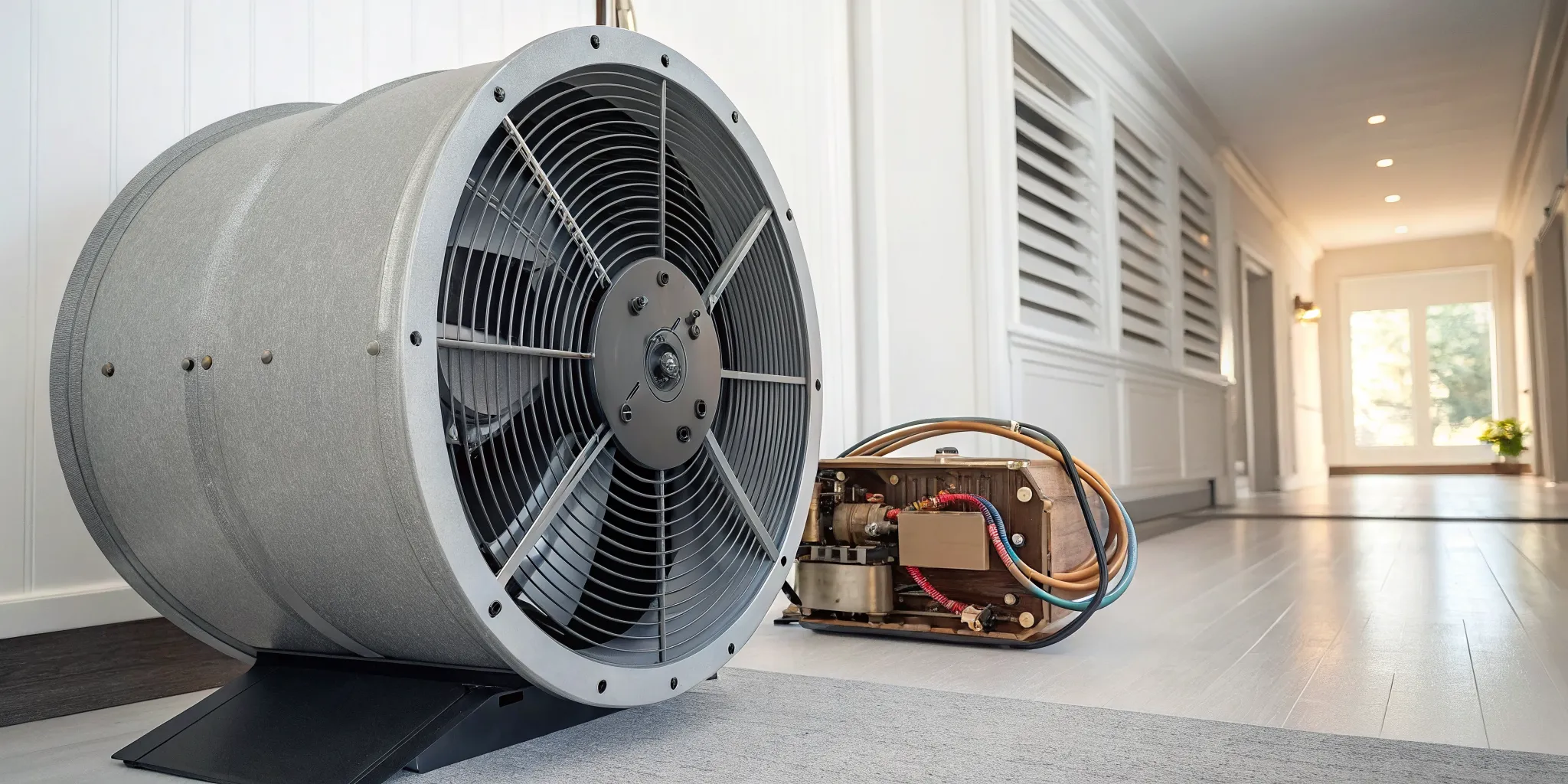
Think of your furnace fan motor as the heart of your home’s comfort system. Its one job is to circulate air. When your furnace heats the air, the fan motor is the powerful component that pushes that warm air through your ductwork and out of the vents into every room. Without it, the heat your furnace produces would just sit there, never reaching you. This makes the fan motor an absolutely essential part of your heating system.
But its work doesn’t stop in the winter. The very same motor is responsible for circulating cool air from your air conditioner during our hot and humid Texas summers. It’s a year-round workhorse, ensuring that whether you need to warm up or cool down, the conditioned air actually gets delivered throughout your home. A functioning fan motor is key to maintaining a comfortable temperature inside, no matter the season outside.
Simply put, if the fan motor fails, your entire HVAC system comes to a standstill. You might hear your furnace or AC unit click on, but you won’t feel any air moving from the vents. This not only leaves your home uncomfortable but can also cause other parts of your system to overwork and potentially fail. That’s why understanding what this motor does is the first step in recognizing when it needs professional attention from a qualified technician.
Circulating Conditioned Air
At its core, the furnace fan motor is all about movement. This small but mighty electric motor is connected to a fan, often called a blower. When your thermostat signals for a temperature change, the motor springs into action, spinning the fan to pull air across your furnace’s heat exchanger or your air conditioner’s evaporator coil. It then pushes that newly conditioned air into your home’s ductwork, distributing it through the vents in each room. Without this crucial circulation, even a perfectly functioning air conditioner would be useless, leaving you without the cool relief you need during a sweltering Corpus Christi afternoon.
Assisting with Air Filtration
The fan motor does more than just move air; it’s also a key player in keeping your home’s air clean. Your HVAC system’s air filter can only do its job if air is actively passing through it. The fan motor provides the necessary airflow, pulling household air through the filter to trap dust, pollen, and other airborne particles before circulating it back into your living spaces. This is why a dirty, clogged filter is so detrimental. It forces the motor to work much harder to pull air through, causing unnecessary strain that can lead to overheating and premature failure. Regularly changing your filter is one of the easiest ways to protect your fan motor and maintain good indoor air quality.
Understanding Normal Operation
So, what should you expect during normal operation? Whether it’s winter or summer, the process is similar. After your thermostat calls for a temperature change, you’ll hear your system click on. A few moments later, you should hear the gentle whir of the fan motor starting up, followed by the feeling of air flowing from your vents. This fan is the component responsible for moving warm air from your furnace in the winter and cool air from your AC in the summer. Knowing this simple sequence helps you recognize when something is off. If your unit is running but you feel no air, it’s a clear sign that the fan motor may need professional attention.
How Much Does a Furnace Fan Motor Replacement Cost?
When your furnace fan motor gives out, one of the first questions you’ll have is about the replacement cost. The final price tag depends heavily on the type of motor your system needs. Think of it like choosing an engine for a car; you have basic, mid-range, and high-performance options, each with a different price point and set of benefits.
The three main types of furnace fan motors are single-speed, multi-speed, and variable-speed. Each one functions a bit differently and comes with its own cost for both the part and the installation. Let's break down the typical price ranges so you know what to expect. Keep in mind these are general estimates, and the best way to get an exact price for your home is to schedule a professional assessment.
Breaking Down the Costs: Parts vs. Labor
When you get a quote for a furnace fan motor replacement, the price is split into two main categories: the cost of the motor itself (parts) and the time it takes a professional to install it (labor). The part is usually the biggest variable. A standard, single-speed motor is the most straightforward and affordable option. However, many modern furnaces use variable-speed motors. These are a larger upfront investment, but they are much more efficient, offering better airflow control and potential long-term energy savings. The advanced technology in these energy-saving systems costs more but gives you greater control and performance.
Next is the labor cost, which covers the technician's expertise and time. This isn't just a quick swap; the process involves diagnosing the problem, carefully disassembling the furnace housing, installing the new motor, and testing the system to ensure it runs smoothly and safely. This typically takes a couple of hours. While it might be tempting to focus only on the price, the quality of the installation is crucial. An experienced technician ensures the job is done right, preventing future issues and giving you peace of mind. This is why trusting a team with a proven track record is so important.
Single-Speed PSC Motor Costs
Single-speed PSC (Permanent Split Capacitor) motors are the workhorses of the furnace world. They are the most common and most affordable type of motor. As the name suggests, they operate at one fixed speed, turning on at full blast and shutting off completely. This straightforward operation makes them a reliable and budget-friendly choice for many homeowners.
If your furnace needs a single-speed motor replacement, you can generally expect the cost to be between $450 and $700 for the part and professional installation. This price point makes it an accessible fix when you need to get your heat back on without making a huge investment. While they aren't the most energy-efficient, their simplicity and lower upfront replacement cost make them a popular option.
Multi-Speed Motor Costs
A step up from the basic model, multi-speed motors offer more flexibility. These motors can operate at a few different fixed speeds (like low, medium, and high), allowing your furnace to adjust its airflow to better match your home's heating needs. This can lead to improved comfort and slightly better efficiency than a single-speed motor because the system doesn't have to run at full power all the time.
The installation cost for a multi-speed motor typically falls between $600 and $1,200. This wider range reflects the motor's added complexity and the specific requirements of your furnace. If you're looking for a middle ground that offers better performance than a single-speed motor without the premium price of a variable-speed model, a multi-speed replacement could be the right fit for your system.
Variable-Speed ECM Motor Costs
Variable-speed ECM (Electronically Commutated Motor) motors are the top-of-the-line option for furnace fans. Unlike motors that just have a few set speeds, a variable-speed motor can make incremental adjustments to run at the precise speed needed to heat your home perfectly. This results in superior comfort, quieter operation, and significant energy savings on your utility bills.
Because they are the most advanced option, they also come with the highest upfront cost. You can expect a variable-speed motor replacement to range from $1,000 to $1,800. While it's a bigger initial investment, the long-term benefits are substantial. These motors are a key component in modern energy-saving systems and can pay for themselves over time through lower energy consumption.
What Factors Influence Replacement Costs?
When you get a quote for a furnace fan motor replacement, the final price tag is more than just the cost of the part itself. Several key factors come together to determine your total cost. Understanding what goes into the estimate can help you see exactly where your money is going and why the price can vary from one situation to the next. From the type of motor in your furnace to the time of day you call for service, here’s a breakdown of what influences the cost.
Motor Type and Brand
Not all motors are created equal, and the type inside your furnace is one of the biggest cost factors. Older furnaces often use a Permanent Split Capacitor (PSC) motor, which is a simpler and less expensive part. Newer, high-efficiency systems typically use an Electronically Commutated Motor (ECM), which is more complex. While an ECM motor costs more upfront, it uses significantly less electricity, which can lead to real savings on your energy bills over time. We can help you understand which motor your system needs and explore options for more energy-saving systems.
Local Labor Rates
Just like with any professional service, labor rates for HVAC technicians can vary depending on your location. The complexity of the job also plays a part. For example, if your furnace is located in a tight crawl space or a hard-to-reach attic, it will take the technician longer to access and replace the motor, which can increase the labor cost. At Tommy Cool Air, we believe in transparent pricing for our friends and neighbors in the Corpus Christi area. You can always contact us for a clear and honest quote before any work begins.
Your Furnace's Age and Accessibility
The age of your furnace is another important consideration. If your unit is older and has had multiple repairs in the past, sinking more money into a new motor might not be the most cost-effective solution. It can sometimes be smarter to put that repair money toward a full system replacement, which will be more reliable and efficient. Our technicians can give you an honest assessment of your furnace's health and help you weigh the costs of repair versus replacement for your heating system.
Time of Year
When you call for service can also affect the price. An emergency call in the middle of a cold snap on a weekend will naturally cost more than a scheduled appointment during regular business hours. If your furnace can be safely turned off and the issue isn't urgent, waiting for a weekday appointment is a simple way to save some money. Our membership plan offers benefits like priority service, which can be a huge relief when you need help fast without the premium price tag.
Emergency Service Fees
It’s no surprise that when you call for a repair can affect the final bill. If your furnace gives out during a holiday or on a cold weekend night, you’ll likely face emergency service fees on top of the regular repair cost. These after-hours calls are always more expensive than a scheduled appointment during regular business hours. If your furnace can be safely turned off and your home isn't dangerously cold, waiting for a weekday appointment is a straightforward way to keep costs down. An emergency visit can add a significant amount to your bill, often an extra $100 to $200, just for the urgent dispatch. While we're always ready to help in a true emergency, planning for non-urgent repairs can make a big difference for your wallet. You can always contact us to find the next available standard appointment.
Additional Parts and Repairs
Sometimes, the fan motor isn't the only part that needs attention. A failing motor can be a symptom of another issue, or its failure can damage other components. For instance, a bad capacitor might need to be replaced along with a PSC motor, or a control module might have failed on an ECM motor. If the motor failed because of a severely clogged air filter, there could be other strain-related issues within the system. A thorough diagnosis will identify any additional repairs needed to get your system running safely and reliably.
Is It Really the Motor? Signs You Need a Replacement
When your furnace stops working correctly, it’s easy to worry that a major, expensive part has failed. While the fan motor is a common culprit, it’s not always the source of the problem. Before you assume the worst, it helps to understand the specific signs of a failing motor and what other, simpler issues could be at play. Knowing the difference can save you a lot of stress and money. A professional technician can perform a full diagnosis to pinpoint the exact cause of your furnace troubles.
Warning Signs of a Failing Furnace Fan Motor
Your furnace fan motor is the heart of your system’s airflow, so when it starts to fail, the signs are usually pretty noticeable. If you suspect a problem, keep an eye (and an ear) out for these common red flags:
- Weak or no airflow: If the air coming from your vents feels weak or isn't there at all, the motor may be struggling to spin the fan blades.
- Loud noises: A healthy motor is relatively quiet. Grinding, squealing, or rattling sounds often point to worn-out bearings or a mechanical failure inside the motor.
- Burning smells: A distinct burning odor near your furnace is a serious warning sign that the motor is overheating and could be a fire hazard. Turn your system off immediately and call a professional.
- Sudden high energy bills: A motor that is working inefficiently will draw more power to do its job, causing a surprise spike in your electricity costs.
If you notice any of these issues, it’s best to schedule a heating system repair to get it checked out.
Repeatedly Tripped Breakers
If you find yourself constantly heading to the breaker box to reset your furnace, pay attention. A circuit breaker that trips repeatedly is your electrical system’s way of waving a red flag. It means the furnace fan motor is drawing more power than it should, which often happens when the motor is overheating or starting to fail. This extra work doesn't just strain your system; it can also lead to sudden high energy bills as the motor struggles to keep up. Ignoring this problem isn't just inefficient—it's a safety risk that could lead to further damage or even a fire. If your breaker keeps tripping, it's time to call a professional to diagnose the root cause and ensure your system is operating safely.
Could It Be Something Else? Common Misdiagnoses
Just because the fan isn’t spinning doesn’t automatically mean you need a whole new motor. Sometimes, a much smaller and less expensive component is to blame. A classic example is the run capacitor, a small part that gives the motor the jolt it needs to start. If the capacitor fails, the motor won't run, but replacing it is a quick and affordable fix compared to replacing the entire motor.
This is why a thorough diagnosis from a trusted professional is so important. Before you agree to a full motor replacement, feel empowered to ask your technician how they confirmed the motor is the issue and not a simpler part like the capacitor or control board. A good technician will be happy to walk you through their findings. If you're unsure about a diagnosis, you can always contact us for a second opinion.
Fan Won't Turn Off
If your furnace fan seems to have a mind of its own and won't shut off, the fix might be simpler than you think. Before you worry about a major electrical problem, head to your thermostat. The most frequent reason for a constantly running fan is that the setting has been accidentally switched from “Auto” to “On.” The “On” setting tells the fan to run continuously, regardless of whether the furnace is heating. If switching it back to “Auto” doesn’t solve the problem, it could point to an issue with the thermostat's wiring, a faulty fan limit switch, or the furnace control board. In that case, it's time to call in a professional for a safe and accurate diagnosis of your heating system.
Fan Runs but Blows No Heat
Feeling cool air from your vents when you’re expecting a blast of warmth can be confusing. The first thing to check is, once again, your thermostat. If the fan is set to “On,” it will circulate room-temperature air even when your furnace isn't in a heating cycle. Another very common culprit is a dirty and clogged furnace filter. When the filter is too full of dust and debris, it severely restricts airflow. This can cause your furnace to overheat and shut down its burners as a safety precaution, leaving the fan to blow unheated air. Regularly changing your filter is one of the easiest ways to keep your system running smoothly and avoid unnecessary furnace blower issues.
Fan Won't Turn On
When your furnace clicks on but you feel no air moving, it’s a clear sign of a fan issue, but not necessarily a motor failure. Before calling for service, run through a quick checklist of simple fixes. First, ensure your thermostat is set to “Heat” and the temperature is set higher than the current room temperature. Next, check your home’s electrical panel for a tripped circuit breaker. Another easy thing to check is the furnace's blower door; if it’s not securely shut, a safety switch will prevent the fan from turning on. If these simple checks don’t resolve the issue, the problem could be more complex, and it's best to consult our FAQs or call a technician.
Fan Turns On and Off Repeatedly (Short Cycling)
Does your furnace fan turn on for a minute, shut off, and then repeat the process over and over? This is known as short cycling, and it’s a sign that something is interrupting your furnace's normal heating cycle. The most common cause by far is a dirty air filter. A clogged filter reduces airflow, causing the furnace to quickly overheat and shut itself down for safety. Before you do anything else, check your filter and replace it if it's dirty. Also, make sure that furniture, drapes, or rugs aren't blocking your air vents. If the problem persists, it could be related to a faulty thermostat or a dirty flame sensor, which requires professional attention to maintain good indoor air quality and system efficiency.
How Long Does a Furnace Fan Motor Last?
A well-maintained furnace fan motor can be a real workhorse, typically lasting between 10 and 20 years. Think of it like any major appliance in your home; with the right care, it can serve you reliably for a long time. However, that 20-year mark isn't a guarantee. The actual lifespan depends on a mix of factors, including how often your system runs, the conditions inside your home, and most importantly, how consistently it's been maintained. If your furnace is entering its second decade, it’s wise to start paying closer attention to its performance, as it's likely approaching the end of its expected service life.
Understanding your motor's expected lifespan helps you plan ahead and avoid the surprise of a sudden breakdown, especially during a South Texas cold snap. When a motor starts to fail, it often gives you warning signs, which we'll cover later. But knowing its age gives you a crucial piece of the puzzle. If you're unsure how old your system is, or if you suspect it's not running as efficiently as it used to, having a professional take a look is a great first step. Our team can assess your entire heating system and give you a clear picture of your motor's health, helping you decide if a repair or replacement is on the horizon. This proactive approach can save you from a chilly home and an emergency service call.
What Affects Your Motor's Lifespan?
Several common issues can shorten your motor's life. The biggest culprit is often dirt and dust buildup. When your air filter gets clogged, it restricts airflow, forcing the motor to work much harder to pull air through the system. This extra strain can cause it to overheat and wear out prematurely. Other factors include electrical problems, like power surges, or simple mechanical wear and tear on parts like bearings. If your motor is over 10 years old, needs frequent repairs, or you've noticed your energy bills creeping up, these are all signs that it’s struggling and may be nearing the end of its road.
How Maintenance Extends Its Life
The best way to get the most out of your furnace fan motor is through consistent maintenance. It’s a simple strategy that makes a huge difference. The most important task you can do yourself is to change your air filter regularly, about every one to three months. This single step prevents the strain and overheating caused by restricted airflow. Beyond that, scheduling an annual professional tune-up is key. A technician can clean internal components, lubricate moving parts, and spot small electrical issues before they cause a complete motor failure. Following a regular maintenance plan not only helps your motor last longer but can also trim your energy bills.
Clean the Blower Wheel and Motor
A dirty air filter is a well-known enemy of your HVAC system, but its partner in crime is often the blower wheel itself. Over time, dust and debris that bypass the filter can cake onto the fan blades. This buildup throws the wheel off balance and adds weight, forcing the motor to work much harder to spin. This constant strain is a primary cause of premature motor failure. Good maintenance, including cleaning the blower wheel, is essential to help your motor last longer and keep your entire system running efficiently. While changing your filter is a simple DIY task, cleaning the blower wheel is more involved and is best handled by a professional during a tune-up, which is a key benefit of our membership plan.
Replace the Capacitor with the Motor
If your furnace has a PSC motor, there’s another small part to consider during a replacement: the run capacitor. This component provides the electrical jolt needed to start and run the motor. Capacitors are wear-and-tear items and often fail before the motor does. In fact, sometimes a bad capacitor is misdiagnosed as a failed motor. If you are replacing the motor, it’s a smart and cost-effective move to replace the capacitor at the same time. A weak or failing capacitor can put a lot of stress on a brand-new motor, shortening its lifespan. For a small additional cost, you protect your larger investment and ensure your system starts up reliably.
Should You DIY or Hire a Pro?
When your furnace fan motor gives out, the first question many homeowners ask is, "Can I just replace this myself?" It's a valid question. With countless online tutorials for just about everything, the idea of saving a few hundred dollars on labor is tempting. While some experienced DIYers have successfully swapped out a motor, this isn't your average home repair project. Replacing a furnace fan motor involves working with complex electrical systems and can be risky if you don't have the right training. Before you start ordering parts, it's important to weigh the potential savings against the very real risks to your safety and your HVAC system.
The Risks of a DIY Replacement
A DIY replacement might seem straightforward, but it's a job with several potential pitfalls. You'll be handling both high and low-voltage electrical wiring, which requires extreme caution. The process often involves carefully removing circuit boards and taking apart the entire blower fan housing. One wrong move could damage other components, leading to a much more expensive repair than you started with. Even worse, an incorrect installation can create a safety hazard. Plus, it's important to remember that most manufacturers will void your warranty if the work isn't done by a licensed professional, leaving you on the hook for future repairs.
Electrical Shock Hazards from Capacitors
One of the most significant dangers in a DIY motor replacement is the capacitor. Even if you've shut off the power at the breaker, the run capacitor can still hold a powerful electrical charge, much like a battery. This component is designed to give the motor a strong jolt of energy to get it started, and that stored energy doesn't just disappear when you flip a switch. Mishandling a charged capacitor can result in a severe and dangerous electrical shock. Professionals are trained to safely discharge these components before they begin any work, a critical step that most homeowners don't have the tools or knowledge to perform. This risk alone is a compelling reason to leave the job to a qualified technician who understands how to handle these electrical hazards safely.
What to Expect When You Hire a Pro
When you hire a professional, you're paying for more than just labor; you're paying for peace of mind. A certified technician will accurately diagnose the problem, ensuring the motor is truly the issue. They have the tools and expertise to handle the electrical work safely and complete the replacement efficiently. A professional will also know how to check if your motor is still under a manufacturer's warranty, which could cover the cost of the part. At Tommy Cool Air, our team provides transparent pricing for all our heating services and makes sure the job is done right the first time, getting your heat back on without any guesswork.
Tools and Time Commitment for the Job
If you're weighing a DIY approach, it’s helpful to know that a furnace fan motor replacement requires more than just a basic toolkit. A professional arrives with specific tools like a multimeter to test electrical currents, various nut drivers, and wire strippers to handle the complex wiring. It’s not just about having the right equipment, but also knowing how to use it safely. This isn't a simple plug-and-play repair; it involves disconnecting and reconnecting electrical components that, if handled incorrectly, can damage your furnace or pose a safety risk.
Beyond the tools, consider the time. Even for a seasoned technician working in a clean, accessible space, a motor replacement takes at least an hour. For someone unfamiliar with the process, that time can easily stretch into several hours of troubleshooting and careful work. When you factor in the potential for a furnace located in a cramped attic or a tight closet, the job gets even longer. A professional installation accounts for this time and expertise, ensuring the job is done efficiently and correctly, which is often worth the investment for your peace of mind.
Repair the Motor or Replace the Entire Furnace?
When your furnace fan motor fails, you’re faced with a big decision: do you pay to fix the one part, or is it time to invest in a whole new furnace? It’s a tough call, but thinking about it as a long-term investment versus a short-term fix can help. A new motor might get you through the next few years, but a new furnace offers a fresh start with better efficiency and reliability. Let’s walk through the key factors to help you decide which path is right for your home and your budget.
When Repairing the Motor Makes Sense
If your furnace is still relatively young (less than 10 years old) and has been reliable, a simple motor repair is often the most logical choice. When the rest of the system is in great shape, there’s no need to replace everything for one faulty component. This is especially true if the repair cost is a small fraction of a full replacement. A quick repair can get your heat back on without a major financial hit, keeping your otherwise healthy furnace running strong for years to come.
The 50% Rule: Repair vs. Replace
A great guideline to follow is the "50% rule." It’s a simple but effective way to weigh your options. The rule suggests that if the cost of a repair—like replacing the fan motor—is 50% or more of the price of a brand-new furnace, it’s usually a smarter financial move to opt for a full replacement. This is especially true if your furnace is already over 15 years old. Pouring a significant amount of money into an aging system can feel like a temporary patch on a bigger problem. Investing that same money into a new, modern unit gives you a fresh start with improved energy efficiency, a new warranty, and the peace of mind that comes with a reliable system. It's often the more economical choice in the long run.
When It's Time to Replace the Whole Furnace
If you find yourself in a cycle of constant repairs, it might be time to stop patching the problem and invest in a new system. A common rule of thumb is if the repair cost is more than half the price of a new unit, replacement is the smarter financial move. This is particularly true for older furnaces. If your unit is over 15 years old, it’s likely nearing the end of its lifespan. Sinking money into a failing system often leads to more breakdowns and higher energy bills. A modern, energy-saving furnace will not only be more reliable but will also lower your monthly utility costs, providing peace of mind and long-term savings. If you think a full replacement is on the horizon, our team can help you explore your heating system options.
Considering Other Replacement Options
When a critical part like the fan motor fails, it's a natural moment to pause and consider your options beyond a simple repair. While replacing the motor will get your system running again, it might not be the most strategic choice, especially if your furnace is getting older. This is a great opportunity to evaluate the overall health of your HVAC system and think about what will serve you best in the long run. Instead of just fixing the immediate issue, you could invest in a solution that offers greater reliability and efficiency. Two excellent alternatives to a straightforward motor swap are replacing the entire blower assembly or upgrading your system to a modern heat pump.
Complete Blower Assembly
The blower assembly is the entire unit that houses the fan motor, the fan itself (the "squirrel cage"), and its casing. If your furnace is older, there's a good chance that other components within this assembly are also showing their age. Replacing just the motor might be a temporary fix if the fan blades are unbalanced or the housing is corroded. Opting to replace the complete blower assembly ensures all the key parts are new, which can prevent another breakdown in the near future. While a motor-only replacement might seem cheaper initially, investing in the full assembly can be a more reliable and cost-effective solution over time, giving you peace of mind that your system's core airflow component is completely refreshed.
Upgrading to a Heat Pump
Another powerful option to consider is moving away from a traditional furnace altogether and upgrading to a heat pump. A heat pump is an incredibly efficient all-in-one system that handles both heating and cooling for your home. Instead of burning fuel to create heat, it works by transferring heat—moving it out of your house in the summer and pulling it in from the outside air during the winter. For our climate here in Corpus Christi, they are a fantastic choice. While the initial investment is higher than a simple motor repair, the long-term savings on your energy bills can be substantial. This is one of the most popular energy-saving systems we install, offering superior comfort and efficiency year-round.
How to Save Money on Your Furnace Fan Motor Replacement
Facing a furnace repair is never fun, especially when it’s an unexpected expense. The good news is that a furnace fan motor replacement doesn't have to break the bank. With a little bit of knowledge and some proactive steps, you can significantly lower the cost and feel more in control of the situation. It’s all about being an informed homeowner.
From checking your warranty to simple maintenance tasks you can do yourself, there are several practical ways to save money. It’s also important to know what questions to ask your technician to ensure you’re only paying for the work you truly need. Let’s walk through some of the best strategies to make your furnace repair more affordable. These tips will help you work with your HVAC professional to find the most cost-effective solution for your home.
Check Your Warranty First
Before you do anything else, dig up the paperwork for your furnace. Many homeowners don't realize that their unit might still be under warranty. Most manufacturers offer a 5- to 10-year warranty on parts, which could mean the fan motor itself is completely covered. If that’s the case, you would only be responsible for the labor cost of the installation. This simple step could save you hundreds of dollars right off the bat. If you can’t find the physical documents, try searching for the manufacturer’s warranty policy online with your furnace’s model number.
Understanding What Warranties Don't Cover
Finding out your furnace fan motor is covered by the manufacturer's warranty feels like a huge win, but it's crucial to understand what that coverage actually includes. In nearly all cases, a manufacturer's parts warranty covers just that—the part. The cost of labor for the technician to diagnose the problem and install the new motor is typically a separate expense. This isn't a hidden fee; it's just how most HVAC warranties are structured. Knowing this ahead of time helps you avoid any surprises when you get the final bill. Before you approve any work, make it a point to ask your technician for a full breakdown of costs, including the part and the labor, so you have a clear picture of the total investment.
Schedule Service During the Off-Season
If your furnace fails during a major cold snap, you’ll likely face higher costs and longer wait times. HVAC companies are busiest during extreme weather. If your issue isn't an absolute emergency and your home is still safe, consider scheduling the repair during a milder time of day or week. Avoiding emergency, after-hours, or weekend service calls can save you a significant amount on labor fees. A non-urgent heating service call scheduled during regular business hours is always the most budget-friendly option.
Join a Maintenance Plan
One of the smartest ways to save on repairs is by joining a preventative maintenance program. These plans are designed to keep your system running efficiently and catch small problems before they become big, expensive ones. Our Tommy Cool Air Membership offers benefits like discounts on repairs, priority service, and regular tune-ups. Over time, the cost of the membership is often much less than what you would spend on a single major repair, not to mention the peace of mind it provides.
Keep Your Air Filters Clean
This is the easiest and most effective thing you can do to extend the life of your furnace fan motor. A dirty, clogged air filter restricts airflow, forcing the motor to work much harder to circulate air through your home. This constant strain can cause the motor to overheat and burn out prematurely. Get into the habit of checking your air filter every month and replacing it at least every three months. This simple task improves your indoor air quality and protects your HVAC system from unnecessary wear and tear.
Always Confirm the Diagnosis
When a technician tells you the fan motor needs to be replaced, it’s okay to ask a few questions. Politely ask them to explain how they arrived at that diagnosis. Sometimes, the symptoms of a failing motor can be caused by a much cheaper component, like a bad capacitor or a faulty control board. A trustworthy professional will be happy to walk you through their troubleshooting process and show you exactly what’s wrong. This ensures you’re confident in the diagnosis before you agree to a costly replacement.
Ask if a Simple Repair Is an Option
Even if the issue is related to the motor, a full replacement isn't always the only solution. Sometimes, a smaller, less expensive fix can get it running again. The problem could be as simple as a loose wire, a worn-out bearing, or another minor component connected to the motor. Always ask your technician if a targeted repair is possible. While a replacement might be necessary for a completely failed motor, exploring all your repair options first can help you find a more affordable path forward.
Related Articles
- Broken Furnace: Repair It or Replace It? | Tommy Cool Air
- Furnace Installation / Replacement in Corpus Christi, TX | Tommy Cool Air
- Furnace Repair in Corpus Christi, TX | Tommy Cool Air
- 20 Common Problems Requiring Emergency Furnace Repair and How to Prevent Them | Tommy Cool Air
- Emergency Heating in Corpus Christi, TX | Tommy Cool Air
Frequently Asked Questions
How do I know which type of motor my furnace has? The most reliable way to know for sure is to have a qualified technician take a look. They can identify it quickly. Generally, if you have a newer, high-efficiency furnace, it likely has a variable-speed ECM motor. Older or more standard models often use the simpler single-speed PSC motors. Your furnace's user manual might also list the motor type in its specifications section.
Can I upgrade my old motor to a more energy-efficient one? Yes, this is often possible and can be a great investment. For example, you can sometimes replace an older single-speed motor with a modern variable-speed ECM motor to improve comfort and lower your energy bills. However, it's not always a simple one-for-one swap. The new motor might require other modifications to your system to work correctly, so it's a job that requires a professional assessment to ensure compatibility.
Is a noisy furnace fan always a sign it needs to be replaced? Not necessarily. While loud grinding or squealing sounds are serious red flags that point to motor failure, other noises can have simpler causes. Sometimes, a rattling sound is just a loose panel on the furnace cabinet, or a humming noise could be related to an electrical component. It's best not to ignore any new or unusual sounds. Having a technician diagnose the specific noise will tell you if you're dealing with a minor fix or a failing motor.
How long does the actual replacement process take? For a straightforward replacement in a furnace that's easy to access, a skilled technician can typically complete the job in about one to three hours. This includes diagnosing the problem, removing the old motor, installing the new one, and testing the system. If your furnace is in a tight attic or crawlspace, or if other issues are found during the repair, the process could take a bit longer.
If my motor is under warranty, will the replacement be free? A manufacturer's parts warranty is a fantastic way to save money, but it usually doesn't make the entire service free. The warranty typically covers the cost of the new motor itself, but you will still be responsible for the labor costs. This includes the technician's time to diagnose the issue, travel to your home, and perform the installation. While not completely free, using a warranty can still cut the total cost of the repair by a few hundred dollars.