On a Corpus Christi summer afternoon, your comfort depends on more than the thermostat setting. Heat, humidity, long cooling seasons, and coastal air challenge equipment behind your walls and outside your home. Understanding the basics makes it easier to spot normal operation, maintenance needs, and warning signs.
HVAC stands for heating, ventilation, and air conditioning. The system manages temperature, humidity, and air movement with equipment, controls, filters, and distribution pathways. In cooling mode, an air conditioner removes heat and humidity from indoor air and transfers them outdoors. Heat pumps can reverse that process for heating. Learn more about these core functions.
For homeowners, business owners, and property managers, the useful starting point is knowing what each part does. Once you understand the thermostat, equipment, blower, ductwork, and drainage, symptoms become easier to describe. That foundation also explains why Gulf Coast conditions make routine attention important.
Contact Tommy Cool Air about your HVAC questions or service needs
How HVAC Systems Work: The Comfort Cycle Explained
Answer capsule: An HVAC system manages indoor comfort through coordinated heating, cooling, ventilation, and controls. The thermostat requests a change, equipment transfers or generates heat, and a blower moves conditioned air through ducts or vents. In Corpus Christi, proper airflow and moisture control matter during long cooling seasons.
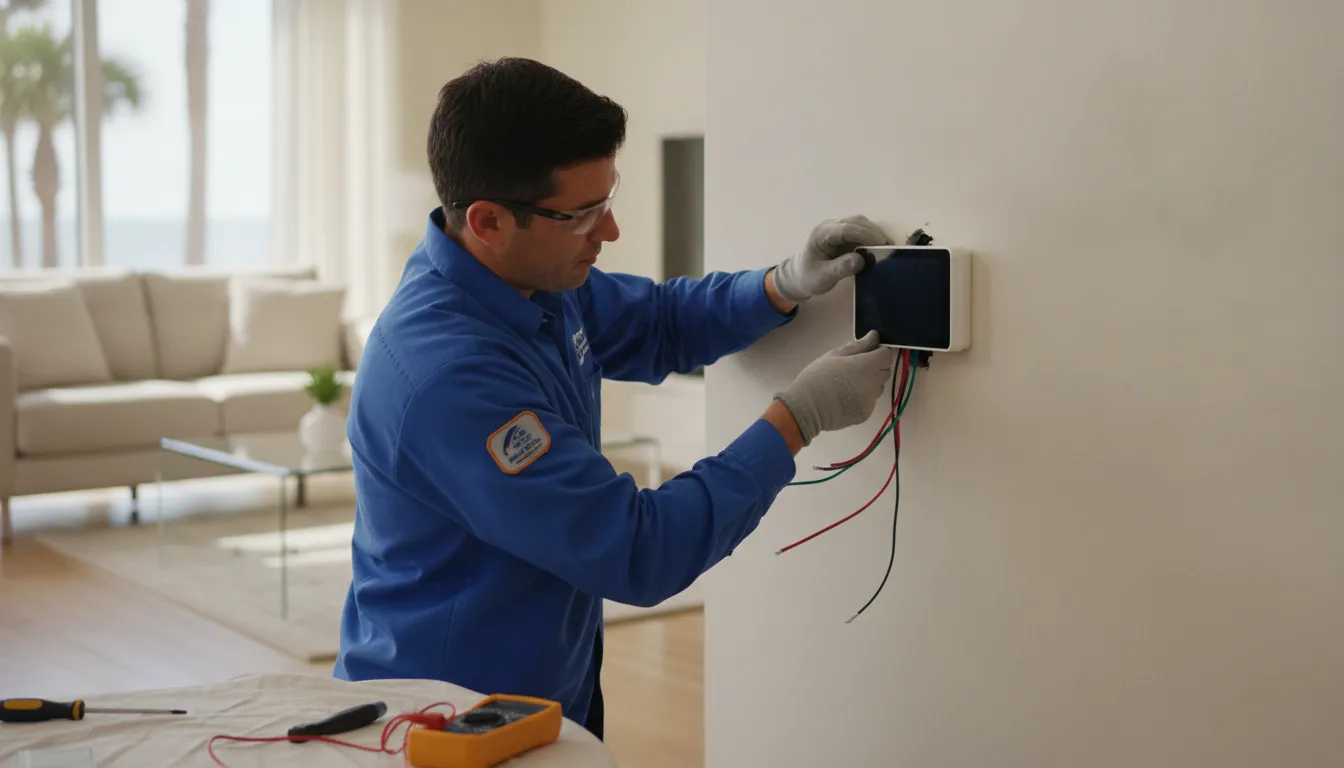
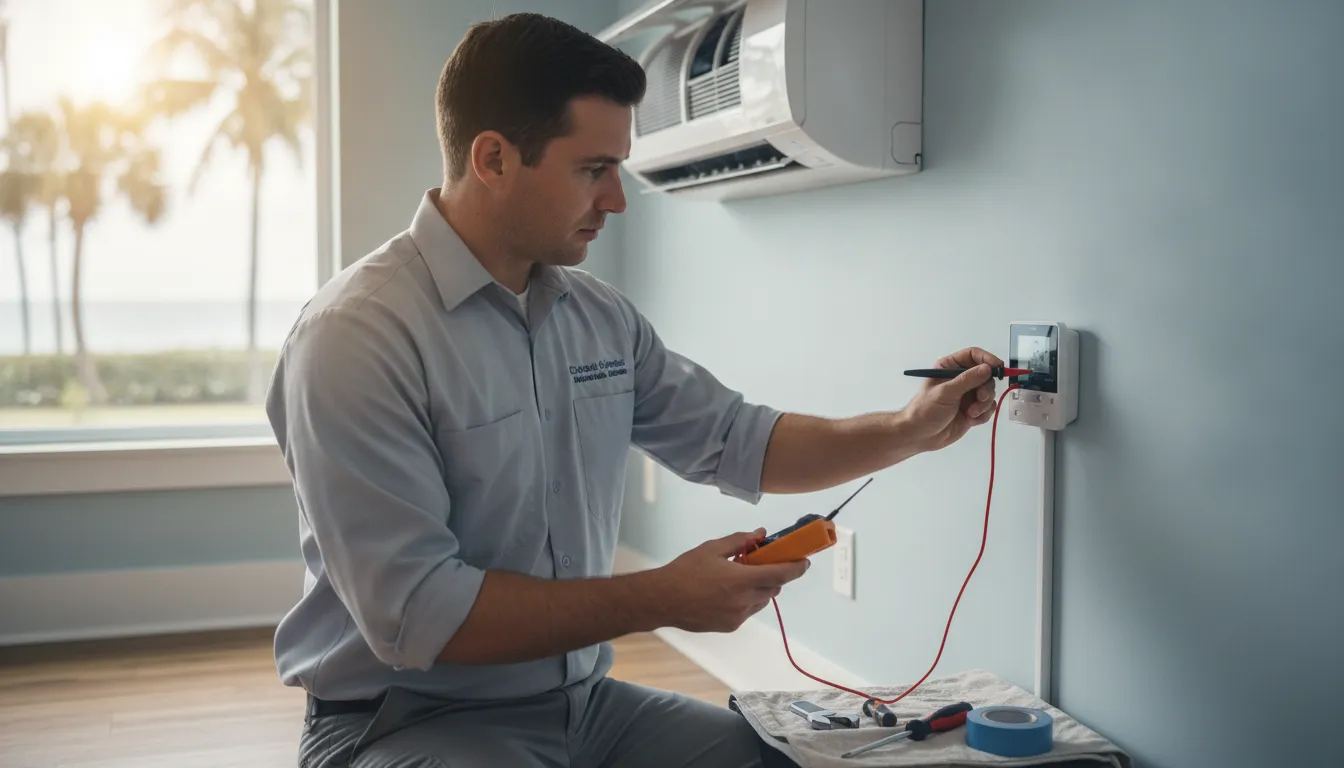
The cycle starts with the thermostat. When indoor conditions differ from the selected setting, it signals heating or cooling. Smart controls may add schedules, humidity settings, remote monitoring, and diagnostics. The thermostat is the decision point, but it does not create comfort by itself.
During cooling, the indoor coil absorbs heat from air moving across it. Refrigerant carries that heat to the outdoor coil, which releases it outside. The process also removes moisture as warm indoor air passes over the cold coil. Cooling therefore affects temperature and humidity.
Heating follows a different path, depending on the equipment. A furnace generates heat through combustion or electric resistance. A heat pump transfers heat instead of generating it. In heating mode, an air-source heat pump moves heat indoors. In cooling mode, it reverses refrigerant flow. The U.S. Department of Energy explains heat-pump operation.
The indoor unit contains the blower or air handler. It pulls return air through a filter, moves air across the equipment, and sends conditioned air back into the building. Filters capture airborne particles. Ventilation introduces outdoor air when the system is designed for it. The EPA identifies ventilation and filtration as HVAC functions that support indoor air quality. See its HVAC and indoor air quality guidance.
Ductwork carries air between equipment and rooms. Supply vents deliver conditioned air, while return grilles bring room air back. Blocked vents, damaged ducts, or poor airflow can leave rooms uncomfortable. Ductless systems use refrigerant lines and individual indoor units instead of central ducts.
Controls coordinate these parts through relays, sensors, safety switches, and operating sequences. A service issue may involve the control signal, electrical components, airflow, refrigerant circuit, drainage, or equipment itself. Tommy Cool Air can help evaluate those conditions through its air conditioning services. Understanding the cycle helps homeowners describe symptoms clearly before requesting a diagnosis.
What Are the Main HVAC Components?
HVAC equipment works as a connected system, not a single box. The thermostat calls for comfort, while equipment moves or changes heat. Filters, ducts, drains, and registers support steady airflow. Understanding each part helps Corpus Christi homeowners notice small problems early.
| Component | Job | Homeowner check |
|---|---|---|
| Thermostat | Measures indoor temperature and signals heating or cooling. | Confirm the mode, setpoint, schedule, and batteries. |
| Filter | Captures airborne particles before air moves through the system. | Check for visible loading and follow the filter replacement schedule. |
| Indoor coil or air handler | Transfers heat and circulates conditioned air through the home. | Look for restricted airflow, unusual moisture, or ice. |
| Outdoor condenser or heat pump | Releases heat during cooling or transfers heat for heating and cooling. | Keep the area clear of debris and listen for unusual sounds. |
| Compressor | Pressurizes refrigerant so the system can move heat. | Do not open the cabinet; report loud or abnormal operation. |
| Refrigerant lines | Carry refrigerant between indoor and outdoor equipment. | Report damaged insulation, oil-like residue, or poor cooling. |
| Drain | Moves condensate away from the indoor equipment. | Watch for standing water, overflow, or repeated shutdowns. |
| Ductwork and registers | Distribute conditioned air into rooms and return air to the system. | Check for blocked registers, loose grilles, or weak airflow. |
The thermostat is the system's control point. When indoor temperature moves away from the selected setting, it signals a heating or cooling cycle. A dirty filter can restrict airflow. Blocked registers or damaged ductwork can keep conditioned air from reaching rooms.
Inside, the coil and air handler manage heat transfer and airflow. During cooling, the indoor coil absorbs heat. Moisture can collect during that process, so the condensate drain must remain open. In a Gulf Coast home, a drain problem can quickly become a moisture concern. Do not pour chemicals into a drain or handle electrical components without guidance.
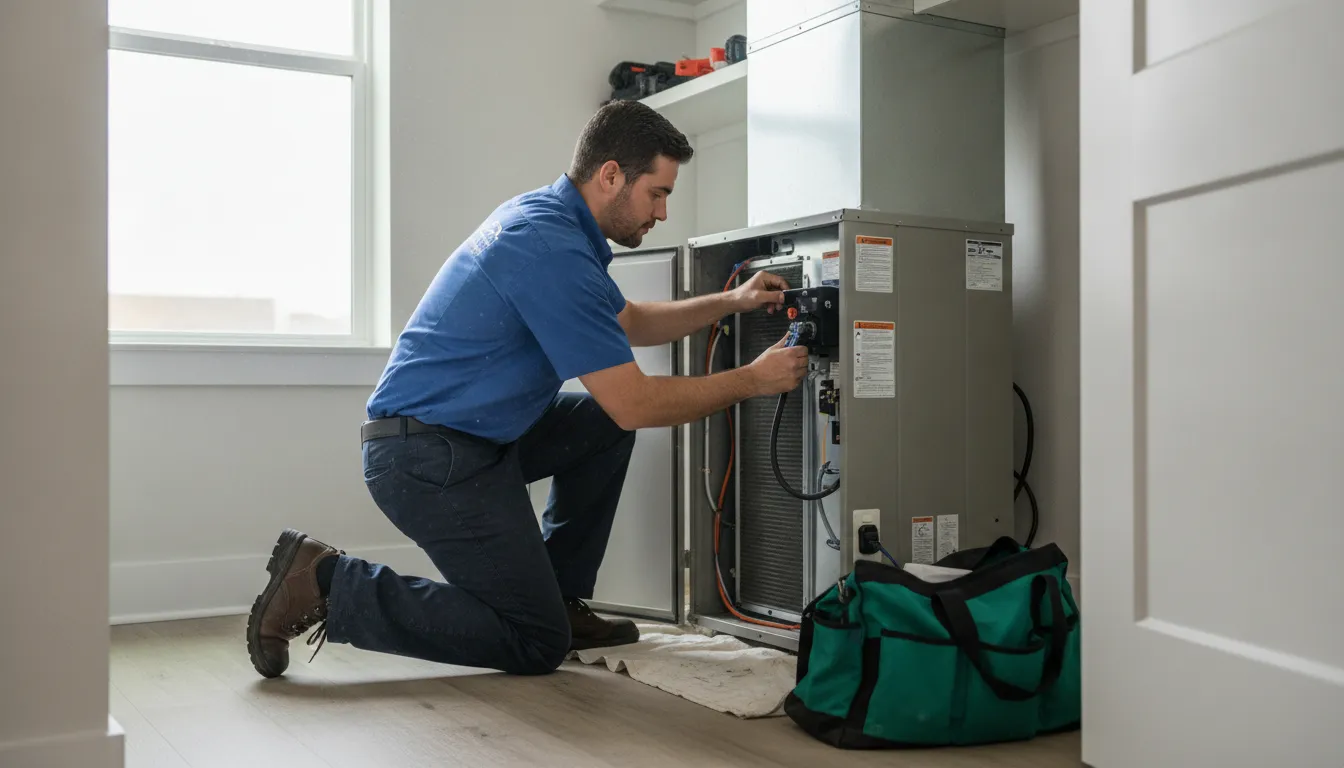
The outdoor unit contains equipment that helps move heat. A condenser serves cooling equipment, while a heat pump can reverse its heat-transfer direction for heating and cooling. The compressor and refrigerant lines are sealed-system components. Refrigerant leaks, electrical faults, and compressor problems require qualified diagnosis rather than a homeowner adjustment.
Air then travels through supply ducts to registers and returns through separate pathways. Keep registers open and unobstructed, but do not assume every airflow problem comes from the filter. Duct leakage, an aging blower, coil buildup, or an undersized system can produce similar symptoms. For heating concerns, see heating system repair and installation. If dust, odors, or moisture are part of the problem, review indoor air quality services.
Which HVAC System Types Fit Corpus Christi Buildings?
HVAC choices include split systems, heat pumps, packaged units, furnaces, and ductless equipment. Each handles comfort differently. The right fit depends on building size, existing ductwork, heating needs, humidity priorities, electrical or fuel service, and how occupants use the space. Corpus Christi conditions make thoughtful sizing and installation especially important.
Many homes use a split system, with indoor and outdoor equipment working together. The indoor air handler moves conditioned air through ductwork, while the outdoor unit supports cooling. This familiar arrangement can suit buildings with usable ducts and established equipment locations. Its performance still depends on airflow, sizing, duct condition, and proper installation.
When evaluating a replacement, review energy-saving heating and cooling systems with a technician. The discussion should consider the building, not just the equipment label.
Heat pumps for heating and cooling
A heat pump can provide both heating and cooling by reversing refrigerant flow. In cooling mode, it moves heat outside. In heating mode, it moves heat from outdoor air indoors. The U.S. Department of Energy describes an air-source heat pump as a system that transfers heat between a home and outside air.
That two-way operation can make a heat pump worth considering for Gulf Coast buildings that need cooling for much of the year but still require heating during colder weather. A professional should assess electrical service, existing ducts, controls, and the building's heating requirements before recommending a configuration.
Packaged systems and furnaces
Packaged systems place major heating and cooling components in one outdoor cabinet. They may fit certain commercial buildings or homes designed around rooftop or ground-level equipment. Commercial properties may also use rooftop units, zoning, or building automation, depending on the layout and operating needs.
Furnaces create heat by burning fuel such as natural gas or propane. They are commonly paired with an air conditioner in a split arrangement. A furnace may be relevant where fuel service and conventional heating equipment already exist, though the complete system requires appropriate venting, controls, and safety checks.
Where ductless systems make sense
Ductless mini-splits use refrigerant lines instead of a central duct network. They can provide zone-specific control in additions, converted spaces, or rooms with difficult ductwork. They may also help businesses manage separate areas with different schedules. Ductless equipment still needs proper sizing, drainage, placement, and maintenance.
Trane equipment is one option to discuss during system planning. Learn more about why Tommy Cool Air works with Trane, then compare the equipment choice with your building's comfort goals and service requirements.
How Gulf Coast Conditions Affect HVAC Performance
Along the Gulf Coast, HVAC equipment works through long cooling seasons, high humidity, intense heat, and salt-laden air. Those conditions can affect airflow, moisture removal, outdoor components, and maintenance priorities. A careful inspection looks beyond the thermostat setting to the complete system, including filters, coils, drains, ductwork, controls, and the outdoor cabinet.
Heat and humidity change the workload
Hot weather keeps the air conditioner running for extended periods. That sustained demand makes restricted airflow more noticeable. A loaded filter, dirty coil, blocked return, or leaking duct can reduce the amount of conditioned air reaching rooms. It can also make the system run longer without resolving uneven comfort.
Humidity adds another layer. Cooling equipment must remove heat and moisture from indoor air. If a system is oversized, poorly maintained, or unable to drain condensate correctly, rooms may feel clammy even when the thermostat reaches its setting. Moisture around the indoor unit, a full drain pan, or repeated drain-line backups deserves prompt attention. Humidity control also matters for protecting building materials and managing conditions that can support mold growth.
Salt air makes outdoor inspection important
Salt air can accelerate corrosion on exposed outdoor equipment, especially near the coast. Corrosion may affect cabinets, fasteners, electrical connections, and coils. During service, a technician should look for rust, damaged insulation, loose connections, blocked coil surfaces, and signs of water intrusion. Keeping the area around the outdoor unit clear supports safe airflow, but chemical cleaning or electrical repairs should be left to a qualified professional.
Property managers need a repeatable inspection plan
For a property manager, comfort complaints may reveal a pattern rather than a single failing unit. Track recurring rooms, drain issues, filter changes, thermostat complaints, and equipment exposed to the harshest conditions. Compare those observations across buildings and schedule inspections before peak demand instead of waiting for multiple occupants to report the same problem.
Tommy Cool Air serves Corpus Christi and surrounding communities with air conditioning, heating, and indoor air quality support. Learn more about Tommy Cool Air and ask a professional to evaluate airflow, moisture control, or visible corrosion before a small issue becomes a larger disruption.
What HVAC Maintenance Should Owners Schedule?
HVAC maintenance combines simple observations owners can make with detailed checkpoints for a qualified professional. Homeowners can monitor filters, airflow, drainage, and thermostat behavior. Technicians inspect electrical components, refrigerant circuits, coils, safety controls, and equipment condition. A written schedule helps businesses and property managers track multiple systems before Corpus Christi heat puts them under heavy demand.
- Check or replace filters. Follow the filter manufacturer's guidance and inspect more often when the system runs frequently, occupants have allergies, or construction creates dust. A loaded filter can restrict airflow, but the correct size and type depend on the equipment. Do not force a filter into place or operate the system without one.
- Keep the outdoor unit clear. Remove leaves, grass, and loose debris from the area around the condenser without opening the cabinet or bending the coil fins. Keep stored items, irrigation spray, and landscaping from obstructing airflow. Coastal properties should ask a professional to check for signs of salt-air corrosion.
- Watch condensate drainage. Look for standing water, staining, algae growth, or a drain pan that repeatedly fills. A homeowner can note these symptoms, but should not pour chemicals into an unfamiliar drain system. Persistent moisture needs professional diagnosis because a clogged line, frozen coil, or drainage problem can have different causes.
- Observe thermostat behavior. Record unusual cycling, delayed starts, temperature swings, blank screens, or rooms that never reach the setting. Confirm that the thermostat is set to the intended mode and that its schedule has not changed accidentally. Repeated short cycling or an unexplained loss of control belongs on the service list.
- Notice airflow and duct symptoms. Compare supply airflow between rooms, and listen for whistling, rattling, or unusual blower noise. Report crushed, disconnected, or visibly damaged ductwork. Do not remove equipment panels to investigate. A technician can measure airflow and inspect ductwork, coils, electrical connections, and refrigerant-related concerns safely.

When should professional maintenance be scheduled?
Plan a professional inspection before the season when equipment will work hardest, then follow the system's condition, usage, and manufacturer's requirements. Seasonal maintenance is intended to identify inspection and corrective tasks before peak heating or cooling demand, according to the U.S. Department of Energy's Building Science Education and Solutions Center. The program distinguishes resident tasks from contractor tasks, which is a useful model for maintenance planning.
During a visit, ask the technician to document filter condition, thermostat operation, electrical connections, coils, condensate drainage, refrigerant-related findings, safety controls, and airflow observations. Heating equipment may require additional combustion and carbon-monoxide checks. Businesses and property managers should keep service dates, symptoms, repairs, and equipment identifiers in one record for every unit.
For ongoing support, owners can review Tommy Cool Air's maintenance membership information. Confirm current program details directly before relying on any included service or benefit.
When Should You Call an HVAC Professional?
Call an HVAC professional when comfort problems persist, airflow changes, moisture appears, or equipment makes unusual sounds or smells. Routine symptoms may need diagnosis before they become larger repairs. Gas odors, burning smells, suspected carbon monoxide, electrical hazards, or major water leaks require immediate attention and a safety-first response.
Some warning signs are easy to dismiss in a Gulf Coast home. A room that stays warmer than the rest of the house may point to restricted airflow, duct problems, equipment performance, or control issues. Weak airflow from several vents deserves a professional inspection rather than repeated thermostat adjustments. Tommy Cool Air's Corpus Christi AC services can help identify whether the problem is at the equipment, ductwork, or controls.
Know which symptoms need prompt attention
Unusual grinding, squealing, rattling, or banging can indicate a mechanical problem. Musty odors, persistent dampness, or water around the indoor unit may involve condensate drainage, humidity control, or another source of moisture. Do not ignore a burning smell, gas odor, or signs of an electrical fault. Turn the system off if it is safe to do so, leave the area when necessary, and seek appropriate emergency help for immediate safety threats.
Frequent cycling is another reason to schedule a diagnostic visit. A system that starts and stops repeatedly may have a control, airflow, sizing, or equipment issue. Repeated thermostat problems also merit more than replacing batteries. A technician can test the thermostat, electrical connections, airflow, refrigerant-related operation, and drainage instead of guessing at the cause. For related homeowner questions, review the Tommy Cool Air HVAC FAQs.
Include equipment age, corrosion, and air quality in the decision
Older equipment does not automatically require replacement, but repeated repairs, declining comfort, visible corrosion, or difficulty maintaining temperature justify a professional evaluation. In Corpus Christi and nearby coastal communities, salt air and humidity can make inspection especially important. Ask for clear findings and options rather than assuming the most expensive solution is necessary.
Call for help when occupants notice persistent dust, odors, irritation, or humidity concerns. The EPA identifies ventilation and filtration as HVAC functions that support indoor air quality. Tommy Cool Air's indoor air quality services can help evaluate filtration, ventilation, and humidity-related concerns. For a routine diagnostic or comfort question, contact Tommy Cool Air to schedule HVAC service and describe the symptoms, timing, and affected rooms.
Talk with Tommy Cool Air before an HVAC concern becomes a bigger comfort problem
Frequently Asked Questions
What does HVAC stand for?
HVAC stands for heating, ventilation, and air conditioning. Together, these functions help manage indoor temperature, airflow, humidity, and air quality in homes and commercial buildings.
How does an HVAC system work?
A thermostat signals the system when indoor conditions need to change. Heating or cooling equipment then changes the air, while an air handler, blower, ductwork, or refrigerant lines moves conditioned air through the building. An air conditioner transfers indoor heat and humidity outdoors, while a heat pump can reverse that process for heating. Trane explains the basic HVAC cycle and components.
Which HVAC system is right for a Corpus Christi home?
That depends on the building's size, layout, existing ductwork, insulation, comfort priorities, humidity needs, and available power or fuel. A professional evaluation can compare central systems, heat pumps, packaged equipment, and ductless options without relying on a one-size-fits-all recommendation.
How does Gulf Coast weather affect HVAC equipment?
Long cooling seasons, high humidity, and salt air can increase the importance of airflow, moisture control, drainage, and corrosion inspections. Coastal homeowners should discuss these conditions with a technician when selecting equipment or planning maintenance.
When should I call an HVAC professional?
Arrange an evaluation for weak airflow, uneven temperatures, repeated short cycling, unusual noises, persistent moisture, burning smells, gas odors, or a system that cannot maintain safe comfort. Do not attempt refrigerant, electrical, gas, or carbon monoxide troubleshooting yourself.
Ready to Get More From Your HVAC System?
Understanding your system makes routine care easier, but a qualified review can help connect unusual comfort issues with the right next step. Whether you have a question about heating, cooling, indoor air quality, repair, or installation, Tommy Cool Air can help you discuss the situation for your Corpus Christi home or business.