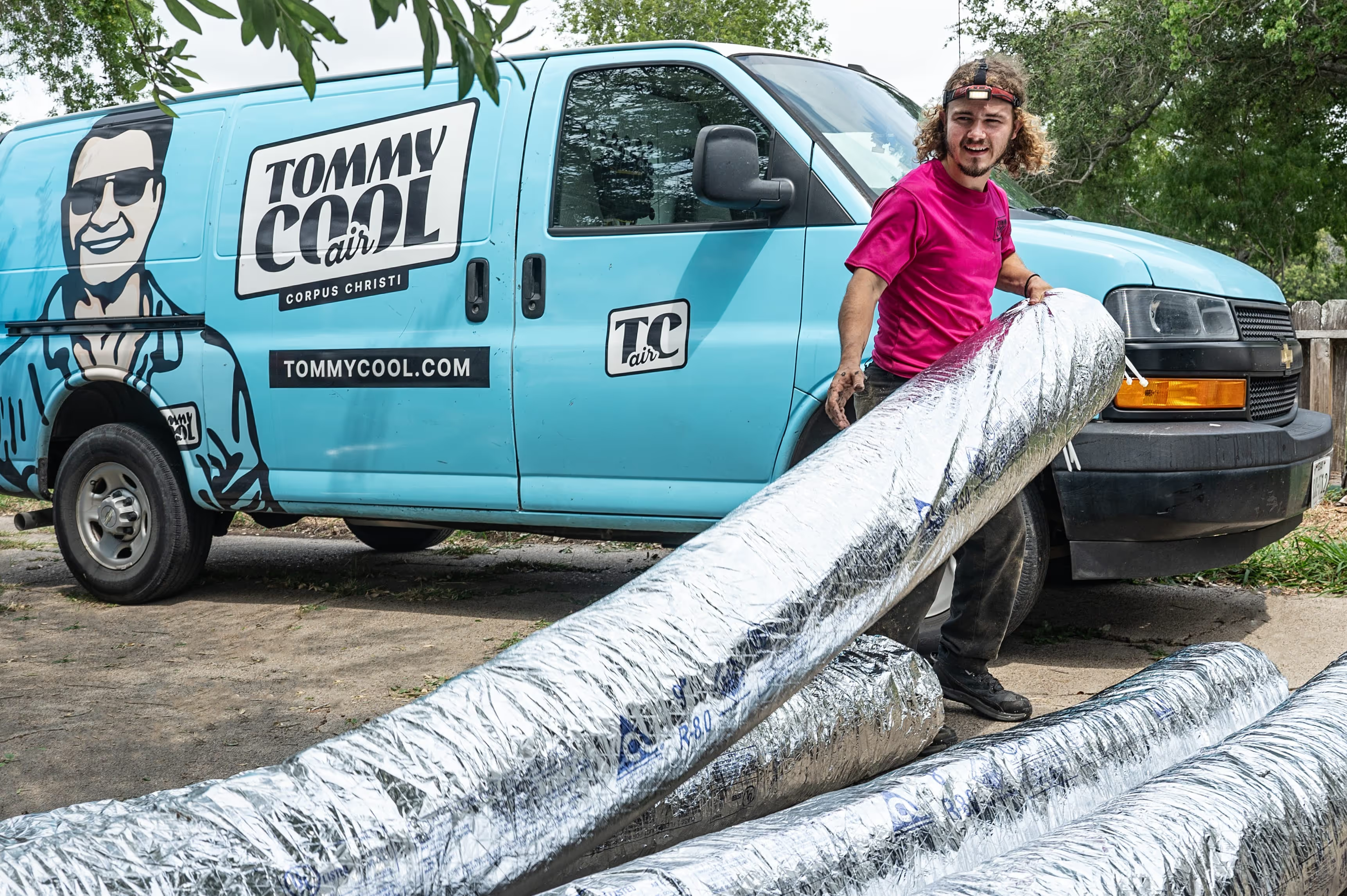
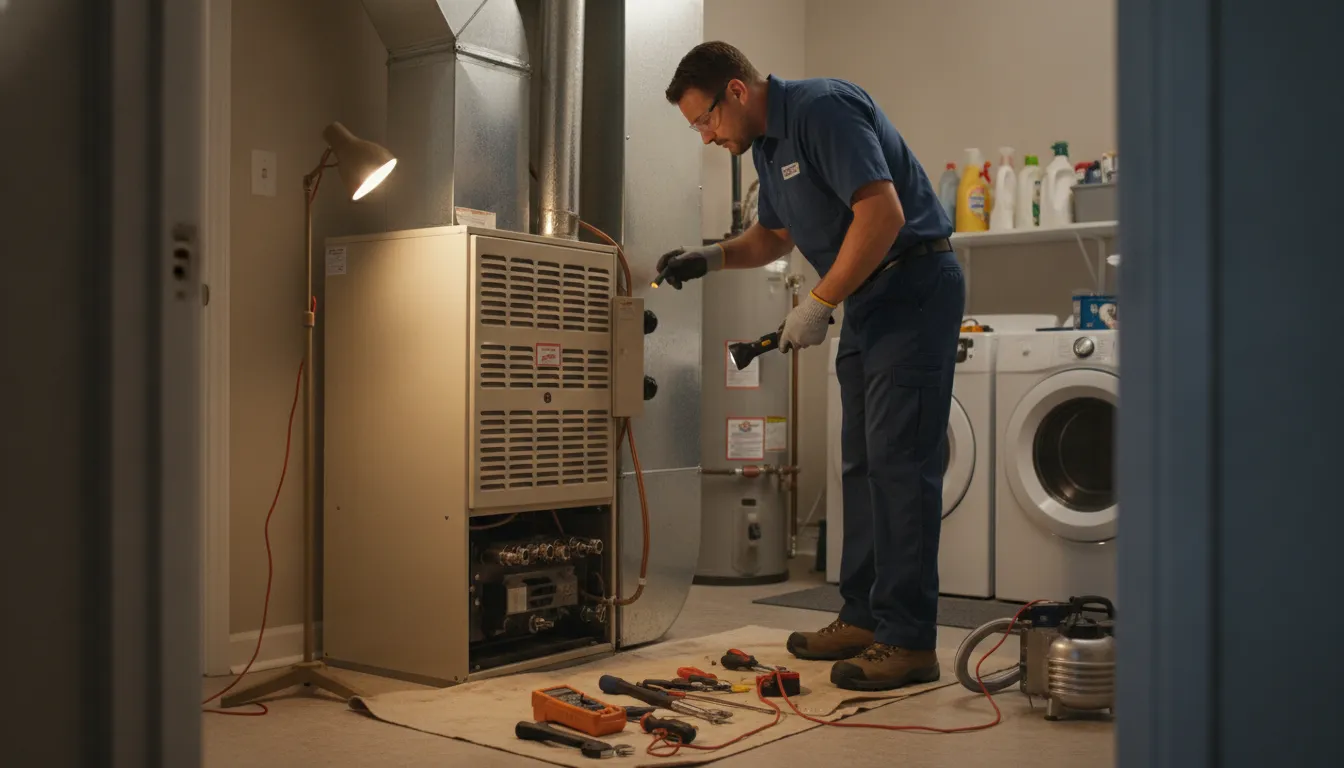
When an HVAC system behaves differently, the most useful first step is to describe the symptom clearly. Is the air warm, the airflow weak, the system cycling often, or the indoor air unusually damp? In Corpus Christi, year-round cooling demand, Gulf Coast humidity, and salt air can make those details especially important.
Contact Tommy Cool Air for help with an HVAC problem.
Problems with hvac systems are easier to diagnose when homeowners separate safe observations from technician-only repairs. You can check thermostat settings, replace an accessible filter when appropriate, look for blocked return grilles, and clear leaves or grass from around the outdoor unit. Do not open electrical panels, handle refrigerant, or work on gas, motors, capacitors, or sealed components. Those jobs require professional training and equipment.
A single failed part can affect the larger system, so the symptom itself is a clue, not a final diagnosis. Start by reading what your system is telling you, then match the pattern to the safest next step.
How to Diagnose Problems With HVAC Systems Safely
An HVAC system can show a problem in one room while the cause sits somewhere else. Before changing settings or searching for a replacement part, note what changed, when it started, and whether the symptom affects airflow, temperature, moisture, or system sounds. That pattern gives a technician a more useful starting point.
When you notice problems with HVAC systems, begin with the system's basic job. An air conditioner moves heat from inside your home to the outdoors. The indoor evaporator coil absorbs heat from indoor air, while the outdoor condenser coil releases that heat outside. Because these components work together, one fault can affect the performance of the entire system.
For a deeper overview of repair symptoms and professional next steps, read our air conditioning repair guide.
Answer capsule: HVAC symptoms are clues, not a diagnosis. A warm room, weak airflow, unusual moisture, or repeated cycling can involve several connected components. Observe the pattern, check only accessible settings and obstructions, and contact a qualified technician when basic checks do not resolve the issue or safety concerns appear.
Separate the symptom from the assumption
"The AC is not working" can describe several different situations. The system might run but deliver warm air. It might cool one area while another remains uncomfortable. Airflow may be weak at every register, or only at one location. You may also notice a new sound, water, odor, or unusually long run time.
Write down the exact symptom rather than labeling the cause. For example, "the system has run for two hours and the upstairs remains warm" is more useful than "the compressor is bad." Avoid guessing at sealed components, including refrigerant, motors, capacitors, or electrical parts. Those areas require professional testing and can be unsafe to handle.
Use the pattern to choose a safe next step
Start with observations you can make without opening equipment. Confirm the thermostat is set for cooling and that the temperature setting is intentional. Look at accessible supply registers and return grilles for obvious blockage. Check whether the outdoor unit has clear space around it, but do not reach into the equipment or remove panels.
If the symptom remains after these basic checks, gather the timing and conditions for Tommy & the Cool Kids. Tell the technician whether the issue began after extreme heat, a storm, a power interruption, or a change in indoor humidity. If basic troubleshooting does not resolve the problem, professional diagnosis is the appropriate next step, not increasingly invasive DIY work.
Are Airflow or Thermostat Problems Affecting Comfort?
Airflow and thermostat issues can make a home feel uncomfortable even when the system appears to be running. Check the simple, visible causes first, then stop before opening equipment or attempting repairs.
When problems with HVAC systems show up as weak airflow, uneven temperatures, or air that feels warm, the cause may be a setting, restriction, or component that needs professional diagnosis. A few safe observations can help narrow the symptom without turning troubleshooting into a repair project.

Start with the thermostat
Confirm the thermostat is set to cooling, the desired temperature is below the current room temperature, and the fan setting matches your normal preference. Incorrect thermostat settings can keep an air conditioner from blowing cold air or running as expected. Also check whether the display is readable and whether the system responds when you make a small setting change.
If the thermostat seems unresponsive, cycles unusually, or shows a warning, do not remove its cover or handle wiring. Note what the display says and when the comfort problem began. Those details can help a technician evaluate the control issue safely.
Look for blocked airflow
Inspect the return grilles and supply registers in the affected rooms. Furniture, rugs, curtains, or stored items can block a grille and reduce circulation. Trane also recommends checking return grilles for blockages that could keep air from circulating freely through the system. Read these safe AC self-checks for a practical visual checklist.
Check the filter according to the instructions printed on its frame. If it is visibly loaded with dust, replace it with the correct size and orientation for your system. A clogged filter is one possible reason an air conditioner does not cool a house. Do not remove panels to reach an indoor coil. Dust and debris can block an air-handler coil, but coil cleaning and equipment access belong with a trained technician.
Compare the symptom across rooms
Notice whether every room has weak airflow or only one area feels warm. A whole-home change points toward a system-wide or control concern. One room may have a blocked register, a closed damper, or an airflow imbalance. Do not adjust hidden ductwork or attempt to repair a blower, coil, or electrical part.
Warm air can have several possible causes, including incorrect controls, a clogged filter, or a problem that requires service. This guide to common causes of hot air can help you organize what you observe. If the thermostat and visible airflow checks do not improve comfort, contact an HVAC professional rather than guessing at the failed component. The system transfers heat from indoors to outdoors, so a fault in one part can affect the entire cooling process. Trane's air-conditioning troubleshooting guidance provides additional context for these basic checks.
What Do Water, Refrigerant, and Frozen-Coil Symptoms Mean?
Water around an indoor unit, weak cooling, or ice on the refrigerant lines can point to different problems with hvac systems. These symptoms often overlap, so the safest first step is to observe what is happening rather than guess at a repair. A frozen coil, for example, may be associated with dirty coils or low refrigerant, while water may indicate a clogged drain line. A trained technician can separate those possibilities.
In simple terms, refrigerant carries heat through the system. The evaporator coil absorbs heat from indoor air, and the condenser coil releases that heat outdoors, as the Department of Energy explains. When that cycle is disrupted, the system may run for long periods without cooling the home effectively.
What does water near the air handler mean?
A puddle, dripping line, or water stain near the indoor equipment deserves attention. Air conditioning systems naturally produce condensation, but that water must move through a drain system. Tommy Cool Air identifies clogged drain lines as a common AC problem. Do not pour chemicals into the equipment or open panels to clear an internal blockage. If water is near electrical equipment, turn off the system only if you can do so safely without touching wet components, and arrange professional help.
Why does ice form on an AC coil?
Ice on the indoor coil or refrigerant line is not a sign that the system is cooling especially well. Trane lists frozen or dirty coils among possible reasons an air conditioner does not cool a home properly. Restricted airflow, coil dirt, or a refrigerant problem can all require different solutions. Turn the system off and avoid scraping the ice or repeatedly restarting the equipment. Continued operation can place additional strain on the system.
When is refrigerant service required?
Low or leaking refrigerant can contribute to poor cooling, but refrigerant is not a homeowner troubleshooting task. Do not connect gauges, add refrigerant, search for a leak, or handle sealed-system components. Electrical work is also technician-only. These jobs require the right tools, safety practices, and diagnosis rather than a quick refill.
Document where you see water or ice, whether airflow has changed, and how long the system runs. Then use professional AC repair for a proper evaluation. Tommy and the Cool Kids can investigate the underlying cause instead of treating only the visible symptom.
Why Do Heating and Humidity Problems Need Different Clues?
Heating trouble and humidity trouble can overlap, but they do not point to the same part of an HVAC system. A system that will not heat may have an ignition, filter, blower, thermostat, or heat-exchanger problem. A home that feels damp may need a closer look at cooling cycles, system sizing, airflow, or humidity-control equipment. Separating those clues helps you describe the symptom accurately without attempting unsafe repairs.
Answer capsule: Heating problems often show up as no warm air, short cycling, or unusual furnace behavior. Humidity problems feel like clammy rooms, condensation, or poor comfort even when the temperature seems reasonable. Gulf Coast conditions can intensify both concerns, so a technician should evaluate the system when basic observations do not explain the change.
Heating symptoms can involve several components
Tommy Cool Air identifies ignition failures, clogged filters, blower motor problems, malfunctioning thermostats, and heat-exchanger problems among common furnace concerns. Those possibilities can create different patterns. For example, a thermostat issue may affect when the system starts, while a restricted filter can affect airflow. A blower problem may leave the equipment running without moving enough warm air through the home.
Homeowners can note whether the thermostat is set to heat, whether the displayed setting matches the desired temperature, and whether air is moving from the registers. You can also observe unusual sounds or repeated starts without opening an electrical panel or handling gas, combustion, motors, or other internal components. Burning smells, smoke, gas odors, suspected carbon monoxide, or exposed wiring require immediate safety action and professional help.
For homes that use a heat pump, the symptoms can look different from conventional furnace behavior. A useful starting point is this heat pump repair in Corpus Christi guide, which addresses heat-pump symptoms and local conditions without turning diagnosis into a do-it-yourself repair.
Humidity clues matter on the Gulf Coast
Corpus Christi and nearby Gulf Coast communities contend with extreme humidity, salt-air corrosion, and cooling demand that can continue through much of the year. That means a home may feel uncomfortable even when the thermostat reaches its set temperature. Persistent clamminess, condensation, or rooms that never feel settled can be clues that humidity control deserves attention, rather than proof that the thermostat is wrong.
Equipment size and operation can influence moisture removal. The Department of Energy notes that an oversized air conditioner can operate inefficiently and dehumidify poorly, leaving a room uncomfortable. A professional evaluation can distinguish that possibility from airflow restrictions, control problems, or a separate humidity-control need. Tommy Cool Air's indoor air quality and humidity solutions include options involving ductwork, filtration, ventilation, and humidity control.
Track when the problem appears, which rooms are affected, and whether it follows heating, cooling, or rainy weather. Those observations give Tommy and the Cool Kids a clearer starting point while keeping electrical, refrigerant, gas, and sealed-system work with a qualified technician.
When Should a Technician Diagnose HVAC Problems?
Answer capsule: A technician should diagnose HVAC problems when safe thermostat, filter, and airflow checks do not restore comfort, or whenever a system shows signs of electrical, gas, combustion, water, or refrigerant trouble. Professional testing can identify the source without guessing or exposing your household to avoidable risk.
Many HVAC parts work together, so one failing component can affect the system's overall performance. If the same symptom continues after basic observations, more testing is usually more useful than replacing parts at random. Tommy Cool Air's Cool Kids can evaluate the system and explain what the evidence shows before discussing service options.
Call for professional diagnosis when the symptom keeps returning
Schedule an appointment when the thermostat appears correctly set, registers are open, and the equipment still cannot maintain comfort. Repeated short cycling, uneven temperatures, weak airflow, unusual noises, recurring moisture, or a system that stops and restarts without resolving the problem all deserve a proper diagnosis. A problem can involve airflow, controls, ductwork, refrigerant, or another component that is not visible from the thermostat.
Homeowners should not open electrical compartments, handle refrigerant, bypass safety controls, or attempt combustion-related work. These are technician-only tasks. Tommy Cool Air's heating system repair and diagnostics service can help investigate furnace concerns such as ignition failures, blower motor problems, thermostat malfunctions, or heat-exchanger issues.

What professional HVAC diagnostics can reveal
A technician may use thermal imaging to identify unusual heat patterns. Digital refrigerant gauges can evaluate cooling-system conditions, and leak detection can help when the evidence points to a refrigerant issue. Airflow measurement can show whether the system is moving air as expected, while duct testing can help investigate distribution problems. These tools turn a broad complaint, such as "the house still feels warm," into a more specific diagnostic picture.
Diagnosis also matters in Gulf Coast homes, where year-round cooling demand, high humidity, and salt-air corrosion can complicate symptoms. Share when the problem began, which rooms are affected, whether it changes with weather, and any recent maintenance or equipment changes. Those details help the technician focus the evaluation without turning your home into a trial-and-error repair site.
Stop using the system and seek urgent help for these warning signs
- Burning smells, visible smoke, or a sharp electrical odor.
- A gas odor or suspected carbon monoxide exposure. Leave the area and contact emergency services or the gas utility as appropriate.
- Exposed wiring, sparking, damaged electrical components, or repeated breaker trips.
- Water near electrical equipment or rapidly spreading leaks.
- Dangerous indoor heat, especially when young children, older adults, or medically vulnerable people are present.
Do not keep resetting a tripped breaker or continue operating equipment that produces smoke, gas odors, or unsafe conditions. When basic checks do not resolve the issue, professional diagnosis is the safer next step.
How Can Homeowners Prevent Repeat HVAC Problems?
Preventing repeat HVAC problems starts with separating simple upkeep from work that requires training and specialized tools. Homeowners can protect airflow, keep the outdoor unit clear, and note recurring symptoms. A professional can then check the components that are not safe to inspect or adjust casually. This approach supports comfort without turning a symptom into a risky repair attempt.
Use the comparison below as a practical guide. It focuses on what you can observe or maintain safely, followed by the kind of professional follow-up that may be appropriate.
| Symptom or risk | Safe homeowner prevention | Professional follow-up |
|---|---|---|
| Weak airflow or recurring cooling trouble | Check that return grilles are not blocked and replace a dirty filter according to the equipment instructions. Keep notes if the symptom returns. | A technician can evaluate airflow, indoor components, duct conditions, and other causes that are not resolved by basic checks. |
| Leaves, sticks, or tall grass around the outdoor unit | Clear loose debris and vegetation around the unit without opening panels or reaching into the equipment. | During service, a professional can assess the outdoor coil and confirm that restricted airflow has not contributed to a larger performance issue. |
| Water signs, repeated drain concerns, or unusual cooling | Notice where water appears, when it occurs, and whether cooling changes. Do not handle refrigerant, electrical connections, or sealed components. | Maintenance checks can include drain lines, refrigerant levels, and electrical connections. These are technician-level checks, not homeowner repairs. |
| Humidity or comfort problems after equipment changes | Record which rooms feel uncomfortable and whether the issue occurs during particular weather or operating conditions. | Equipment sizing affects efficiency and dehumidification. A professional can evaluate whether system capacity, airflow, or controls fit the home. |
| Recurring problems despite routine upkeep | Keep a simple service history with dates, symptoms, filter changes, and observations. Avoid repeatedly resetting or bypassing a control to hide the symptom. | Schedule preventive AC maintenance so filters, thermostats, moving parts, drain lines, and other service items can be reviewed. |
Prevention is not a substitute for diagnosis
Routine maintenance can identify developing issues, but it cannot guarantee that a system will never fail. The Department of Energy notes that an oversized air conditioner can operate inefficiently and dehumidify poorly, while higher EER ratings indicate more efficient operation. Those equipment decisions require context, not a quick homeowner adjustment.
Likewise, do not attempt electrical or refrigerant work. If the same symptom returns after safe checks, stop repeating the same intervention and arrange an evaluation. A clear record of what happened helps Tommy & the Cool Kids focus the visit on the pattern instead of starting with guesses.
Frequently Asked Questions
What is the most common problem with HVAC systems?
There is no single cause for every comfort problem. Clogged filters, incorrect thermostat settings, blocked return grilles, dirty or frozen coils, refrigerant issues, and drain-line clogs can all affect cooling. Start with safe observations, then have a technician diagnose the system if the symptom continues.
What should I check first if my air conditioner is not cooling?
Confirm the thermostat is set to cooling, the temperature setting is appropriate, the filter is not visibly clogged, and supply vents and return grilles are open and unobstructed. You can also clear leaves, sticks, and tall grass from around the outdoor unit without opening the cabinet or touching internal components.
Can I fix a frozen coil or refrigerant problem myself?
No. A frozen coil may be associated with airflow restrictions or a refrigerant problem, and refrigerant, electrical, and sealed-system work requires qualified HVAC service. Turn the system off if needed for safety, avoid opening panels, and request professional diagnosis rather than adding refrigerant or attempting a repair.
When should I stop troubleshooting and call an HVAC technician?
Call when basic checks do not restore normal operation, the system repeatedly freezes, water is leaking, airflow remains weak, or the equipment makes unusual sounds. Seek immediate professional help for smoke, a gas odor, burning smells, exposed wiring, suspected carbon monoxide, or water near electrical equipment.
Why can Corpus Christi humidity make an HVAC problem feel worse?
Gulf Coast homes face high humidity, salt-air corrosion, and cooling demand that can continue through much of the year. If your home feels damp despite normal cooling, ask about airflow, equipment sizing, ductwork, and humidity-control options instead of assuming the thermostat is the only issue.
Schedule Professional HVAC Help
Safe checks can help you describe a symptom, but persistent comfort problems, water, unusual noises, or repeated shutdowns deserve a professional diagnosis. Tommy Cool Air can help identify the issue and outline an appropriate next step for your home.