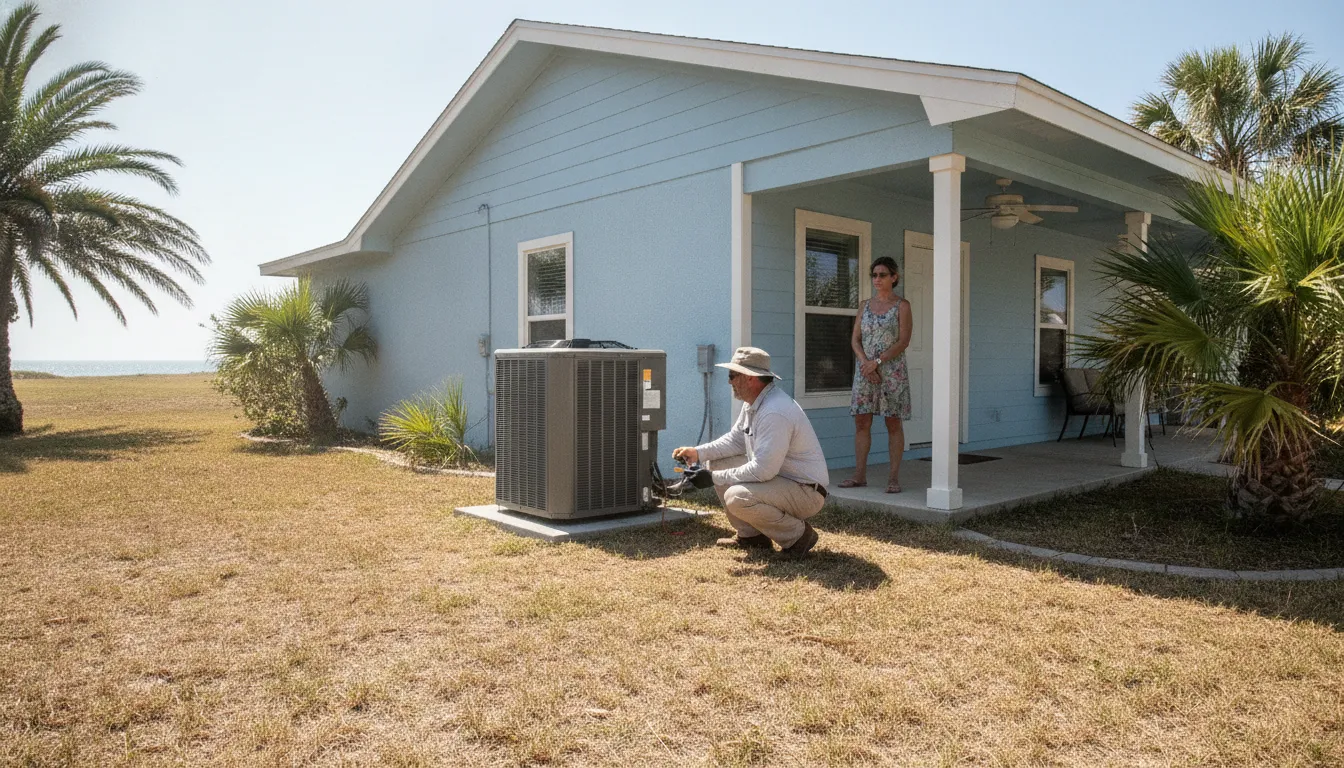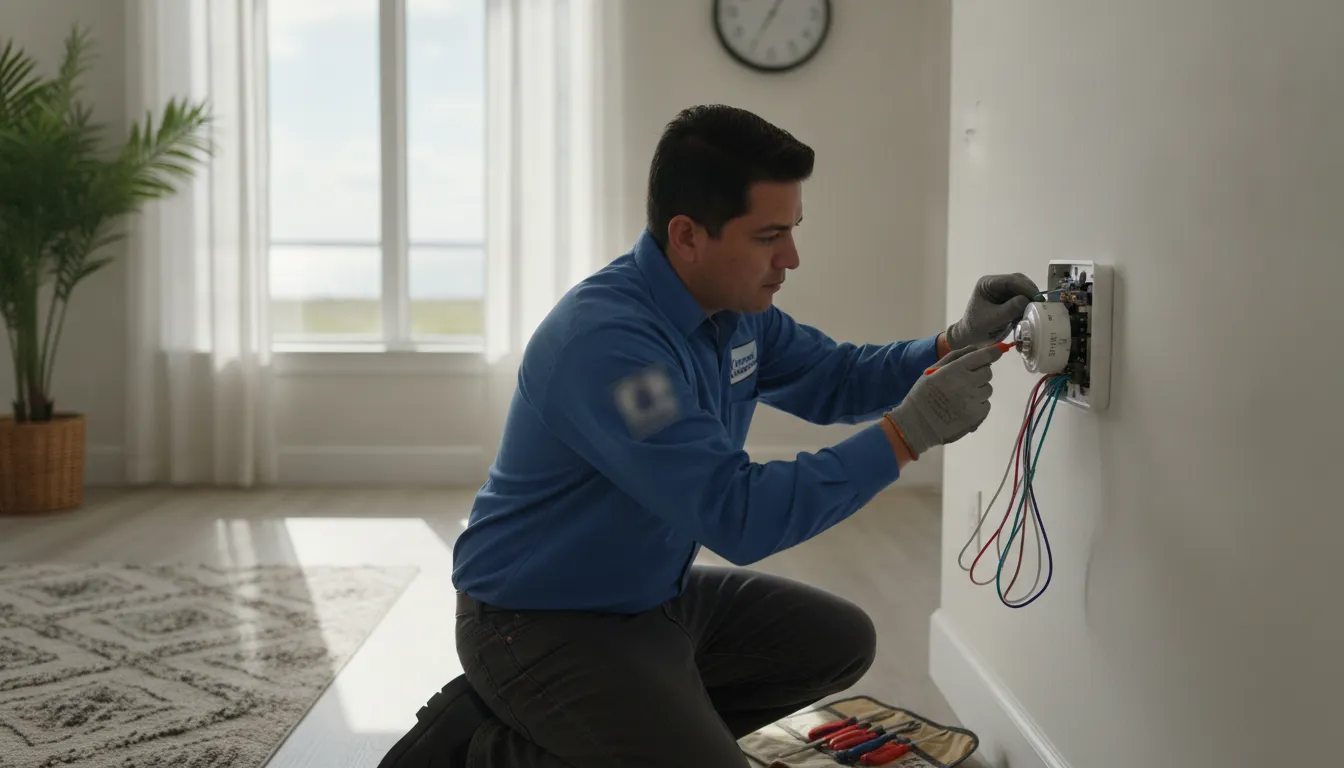
Living on the Texas coast puts our air conditioners to the test. They battle not just intense heat, but also sticky humidity and corrosive salt air. This tough environment makes consistent upkeep a must for keeping your system in top shape. A neglected unit is more likely to struggle and fail right when you need it most. We've put together these essential air conditioner maintenance tips specifically for Corpus Christi homeowners. You'll get the local knowledge needed to stay ahead of problems and keep your home comfortable season after season.
Key Takeaways
- Prioritize simple monthly check-ins: Regularly changing your air filter and clearing debris from your outdoor unit are two of the easiest ways to improve your AC's performance and prevent unnecessary strain on the system.
- Invest in one professional tune-up each spring: An annual service call is your best defense against summer breakdowns. A technician can address small problems before they become expensive repairs, ensuring your system runs efficiently when you need it most.
- Trust your senses and act on warning signs: If your AC starts making strange noises, gives off unusual smells, or struggles to cool your home, don't wait. These are clear signals that it's time to call a professional for a safe and accurate diagnosis.
A Simple Air Conditioner Maintenance Checklist
Keeping your air conditioner running smoothly is key to surviving a Texas summer. A little bit of regular maintenance goes a long way in preventing unexpected breakdowns and keeping your energy bills in check. Think of it as a simple to-do list that helps your system work smarter, not harder. Following this checklist can help you catch small issues before they become big, expensive problems. Here are the essential tasks you can tackle to keep your home cool and comfortable all season long.
Check and Clean Your Air Filters
This is one of the easiest and most important things you can do for your AC. A dirty, clogged air filter forces your system to work much harder to pull in air, which wastes energy and puts extra strain on the components. You should plan to check your filter every month and replace it at least every three months. A fresh filter not only helps your AC run more efficiently but also improves your home’s indoor air quality by trapping dust, pollen, and other particles. It’s a small step that makes a huge difference in both performance and comfort.
Clear Debris from the Outdoor Unit
Your outdoor unit, or condenser, needs room to breathe. Over time, leaves, grass clippings, and dirt can build up around it, blocking airflow and making it less effective at releasing heat. Make it a habit to walk around your unit and clear away any debris, ensuring there’s at least two feet of open space on all sides. Once a year, you can gently spray the outside of the unit with a garden hose to wash away any grime from the fins. This simple cleanup helps your system perform its best, especially when our air conditioning services are needed most during peak heat.
Take a Look at the Evaporator Coils
While the condenser coil is outside, the evaporator coil is inside your home, working to absorb heat from the air. Just like the outdoor coil, it can get dirty over time, which hinders its ability to cool your home effectively. You can check the coil by looking through the access panel on your indoor unit. If you see a lot of dust or grime, it’s time for a cleaning. While some light dusting is manageable, a deep clean of the evaporator coil is often best left to a professional to avoid damaging the delicate fins. Keeping these coils clean is vital for efficient heat transfer.
Straighten Bent Coil Fins
The thin metal fins on your outdoor condenser unit are critical for releasing heat from your home, but they're also incredibly delicate. It doesn't take much for them to get bent—a stray rock from the lawnmower, a hailstorm, or even pressure from a garden hose can do the trick. When these fins are bent, they obstruct airflow, which seriously hampers your system's ability to cool efficiently. This forces your AC to work harder, leading to higher energy bills and unnecessary wear on the components. While you can use a special tool called a fin comb to gently straighten them, it requires a steady hand. For homeowners in the Corpus Christi area, where our coastal weather can be tough on outdoor equipment, it's a good idea to have a professional handle this during a routine air conditioner tune-up to ensure it's done right without causing further damage.
Unclog the Condensate Drain Line
Your AC doesn't just cool the air; it also removes humidity. That moisture collects and flows out through a condensate drain line. If this line gets clogged with algae or debris, the water can back up and cause damage to your home or shut down your system entirely. You can help prevent this by periodically checking the drain line for blockages. If you find a clog near the outlet, you may be able to clear it with a stiff wire. For more stubborn clogs or if you see any signs of water leakage, it’s a good idea to contact us for help.
What's the Deal with Air Filters?
Think of your air filter as the lungs of your HVAC system. It breathes in the air from your home, trapping dust, pollen, and other particles before they can get into the sensitive parts of your air conditioner or back into the air you breathe. It’s a small component that does a massive job. Keeping it clean is one of the simplest and most effective things you can do to maintain your AC. A clean filter not only helps your system run more efficiently but also plays a huge role in the quality of the air inside your home. Let’s walk through exactly what you need to know to keep your filters fresh and your system running smoothly all summer long.
Where to Find Your Air Filter
Knowing you need to change your air filter is the first step, but finding it can sometimes feel like a scavenger hunt. The location of your filter depends entirely on the type of air conditioning system you have in your home. Whether you have a central unit that cools your entire house or a smaller room air conditioner, the filter is always placed where air enters the system. Let’s pinpoint the most common locations so you can get this simple but crucial task checked off your list.
Central Air Systems
For homes with central air, the filter is usually located in one of two places. The most common spot is inside the return air duct, which is the vent that pulls air from your rooms back into the AC system. You’ll typically find it behind a large grille on a wall or ceiling. The other likely location is in a dedicated slot on the indoor air handler unit itself—the large metal cabinet that houses the blower fan. A dirty filter here can force your entire system to work harder, leading to higher energy bills and unnecessary strain, so finding and replacing it is key to keeping your AC services effective.
Room Air Conditioners
If you rely on a window or wall-mounted unit to cool a specific space, finding the filter is much more straightforward. It’s almost always located directly behind the front grille of the unit. In most cases, you can easily pop the front panel off without needing any tools to access it. Many of these filters are washable and reusable; you can simply rinse it with mild soap and water, let it dry completely, and slide it back into place. As HVAC professionals note, keeping this filter clean is vital for maintaining the unit's cooling capacity and efficiency.
How Often Should You Change Your Air Filter?
The golden rule is to change your air filter every one to three months, but this isn't a one-size-fits-all schedule. If you have furry friends shedding dander or family members with allergies, you’ll want to check it monthly. The same goes for those hot Corpus Christi summers when your AC is working overtime. A quick visual check is your best bet. If the filter looks gray and clogged with dust, it’s time for a new one. Regularly changing your filter is a key step in maintaining good indoor air quality and keeping your system efficient.
How to Choose the Right Air Filter
Grabbing any old filter off the shelf is a common mistake. Air filters aren’t universal, and using the wrong size or type can restrict airflow and strain your system. Before you head to the store, check your AC unit’s manual or look for the size printed on the side of your current filter. You'll also see a MERV rating, which stands for Minimum Efficiency Reporting Value. A higher MERV rating means the filter can trap smaller particles, but be careful. A filter that’s too restrictive can be just as bad as a dirty one. If you're unsure which filter is best for your system, our team is always happy to help answer your questions.
How to Tell if Your Filter Needs Changing
Your AC will give you some clear hints when its filter is clogged. You might notice that the air coming from your vents feels weaker than usual. Or maybe the system seems to run constantly without ever quite cooling your home. A dirty filter forces your AC to work much harder to pull in air, which can lead to a sudden spike in your energy bills. Over time, this strain can cause unnecessary wear and tear on your unit. If you’ve replaced the filter and are still noticing these issues, it might be a sign that it’s time for a professional AC service call.
Warning Signs It's Time to Call an AC Pro
Even with the best DIY care, some air conditioner problems need an expert touch. Knowing how to spot these issues early can save you from a sweltering home and expensive emergency repairs. Think of it as knowing when to call for backup. If you notice your AC acting strangely, it’s usually a sign that a bigger problem is brewing. Paying attention to these warning signs and calling a professional can protect your system, your wallet, and your comfort, especially during a hot Corpus Christi summer.
Your AC Isn't Cooling Like It Used To
Is your home just not feeling as cool as it used to? If your AC runs constantly but can’t seem to keep up, that’s a major red flag. A properly functioning system should be able to reach your set temperature without running for hours on end. You should also look for ice forming on the copper lines or the outdoor coil. While a little condensation is normal, visible ice means something is wrong with the airflow or refrigerant levels. These are clear indicators that your system is struggling and needs professional air conditioning services to get back on track.
Listen for Strange Noises and Smells
Your air conditioner should operate with a consistent, low hum. If you start hearing grinding, squealing, or clanking sounds when it kicks on, it’s time to pay attention. These noises often point to mechanical problems, like a failing motor or a loose part. Even more serious is the smell of something burning coming from your vents. If you notice this, turn your system off immediately at the breaker. This could signal a dangerous electrical issue that requires an expert’s attention right away. Don’t hesitate to contact us for an emergency inspection.
Your Energy Bills Are Suddenly Higher
A sudden, unexplained spike in your utility bills is often one of the first signs of an inefficient AC system. If your usage habits haven’t changed but your costs are climbing, your air conditioner is likely working much harder than it should to cool your home. This could be due to a number of issues, from a refrigerant leak to an aging compressor. Ignoring it won't just cost you more each month; it also puts extra strain on your system, leading to bigger problems down the road. A professional tune-up can identify the source of the inefficiency and restore your system’s performance.
Your Unit is Short Cycling
Have you noticed your AC kicking on for just a few minutes, shutting off, and then repeating the process over and over? That’s called short cycling, and it’s a clear sign your system is in distress. Instead of running a full, steady cycle to cool your home, it’s working in short, inefficient bursts. This not only drives up your energy bills but also puts significant wear and tear on the compressor, one of the most expensive parts to replace. Often, the culprit is a dirty air filter blocking airflow, but it can also point to more serious issues. If your unit is short cycling, it's time to have a professional diagnose the problem before it leads to a complete breakdown.
How to Get Your AC Ready for Summer
When you live in the Corpus Christi area, you know that summer isn't just a season; it's a test of endurance. Your air conditioner is the undisputed MVP of your home, working tirelessly to keep you comfortable when the temperatures soar. The last thing you want is for it to give up on you during a heatwave. A little preparation in the spring can make all the difference, helping your system run efficiently, preventing costly breakdowns, and keeping your energy bills in check. Getting your AC ready for its busy season doesn't have to be complicated. By following a few simple steps, you can ensure your home stays a cool, comfortable retreat all summer long.
Think of it as a spring check-up for your home's hardest-working appliance. Just like you wouldn't start a long road trip without checking your car's oil and tires, you shouldn't head into a Texas summer without giving your AC some attention. These pre-season tasks are designed to address the common issues that can arise after a period of inactivity. Clearing away debris, ensuring proper airflow, and scheduling a professional inspection can improve your system's performance and even extend its lifespan. A well-maintained unit doesn't have to work as hard to cool your home, which translates directly into lower energy consumption and more money in your pocket.
A Quick Pre-Summer AC Checklist
The single most important thing you can do for your AC is to schedule professional maintenance. Having a technician inspect your system once a year, ideally in the early spring, allows them to catch small issues before they become major headaches. A professional tune-up ensures all components are clean, lubricated, and working correctly, which helps your unit run at peak efficiency. Beyond calling in a pro, take a quick walk through your home to make sure all air vents are open and unobstructed by furniture or rugs. This simple step ensures proper airflow and helps your system cool your home evenly. Consistent care is the key to a long-lasting, reliable AC system, and our membership plans make it easy to stay on top of annual tune-ups.
Give the Outdoor Unit a Spring Cleaning
Your outdoor AC unit, or condenser, needs room to breathe. Over the fall and winter, leaves, dirt, and grass can build up around it, restricting airflow and forcing the system to work harder. Before you turn on your AC for the season, take a moment to clean up the area. Trim back any shrubs, weeds, or overhanging branches to create at least two feet of clear space around the entire unit. After turning off the power to the unit at the breaker box, you can use a garden hose to gently rinse dirt and debris from the outer fins. Just be sure to use a light spray, not a high-pressure stream, to avoid causing damage. This simple cleaning can significantly improve your system's performance.
Program Your Thermostat for Summer
Your thermostat is the command center for your cooling system, and using it wisely can save you money and reduce wear and tear on your AC. If you have a programmable thermostat, make sure your settings are adjusted for the warmer weather. Consider setting the temperature a few degrees higher when you're away from home to conserve energy. For optimal performance, it's best to set your desired temperature at the beginning of the day rather than waiting until your house is already hot. This prevents your AC from having to work overtime to catch up. If you're still using an older manual thermostat, upgrading to one of our energy-saving systems can automate these adjustments and lead to significant savings.
Seasonal AC Maintenance Tips
While our air conditioners work hard most of the year, the brief shift in seasons gives us a chance to perform some key maintenance tasks. Thinking about your AC's needs before and after its peak season can prevent problems and ensure it's ready for action when the heat returns. A little seasonal attention goes a long way in extending the life of your unit and keeping it running efficiently. Whether you're preparing your system for a short winter break or getting it ready for another demanding summer, these tips will help you protect your investment and maintain a comfortable home year-round.
Preparing Your AC for Winter
Even in South Texas, where winter is mild, your air conditioner gets a bit of a break. This is the perfect time to perform some end-of-season care to protect it from the elements and ensure it’s ready for spring. Taking these steps helps prevent rust and debris buildup, which can cause issues when you power it back on. Properly winterizing your unit is a simple way to safeguard its components during the cooler, wetter months. It’s a proactive measure that contributes to your system's overall health and longevity, ensuring it’s in top shape for the next cooling season.
For Central Air Conditioners
After the last hot day, give your outdoor unit some attention. First, turn off the power to the condenser at the breaker box for safety. Gently clean away any leaves, dirt, or grass clippings that have accumulated around the unit throughout the year. You can then cover the top of the condenser with a piece of plywood or a specialized AC cover to protect it from falling debris and winter rain. Just be sure not to wrap the entire unit tightly, as this can trap moisture and lead to rust. The U.S. Department of Energy highlights that regular air conditioner maintenance is crucial, as a neglected system uses more energy and won't cool your home as well.
For Window Air Conditioners
If you use a window air conditioner, the best way to prepare for winter is to remove it completely. This allows you to clean it thoroughly and store it in a dry place, protecting it from the elements. Removing the unit also lets you close and lock your window properly, preventing drafts and improving your home's insulation during cooler weather. If removing the unit isn't an option, make sure to cover the exterior securely with a window AC cover. On the inside, check that the seal between the unit and the window frame is tight to stop cold air from seeping in.
A Special Note for Heat Pump Owners
Unlike traditional air conditioners, heat pumps work all year long, providing cool air in the summer and warm air in the winter. Because they don't get an off-season, professional maintenance is especially important. These systems need to be checked and tuned up annually to handle the constant demand. As HVAC manufacturer Carrier notes, it's wise to "have a professional HVAC technician inspect and tune up your AC system once a year." This is vital for a heat pump, which relies on the same components for both its heating and cooling functions. A professional check-up ensures your system can switch seamlessly between modes and operate efficiently no matter the season.
Check Window Unit Seals Seasonally
For those with window air conditioners, the start of the cooling season is the perfect time to inspect the seal around your unit. The U.S. Department of Energy advises homeowners to "check the seal between your room AC and the window frame" to ensure cool air isn't escaping. A tight seal is your first line of defense against our coastal humidity and heat, preventing warm, moist air from getting in and conditioned air from getting out. This simple check can make a significant difference in your unit's efficiency and your home's comfort level. A worn or cracked seal should be replaced immediately to keep your cooling costs down.
Are You Making These AC Maintenance Mistakes?
Taking care of your air conditioner seems straightforward, but a few common habits can do more harm than good. We all want to save money and keep our homes comfortable, especially during a hot Texas summer. But some popular "hacks" can strain your system, reduce its efficiency, and lead to expensive repairs. Let's walk through a few key mistakes to avoid so you can keep your AC running smoothly all season long.
Why You Shouldn't Close Vents in Unused Rooms
It feels like a smart energy-saving trick to close the vents in rooms you don't use. In reality, this common practice works against your AC system. Your HVAC system is designed for balanced airflow, and closing vents disrupts it. This creates pressure buildup in your ductwork, forcing the blower to work harder to push air through the remaining open vents. This extra strain reduces efficiency, increases energy bills, and can shorten the unit's lifespan. For optimal performance, it's best to keep all your vents open and clear of obstructions.
Don't Forget About Leaky Ducts
It's easy to focus on the AC unit itself and completely forget about the network of ducts that deliver cool air to every room. Leaky ducts are a common and sneaky problem that can seriously undermine your system's efficiency. According to the U.S. Department of Energy, tears or poor connections in your ductwork can let a significant amount of cool air escape into your attic or crawlspace. This forces your AC to run longer and work harder to cool your home, which is a big deal in our hot and humid Corpus Christi climate. Not only does this waste energy and drive up your bills, but it can also pull dusty, unconditioned air into your home, affecting your indoor air quality. If you suspect your ducts are leaking, it's best to have a professional take a look. Sealing them properly ensures all that precious cool air gets where it's supposed to go, keeping you comfortable and saving you money.
The Cost of Forgetting to Change Your Filter
Forgetting to change your air filter is one of the most common and damaging maintenance mistakes. A clogged filter forces your AC to work much harder to pull in air, which drives up energy costs and can cause the system to overheat. A dirty filter also fails to trap dust, pollen, and other allergens, which harms your home's indoor air quality. Check your filter every month and plan to replace it every 1 to 3 months. This simple step keeps your air clean and your system running efficiently, preventing the need for premature repairs.
Why Using the Right Cleaning Products Matters
When cleaning your AC unit's coils, reaching for a standard household cleaner is a costly mistake. The internal components of your air conditioner are delicate, and the harsh chemicals in many all-purpose sprays can cause corrosion and damage the sensitive aluminum fins. This damage impedes airflow and reduces the unit's ability to cool your home. Always use cleaning products specifically formulated for HVAC systems or stick to a gentle brush and water. If you're unsure, it's safest to let a professional handle the deep cleaning during a routine maintenance tune-up.
Easy DIY AC Maintenance You Can Do Today
Taking a hands-on approach to your AC maintenance can feel empowering, and there are several simple tasks you can do yourself to keep your system running smoothly. A little bit of monthly attention can go a long way in preventing bigger issues down the road. These DIY steps are perfect for any homeowner looking to extend the life of their unit and maintain its efficiency between professional tune-ups. Just remember, safety always comes first. If you ever feel unsure or run into something that seems too complex, it’s always best to contact a professional. Let's walk through a few things you can safely handle on your own.
A Simple Monthly DIY Checklist
Set a reminder on your phone for the first of the month, because this quick check-in can make a huge difference. First, inspect your air filters. A dirty filter is one of the most common culprits behind AC problems, as it restricts airflow and forces your system to work harder. If you have disposable filters, swap them out. If they're reusable, give them a good cleaning. Next, take a quick look at your outdoor unit to make sure it's clear of leaves, grass clippings, and other debris. Finally, pay attention to your system's performance. Is it cooling your home effectively? Are your energy bills staying consistent? Catching small changes early can help you address potential issues before they become major air conditioning service calls.
What You'll Need: Tools and Supplies
You don’t need a professional-grade toolkit for basic AC maintenance. Most of the tasks you can handle yourself require just a few simple items you likely already have. Start with a good pair of work gloves to protect your hands. You’ll also want a screwdriver for opening access panels. For cleaning, a soft brush and a garden hose with a gentle spray nozzle are perfect for clearing debris from the outdoor unit’s fins. If you plan on cleaning the evaporator coils, you can find specialized, no-rinse coil cleaner at most hardware stores. Having these basic supplies on hand makes it much easier to stick to a regular maintenance schedule. For more specific questions about supplies, our FAQs page is a great resource.
How to Stay Safe During DIY Maintenance
Before you touch any part of your air conditioner, your number one priority is safety. The most important step is to completely shut off the power to the unit. You can do this at two locations: the thermostat inside your home and the breaker box. For the outdoor unit, there is usually a disconnect box mounted on the wall nearby. Turn the power off at both the breaker and the disconnect box to be absolutely certain there is no electricity flowing to the system. Always use the proper tools for the job, and make sure they are in good condition. If you’re ever uncertain about a step or feel uncomfortable with a task, it’s the perfect time to stop and give us a call.
How to Simplify Your AC Maintenance Routine
Keeping up with AC maintenance can feel like another chore on an already long list, but it doesn't have to be complicated. By breaking it down into a few simple, repeatable habits, you can keep your system running smoothly without much fuss. Think of it as a little effort now to prevent a major headache later, especially when the Texas heat is at its peak. These straightforward tips will help you build a routine that makes caring for your air conditioner second nature.
Create a Simple Maintenance Schedule
The easiest way to stay on top of maintenance is to make it a habit. Just like any other important appointment, get your AC tune-up on the calendar. We recommend scheduling a professional air conditioning service once a year, ideally in the spring before you really need to start blasting the cold air. For your own monthly tasks, like checking the air filter, set a recurring reminder on your phone. When you make maintenance a predictable part of your routine, you’re less likely to forget, ensuring your system gets the consistent care it needs to perform its best.
Master a Few Basic Cleaning Techniques
A little cleaning goes a long way in keeping your AC efficient. Your first stop should always be the air filter. A dirty filter restricts airflow and makes your system work harder, so check it every month and replace it when it’s dirty. Next, take a look at your outdoor unit. Make sure to trim back any shrubs or plants to give the unit at least two feet of clear space on all sides. Regularly clear away any leaves, grass clippings, or dirt that has collected around it. Finally, check that the condensate drain line isn't clogged to prevent water damage and mold growth.
Use Your Thermostat Smarter
How you use your thermostat has a direct impact on your AC's health and your energy bills. For more efficient cooling, try to set your thermostat at the beginning of the day before your home has a chance to get too hot. This allows your system to maintain a temperature rather than working overtime to cool a hot house. If you want to make things even easier, consider installing one of the modern energy-saving systems like a smart thermostat. These devices can learn your schedule and adjust the temperature automatically, saving you money and reducing wear and tear on your AC unit without you having to think about it.
When Is It Time to Call a Pro?
While handling basic AC maintenance can be empowering, some situations require a trained eye and a professional touch. Knowing when to step back and call for help is just as important as knowing how to change a filter. Certain issues can be complex or even dangerous if you don't have the right expertise. If you spot signs of a major malfunction, an electrical problem, or simply want to keep your system in peak condition, it’s always best to rely on a certified technician. This not only ensures the job is done correctly but also keeps you and your family safe.
Leave Refrigerant Leaks to the Experts
If your AC is working hard but your home still feels warm, it’s a clear sign that something is wrong. A common culprit is a refrigerant leak. You might notice ice forming on the copper lines or the outdoor coil, which means your system isn't absorbing heat properly. While it might be tempting to ignore it, refrigerant is a chemical that requires careful handling by a licensed professional. Continuing to run your AC in this state can cause serious damage to the compressor, leading to a much more expensive repair. When you notice these symptoms, it’s time to schedule a professional air conditioning repair.
Suspect an Electrical Problem? Call a Pro Immediately
This one is non-negotiable. If you ever detect a burning smell coming from your air conditioner or any of your vents, turn the system off at the thermostat and the breaker immediately. Electrical issues are a serious fire hazard and should only be handled by a qualified professional. Don’t wait to see if the smell goes away on its own. A strange odor could point to an overheated motor, frayed wiring, or another urgent problem that needs immediate attention. Your safety is the top priority, so please contact a professional right away to diagnose and resolve the issue safely.
Is a Professional AC Tune-Up Worth It?
The best way to deal with major AC problems is to prevent them from happening in the first place. Scheduling a professional tune-up once a year, ideally in the spring, is one of the smartest investments you can make for your home. During a maintenance visit, a technician will clean essential components, check refrigerant levels, test electrical connections, and catch small issues before they become big headaches. This routine check-up ensures your system runs efficiently all summer, saving you money on energy bills and extending its lifespan. Our membership program makes it easy to stay on top of this essential service without having to think about it.
What a Professional Tune-Up Includes
Think of a professional tune-up as a comprehensive health check for your air conditioner. It’s far more than a quick filter change. When one of our technicians visits your home, they perform a detailed inspection to ensure every part of your system is ready for the summer grind. This includes cleaning essential components like the evaporator and condenser coils, which helps the unit transfer heat more efficiently. We also check refrigerant levels to make sure they’re just right, test all electrical connections to prevent safety hazards, and lubricate moving parts to reduce friction and wear. This proactive approach allows us to catch small issues before they turn into big, expensive headaches, keeping your system running at its best when you need it most.
How Much Does a Tune-Up Cost?
The cost of a professional AC tune-up is a small investment that pays off in reliability and efficiency. Generally, you can expect the price for annual maintenance to be somewhere between $65 and $200. While that might seem like an extra expense, it’s minor compared to the cost of an emergency repair or a premature system replacement. A well-maintained unit runs more efficiently, which can lower your monthly energy bills and save you money over the long run. To make this essential service even more affordable and convenient, we offer a membership program that includes annual tune-ups, helping you protect your investment without breaking the bank.
Protecting Your Manufacturer's Warranty
Here’s a detail many homeowners miss: skipping your annual tune-up could void your AC’s warranty. Most manufacturers require proof of regular professional maintenance to keep the warranty valid. They know that neglect is a leading cause of system failure, and they want to ensure their equipment is being properly cared for. Without that annual service record, you could be left paying the full price for a major component failure, like a compressor or fan motor, that would have otherwise been covered. Scheduling a yearly tune-up isn't just about performance; it's about protecting the warranty that comes with trusted brands like Trane and safeguarding yourself from unexpected, costly repairs.
Why Regular AC Maintenance Is Worth It
Think of regular AC maintenance as a check-up for one of the hardest-working appliances in your home. Here in Corpus Christi, our air conditioners run almost constantly, and that hard work takes a toll. Skipping maintenance might seem like a way to save a few dollars now, but it often leads to bigger, more expensive problems down the road. A little proactive care goes a long way in keeping your system running smoothly, especially when you need it most.
Investing in routine tune-ups is one of the smartest things you can do for your home and your wallet. It helps your system last longer, keeps your energy bills in check, and even improves the air you breathe. When a professional technician inspects your unit, they can catch small issues before they turn into major breakdowns, ensuring your AC runs efficiently all summer. Our membership program makes it easy to stay on top of these essential check-ups without having to think about it.
Extend the Life of Your AC System
Your air conditioner is a major investment, and you want it to last as long as possible. Just like changing the oil in your car, regular maintenance is key to extending the life of your AC unit. According to the Department of Energy, consistent upkeep helps your system run as efficiently as possible and prevents the kind of wear and tear that leads to premature failure. During a tune-up, a technician cleans, inspects, and adjusts all the critical components, ensuring everything works together correctly. This simple step can add years to your AC's lifespan, saving you from the cost of an early replacement.
Save Money on Energy Bills
An air conditioner that isn't properly maintained has to work much harder to cool your home. Components like dirty filters and clogged coils restrict airflow, forcing the system to run longer and use more electricity just to keep up. This extra strain shows up directly on your monthly bill. A well-maintained AC, however, runs at peak efficiency. This simple care can reduce your cooling costs by 5% to 15%. By keeping your system in top shape with regular air conditioning services, you can lower your energy consumption and enjoy a comfortably cool home without the high utility bills.
Enjoy Better Air Quality and Comfort
Your AC system does more than just cool the air; it also plays a huge role in your home's air quality. Over time, dust, pollen, and other allergens can build up on the filters and inside the unit. If left unchecked, these contaminants get circulated throughout your home every time the AC kicks on. Dirty filters block airflow and can cause dirt to accumulate inside the system, affecting both efficiency and air quality. Regular cleaning and filter changes help ensure your family is breathing cleaner, healthier air. Our indoor air quality services can help you find the right solutions for your home.
Protect Your Family's Health
Your air conditioner's job goes beyond just cooling; it's a key player in your home's overall air quality. When your system is running, it pulls air from your home, cools it, and sends it back out. If the filter is dirty or the internal components are coated in grime, that same air picks up dust, pollen, pet dander, and other allergens along the way. These contaminants are then circulated throughout your living spaces, which can be a real problem for anyone with allergies or asthma. Regular maintenance, especially clean filters, is your first line of defense in making sure your family is breathing cleaner, healthier air. Taking care of your system is a simple way to support better indoor air quality and protect your family's well-being.
Related Articles
- AC Tune-Ups & Maintenance in Corpus Christi, TX | Tommy Cool Air
- AC not turning on? A homeowner's checklist | Tommy Cool Air
- Your Guide to Mastering Indoor Climate Control in Every Season | Tommy Cool Air
- Understanding AC Efficiency: Tips for Optimizing Your Cooling System | Tommy Cool Air
- 20 Common Problems Requiring Emergency Furnace Repair and How to Prevent Them | Tommy Cool Air
Frequently Asked Questions
How often should I really get my AC professionally serviced? We recommend a professional tune-up once a year, with spring being the ideal time. This allows a technician to get your system ready for the heavy workload of a Texas summer, catching small issues before they can cause a breakdown. Think of it as an annual check-up; it keeps your system running efficiently and gives you peace of mind when the temperatures start to climb.
What's the biggest maintenance mistake homeowners make? Hands down, the most common and damaging mistake is forgetting to change the air filter. A clogged filter forces your entire system to work much harder to pull in air, which wastes energy and puts a lot of strain on the motor. This simple oversight can lead to reduced cooling, higher bills, and even system failure over time.
Is closing vents in unused rooms a good way to save energy? It might seem like a smart idea, but closing vents actually works against your air conditioner. Your system is designed to handle a specific amount of airflow, and blocking vents creates pressure buildup in your ductwork. This can strain the system's fan motor and reduce overall efficiency, often leading to higher costs and uneven cooling in the rest of the house.
My AC is cooling, but my energy bills are creeping up. What could be the cause? A sudden spike in your utility bill is a classic sign that your AC is losing efficiency. Even if it still feels cool, the system is likely running longer and harder to maintain that temperature. This could be due to a dirty filter, grimy coils, or even a slow refrigerant leak. A professional inspection can identify the source of the problem and restore your system's performance.
What does a professional tune-up actually include? A professional tune-up is a comprehensive health check for your AC. A technician will thoroughly clean critical components like the evaporator and condenser coils, check refrigerant levels, test electrical connections for safety, and lubricate moving parts. They also inspect the condensate drain to prevent clogs and water damage. It’s a detailed service designed to improve efficiency, prevent breakdowns, and extend the life of your unit.