Your air conditioner is one of the hardest-working appliances in your home, but it can’t tell you when something is wrong. Instead, it gives clues: a strange noise, a weird smell, or a room that just won’t cool down. Learning to spot these early warning signs is the key to preventing a complete system failure on the hottest day of the year. This guide is designed for the proactive homeowner who wants to stay ahead of problems. We’ll help you understand what your AC is trying to tell you, so you can address small issues before they become a costly home ac repair emergency.
Key Takeaways
- Recognize the warning signs: Don't ignore symptoms like warm air, strange noises, or musty smells. Addressing these clues early can prevent a small problem from turning into a costly, mid-summer emergency.
- Make maintenance a habit: The best way to avoid breakdowns is through preventative care. Simple DIY tasks, such as changing your air filter, combined with an annual professional tune-up, will keep your system efficient and extend its life.
- Know your limits: While you can handle simple tasks like cleaning the outdoor unit, always call a licensed professional for complex issues. Repairs involving electricity, refrigerant, or major mechanical parts require an expert for your safety and to ensure the job is done correctly.
Signs Your AC Needs Repair
Your air conditioner is a complex machine, but it usually gives you a few warning signs before it quits on you. Learning to spot these clues can be the difference between a quick, affordable fix and a full-blown system failure in the middle of a Corpus Christi heatwave. Think of it as your AC’s way of asking for help. If you notice your system acting strangely, don’t just cross your fingers and hope it goes away. Paying attention to changes in its performance, sounds, or even smells can save you a lot of time, money, and discomfort. Let’s walk through some of the most common signs that your AC is calling out for a repair.
It's Blowing Warm Air
This is one of the most obvious signs that something is wrong. If you put your hand up to a vent and feel lukewarm or even warm air, your AC isn't doing its job. This problem won't fix itself and often points to a bigger issue, like a refrigerant leak or a broken compressor. While it might be tempting to ignore it for a bit, running your AC in this state can cause more damage. Your best bet is to turn the system off and call for a professional air conditioning repair to diagnose and fix the root cause.
It Turns On and Off Constantly
Does your AC unit turn on for a few minutes, shut off, and then kick back on again shortly after? This is called short-cycling, and it’s a major sign of trouble. It could be caused by something as simple as a clogged air filter restricting airflow, or it could be a more complex issue like an oversized unit or a faulty thermostat. Short-cycling puts a ton of wear and tear on your system’s components and sends your energy bills through the roof. It’s a problem that needs a professional look to protect your system and your wallet.
You Hear Strange Noises
Your air conditioner should operate with a consistent, low hum. If you start hearing new and unusual sounds, it’s time to pay attention. Grinding, squealing, rattling, or banging noises are all red flags that can signal a mechanical problem. A rattling sound might just be a loose part, but a grinding or squealing noise could mean a serious issue with the motor or a belt. Ignoring these sounds can lead to a catastrophic failure. It’s always safer to have a technician investigate the noise before a small problem becomes a big, expensive one.
There's a Weird Smell
Your sense of smell can be a great diagnostic tool for your AC. A musty or mildewy odor coming from your vents usually means there’s moisture building up somewhere in the system, leading to mold or mildew growth. This is not only unpleasant but can also impact your home’s air quality. On the other hand, a burning smell is much more urgent and could indicate an electrical issue or an overheating motor. If you smell anything burning, turn your AC off immediately and call for help. Addressing these smells can improve your indoor air quality and keep your home safe.
The Airflow Feels Weak
If the air coming out of your vents feels weak or you notice some rooms are much warmer than others, you likely have an airflow problem. The cool air your system is producing isn't being distributed effectively throughout your home. This is often caused by a dirty air filter that’s so clogged it’s blocking the air. It could also point to bigger issues, like leaky or blocked ductwork or a failing blower motor. Weak airflow makes your system work harder to cool your home, which reduces efficiency and increases strain on the components.
You See Water Leaking or Pooling
Water should stay inside your AC unit, not outside of it. If you see water pooling around your indoor air handler, it’s a clear sign of a problem. Most often, this is caused by a clogged condensate drain line. When the line is blocked, the water that your AC naturally removes from the air has nowhere to go and backs up, overflowing the drain pan. This not only stops your AC from working correctly but can also cause significant water damage to your floors, walls, and ceilings. Getting this fixed quickly is key to preventing more costly home repairs.
What Could Be Causing the Problem?
When your air conditioner starts acting up, it’s easy to assume the worst. But often, the culprit is one of a handful of common issues. Understanding what might be going wrong is the first step toward a solution. It helps you decide whether you’re looking at a quick fix you can handle yourself or if it’s time to call in a professional. From a simple clogged filter to a more complex electrical problem, each symptom your AC shows can point to a specific cause.
Knowing the potential reasons behind your AC troubles can save you time, stress, and even money. For instance, recognizing that weak airflow might just be a dirty filter can prevent an unnecessary service call. On the other hand, identifying signs of a refrigerant leak helps you know to contact a technician right away to prevent further damage. Let’s walk through some of the most frequent problems we see with home air conditioning systems so you can feel more prepared to address them.
Refrigerant Leaks
Refrigerant is the lifeblood of your air conditioner; it’s the substance that absorbs heat from your home and releases it outside. If your system develops a leak, it won’t have enough refrigerant to cool the air effectively. You might notice your AC is running constantly but blowing lukewarm air, or you may see your energy bills creeping up.
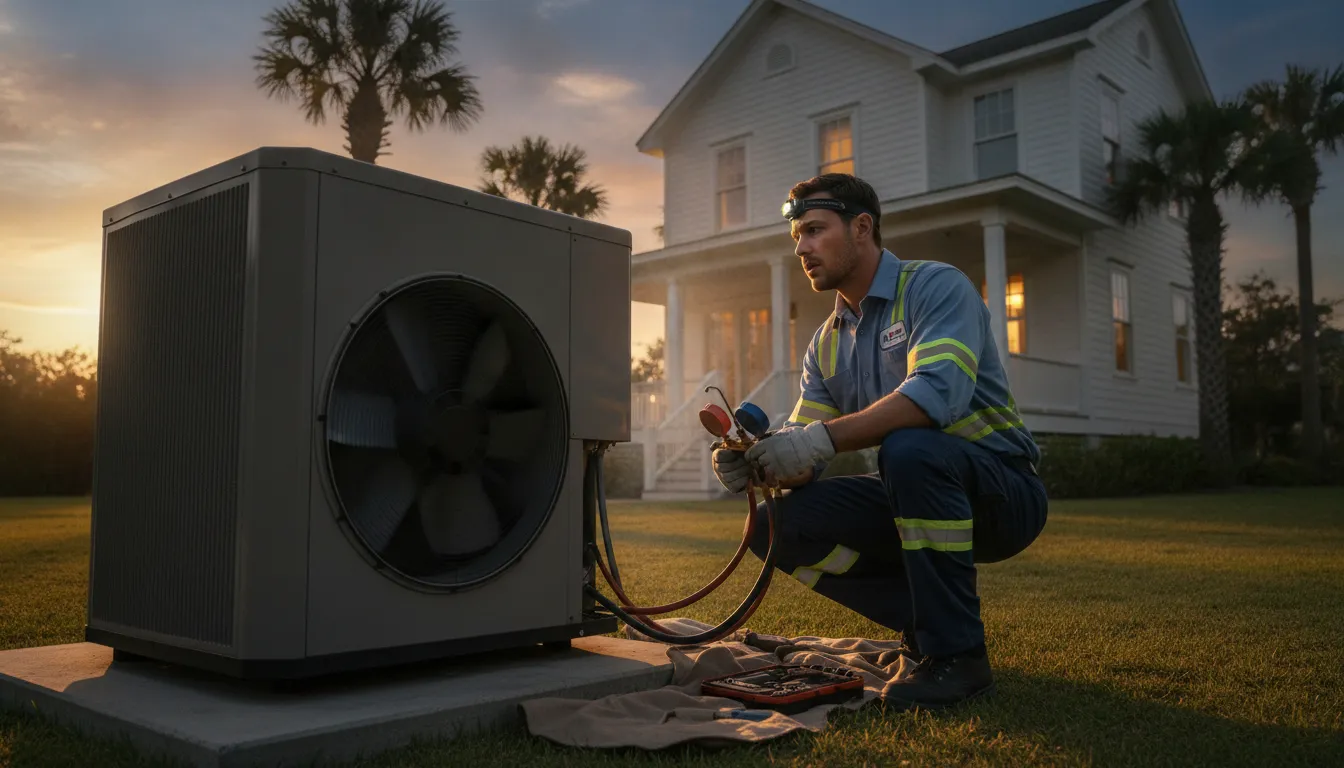
While it might seem like a simple "refill" is the answer, refrigerant isn't consumed like gas in a car. If the level is low, it means there’s a leak somewhere in the system. A certified technician needs to find and repair the leak before recharging the system. Handling refrigerant requires special tools and training, so this is definitely a job for a professional AC technician.
Dirty or Clogged Air Filters
This is one of the most common, and thankfully, most preventable AC problems. Your air filter’s job is to trap dust, pollen, and other airborne particles to keep them out of your HVAC system and your home’s air. Over time, this debris builds up and can clog the filter, severely restricting airflow.
When airflow is blocked, your AC has to work much harder to pull in air, which reduces its efficiency and cooling power. It can even cause the system to overheat and shut down. The good news is that checking and changing your air filter is a simple task you can do yourself. We recommend checking it monthly and replacing it at least every three months to keep your system running smoothly. You can find more tips on our FAQs page.
Frozen Evaporator Coils
Have you ever noticed ice forming on your air conditioner? That’s usually a sign of frozen evaporator coils. These coils are filled with refrigerant and are responsible for absorbing heat from the air passing over them. For this to happen correctly, they need a steady supply of warm air.
If something restricts that airflow, like a dirty filter or a blocked air duct, the coils can get too cold and cause the condensation on them to freeze. A refrigerant leak can also cause the coils to freeze. This ice buildup acts as an insulator, preventing the coils from cooling your home. If you see ice, turn off your AC to let it thaw and call a technician to diagnose the underlying issue.
A Faulty Thermostat
Sometimes the problem isn't with the AC unit itself but with its control center: the thermostat. A faulty thermostat can cause all sorts of issues, from the AC not turning on at all to it running constantly or cycling on and off too frequently. If the thermostat isn't accurately reading the room's temperature, it can't tell the system when to start or stop a cooling cycle.
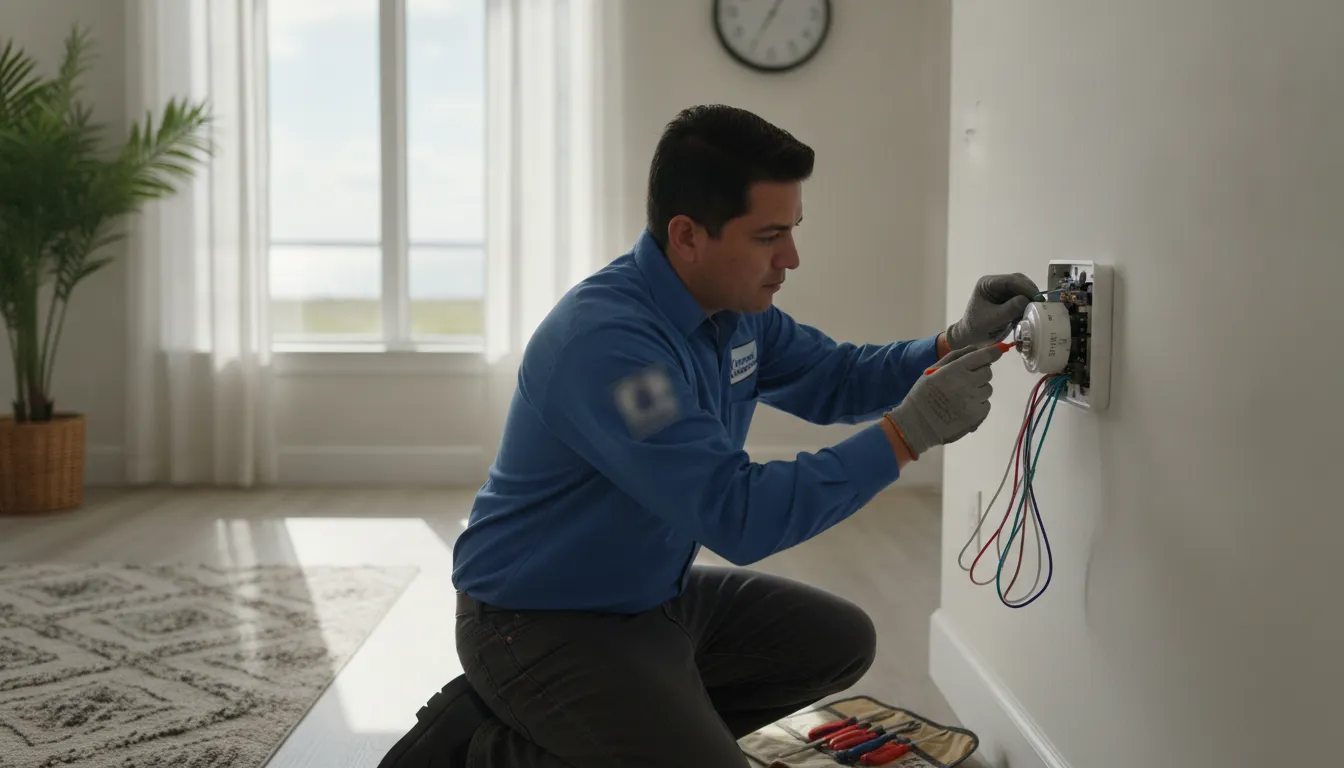
Before calling for service, try a few simple checks. Make sure the thermostat is set to "cool" and the temperature is set lower than the current room temperature. You can also check if the batteries need replacing. If these steps don't solve the problem, you might be dealing with faulty wiring or a defective unit that needs professional attention. Upgrading to a modern, programmable thermostat can also improve your home's energy efficiency.
Electrical or Capacitor Issues
Your air conditioner has many electrical components, and if any of them fail, it can bring the whole system to a halt. One common point of failure is the capacitor, a small, cylinder-shaped part that gives the AC’s motors the jolt of energy they need to start and run. When a capacitor fails, you might hear a clicking or humming sound, but the unit won’t turn on.
Other electrical problems can include frayed wiring, a blown fuse, or a tripped circuit breaker. Because these issues involve high voltage, it’s extremely dangerous to attempt a repair yourself. If you suspect an electrical problem, your safest bet is to turn off the power to your AC unit at the breaker box and contact a qualified technician to diagnose and fix it safely.
DIY Repair or Call a Pro?
When your AC starts acting up, it’s tempting to roll up your sleeves and search for a quick fix online. I get it. The idea of saving a few dollars is always appealing. And sometimes, a little DIY is all it takes. But it's important to know where to draw the line. Your air conditioner is a complex piece of equipment, and some repairs are best left to someone with the right tools and training.
Knowing the difference between a simple maintenance task and a serious mechanical issue can save you time, money, and a lot of frustration. It also keeps you safe. Let’s walk through what you can safely handle on your own and when it’s time to put down the tools and pick up the phone.
Quick Fixes You Can Do Yourself
You’d be surprised how many AC problems can be solved with a few minutes of simple maintenance. Before you panic, try these easy and safe steps. First, check your air filter. A dirty, clogged filter is the number one cause of AC issues, restricting airflow and making your system work harder than it needs to. Replacing it is a simple task that can make a huge difference. Next, take a look at your outdoor unit. Make sure it’s clear of any leaves, grass clippings, or other debris that could block airflow. Finally, check your thermostat. Make sure it’s set to “cool” and that the batteries are fresh. These small steps are part of the routine maintenance that keeps your system running smoothly.
When to Call a Professional
While DIY fixes are great for minor issues, some problems absolutely require an expert. Air conditioning systems involve high-voltage electricity and chemical refrigerants, which can be dangerous if handled improperly. If you hear loud grinding, squealing, or buzzing sounds, it’s a sign of a serious mechanical or electrical problem. Similarly, if your system keeps tripping the circuit breaker, don’t keep resetting it; call for help. Any signs of a refrigerant leak, like a hissing sound or ice on the coils, should also be handled by a certified technician. For these complex issues, calling a professional for air conditioning services is the safest and most reliable way to get your home cool again.
What Types of AC Repair Services Are Available?
When your air conditioner stops working, it’s easy to think of "AC repair" as one single service. But depending on your situation, a professional technician can offer several different types of services. Understanding these options helps you know what to ask for and what to expect when you make that call. From urgent fixes to long-term solutions, here’s a breakdown of the AC services available to you.
Emergency and Same-Day Repairs
It’s a classic Corpus Christi problem: your AC gives out during the peak of a summer heatwave. These situations aren’t just uncomfortable; they can be unsafe. This is where emergency and same-day repairs come in. These services are for urgent issues that can’t wait for a scheduled appointment. Many professional HVAC companies keep technicians on call with their trucks stocked with common parts to handle these exact moments. The goal is to diagnose the problem and get your cool air flowing again as quickly as possible, often on the very same day you call for air conditioning services.
Routine Maintenance and Tune-Ups
The best way to deal with an AC problem is to prevent it from happening in the first place. Routine maintenance is like a yearly check-up for your cooling system. During a tune-up, a technician will clean essential components, check refrigerant levels, and test electrical connections. This preventative care helps your AC run more efficiently, which can lower your energy bills. More importantly, it catches small issues before they become major, expensive breakdowns. Signing up for a membership plan can make scheduling this regular maintenance simple and affordable, extending the life of your unit.
Deciding Between Repair and Replacement
At some point, every homeowner faces the question: is it better to repair my AC again or is it time to replace it? A good technician will help you make an informed decision. Generally, it might be time for a replacement if your unit is more than 12-15 years old, the cost of a repair is nearly half the price of a new system, or it breaks down frequently. While a new unit is a bigger upfront investment, modern energy-saving systems are much more efficient and can lead to significant savings on your monthly utility bills, making it a smart long-term financial choice.
Full System Installations
If you decide that replacement is the right move, you’ll need a full system installation. This service is much more than just swapping out the old box for a new one. A professional installation involves carefully removing your old unit, ensuring the new system is the correct size for your home, and installing it according to manufacturer specifications. This includes handling electrical wiring and refrigerant lines, which is why it’s a job strictly for certified professionals. A proper installation is key to ensuring your new AC runs efficiently and reliably for years to come, which is why we trust quality brands like Trane.
Which AC Brands Are the Most Reliable?
When your AC is on its last legs, deciding between a major repair and a full replacement can be tough. If you find yourself leaning toward a new system, the next big question is: which brand should you choose? With so many options out there, it’s easy to feel overwhelmed. The good news is that a few brands consistently rise to the top for their reliability, performance, and customer satisfaction. Investing in a quality brand from the start can save you a lot of headaches and money on future repairs.
Of course, the brand is only half the equation. The quality of the installation is just as critical to your new system's performance and lifespan. A top-of-the-line unit won't run efficiently if it's not installed correctly. That’s why it’s so important to work with a trusted technician who understands the specific needs of your home. At Tommy Cool Air, we have years of experience installing and servicing all major brands, and we’ve seen firsthand which ones hold up best against the demanding Corpus Christi heat. We are proud to be a Trane Comfort Specialist, but we’re here to help you find the perfect fit for your home, no matter the brand.
Trane
If you’re looking for a true workhorse that’s built to last, Trane is a name you’ll hear over and over again. Trane systems are famous for their durability and longevity, with many homeowners reporting that their units run reliably for years with just routine maintenance. They are engineered with high-quality materials and undergo rigorous testing to ensure they can handle extreme weather conditions, which is a huge plus for us here in South Texas. While they can be a bigger initial investment, their reputation for robust construction and consistent performance often makes them a worthwhile choice for homeowners who prioritize long-term reliability.
Carrier
Carrier is another industry giant with a long-standing reputation for innovation and quality. Often praised for its energy efficiency, a Carrier system can be a fantastic choice if lowering your monthly electricity bill is a top priority. The brand is known for incorporating advanced technology into its units to deliver powerful cooling while using less energy. With a wide range of models available, Carrier offers options that fit various home sizes and budgets, all while maintaining a high standard of performance. Their commitment to creating quiet, efficient, and dependable systems makes them a popular choice for homeowners across the country.
Goodman
Goodman has built a strong reputation for offering reliable performance without the premium price tag. If you're looking for a great balance of value and quality, this brand is definitely one to consider. Goodman units are known for being durable and straightforward, making them a practical choice for many households. One of the key benefits homeowners appreciate is that their parts are widely available, which can make future repairs simpler and more affordable. For dependable cooling that won’t break the bank, Goodman provides a solid, no-frills solution that gets the job done.
Rheem
Rheem is another trusted brand that has been a staple in the HVAC industry for decades. Known for producing reliable and efficient air conditioners, Rheem offers a well-rounded lineup that balances performance with affordability. Their systems are designed to provide consistent, dependable cooling, making them a strong contender for any homeowner. Rheem is often praised for its solid construction and commitment to quality, ensuring you get a system that you can count on season after season. If you’re looking for a reliable unit from a brand with a proven track record, you can find more answers on our company’s FAQ page.
What Should You Expect to Pay for AC Repair?
Let’s talk about one of the biggest worries when your AC breaks down: the cost. It’s tough to give a single price tag for a fix because every situation is different. The final bill depends on what’s wrong, how old your unit is, and even when you call for help. Think of it less like buying a product off the shelf and more like getting a personalized service for your home’s specific needs.
Understanding the factors that influence the price can help you feel more prepared. A simple fix might be surprisingly affordable, while a major part replacement will naturally cost more. The key is to work with a transparent technician who explains the costs before starting any work. We’ll walk through what goes into a repair estimate so you know what to expect and what questions to ask.
Minor vs. Major Repairs
AC repair costs can be broken down into two general categories: minor and major. A minor repair, like replacing a faulty capacitor or fixing a simple electrical issue, is usually on the lower end of the cost spectrum. These are often quick fixes that get your system running again without needing significant parts or labor. You might see costs for these types of repairs ranging from around one hundred to a few hundred dollars.
Major repairs, on the other hand, involve more complex and expensive components. If your compressor has failed or you have a significant refrigerant leak, the cost can climb substantially, sometimes exceeding a thousand dollars. These jobs require more time, specialized tools, and costly parts. Our team always provides clear, upfront pricing for all air conditioning services so you can make an informed decision.
What Influences the Cost of a Repair?
Several key factors determine the final cost of your AC repair. The age and type of your unit play a big role; older systems or high-efficiency models can have parts that are harder to find or more expensive to replace. Your system’s warranty status is another major influence, as a valid warranty could cover the cost of parts, leaving you to pay only for labor.
The timing of your service call also matters. An emergency repair outside of normal business hours will typically cost more to account for the technician's immediate availability. When you get an estimate, it’s helpful to consider both the short-term repair cost and the long-term value. A quality repair can prevent more expensive problems from developing later. You can always contact us for a straightforward quote.
How Warranties and Guarantees Work
Warranties can be a huge help in managing repair costs. Most new AC units come with a manufacturer's warranty that covers parts for a set number of years. However, these warranties often require you to prove the system has been regularly maintained. This is where professional tune-ups become so important, as they not only keep your unit running efficiently but also keep your warranty valid.
Working with a trusted company that guarantees its labor gives you an extra layer of protection. It ensures the job is done right the first time. The best way to avoid surprise repairs and extend the life of your system is through preventative care. Our membership plan includes annual maintenance checks to catch small issues before they become big, expensive headaches, saving you money and stress down the road.
How to Find a Reliable AC Technician in Corpus Christi
When your AC gives out during a Texas summer, it’s tempting to call the first company you find. But taking a little time to find a truly reliable technician can save you from headaches, overspending, and repeat problems. A great technician provides peace of mind. Finding a trustworthy local pro involves a bit of homework, but it’s worth the effort to ensure your home stays cool. Here’s a straightforward guide to finding a qualified AC technician you can count on in the Corpus Christi area.
Verify Licenses and Insurance
Before you let anyone work on your AC system, make sure they are properly licensed and insured. In Texas, HVAC contractors must hold a license from the Texas Department of Licensing and Regulation (TDLR), which proves their competency. Insurance is just as important, as it protects you from liability if an accident happens on your property. A reputable company will have no problem providing their license number and proof of insurance, so don't be shy about asking for it. This simple step ensures you’re working with a qualified professional who adheres to state standards.
Read Online Reviews and Ask Friends
One of the best ways to gauge a company's reliability is to see what past customers have to say. Check out online reviews on sites like Google to get a sense of their reputation. Look for patterns in the comments. Are customers consistently happy with the service, pricing, and professionalism? Beyond online reviews, ask your friends and neighbors for recommendations. A personal referral from someone you trust is often the most reliable source. Local companies with deep roots in the community pride themselves on building lasting relationships, and you can see it in their customer feedback.
Know What to Ask Before Hiring
Once you have a shortlist of potential technicians, it’s time to make some calls. Being prepared with a few key questions will help you compare your options and make an informed decision. Start with the basics: Are you licensed and insured? How long have you been in business? Can you provide references? You should also inquire about their experience with your specific AC brand and the type of problem you're having. A professional technician should be able to answer your questions clearly and confidently. You can often find answers to common questions on a company's FAQ page.
Get Upfront Pricing in Writing
Never accept a vague quote over the phone. A trustworthy technician will want to inspect your AC unit in person before giving you a firm price. This allows them to accurately diagnose the problem and determine what parts and labor are needed. Once they’ve assessed the situation, ask for a detailed, written estimate. This document should outline the scope of the work, the cost of parts and labor, and the total price. Getting everything in writing protects you from unexpected charges and ensures you and the company are on the same page before any work begins.
Ask About Maintenance Plans
A great AC company is interested in more than just a one-time repair; they want to be your long-term partner in home comfort. Ask potential technicians if they offer preventive maintenance plans. Regular tune-ups are the best way to keep your system running efficiently, extend its lifespan, and catch small issues before they turn into major, costly breakdowns. A good maintenance program can save you money on future repairs and utility bills. It also shows that the company is committed to providing proactive care for its customers and their homes.
How to Prevent AC Problems and Extend Your Unit's Lifespan
A little preventative care goes a long way in keeping your air conditioner running smoothly, especially during our hot and humid Corpus Christi summers. Staying on top of simple maintenance tasks can help you avoid surprise breakdowns, lower your energy bills, and extend the life of your entire system. Think of it as an investment in your home's comfort and your peace of mind. Most of these tips are simple things you can do yourself, while others are best left to a professional. By making these habits part of your routine, you can catch small issues before they turn into major, expensive repairs. An efficient AC doesn't just keep you cool; it also keeps more money in your pocket through lower utility costs and fewer emergency service calls. Taking these proactive steps ensures your system is ready to handle the intense Texas heat without faltering. Here are the five most effective ways to keep your AC in top shape.
Change Your Air Filters Regularly
This is one of the easiest and most impactful maintenance tasks you can perform. A common myth is that air filters only need to be changed once a year, but that’s not nearly enough. A dirty, clogged filter restricts airflow, forcing your AC system to work harder to cool your home. This not only wastes energy but can also lead to serious damage. You should check your air filters monthly and replace them when they look dirty. A clean filter improves efficiency and contributes to better indoor air quality by trapping dust, pollen, and other particles that would otherwise circulate through your home.
Keep the Outdoor Unit Clear
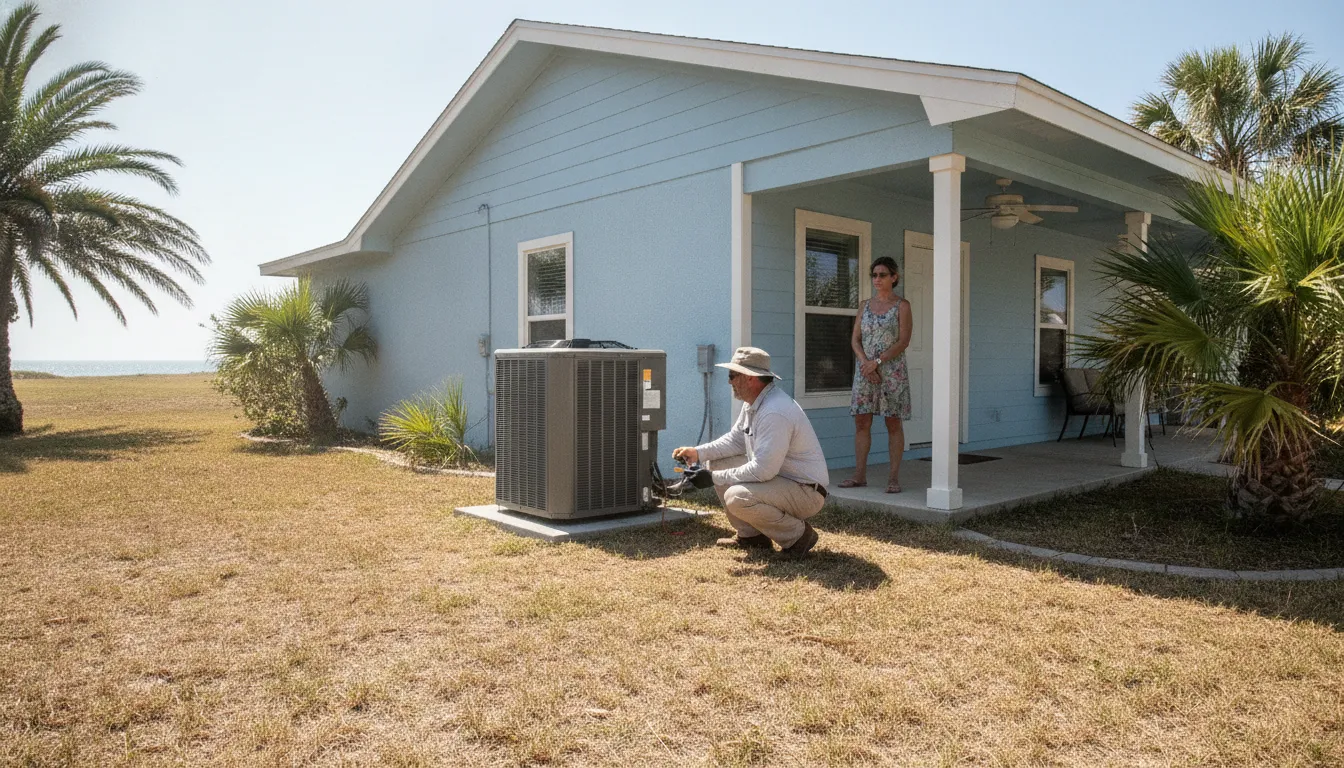
Your outdoor AC unit, or condenser, needs to breathe. Its job is to release the heat pulled from inside your home, and it can’t do that effectively if it’s surrounded by obstructions. Take a walk outside and check on your unit periodically. Clear away any leaves, grass clippings, dirt, or branches that have collected around it. The U.S. Department of Energy recommends maintaining at least two feet of clear space around the entire unit to ensure proper airflow. This simple step helps prevent your system from overheating and keeps it running efficiently when you need it most, especially on the hottest days of the year.
Check and Seal Your Home's Ductwork
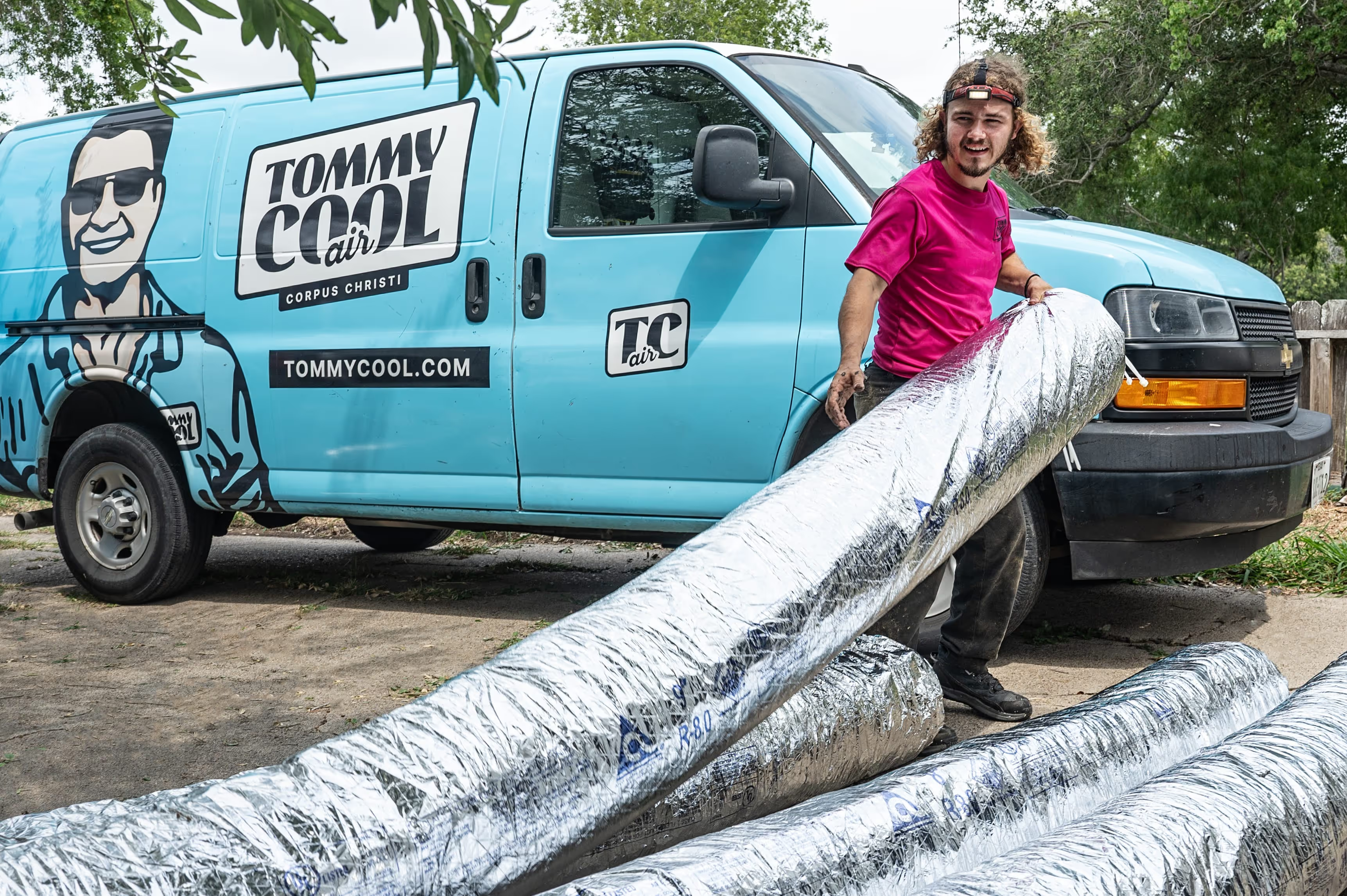
Your ductwork is the delivery system for all that cool air. If your ducts have leaks, cracks, or poor connections, a significant amount of cooled air can escape into your attic, crawlspace, or walls instead of reaching your living areas. This forces your AC to run longer to cool your home, wasting energy and money. You can visually inspect accessible ducts for obvious tears or disconnected joints. However, properly sealing and insulating your home’s ductwork is often a job for a professional to ensure it’s done right. A well-sealed duct system is crucial for your AC’s overall performance and your home's comfort.
Use Your Thermostat Wisely
When you come home to a warm house, it’s tempting to crank the thermostat way down, thinking it will cool things off faster. In reality, this doesn't speed up the cooling process; it just makes your AC run longer and harder, putting unnecessary strain on the system. Instead, set your thermostat to a moderate, comfortable temperature and leave it there. For even better results, consider installing a programmable or smart thermostat. These devices can automatically adjust the temperature when you’re away or asleep, helping you save energy without sacrificing comfort.
Schedule Annual Maintenance
Of all the preventative measures you can take, scheduling an annual professional tune-up is the most important. During a maintenance visit, a qualified technician can identify potential problems early, clean essential components, check refrigerant levels, and ensure your entire system is operating safely and efficiently. Regular maintenance extends the life of your AC by preventing more significant failures down the road. Our Tommy Cool Air Membership includes annual tune-ups to keep your system in peak condition, giving you reliable cooling all year long and priority service when you need it.
Related Articles
- My Air Conditioner Is Making Weird Noises
- AC not turning on? A homeowner's checklist
- Air Conditioner Not Blowing Cold Air
- My Air Conditioner Froze Up
- My AC Is Leaking Water
Frequently Asked Questions
How often should I have my AC professionally serviced? For our climate here in Corpus Christi, we strongly recommend a professional tune-up once a year, ideally in the spring before the heavy heat sets in. This annual check-up is about more than just fixing problems; it's about preventing them. A technician can clean critical parts and spot small issues before they lead to a system failure on a hot July afternoon, which helps your AC run more efficiently and last longer.
My AC is running, but the air isn't cold. What should I check first? Before you call for a repair, there are two quick things you can check yourself. First, look at your thermostat and confirm it’s set to "cool" and the temperature is set lower than the current room temperature. Second, check your air filter. If it's clogged with dust and debris, it can block airflow and seriously reduce your AC's cooling ability. If you've done both of these things and are still getting warm air, it's time to call a professional, as it could be a more serious issue like a refrigerant leak.
Is it more cost-effective to repair my old AC or replace it? This is a big question, and the answer often comes down to a few key factors. A good rule of thumb is to consider replacement if your unit is over 12 years old or if the cost of a repair is close to 50 percent of the price of a new system. While a repair might seem cheaper upfront, frequent breakdowns and poor energy efficiency can cost you more in the long run. A new, energy-saving system can lead to significant monthly savings on your utility bills.
What does a professional AC tune-up actually involve? A professional tune-up is a comprehensive health check for your cooling system. During the visit, a technician will perform a variety of tasks, including cleaning the indoor and outdoor coils, checking refrigerant levels, testing electrical components for safety, and clearing the condensate drain line to prevent leaks. The goal is to ensure every part of your system is working correctly and efficiently, which helps prevent unexpected breakdowns and keeps your energy costs down.
My AC seems to be working, but my electricity bill is much higher than usual. Could my AC be the problem? Yes, a sudden spike in your energy bill is often one of the first signs of an inefficient air conditioner. Even if your home feels cool, an underlying issue like a dirty filter, low refrigerant, or an aging component can force the system to run longer and work harder to maintain the set temperature. This extra effort uses a lot more electricity. An annual maintenance visit can help diagnose these efficiency losses and get your system back to running at its best.