AC short cycling is a state where your cooling unit turns on and off too often before a full cycle ends. This rapid habit is often caused by low air flow from dirty filters, low fluid levels, or a bad thermostat. In the damp Gulf Coast air, an oversized AC unit may also cool the space too fast to remove moisture. This leads to frequent restarts that strain the entire system. Experts at Trane note that a system that is too big reduces comfort and raises power bills while hurting your unit over time. Finding the root cause fast helps stop permanent damage to the compressor. It also keeps your monthly bills low during the long Texas summer.
If you notice your AC turning on and off every few minutes, do not ignore it. Call (361) 852-4450 or schedule a free AC diagnostic today before the problem gets worse.
- Dirty air filters — restricted airflow causes the system to overheat and shut down early.
- Low refrigerant or leaks — low pressure triggers safety cutoffs that stop the cycle prematurely.
- Thermostat malfunctions — faulty sensors or poor placement give false readings to the system.
- Oversized AC unit — a system too large for your home cools too fast without removing humidity.
- Frozen evaporator coils — ice buildup blocks airflow and forces the unit to cycle off.
Homeowners often wonder if these short bursts of air are normal or a cause for concern. Learning what AC short cycling is and why it matters is the first step to a fix. The path to a better cooling unit begins with understanding what is going on.
What Is AC Short Cycling and Why Does It Matter?
AC short cycling happens when your air conditioner turns on and off too fast. Instead of running for a full cycle, the unit cuts out before it finishes the job. This quick on and off pattern puts a lot of stress on your system. It also leaves your home feeling warm and sticky, which is a big problem in the humid Gulf Coast area. Understanding how your unit should run is the first step in troubleshooting common AC problems before they get worse.
What Normal AC Cycling Looks Like
A healthy air conditioner should run for a set time to cool your home well. Under normal conditions, a typical cycle lasts about 15 to 20 minutes as noted by Carrier. During this time, the system pulls heat and moisture from the air. This process keeps your rooms cool and keeps the humidity low. A system that runs for 10 minutes or less is likely short cycling and needs a check.
Your AC may run longer when it is very hot outside. On a typical Corpus Christi summer day, your system works hard to keep up with the heat. It might stay on for 30 minutes or more to reach your goal. But once it hits the right temperature, it should take a break. Short cycling breaks this rhythm and keeps the unit from ever reaching a steady state of work.
Why Short Cycling Damages Your System
Frequent on and off cycles cause parts to wear out much faster than they should. The compressor is the heart of your AC and the part that costs the most to fix. Starting up the compressor takes a lot of power and generates heat. When the unit stops and starts every few minutes, it can lead to electrical control failure from worn wires and parts. This extra wear can cut the life of your system by years.
Beyond the compressor, short cycling stresses the fans and coils too. The constant surge of power can trip breakers or blow fuses in your home. Over time, these small shocks add up to big repair bills. A system that cycles too much is a system that is headed for a total breakdown. Fixing the cause of the short cycle early is the best way to save your AC. It also saves you money.
Why It Matters in Coastal Texas
In our humid climate, your AC does two jobs: it cools the air and it removes water. Short cycles do not give the unit enough time to pull moisture out of the air. This leaves your home feeling clammy even if the air is cool. According to Trane, an AC that is too large often cools too fast and fails to dehumidify the space. This is a common issue when a system is not sized right for our local Gulf Coast weather.
Short cycling also makes your power bill go way up. Your AC uses the most energy when it first turns on. If it turns on four times an hour instead of two, you pay much more for the same amount of cooling. Keeping your system in good shape helps you stay cool and keeps your costs down. Tommy & the Coool Kids can help you find why your unit is cycling too fast. You can get back to true comfort.
Dirty Air Filters and Restricted Airflow
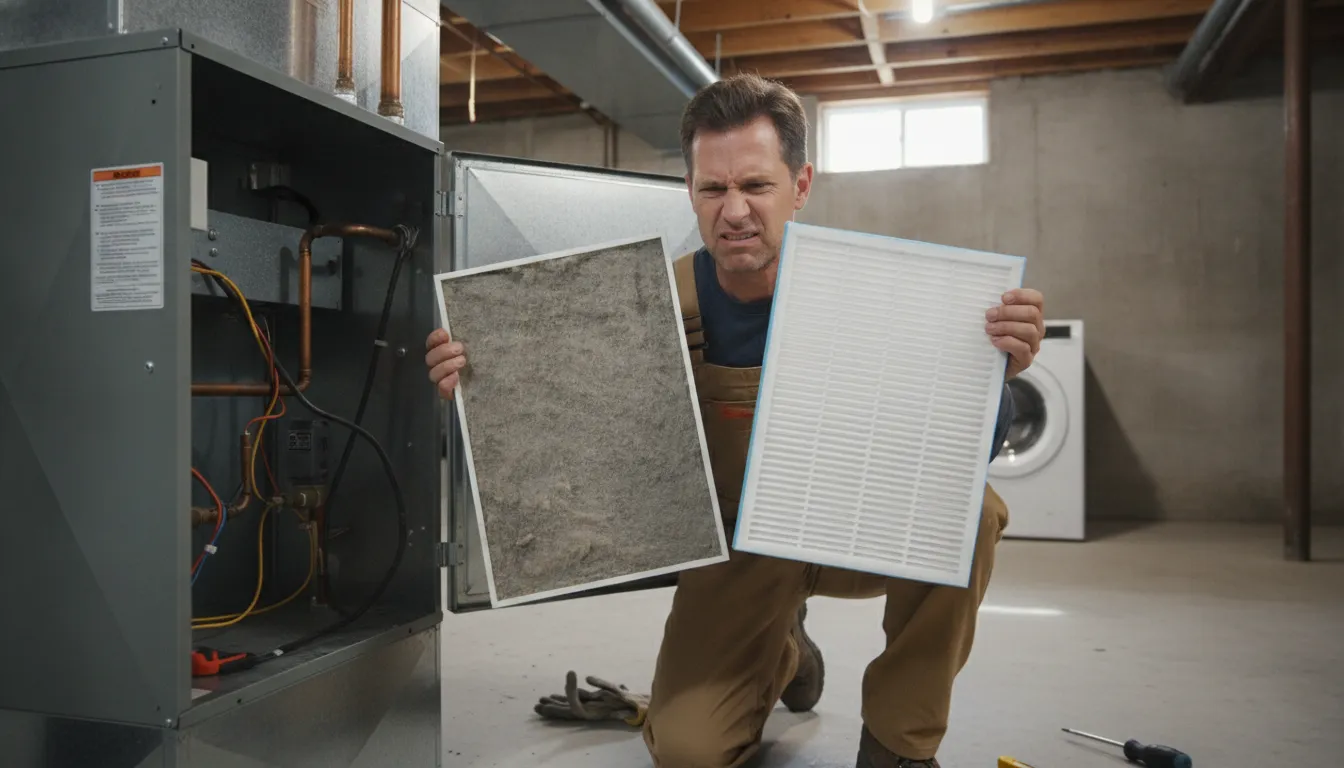
A clogged filter is the top cause of AC short cycling in South Texas homes. When dirt fills the filter mesh, the blower fan must work much harder to move air through the system. This restriction leads to low airflow, which makes the indoor coils get very cold. To keep from freezing, the system shuts down early, which starts a rapid on and off cycle that wastes energy.
How a Dirty Filter Leads to Short Cycling
A dirty filter forces your air conditioner to work in short bursts. The U.S. Department of Energy says that frequent cycling can cause electrical control failure as wires and parts corrode over time. This wear can break the compressor or fan motor, which leads to a much larger repair bill later. By keeping the air path clear, you help the system run for the right amount of time to cool your home.
When the air cannot flow, the motor can also get too hot. Safety switches in the unit will trip to stop the motor from burning out. This stops the cooling cycle before your home reaches the right temperature. Tommy & the Coool Kids see this happen often during our hot summers. This occurs when the AC runs almost all day to fight the heat.
Why Coastal Air Makes Filters Dirty Fast
Homeowners in Corpus Christi deal with more than just dust. Our coastal air carries a mix of fine sand, sea salt, and heavy oak pollen. These small bits get stuck in the filter and block the wind. Since we use our AC systems almost all year, these filters fill up much faster than in other parts of the country. If you do not change them, your system will struggle to breathe.
In our humid Gulf Coast air, these issues can also lead to drainage problems in your condensate lines. When the AC works against a blocked filter, it may not remove moisture from the air the right way. This can cause mold to grow or water to back up in the drain pan. A fresh filter is the simplest way to keep these parts clean and dry. This helps the water flow out of your home.
When and How to Change Your AC Filter
You can often tell your filter is bad just by looking at the vents. If you see dust around the grilles or if the air feels weak, check the filter right away. A gray or brown filter is a clear sign that it is time for a swap. Keeping a fresh filter in place is a key part of your regular AC maintenance routine.
We suggest that you check your filter every month. Most homes in the Bay Area or Padre Island need a new one every one to three months. If you have pets that shed or if you live near a dirt road, you might need to change it every thirty days. This simple DIY task can save you money on power bills. It also stops your unit from shutting down when you need it most.
Changing the filter is a quick job that any homeowner can do. First, turn off the power to the AC at the wall switch or the breaker. Then, pull out the old filter and look at the size printed on the side of the frame. You want to make sure the new filter fits tight so that air does not bypass the mesh. If the filter is loose, dirt can get into the coils and cause even more trouble.
- Turn off the unit before you open the filter slot.
- Check the arrow on the filter frame to make sure it points toward the blower.
- Ensure the filter sits flat against the edges of the housing.
- Write the date on the new filter to track your next change.
If you swap the filter but the AC short cycling continues, you may have a bigger problem. The Coool Kids can use tools like thermal imaging to find leaks or motor issues. Members of the Cool Kids Comfort Club get priority care and regular checks to stop these problems before they start. Our team is ready to help you keep your home cool and dry all year long.
Low Refrigerant and Refrigerant Leaks
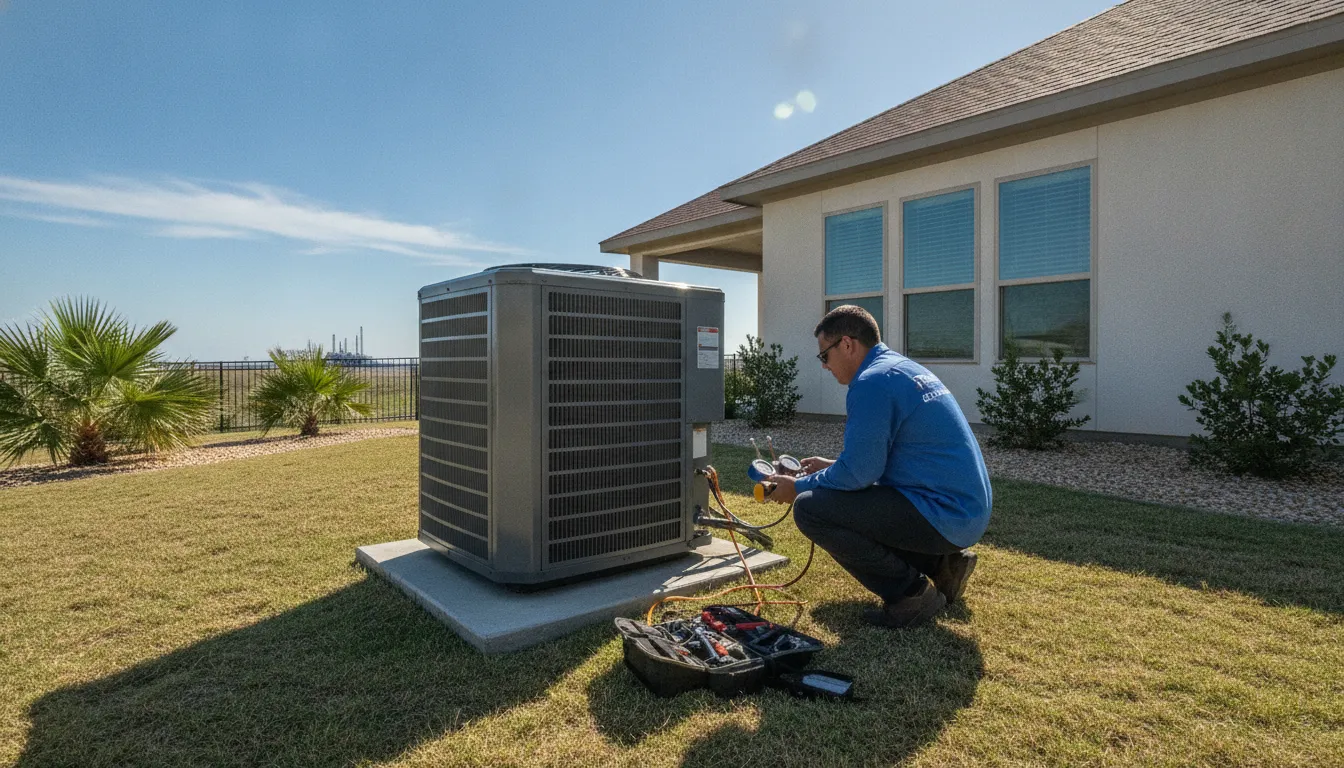
Your AC uses a special fluid called refrigerant to move heat out of your home. This fluid flows between the indoor and outdoor units in a closed loop. When the system is low on this fluid, it cannot pull heat out of your house well. This often leads to AC short cycling as the unit struggles to reach the set heat level. If your system turns on and off too fast, a leak is a very likely cause.
Low levels cause the pressure to drop inside the lines. Most new systems have a safety switch that shuts the unit off when the pressure gets too low. The unit then tries to start again once the pressure builds back up. This creates a loop of short cycles that wastes power and wears out parts.
Signs of Low Refrigerant
Finding a leak early can save you money on power bills and future repairs. One common sign is warm air coming from your vents. You might also hear hissing or bubbling noises near the indoor unit. These sounds happen when the gas escapes through a small hole in the lines. If the levels get very low, you may even see ice on the copper pipes or the indoor coil. This happens because the low pressure causes the coil to get too cold. This cold turns the wet air in your home into ice. This ice blocks airflow and makes the problem worse. These issues force your unit to work too hard. It will stop before it finishes a full cooling cycle. If you see ice, you should turn the system off and call for help right away.
Why Leaks Require a Pro
Adding more refrigerant is not a real fix for a leak. Refrigerant is part of a closed system and should never run low unless there is a hole. Simply "topping off" the unit will not solve the main problem. It can also harm nature and your health if you do not handle it right. This is why the law says only a certified tech can handle these fluids. A pro will find the leak, fix the hole, and then add the right amount of fluid back into the system. This refrigerant undercharge hurts your system's power and shortens its life. It also causes the compressor to run at high heat. Over time, this heat will burn out the compressor. This is a very costly part to replace. Getting help quickly prevents major damage to the heart of your cooling system.
How Tommy & the Coool Kids Find Refrigerant Issues
The team at Tommy Cool Air uses the best tools to find even the smallest leaks. Our experts use digital tools and heat-sensing cameras to see where gas is getting out. We look for oil spots on the lines. These spots often show where a leak is hiding. As a Trane dealer, we know exactly how much fluid your model needs to run at its best.
We also check for wiring wear caused by too much cycling. Frequent stops and starts can cause control failure and wire rust. This is a common issue in our humid Gulf Coast climate. If you live in the Corpus Christi area, we can get your system back to peak health.
Our professional AC repair services ensure your home stays cool during the hot Texas summer. Members of our Cool Kids Comfort Club get 24/7 care to keep their systems running smooth all year long. We make sure your home stays a haven from the heat with expert care you can trust.
Thermostat Malfunctions and Placement Problems
The thermostat acts like the brain of your home AC. It tells the system when to start and when to stop. If this tool gets the wrong data, your unit will not run the way it should. Many people in Corpus Christi find that thermostat issues lead to fast cycles. These cycles waste power and wear out parts.
Common Thermostat Issues That Cause Short Cycling
A broken thermostat is a top cause of AC short cycling. Sometimes the fix is as simple as new batteries. Low batteries can be a sneak problem. The screen might look fine, but the sensor may fail to send a clear signal. This often makes the unit shut off just a few minutes after it starts up.
Old or loose wires can also cause trouble. The salt air on the Gulf Coast can cause rust on small parts over time. When wires do not have a solid link, the system may trip and stop the cooling cycle too soon. Routine preventive AC care helps diagnose short cycling by catching these loose links before they fail.
Dust and dirt inside the unit can also block the sensors. If the sensor is dirty, it cannot feel the true heat in the room. It might think the home is already cool when it is still hot. This makes the AC stop before it pulls the moisture from your air.
Where Your Thermostat Should Be
A bad spot for your thermostat will lead to a wrong reading. This happens when the sensor feels heat that is not in the rest of the home. The AC then runs a quick cycle and stops. This leaves other rooms warm and sticky.
Sunlight is a major foe for a true thermostat reading. If a window lets sun hit the device, the sensor will get very hot. It will think the room is much warmer than it really is. The AC will work too hard and cycle too often. It will try to keep up with a heat source that only hits the sensor.
Keep the thermostat away from the kitchen and laundry room. These spots make high heat and steam that can trick the unit. Avoid placing it near air vents or drafty doors as well. The best spot is on a central wall, far from lamps or tools that give off heat.
Smart Thermostat Upgrades
Old dials and basic units often lack the skill needed for Texas summers. Moving to a smart thermostat is a great way to stop short cycling. These new tools use better sensors to manage your cooling needs. They stop the constant on-and-off stress.
A smart upgrade can lead to big wins for your wallet. Most people save 15-20% on power when they use smart tools to plan their cooling. By setting a plan that matches your day, you prevent wasted cycles. You can save money when no one is home to enjoy the air.
Tommy & the Coool Kids also offer high-tech tools for our members. Cool Kids Comfort Club members get to use the Cool Kids App. This app tracks how your AC runs. It can find small heat changes early. If your AC cycles in an odd way, the app lets us know. We can then fix the problem before it breaks your unit.
Oversized AC Unit and Frozen Evaporator Coils
A fast cooling cycle may seem like a good thing during a Corpus Christi summer. But if your AC shuts off too soon, it may be too large for your home. This problem is common when people replace older units with newer ones that have too much power. A system that is too big will cool the air fast. But it will fail to pull moisture from the room.
The Issue with Oversized Units
An oversized unit causes AC short cycling because it hits the target temperature in just a few minutes. In our humid Gulf Coast air, the unit needs to run for 10 to 20 minutes to properly dehumidify the space. When the cycle is too short, your home stays damp and sticky. This constant starting and stopping also uses more power and puts heavy stress on the motor.
To fix this, a tech must perform a load calculation. This check looks at your home size, windows, and insulation to find the right unit size. If your system is already in place, a pro may need to adjust the fan speed or ductwork to help. You should seek professional AC repair in Corpus Christi to see if your unit is the right fit for your home.
Frozen Evaporator Coils
Frozen coils are another main reason for short cycles. When the coils get too cold, ice builds up and blocks the flow of air. This often happens because of a dirty filter or a leak in the refrigerant lines. The system then works too hard to cool the air, which can lead to a total shutdown or system failure over time.
You can check your air filter first to see if it is dirty. A clogged filter stops air from moving over the coils, which causes them to freeze. If the filter is clean, you likely have a leak or a blower motor issue. According to the Department of Energy, low refrigerant or drainage problems are common faults that require a pro to fix. Do not try to add refrigerant yourself, as this requires special tools and training.
Why Professional Help Is Needed
Both of these issues can cause long-term harm to your HVAC system if you ignore them. An oversized unit or frozen coils will wear out the compressor much faster than normal. Tommy & the Coool Kids can find the root cause of these problems with a full diagnostic check. Fixing these faults early will save you money on power bills. It will keep your home cool all summer long.
Need expert help with AC short cycling in Corpus Christi?
If you have tried the basic checks and your air conditioner is still cycling on and off too fast, it is time to call the pros. Tommy & the Coool Kids serve homeowners across Corpus Christi, Flour Bluff, Padre Island, Portland, and the entire Gulf Coast area. Our NATE-certified technicians use advanced diagnostic tools to find the root cause fast. We are a trusted Trane dealer offering 24/7 emergency service and same-day appointments. As a Cool Kids Comfort Club member, you get priority scheduling and exclusive discounts on repairs.
Call (361) 852-4450 now or schedule your AC diagnostic online. We will have your system running smoothly before the next heatwave hits.
Frequently Asked Questions
How long should a normal AC cycle last?
Under most conditions, your air conditioner should run for about 10 to 20 minutes at a time to cool your home well. According to Lennox, this length of time helps the system pull moisture from the air while cooling the space. On very hot days in Corpus Christi, the unit may run longer to keep up with the heat. Cycles that last less than 10 minutes are often a sign of a problem.
Can a dirty air filter cause my AC to short cycle?
Yes, a clogged filter is a very common cause of this issue. When dust blocks the filter, air cannot flow through the system as it should. This restriction causes the internal parts to get too hot, which triggers a safety switch to shut the unit down. The Department of Energy warns that dirty filters can even lead to the failure of the compressor or fan if you do not change them often.
Is it harmful to let my AC continue to short cycle?
Yes, ignoring this problem can lead to high costs and system failure. Rapid cycling puts a lot of stress on the compressor, which is a very expensive part to fix. According to Sam's Air Control, frequent starting and stopping also wastes power and leads to higher electric bills. Over time, the constant wear can shorten the total life of your unit, which makes an early replacement needed for your home.
When should I call a professional for AC short cycling?
You should call a technician if cleaning your filter and checking your thermostat do not fix the issue. A professional can find complex problems like refrigerant leaks or electrical failures. Data from the National Institutes of Health shows that early repairs help keep your system strong and keep energy use low. For homeowners in the Gulf Coast area, experts like Tommy & the Coool Kids can use tools like thermal imaging to find leaks fast.