Long-lasting moisture that stays despite a running AC unit is a clear sign of system failure. In Corpus Christi, sticky air can make your home feel like a sauna even when the vents are blowing cold air. If your home feels clammy and uncomfortable no matter how low you set the thermostat, your AC may be losing the battle against Gulf Coast humidity. Schedule a free AC evaluation with Tommy Cool Air today to find out why your system is struggling.
Common signs AC unit struggling with humidity Corpus Christi include a clammy feeling on your skin, damp smells from vents, and water on your windows. Your system might also run non-stop without cooling the air or turn on and off too fast.
These issues happen when the unit can no longer pull water from the air while it runs. Keeping indoor air dry is vital because the EPA says keeping humidity levels between 30% and 50% is best to stop mold growth. If you see these signs, your unit may be the wrong size or need a fast repair. Tommy Cool Air can find the main cause to keep your home dry and safe.
Knowing why these problems happen starts with looking at our local area and the Gulf Coast heat. You must learn why humidity is so hard on your AC in Corpus Christi to find a real fix for your home comfort. The reasons begin with our local weather.
Signs Ac Unit Struggling With Humidity Corpus Christi: Why Humidity Is So Hard on Your AC in Corpus Christi
Living near the Gulf Coast means we deal with a lot of moisture. In Corpus Christi, summer heat and humidity levels often go above 80%. This thick, wet air puts a huge load on your home cooling system. It is not just about the heat outside. The amount of water in the air changes how your system works. When the air is full of water, your air conditioner has to work much harder to keep you cool. This extra work is a main cause for many signs AC unit struggling with humidity Corpus Christi homeowners see every year.
Cooling and Drying Air at Once
Your air conditioner actually has two jobs. First, it must lower the temperature of the air. Second, it must pull water out of that air. This second part is called latent cooling. To keep a home comfortable, the EPA suggests keeping indoor humidity between 30% and 50%. When it is very muggy outside, your AC spends most of its energy trying to dry the air. If the air is not dry, you will feel hot even if the thermometer says the room is 72 degrees. This is because your body cannot sweat as well when the air is already full of moisture.
The cooling happens at the indoor coil. As warm, wet air passes over the cold metal, the water turns into liquid, just like beads of water form on a cold soda can. This water then drips into a pan and flows out of your house. If the humidity is too high, the system might not be able to keep up with both tasks. You might notice the air feels sticky or heavy. This is one of the big signs your system is falling behind in the battle against the Gulf Coast heat.
The Gulf Coast Humidity Trap
Our area faces a unique challenge because the heat and moisture stay high for most of the year. In many places, the air gets dry when the sun goes down, but not here. The salt air from the coast also adds to the problem. Salt can cause parts of your AC to rust faster than they would inland. This makes it even harder for the unit to move heat and water out of your home. When parts start to wear down, the unit loses its power to wring the water out of the air well.
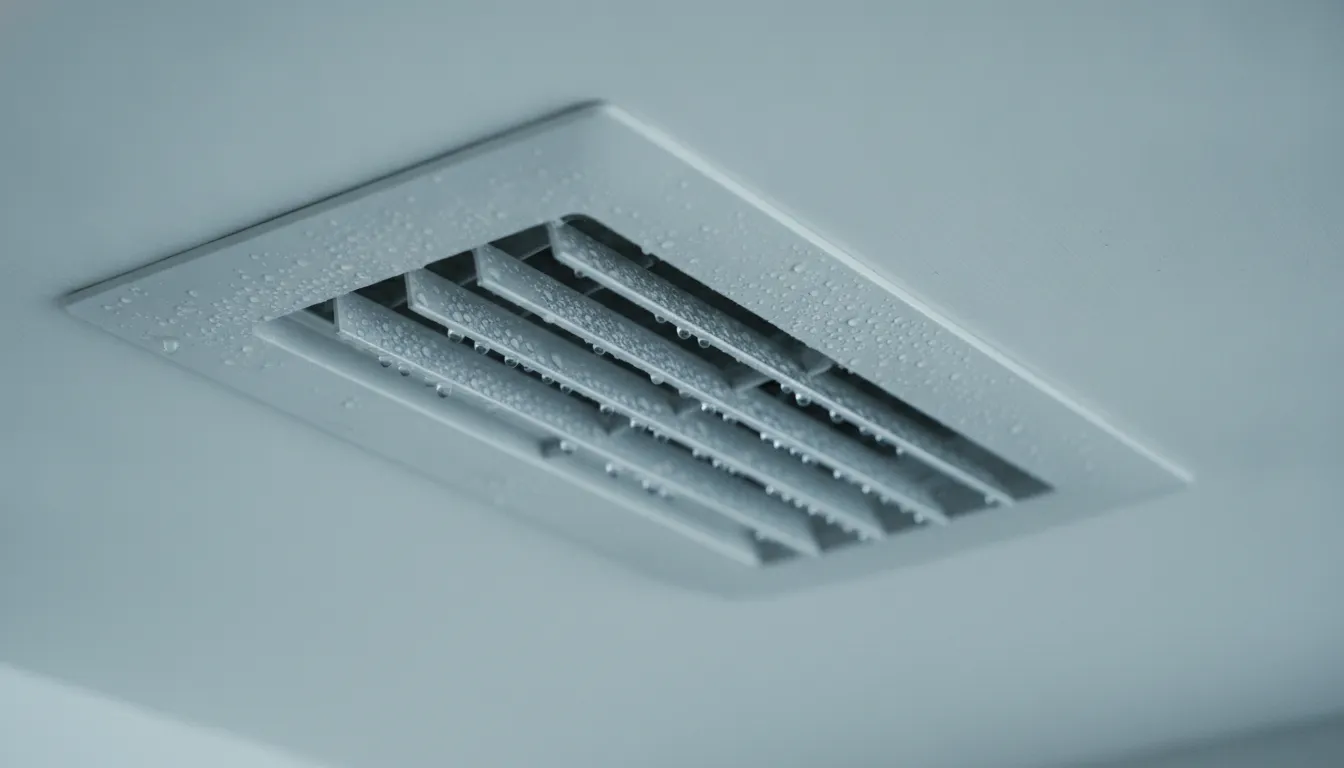
Cold surfaces in your home can also lead to trouble when the air is too wet. In hot, humid places, AC systems can create cold spots that cause water to form on vents or walls. This happens when the cold air from the ducts hits the warm, damp air in the room. If this water stays there, it can lead to mold or damage your drywall. This is why having a plan for managing high humidity levels is so vital for every local homeowner.
If you see water around your vents, it means your AC is struggling. Tommy Cool Air technicians often find that older units just were not built for these extremes. A system that worked fine a few years ago might fail now because of salt air damage or dirty coils. Keeping the system clean helps it pull water out more easily. Without regular care, the thick air will soon win, leading to higher bills and a home that never feels truly dry.
Sign 1: Your Home Feels Clammy and Uncomfortable
Have you ever walked into your house only to feel like the air was sticking to you? Even if your thermostat shows a cool temp, the rooms can still feel muggy and heavy. This happens a lot in our area because the outdoor air is so wet. When the air feels thick, it often means your unit has stopped pulling enough water from the indoor air.
If the water stays in the air, you will still feel that muggy, clammy touch. This is one of the most common signs your AC system is not working right. A home that feels damp is rarely a cozy one.
Why the Air Feels Muggy Inside
Many people think the air unit only cools the home. In fact, it has two jobs. It must lower the heat and remove moisture at the same time. If your indoor air quality services are not working well, the air stays damp. This leads to a sticky feel where your skin feels moist or cool to the touch.
The Ideal Indoor Humidity Range
A healthy home should not feel like a swamp. To stay cozy, you must keep your home's moisture levels in a clear range. The Department of Energy recommends maintaining indoor relative humidity between 30% and 50% for comfort and energy efficiency. When levels go above this point, the air holds too much water. This makes it hard for your body to cool off. It also creates a spot where mold can grow.
How to Spot the Moisture Problem
You might notice small clues that show your air is too wet. These signs often show up before you even check a gauge:
- Mail and printer paper feel soft or limp.
- Wood floors or tables feel slightly tacky to the touch.
- Bed sheets feel damp even when the room is cool.
Tommy Cool Air often sees this when a unit is too old or the wrong size for the house. A unit that is too large will turn off too fast. It cools the air but stops before it can remove the water. This leaves you with cold, damp air that never feels right. You might find yourself turning the dial lower to try to get comfortable.
Sign 2: Your AC Runs Constantly but Never Shuts Off.
The Battle Between Heat and Wetness
If you live in Corpus Christi or Flour Bluff, you know how hard your AC has to work during the summer. You might notice your system running for hours without a single break. This non-stop work is a clear sign that your troubleshooting AC performance needs an expert look. When the air is very thick with moisture, your unit must do two big jobs at the same time. It has to lower the heat while also pulling out the water vapor. If the humidity is too high, the system may try and fail to keep up with both cooling and drying the air.
Why Your Thermostat Might Be Lying
You may look at your thermostat on a hot day in Padre Island and see that it has reached your goal. But even if the screen says 72 degrees, you might still feel sticky and gross. This happens because high humidity makes it hard for your skin to stay cool. Your AC unit runs constantly but you are still unhappy because the machine cannot strip the water from the air fast enough. The air stays heavy and muggy, which tricks your body into thinking the room is hot. This leads many people to turn the thermostat even lower, which only makes the AC run longer without solving the real issue of dampness.
Risks of a System That Never Sleeps
A cooling system that never shuts off will face big problems over time. First, your monthly energy bills will go up as the motor and fans stay in use all day and night. Second, the moving parts inside your unit will wear out much faster than they should. In our salty air, this extra stress can lead to rust and early failure.
If your unit is always on, it is a sign that your home has a high latent heat load. This means there is simply too much moisture for a standard cooling cycle to manage. You might need a special system or a repair to help your unit handle the load. Letting an AC run non-stop not only costs you money but also shortens the life of your costly gear. The American Society of Heating, Refrigerating and Air-Conditioning Engineers (ASHRAE) recommends proper system sizing and ventilation to manage humidity loads effectively.
Sign 3: Musty Odors, Mold, or Moisture Around Vents
Spotting Musty Smells and Damp Spots
If you catch a musty or damp smell coming from your vents, it is a big red flag. These smells often mean your home has high moisture levels. When your AC does not remove enough water from the air, the inside of your unit or ducts can get wet. This damp space is the best place for mold to grow. You may also see dark patches on your walls or vents. If you ignore these signs, the mold can spread fast through your ductwork. Tommy Cool Air can help you start managing high humidity levels before mold takes over.
How Mold Affects Your Health
Mold is more than just a bad smell. It can make people in your home feel sick. The EPA notes that mold can cause runny noses, red eyes, and skin rashes. These health issues often get worse the longer you stay inside. For people with lung issues, the risks are even higher. Mold spores can trigger asthma symptoms like wheezing, coughing, and chest tightness. Your AC should keep your air clean and dry. If your family feels better when they leave the house, your AC might be failing to clean the air.
Hidden Water Leaks in Your Ductwork
Too much moisture in your air can lead to water leaks you cannot see. When your AC unit works hard, it makes a lot of cold air. If the air in your home is too wet, it turns into water on the cold metal of your ducts. This water can condense on cold spots inside your walls and vents. This can drip into your attic or walls. Over time, this causes wood rot and more mold. You might not see the leak until it is a big problem. This is why checking your vents for wet spots is so vital.
Stopping Moisture at the Source
The best way to stop mold is to keep your home dry. In hot and humid places like the Gulf Coast, moisture control is the key to keeping your home safe. You must dry any wet spots within two days to prevent mold growth. Tommy Cool Air can help you find professional humidity control solutions to keep your air clean. Fixing these leaks now can save you from big repair bills later.
Sign 4: Rising Energy Bills for No Clear Reason
If you see your monthly energy bill go up but do not know why, your air conditioner may be the cause. Sudden cost hikes are often one of the main signs AC unit struggling with humidity Corpus Christi families see first. This happens because the system must work much harder than usual to keep your home dry. When your unit is under this much stress, it pulls far more power from the grid.
How Humidity Drives Up Your Costs
When the air is thick with water, your AC has two big jobs to do at once. It must lower the room temperature and pull out extra moisture. Since moisture holds onto heat, cooling your home takes much more time when the air is wet. This causes your unit to stay on longer and makes your monthly bill go up.
If your system is old or has dirty coils, it will use even more energy to hit that mark. In our wet Gulf Coast air, an unfit system can easily double your cooling costs. This stress also leads to more parts breaking down over time. The ENERGY STAR program notes that properly sized and maintained HVAC equipment operates more efficiently and reduces energy waste.
The Hidden Cost of High Moisture
Humidity makes the air feel hotter than it really is through the heat index. Even if your room is 72 degrees, you may feel warm and sticky. Many people turn their thermostat down to find relief, but this asks the system to work even harder. It creates a cycle where you spend more money but do not feel cool.
By managing high humidity levels, you can help your unit run less often. A system that works well can remove water without running all day. If your bill stays high despite a few cool days, it is time to have a pro look at your unit.
Normal AC vs. Humidity-Optimized System: A Quick Comparison
Not all air conditioners handle Gulf Coast humidity the same way. A standard unit and a humidity-optimized system differ in how they handle moisture.
| Feature | Standard AC | Humidity-Optimized System |
|---|---|---|
| Moisture removal | Removes moisture as a side effect of cooling only. | Prioritizes dehumidification even on mild days. |
| Fan speed | Runs at full speed, may re-evaporate moisture. | Variable speed runs slower to maximize moisture pull. |
| Energy use | Higher due to constant on-off cycling. | Lower; runs longer at low speed for better efficiency. |
| Indoor comfort | Air feels cool but clammy. | Air feels dry and fresh at the same temperature. |
| Best for | Dry or moderate climates. | Gulf Coast, coastal, and high-humidity areas. |
Sign 5: Short Cycling: Your AC Turns On and Off Too Frequently
You might notice your air conditioner starting up and shutting down every few minutes. This rapid pattern is called short cycling. It often means your system is struggling to keep your home dry and cool. You should watch for these signs your AC system needs repair before parts wear out. When a unit cycles too fast, it fails to remove enough water from the air.
Why Humidity Causes Short Cycles
Short cycling is a common sign of a system that cannot reach a steady balance. Air conditioners need time to pull water vapor out of the air. If the unit shuts off too soon, the air stays muggy. This lack of balance leads to high energy use and a home that never feels cool. In places like Corpus Christi and Flour Bluff, humidity levels are very high. Your AC unit must work hard to manage this load. If the system is not sized right or has poor maintenance, it will start to fail. A unit that is too large for your home will cool the rooms so fast that it shuts down before it can dry the air.
The Risks of Frequent Cycling
Rapid cycling puts a lot of stress on your AC motor and compressor. These parts are built for longer runs, not quick bursts. Frequent starts and stops can lead to a total breakdown during a hot Gulf Coast summer. If you hear your unit clicking on and off often, it is time to have a pro look at your system. Tommy Cool Air can help with troubleshooting AC performance to save you money on repairs.
Regular care for your system can help prevent these cycles. Dirty coils or low refrigerant can also cause the unit to shut down early. Keeping your system clean helps it run long enough to pull moisture from every room in your house.
What To Do If Your AC Can't Handle Corpus Christi Humidity

When you spot the signs your AC unit is struggling with humidity in Corpus Christi, you must act fast. High moisture in your home can lead to more than just a sticky feel on your skin. If left alone, too much humidity can cause mold growth, high energy bills, and early system failure. Here are the steps the Cool Kids Comfort Club members use to stay ahead of the humidity problem.
Step 1: Check Your Indoor Humidity Level
Buy a simple hygrometer from any hardware store or online shop. This tool tells you the exact moisture level in your home. If the reading is over 60%, your air is too wet. The EPA recommends keeping indoor humidity between 30% and 50% for a safe and comfortable home. Check the level in different rooms, especially on the first floor and near bathrooms. High readings in these spots often point to a bigger system issue.
Step 2: Inspect Your AC System
Look at your air filter first. A dirty filter blocks airflow and makes it hard for your unit to pull water from the air. Change it if it looks dusty or clogged. Next, check the area around your outdoor unit. Clear away leaves, grass, and debris that can block airflow. If your unit has an ice build-up or makes strange noises, shut it off and call a professional. Keep in mind that troubleshooting AC performance often needs a trained eye.
Step 3: Consider an Upgrade or Whole-Home Dehumidifier
If your AC is over 10 to 12 years old, it may simply be too old for our climate. Newer systems with variable-speed compressors do a much better job of removing moisture. The Department of Energy recommends whole-house dehumidifiers as an effective solution for high-humidity climates like the Gulf Coast. A dedicated dehumidifier works alongside your AC to keep moisture levels in check on mild days when the AC itself does not run long enough to dry the air.
Step 4: Schedule a Professional Evaluation
The most reliable way to fix a humidity problem is to have a trained technician inspect your system. Tommy Cool Air offers comprehensive humidity evaluations for Corpus Christi homeowners. Our technicians check your unit's refrigerant charge, coil condition, airflow, and overall system sizing to identify the root cause of your humidity issues. The Air Conditioning Contractors of America (ACCA) recommends annual maintenance inspections to catch problems before they cause system failure.
Frequently Asked Questions
What is the ideal indoor humidity level for a Corpus Christi home?
The EPA recommends keeping indoor relative humidity between 30% and 50%. In Corpus Christi's humid climate, many homes struggle to stay in this range without proper AC sizing and maintenance. A simple hygrometer can tell you if your home falls within this healthy zone.
Can a dehumidifier help my AC struggle with humidity?
Yes. A whole-home dehumidifier works alongside your AC to remove excess moisture, especially on milder days when your AC does not run long enough to dry the air. The Department of Energy endorses this approach for humid climates. Tommy Cool Air offers professional dehumidifier installation and repair.
Why does my AC run all day but my house still feels sticky?
This is a classic sign of short cycling or an oversized AC unit. When the AC cools the air too quickly, it shuts off before it can remove enough moisture. The result is cold, damp air that feels sticky. A variable-speed system or proper sizing correction from a qualified technician can solve this problem.
What does short cycling mean in an AC unit?
Short cycling is when your AC turns on and off in rapid, frequent bursts instead of running through full cooling cycles. This prevents the system from removing enough humidity and puts extra stress on the compressor and motor. Common causes include an oversized unit, dirty coils, low refrigerant, or a faulty thermostat.
How often should I have my AC serviced in a humid climate?
The ACCA recommends annual professional maintenance for all HVAC systems. In Gulf Coast climates with high humidity and salt air, bi-annual inspections (spring and fall) are often better. Regular maintenance keeps coils clean, ensures proper refrigerant levels, and extends the life of your system.
Schedule a Professional Humidity Inspection
Do not let humidity take over your home and drive up your energy costs. The signs AC unit struggling with humidity Corpus Christi causes are easy to spot once you know what to look for. But fixing them requires expert knowledge and the right equipment. Tommy Cool Air has been serving Corpus Christi homeowners since 1984, helping families stay comfortable through every Gulf Coast summer.
Our technicians are Trane-trained professionals who understand the unique challenges of our coastal climate. We offer free estimates on new system installations, comprehensive AC repairs, and whole-home humidity solutions. Whether you need a simple repair or a complete system upgrade, we provide honest recommendations and quality workmanship. Call Tommy Cool Air at (361) 444-7777 or schedule your service appointment online to get your home's humidity under control today.