As a business owner in Corpus Christi, you're a vital part of our community. That role comes with a big responsibility: protecting public health. A single backflow incident—where contaminated water from your property enters the clean water supply—can have serious consequences for everyone. It's a risk you can't afford to ignore. Regular commercial backflow testing is your first line of defense. It’s a simple, proactive step that protects your neighbors, your reputation, and the business you’ve worked so hard to build.
Key Takeaways
- Protect your business and community: Regular backflow testing is a legal requirement for commercial properties that prevents contamination of the public water supply. Staying compliant helps you avoid steep fines and demonstrates your commitment to public health and safety.
- Stick to an annual schedule: Backflow prevention devices contain moving parts that can fail over time. Scheduling a professional test once a year is the best way to ensure your system is working correctly and to catch potential issues before they become serious problems.
- Partner with a certified expert: This is a specialized task that must be performed by a licensed Backflow Prevention Assembly Tester (BPAT). Hiring a qualified local professional ensures the job is done right and that all compliance paperwork is filed correctly with the city.
Your Guide to Commercial Backflow Testing
As a business owner, you have a lot on your plate, and the specifics of your building’s plumbing might not be top of mind. However, one critical aspect you can't afford to overlook is backflow prevention. Commercial backflow testing is a specialized inspection that ensures your plumbing system isn't accidentally contaminating the public water supply. It’s a simple but vital service that protects your customers, your employees, and your business from serious health and legal issues. Let's break down what backflow is and why your business needs to be protected.
First Things First: What Is Backflow?
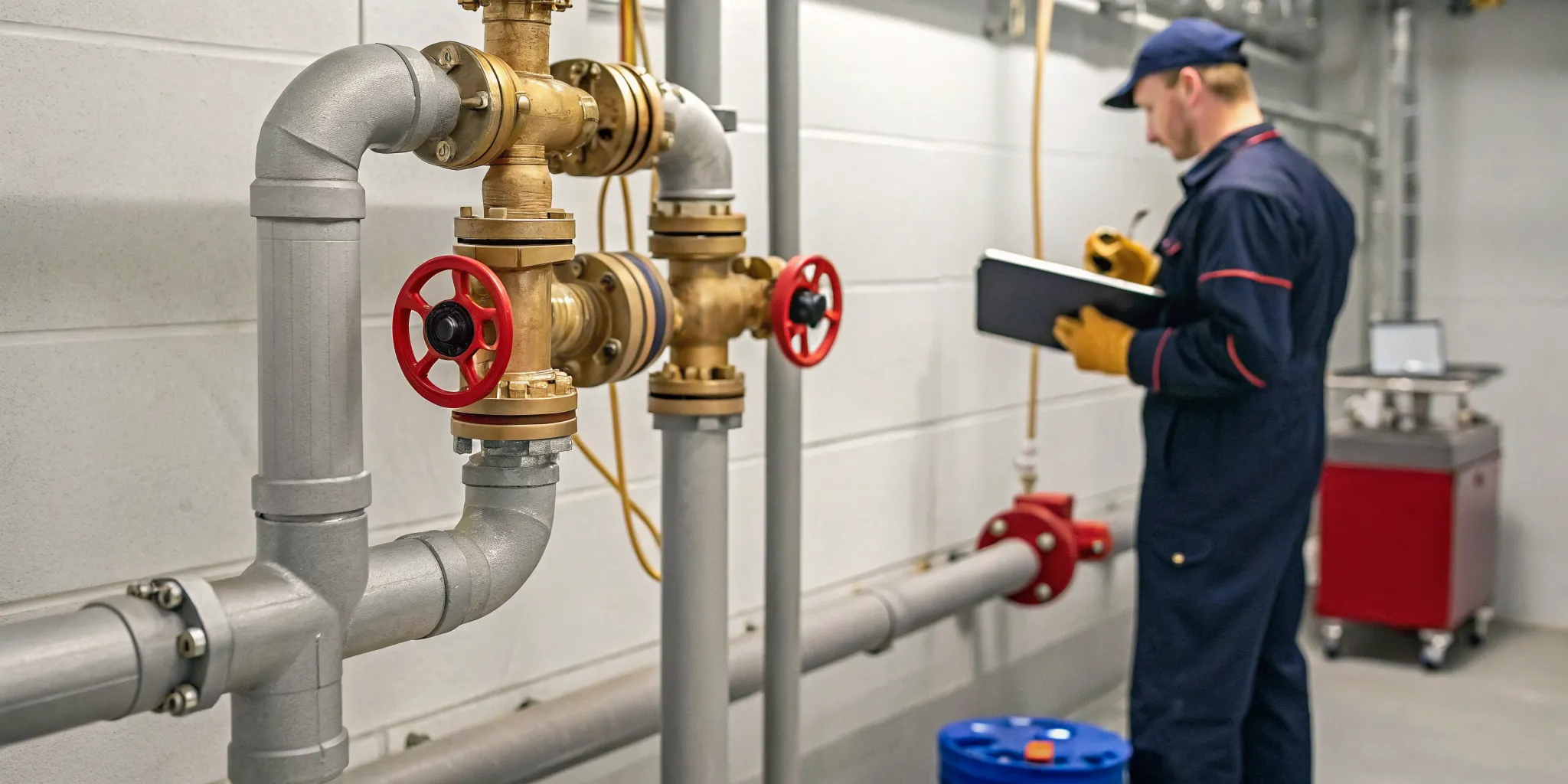
Backflow is exactly what it sounds like: the unwanted reversal of water flow. It happens when a change in pressure causes non-potable (dirty) water from sources like irrigation systems, boilers, or fire sprinklers to flow backward into your clean drinking water pipes. This can introduce harmful chemicals, bacteria, and other contaminants into the water supply. To stop this, a backflow prevention device is installed. These assemblies, which include things like vacuum breakers and double check valves, act as a one-way gate, allowing water to flow out but never back in. Regular testing ensures these devices are working correctly, providing a critical safeguard for our community's water.
How Backflow Puts Your Business at Risk
Protecting your business from backflow isn't just a good idea; it's a legal requirement. Local and state regulations mandate that commercial properties have functional backflow preventers and undergo annual testing. The primary reason is public health. Contaminated water can make people very sick, and as a business, you have a responsibility to keep your staff and customers safe. Failing to comply with these rules can lead to significant fines, legal action, and even the suspension of your water service. Taking care of your commercial plumbing obligations is a fundamental part of running a responsible and successful business.
Why You Can't Afford to Skip Backflow Testing
As a business owner, you have a lot on your plate. It’s easy to see something like backflow testing as just another item on a long compliance checklist. But it’s much more than that. Regular backflow testing is a fundamental practice that protects your community, your finances, and the reputation you’ve worked so hard to build. It’s a non-negotiable part of responsible business ownership, ensuring the water flowing from your property remains safe for everyone.
Keep Your Community's Water Safe
The most critical reason for backflow testing is to protect public health. Backflow occurs when contaminated water reverses its flow and enters the clean, potable water supply. This can happen due to a sudden change in water pressure, potentially introducing harmful chemicals, bacteria, or other pollutants into the drinking water. For a business, this could mean water from an irrigation system, fire sprinkler system, or industrial process contaminating the water your employees and customers drink. Our professional plumbing services ensure your backflow prevention device is working correctly, creating a vital barrier that keeps the community’s water supply safe and clean.
Avoid Costly Fines and Stay Compliant
Beyond the health risks, failing to test your backflow preventer can lead to serious legal and financial trouble. Municipalities, including Corpus Christi, have strict regulations that require commercial properties to perform annual backflow testing. Ignoring these rules isn't an option. Non-compliance can result in steep fines, sometimes reaching thousands of dollars, and could even lead to your water service being shut off or your business license being suspended. The cost of a routine annual test is a small, smart investment compared to the significant penalties and operational disruptions that come with failing to stay compliant.
Protect Your Hard-Earned Reputation
Your reputation is one of your most valuable assets. A backflow incident linked to your business can cause a public health scare, leading to negative press, loss of customer trust, and lasting damage to your brand. By prioritizing regular backflow testing, you demonstrate a commitment to public safety and corporate responsibility. It shows your customers, employees, and the community that you care about their well-being. Partnering with a trusted company like Tommy Cool Air for your testing needs helps you uphold that promise and maintain the positive reputation you've earned.
How Often Should You Schedule a Backflow Test?
As a business owner, you know some maintenance tasks are a one-and-done deal, while others require a regular schedule. Commercial backflow testing falls squarely into the second category. It’s not just a suggestion; it’s a critical, recurring responsibility that keeps your water supply safe and your business compliant with local health standards. The frequency isn’t arbitrary, it’s determined by regulations designed to protect public health.
So, how often should you schedule a test? The short answer for most businesses in the Corpus Christi area is annually. Think of it as a yearly health checkup for your plumbing system’s most important safety feature. This regular schedule ensures your backflow preventer is always ready to do its job. Understanding the importance of this annual routine, the specific local rules you need to follow, and the serious risks of falling behind will help you stay on top of this essential task without any stress.
Why Annual Testing Is the Gold Standard
Scheduling a backflow test every year might feel like just another item on your long to-do list, but it’s one of the most important preventative measures you can take. Backflow prevention devices have internal seals, springs, and moving parts that can wear out or get stuck over time. An annual inspection is the only way to confirm everything is working correctly.
Regular testing ensures that your backflow prevention assembly is functioning as it should, safeguarding your water supply from contamination. A certified technician will run diagnostics to check that the valves open and close properly, holding the correct pressure to stop a backflow event. This simple, proactive step protects your employees, customers, and the community’s drinking water from potential hazards.
What Are the Rules in Corpus Christi?
Most cities, including Corpus Christi, require commercial properties to have their backflow prevention devices tested at least once a year by a licensed professional. These regulations are not just bureaucratic red tape; they are a critical part of the public health code designed to keep the municipal water supply safe for everyone. Failure to comply can lead to immediate consequences from the city.
Our team of certified plumbers is well-versed in the specific requirements for businesses in Corpus Christi and the surrounding communities. We handle everything from performing the test to submitting the official paperwork to the local water authority, ensuring you remain compliant. When you work with us, you can be confident your business is meeting all local plumbing service codes.
How You'll Be Notified
Thankfully, you don’t have to add “remember backflow test” to your calendar and hope for the best. The city of Corpus Christi helps you stay on track by mailing an official notice directly to your business when your annual test is due. This letter is your cue to act. It’s important to treat this notice seriously, as these annual inspections are required by law to protect our community's water supply. Ignoring the notification can lead to hefty fines or even having your water turned off, which no business can afford. Once that letter arrives, the easiest next step is to contact us. Our certified technicians will take care of the testing and ensure all the necessary compliance paperwork is filed with the city for you.
The Real Risks of Skipping a Test
Putting off your annual backflow test can lead to some serious problems. The most immediate consequences are financial. Municipalities enforce these regulations strictly, and failure to comply can result in hefty fines and penalties. In some cases, non-compliance can even lead to the city shutting off your water supply until the issue is resolved, which could halt your business operations entirely.
Beyond the fines, skipping a test puts your business at risk. If a backflow incident occurs and your untested, faulty device is to blame, you could be held liable for damages and health issues that result. The cost of an annual test is minor compared to the potential for thousands of dollars in fines, legal fees, and damage to your reputation. It’s always better to contact a professional and stay ahead of the problem.
Consequences of a Failed Test
A failed backflow test might sound alarming, but it's actually a good thing—it means the inspection caught a problem before it could cause a real issue. If your device fails, it doesn't automatically mean fines or penalties. Instead, it means the device needs attention. Our certified technician will pinpoint the exact cause of the failure, which could be anything from a worn-out seal to a faulty spring. In many cases, a simple repair is all that's needed to get your system back in working order. We'll provide a clear explanation of the problem and a straightforward quote for the necessary plumbing work. The key is to act quickly, as the city requires the issue to be fixed and re-tested within a specific timeframe to maintain your compliance and avoid any disruptions to your business.
What to Expect from a Backflow Testing Service
When you hire a professional for commercial backflow services, you’re getting more than just a quick check-up. A complete service ensures your property is safe, compliant, and fully protected from contamination risks. It’s a multi-step process handled by a certified technician who takes care of everything from the physical hardware to the official paperwork. Think of it as a full-cycle solution designed to give you total peace of mind.
A truly comprehensive backflow service covers four key areas. First, it includes the proper installation or replacement of the backflow prevention device itself. Second, it involves the annual testing and inspection required by law. Third, a qualified provider offers maintenance and repair services to fix any issues that arise. Finally, the service is completed with official compliance reporting, where the technician files the necessary documentation with your local water authority. Let’s look at what each of these steps involves.
Installation and Replacement Services
The first step in protecting your water system is having the right equipment correctly installed. A certified technician can assess your property’s specific needs and install the appropriate backflow prevention device. Proper installation is critical; if it’s not done right, the device won’t work effectively, leaving your business vulnerable. If you have an older device that fails an inspection or is no longer up to code, the service also includes replacement. A professional can remove the old unit and install a new one, ensuring your system is updated and secure. These tasks are a core part of our commercial plumbing services and guarantee your system is set up for success from the start.
The Actual Test: What Happens During an Inspection
The most well-known part of any backflow service is the routine test. Most municipalities, including Corpus Christi, require commercial properties to have their backflow prevention devices tested at least once a year. During this inspection, a certified technician uses specialized, calibrated equipment to measure pressure and check that the internal valves and checkpoints are working exactly as they should. This test confirms that the device will successfully stop contaminated water from flowing backward into the clean water supply. It’s a mandatory step for protecting public health and keeping your business in good standing with local regulations.
The Step-by-Step Testing Process
So, what actually happens during a backflow test? It’s a precise and efficient process when you have a certified pro on the job. First, our technician will briefly shut off the water to the device and connect a specialized, calibrated test kit. This equipment allows them to measure the pressure within the backflow preventer and check that its internal valves and checkpoints are working perfectly. The goal is to confirm that the device can effectively stop any contaminated water from flowing backward into the clean water supply. Once the test is complete and your device passes, we handle the final, crucial step: filing all the necessary compliance paperwork with the local water authority. This ensures your business is officially documented as compliant, keeping you protected and giving you peace of mind.
Ongoing Maintenance and Emergency Fixes
What happens if your device doesn’t pass its annual inspection? A full-service provider won’t just hand you a failed report and walk away. They will also handle any necessary maintenance or repairs. Sometimes, a device just needs a good cleaning or a minor part replacement to get back in working order. In other cases, more significant repairs might be needed. A qualified technician can diagnose the problem and perform the fix on the spot, minimizing downtime for your business. This proactive approach ensures your property remains protected and compliant without delay.
Winterization Services
While "winterization" might sound like a concern for colder climates, it's really about proactive, seasonal maintenance for your plumbing. Your backflow prevention device, often located outdoors, is exposed to the elements year-round. Even in South Texas, temperature fluctuations can cause the internal seals and springs to become brittle and fail. Our winterization service is a preventative check-up that ensures your device is prepared for any weather shifts. We inspect these delicate components to catch wear and tear before it leads to a failed test or a full-blown backflow incident. It’s a simple, smart step in our comprehensive plumbing services that protects your investment and ensures your system works reliably all year long.
24/7 Emergency Repairs
A failed backflow test or a sudden leak can’t wait until morning. These issues can shut down your business, lead to costly fines, or worse, create a public health risk. That’s why having a partner who offers 24/7 emergency repairs is so important. Plumbing emergencies don't follow a 9-to-5 schedule, and neither do we. If your backflow preventer fails or you have any other urgent plumbing issue, our team is ready to respond immediately. We’ll diagnose the problem and perform the necessary repairs quickly to get your system back in compliance and your business running safely. When an emergency strikes, don't hesitate to contact us anytime, day or night.
Handling the Paperwork for You
After the inspection and any necessary repairs are complete, the final step is filing the official paperwork. This is a crucial part of the service that saves you a major headache. The certified technician will fill out all the required forms and submit the test results directly to the local water authority on your behalf. This documentation serves as your official proof of compliance, showing that you’ve met your legal obligations for the year. Having a professional handle the reporting ensures it’s done correctly and on time, so you can focus on running your business.
Automatic Reminders for Annual Testing
Keeping track of every annual deadline is a challenge for any busy business owner. That’s why setting up automatic reminders for your yearly backflow test is such a smart move. In Corpus Christi, it's a legal requirement for commercial properties to have their backflow prevention devices tested annually by a licensed professional. This isn't just about paperwork; these devices have internal seals, springs, and moving parts that can wear out or get stuck. An annual test is the only way to confirm everything is working correctly and avoid the serious consequences of non-compliance, like hefty fines. To make it easier, our membership program includes scheduled service reminders, taking this critical task off your to-do list and ensuring your business stays protected and compliant.
A Quick Guide to Backflow Prevention Devices
Choosing the right backflow prevention device isn’t a one-size-fits-all situation. The best device for your business depends on your property’s specific plumbing setup and the level of hazard risk. Understanding the main types can help you have a more informed conversation with your plumbing professional about what your property needs to stay safe and compliant. Each device works a little differently, but they all share the same goal: keeping your water supply pure. Let’s look at four of the most common options you’ll encounter.
Atmospheric Vacuum Breakers (AVB)
Think of the Atmospheric Vacuum Breaker (AVB) as the simplest type of backflow preventer. It’s designed to protect against back-siphonage by letting air into the system if the water pressure drops, which breaks the vacuum and stops contaminated water from being pulled backward. Because of their simple design, AVBs are best suited for low-risk applications where the device is not under continuous pressure. You’ll often find them installed in irrigation systems and on outdoor faucets. While effective for these specific uses, they aren’t the right choice for more complex commercial plumbing services or high-hazard situations.
Pressure Vacuum Breakers (PVB)
A Pressure Vacuum Breaker (PVB) is a step up from the AVB and is one of the most common devices used today. It includes a spring-loaded check valve and an air inlet that opens to break a siphon when pressure gets too low. Unlike an AVB, a PVB can be used in systems that are under continuous pressure, making it a more versatile option for many commercial properties, especially for irrigation systems connected to the main water line. They are relatively inexpensive and reliable for protection against back-siphonage, but they don’t protect against back-pressure, so they aren’t suitable for every scenario.
Double Check Valve Assemblies (DCVA)
When you need more robust protection, a Double Check Valve Assembly (DCVA) is a great choice. As the name suggests, this device uses two independently operating, spring-loaded check valves in a series. If one valve fails, the second one is there to provide backup protection. This redundancy makes DCVAs very reliable for preventing both back-siphonage and back-pressure in low-to-moderate hazard situations. They are frequently used in commercial buildings for fire suppression systems and large irrigation setups. A professional can help determine if a DCVA is the right fit for your business’s needs.
Reduced Pressure Zone Assemblies (RPZ)
For the highest level of protection, there’s the Reduced Pressure Zone Assembly (RPZA or RPZ). This is the most complex and dependable backflow preventer available. It consists of two independent check valves plus a pressure-differential relief valve located between them. This relief valve is designed to open and discharge water if it detects that either check valve is leaking, ensuring contaminated water never enters the clean water supply. RPZAs protect against both back-siphonage and back-pressure, making them the go-to device for high-hazard applications like hospitals, chemical plants, and commercial boilers. If you need maximum protection, contact us to discuss an RPZA installation.
Warning Signs: Is Your Backflow Preventer Failing?
Your annual backflow test is the best way to confirm your system is working correctly, but sometimes problems pop up between inspections. Being able to spot the early warning signs of a failing backflow preventer can save you from costly repairs, compliance issues, and potential health hazards. Keep an eye out for a few key indicators that your device needs professional attention. Catching these issues early helps ensure your water supply remains safe and your business stays protected.
Noticing Changes in Water Pressure or Flow?
Have you noticed that the water pressure in your building isn't what it used to be? A sudden drop, inconsistent flow, or strange fluctuations can be a sign that your backflow preventer is malfunctioning. The internal valves and seals can wear out over time, causing blockages or failing to open and close properly. This not only affects your daily operations but also means the device may not be able to do its job during a backflow event. If you notice any unusual changes in your water pressure, it’s time to call in a professional for an inspection. Our team can diagnose the issue and handle any necessary plumbing repairs to restore proper flow and safety.
Spotting Leaks, Drips, or Rust
One of the most obvious signs of trouble is the physical condition of the backflow preventer itself. Take a moment to look at your device. Do you see any water dripping or pooling around it? Are there signs of rust, cracks, or a chalky white buildup from corrosion? These are clear red flags that the internal components are failing. A constant drip might seem minor, but it indicates a broken seal that could lead to a major failure. Don't ignore these visible warnings. Addressing leaks and corrosion promptly prevents bigger problems and ensures your device is ready to protect your water supply when you need it most.
Knowing When to Repair or Replace Your Device
If your backflow preventer fails its annual test, your first thought might be about the cost of a full replacement. The good news is that a failed test doesn't always mean you need a brand-new unit. Often, a simple repair, like replacing a worn-out seal or spring, is all it takes to get your device back in working order. However, these devices don't last forever. There comes a point when continuing to patch up an old, unreliable unit becomes more expensive and riskier than investing in a new one. Understanding the typical lifespan and the common signs of failure will help you make the right call for your business.
Typical Lifespan of a Backflow Preventer
Like any mechanical equipment, backflow preventers have a finite lifespan. These devices contain internal seals, springs, and other moving parts that are constantly under pressure and exposed to water. Over time, these components naturally wear out, degrade, or get stuck. While a well-maintained device can last for a decade or more, there's no exact expiration date. Factors like water quality, usage frequency, and environmental conditions can all affect how long it remains effective. An annual inspection is the only reliable way to confirm that everything is still working correctly, as internal wear and tear isn't always visible from the outside. Our professional plumbing services can assess your device's health and give you a clear picture of its condition.
Common Reasons for Replacement
While an annual test is your best diagnostic tool, there are several clear indicators that it’s time to replace your backflow preventer. If your device fails its inspection year after year, the cost of repeated repairs can quickly add up to more than the price of a new unit. Visible signs like rust, cracks, or significant corrosion are also red flags that the device's integrity is compromised. Furthermore, if your device is older than 10-15 years, it’s wise to consider a replacement proactively. If a backflow incident occurs and your faulty, untested device is found to be the cause, you could be held liable for significant damages and fines. It’s always better to contact a professional for an assessment than to risk the health of the community and your business.
Backflow Myths That Could Cost You
Misinformation about backflow prevention can put your business and community at risk. One common myth is that testing is an unnecessary expense. In reality, regular testing is a crucial preventative measure that safeguards your water from contamination. Another misconception is that only certain types of businesses need to worry about it. The truth is, any connection to the public water supply requires protection. Believing these myths can lead to skipped tests and serious consequences. For more answers to common questions, check out our FAQs or give our team a call. We’re here to provide the facts you need to keep your property compliant and safe.
How Much Does Commercial Backflow Testing Cost?
Budgeting is a huge part of running a successful business, so it’s natural to wonder about the cost of commercial backflow testing. While it is a required expense, it’s helpful to think of it as a small, predictable investment in your business’s safety and reputation. The cost is minimal compared to the steep fines for non-compliance or the devastating financial and reputational fallout from a contamination event. The exact price can vary, but understanding the typical range and the factors that influence it will help you plan accordingly and ensure there are no surprises when the bill arrives.
Typical Price Range for Testing
So, what can you expect to pay? Generally, a commercial backflow test costs between $50 and $300. For most standard tests, the price often falls in the more manageable range of $50 to $150. When you consider that this is an annual expense, it’s a very reasonable price for ensuring your business is compliant and your community’s water is safe. This fee covers the professional’s time, the use of specialized calibrated equipment, and the expertise needed to perform the test correctly. It’s a small price to pay for the peace of mind that comes from knowing you’ve taken a critical step to protect your customers, employees, and brand.
Factors That Influence the Cost
The final price tag for your backflow test can depend on a few key variables. The complexity of your plumbing system is a major factor; a large commercial property with multiple backflow prevention devices will naturally cost more to test than a small business with a single, simple device. The location can also play a role, as costs can be higher in areas with a higher cost of living, and some municipalities require special permits or fees that get added to the total. Finally, the company you hire matters. While it might be tempting to go with the cheapest option, an experienced, certified technician ensures the test is done right and all paperwork is filed correctly. For a clear and accurate quote tailored to your Corpus Christi business, it’s always best to contact a professional directly.
Who Is Responsible for Payment?
This is a common and important question. In almost all cases, the property owner is responsible for arranging and paying for the annual backflow test. If you own the building your business operates in, that responsibility falls to you. If you are leasing your commercial space, the responsibility might lie with your landlord. It’s a good idea to review your lease agreement, as it should specify who is responsible for building maintenance and compliance, including plumbing services. If the lease isn't clear, have a conversation with your property manager or landlord to clarify. Ultimately, ensuring the test gets done is crucial for the business to continue operating without interruption, so it’s a detail you don’t want to overlook.
Choosing the Right Commercial Backflow Testing Partner
Finding the right partner for your commercial backflow testing is about more than just checking a box. It’s about protecting your customers, your employees, and your business from the serious risks of water contamination. The right technician not only performs the test correctly but also understands local codes and provides reliable service you can count on year after year. When you’re ready to hire a professional, focus on a few key areas to ensure you’re getting a qualified expert who will keep your property safe and compliant.
Confirm Their Certifications and Licensing
Backflow testing isn’t a job for a general handyman. It’s a specialized service that requires specific training and certification to be performed correctly and legally. Before hiring anyone, make sure they are certified by the Texas Commission on Environmental Quality (TCEQ) as a Backflow Prevention Assembly Tester (BPAT). This certification ensures the technician has the right skills and knowledge to test, diagnose, and repair your devices according to state and local standards. Don’t hesitate to ask for proof of their license. Working with qualified plumbing professionals is the first step in protecting your water supply and staying compliant.
Texas BPAT Licensing Requirements
In Texas, becoming a licensed Backflow Prevention Assembly Tester (BPAT) is a serious commitment. The state has established rigorous requirements to ensure that only true experts are handling this critical public safety task. A candidate must complete 40 hours of specialized training, have at least two years of approved work experience in the field, and pass a comprehensive exam. But it doesn't stop there. To maintain their license, testers must undergo additional training every three years. This process guarantees that the professional who shows up at your business is highly skilled and up-to-date on the latest standards and techniques for protecting our water supply.
Finding a Certified Tester
When it comes to hiring someone for backflow testing, their certification is non-negotiable. This isn't a task for a general handyman or your maintenance staff; it must be performed by a licensed BPAT. Before you let anyone work on your system, you should feel confident asking to see their credentials from the Texas Commission on Environmental Quality (TCEQ). A legitimate professional will be happy to provide them. At Tommy Cool Air, we take the guesswork out of the equation. Our team is fully licensed and certified, and we have a long history of providing reliable service to businesses in the Corpus Christi area. You can read our reviews to see why so many local companies trust us to keep them safe and compliant.
Ask About Their Local Experience
While state certifications are essential, local experience is just as important. A company that works in the Corpus Christi area will be familiar with the specific municipal codes and reporting requirements you need to follow. Commercial properties use different types of backflow preventers, and a local expert will know what city inspectors look for. They can handle the paperwork efficiently and ensure your business meets all local regulations without any hassle. Choosing a team that understands the unique needs of our community gives you peace of mind that the job will be done right the first time.
Look for Value, Not Just a Low Price
It can be tempting to choose the service with the lowest price tag, but backflow testing is not the place to cut corners. An unusually low price could be a red flag for inexperienced technicians or incomplete service. Think of this as an investment in your business’s safety and reputation. A failed test, improper repairs, or missed compliance deadlines can lead to costly fines and potential health hazards. Look for a company that offers transparent pricing and focuses on long-term value. A reliable partner provides thorough testing, detailed reports, and dependable service that prevents expensive problems down the road.
Related Articles
- Plumbing Services Services | Corpus Christi, TX | Tommy Cool Air
- Indoor Air Quality Services | Corpus Christi, TX | Tommy Cool Air
- Energy Saving Systems Services | Corpus Christi, TX | Tommy Cool Air
- Air Conditioning Services | Corpus Christi, TX | Tommy Cool Air
- Heating Services | Corpus Christi, TX | Tommy Cool Air
Frequently Asked Questions
Why do I need this test every single year? Think of it like an annual safety inspection for your car. Your backflow preventer has internal moving parts, like springs and seals, that can wear out over time. An annual test is the only way to confirm that the device is still in perfect working order and ready to protect the community’s water supply. It’s a simple, proactive step that ensures you stay compliant with city codes and keep everyone safe.
What happens if my backflow preventer fails the inspection? A failed test isn't a reason to panic; it just means the device needs some attention. Our certified technician will diagnose the exact problem right away. Often, it’s a simple fix, like cleaning the assembly or replacing a worn-out part. We can handle any necessary repairs to get your device working correctly and ensure you pass the inspection, keeping your business protected and compliant without delay.
How long does the testing process take? The test itself is usually quite fast, typically taking around 20 to 30 minutes to complete. We understand you have a business to run, so we work efficiently to minimize any disruption to your day. Your water will only need to be shut off for a brief period while we perform the test, and we'll have it back on before you know it.
Can any plumber perform a backflow test? No, this is a specialized job that requires specific credentials. In Texas, only a technician holding a Backflow Prevention Assembly Tester (BPAT) license from the state is legally allowed to perform these tests. This certification guarantees they have the proper training and calibrated equipment to do the job correctly and file the official paperwork with the city on your behalf.
Is this just a city requirement, or does it really protect my business? While it is a legal requirement, its main purpose is protection. A backflow incident can contaminate the water your employees and customers use, creating a serious health hazard and damaging your reputation. Staying compliant with annual testing is the best way to prevent this, safeguarding public health and demonstrating that you run a responsible business that cares about the community.