That gurgling sound from your sink is more than just an annoyance; it’s a cry for help from your plumbing system. When you’re facing a clog that defies all your DIY efforts, you’re likely dealing with a blockage that’s too deep or too tough for basic tools. This is where a drain cleaning machine comes into play. It’s the specialized equipment that professionals use to clear serious obstructions and restore flow to your pipes. But what exactly is it, and how does it work? We’ll break down the different types, from smaller sink machines to powerful hydro-jetters, so you can understand what’s happening in your pipes and make an informed decision about when to call for backup.
Key Takeaways
- Choose the right machine for the pipe: Using a small sink auger on a main line is ineffective, and using a heavy-duty machine on a small pipe can cause damage. Always match the machine's power and cable size to the specific drain you are clearing.
- Look beyond power to key features: When selecting a machine, consider more than just its strength. Features like a durable, rust-resistant cable, an automatic feed, and proper safety guards are crucial for an effective and safe job, preventing injury and extra hassle.
- Know when to call a professional: You can often handle a single slow drain yourself, but some symptoms demand an expert. If you have multiple clogs, hear gurgling sounds, or face recurring issues, it's time to call a plumber to avoid turning a small problem into a costly repair.
What Is a Drain Cleaning Machine?
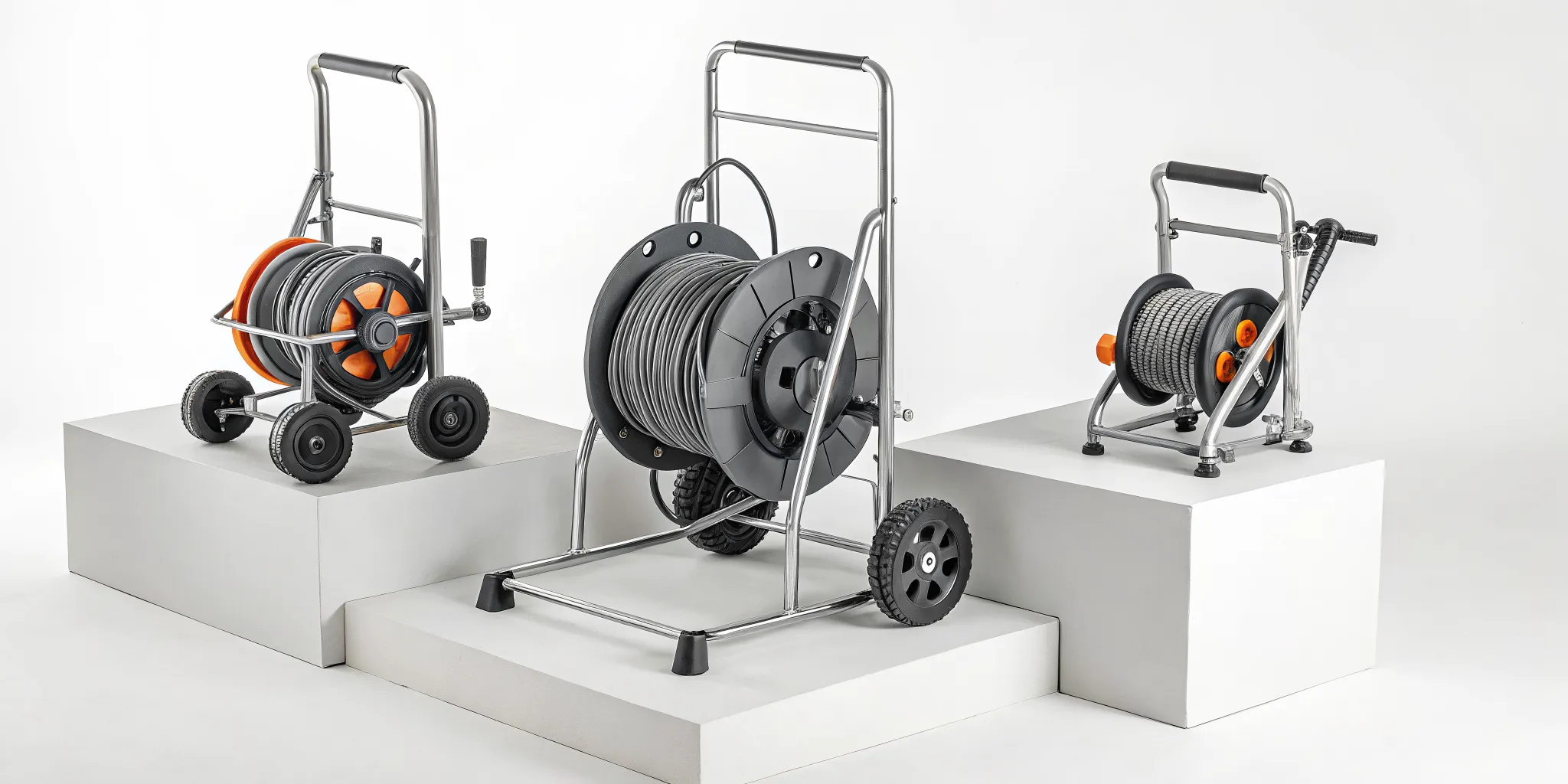
Think of a drain cleaning machine as the heavy-duty hero of plumbing tools. When a plunger or a bottle of chemical cleaner just won’t cut it, these machines step in to handle the serious clogs. Essentially, it's a motorized tool designed to clear stubborn blockages deep within your plumbing systems. Unlike the simple hand-cranked snakes you might find at a hardware store, these are powerful, professional-grade pieces of equipment built for tough jobs that require more muscle.
Companies like General Pipe Cleaners have been making these tools since 1930, which tells you they are a trusted solution for contractors and plumbing professionals. They are engineered to work through the twists and turns of your pipes, delivering enough force to break up or pull out whatever is causing the backup. This isn't just about pushing a clog through; it's about thoroughly cleaning the pipe to prevent future issues. Whether it’s a buildup of grease, a tangle of hair, or even invasive tree roots that have worked their way into your sewer line, a drain cleaning machine is often the most effective way to clear the path and get your water flowing freely again. It’s the kind of tool that separates a minor inconvenience from a major plumbing disaster, and it's a staple in every professional plumber's toolkit.
How Do They Work?
At its core, a drain cleaning machine uses a motor to rotate a flexible cable with a cutting head or auger at the end. This cable is fed into the drain, and as it spins, it either grinds through the blockage or latches onto it so it can be pulled out. Modern machines have come a long way, with many offering cordless operation for better portability and safety, eliminating the risk of mixing electricity and water. Features like automatic cable feeds make it easier to control the cable, while other innovations help stop the drum quickly to prevent the cable from binding up. This combination of power and precision allows them to tackle everything from soft clogs to more solid obstructions like tree roots.
When Do You Need One?
You’ll know it’s time to consider a drain cleaning machine when you’re facing a clog that just won’t quit. If you’ve tried all the standard DIY methods and your drain is still slow, gurgling, or completely stopped, you’re likely dealing with a blockage that’s too deep or too tough for basic tools. This is especially true if you have multiple drains backing up at once, which can signal a blockage in your main sewer line. While you can rent these machines, they can be tricky to handle without experience. If you’re facing a persistent clog, it’s often safer and more effective to call a professional who has the right machine for your specific problem.
What Are the Different Types of Drain Cleaners?
Not all clogs are created equal, and neither are the tools used to clear them. When you're facing a stubborn drain, picking the right machine is half the battle. Drain cleaning machines come in several shapes and sizes, each designed for a specific type of pipe and blockage. From small, handheld augers for a simple sink clog to powerful hydro-jetters that can blast through tree roots, understanding the differences will help you figure out if it's a DIY job or time to call in a professional. Let's walk through the main types so you can get familiar with what's out there.
Drum Machines
Think of a drum machine as the versatile workhorse of the drain cleaning world. It features a long, flexible cable neatly coiled inside a drum-shaped container. As the drum rotates, the cable spins and pushes forward, with a cutting head at the end to break up the clog. These machines are fantastic for clearing tough clogs in larger pipes and are a go-to for many professionals. You can also find smaller versions for home use. Their enclosed design helps keep the mess contained, which is always a plus when you're dealing with plumbing.
Sectional Machines
When you have a very long pipe run or a clog that’s deep within your plumbing system, a sectional machine might be the answer. Unlike drum machines, their cables come in shorter, manageable sections that you connect as you go. This design gives you incredible flexibility to reach deeper clogs and customize the cable length for the job. They are powerful and often used in commercial or industrial settings, but they are essential for tackling blockages far from the drain opening. Because you handle the cables directly, they require a bit more skill to operate safely.
Sink Machines
For those annoying clogs in your kitchen or bathroom sink, a sink machine is your best friend. These are smaller, lighter versions of their bigger cousins, specifically designed for the smaller pipes found in most homes, typically between 1.5 and 3 inches. They are lightweight and easy to handle, making them one of the best drain cleaning tools for homeowners. A sink machine provides more power than a simple hand auger but isn't overkill for a residential drain. It’s the perfect middle-ground tool for tackling common household blockages without causing damage to your pipes.
Drain Augers
A drain auger, sometimes called a hand auger or a plumber's snake, is the most basic manual drain cleaner. It’s essentially a long, flexible wire with a corkscrew-like tip that you crank by hand. You feed the cable into the drain until you feel the clog, then turn the handle to break it up or pull it out. Drain augers are a cost-effective solution for minor, occasional clogs in sinks and tubs. If you're new to DIY plumbing, learning how to use a drain auger is a great first step before moving on to more powerful machines.
Hydro-Jetting Machines
Now we're talking serious power. Hydro-jetting machines don't use a cable at all. Instead, they use extremely high-pressure water to obliterate clogs and scour the inside of your pipes clean. This method is incredibly effective against the toughest blockages, like heavy grease buildup, sludge, and even invasive tree roots. The ultimate guide to hydro-jetting explains how it not only clears the immediate problem but also helps maintain the long-term health of your plumbing. Because of the high pressures involved, this is a job best left to trained professionals like our team at Tommy Cool Air. A mistake can damage pipes or cause serious injury.
What to Look for in a Drain Cleaning Machine
When you’re staring down a stubborn clog, the tool you use makes all the difference. Not all drain cleaning machines are created equal, and picking the right one involves more than just finding the on/off switch. Whether you're a DIY enthusiast considering a purchase or just curious about the tools our pros use, understanding the key features will help you appreciate what goes into a job well done. From the power source to the safety guards, every component plays a role in clearing your pipes effectively and safely. Let's walk through the most important things to consider.
Power Source: Cordless vs. Corded
First up is how the machine gets its juice. Corded models offer consistent, uninterrupted power, which is great for tough, lengthy jobs. However, you’re always tethered to an outlet, which can be a pain. Modern cordless systems, like the battery-powered options from brands like Milwaukee, have become incredibly powerful and popular. They offer the freedom to move around without worrying about finding an outlet or tripping over a cord, which is a huge plus for safety and convenience. For most homeowners, a reliable cordless machine provides more than enough power to tackle common clogs.
Cable: Length, Type, and Rust Resistance
The cable is the business end of the machine, and its quality is non-negotiable. You need to think about length; make sure it can reach from your point of entry to the clog. More importantly, look at the cable's durability. Some cables feature special coatings that provide serious rust resistance, helping them last much longer and saving you money on replacements. A high-quality cable is less likely to snap or get kinked inside your pipes, which can turn a simple clog into a much bigger plumbing problem.
Pipe Size Compatibility
Your home’s plumbing is a network of pipes in various sizes, from the small 1-1/4 inch drain under your bathroom sink to the larger 4-inch main sewer line. A versatile drain cleaning machine should be able to handle this range. Check the machine’s specifications to see its compatible pipe diameters. A good machine will offer compatibility for pipes ranging from 1-1/4 inches up to 6 or 8 inches, ensuring you have the right tool for just about any clog, anywhere in your house. This versatility means you won't need a separate machine for every drain.
Automatic Cable Feed
If you’ve ever tried to manually feed a heavy cable into a drain, you know how physically taxing it can be. An automatic cable feed is a game-changing feature that does the hard work for you. It allows you to advance and retract the cable with the simple pull of a lever, giving you better control and reducing fatigue. This not only makes the process faster and easier but also safer, as it keeps your hands away from the spinning drum and cable. It’s a feature that professionals swear by for efficiency and safety.
Portability and Weight
Imagine having to haul a bulky, 100-pound machine up a flight of stairs to clear a bathtub drain. It’s not ideal. Portability is a major factor to consider, especially for use in a home with multiple levels or tight spaces. Look for machines that are designed to be lightweight and easy to maneuver. Many modern designs have a smaller footprint, built-in wheels, and handles that make transport much easier. A portable machine is one you’ll actually be willing to use, instead of letting it collect dust in the garage.
Safety Features
Working with drain cleaning machines involves water, electricity, and powerful moving parts, so safety is paramount. Look for machines with an enclosed drum, which contains the mess from a dirty, wet cable and protects you from the spinning components. Another excellent feature is a rapid stop function that can halt the drum almost instantly if the cable gets snagged. These features are designed to prevent property damage and personal injury. When it comes to this kind of work, trusting a professional from Tommy Cool Air ensures the job is done with the right tools and the highest safety standards.
Features You Might Overlook
When you're comparing drain cleaning machines, it's easy to get focused on the big-ticket items like cable length and portability. While those are definitely important, there are a few other features that can make or break your experience. Paying attention to these details from the start will help you choose a machine that not only gets the job done but is also a pleasure to use for years to come. Let's look at a few key specs that often fly under the radar.
Torque and Power Ratings
You’ll see "torque" and "power" listed in a machine's specs, but what do they really mean for you? Think of torque as the machine's rotational strength. It’s the force that allows the cable to twist and break through a stubborn clog instead of just getting stuck. A machine with a higher torque rating can handle tougher jobs, like cutting through tree roots or dense grease blockages. For anyone dealing with more than a simple hair clog, investing in a machine with superior torque will save you a lot of time and frustration. Experts on drain cleaning equipment confirm that this power is what separates a light-duty tool from a professional-grade solution.
Maintenance Needs
A drain cleaning machine is an investment, and like any tool, it needs a little care to perform its best. Before you buy, consider how easy the machine is to maintain. Can you access the motor and drum without a major hassle? Are replacement parts like cables and cutter heads readily available? Following a few basic drain cleaner maintenance tips, such as cleaning the cable after each use and inspecting it for kinks, will prevent unexpected breakdowns. A machine designed with easy maintenance in mind makes this process much simpler, reducing downtime and protecting your investment for the long haul.
Noise Levels
Noise might be the last thing on your mind when you’re focused on clearing a nasty clog, but it’s a feature you’ll notice immediately. Some drain cleaning machines can be incredibly loud, which is a major issue if you’re working inside a home, an office, or any other noise-sensitive area. Many manufacturers don't prominently advertise the noise level, but it's worth looking for. Quieter models can make the job much more pleasant for both you and anyone else nearby. Some product reviews and buying guides will mention noise, and if you can find a decibel (dB) rating, you'll have a clear idea of what to expect.
Common Myths About Drain Cleaning Machines
When it comes to clearing a stubborn clog, a drain cleaning machine can feel like a magic wand. But there are a lot of misconceptions floating around about what these tools can and can't do. Let's clear the air and debunk a few common myths so you can approach your next drain issue with confidence.
Myth: All Machines Are the Same
It’s easy to think that one drain cleaner is just like another, but that couldn't be further from the truth. These machines are highly specialized. A small, handheld sink machine designed for a bathroom drain is no match for a main sewer line clog. On the other end of the spectrum, using a heavy-duty machine on a small, delicate pipe can cause serious damage. Manufacturers offer a full range of drain cleaning tools, from compact models for sinks and tubs to powerful sectional machines for large-diameter pipes. The right choice always depends on the size of your pipe and the type of clog you’re facing.
Myth: They Can Fix Any Clog
While modern drain cleaners are incredibly powerful, they aren't a cure-all for every plumbing problem. A high-quality machine can certainly power through tough blockages like dense grease, soap scum, and even tree roots invading a sewer line. However, they have their limits. If your pipe is collapsed, cracked, or has a severe belly (a dip where water and debris collect), a drain machine won't fix the underlying issue. In these situations, simply clearing the clog is a temporary fix at best. For complex problems like a broken pipe, you'll need professional plumbing services to diagnose and repair the pipe itself.
Myth: They Are Always Safe for Pipes
A drain cleaning machine is a powerful tool, and in the wrong hands, it can do more harm than good. Using a cable that’s too large or a cutting head that’s too aggressive for your pipes can easily lead to scrapes, cracks, or even a complete break. This is especially true for older homes with fragile plumbing materials like cast iron or clay. Professional-grade machines have features to contain mess and manage the cable, but safety ultimately comes down to proper use. If you’re not confident about the type or condition of your pipes, it’s always safer to contact a professional who can choose the right equipment and technique to clear your drain without causing damage.
Myth: They're Only for Professionals
You don’t have to be a licensed plumber to operate every type of drain cleaner. Many smaller, user-friendly models are available for rent at local hardware stores, making them accessible for confident DIYers facing a simple clog. However, the most powerful and complex machines are another story. Brands like General Pipe Cleaners design their heavy-duty equipment for contractors and professionals for a reason. These machines require training and experience to operate safely and effectively. Tackling a main line clog with a professional-grade machine without the right knowledge can lead to damaged pipes, serious injury, and a much more expensive problem than you started with.
A Quick Guide to Top Brands
When you start shopping for a drain cleaning machine, you’ll quickly notice a few names that pop up again and again. Like any industry, the world of plumbing has its trusted leaders known for quality, durability, and innovation. Getting familiar with these top brands can help you narrow down your search and invest in a tool that’s built to last. Here’s a quick look at some of the most respected names you’ll encounter.
Milwaukee
If you’ve ever stepped onto a job site, you’ve likely seen Milwaukee’s signature red tools. The brand has a stellar reputation for high-quality power tools, and its drain cleaning machines are no exception. Professionals often favor Milwaukee’s drain cleaning equipment because it’s designed for tough conditions and built to be reliable. A major highlight is their M18™ REDLITHIUM™ battery system, which brings serious cordless power and longer run times to the job. This makes their machines incredibly portable and convenient without sacrificing the strength needed to clear stubborn clogs.
General Pipe Cleaners
General Pipe Cleaners is a long-standing and well-respected brand in the drain cleaning world, known for creating products that are both innovative and easy to use. They offer a range of machines that are popular with plumbers and contractors alike. One of their most interesting tools is the "Kinetic Water Ram," which uses a burst of compressed air to clear clogs quickly without harsh chemicals. This focus on smart, effective solutions is a hallmark of the brand. When you choose from General Pipe Cleaners, you’re getting a tool from a company that prioritizes quality and practical design.
RIDGID
RIDGID is another powerhouse brand you can’t miss. Their tools are a common sight in the vans of professional plumbers for a good reason. Known for their incredibly robust construction, RIDGID drain cleaning machines are built to handle both residential and commercial jobs with serious power. They often include thoughtful features that make a tough job a little easier, like auto-feed technology that helps you advance and retrieve the cable without extra hassle. If you’re looking for a durable, powerful machine that’s designed for frequent use, RIDGID is a name you can trust.
Spartan Tool
Spartan Tool is a brand that specializes in creating top-tier drain cleaning equipment, with a strong focus on the needs of professional plumbers. Their machines are engineered for heavy-duty, daily use, so durability and performance are at the core of their design. Spartan Tool is recognized for its commitment to innovation, consistently developing features that improve efficiency and make operation smoother for pros in the field. While they might be more of an investment, their equipment is built to withstand the demands of a full-time plumbing business, making them a go-to for serious professionals.
How Much Do Drain Cleaning Machines Cost?
The price of a drain cleaning machine can swing from a small investment to a significant purchase, depending entirely on its power and capabilities. The machine you need for a slow bathroom sink is very different from the one a professional would use for a major sewer line blockage. Understanding the different cost tiers will help you figure out what makes sense for your budget and your specific plumbing problem. Let's break down the costs, from simple DIY models to the heavy-duty equipment used by the pros.
Entry-Level Models
For minor, everyday clogs, you can find entry-level drain cleaning machines priced between $100 and $300. These are typically designed for light residential use, making them a good fit for homeowners who want to handle small blockages in sinks or tubs themselves. A popular example is the RIDGID K-400, which costs around $300. These models are generally lightweight and easy to handle, so you won’t need professional experience to operate one. They are a solid step up from a simple hand auger and can save you a call to a plumber for a simple fix.
Mid-Range Options
If you need a bit more muscle, mid-range machines fall in the $300 to $800 price bracket. These models are powerful enough for tougher clogs and are suitable for both homeowners with recurring issues and for light commercial use. For instance, the General Pipe Cleaners K-60, priced around $600, is known for its durability. According to trade publications, these machines often come with additional features like longer, more flexible cables and more robust motors, allowing you to clear larger or more distant blockages in your plumbing system.
Professional-Grade Machines
Professional-grade machines are the top-tier option, with prices ranging from $800 to over $3,000. These are the heavy-duty workhorses designed for frequent, demanding jobs in commercial and residential settings. A high-end model like the RIDGID K-7500, which costs about $2,500, is an investment in power and reliability. These machines are built to last and can tackle the most stubborn clogs deep within a plumbing system. For a homeowner, buying one is rarely practical, but it’s the type of equipment a professional plumber from a company like Tommy Cool Air would use to ensure a job is done right.
Renting vs. Buying: Which Is Better?
If you only have a one-time clog, renting a machine is often the smartest choice. Rental costs typically run from $30 to $100 per day. This allows you to use a powerful machine without the high upfront cost and long-term storage hassle. However, if you deal with clogs frequently, purchasing a machine might be more cost-effective in the long run. Before you decide, weigh the rental fee against the price of an entry-level or mid-range machine. And remember, if the job feels too big or you’d rather have an expert handle it, you can always contact a professional to take care of it for you.
Choose the Right Machine for the Job
Picking the right drain cleaning machine is a lot like choosing any other tool; you need the right one for the specific task at hand. Using a sledgehammer to hang a picture frame doesn't make sense, and neither does using a massive commercial drain cleaner for a small sink clog. Making the correct choice will save you time, prevent damage to your pipes, and ensure the clog is actually cleared. It’s about working smarter, not harder. Let's walk through the key factors to consider so you can feel confident you're selecting the best machine for your situation, whether you're a homeowner tackling a one-time clog or a property manager with ongoing needs.
Match the Machine to Your Pipe Size
First things first, you have to match the machine to the diameter of the pipe you're trying to clear. Using a cable that's too small for a large pipe won't have enough force to clear a tough clog, while a cable that's too large can get stuck or even damage the pipe itself. For example, some brands offer specialized augers designed specifically for toilets that protect the porcelain from scratches. It’s a perfect illustration of how important it is to have the right tool. Before you buy or rent, check the machine’s specifications to see the recommended pipe sizes it can handle. This single step can prevent a simple clog from turning into a much bigger plumbing problem.
Consider Residential vs. Commercial Use
Think about how and where you'll be using the machine. Are you a homeowner who might face a kitchen sink clog once or twice a year, or are you managing a property with more frequent and demanding plumbing needs? Residential machines are typically lighter, more compact, and designed for smaller pipes and less severe clogs. On the other hand, commercial-grade machines, like those from General Pipe Cleaners, are built to be workhorses. They are made for contractors and professionals who need durable equipment that can handle heavy, daily use in settings like restaurants, apartment buildings, and offices. Choosing a machine that aligns with your environment is key to its effectiveness and longevity.
Think About Frequency and Portability
How often you plan to use the machine and how easily you can move it are also important. If you’re a professional plumber, you need a machine that’s not only durable but also easy to transport from one job to the next. Many modern tools are designed with portability in mind. For instance, some drain cleaning tools are cordless, running on powerful battery systems that make them much easier and safer to use in tight or wet spaces without worrying about finding an outlet. For a homeowner, a lighter, more compact model that can be stored easily in a garage or shed is often the more practical choice for occasional use.
Eco-Friendly Options
When you think about drain cleaning, "eco-friendly" might not be the first word that comes to mind, but some features can make a machine a smarter, more sustainable choice. This isn't just about being green; it's also about durability and cleanliness. For example, some drain cleaning cables are plated with a rust-resistant coating. This special plating can make the cable last significantly longer and prevents it from leaving ugly rust stains on floors or around the drain. Choosing equipment with thoughtful features like this not only reduces waste by extending the tool's life but also saves you money on replacements and cleanup over time. It’s a practical investment that pays off in the long run.
How to Use a Drain Cleaner Safely
Drain cleaning machines are powerful tools, and with that power comes the need for caution. While they can be incredibly effective at clearing stubborn clogs, they can also be dangerous if you don't use them correctly. Before you even think about turning one on, it’s essential to get familiar with the basic safety protocols. Taking a few extra minutes to prepare can save you from a serious injury or a costly mistake. Let's walk through the most important safety steps to keep in mind.
Wear the Right Protective Gear (PPE)
First things first, let's talk about protecting yourself. Drains are not pretty places, and the last thing you want is gunk splashing into your eyes or on your skin. Before you start, gear up with the right Personal Protective Equipment, or PPE. This means a sturdy pair of gloves (thick, waterproof ones are best), safety goggles to shield your eyes, and closed-toe shoes. Depending on the clog, you might also consider a face mask. This isn't about being overly cautious; it's about creating a barrier between you and whatever is lurking in that pipe, from bacteria to harsh chemical residues.
Be Aware of Electrical Hazards
Water and electricity are a dangerous mix, and drain cleaning involves both. Most drain cleaning machines are electric, so you need to be mindful of potential shocks. Always plug your machine into a Ground Fault Circuit Interrupter (GFCI) outlet. These are the outlets with the little "test" and "reset" buttons, and they're designed to shut off power instantly if they detect a problem. Before you begin, take a look around the area. If there are puddles on the floor, clean them up. Following basic electrical safety guidelines is non-negotiable when you're working in a wet environment like a bathroom or kitchen.
Handle the Cable Correctly
The spinning cable is the part of the machine that does the work, but it's also the most common source of injury. If not handled properly, the cable can bind up in the pipe and start whipping around violently. To avoid this, never turn the machine on until the cable is inside the drain. Keep a firm, two-handed grip on the cable, and stay close to the drain opening to prevent it from kinking. Don't force it; let the machine do the work. Every machine is a little different, so reading the manufacturer's manual for specific drain cleaning safety instructions is always a smart move before you get started.
DIY vs. Hiring a Pro: What's the Right Call?
Owning a drain cleaning machine can feel like a superpower, but it’s important to know when to use it. It’s tempting to tackle every clog yourself to save some money, but recognizing when to call for backup is just as crucial. The choice between a DIY fix and hiring a professional isn't just about cost; it's about understanding the problem's scope and the limits of your tools and expertise.
For many homeowners, a simple blockage is a manageable task. But some clogs are just symptoms of a much larger issue lurking deeper in your plumbing system. Pushing a machine too hard or using the wrong technique can turn a minor inconvenience into a major, expensive repair. This guide will help you figure out when you can confidently handle the job and when it’s time to put down the tools and pick up the phone to call a professional plumber.
When to Tackle It Yourself
You can absolutely handle some drain issues on your own, especially if you have the right equipment. A DIY approach is often perfect for minor, isolated clogs. If you’re dealing with a single slow-draining sink in the bathroom or a kitchen sink that’s backing up after you’ve done the dishes, it’s likely a simple blockage close to the drain opening. These are usually caused by a buildup of hair, soap scum, or food particles.
In these cases, a small sink machine or a basic drain auger is often all you need. If you know how to use a drain cleaning machine correctly and the clog is shallow, you can often clear it in minutes. The key is to work slowly and not force the cable. If the clog doesn't clear with gentle effort, it’s a sign that the problem might be more than you can handle.
When to Call a Professional Plumber
It’s time to call in the pros when you notice signs of a more serious problem. If you have clogs happening in multiple drains at once, hear gurgling sounds from your toilets when a sink drains, or notice a foul sewage smell that won’t go away, stop what you’re doing. These are classic symptoms of a main sewer line blockage, which a standard drain cleaning machine can't fix. This could be caused by invasive tree roots, a collapsed pipe, or a severe buildup of grease and debris far down the line.
A professional has the advanced tools needed to solve these complex issues. Here at Tommy Cool Air, our plumbing services include video camera inspections to pinpoint the exact location and cause of the clog without any guesswork. We can then use powerful equipment like hydro-jetters to clear the line completely. If you’re facing recurring clogs or any of the signs of a main line issue, calling a professional is the safest and most effective solution.
The Real Cost of a DIY Mistake
The idea of saving money on a plumber’s fee is appealing, but a DIY job gone wrong can end up costing you far more. Using a drain cleaning machine improperly can cause serious damage. For example, applying too much force can crack a PVC pipe or, even worse, break an older, more fragile cast iron pipe. You could also scratch or crack a porcelain toilet bowl, leading to a whole new set of problems.
These mistakes can lead to hidden leaks inside your walls or under your foundation, causing significant water damage and creating the perfect environment for mold growth. What started as a simple clog can quickly become a massive repair bill for plumbing, drywall, and flooring. Before you decide to use a drain snake, weigh the potential savings against the risk of a costly error. Sometimes, the smartest financial decision is to let an expert handle it from the start.
Related Articles
- Plumbing Services Services | Corpus Christi, TX | Tommy Cool Air
- Air Duct Cleaning & Sealing in Corpus Christi, TX | Tommy Cool Air
- Indoor Air Quality Services | Corpus Christi, TX | Tommy Cool Air
- Have Mold in Your Mini Split? | Tommy Cool Air
- Energy Saving Systems Services | Corpus Christi, TX | Tommy Cool Air
Frequently Asked Questions
How do I know if I need a professional or if I can handle a clog myself? You can likely handle a clog yourself if it's isolated to a single drain, like a slow kitchen sink or a backed-up shower. These are often simple blockages close to the drain opening that a basic auger or small sink machine can clear. However, it's time to call a professional if you notice multiple drains acting up at once, hear gurgling noises from your toilet, or smell sewage. These are signs of a deeper problem in your main sewer line that requires specialized equipment and expertise.
Can I damage my pipes with a drain cleaning machine? Yes, it is possible to damage your pipes, especially if you're not experienced. Using a machine with a cable that's too large or aggressive for your plumbing can scrape, crack, or even break the pipe. This is a particular risk in older homes with more fragile cast iron or clay pipes. A professional has the training to assess your plumbing's condition and choose the right tool and technique to clear the clog safely without causing a bigger, more expensive problem.
Is it better to rent or buy a drain cleaning machine? This really depends on how often you deal with clogs. If you're facing a one-time blockage, renting is a great, cost-effective option that gives you access to a powerful tool without the high purchase price. However, if you find yourself dealing with recurring clogs every few months, buying an entry-level or mid-range machine could save you money in the long run. Just be sure to weigh the cost of a machine against the potential risks of a DIY mistake.
What’s the difference between a basic drain snake and a professional machine? Think of it as a difference in scale and power. A basic drain snake, or auger, is a manual tool you crank by hand, which is perfect for minor clogs close to the drain. A professional machine is a motorized workhorse with a much longer, stronger cable and specialized cutting heads. These machines have the torque to power through serious obstructions like tree roots or dense grease deep within your plumbing system, something a simple hand tool just can't do.
Are chemical drain cleaners a safe alternative? While chemical cleaners can sometimes offer a quick fix for minor clogs, they come with risks. The harsh chemicals can be corrosive, potentially damaging older pipes and septic systems over time. They also pose safety hazards if they splash on your skin or mix with other cleaning products. A drain cleaning machine physically removes the obstruction instead of just dissolving it, which is often a more thorough and safer solution for the long-term health of your plumbing.