Every home seems to have one, right? That one problem room. Maybe it's the upstairs bedroom that feels like a sauna in July or the sunroom that’s impossible to keep comfortable. You find yourself fighting over the thermostat, but a single setting for the whole house just isn’t cutting it. A Ductless Mini-Split System is the perfect fix. It delivers powerful cooling and heating exactly where you need it, without the expense or hassle of re-routing ductwork. Let's walk through everything you need to know, from how they work to what a professional ductless mini split hvac system installation involves for your Corpus Christi home.
Key Takeaways
- Get Room-by-Room Temperature Control: Ductless systems create independent comfort zones, allowing you to cool one room without freezing another. This direct approach eliminates energy loss from ductwork and can significantly reduce your cooling costs.
- Leave Installation to the Professionals: A DIY installation is risky, involving high-voltage wiring and regulated refrigerants. Hiring a licensed technician ensures the job is done safely, protects your warranty, and guarantees your system is sized correctly for optimal performance.
- Perform Simple, Regular Maintenance: You can maintain your system's efficiency by cleaning the indoor filters monthly and ensuring the outdoor unit is clear of debris. To protect your investment and catch problems early, also schedule an annual inspection with a qualified technician.
What Is a Ductless Mini-Split System?
If you've ever struggled with a room that’s always too hot or too cold, a ductless mini-split system might be the perfect solution. Think of it as a highly flexible and efficient heating and cooling system that works without the maze of air ducts running through your attic or walls. This makes them a fantastic option for home additions, converted garages, older homes without existing ductwork, or simply for getting targeted comfort in a specific area of your house.
Because they don't rely on ducts, where air can leak and energy can be lost, they are incredibly efficient. This direct approach to heating and cooling means you get precise temperature control right where you need it. For homeowners in the Corpus Christi area, this can be a game-changer for beating the heat in a sunroom or creating a comfortable home office. These systems are a key part of modern energy-saving systems that provide comfort without the high utility bills associated with older, less efficient units.
How Does a Ductless System Work?
The magic of a ductless mini-split lies in its simplicity. The system has two main parts: an outdoor unit and an indoor unit. They're connected by a small conduit that holds a refrigerant line, power cable, and drain line. This refrigerant is what does all the work. To cool your room, it absorbs heat from the indoor air and transfers it outside. In the cooler months, the process reverses, pulling heat from the outside air and bringing it inside to warm your space. It’s a simple, direct transfer of heat that avoids the energy loss often found in traditional ducted systems, making it an incredibly efficient way to keep your home comfortable.
The Magic of Inverter Technology
What makes ductless systems so smart is their use of advanced inverter technology. Instead of the jarring on-and-off cycle of a traditional AC unit, which blasts cold air and then shuts down, an inverter-driven system works more like cruise control for your home's temperature. It continuously adjusts its speed, running at a lower, steadier pace to maintain a consistent level of comfort. This means you won't experience those annoying temperature swings. According to the Department of Energy, this method is also a key feature of modern energy-saving systems because the unit isn't constantly powering up from zero. It just uses the precise amount of energy needed to keep the room comfortable, which is a huge plus for your electricity bill. Plus, because the noisy compressor is outside and the indoor fan runs at a low, constant speed, they are remarkably quiet.
Your Guide to the Indoor and Outdoor Units
Let's break down the components you'll see. The outdoor unit, or condenser, is a compact box that sits outside your home, similar to a traditional AC unit but often smaller and quieter. Inside, you'll have one or more indoor units, which are the air handlers. These are sleek, wall-mounted units that blow the conditioned air directly into the room. Because each indoor unit creates its own "zone," you can set different temperatures for different rooms. This is a major advantage of our air conditioning services, as it allows for personalized comfort throughout your home. One person can enjoy a cool bedroom while another has a warmer living room.
Beyond the Wall: Other Indoor Unit Styles
When you think of a ductless system, you probably picture the familiar white unit mounted high on a wall. While that's a popular and effective option, it's not the only one available. We get it—sometimes a box on the wall just doesn't fit your home's aesthetic. The good news is that manufacturers like Trane have developed a variety of indoor units to provide more design flexibility. You can choose from options like ceiling cassettes that sit flush with your ceiling, low-profile floor-mounted units, or even concealed duct units that are hidden from view entirely. These alternatives are part of a modern approach to air conditioning services, letting you get zoned comfort without compromising your interior design.
Single-Zone or Multi-Zone: Which Is Right for You?
When choosing a ductless system, you’ll decide between a single-zone or multi-zone setup. A single-zone system is straightforward: one indoor unit connects to one outdoor unit. This is perfect for tackling a single problem area, like a new home addition or a master bedroom that never seems to cool down. A multi-zone system connects several indoor units (up to eight, depending on the model) to a single outdoor unit. This allows you to create a customized whole-home solution, with independent temperature control in multiple rooms. Brands like Trane, which we proudly install, offer robust multi-zone options to fit the unique needs of any home.
Why You'll Love a Ductless Mini-Split System
If you're exploring new cooling options, you've probably heard about ductless mini-splits. These systems are becoming incredibly popular, and for good reason. They offer a modern, efficient alternative to traditional central air systems that rely on a network of ducts to move air. Going ductless isn't just about getting rid of bulky ductwork; it's about gaining more control over your home's comfort, saving money, and enjoying a quieter indoor environment.
For homes with additions, converted garages, or persistent hot spots, a ductless system can be a game-changer. It solves common cooling challenges without requiring a massive renovation project. Let's look at some of the biggest advantages you can expect when you make the switch to a ductless mini-split system.
Lower Your Monthly Energy Bills
One of the most compelling reasons to choose a ductless system is its impressive energy efficiency. Traditional HVAC systems can lose a significant amount of conditioned air through leaks, cracks, and poor connections in the ductwork. Since mini-splits deliver air directly into a room, that energy loss is completely eliminated. This efficiency translates directly into lower monthly power bills, with some homeowners saving a substantial amount on their cooling and heating costs.
These savings are especially noticeable here in Texas, where our air conditioners work hard for much of the year. By using less energy to keep your home comfortable, a ductless mini-split is not only good for your wallet but also a smart investment in one of your home's most important energy-saving systems.
Avoiding Energy Loss from Ductwork
Think about the journey conditioned air takes in a traditional system. It travels through a long network of ducts, often hidden in hot attics or tight crawl spaces. Along the way, small leaks and poor connections can let a surprising amount of that cool air escape before it ever reaches your living room. In fact, the Department of Energy estimates that ducts can lose more than 30% of cooling energy. That’s energy you’re paying for that never actually cools your home. A ductless system completely sidesteps this problem. By delivering air directly from the indoor unit into the room, it ensures that nearly all the energy used goes toward making you comfortable. This direct approach is a major reason why ductless systems are so efficient and can help you save on those high summer energy bills.
Create Custom Comfort Zones in Your Home
Have you ever fought over the thermostat because one room is an icebox while another is too warm? Ductless mini-splits solve this problem with zoned cooling and heating. Each indoor unit operates independently with its own remote control, allowing you to set the perfect temperature for each specific room or "zone." This means you can keep your bedroom extra cool for sleeping while maintaining a more moderate temperature in the living room.
This level of personalized control doesn't just make everyone in the house happier; it also prevents you from wasting energy cooling or heating empty rooms. As a proud installer of quality Trane products, we can help you design a multi-zone system that gives your family customized comfort in every part of your home.
Smart Controls for Modern Convenience
Beyond just setting different temperatures, modern ductless systems put control right at your fingertips. Most units come with a simple remote, but the real convenience comes from Wi-Fi connectivity. With a smartphone app, you can adjust the temperature from anywhere—whether you’re on the couch or on your way home from a day at North Padre Beach. You can even set schedules to automatically cool a room before you get there or use voice commands with your smart home assistant. These smart features not only add a layer of convenience to your life but also help you manage energy use more effectively, ensuring you only cool the spaces you’re using, exactly when you need to.
Experience Whisper-Quiet, Flexible Cooling
Traditional central air conditioners can be noisy, with a loud rumble every time the system kicks on and the constant hum of air moving through vents. Ductless mini-splits, on the other hand, are designed for whisper-quiet operation. The indoor units produce very little noise, often no louder than a quiet conversation, so they won't disrupt your sleep, work, or relaxation. The noisy compressor is located outside, far from your living spaces.
This quiet performance is matched by incredible flexibility. Because they don't require ductwork, the indoor units can be installed in a variety of places. This makes them ideal for older homes without existing ducts or any space where extending ductwork would be difficult. It’s one of the most versatile air conditioning services available for modern homes.
Excellent Dehumidification for Corpus Christi Comfort
Living in Corpus Christi, we all know that the heat is only half the battle—the humidity is what really makes things uncomfortable. That sticky, heavy feeling in the air can linger even when the AC is running. This is where ductless mini-splits truly shine. They are exceptionally good at removing excess moisture from the air as they cool, making your home feel significantly more comfortable and less muggy. Because they deliver conditioned air directly into a room without leaky ducts, they tackle both heat and humidity with incredible efficiency. This targeted approach is a key part of improving your home's overall indoor air quality, creating a space that feels refreshingly cool and dry, not just cold and damp.
Key Considerations Before You Choose
A ductless mini-split sounds pretty great, right? While they are a fantastic solution for many homes, it’s smart to go into the decision with your eyes wide open. Like any major home upgrade, there are a few factors to weigh to make sure it’s the perfect fit for your space, your budget, and your lifestyle. Thinking through these points ahead of time will help you feel confident in your choice and ensure you’ll be happy with your new system for years to come.
Aesthetics: The Look of a Ductless System
Let's talk about how these systems look. The most common indoor units are sleek, white boxes mounted high on a wall. While they are designed to be unobtrusive, their appearance might not fit every home's decor. The good news is that manufacturers are listening to homeowners, and some brands now offer more stylish options, including units in different colors or even models that can be recessed into the ceiling. When we perform an installation, we always discuss placement with you to find a spot that is both effective for airflow and as visually discreet as possible, ensuring it blends with your home's style.
Air Filtration and Indoor Air Quality
Ductless systems come equipped with washable filters that do a good job of capturing dust and larger airborne particles. However, they don't offer the same advanced purification as some central air systems that can accommodate high-efficiency media filters. If someone in your family suffers from allergies or you have concerns about viruses and bacteria, you may want to supplement your system. We can help you improve your indoor air quality with dedicated air purifiers or other solutions that work alongside a mini-split to ensure the air in your home is as clean as it is comfortable.
Heating Performance in Colder Weather
You might have heard that ductless systems struggle when the temperature really drops. While that may have been true for older models, today's technology is far more advanced. Most new, high-quality systems provide excellent heating performance down to 5 degrees Fahrenheit, with some premium models working efficiently in even colder conditions. For our climate in the Corpus Christi area, a modern ductless heat pump is more than capable of providing cozy, consistent warmth during our winter months. The Trane systems we install are known for their reliability, giving you an all-in-one solution for year-round comfort.
Understanding Refrigerant Types
This part gets a little technical, but it's an important factor for safety and environmental impact. Modern ductless systems use newer, more environmentally friendly refrigerants, like R32, which have a lower global warming potential than older types. This is one of the key reasons why professional installation is so critical. A licensed technician is trained to handle these substances safely and ensure your system is charged correctly. Choosing a reputable company like Tommy Cool Air for your air conditioning services guarantees your installation meets all regulations and uses the proper refrigerant, protecting both your investment and the environment.
What to Expect During Your Mini-Split Installation
Once you’ve decided a ductless mini-split is right for you, the next step is the installation. Knowing what the process involves can help you feel prepared for the day your new system is put in. While it’s less invasive than a traditional HVAC installation, it’s still a job that requires precision and expertise. A professional technician will handle all the technical details, but it’s helpful to understand the key stages, from choosing the right size unit to the final system test. This ensures everything goes smoothly and you can start enjoying your new, efficient comfort system right away.
Finding the Right Size and Spot for Your Units
The first step a professional technician takes is determining the perfect size for your mini-split. This isn't a guessing game. A unit that’s too small will struggle to cool your space, while one that’s too large will cycle on and off too frequently, wasting energy and failing to dehumidify properly. Our technicians perform a detailed calculation to match the unit’s capacity to your room’s specific needs.
Placement is just as important. The indoor unit is typically installed high on an exterior wall, which allows for easy connection to the outdoor unit. The outdoor condenser needs a flat, stable spot where it has plenty of clearance for airflow. We’ll work with you to find the most effective and discreet locations for both components.
From Mounting to Final Connections: The Key Steps
This is where the hands-on work begins. Your technician will securely mount the indoor unit to the wall. Then, they will drill a small, three-inch hole through the wall, which is all that’s needed to connect the indoor and outdoor components. Through this opening, they’ll run a conduit that houses the refrigerant lines, electrical wiring, and a condensate drain line. This process is much less disruptive than installing ductwork. Outside, the condenser unit is placed on a prepared pad and connected to the lines. Our team handles all the electrical and refrigerant work, which requires specialized tools and a deep understanding of how these quality Trane systems operate.
Understanding the Electrical Requirements
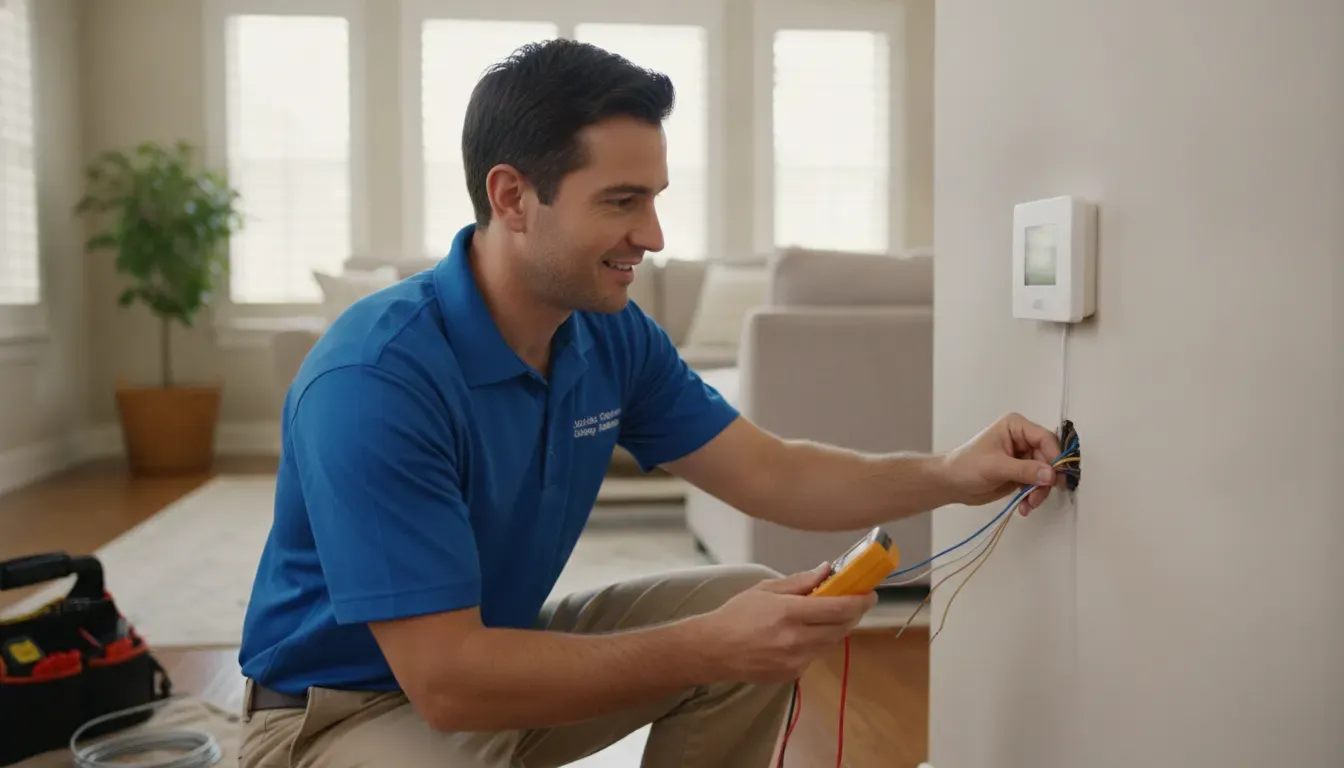
Let's talk about power. A ductless mini-split isn't like a window unit that you can just plug into any old outlet. These powerful systems require a dedicated electrical circuit connected directly to your home's main electrical panel. Most models run on 220-volt power, similar to what a large appliance like an electric dryer uses. This ensures the system has a consistent and safe power supply to operate efficiently without overloading your home's electrical system. Getting this part right is crucial for both the performance of your new unit and the safety of your home, which is why it's a job strictly for a qualified professional. If you have questions about your home's electrical setup, it's always best to contact an expert to ensure everything is handled safely and correctly.
The Final Steps: Testing and Your Walk-Through
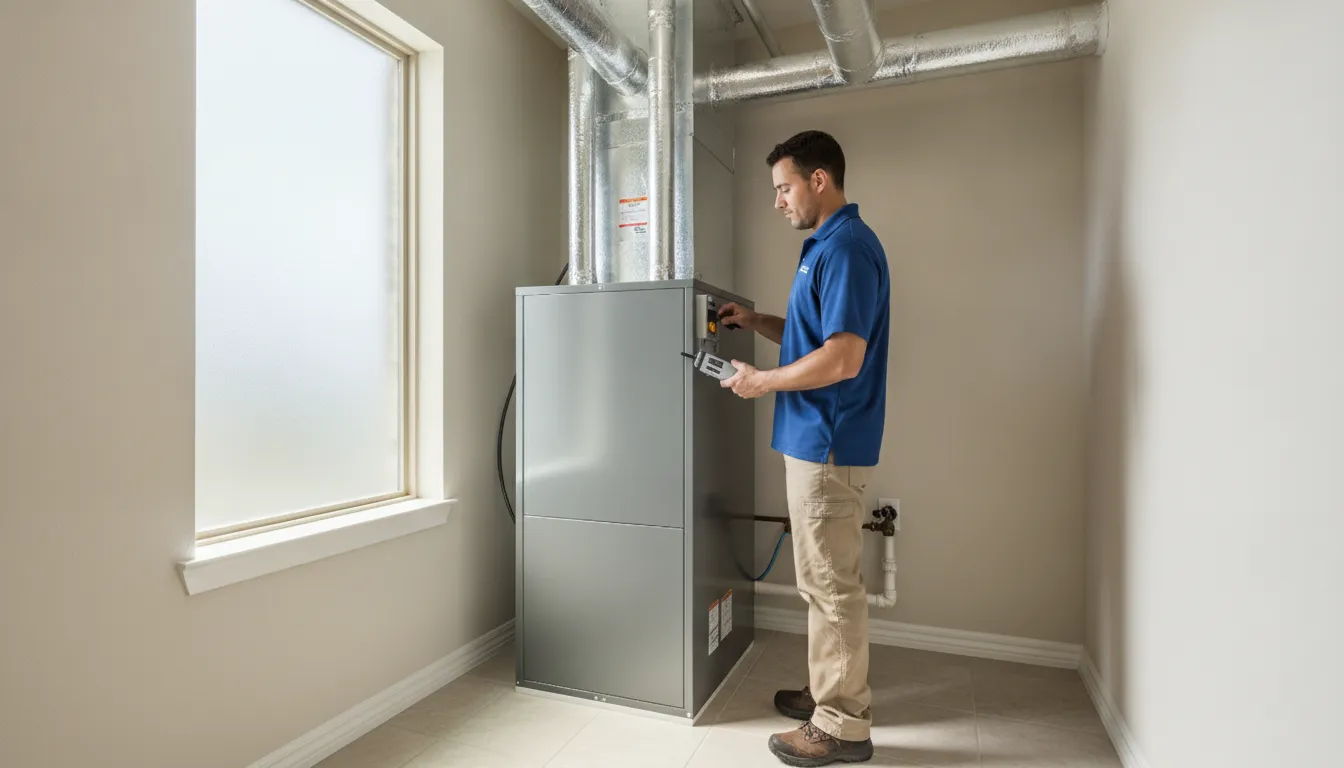
With everything connected, the job isn't done until we know it’s working perfectly. Your technician will start the system and perform a series of tests. This includes checking the refrigerant pressure, verifying the electrical connections are safe, and making sure the unit is producing cool air as expected. We also ensure the condensate line is draining properly to prevent any water issues down the road. Once we’re satisfied, we’ll walk you through how to use your new system. We’ll show you how to operate the remote, explain the different settings, and answer any questions you may have. Our goal is for you to feel completely comfortable with your new mini-split.
How Long Does a Mini-Split Installation Take?
One of the great things about ductless mini-splits is their relatively quick installation time. Because there’s no need to install or modify ductwork, the process is quite efficient. A single-zone system, with one indoor and one outdoor unit, can typically be installed in just one day. If you’re installing a multi-zone system with several indoor units, the job may take a bit longer, possibly two days, depending on the complexity. Your technician will give you a clear timeline before any work begins. When you’re ready to improve your home’s comfort, you can contact us to schedule your professional installation and get a precise estimate for your project.
How Much Does Mini-Split Installation Cost?
Let's talk about the big question: what does a ductless mini-split system cost? The final price isn't a simple, one-size-fits-all number. It depends on your home’s layout, the system you choose, and the installation's complexity. Think of it less like buying an appliance and more like a custom upgrade for your home. We can break down the costs into a few key areas to give you a clearer picture of the budget you’ll need.
What's the Average Installation Cost Per Zone?
On average, you can expect a professional mini-split installation to range from $2,000 to $7,000 per zone. A "zone" is simply a room or area that you want to heat and cool with its own indoor unit. For example, cooling a single space like a home office will be on the lower end of that range. If you need a multi-zone system for several bedrooms, the total cost will be higher. This price range covers both the equipment and the professional labor needed to get your system running perfectly.
Breaking Down Equipment vs. Installation Costs
When you look at the total price, it’s helpful to separate the cost of the equipment from the installation. The hardware for a single-zone system can range from $700 to $3,500, depending on the brand and cooling power. However, the installation is not a place to cut corners. While DIY kits exist, a professional installation is essential for safety and performance. It involves handling high-voltage electrical wiring and regulated refrigerants, which require a licensed technician. A professional install also protects your warranty and ensures your system is perfectly calibrated for your space, preventing issues with efficiency and humidity control down the line. The installation fee covers this expertise, guaranteeing your investment works as it should from day one.
Estimating Costs for a Whole-Home System
If you’re looking to cool multiple rooms or your entire house, you’ll be considering a multi-zone system. The cost for a whole-house system can be over $17,000, as it involves a more powerful outdoor condenser and multiple indoor units. The final price tag will depend on how many zones you need, the specific models you choose, and the layout of your home. While this is a significant investment, it’s important to remember the long-term value. These systems offer incredible energy savings that add up over time, and there are often rebates and tax credits available to help offset the initial cost. The best way to get an accurate number for your home is to have a professional assess your needs and provide a detailed quote.
What Factors Affect Your Final Installation Cost?
The average cost is a good starting point, but several factors will determine your final quote. The unit's size and efficiency rating, the brand, and the number of indoor units all play a role. At Tommy Cool Air, we stand by quality, which is why we often recommend trusted Trane products. The installation itself is also a major factor. A complex setup, like drilling through masonry or running long refrigerant lines, will require more labor than a straightforward job. A professional handles every step, from mounting the units to connecting all the lines, ensuring it’s done safely and correctly.
How to Find Rebates and Tax Credits for Your New System
The good news is that you might not have to cover the entire cost yourself. Because ductless mini-splits are highly efficient, many government and utility programs offer incentives to homeowners who install them. You may find federal tax credits that can reduce your tax bill, and local rebates are often available from your city or utility provider. These incentives can save you hundreds or even thousands of dollars. You can search for current offers on the ENERGY STAR rebate finder or just ask our team what programs are available in the Corpus Christi area.
Should You DIY Your Mini-Split Installation?
I get it. When you see a "DIY-friendly" mini-split kit online, the temptation to save some cash by installing it yourself is real. While a weekend project can be satisfying, installing a ductless mini-split is far more complex than assembling furniture. It involves specialized tools, electrical wiring, and handling regulated materials. Before you add that kit to your cart, it’s important to understand the risks. What seems like a smart way to save money can lead to bigger headaches and higher costs down the road. Let's walk through why leaving this job to a professional is almost always the right call.
The Dangers of DIY Electrical and Refrigerant Work
One of the biggest hurdles in a DIY installation is handling refrigerant. This is the cooling agent that makes your AC work, and it's not something you can handle without specific training. In fact, you need an EPA certification to work with refrigerants legally. A mistake can damage your new unit, harm the environment, and pose health risks. Then there’s the electrical side. Connecting the indoor and outdoor units requires high-voltage wiring. A wrong connection isn't just a performance issue; it’s a serious fire hazard that could put your home and family at risk. These tasks require expertise that goes far beyond a typical home project.
How a DIY Install Affects Permits, Codes, and Your Warranty
Beyond the technical challenges, a DIY installation can get you tangled in red tape. Many municipalities, including those in the Corpus Christi area, require permits for HVAC work to ensure it meets local building codes. Professionals are familiar with these requirements and handle the paperwork for you, making sure your installation is compliant. Perhaps the biggest financial risk is voiding your warranty. Most manufacturers state that their warranty is only valid if the system is installed by a licensed HVAC technician. If you install it yourself and something goes wrong, you could be on the hook for the full cost of expensive repairs.
A Note on "DIY-Friendly" Kits
You might come across mini-split kits marketed as "DIY-friendly," but these often gloss over the real complexities involved. While some kits come with pre-charged refrigerant lines to simplify one step, you are still left to handle the high-voltage electrical work, which poses a serious fire hazard if not done perfectly. Beyond the immediate safety risks, a DIY installation can create long-term problems. For instance, most manufacturers will void the warranty unless the system is installed by a licensed HVAC technician. This means any future repairs would come straight out of your pocket. Furthermore, professional installation ensures your system complies with local building codes and permits, saving you from potential fines and headaches. The initial savings from a DIY kit just aren't worth the risk to your home and your investment.
Common DIY Mistakes That Cost You More
Even if you manage the technical parts, small mistakes can lead to big problems. Incorrectly placing or sizing the units can result in poor performance, meaning your system will struggle to cool your space efficiently and drive up your energy bills. An improper installation can also shorten the unit's lifespan, wiping out any initial savings. Many DIY attempts end with a call to a professional to fix the mistakes, which can cost more than the initial installation would have. For a safe, efficient, and worry-free setup, your best bet is to work with a team of qualified technicians from the start.
Choosing the Right Mini-Split Brand
Once you’ve decided to go ductless, you’ll find there are a lot of brands to choose from. Picking the right one can feel like a big decision, and it is. The manufacturer you select will determine your system's efficiency, reliability, and how quiet it is for years to come. While many brands offer similar features, some have a better track record for performance and long-term customer satisfaction. It’s worth doing a little homework to find a brand that offers the best value and peace of mind for your investment.
What to Look for in a Manufacturer
When you start comparing brands, one of the first things to look at is energy efficiency. You’ll see ratings like SEER (Seasonal Energy Efficiency Ratio) for cooling and HSPF (Heating Seasonal Performance Factor) for heating. In simple terms, the higher these numbers are, the less electricity the unit uses to keep you comfortable, which means more savings on your monthly bills. You should also look for a manufacturer that offers a strong warranty. A solid warranty is a sign that the company stands behind its product, giving you protection against potential defects and repair costs down the line.
Beyond the numbers, it’s smart to consider a brand’s reputation for reliability. Some manufacturers are consistently recommended by HVAC professionals for their durable construction and dependable performance in all kinds of climates. Brands like Mitsubishi, Daikin, and Trane are often at the top of the list because they have a proven history of building quality systems that last. Choosing a brand with a strong reputation ensures you’re getting a product that has been tested and trusted by experts in the field.
Why We Trust Trane for Corpus Christi Homes
After years of installing and servicing ductless systems for families in the Corpus Christi area, we’ve learned which brands can handle our unique climate. That’s why we trust Trane. Their mini-split systems are engineered with advanced technology that delivers powerful, efficient cooling, which is essential for surviving our hot and humid summers. Plus, they are known for their whisper-quiet operation. The indoor units are so quiet you’ll barely notice they’re running, which is a huge plus for bedrooms and home offices where peace and quiet matter.
Trane also offers incredible flexibility. Whether you need to cool a single sunroom or create a customized, multi-zone system for your entire home, they have a solution that fits. Their systems allow for precise, room-by-room temperature control, so you can finally put an end to the thermostat wars. By choosing a brand known for its quality and durability, we ensure our customers get a reliable and long-lasting comfort solution. You can read some of our customer reviews to see how these systems have transformed homes in our community.
Why a Professional Installation Is Always Worth It
I get it. The DIY spirit is strong, and it can be tempting to tackle a mini-split installation yourself to save a few bucks. But when it comes to something as complex and important as your home's cooling and heating system, this is one job that's truly best left to the experts. A professional installation isn't just about convenience; it's about safety, efficiency, and peace of mind. Think of it as the foundation for years of reliable comfort. When you bring in a pro, you're not just paying for a service, you're investing in the long-term health of your home and your new HVAC system. Our team has seen it all, and we know how to get the job done right the first time, so you can just sit back and enjoy the cool air.
How to Spot a Qualified HVAC Technician
So, what exactly does a qualified technician bring to the table? First and foremost, they are licensed and insured. This protects you from any liability if an accident happens on your property. A professional technician has gone through extensive training to understand the ins and outs of HVAC systems, including the electrical wiring and refrigerant handling that can be dangerous for an amateur. They are also up-to-date on local Corpus Christi building codes, ensuring your installation is fully compliant. Hiring a trusted professional means you're getting someone with the proven experience to handle any challenge the job throws their way, preventing costly mistakes and ensuring your system runs safely.
Actionable Steps for Hiring a Pro
Choosing the right installer is just as important as choosing the right mini-split. To find a reliable pro in the Corpus Christi area, start by asking for recommendations from friends, family, or neighbors who have had similar work done. Once you have a few names, do a little homework. Look up their online reviews to see what past customers have to say about their experience. Next, schedule consultations and get written estimates from at least three different companies. This allows you to compare not just the price, but the scope of work and the equipment they propose. Finally, don't be shy about asking for proof of their license and insurance. A reputable company will be happy to provide it, giving you confidence in their professionalism. Taking these steps ensures you partner with a qualified expert who will get the job done right.
Why Proper Sizing and Placement Are Crucial
Choosing the right size mini-split for your room is more complicated than it sounds. It's not just about square footage. A professional will perform a detailed calculation that considers factors like your home's insulation, window placement, ceiling height, and even the local climate here in South Texas. If a unit is too small, it will run constantly without ever properly cooling your space. If it's too large, it will cycle on and off too frequently, which wastes energy and fails to remove humidity effectively, leaving you with a cool but clammy feeling. Proper placement is just as critical for airflow and efficiency. A pro knows exactly where to install the indoor and outdoor units to maximize your comfort and keep your energy bills low.
How a Pro Protects Your Warranty and Investment
A new ductless mini-split system is a significant investment in your home's comfort. The best way to protect that investment is to have it installed correctly. In fact, most manufacturers, including top brands like Trane, require installation by a licensed professional for the warranty to be valid. If you install it yourself and something goes wrong, you could be on the hook for expensive repairs that the warranty would have otherwise covered. A professional installation ensures your system operates at peak efficiency from day one. By hiring a pro, you’re not just getting a working unit; you’re securing your warranty and making sure you get the performance and longevity you paid for from your air conditioning services.
Navigating Brand Warranties and Registration
After your new mini-split is installed, there’s one final, crucial step: registering your product with the manufacturer. This simple task is what activates your full warranty, and it’s something many homeowners forget. Most brands, including trusted names like Trane, require you to register your unit within a specific timeframe, usually 60 to 90 days after installation. To complete the registration, you'll almost always need to provide proof of professional installation, which is why keeping your paperwork organized is so important. When you work with a qualified team, we ensure you have all the documentation needed to make this process seamless. Failing to register could mean you only receive a base warranty, leaving you without the full, long-term protection you expect for your investment.
How to Maintain Your Ductless Mini-Split System
One of the best things about ductless mini-splits is how simple they are to maintain. With just a little bit of attention, you can keep your system running efficiently for years, ensuring you get the most out of your investment. Think of it like tidying up your house; a few small tasks done regularly prevent bigger problems down the road.
Keeping your system in top shape helps it perform better, lowers your energy bills, and improves your home’s air quality. Most of the essential maintenance is easy enough for any homeowner to handle. We’ll walk through the three most important steps: cleaning your filters, checking your outdoor components, and scheduling a yearly check-up with a pro. Following this routine will help your ductless system keep you comfortable all year long.
Your Monthly Task: Cleaning the Air Filters
This is the single most important thing you can do for your mini-split. The filters in your indoor units are responsible for trapping dust, pollen, and other airborne particles. When they get clogged, your system has to work much harder to pull in air, which drives up your energy use and can strain the components. A dirty filter also means those particles might end up back in the air you breathe.
Cleaning them is a breeze. Just turn off the unit, lift the front panel, and slide the mesh filters out. You can rinse them under lukewarm water and use a soft brush to gently remove any stubborn grime. Let them air dry completely before popping them back in. Setting a monthly reminder on your phone for this 15-minute task will make a huge difference in your system’s performance and your home’s indoor air quality.
Quick Checks for Your Drain Line and Outdoor Unit
Your outdoor unit, the condenser, works by releasing heat from your home. For it to do its job effectively, it needs plenty of airflow. Take a quick walk outside every few weeks to make sure the area around your condenser is clear. Trim back any shrubs or plants to give it at least two feet of clearance, and sweep away any leaves, grass clippings, or debris that might have collected around it.
You should also keep an eye on the condensate drain line. This small pipe carries moisture from the indoor unit outside. If it gets clogged, water can back up and potentially cause water damage or mold growth inside your home. A quick visual check to ensure water is dripping out when the AC is running is usually enough. If you notice it’s not draining, it’s best to contact a professional to clear the blockage safely.
Why You Need an Annual Professional Tune-Up
While monthly DIY tasks are crucial, nothing replaces an annual tune-up from a qualified technician. A professional inspection goes far beyond what you can see. A technician will check refrigerant levels, test electrical connections, deep clean the indoor and outdoor coils, and make sure every part of your system is functioning at peak efficiency. This is the best way to catch small issues before they turn into expensive repairs.
Think of it as a yearly physical for your HVAC system. It ensures everything is working correctly, protects your warranty, and extends the life of your equipment. Our team at Tommy Cool Air offers comprehensive maintenance checks to keep your system in prime condition. You can even join our membership program to make scheduling your annual service completely effortless.
Tips for Efficient Day-to-Day Operation
Beyond regular maintenance, how you use your mini-split every day makes a huge impact on your energy bills. The biggest advantage of a ductless system is its ability to create independent comfort zones, so get into the habit of using them! Instead of setting one temperature for the whole house, use the remote to cool only the rooms you’re in. If you’re working in your home office all day, there’s no need to blast the AC in the bedrooms. This targeted approach is the key to efficiency. By mastering this room-by-room control, you can stop wasting money cooling empty spaces and start enjoying personalized comfort where it matters most, which is why these units are such great energy-saving systems.
Ready for a Ductless Mini-Split in Corpus Christi?
If you're thinking about a ductless mini-split for your home in the Corpus Christi area, you're on the right track for a major comfort upgrade. These systems are fantastic because they deliver efficient heating and cooling without needing a network of ducts. They use an outdoor unit connected to one or more indoor units, letting you create different temperature "zones" throughout your house. This means you can finally cool down that stuffy upstairs bedroom or warm up a chilly home office without affecting the rest of the house, all while potentially lowering your energy bills.
The flexibility of a ductless system makes it a perfect solution for so many homes around here, whether you have an older house on Padre Island without existing ductwork, you're building an addition in Kings Crossing, or you just want more control over a specific area. While the idea of a DIY project can be appealing, installing a mini-split is a complex job that involves handling refrigerant lines and high-voltage electrical work. Getting the sizing and placement just right is also critical for the system to run efficiently. A professional installation is the only way to guarantee your system performs as it should and that your manufacturer's warranty stays intact.
At Tommy Cool Air, our team is committed to providing a seamless and professional installation. We take the time to understand your home's unique layout and your family's needs to recommend the perfect energy-saving system. We believe in quality from start to finish, which is why we stand by our work and the top-tier products we install. If you're ready to explore how a ductless mini-split can transform your home's comfort, we're here to help. Contact our team today to talk about your options and get a straightforward quote. We look forward to helping you find the perfect cooling and heating solution.
Related Articles
- DIY Ductless Mini Split AC Installation | Tommy Cool Air
- Ductless Mini Split (AC) in Corpus Christi, TX | Tommy Cool Air
- Have Mold in Your Mini Split? | Tommy Cool Air
- How Do I Choose the Right Climate Control System for My Home? | Tommy Cool Air
- Understanding Energy-Efficient HVAC Systems for Corpus Christi Homes | Tommy Cool Air
Frequently Asked Questions
Can a ductless system completely replace my traditional central AC? Yes, it absolutely can. A multi-zone ductless system can be a fantastic whole-home solution, especially for houses that don't have existing ductwork or where the ducts are old and inefficient. Instead of one thermostat controlling the entire house, you get individual control over different rooms or zones. This allows you to cool your home more effectively and efficiently than many traditional central air systems.
How do I decide how many indoor units I need? This really depends on your specific comfort goals. If you have one specific problem area, like a sunroom that gets too hot or a new home office, a single-zone system with one indoor unit is a perfect fix. If you're looking for a whole-home solution, you'll want to consider a multi-zone system. A professional can help you map out the best configuration based on which rooms you use most and your home's unique layout.
Is a ductless mini-split a good long-term investment? Definitely. While the initial cost can be higher than a simple window unit, the return on your investment comes from the significant energy savings over time. Because these systems are so efficient and eliminate air loss from leaky ducts, you'll notice a real difference in your monthly utility bills. This efficiency, combined with the superior comfort and quiet operation, makes it a valuable upgrade for your home.
How does the noise level of a mini-split compare to a window unit or central air? The difference is night and day. The indoor units of a ductless system are designed to be whisper-quiet, often producing less noise than a soft fan. You won't have the constant loud hum and rattle associated with a window unit. The outdoor component is also typically quieter than the large, noisy condenser of a traditional central AC system, so it won't disturb you or your neighbors.
What is the typical lifespan of a ductless mini-split system? With proper care, a quality ductless system can last for 15 to 20 years, and sometimes even longer. The key to reaching that lifespan is twofold: professional installation and regular maintenance. Having an expert install the system correctly from the start prevents unnecessary strain, and scheduling an annual professional tune-up ensures it continues to run efficiently and reliably for years to come.