A failed water heater feels like a crisis, but it’s also a unique opportunity. Your immediate goal is getting hot water back, but you're also making a choice that impacts your home for a decade or more. Should you stick with a traditional tank or upgrade to an energy-efficient tankless system? What size is right for your family? Making a rushed choice can lead to years of regret. This guide will walk you through your emergency water heater replacement, breaking down the costs, benefits, and installation timelines. We'll help you turn a stressful situation into a smart investment.
Key Takeaways
- Act Fast to Prevent Damage: If you see a major leak, your first moves are critical. Shut off the power or gas to the heater, then turn off the water supply to the tank (or the main line to your house) to stop the flow and minimize damage while you wait for a plumber.
- Choose Your Replacement Wisely: An emergency replacement is a big decision. A traditional tank is a quick, budget-friendly fix, while a tankless model is a long-term upgrade that provides endless hot water and energy savings, so weigh the upfront cost against the future benefits.
- Protect Your Investment with Professional Care: A water heater is a job for the pros, from installation to upkeep. Professional installation ensures safety and code compliance, while annual maintenance, like flushing the tank, extends your unit's life and keeps it running efficiently.
Is It a Water Heater Emergency? How to Know for Sure
It’s easy to panic when you suspect your water heater is failing. Visions of cold showers and a flooded garage can send anyone into a tailspin. But not every water heater problem is a middle-of-the-night emergency. Some issues are urgent and require an immediate call, while others are simply warning signs that you can schedule a repair for during normal business hours.
Knowing the difference can save you from an unnecessary emergency fee and give you peace of mind. If you’re standing in front of your water heater wondering what to do, this guide will help you figure out your next steps. We’ll cover the clear signs that you need help right away versus the problems that can wait for a scheduled appointment.
Red Flags: When to Call for Help Immediately
Some situations can’t wait. If you notice any of the following signs, you’re dealing with a true plumbing emergency that could lead to significant water damage or a complete loss of a basic necessity.
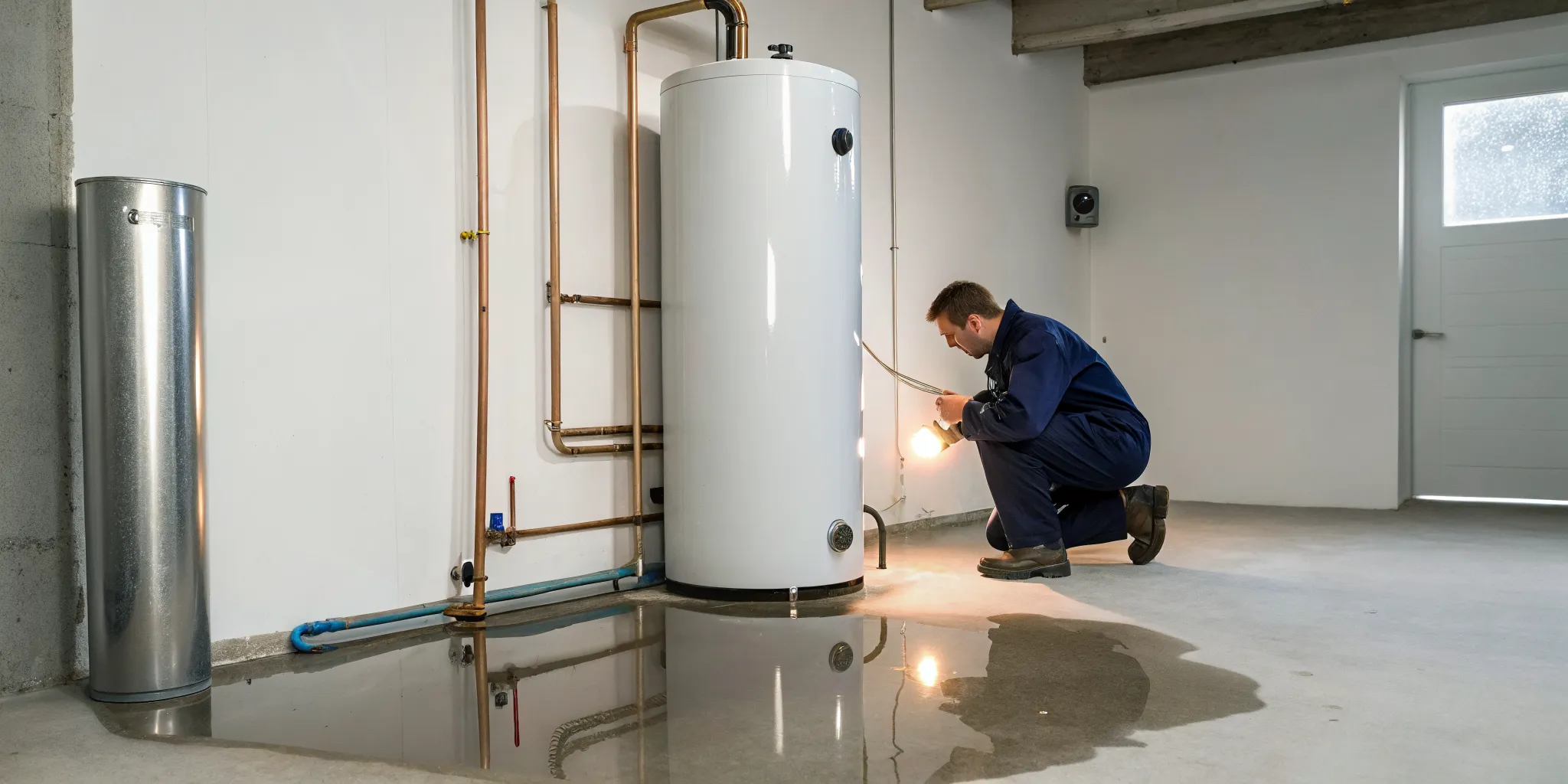
First, a major leak is always an emergency. If you see water pooling around the base of your water heater, you need to act fast. This indicates a crack or breach in the tank itself, and it will only get worse. You should also call immediately if you have a complete loss of hot water. If you’ve already tried resetting the dedicated circuit breaker for your water heater and still have no hot water, a critical component has likely failed. In either case, it’s time to call for professional plumbing services.
When Is It Safe to Schedule an Appointment?
While the following issues are certainly inconvenient, they don’t typically require an after-hours emergency call. These are problems you should address soon, but you can safely wait to schedule an appointment.
Is your hot water giving off a rotten egg smell? This unpleasant odor is usually caused by bacteria in the tank and isn't a sign of imminent failure. Likewise, loud popping or rumbling sounds often point to sediment buildup at the bottom of the tank, which makes the heater work less efficiently but doesn't pose an immediate threat. If your water is rusty or discolored, it’s a sign of internal corrosion that needs attention before it causes a leak. These are all good reasons to contact a plumber, but you don’t need to do it at 2 a.m.
Your Water Heater Failed? Here Are Your First 4 Steps
That sinking feeling when you realize there’s no hot water is bad enough. But discovering a puddle spreading from the base of your water heater is a whole new level of stress. When your water heater fails, it feels like a major crisis, but don't panic. Taking a few immediate, deliberate steps can protect your home from serious damage and keep your family safe. Think of it as first aid for your home’s plumbing. By shutting down the system and containing the problem, you can turn a potential disaster into a manageable task. Here’s exactly what to do, step by step, while you wait for a professional to arrive.
Step 1: Shut Off the Power or Gas Supply
Your first priority is safety. Water and electricity are a dangerous mix, and a malfunctioning gas heater poses its own risks. Before you do anything else, you need to cut the energy supply to the unit.
If you have an electric water heater, go to your home’s circuit breaker panel. Find the breaker that controls the water heater; it’s usually a double breaker labeled “Water Heater.” Flip it to the “Off” position.
For a gas water heater, locate the gas supply line running to the unit. You’ll see a shutoff valve, typically with a single handle. Turn this handle a quarter turn so it is perpendicular to the pipe. This stops the flow of gas. You should also turn the temperature dial on the heater’s gas valve to the “Off” or “Pilot” setting.
Step 2: Stop the Water Flow to the Tank
Now that you’ve handled the energy source, it’s time to stop the water. Preventing a small leak from turning into a major flood is key. Look for the cold water inlet pipe, which is usually at the top of your water heater. You will see a valve on this line, often with a wheel-like handle or a lever. Turn the handle clockwise all the way to shut off the water supply to the tank. If the valve is stuck or you can’t find it, your next best move is to shut off the main water supply to your entire house until a plumber can take a look.
Step 3: Drain the Tank to Prevent Further Damage
Even with the water off, your tank is still full, holding anywhere from 40 to 80 gallons of water. If your tank is actively leaking, draining it is the best way to prevent further water damage to your floors, walls, and belongings.
To do this, attach a standard garden hose to the drain valve located near the bottom of the tank. Run the other end of the hose to a floor drain or outside. Next, open a hot water faucet somewhere in your house; this allows air to enter the tank and helps it drain smoothly. Finally, open the drain valve on the water heater. Be careful, as the water may still be hot.
Step 4: Call a Professional for Help
With the immediate threats of electrical shock, gas leaks, and flooding under control, it’s time to call in the experts. Water heater repair and replacement are complex jobs that should always be handled by a licensed professional for safety and proper repair. A DIY installation can lead to code violations, void your warranty, or worse, create a dangerous situation.
A professional plumber can assess the problem, determine if a repair is possible, or guide you through an emergency replacement. When you need reliable help fast, our team at Tommy Cool Air provides expert plumbing services across the Corpus Christi area. We’ll get your home back to normal and ensure your new system is installed safely and correctly.
The Dangers of a DIY Installation
I get it—the urge to tackle a home project yourself to save a few bucks is strong. But when it comes to replacing a water heater, this is one area where DIY can have serious consequences. You're not just connecting a few pipes; you're dealing with high-pressure water lines, high-voltage electricity, or natural gas connections. A small mistake can lead to big problems, like a slow leak that causes hidden water damage or, far worse, a gas leak or a dangerous carbon monoxide issue that puts your family's safety at risk. Beyond the immediate dangers, an improper installation can also void your new water heater’s warranty and may not be covered by your homeowner's insurance, turning your money-saving project into a costly disaster. It's simply not worth the gamble.
What to Look for in a Licensed and Insured Plumber
Once you’ve decided to call a professional, the next step is choosing the right one. To protect your home and your investment, look for a plumber who is both licensed and insured—no exceptions. A license proves they have the training and knowledge to do the job correctly and up to code, while insurance protects you from liability in case of an accident. Beyond those basics, seek out a company with a strong local reputation. A quick look at their online reviews can tell you a lot about their customers' experiences. A trustworthy plumber will provide a clear, upfront estimate, answer your questions patiently, and treat your home with respect by keeping the work area clean. Choosing a reliable company ensures the installation is done right, preventing future leaks and performance issues.
Tank vs. Tankless: Which Is Best for an Emergency Replacement?
When your water heater gives out, the last thing you want is a complicated decision. You just want hot water back, right? But this moment, while stressful, is also an opportunity to choose a replacement that fits your home and budget for years to come. The two main choices you'll face are traditional tank water heaters and modern tankless models. Each has its pros and cons, especially when you need to make a quick decision. Let's break down what makes sense for an emergency replacement so you can feel confident in your choice.
Why Stick with a Traditional Tank?
A traditional tank water heater is often the go-to for an emergency replacement, and for good reason. They are generally less expensive upfront, with installation costs typically ranging from $600 to $2,500. Because they operate similarly to the unit you're likely replacing, the installation is usually faster and more straightforward. Our professional plumbing services can often get a new tank installed quickly, minimizing disruption and getting you back to hot showers sooner. With a lifespan of about 10 to 15 years, a new tank heater is a reliable and familiar choice that solves your immediate problem without a major overhaul of your home's systems.
Is It Time to Go Tankless?
If you have a bit more flexibility in your budget and timeline, an emergency can be the perfect time to upgrade to a tankless water heater. While the initial cost is higher, often between $1,400 and $3,900, the long-term benefits are significant. Tankless models heat water on demand, meaning you get an endless supply of hot water, which is a game-changer for large families. They also last much longer, around 20 years or more, and are more energy-efficient. These energy-saving systems can lower your utility bills over time, helping to offset the higher purchase price and adding value to your home.
How to Make the Right Choice Under Pressure
So, how do you choose when you're in a pinch? If your budget is tight and you need a fast, simple fix, sticking with a traditional tank is a solid decision. It’s a reliable solution that gets the job done. However, if your old tank heater was already nearing the end of its 8 to 12-year lifespan and you were considering an upgrade anyway, this might be the push you need. A tankless model is a smart long-term investment if your home's infrastructure can support it and the upfront cost isn't a barrier. The best first step is to call a professional plumber who can assess your setup, explain your options clearly, and help you make the right call for your home and family.
Choosing Your New Water Heater: What to Consider
When your water heater fails, the pressure is on to find a replacement quickly. But a hasty decision can lead to years of high energy bills or a unit that can’t keep up with your family’s needs. Taking a moment to consider a few key factors will help you choose a new water heater that’s a perfect fit for your home, budget, and lifestyle. It’s about finding the right balance between immediate needs and long-term satisfaction.
How Much Hot Water Does Your Household Use?
First, think about how much hot water your family actually uses. Do you have multiple people showering at the same time every morning? Do you frequently run the dishwasher and washing machine? The number of people in your home and your daily habits determine the right size for your new unit. For tank heaters, look at the "first-hour rating" (FHR), which tells you how many gallons of hot water it can produce in an hour. For tankless models, consider the "gallons per minute" (GPM) rate. Choosing a correctly sized unit ensures you won't run out of hot water and can even extend its lifespan. A properly sized and maintained water heater should give you reliable service for years to come.
Compare Energy Efficiency to Save Money
Your water heater is one of the biggest energy users in your home, so efficiency is a big deal. Look for the Uniform Energy Factor (UEF) rating on any model you consider; the higher the number, the more efficient the unit and the more you'll save on your utility bills. While high-efficiency models, like some tankless water heaters, may have a higher price tag, they often pay for themselves over time. According to NerdWallet, tankless models "can last about 20 years or longer and can use less energy than tank models," making them a smart long-term investment for many homeowners.
Will Your New Water Heater Fit? Measure Your Space
This might seem obvious, but you’d be surprised how often it’s overlooked in a rush. Before you start shopping, measure the height, width, and depth of the space where your water heater lives. Make sure there’s enough clearance around the unit for proper ventilation and future service. This is especially important if you’re thinking about switching types. For instance, moving from a bulky tank model to a compact tankless unit can free up valuable closet space, but the installation can be more complex and may require rerouting pipes or upgrading your electrical panel.
Considering Different Shapes and Sizes
When we talk about "size," it’s not just about whether the unit will physically fit in your closet—it’s also about its capacity to meet your family's needs. For a tank heater, the "first-hour rating" (FHR) tells you how many gallons it can deliver before it needs to recover. For a tankless model, the "gallons per minute" (GPM) rate is key. Getting this right is crucial for avoiding cold showers. At the same time, you do need to break out the tape measure. Note the height and width of your current space, but also remember to leave room for ventilation and future maintenance. If you're considering switching to a compact tankless model, you might gain storage space, but the new installation could require complex plumbing adjustments, which is why professional plumbing services are so important.
Research the Warranty and Brand Reputation
A new water heater is a significant investment, and a strong warranty provides valuable peace of mind. As you compare models, look closely at the warranty details. NerdWallet advises that "it's important to read the fine print as different parts might have different coverage times." A longer warranty often indicates a higher-quality product. Beyond the warranty, consider the brand's reputation and the track record of the company installing it. You want to work with professionals who stand by their products and workmanship, which you can often gauge by reading customer reviews.
Top Water Heater Brands
When you start shopping, you’ll notice a lot of brand names. As professionals, we have our favorites, and they’re the ones known for quality and reliability. Brands like Bradford White, for example, are professional-grade and aren't sold in big-box stores. They require a licensed plumber for installation, which protects your factory warranty. Another top name is Rheem, one of the largest manufacturers in North America, known for its wide variety of reliable gas, electric, and energy-saving models. Then there’s A.O. Smith, an industry leader with a long history of innovation. We can help you sort through the options from these top-tier brands to find the perfect fit for your home.
Manufacturer vs. Home Warranties
Understanding warranties can feel like reading a legal document, but it’s pretty simple when you break it down. A manufacturer’s warranty comes directly from the brand and covers the unit itself against defects—this is your best indicator of product quality. A home warranty, on the other hand, is a separate service plan that covers multiple appliances. While it might sound helpful, it often comes with service fees, coverage caps, and you don't get to choose your own contractor. For a major purchase like a water heater, you want the solid protection of a manufacturer's warranty combined with a workmanship guarantee from a company you trust. This ensures both the product and the installation are covered, giving you true peace of mind.
How Much Does an Emergency Water Heater Replacement Cost?
When your water heater gives out, one of the first questions on your mind is probably, "How much is this going to cost?" It’s a valid concern, especially when it’s an unexpected expense. The final price tag for an emergency replacement can vary quite a bit, depending on a few key factors. The biggest variables are the type of water heater you choose, the cost of professional labor, and any necessary permits or modifications to your existing setup.
The price of the unit itself is just one piece of the puzzle. A standard tank heater has a different upfront cost than a modern tankless one. Labor is another significant factor, as a straightforward swap is much quicker and less expensive than a complex installation that involves rerouting pipes or upgrading electrical work. At Tommy Cool Air, we believe in transparency, so we always provide a clear, upfront quote before any work begins. Our goal is to get your hot water running again without any financial surprises. We’ll walk you through your options and help you understand exactly what you’re paying for, so you can make a confident decision for your home and budget.
Cost Breakdown by Water Heater Type
The type of water heater you select will be the biggest factor in your total cost. A traditional tank-style water heater is generally the more budget-friendly option upfront. Including installation, you can typically expect the cost to be somewhere between $600 and $2,500.
On the other hand, a tankless water heater, which provides hot water on demand, has a higher initial investment. These units usually range from $1,400 to $3,900 installed. While the upfront cost is higher, many homeowners find the long-term energy savings and endless supply of hot water to be a worthwhile trade-off. Your choice will depend on your immediate budget and long-term priorities.
How Water Heater Size Affects Price
It’s logical to think that a larger water heater will cost more, but "size" isn't just about how much space the unit takes up. It’s really about its capacity to deliver hot water when you need it, and that capacity is a key factor in its price. For a traditional tank heater, this means a higher gallon capacity and a better First-Hour Rating (FHR) will increase the cost. With a tankless model, a higher Gallons Per Minute (GPM) output—which determines how many fixtures can run at once—comes with a higher price tag. It can be tempting to save money by picking a smaller, less expensive model, but that often leads to frustration when the hot water runs out mid-shower. A professional can help you find the right size for your family, making sure you get the performance you need without overspending on an oversized unit that wastes energy.
Beyond the Sticker Price: Labor, Permits, and Fees
The cost of the water heater unit is only part of the equation. Professional labor often makes up more than half of the total bill, and for good reason. Proper installation is critical for safety and efficiency. Labor costs can range from a few hundred dollars for a simple tank replacement to over a thousand for a more complex switch from a tank to a tankless model.
Additionally, your city might require permits for a new water heater installation to ensure everything is up to code. This adds another layer of cost and coordination. When you work with a professional team like ours, we handle the permits for you. We’ll also assess if any extra work is needed, like updating pipes or ventilation, and include it in your initial quote.
Will Homeowners Insurance Cover It?
This is a common question, and the answer is usually a bit nuanced. Most standard homeowners insurance policies do not cover the cost of replacing the failed appliance itself. However, they often do cover the subsequent damage caused by the leak. If your old water heater burst and ruined your flooring, drywall, and furniture, your policy will likely help with those repairs.
This is why it's so important to act fast. If you see water pooling around your unit, shut it down immediately and call a professional plumber. The faster you stop the leak, the less damage you’ll have to deal with, which can make a huge difference during the claims process.
Financing a New Water Heater
A new water heater is a major purchase, and it’s one that almost no one has saved up for. When you’re already dealing with the stress of a leak or no hot water, the last thing you need is a financial burden. This is where financing can be a lifesaver. Many companies offer flexible payment plans that allow you to get the new water heater you need now and pay for it over time in manageable monthly installments. This can be especially helpful if you’re considering an upgrade to a more energy-efficient tankless model. The higher upfront cost can feel intimidating, but financing breaks it down, making that long-term investment in energy savings much more accessible. When you work with a professional team, they can often guide you through financing options that cover both the unit and the installation, taking one more worry off your plate.
How Long Does a Water Heater Replacement Take?
When your hot water goes out, one of the first questions you’ll have is, “How long until I can take a hot shower again?” The good news is that a professional replacement is usually a same-day job. The exact timeline depends on whether you’re installing a traditional tank or upgrading to a tankless model, and if our plumbers run into any surprises along the way. We always aim to work as efficiently as possible to get your home back to normal.
Our team of professional plumbers will give you a more precise time estimate once we see your setup, but here’s a general idea of what to expect. Knowing the timeline can help you plan your day and manage expectations while we handle the hard work.
Typical Timeline for a Standard Tank Replacement
If you’re replacing an old tank water heater with a similar new model, the process is pretty straightforward. For a standard replacement, you can expect the job to take between two and four hours. This gives our technicians enough time to safely drain and remove your old unit, position the new one, and make sure all the plumbing and electrical or gas connections are secure. We’ll also test everything to confirm it’s working perfectly and haul away your old tank, leaving you with nothing but reliable hot water.
Typical Timeline for a New Tankless Installation
Upgrading to a tankless water heater is a fantastic choice for efficiency, but the installation is more involved. Plan for this process to take between four and eight hours. A tankless installation isn't just a simple swap; it often requires rerouting plumbing, upgrading gas lines for proper flow, or installing new electrical circuits and dedicated venting. While it takes a bit longer, the result is an energy-saving system that provides endless hot water on demand. We take the extra time to ensure the installation is done right for long-term performance.
What Could Slow Down the Replacement?
Sometimes, a replacement job comes with a few curveballs. If your water heater is tucked away in a cramped closet or a hard-to-reach attic, it will naturally take longer to move the old unit out and the new one in. We might also discover old or corroded pipes and valves that need to be replaced for safety and proper function. Switching from an electric to a gas model (or vice versa) also adds time, as it requires significant plumbing and utility work. Our team is prepared for these situations and will always keep you informed if the job is going to take longer than expected.
What Happens on Installation Day?
Once you’ve made the call and your technician is on the way, you’re probably wondering what the actual replacement process looks like. Knowing what to expect can make the day go much smoother, especially when you’re already dealing with the stress of a failed water heater. We’ll walk you through the key steps, from handling local permits to that first glorious hot shower, so you can feel prepared and confident.
Permits and Codes in Corpus Christi
You might be surprised to learn that replacing a water heater isn't always a simple swap. The city of Corpus Christi may require a permit for the installation to ensure everything is up to current safety codes. This isn't something you need to worry about, though. When you work with a professional team, we handle all the necessary paperwork and inspections for you. Our goal is to make sure your new water heater is installed safely and correctly, giving you total peace of mind. Our licensed plumbers are experts in local regulations and will manage the entire process.
The Installation Process, Step by Step
A standard tank water heater replacement usually takes about two to four hours from start to finish. Your technician will work efficiently to get your hot water running again as quickly as possible. Here’s a general idea of the timeline:
- Preparation: The technician will prep the area to protect your home.
- Drain and Disconnect: They will drain the old tank and disconnect the water and power lines.
- Removal and Installation: The old unit is removed, and the new one is carefully set in place.
- Connections and Testing: All lines are reconnected, and the system is tested to ensure it’s working perfectly.
- Cleanup: The workspace is cleaned up, and the old unit is hauled away.
Before leaving, your technician will show you how to operate your new heater. If you have questions, don't hesitate to contact us to schedule your service.
Removal and Disposal of Your Old Unit
You might be wondering what happens to the old, heavy tank once it's disconnected. The last thing you need is to figure out how to dispose of a 150-pound metal cylinder. Don't worry—that's part of our job. Our professional plumbing services include the complete removal and responsible disposal of your old water heater. We carefully maneuver the old unit out of your home, protecting your floors and walls along the way. Then, we ensure it's recycled properly, so you can feel good knowing it won't just end up in a landfill. It’s one less thing for you to worry about on an already stressful day.
Thinking of Switching Fuel Type or Location?
In some cases, the installation might take a bit longer. If you’re thinking about switching from a gas water heater to an electric one (or vice versa), additional work will be needed to accommodate the new fuel source. This could involve running new gas lines or updating electrical circuits. The location of your water heater also plays a role. If it’s in a tight closet, a cramped attic, or another hard-to-reach spot, it will naturally take more time and effort to remove the old unit and install the new one. Our team can assess these factors and give you a clear timeline.
How Soon Can You Take a Hot Shower?
This is the question on everyone’s mind, and the answer is: pretty soon! Once the new water heater is installed and the tank is filled, it typically takes about an hour for the water to heat up. You can usually expect to have hot water available the very same day. While the disruption is inconvenient, a new water heater is a great investment, especially since tank models last about 8 to 12 years. To keep your new unit in great condition for years to come, consider joining our membership program for regular maintenance checks.
Understanding Service Warranties
A new water heater is a major purchase, and its warranty is your safety net. It’s more than just a document; it’s a promise of quality from both the manufacturer and the installer. When you're comparing models, pay close attention to the manufacturer's warranty. A longer warranty period often points to a higher-quality, more durable product. It's also smart to read the fine print, as coverage can differ for various components like the tank versus the electronic controls. Just as important is the labor warranty from the installation company. You want to partner with professionals who stand by their workmanship. A great way to gauge a company's reliability is by seeing what past customers have to say in their reviews.
How to Keep Your New Water Heater Running Smoothly
You’ve just been through the stress of an emergency replacement, so let's make sure your new water heater lasts as long as possible. A little proactive care goes a long way. Regular maintenance not only extends the life of your unit but also keeps it running efficiently, saving you money on energy bills. Plus, many manufacturer warranties require proof of annual service to remain valid. Think of it as a small investment to protect the big one you just made. These simple, consistent checks are the key to years of reliable hot water and peace of mind.
Flush Your Tank Once a Year
Over time, minerals and sediment from the water supply settle at the bottom of your water heater's tank. This layer of gunk forces your unit to work harder to heat the water, reducing its efficiency and putting extra strain on the components. Flushing the tank once a year removes this buildup. This simple step helps prevent corrosion, improves energy efficiency, and is one of the best ways to keep your warranty valid. For tankless models, a similar process called descaling achieves the same goal, keeping the delicate internal parts clear and functional.
Regularly Inspect the Anode Rod
Inside your tank water heater is a hidden hero: the anode rod. This metal rod is designed to corrode so your tank doesn't have to. It essentially sacrifices itself to protect the steel tank from rusting from the inside out. However, it doesn't last forever. Having a professional inspect the anode rod every couple of years and replace it when it's depleted is a small, inexpensive task that can add years to your water heater's life. Skipping this check is one of the fastest ways to a rusty, leaking tank that needs another premature replacement.
Test the Pressure Relief Valve Periodically
Your water heater's temperature and pressure (T&P) relief valve is a critical safety feature. If the pressure or temperature inside the tank gets too high, this valve automatically opens to release the excess and prevent a potentially dangerous situation. It's important to test this valve periodically to make sure it hasn't gotten stuck or corroded shut. While it’s a simple test, it’s also a standard part of any professional tune-up. An expert can ensure it functions correctly without causing any leaks or other issues, keeping your home and family safe.
Schedule Annual Professional Tune-Ups
While some of these tasks might sound like DIY projects, having a professional handle your annual maintenance is always the safest and most effective approach. A trained plumber can perform these checks quickly and correctly, ensuring everything complies with local codes. During a professional tune-up, a technician will flush the tank, inspect the anode rod, test the T&P valve, and check for any small gas or water leaks. This helps catch minor issues before they turn into expensive emergencies. Our membership program makes this easy by including annual check-ups to keep your system in top condition.
Need an Emergency Plumber in Corpus Christi?
When your water heater gives out, especially if it's leaking, the situation can feel overwhelming. The most important thing to do after securing your home is to call a professional. Acting fast is key to preventing a small problem from turning into a major one with extensive water damage. An emergency plumber can get to your home quickly, diagnose the issue, and give you immediate solutions to protect your property. While the idea of an emergency call might seem expensive, it's often far less costly than repairing floors, drywall, and furniture after a serious leak.
Choosing a local plumber who serves the Corpus Christi area means you're getting an expert who understands our specific building codes and regulations. This local knowledge is invaluable for ensuring your replacement is done right the first time. At Tommy Cool Air, our team is ready to handle these exact situations. We offer reliable plumbing services and are available to help when you need it most. When you're looking for a plumber in a pinch, always check that they are licensed, insured, and have positive feedback from your neighbors. Reading through a company's reviews can give you peace of mind that you're making the right choice during a stressful time. Don't hesitate to contact us for immediate assistance.
How to Get Same-Day Service
When your water heater fails, waiting isn't an option. The key to getting your hot water back on the same day is to act quickly. After you've taken the immediate safety steps—shutting off the power and water supply to prevent further damage—your very next move should be to call a professional. Timing is everything. By contacting a plumber as early in the day as possible, ideally before noon, you give them the best chance to diagnose the issue, source the right replacement unit, and fit the installation into their schedule. At Tommy Cool Air, we understand the urgency and prioritize these calls. Don't wait for the problem to get worse; contact us right away to get the process started for a same-day solution.
Related Articles
- Emergency Heating in Corpus Christi, TX | Tommy Cool Air
- Heating Services | Corpus Christi, TX | Tommy Cool Air
- Plumbing Services Services | Corpus Christi, TX | Tommy Cool Air
- Energy Saving Systems Services | Corpus Christi, TX | Tommy Cool Air
- Air Conditioning Services | Corpus Christi, TX | Tommy Cool Air
Frequently Asked Questions
My water heater is making loud noises, but it's not leaking. Do I need to call for an emergency repair? Loud popping or rumbling sounds can be alarming, but they usually don't signal a true emergency. This noise is often caused by sediment buildup at the bottom of the tank, which makes the heater work harder but doesn't pose an immediate safety risk. While you should get it checked out to improve efficiency and prevent future problems, you can safely schedule a service call for normal business hours instead of paying for an after-hours visit.
Is it always better to replace a broken water heater, or can it be repaired? Whether to repair or replace depends on the age of your unit and the specific problem. For instance, if a relatively new water heater has a faulty heating element, a repair is often a cost-effective solution. However, if the tank itself is leaking or the unit is more than ten years old, replacement is almost always the smarter choice. A leaking tank cannot be repaired, and investing in major repairs for an old unit is often not worth it in the long run.
Why is a professional installation so important if I can buy a similar unit at a hardware store? While you can buy a water heater from a big-box store, the installation is a job best left to a licensed plumber. A professional ensures that all gas, electrical, and water connections are made safely and correctly, which is critical for preventing leaks, fire hazards, or carbon monoxide issues. They also handle any necessary permits and make sure the installation meets all local codes, which protects your manufacturer's warranty and gives you confidence the job was done right.
I'm considering upgrading to a tankless model. Will that make the emergency replacement take much longer? Yes, switching to a tankless water heater typically takes longer than a simple tank-for-tank replacement. A standard swap might take two to four hours, while a tankless installation can take four to eight hours. The extra time is needed for potential modifications, like rerouting plumbing, upgrading gas or electrical lines, and installing new ventilation. While it's a more involved process, it's usually completed in a single day and provides long-term benefits in efficiency and performance.
Will my homeowners insurance pay for my new water heater? This is a common point of confusion. In most cases, a standard homeowners insurance policy will not cover the cost of the failed appliance itself. However, your policy will likely cover the cost of repairing the secondary damage caused by the water heater, such as ruined floors, drywall, or furniture. This is why it's so important to shut off the water and call a plumber immediately to minimize the damage and simplify any potential insurance claims.