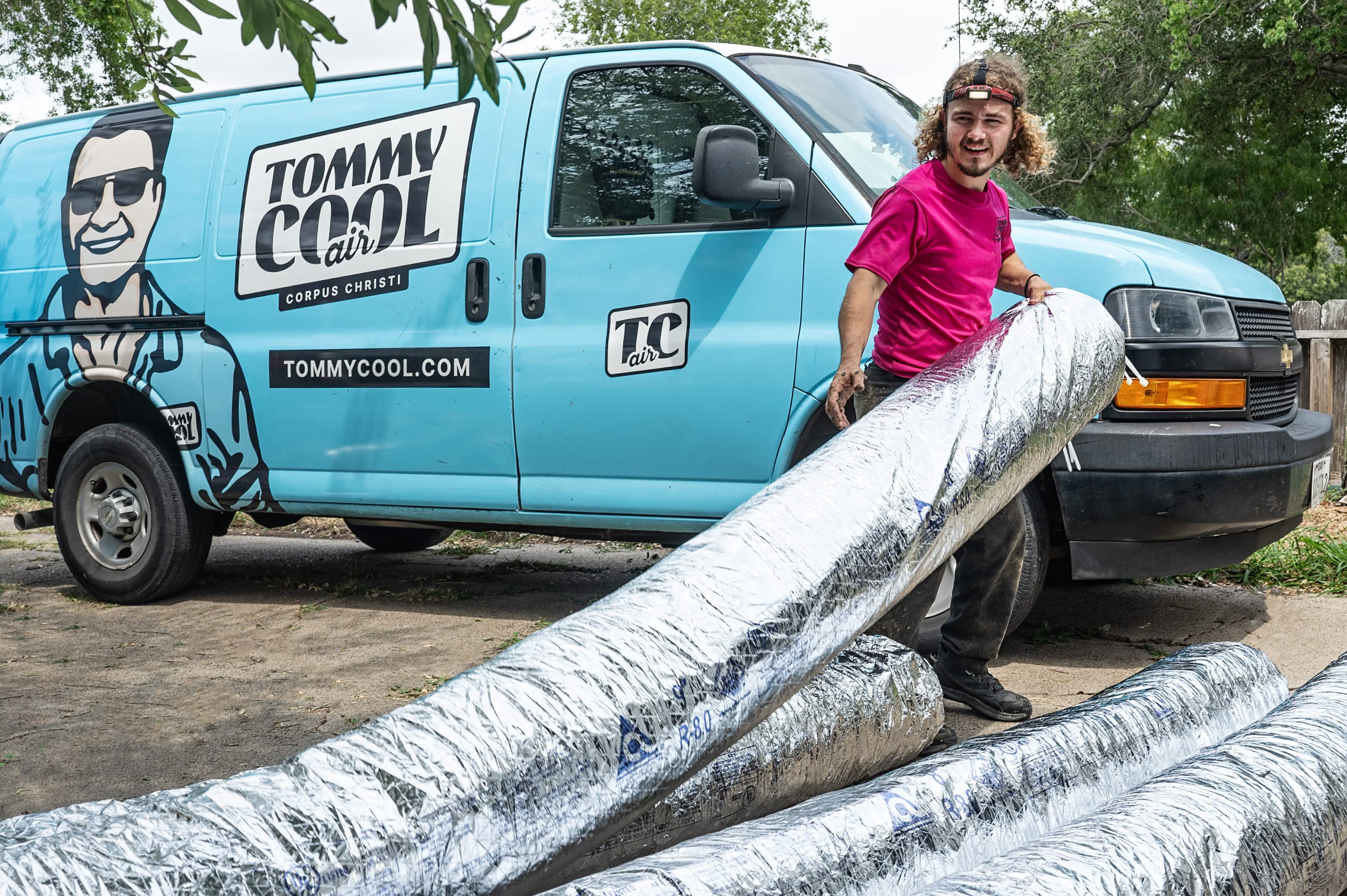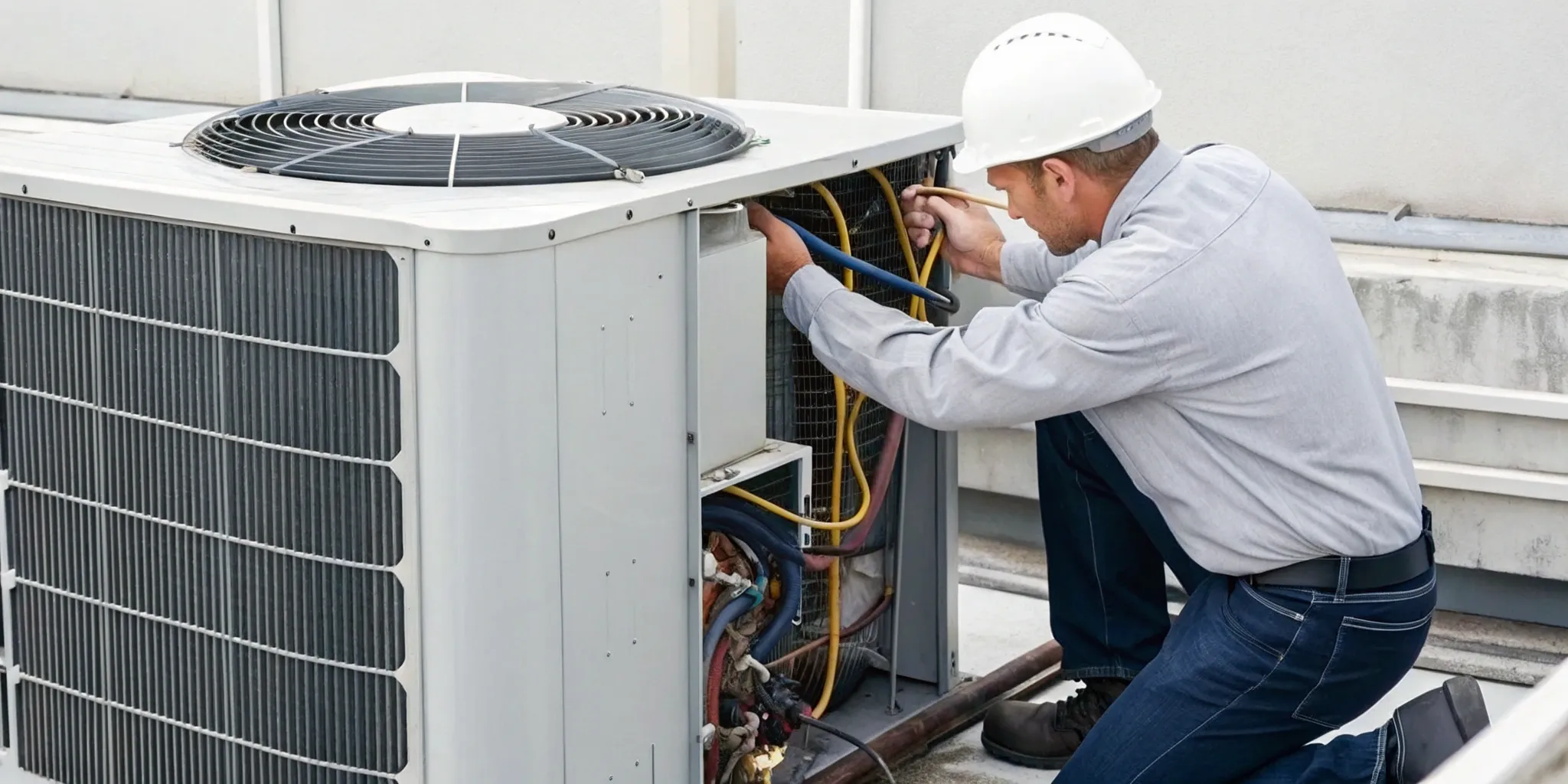
Nothing creates stress quite like a failing air conditioner in the middle of a Corpus Christi summer. When you’re facing an unexpected replacement, the last thing you need is confusion and uncertainty about the price. Understanding the factors that go into the furnace and air conditioning replacement cost can bring a sense of control back to a stressful situation. It empowers you to ask the right questions, compare quotes intelligently, and make a choice based on value, not just panic. This article is your straightforward guide to navigating the costs, so you can get back to being comfortable in your home without any surprises along the way.
Key Takeaways
- Your final cost is more than just the equipment: A proper HVAC quote is a custom calculation based on your home's size, the system's efficiency, and specific installation needs like ductwork repairs or electrical upgrades.
- Invest in efficiency and quality installation for long-term savings: A cheaper system often leads to higher monthly bills and more frequent repairs, while a high-efficiency unit installed by a professional team pays for itself over time.
- Protect your investment with smart timing and ongoing care: Replacing both your furnace and AC at the same time reduces installation costs, while a consistent maintenance plan prevents expensive breakdowns and keeps your system running efficiently.
What's the Real Cost of Replacing Your Furnace and AC?
Let’s be honest, replacing your HVAC system is a major home investment, and the first question on everyone’s mind is, "How much is this going to cost?" While it’s tempting to look for a simple number, the truth is that the price can vary quite a bit. National averages suggest a new system can range from $11,590 to over $14,100, but that figure depends on your home, your comfort needs, and the equipment you choose.
Think of it less like buying an appliance off the shelf and more like a custom installation for your home. The size of your house, the type of system you need, and even the layout of your ductwork all play a role in the final price. Our goal is to help you understand what goes into that number so you can feel confident in your decision. We believe in clear, upfront pricing without any surprises. In the following sections, we’ll break down the key factors that influence cost, from home size to system efficiency, so you know exactly what to expect.
How Home Size Affects Your Cost
One of the biggest factors in determining the cost of a new HVAC system is the size of your home. A larger house requires a more powerful system to effectively heat and cool the entire space, and more powerful systems come with a higher price tag. For example, the average cost for a new air conditioner and gas furnace in a 2,000 to 2,500-square-foot home is around $13,430. If your home is smaller or larger, that number will adjust accordingly. An undersized unit will struggle to keep you comfortable, while an oversized one will cycle on and off too frequently, wasting energy. That’s why getting the right size is the first step in any quality air conditioning service.
Our Approach to Clear, Honest Pricing
We know that seeing a wide range of prices online can be confusing. You might find low-end estimates around $7,000, but these often don't account for the quality of the equipment or the expertise of the installation. A cheap installation can lead to years of high energy bills and frequent repairs. At Tommy Cool Air, we provide detailed, transparent quotes that cover everything. We believe a great installation is just as important as the equipment itself. We encourage you to get a few estimates, but we also want you to understand the long-term value we provide. When you’re ready, contact us for a no-pressure consultation tailored to your home.
What Factors Drive HVAC Replacement Costs?
When you get a quote for a new HVAC system, you're looking at more than just the price of the unit itself. The final cost is a blend of several key elements, from the technology inside the machine to the specific layout of your home. Understanding these factors helps you see exactly where your money is going and allows you to make a confident, informed decision. Let's walk through the main components that shape the total price of an HVAC replacement.
Your System's Type and Efficiency
The kind of system you choose is one of the biggest factors in your total cost. You’ll see options like single-stage, two-stage, or variable-speed units. A single-stage system is the most basic, running at full power or not at all. More advanced variable-speed systems can make tiny adjustments to their output, providing more consistent comfort and quiet operation. While these high-tech systems have a higher upfront price, they are much more energy-efficient. Investing in one of these energy-saving systems can lead to significant savings on your monthly utility bills, making them a smart long-term choice.
Your Home's Layout and Installation Needs
Every home is unique, and your HVAC system needs to be the right fit for your space. The size, or capacity, of the unit must be carefully matched to your home’s square footage, ceiling height, and insulation levels. An improperly sized system will struggle to keep you comfortable and wear out faster. The installation process itself also affects the price. A straightforward replacement is less complex than a job that requires new ductwork, electrical updates, or navigating a tight attic or crawl space. Our team always evaluates your home’s specific needs to ensure a perfect fit and a smooth air conditioning service installation.
Corpus Christi Labor Rates and Permit Fees
A significant portion of your replacement cost covers the skilled labor required for a safe and correct installation. Labor rates vary by location, and our pricing reflects the expertise of our certified technicians here in the Corpus Christi area. Additionally, most municipalities require a permit for HVAC installation to ensure the work meets local safety codes. This fee is typically included in your overall quote. If we discover that your existing ductwork is leaky or damaged, repairing it will also be factored into the final cost to ensure your new system runs as efficiently as possible.
How the Time of Year Affects Pricing
Believe it or not, the season you choose for your HVAC replacement can influence the price. The busiest times for HVAC companies are the hottest days of summer and the coldest days of winter, when demand is at its peak. If you can, planning your replacement during the milder "shoulder seasons" of spring or fall can sometimes lead to better pricing and more flexible scheduling. Proactive maintenance through our membership plan can help you catch issues early, giving you the freedom to schedule a replacement when the time is right for you, not just when your old system finally gives out.
What Are Your HVAC System Options (And What Do They Cost)?
When you start looking at new HVAC systems, you’ll quickly see there isn’t a one-size-fits-all solution. The right choice depends on your home’s needs, your comfort preferences, and your budget. Understanding the main types of furnaces, air conditioners, and heat pumps is the first step to making a confident decision. The prices below are general estimates to give you a starting point, but a personalized quote will give you the most accurate picture.
Choosing the Right Furnace: Single-Stage, Two-Stage, or Variable-Speed
Even in Corpus Christi, a reliable furnace is a must for those chilly winter nights. Your main options are single-stage, two-stage, and variable-speed models. A single-stage furnace is the most basic, operating on a simple on/off switch at full capacity. It’s a straightforward, budget-friendly choice, typically ranging from $5,500 to $7,500. A two-stage furnace offers more flexibility with a high and low setting. It runs on low most of the time for quiet, consistent heat and only kicks into high gear on the coldest days. This improves efficiency and comfort, with costs generally between $8,000 and $12,000. For ultimate control, a variable-speed furnace continuously adjusts its output, providing precise temperatures and top-tier efficiency. These premium models usually run from $13,000 to $14,000. Our team can help you find the perfect fit with our expert heating services.
Finding the Right AC: Efficiency and Cost
In our coastal climate, a powerful and efficient air conditioner is non-negotiable. Like furnaces, AC units come in single-stage, two-stage, and variable-speed options. A single-stage AC, priced between $6,000 and $12,000, cools your home at full blast. A two-stage unit, typically $10,000 to $14,000, has a lower setting that’s fantastic for removing humidity, a huge plus in South Texas. For the highest level of comfort and energy savings, a variable-speed air conditioner is the way to go. These systems make tiny adjustments to maintain your ideal temperature and humidity levels, costing between $14,000 and $20,000. We proudly install high-quality Trane systems that are built to handle our heat and humidity, ensuring you get a reliable solution no matter which type you choose.
Are Heat Pumps a Good Fit for Our Coastal Climate?
Heat pumps are an excellent and increasingly popular choice for Corpus Christi homes. Instead of creating heat, they move it, pulling heat from the outside air to warm your home in the winter and pushing indoor heat outside to cool it in the summer. Because our winters are mild, heat pumps operate with incredible efficiency here. This all-in-one system handles both your heating and cooling needs, making it one of the best energy-saving systems available. A new heat pump installation generally ranges from about $2,900 to $7,500, making it a cost-effective solution that can lead to significant savings on your monthly utility bills. If you’re looking for a single, efficient unit to keep you comfortable year-round, a heat pump is definitely worth considering.
Should You Replace Your Furnace and AC Together?
It’s a question many homeowners in Corpus Christi face: your air conditioner stops working in the middle of a heatwave, or your furnace gives out on a chilly night. Do you replace just the broken unit, or is it smarter to replace both at the same time? While it might seem like a bigger upfront expense, replacing your furnace and AC as a single system often makes the most sense for your budget and your home’s comfort in the long run. Let’s walk through why.
How You Can Save Money by Replacing Both
One of the most compelling reasons to replace both units together is the potential for significant savings. When you schedule a dual replacement, you’re only paying for one installation appointment. This consolidation reduces labor costs substantially, as our technicians can complete the entire job in a single visit. You can often save thousands of dollars on installation fees alone compared to tackling the projects separately. Think of it as bundling services; you get a better overall price on both the equipment and the labor needed to get it running. If you're curious about what a combined replacement would cost for your home, we can provide a clear, upfront estimate.
Why System Compatibility Matters
Your furnace and air conditioner aren't just roommates in your home; they're a team that shares critical components. Specifically, your AC relies on the furnace's indoor blower motor to circulate cool air. If you install a new, high-efficiency air conditioner but pair it with an old, inefficient furnace, you're creating a mismatch. This forces your new AC to work harder than it should, which can reduce its efficiency, shorten its lifespan, and compromise your comfort. By replacing them together, you get a perfectly matched system designed to work in harmony, giving you the best possible performance and energy savings from your air conditioning services.
When a Separate Replacement Makes Sense
Of course, there are situations where replacing only one unit is the right call. If one of your systems is significantly newer than the other (for example, a furnace that's only five years old when your 15-year-old AC fails), it doesn't make financial sense to replace the newer component. Budget is also a major factor, and sometimes a full system replacement just isn't feasible. However, if both your furnace and AC are over 15 years old and one requires a major repair, it’s usually more cost-effective to invest that money into a new, matched system. Our team can help you evaluate the age and condition of your heating system to make the best decision.
What Hidden Costs Should You Budget For?
When you get a quote for a new furnace and air conditioner, it’s easy to focus on the price of the units themselves. But the total investment often includes a few other items that are just as important for making sure your new system runs perfectly for years to come. Thinking about these potential extra costs ahead of time helps you create a realistic budget and ensures there are no surprises on installation day. Let’s walk through some of the common "hidden" costs so you know exactly what to expect when planning your HVAC replacement.
Potential Ductwork Repairs or Modifications
Your ductwork is the circulatory system for your home's air, and if it’s not in good shape, even the best new HVAC unit can’t do its job properly. If your ducts are old, leaky, or weren't sized correctly for your home in the first place, they may need repairs or even a full replacement. This is especially true if you're installing a more powerful or efficient system. According to home improvement experts, new ductwork can add between $2,100 and $4,000 to the project for an average-sized home. It might seem like a big expense, but investing in proper ductwork ensures you get all the efficiency and comfort you’re paying for with your new air conditioning system.
Necessary Electrical Upgrades and Permits
Modern HVAC systems are incredibly efficient, but they sometimes have different electrical needs than the older units they’re replacing. If you live in an older home here in the Coastal Bend, your electrical panel might need an upgrade to safely handle the new equipment. This could involve updating a circuit or wiring to meet current safety codes. Additionally, most HVAC replacements require a permit from the city to ensure the work is done correctly and safely. While we handle the entire permitting process for you, the fee itself is a necessary part of the project cost. It’s one of those small details that ensures your installation is up to code and your home is safe. You can find answers to more installation questions on our FAQs page.
Old Unit Disposal and Other Installation Fees
What happens to your old furnace and AC unit? You can’t just set them out with the weekly trash. HVAC systems contain refrigerants and other materials that must be handled and disposed of according to environmental regulations. The cost of properly decommissioning and hauling away your old equipment is typically included in the installation labor fee, but it’s an essential service to account for. In some older homes, there’s also a chance of encountering hazardous materials like asbestos insulation around ducts. If this is the case, safe removal requires certified professionals and will be an additional, but critical, expense to protect your family’s health. A thorough inspection from a professional team is the first step to identifying these needs.
How Do Energy Efficiency Ratings Affect Your Investment?
When you start looking at new HVAC systems, you'll see a lot of acronyms like SEER2, AFUE, and HSPF. While they might seem technical, these energy efficiency ratings are your best tool for understanding how a new system will impact your monthly utility bills. A higher rating means the unit uses less energy to do its job, which translates directly into savings for you. Investing in a more efficient system might have a higher initial cost, but it often pays for itself over the years, especially in our warm Corpus Christi climate where air conditioners work hard for most of the year.
What Do SEER2, AFUE, and HSPF Ratings Mean?
Think of these ratings like the miles-per-gallon sticker on a new car; they tell you how much performance you get for the energy you use. For air conditioners, the key rating is SEER2 (Seasonal Energy Efficiency Ratio 2). The higher the SEER2 number, the more efficient the AC unit is. For furnaces, you’ll look at the AFUE (Annual Fuel Utilization Efficiency) rating, which tells you what percentage of fuel is converted into heat. An 80% AFUE furnace is standard, while high-efficiency models are 90% or more. Any new energy-saving system will be an improvement over an older, outdated unit.
Calculating Your Long-Term Energy Savings
The real benefit of a high-efficiency system shows up in your monthly energy bills. A unit with a higher SEER2 or AFUE rating will use significantly less electricity or gas to keep your home comfortable. While the upfront cost might be more, the long-term savings can be substantial. Over the 10 to 15-year lifespan of an HVAC system, lower utility costs can easily offset the initial price difference. We can help you compare models and estimate your potential annual savings. Choosing a trusted, efficient brand like Trane ensures you get reliable performance and lasting value from your investment.
Finding Local Rebates and Tax Credits
One of the best parts about upgrading to an energy-efficient HVAC system is that you can often get money back. Federal tax credits are frequently available for homeowners who install qualifying high-efficiency equipment. On top of that, manufacturers often offer their own rebates on certain models. Here in the Corpus Christi area, there can also be local incentives to encourage energy conservation. These programs change, so it’s always a good idea to ask what’s currently available. When you contact us for a quote, our team can help you identify any rebates or credits you might be eligible for, making your new system even more affordable.
What Common Budgeting Mistakes Should You Avoid?
Replacing your furnace and air conditioner is a major home investment, and creating a realistic budget is the first step. But it's easy to get tripped up by a few common mistakes that can cost you more in the long run. Thinking beyond the initial price tag and focusing on long-term value will help you make a smart decision for your home and your wallet. Let's walk through the biggest budgeting mistakes we see homeowners make and how you can steer clear of them.
Mistake #1: Looking Only at the Sticker Price
It’s tempting to focus on the upfront cost of a new HVAC system, but that number doesn't tell the whole story. A cheaper unit might save you money today, but it could lead to much higher expenses down the road. Lower-efficiency models result in higher monthly energy bills, and if a system isn't built to last, you could face frequent and costly repairs. Instead of just looking at the price, consider the system's total cost of ownership. Investing in high-efficiency energy-saving systems can significantly lower your utility bills, paying for the higher initial investment over time.
Mistake #2: Automatically Picking the Cheapest Bid
When you get multiple quotes, the lowest number can be very appealing. However, a surprisingly low bid can be a red flag. It might mean the company is using lower-quality equipment, cutting corners on installation, or isn't properly licensed and insured. A poor installation can ruin even the best equipment, leading to poor performance and a shorter lifespan for your system. It's better to partner with a reputable company that stands by its work. Take the time to research your options and see what our customers say before making a final decision based on price alone.
Mistake #3: Forgetting About Installation and Future Maintenance
Your budget shouldn't stop at the equipment cost. Professional installation is critical to your system's performance and longevity, so make sure it's clearly itemized in your quote. Beyond that, think about future upkeep. Just like a car, your HVAC system needs regular tune-ups to run efficiently and prevent major breakdowns. Factoring in the cost of a maintenance plan from the start is a smart way to protect your investment. A great maintenance plan ensures your system stays in top shape, keeps your warranty valid, and helps you avoid unexpected repair bills.
What Modern Features Impact Replacement Costs?
When you start looking at new HVAC systems, you'll quickly see they do more than just heat and cool. Today's units are packed with modern features that can seriously upgrade your home's comfort and efficiency. While these add-ons can influence the final price tag, they often pay for themselves through lower energy bills and a healthier living environment. Think of it less as an extra cost and more as an investment in how you experience your home every day. From thermostats that learn your routine to systems that purify the air you breathe, these technologies are designed to solve common household frustrations. They can put an end to rooms that are always too stuffy or too cold and help reduce seasonal allergies. Understanding what these features do and how they impact the overall replacement cost will help you build a system that’s perfectly tailored to your family’s needs and your budget. It's about moving beyond simple temperature control and creating a truly comfortable and healthy indoor space. Let's look at a few of the most popular upgrades and what they mean for your home.
The Cost of Smart Thermostats and Variable-Speed Motors
Think of these as the brains and the heart of a high-performance HVAC system. A smart thermostat learns your schedule and preferences, automatically adjusting the temperature to save energy when you're away. Variable-speed motors work similarly, running at lower, steadier speeds instead of blasting on and off all day. This fine-tuned approach maintains a more consistent temperature and uses far less electricity. While systems with these features have a higher initial cost, they are the key to unlocking major long-term savings. Investing in these energy-saving systems means lower monthly utility bills and a more comfortable home from day one.
Adding Advanced Indoor Air Quality Features
Living in Corpus Christi means dealing with humidity, pollen, and dust, and your HVAC system can be your first line of defense. Beyond standard filters, you can add advanced features to purify the air your family breathes. Things like whole-home dehumidifiers, UV germicidal lights that neutralize airborne contaminants, and advanced media air cleaners can make a huge difference for anyone with allergies or respiratory concerns. Investing in indoor air quality services isn't just about comfort; it's an investment in your family's health. A clean, well-maintained system with these features can significantly reduce the pollutants circulating through your home.
Is Zoning Technology Worth the Investment?
Do you have rooms that are always too hot or too cold? Or maybe you're tired of paying to cool the entire house when everyone is just in the living room. That's where zoning comes in. A zoned system uses multiple thermostats and dampers in your ductwork to create distinct temperature zones throughout your home. This allows you to heat or cool different areas to different temperatures, which leads to incredible comfort and energy savings. For larger homes, two-story houses, or families with different temperature preferences, zoning is absolutely worth it. It puts an end to thermostat battles and ensures you're not wasting money on energy-efficient HVAC for unused spaces.
What Financing Options Are Available for HVAC Replacement?
A new HVAC system is a significant home investment, but it doesn't have to be a financial strain. Understanding your payment options can make the process much smoother and help you get the high-quality system you need without draining your savings. From flexible payment plans to strategic timing, there are several ways to manage the cost effectively.
Exploring Payment Plans and Loan Options
When it comes to paying for your new system, you have choices beyond writing a big check. Many homeowners use HVAC financing to spread the cost over time. Common options include personal loans from your bank, home equity loans, or special financing offered directly through your HVAC provider. We partner with trusted lenders to offer competitive plans for our customers. It’s always a good idea to compare the terms and interest rates from a few different sources, like a personal loan or even a 0% APR credit card, to find the plan that works best for your budget. This way, you can make a confident decision that feels right for your family’s finances.
How Our Membership Plan Can Help
While financing handles the upfront purchase, our membership plan is designed to protect your investment for years to come. Think of it as a long-term strategy for managing costs. Regular, professional maintenance is the best way to keep your new system running at peak efficiency, prevent unexpected breakdowns, and extend its lifespan. As a member, you get priority service and discounts on any future repairs, which adds a layer of financial predictability. By keeping your system in top shape, you’ll also keep your energy bills lower, saving you money every single month. It’s a simple way to ensure your comfort and protect your budget.
When Is the Best Time of Year to Replace Your System?
Believe it or not, the time of year you choose to replace your HVAC system can impact the price. The busiest times for HVAC companies are the peak of summer and the dead of winter, when systems are working their hardest and are most likely to fail. If you can plan your replacement during the milder "shoulder seasons" of spring or fall, you can often find better deals and more flexible scheduling. Demand is lower during these months, which can translate into savings. Planning ahead for your air conditioning services instead of waiting for an emergency breakdown in August gives you more control over the cost and timeline.
How Can You Maximize Your HVAC Investment?
A new furnace and air conditioner is a significant purchase, and you want to make sure you get the most value from it for years to come. Maximizing your investment goes beyond just choosing a unit with a good price tag. It involves making smart decisions about the equipment you choose, the team that installs it, and how you care for it long-term. By focusing on quality installation, consistent maintenance, and correct system sizing, you can ensure your new HVAC system runs efficiently, saves you money, and keeps your home comfortable.
Start with Quality Equipment and Pro Installation
The quality of your HVAC installation is just as important as the quality of the unit itself. While it can be tempting to go with the lowest bid, a poor installation can lead to years of problems, inefficient performance, and a shorter system lifespan. Choosing a reputable company with experienced technicians might have a higher upfront cost, but it pays off by ensuring your system performs correctly from day one, saving you money on future repairs. We believe in getting the job done right, which is why we partner with trusted brands like Trane to provide reliable equipment. A professional installation by a trained team ensures every component works together perfectly for optimal efficiency and longevity.
Protect Your System with a Maintenance Plan
Think of your HVAC system like your car: it needs regular tune-ups to run smoothly and efficiently. Skipping routine maintenance can lead to higher energy bills, unexpected breakdowns, and a shorter lifespan for your equipment. A well-maintained system doesn't just run better; it also improves your home's environment. Regular service helps reduce dust, allergens, and other pollutants, contributing to better indoor air quality for your family. To make this easy, our membership plan includes scheduled maintenance checks to keep your system in top shape, catch small issues before they become big problems, and give you peace of mind all year long.
Why the Right-Sized System Matters in Corpus Christi
When it comes to air conditioners, bigger isn't always better, especially in our coastal climate. An HVAC unit that’s too large for your home will cool the space too quickly and shut off before it has a chance to properly dehumidify the air, leaving you feeling cool but clammy. This constant starting and stopping, known as short-cycling, also wastes energy and puts extra strain on the system. On the other hand, a unit that’s too small will run constantly without ever reaching a comfortable temperature. Sizing an HVAC system correctly involves more than just looking at your home's square footage; it requires a professional calculation to determine your home's specific heating and cooling needs. Our team performs a thorough assessment to ensure your new air conditioner is the perfect fit.
Related Articles
- Understanding Energy-Efficient HVAC Systems for Corpus Christi Homes
- How to Choose the Right Air Conditioner for Your Home
- The Real Value of Professional HVAC Maintenance
- What to Expect During Your HVAC Installation
- Indoor Air Quality: Why It Matters and How to Improve It
Frequently Asked Questions
Why can't I get a simple price for a new HVAC system over the phone? Think of a new HVAC system less like an appliance and more like a custom solution for your home. The final cost depends on many factors that we can only assess in person, such as the size of your home, the condition of your existing ductwork, and your home's specific layout. A price given without seeing your space would just be a guess, and we believe in providing accurate, transparent quotes so you know exactly what to expect.
How do I know if I should repair my old system or just replace it? A good rule of thumb is to consider the age of your system and the cost of the repair. If your furnace or air conditioner is over 15 years old and needs a major, expensive repair, that money is often better invested in a new, more efficient system. Frequent breakdowns or a sudden spike in your energy bills are also strong signs that your current unit is nearing the end of its life and a replacement is the more cost-effective choice.
Is a high-efficiency system really worth the extra cost in a place like Corpus Christi? Absolutely. In our warm, humid climate, your air conditioner runs for a large part of the year. A high-efficiency system uses significantly less energy to keep you cool and is much better at removing humidity from the air, which makes a huge difference in comfort. While the initial investment is higher, the substantial savings on your monthly utility bills can help the system pay for itself over its lifespan.
What's the most important thing to focus on besides the price tag? The quality of the installation is just as critical as the equipment you choose. A top-of-the-line system will never perform correctly if it's installed improperly. A professional installation ensures your system is sized correctly for your home, connected safely, and optimized for peak efficiency. This prevents future problems and helps you get the full value and lifespan out of your investment.
My current system seems to work fine. Why should I consider replacing it proactively? Planning a replacement before your system fails completely gives you control over the process. You avoid the stress and expense of an emergency replacement during a summer heatwave or a winter cold snap. Scheduling the installation during the milder spring or fall seasons can often lead to better pricing and more flexible scheduling, allowing you to make a thoughtful decision without being rushed.