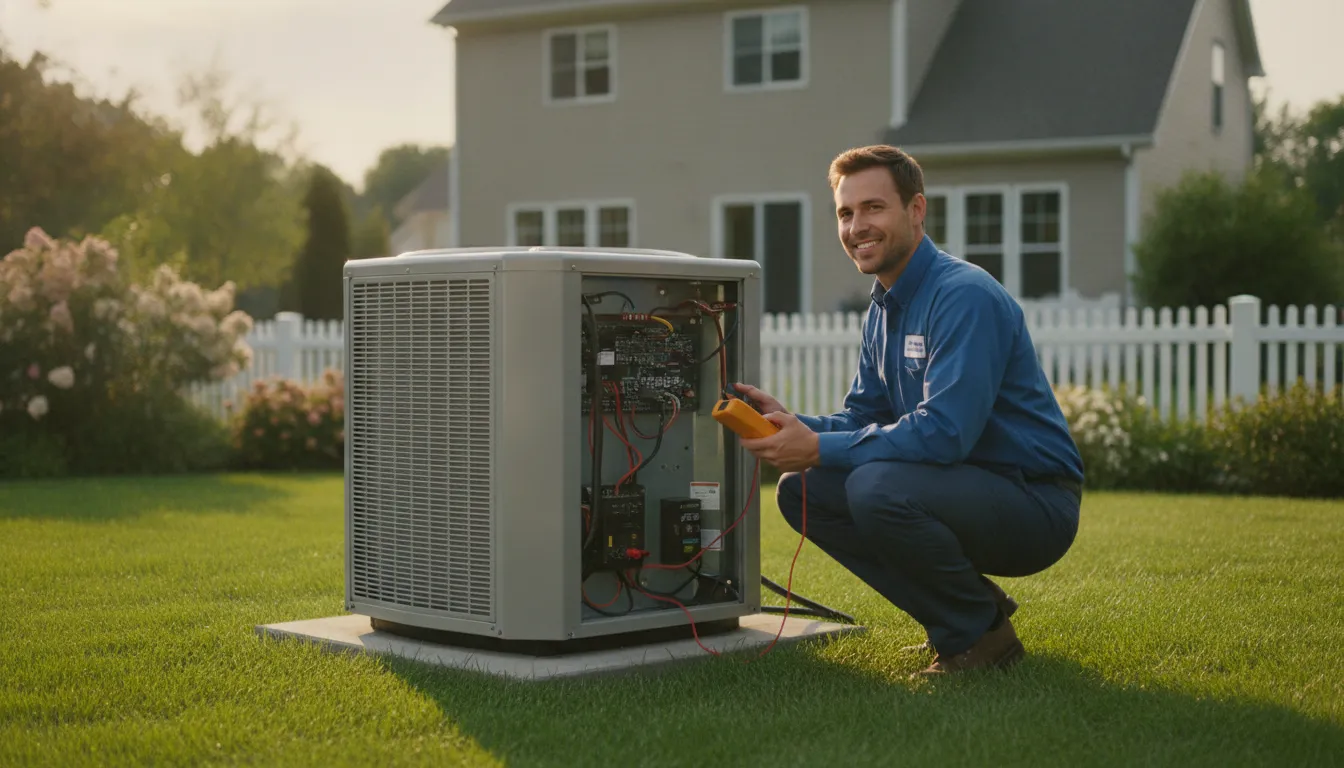
In Corpus Christi, a heat pump works through long cooling seasons while humidity and salt air add extra stress to outdoor equipment. A system that starts running constantly, blows lukewarm air, or trips a breaker should not be ignored. Small performance changes can point to airflow, refrigerant, electrical, or drainage problems that become more expensive when left unresolved.
Heat pump repair may restore comfort when the problem involves a serviceable component, such as a fan, capacitor, thermostat, or refrigerant issue. Tommy Cool Air can diagnose the system, explain whether repair or replacement makes sense, and help protect efficiency with professional maintenance tailored to Gulf Coast conditions.
Before you reset the thermostat repeatedly or open the outdoor cabinet, learn which symptoms are safe to observe. Which maintenance steps belong on your list, and when a trained technician should take over.
Schedule heat pump repair in Corpus Christi, TX
Common Heat Pump Problems Gulf Coast Homeowners Face
Heat pumps work hard in Corpus Christi, where long cooling seasons, high humidity, and salt air can expose small problems before they become major repairs. The most common trouble spots include refrigerant leaks, inaccurate sensors, blocked drainage, and failed electrical components. Some symptoms overlap, so a professional diagnosis is safer than guessing from a thermostat reading or a system that runs continuously.
Refrigerant leaks and low airflow
A heat pump does not use up refrigerant during normal operation. If the charge is low, there is usually a leak that needs to be located and repaired before the system is recharged. Low airflow can create similar performance problems when filters, coils, ductwork, or blower components restrict the movement of air.
These are not minor efficiency issues. Research published through the National Institutes of Health notes that operational faults such as refrigerant undercharge and low airflow can reduce system capacity, increase energy consumption, and shorten service life. The published heat pump fault study supports early detection and correct diagnosis instead of continued operation with an unresolved fault.
Sensor and drainage problems
Heat pumps rely on sensors and controls to determine when to change modes, manage outdoor coil temperature, and protect the equipment. A sensor that drifts out of calibration can cause confusing behavior, including premature cycling, poor heating, or a system that does not switch between heating and cooling as expected.
Drainage issues are another frequent concern in a humid coastal climate. A clogged condensate line or pan can lead to water around the indoor unit, damp materials, unpleasant odors, or a safety switch that shuts the system down. Turn the equipment off if water is accumulating, then arrange an inspection rather than repeatedly resetting the thermostat.
Electrical component failure
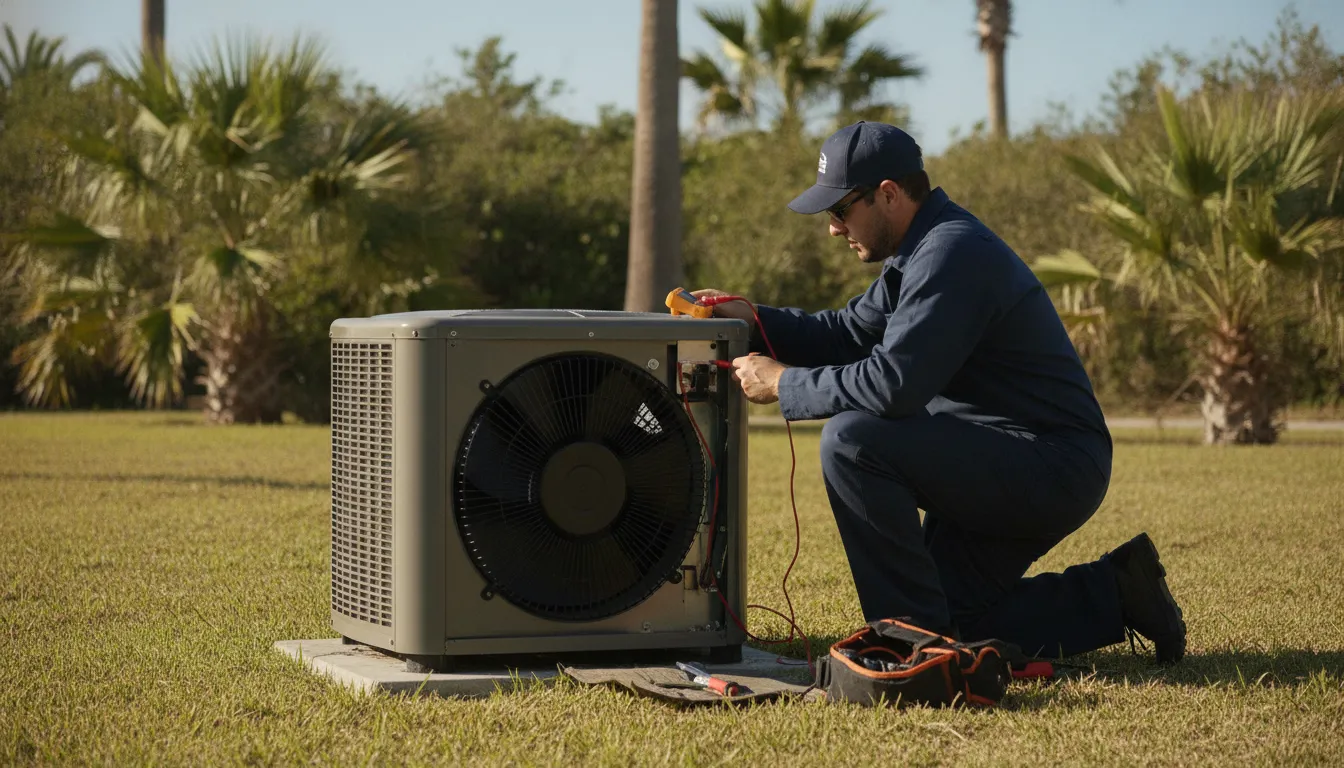
Capacitors, contactors, wiring, relays, and control boards can fail from age, electrical stress, corrosion, or repeated cycling. The result may be a heat pump that will not start, runs without moving air, trips a breaker, or operates only in one mode. Do not open the electrical compartment or keep resetting a tripped breaker. Those actions can create a safety risk and may worsen equipment damage.
During annual service, the U.S. Department of Energy recommends having a professional verify refrigerant charge and adequate airflow by measurement. DOE heat pump maintenance guidance also recommends professional service at least once a year. If the issue appears tied to the compressor or outdoor unit, Tommy Cool Air can evaluate the system and explain whether heat pump compressor repair is appropriate.
Signs Your Heat Pump Needs Repair in Corpus Christi
Your heat pump may need professional attention when its normal pattern changes. Watch for unusual sounds, weak heating or cooling, repeated starts and stops, or an energy bill that rises without a clear change in weather or usage. In a Gulf Coast home, these clues matter because a struggling system can leave you without reliable comfort when you need it most.
Listen for strange noises and check the airflow
Grinding, rattling, squealing, buzzing, or clicking that was not there before deserves investigation. A noisy outdoor fan may point to a failing fan motor or another electrical component. A system that runs but delivers no warm or cool air can have a refrigerant, airflow, sensor, or control problem. Do not remove panels or handle wiring yourself. A trained technician can test the system safely and determine whether the issue involves the fan, capacitor, thermostat, or another repairable component.
If the noise seems to come from the compressor area, note when it happens and whether the system still changes the indoor temperature. That information helps the technician narrow the diagnosis. Tommy Cool Air also offers more specialized heat pump compressor repair guidance for homeowners who hear persistent outdoor-unit sounds.
Pay attention to short cycling and rising energy bills
Short cycling occurs when the heat pump starts and stops repeatedly without completing a comfortable heating or cooling cycle. The pattern can result from a thermostat problem, restricted airflow, incorrect sizing, or a fault that prevents the system from reaching its target. A sudden jump in electricity use is another warning sign, especially when your schedule and weather are similar to previous periods. Research summarized in the fact ledger notes that low airflow and refrigerant undercharge can reduce capacity, increase energy consumption, and shorten service life. Research on heat pump fault detection explains why early diagnosis matters.
Do not ignore ice on the outdoor unit
Light frost during a defrost cycle can be normal, but heavy or persistent ice on the outdoor coil, refrigerant lines, or cabinet is a reason to call for service. Icing can restrict airflow and keep the system from transferring heat effectively. Turn the system off if ice is building rapidly, and never chip it away with a tool. A professional can check airflow, refrigerant charge, fan operation, and the defrost controls. The U.S. Department of Energy recommends professional heat pump service at least annually and advises verifying refrigerant charge and airflow by measurement during maintenance. DOE heat pump maintenance guidance provides additional context.
DIY Heat Pump Maintenance vs Calling a Professional
Routine care can help a heat pump run reliably, especially in Gulf Coast homes where dust, humidity, and salt air work the system hard. Homeowners can handle a few low-risk maintenance tasks, but anything involving sealed-system readings, electrical components, or measured performance belongs with a qualified technician. Use this checklist to decide where your work should stop.
Start with the air filter
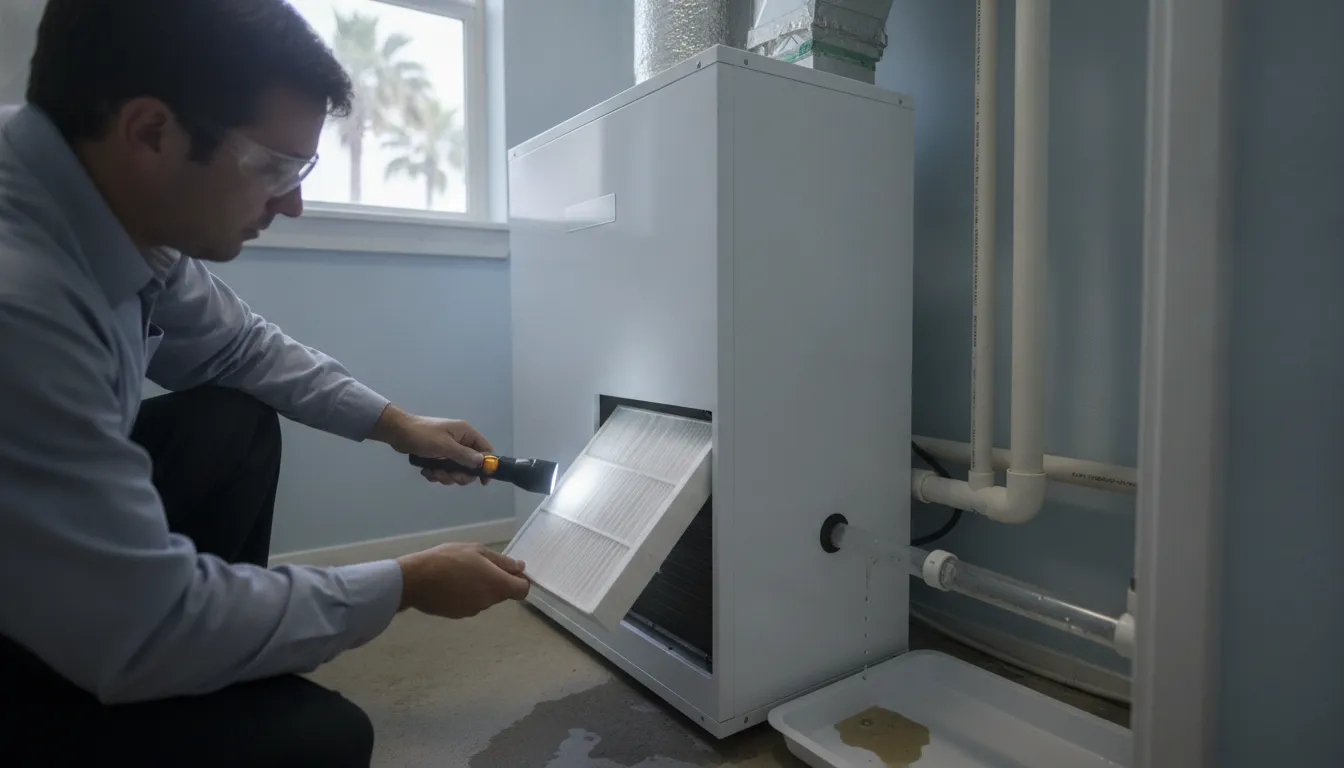
Turn the system off, then inspect the indoor filter on the schedule recommended for your home and filter type. Replace a disposable filter when it is loaded with dust, or clean a reusable filter according to its instructions. A clogged filter restricts airflow, so do not install a filter that does not fit correctly or is more restrictive than the system supports. If the filter becomes dirty unusually fast, mention that pattern during a service visit rather than repeatedly treating the symptom.
Keep the outdoor unit clear
Remove leaves, grass, branches, and other loose debris from around the outdoor heat pump. Keep plants, stored items, and yard equipment away from the cabinet so air can move freely. Do not bend the coil fins, open electrical panels, or spray water into areas you cannot see safely. In coastal neighborhoods, a professional can also assess whether corrosion or restricted airflow needs closer attention.
Use the thermostat carefully
Avoid aggressive thermostat setbacks if they cause backup electric heat strips to activate. The U.S. Department of Energy explains that this resistance heat is usually more expensive to operate because it is less efficient than the heat pump. Keep settings steady enough for the system to maintain comfort, and call for help if the thermostat behaves erratically or the system runs continuously. DOE heat pump maintenance guidance explains this operating detail.
Leave refrigerant and airflow measurements to a pro
Refrigerant charge cannot be judged accurately by sight, and adding refrigerant is not a do-it-yourself task. During annual professional service, a technician should verify refrigerant charge and adequate airflow by measurement, as recommended by the DOE. Undercharge and low airflow can reduce capacity, increase energy use, and shorten equipment life. If the heat pump is weak, noisy, or unable to reach the set point, request heat pump repair instead of adjusting components yourself.
Stop before electrical work
Capacitors, contactors, wiring, control boards, disconnects, and other electrical parts can retain dangerous energy even when the thermostat is off. Do not remove service panels or bypass a safety control. The DOE recommends professional service at least once a year, which gives Tommy & the Cool Kids an opportunity to test operation and identify developing problems before comfort is lost.
DIY care is useful for filters and clearances. Diagnosis, refrigerant work, electrical repairs, and measured airflow checks require the right equipment and training. When in doubt, leave the cabinet closed and schedule a professional evaluation.
Heat Pump Repair vs Replacement: How to Decide
A heat pump problem does not automatically mean you need a new system. The right choice depends on the unit's age, the failed component, its operating efficiency, and whether the repair is a sensible investment. A technician can test the system and explain the options before you commit to either path.
When heat pump repair usually makes sense
| Situation | What usually makes sense |
|---|---|
| The system is relatively new and the fault is isolated to a serviceable component. | Repair. A failed thermostat, capacitor, fan motor, or similar component may not justify replacing an otherwise sound system. |
| The repair is straightforward, and the system still heats and cools efficiently. | Repair. Ask for a clear diagnosis and estimate, then compare the repair with the value and expected remaining life of the unit. |
| The same system has repeated breakdowns or needs a costly major repair. | Replacement is worth evaluating. Recurring service calls can make continued ownership less practical, especially when the system is older. |
| The heat pump is more than about 10 to 15 years old. | Replacement often makes more sense. Many heat pumps last approximately 12 to 15 years, although maintenance and operating conditions affect actual service life. |
| The unit's efficiency has declined noticeably, or a major repair would cost a substantial portion of a new installation. | Compare replacement options. A new, properly sized system may provide more dependable performance and lower operating costs than continuing to repair a worn unit. |
Consider refrigerant and efficiency before deciding
Refrigerant concerns can change the economics of a repair. A leak may be repairable, but the technician should identify the cause, verify the charge by measurement, and explain any refrigerant-related limitations or phaseout considerations that apply to the equipment. Do not base the decision on age alone.
Low airflow and an incorrect refrigerant charge can reduce capacity, increase energy use, and shorten service life. That makes a measured diagnosis more useful than guessing from a high utility bill or a system that runs continuously. Tommy Cool Air handles both heat pump repair and replacement, so the recommendation can focus on the equipment's condition, your comfort needs, and the long-term value of each option. Schedule a heat pump evaluation to review the next step.
Sources: U.S. Department of Energy heat pump maintenance guidance; research on heat pump fault detection.
Why Salt Air and Humidity Affect Your Heat Pump Repair
Corpus Christi heat pumps work in a demanding environment. Gulf Coast humidity, salt carried inland from the coast, and long cooling seasons can add stress that is easy to miss during a quick visual check. Corrosion and moisture do not always cause an immediate shutdown. They can gradually change how coils, electrical connections, and airflow components perform, which may make a repair more involved than replacing one obvious part.
Where coastal conditions create trouble
Salt air can settle on outdoor coils and condenser fins. Over time, that residue can contribute to corrosion and reduce the coil's ability to transfer heat. Bent or deteriorating fins can also restrict the outdoor unit's airflow. When the system cannot release heat effectively in cooling mode, or absorb it efficiently in heating mode. It may then run longer and place additional strain on the compressor and other components.
Humidity creates a different set of concerns. Moisture can collect around electrical terminals, contactors, capacitors, and wiring, especially when outdoor temperatures and indoor operating conditions create condensation. Corrosion at a connection can increase electrical resistance or produce an intermittent fault. Drainage issues can also leave water where it should not be, creating a safety concern and contributing to repeated service calls. A technician should identify the source rather than simply replacing the part that failed first.
What this means for repair frequency
Coastal exposure does not guarantee that a heat pump will fail, and there is no reliable repair schedule that applies to every home. It does mean condition matters. A unit near the bay, on Padre Island, or in another exposed area may need closer inspection than a comparable system farther inland. Annual professional service is recommended by the U.S. Department of Energy, including measured checks of refrigerant charge and airflow: heat pump maintenance guidance from the Department of Energy.
Tommy Cool Air's Cool Kids understand how Gulf Coast conditions affect local homes and businesses. During heat pump repair, the team can look beyond the immediate symptom. Inspect vulnerable outdoor and electrical components, and explain whether maintenance, a targeted repair, or a larger correction makes sense. Keeping coils clean, protecting airflow, and addressing corrosion early can help preserve the efficient heat transfer that makes heat pumps valuable. The Department of Energy notes that air-source heat pumps can use substantially less electricity for heating than electric resistance systems, so protecting proper operation matters.
What to Expect From Emergency Heat Pump Repair
When a heat pump stops heating or cooling, the first step is a quick phone triage. Call or text Tommy Cool Air at (361) 852-4450 and describe what changed, when it started, and whether you notice unusual sounds, odors, water, or electrical concerns. If the system is unsafe, switch it off and tell the Cool Kids team what you observed. This information helps the dispatcher understand the urgency and send the right help.
From the first call to dispatch
During triage, a technician may ask whether the thermostat has power, whether the outdoor unit is running, and whether airflow has changed. Avoid repeatedly resetting breakers or opening panels. If there is an immediate safety concern, follow the technician's instructions while dispatch coordinates the next available response. Tommy & the Cool Kids provide 24/7 service for urgent heating and cooling needs across Corpus Christi and surrounding Gulf Coast communities.
For broader service details, see emergency heating repair in Corpus Christi. If the call points to a compressor problem, our guide to heat pump compressor repair provides additional background.
What happens during diagnosis
At the home, the technician should start by confirming the symptoms and checking the system's operating sequence. Diagnosis may include inspecting electrical components, airflow, controls, drainage, and refrigerant-related performance. The U.S. Department of Energy recommends professional heat pump service at least once a year, including verifying refrigerant charge and adequate airflow by measurement. Those checks matter during an emergency because low airflow or an incorrect charge can reduce capacity, increase energy use, and shorten equipment life.
A clear explanation before repair
Before work begins, expect an explanation of the diagnosed issue, available repair options, and quote-based pricing. Ask what is urgent, what can wait, and whether a temporary adjustment is safe. Tommy Cool Air's Cool Kids Comfort Club membership can also support homeowners who want a more proactive maintenance relationship. For urgent service, call or text rather than waiting for an online form. For non-emergency scheduling or a quote, use the Tommy Cool Air contact page.
Get a heat pump repair quote in Corpus Christi
Frequently Asked Questions
What are the most common heat pump problems?
Homeowners commonly encounter refrigerant leaks, sensor problems, clogged drainage, and failed electrical components. In Corpus Christi, salt air and humidity can add stress to coils and electrical connections. Weak airflow, unusual sounds, frequent icing, or reduced heating and cooling are good reasons to schedule a professional inspection.
Can a heat pump be repaired?
Yes. Many problems involve repairable parts such as a fan motor, capacitor, thermostat, sensor, drain component, or electrical connection. Refrigerant concerns and electrical work require qualified service because accurate diagnosis matters. An undercharged system or restricted airflow can reduce capacity, increase energy use, and shorten equipment life, according to research published through PMC.
When should I repair or replace my heat pump?
Repair is usually sensible when the unit is relatively new, the fault is isolated, and the repair cost is reasonable. Replacement deserves consideration when the system is around 10 to 15 years old, repairs are becoming frequent or expensive, or performance and efficiency remain poor after proper service. Ask for a clear diagnosis and compare the likely remaining life with upgrade costs.
What heat pump maintenance can I do myself?
Replace or clean the filter as directed, keep leaves and debris away from the outdoor unit, and check that supply and return vents remain open. Do not open refrigerant circuits or attempt electrical repairs. The U.S. Department of Energy recommends professional heat pump service at least once a year, including measured checks of refrigerant charge and airflow: heat pump maintenance guidance.
When should I call for emergency heat pump repair?
Call promptly if the system stops heating or cooling during extreme weather, repeatedly trips a breaker, leaks water, smells like burning, makes a severe mechanical noise, or develops heavy icing. Turn the system off if continued operation may cause damage, then contact Tommy Cool Air for 24/7 call-or-text support at (361) 852-4450.
Ready to Get Help With Heat Pump Repair?
If your heat pump is not keeping your Corpus Christi home comfortable, a professional evaluation can help clarify the next step. Call Tommy Cool Air at (361) 852-4450 for 24/7 emergency heat pump repair in Corpus Christi. The Cool Kids team can listen to what you are experiencing and help you decide how to proceed.