Last Updated: November 18, 2026
Quick Summary
Response time is the gap between your call and the moment a technician starts working on your system, not just the moment someone answers the phone. A good hvac emergency response covers four clocks: call-back, dispatch, arrival, and repair time, so ask about all four before you book.
- True emergencies include no cooling in extreme heat, gas odor, burning smell, sparking, or water pouring from the unit.
- Weak airflow, one warm room, a strange rattle, or a fussy thermostat can usually wait until morning.
- If you smell gas, leave the building and call your gas utility or 911 from a safe distance.
- Summer heat drives call volume up, so a 100-degree afternoon means longer arrival windows.
- Ask what the after-hours charge covers and whether techs confirm repairs before starting work.
AC out and not sure how fast help can come?Tommy Cool offers 24/7 emergency AC and heating service in Corpus Christi with honest, transparent pricing.Get Emergency AC Help
Table of Contents
- What Counts as an HVAC Emergency (And What Can Wait)
- Call-Back, Dispatch, Arrival, Repair: What Response Time Actually Means
- How Long Does Emergency AC Repair Take?
- What to Do While Waiting for an HVAC Technician
- What Affects Technician Arrival Time Around Corpus Christi
- Questions to Ask an Emergency HVAC Company Before You Book
- Call Tommy Cool When the Heat Won't Wait
- Frequently Asked Questions
What Counts as an HVAC Emergency (And What Can Wait)
Here in Corpus Christi, we know the feeling. It's August, the house is heating up like a cast-iron skillet, and your AC just quit. You want to know one thing: how fast can somebody get here?
At Tommy Cool, we've been answering that question for Corpus Christi homeowners since 1994. So let's talk honestly about HVAC emergency response time expectations, because the truth is simpler than most folks think. Not every breakdown is an emergency. Some problems can wait until morning. Others can't.
An HVAC emergency is any failure that threatens health, safety, or property, such as no cooling during dangerous heat, no heat in a cold snap, or a burning smell, gas odor, or electrical issue.
Here's the quick breakdown:
- True emergency: no cooling in extreme heat, no heating in a cold snap, gas odor, burning smell, sparking, or water pouring from the unit.
- Can usually wait: a weak airflow, one room running warm, a strange rattle, or a thermostat acting up.
- Watch out: if anyone in the home is elderly, very young, or has health issues, treat a cooling failure as urgent even when the outdoor temperature seems mild.
If you're weighing whether your situation is truly urgent, this deeper guide on whether emergency HVAC service is worth it walks through the call.
Call-Back, Dispatch, Arrival, Repair: What Response Time Actually Means
Most people hear "fast response" and picture a van in the driveway. That's only one piece of the puzzle. The real answer depends on which clock you're watching.
Response time is the gap between your call and the moment a technician starts working on your system, not just the moment someone answers the phone.
Four clocks matter:
- Call-back time: how long until a live person or a dispatcher reaches you.
- Dispatch time: how long until a tech is assigned and rolling.
- Arrival time: when the van pulls up.
- Repair time: how long the actual fix takes.
A company can be lightning-fast on the first three and still leave you waiting on parts. Ask about all four, not just one.
Response time isn't one clock, it's four, and here's what each one measures.
- Call-back time: What it measures: How long until a live person or dispatcher reaches you
- Dispatch time: What it measures: How long until a tech is assigned and rolling
- Arrival time: What it measures: When the van pulls up
- Repair time: What it measures: How long the actual fix takes
How Long Does Emergency AC Repair Take?
Straight answer: the arrival window is usually the short part. The repair itself depends on what's broken. That's the honest version, and we'd rather give it to you than a number we can't back up.
A few things shape the timeline:
- The diagnosis: a quick system check often points to the problem fast.
- Parts availability: a common part may be on the truck; a rare one may need ordering.
- System age and type: older or unusual systems can slow things down.
- The actual fix: a capacitor swap is quick; a compressor job is not.
When the issue is simple and the part is on hand, a visit can often be wrapped up quickly. When it isn't, a good company tells you up front instead of leaving you guessing. That's the difference between a service call and a runaround.
What to Do While Waiting for an HVAC Technician
Waiting is the worst part. Here's how to stay comfortable and safe until help arrives, and the steps change depending on what kind of emergency you're dealing with. First, breathe. You've already made the call, and that's the hard part.
If you smell gas or suspect a gas leak: leave the building. Don't flip switches, don't use your phone inside, and don't try to find the leak yourself. Get everyone out, including pets, and call your gas utility or 911 from a safe distance.
If you smell burning, see smoke, or notice sparking: shut the system off at the thermostat and, if you can safely reach it, at the breaker.
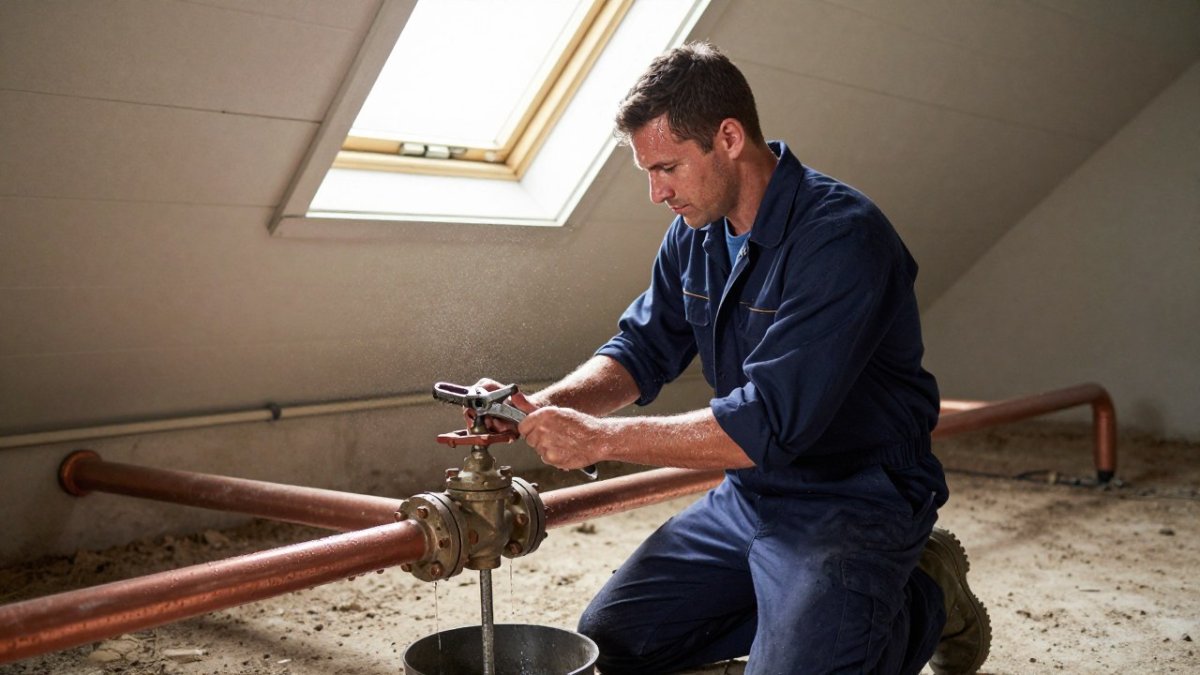
If water is pouring from the unit or ceiling: shut the system off at the thermostat and, if safe, at the breaker, then shut off the water supply to the unit if you can locate the valve.
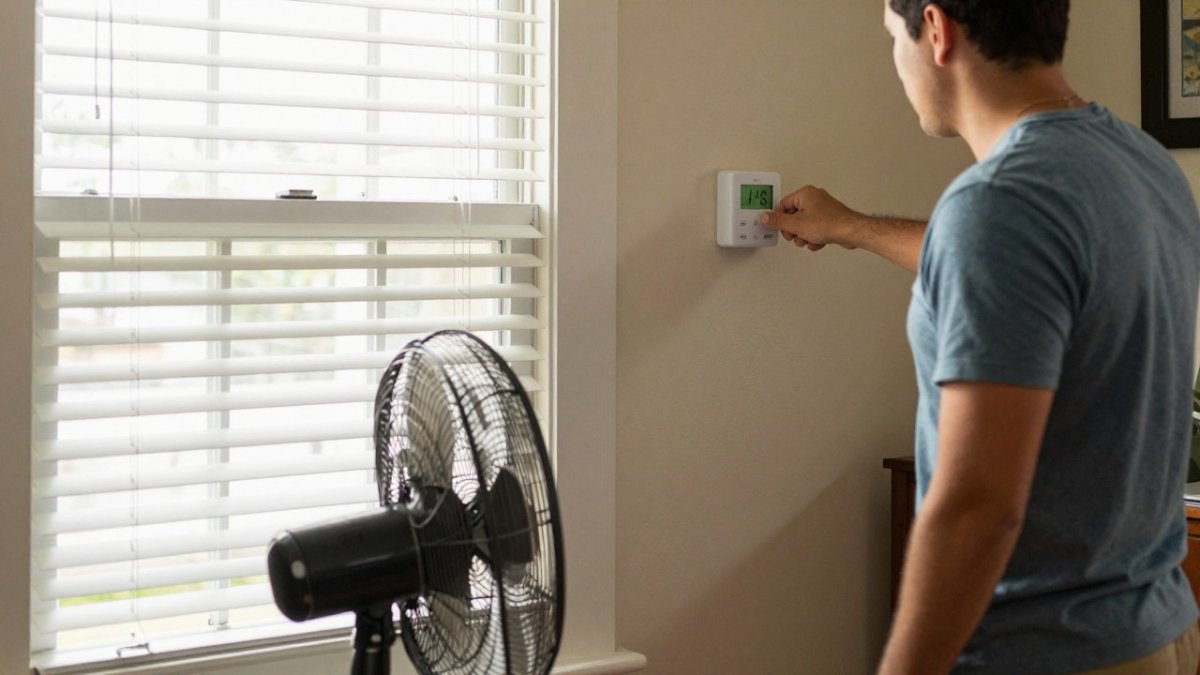
If it's a cooling failure with no safety hazard: this is the most common call, and the goal is comfort and safety until the tech arrives. Close blinds and curtains on sun-facing windows to block heat.
Check on vulnerable occupants. Infants, older adults, and anyone with a medical condition are at higher risk when indoor temperatures climb (the CDC).
Watch out: don't open panels, poke at wiring, or add refrigerant yourself while you wait. Those are jobs for a licensed tech, and a well-meaning DIY attempt can turn a repair into a replacement.
For a full walkthrough of the first steps in a breakdown, see what to do in an AC emergency.
What Affects Technician Arrival Time Around Corpus Christi
Arrival time isn't a fixed number. It moves with the day, the weather, and the workload. Around here, a few local factors matter, and understanding them is the difference between a calm wait and a frustrated one.
Let's start with the big one: summer heat drives call volume way up. When the whole city is sweating, every company is juggling more calls than trucks. A dispatcher who had three techs free at 9 a.m. may have none free by 2 p.m. That's not a knock on any company. It's just physics and arithmetic having a disagreement.
Coastal humidity and salt air also wear on outdoor units. Condenser coils on the island and near the bay pick up salt film and grime faster than units inland, and that film makes the system work harder and fail sooner. The result is that breakdowns tend to cluster in the same neighborhoods at the same time of year, which can stretch arrival windows for everyone.
Add in travel. Corpus Christi spreads out along the water, and a tech crossing town on South Padre Island Drive or navigating the Harbor Bridge corridor during a rush can lose time that has nothing to do with how fast the shop dispatched. A short drive on a map is not always a short drive in real life.
Here's what shapes the arrival window, in plain terms:
- Call volume: peak heat and cold snaps mean longer waits. A 100-degree afternoon is the HVAC equivalent of a Friday-night restaurant rush.
- Weather conditions: storms and flooding slow travel and repair. Techs don't teleport, and neither do parts.
- Technician availability: more crews on shift means faster dispatch. Ask how many techs a company runs after hours.
- Your location and service area: closer to the shop usually means quicker arrival. Confirm your address is inside the service area before you wait.
- Priority level: true safety hazards jump the line. A gas odor outranks a warm bedroom, and it should.
- Parts on hand: a common capacitor or contactor may already be on the truck; a specialty part may need a supply-house run or an order.
That's why we give an arrival window, not a promise of a stopwatch time. Honest beats optimistic. A window you can plan around is worth more than a number nobody can hit.
Watch out: if a company quotes an exact minute on a 100-degree Saturday, ask what happens when the schedule slips. The answer tells you a lot about how they treat people.
One practical move: when you call, tell the dispatcher your address, the system type, and whether anyone in the home is vulnerable. That information helps a good dispatcher sequence the day and gives you a more realistic window.
Questions to Ask an Emergency HVAC Company Before You Book
Before you commit, ask a few pointed questions. The answers tell you whether you're dealing with a pro or a gamble.
Ask these:
- What's your real arrival window tonight? A range, not "soon."
- How do you prioritize calls? Safety hazards should come first.
- Is there an after-hours or emergency charge, and what does the diagnostic visit include? Get it in plain terms before you say yes.
- Are your techs certified and licensed? Ask for credentials.
- Do you confirm the repair and any charges with me before starting work? You should never get a surprise bill.
- What's your service area, and do you cover my address? Confirm before you wait.
Want to understand what an emergency visit involves before you dial, see what emergency repair typically includes. And if you're still choosing a company, this guide on how to choose an HVAC contractor in Corpus Christi covers licensing, warranties, and local experience.
Call Tommy Cool When the Heat Won't Wait
So here's the bottom line on HVAC emergency response time expectations: the number on a website matters less than how a company treats you when it's 100 degrees and your house is losing the battle.
We're locally owned and operated, and we've been keeping Corpus Christi comfortable since 1994. Our certified contractors back every job with a 100% satisfaction guarantee. We run 24/7 emergency service for cooling and heating, and we believe in honest, transparent pricing, so you know where you stand. We're in the people business. Air conditioning just happens to be how we serve you.
When the heat won't wait, we're ready. Visit our emergency heating page to book fast help now. Get started with Tommy Cool and get your home back to cool, calm, and comfortable.
Don't sweat it out alone. When your system quits, a fast, honest answer is one call away. Reach out to Tommy Cool for 24/7 emergency AC and heating service across Corpus Christi, backed by certified contractors and transparent pricing. Be Coool, Corpus Christi.
Frequently Asked Questions
What is a reasonable response time for emergency HVAC service?
There is no single industry-wide number, and any company that promises an exact minute is guessing. A reasonable expectation is a quick call-back to confirm the problem, a clear arrival window, and a technician on site the same day for true no-cool or no-heat calls. Ask how the company defines response time, because some count the phone call and others count the driveway. Getting that definition up front tells you more than any advertised number.
Does 24/7 HVAC service mean a technician will arrive immediately?
No. 24/7 availability means someone answers the phone and dispatch runs around the clock, not that a truck appears in minutes. Calls get prioritized by urgency: no cooling in extreme heat, gas odor, or a burning smell jump ahead of routine calls. Arrival depends on call volume, technician availability, travel time, and parts. Ask for an arrival window when you book so you know what to expect.
When should I turn off my HVAC system and call for help?
Shut the system off at the thermostat if you smell gas, notice a burning smell, see sparks or exposed wiring, hear loud grinding or banging, or find water pooling around the unit. Those are safety hazards, and running the system can make them worse. If the house is just warm with no odd smells or sounds, you can leave it running while you call. When in doubt, off is the safer choice.
How can I explain an HVAC emergency clearly when I call?
Lead with the safety details first: any gas odor, burning smell, or electrical issue. Then describe what the system is doing, such as blowing warm air, not turning on, or short-cycling. Mention who is in the home, especially infants, elderly family members, or anyone with health conditions. Give your address and the best number to reach you. A clear description helps dispatch prioritize your call and send the right technician with the right parts.
 Add tommycool.com as a preferred source on Google →