It's a stressful moment for any homeowner: you hear the air conditioner running, but feel nothing coming from the vents. When your AC not blowing air, it’s easy to jump to the worst-case scenario. But before you worry about a costly repair bill, take a deep breath. The problem is often a simple maintenance issue you can fix in minutes. Let's walk through the most common culprits, from a clogged air filter to a tripped circuit breaker, so you can diagnose the problem and get your cool air flowing again.
Key Takeaways
- Start with the basics before you panic: Most airflow problems stem from simple issues you can fix yourself, like a dirty air filter, incorrect thermostat settings, or a tripped circuit breaker.
- Prevent problems with regular maintenance: The best way to avoid a breakdown is through consistent care. Change your air filter every one to three months and schedule an annual professional tune-up to keep your system running smoothly.
- Recognize the signs that require an expert: If you've tried the simple fixes and still have no air, or if you notice serious symptoms like grinding noises, ice on the coils, or a breaker that keeps tripping, it's time to call a professional.
Why Is My AC Not Blowing Air? 6 Common Reasons
There’s nothing quite like that sinking feeling when your AC unit is humming along, but you feel zero air coming from the vents. On a hot Corpus Christi day, that’s an emergency. When your air conditioner is running but not blowing air, it’s a clear sign that something is wrong. The good news is that the cause is often a simple fix you can handle yourself. From a dirty filter to a tripped breaker, a few common issues are responsible for most airflow problems. Let's walk through the most likely culprits so you can figure out what’s going on with your system and get that cool air flowing again.
Your Air Filter Is Clogged
This is the number one cause of airflow issues, and luckily, it's the easiest to fix. Your AC’s air filter is designed to trap dust, pollen, and other debris, but over time, it can become so clogged that it chokes off the airflow. Think of it like trying to breathe through a thick blanket. When air can't get through, your system can't push it out into your home. This not only stops the cool air from reaching you but can also cause the system to overwork and even freeze up. You should check and replace your filter every one to three months to keep your system breathing easy.
You Have Frozen Evaporator Coils
If your air filter is clean, the next thing to check for is ice. The evaporator coil is the part of your indoor AC unit that absorbs heat from the air. For it to work correctly, it needs constant airflow. When that airflow is blocked, often by a dirty filter, the coil gets too cold and the condensation on it freezes solid. This block of ice will completely obstruct any air from passing through. If you see ice, turn your thermostat off and switch the fan to "On" or "Fan Only." This will help thaw the ice, which can take a few hours. Once it's thawed, you still need to fix the underlying airflow problem.
Low Refrigerant Levels
While a frozen coil can be caused by a simple clogged filter, it can also signal a more serious issue like low refrigerant. Your AC doesn’t "use up" refrigerant; it circulates it in a closed loop. If the level is low, it means there’s a leak somewhere in the system. This leak reduces your AC's cooling power and can cause the pressure in the system to drop, leading the evaporator coils to get too cold and freeze over, blocking airflow. Topping off the refrigerant without fixing the leak is only a temporary fix. A certified technician needs to find and repair the leak and then recharge the system to the correct level. This isn't a DIY job, so if you suspect a leak, it's time to call for professional air conditioning repair.
Thermostat Set Too Low
Sometimes the problem isn't with your AC unit at all, but with its control panel. Before you assume the worst, take a moment to check your thermostat settings. It sounds simple, but it’s a common oversight. First, make sure it’s set to “Cool” and the temperature is set lower than the current room temperature. Next, check the fan setting. If it’s set to “On,” the fan will run continuously, even when the AC isn’t cooling. The “Auto” setting is usually best, as it ensures the fan only runs when the system is actively cooling. Also, if your thermostat is battery-powered, dead batteries could be the culprit. A quick check of these thermostat basics can often solve the problem in minutes.
Stuck Contactor in the Outdoor Unit
This next one is a bit more technical. The contactor is an electrical switch in your outdoor unit that tells the compressor and fan when to turn on and off. If this switch gets stuck in the "on" position, your outdoor unit will run continuously, even when the thermostat isn't calling for cool air. This constant operation can cause your indoor evaporator coils to get excessively cold and freeze into a solid block of ice, which completely stops air from flowing through your vents. You might hear the outdoor unit running nonstop as a clue. Because this involves high-voltage components, a stuck contactor is a problem best left to a trained professional. If you suspect this is the issue, it's safest to contact an HVAC technician to inspect and replace the part.
Is the Blower Motor to Blame?
The blower motor is the heart of your AC's airflow system; it’s a powerful fan that pushes the cool air through your ductwork and into your home. If the motor fails, your AC will run, but no air will move. You might hear strange grinding or squealing noises coming from your indoor unit, or you might hear nothing at all when the fan should be running. A broken blower motor is not a DIY fix and involves working with high-voltage components. If you suspect this is the issue, it’s best to turn off the system and call for professional air conditioning services to handle it safely.
Failed Capacitor
Think of the capacitor as a small battery that gives the blower motor the kick-start it needs to get going. If this component fails, the motor won't have enough power to start spinning. You might hear a humming or buzzing sound coming from your indoor unit as the motor tries to engage, but no air will actually move. A failed capacitor is a common wear-and-tear issue, but replacing it involves handling electrical components that can hold a dangerous charge even when the power is off. For your safety, diagnosing and replacing a bad capacitor is a job best left to a qualified technician.
Broken Blower Belt
While less common in newer, direct-drive air conditioners, many older systems use a rubber belt to connect the blower motor to the fan. Over time, this belt can become brittle, crack, and eventually snap. When that happens, the motor might still be running perfectly, but since it's no longer connected to the fan, the fan won't spin. You might hear a loud squealing or thumping sound right before it breaks. If you have an older unit and suspect a broken belt, a professional can quickly confirm the issue and install a replacement to get your air moving again.
Bad Relay
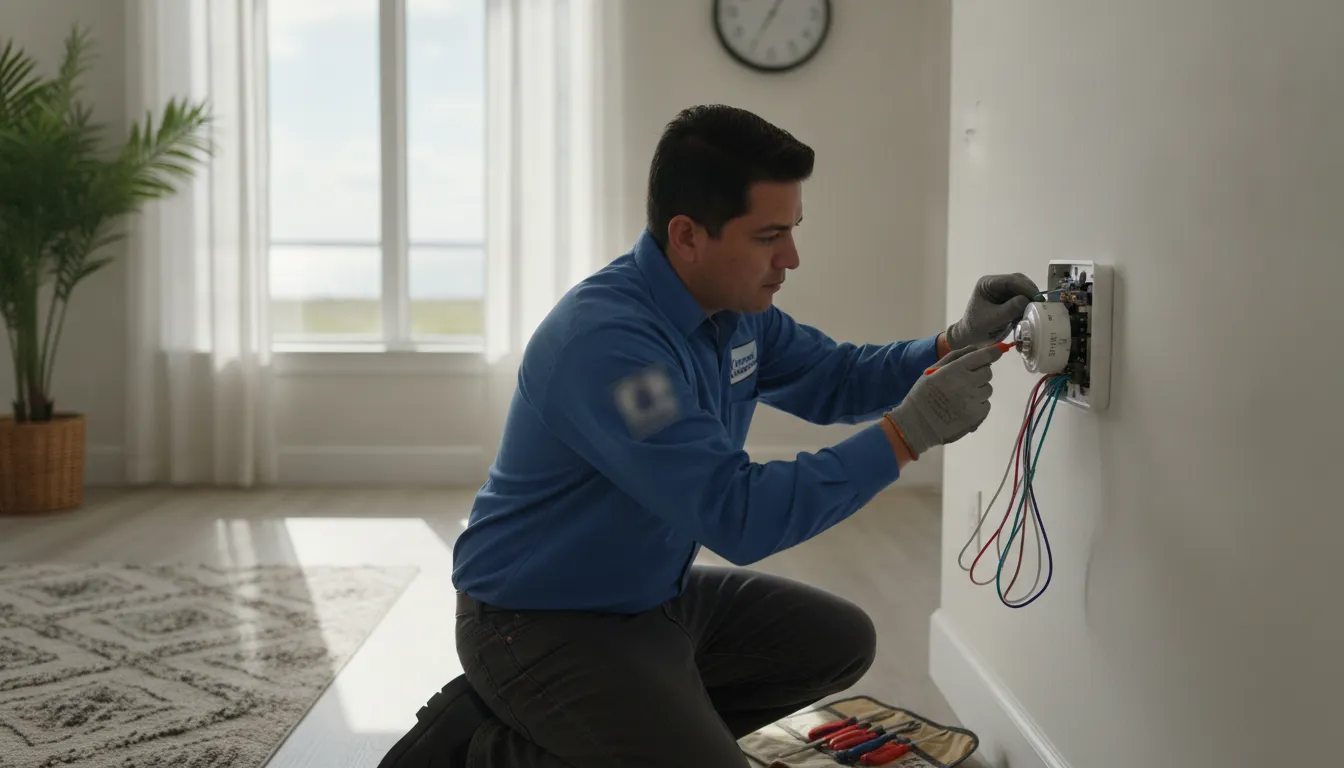
The blower motor relay is an electrical switch that takes commands from your thermostat and tells the fan when to turn on and off. If this relay goes bad, it can get stuck in the "off" position, meaning the signal to start never reaches the blower motor. Your outdoor unit might be running, and your thermostat might say the AC is on, but the fan inside won't get the message. Because this involves testing and replacing electrical parts within your system's control board, it's a complex task that requires the expertise of a certified HVAC professional.
Something Is Blocking Your Ductwork
Your home’s ductwork is the network of tunnels that delivers cool air to each room. If a section of this ductwork is crushed, disconnected, or severely blocked by debris, it can stop airflow to parts or all of your house. You can do a quick visual inspection of any accessible ducts in your attic or crawl space to look for obvious damage. Sometimes, a piece of furniture or a rug can block a return air vent, which restricts the air being pulled into the system. Make sure all your vents are open and unobstructed. For issues deep within the ducts, you'll need a professional to take a look.
Your Condensate Drain Line Is Clogged
As your air conditioner cools your home, it also pulls a lot of moisture from the air. This condensation has to go somewhere, so it drains out of your house through a small pipe called a condensate line. Over time, this line can get clogged with algae, mold, and other gunk. To prevent water from backing up and causing damage to your home, most AC systems have a safety float switch. When the water level rises too high, this switch automatically shuts off your indoor unit, including the blower fan. You might be able to clear the clog yourself by using a wet/dry shop vacuum on the drain line's outdoor exit, but if the problem persists, it’s a sign you need professional AC service.
You Have Deeper System and Ductwork Issues
If you’ve tried all the simple fixes and your vents are still silent, the problem might be hidden within your walls or attic. Ductwork that is crushed, disconnected, or has a severe blockage can completely stop airflow to parts or all of your home. In some cases, the ductwork may have been improperly sized for your system from the start, leading to persistent issues with air pressure and distribution. Diagnosing and fixing these kinds of problems is not a DIY job. If you suspect your ductwork has major damage or you’ve exhausted all other options, it’s best to call a professional who can safely inspect the entire system and find the root cause.
Could It Be a Simple Thermostat Issue?
Sometimes the problem is much simpler than you think. Your thermostat is the brain of your HVAC system, and a wrong setting can prevent it from working correctly. Before you panic, double-check that your thermostat is set to "Cool" and that the temperature is set lower than the current room temperature. If the fan is set to "Auto," it will only blow when the system is actively cooling. A dead battery can also cause the thermostat to stop communicating with your AC unit. These simple checks can save you a lot of time and worry.
Is Your AC Unit Getting Power?
Your air conditioner has two main parts: an indoor unit and an outdoor unit. Both need power to function. If the indoor unit’s fan isn’t blowing, it could be because it isn't receiving power. A common reason for this is a tripped circuit breaker. Head to your home's electrical panel and look for the breaker labeled "AC," "Air Handler," or "Furnace." If it's in the "Off" or middle position, switch it fully off and then back on. If the breaker trips again right away, don't reset it again. This indicates a more serious electrical problem that requires an expert.
5 Steps to Troubleshoot Your AC Yourself
When your AC stops blowing air, it’s tempting to assume the worst. That sudden, warm silence can be stressful, especially on a sweltering Corpus Christi day. But before you panic, there are several simple troubleshooting steps you can take on your own. Often, the culprit is a minor issue you can fix in just a few minutes without needing to call a professional. Walking through these checks can save you time and money, and get your cool air flowing again quickly. This guide is designed to empower you to take the first look. We'll walk through the most common reasons your AC might not be blowing air, from a simple clogged filter to a tripped breaker. Let's get started.
1. Check the Air Filter
This is always the best place to start. A dirty air filter is one of the most frequent reasons for AC airflow problems. When the filter gets clogged with dust, pet dander, and other debris, it chokes your system and prevents air from passing through. This not only reduces cooling but can also cause your AC’s evaporator coils to freeze over. Find your filter, which is usually located in the indoor air handler or a return air duct, and slide it out. If you can’t see light through it, it’s time for a new one. We recommend replacing your filter every 1 to 3 months to keep your system running smoothly as part of your regular air conditioning services.
2. Inspect Your Thermostat
It might sound too simple, but you’d be surprised how often the thermostat is the source of the problem. First, make sure your thermostat is set to "COOL." Next, check that the temperature is set at least a few degrees below the current room temperature. If it’s not, the AC won’t have a reason to turn on. Also, take a look at the fan setting. If it’s set to "ON," the fan will run constantly, even when the cooling cycle is off, which can make it seem like the air isn't cold. Setting it to "AUTO" ensures the fan only runs when the AC is actively cooling. For more answers to common issues, you can always check our FAQs.
3. Look for Icy Coils
If your filter is clean but you’re still not getting air, check for ice buildup on your indoor unit’s evaporator coil. This coil is responsible for absorbing heat from your home’s air, and when something goes wrong, it can get cold enough to freeze the condensation on its surface. A thick layer of ice will completely block airflow. If you see ice, turn your thermostat off, but switch the fan to "ON" to help melt the ice faster. While this solves the immediate airflow problem, ice is a symptom of a bigger issue, like low refrigerant or a dirty filter. Once the ice is gone, the underlying cause still needs to be addressed.
A Quick Warning on Thawing Ice
It can be tempting to think that once the ice is gone, the problem is solved, but that's not the case. Melting the ice is just a temporary fix to restore airflow. Remember to turn the cooling function off at your thermostat but leave the fan set to "ON." This circulates room-temperature air over the coils and is the safest way to thaw them. Be patient, as this can take several hours. Whatever you do, don't try to chip or scrape the ice off with any tools. The evaporator coils and their delicate fins are easily damaged, and a simple mistake could lead to a costly refrigerant leak. Once the ice has melted, the underlying issue that caused it—whether it's poor airflow or low refrigerant—still needs a professional to diagnose the real problem.
4. Make Sure Your Vents Aren't Blocked
Your AC can’t cool your home if the air has nowhere to go. Take a quick walk around your house and check all the supply vents (the ones blowing air out). Make sure they are open and not blocked by furniture, rugs, curtains, or anything else. It’s a common misconception that closing vents in unused rooms saves energy. In reality, it can disrupt your system’s balance and put extra strain on the unit. Proper airflow is essential for both comfort and good indoor air quality, so keep those pathways clear for your system to work efficiently.
5. Try Resetting the Circuit Breaker
Finally, if nothing else has worked, head to your home’s electrical panel. Your air conditioner is a powerful appliance that runs on its own dedicated circuit. A power surge or an electrical fault can cause its breaker to trip, cutting off power to the unit. Find the breaker labeled for your AC or air handler. If it’s in the middle or "OFF" position, flip it all the way off and then back on again. If the breaker trips again right away, don’t keep resetting it. This indicates a more serious electrical problem that needs a professional diagnosis, and it’s time to contact us for help.
6. Check for Error Codes on the Control Board
If you’ve worked through the other steps and are still stumped, it’s time to play detective with your AC’s control board. Think of the control board as the brain of your HVAC system. Many modern units have a built-in diagnostic system that uses a small LED light to flash error codes when something is wrong. You'll typically find this board inside the indoor air handler unit. If you see a blinking light, the pattern of the flashes is a code. Your owner's manual is the key to deciphering what it means. This code can pinpoint the exact problem, telling you whether it's a minor issue or something that needs an expert's touch.
A specific error code might point to a failing component, like the blower motor or a sensor. While knowing the code is helpful, it doesn't always mean it's a DIY fix. The control board and its related parts involve high-voltage electricity, which can be dangerous to handle without proper training and tools. If the code indicates a serious electrical or mechanical failure, or if the board itself seems to be the problem, your safest bet is to turn off the power to the unit at the breaker and call for professional air conditioning services. Our team can accurately diagnose the issue and handle the repair safely.
When to Stop DIYing and Call for AC Repair
You’ve done the basic checks, but your home still feels like a sauna. While DIY troubleshooting is a great first step, some AC problems are complex and even dangerous to handle on your own. Knowing when to put down the tools and pick up the phone can save you time, money, and a lot of frustration. If you notice any of the following signs, it’s a clear signal that your system needs a professional’s touch.
Your DIY Fixes Aren't Cutting It
First off, props to you for trying to solve the problem yourself. But if you’ve replaced the filter, checked the thermostat, and reset the breaker with no luck, it’s time to call in the experts. Continuing to experiment with the system without a clear diagnosis can sometimes make a small problem much worse. A professional technician has the right tools and experience to find the root cause quickly and safely, getting your cool air back on without the guesswork. This is the point where a professional air conditioning service becomes your best bet.
Your AC Is Making Strange Noises
Your AC should be relatively quiet while it’s running. If you suddenly hear loud grinding, squealing, or clanking sounds, don’t ignore them. These noises are your system’s way of crying for help. A squealing sound could point to a belt issue, while grinding often means the motor’s bearings are shot. Turning the system off immediately is the best course of action to prevent a complete breakdown. A trained technician can identify the source of the noise and replace the failing part before it causes a chain reaction of damage to other components.
There's Ice on the Unit (and That's Not Good)
Ice on your AC unit might look cool, but it’s a definite red flag. This usually happens on the evaporator coils and is a sign that your system isn’t absorbing heat correctly. The cause could be anything from a dirty filter restricting airflow to a refrigerant leak. While you can turn off the AC and run the fan to melt the ice, this is only a temporary fix. The underlying problem will just cause the ice to return. A professional needs to diagnose the cause to prevent serious damage to your compressor, which is one of the most expensive parts to replace.
Your Energy Bills Are Suddenly Sky-High
Have you noticed your electricity bill creeping up for no apparent reason? Your air conditioner could be the culprit. When an AC system has a problem, like a failing motor or dirty coils, it has to work much harder to cool your home. This extra effort consumes a lot more energy, which shows up on your monthly bill. If you’ve already checked for simple fixes like a clogged filter, a sudden spike in costs is a strong indicator that your system needs a professional tune-up. We can help you find an energy-saving system that fits your needs.
The Circuit Breaker Won't Stop Tripping
The circuit breaker is a safety device designed to protect your home from electrical overloads. If your AC breaker trips once, it might just be a fluke. But if it keeps tripping every time the system kicks on, you have a serious electrical issue. This could be caused by a faulty compressor, a wiring problem, or a failing motor. Do not keep resetting it. This is a significant fire hazard and requires immediate attention from a qualified technician who can safely diagnose and repair the electrical fault.
Your AC Is Getting Old and Unreliable
Like any major appliance, air conditioners have a limited lifespan, typically around 10 to 15 years. If your older unit is starting to have frequent problems, it might be time to consider a replacement instead of another repair. Pouring money into an aging, inefficient system often isn’t cost-effective in the long run. A new, modern unit will be more reliable and energy-efficient, saving you money on future repairs and monthly bills. A professional can assess your old system and help you decide if a repair or a new Trane installation makes more sense for your home.
What's the Average AC Lifespan?
Generally, you can expect a central air conditioner to last about 15 to 20 years. However, that number isn't set in stone. Here in Corpus Christi, our ACs work overtime to battle the heat and humidity, which can put extra wear and tear on the system. The single most important factor in reaching that 20-year mark is how well you maintain it. An AC unit that is neglected will struggle and likely fail much sooner, while one that receives regular tune-ups can run efficiently for years. Think of it like a car; you wouldn't skip oil changes and expect it to last. The same principle applies to your HVAC system, which is why consistent professional care is so crucial for extending its life.
How to Prevent Future AC Airflow Problems
An ounce of prevention is worth a pound of cure, especially when it comes to your air conditioner. Staying on top of a few simple maintenance tasks can save you from the headache of a system breakdown on a sweltering Corpus Christi day. Most airflow issues develop over time due to neglect, but the good news is that you can prevent them with a little bit of attention. Keeping your AC system in good shape not only ensures it blows cool air consistently but also helps it run more efficiently, which can lower your energy bills and extend the unit's lifespan.
Think of it like caring for your car; you wouldn't skip oil changes and then act surprised when the engine has problems. Your AC needs the same kind of regular care. By following these preventative steps, you can keep your system running smoothly and avoid many of the common causes of poor airflow. These tips are easy for any homeowner to follow and can make a huge difference in your home's comfort. If you ever feel like a problem is beyond a simple fix, our team is always ready to provide professional air conditioning services.
Change Your Air Filters Regularly
This is probably the single most important and easiest thing you can do for your AC. Your system's air filter traps dust, pollen, and other debris, preventing it from circulating through your home and getting into the AC unit itself. Over time, that filter gets clogged. A dirty filter acts like a roadblock for air, forcing your system to work much harder to pull air through. This strain can lead to reduced cooling, higher energy bills, and even cause the evaporator coils to freeze over. Check your filter monthly and plan to replace it every one to three months for optimal performance.
Don't Skip Your Annual AC Tune-Up
While there’s a lot you can do on your own, some tasks are best left to the pros. Scheduling an annual tune-up is a crucial step in preventing major issues. During a maintenance visit, a technician will perform a thorough inspection, clean the coils, check refrigerant levels, test electrical components, and make sure everything is working safely and efficiently. This yearly check-up allows a professional to spot and fix small problems before they turn into costly breakdowns. Our membership program includes annual maintenance to make this process simple and worry-free.
Clear Debris Around Your Outdoor Unit
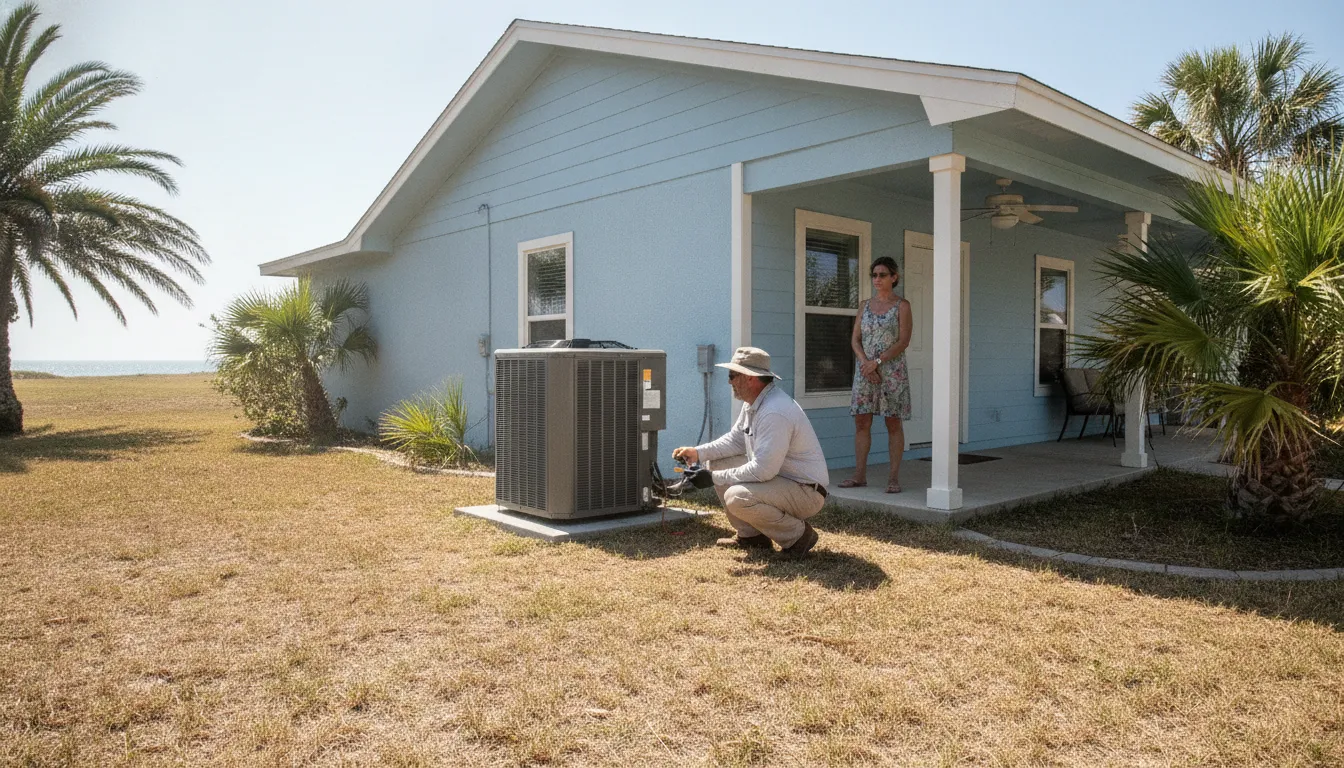
Your AC system has two main parts: an indoor unit and an outdoor unit. The outdoor unit, or condenser, is responsible for releasing heat from your home into the outside air. To do this effectively, it needs plenty of space to breathe. Take a walk outside and check on your unit. Make sure there are at least two feet of clearance around it. Trim back any overgrown shrubs, weeds, or tree branches. Regularly clear away any leaves, grass clippings, or dirt that may have accumulated around the base and on the sides of the unit.
Give Your Vents Some Breathing Room
For your AC to cool your home evenly, air needs to circulate freely. Sometimes, poor airflow is simply caused by blocked vents. Go through each room and check that your supply and return air vents are open and not covered by furniture, rugs, curtains, or anything else. It might seem like closing vents in unused rooms saves energy, but it can actually disrupt your system's balance, increase pressure in the ductwork, and reduce efficiency. Keeping all your vents open and clear allows your system to work as it was designed.
Gently Clean the Outdoor Coils
The condenser coils on your outdoor unit can get caked with dirt, dust, and grime over the seasons. This layer of buildup acts as an insulator, making it harder for the unit to release heat. Cleaning the coils is a simple task you can do yourself. First, make sure to turn off the power to the unit at the circuit breaker. You can use a soft brush to gently wipe away any loose debris from the metal fins. Then, use a garden hose with a gentle spray nozzle to rinse the coils from the inside out. Avoid using a high-pressure washer, as it can easily bend the delicate fins.
Quick Fixes to Improve Your AC's Airflow
Even when your AC is working, you can take simple steps to improve its performance. Better airflow helps cool your home more evenly and can lower your energy bills. These easy tips can make a noticeable difference in your comfort during those hot Corpus Christi summers.
Consider a High-Efficiency Air Filter
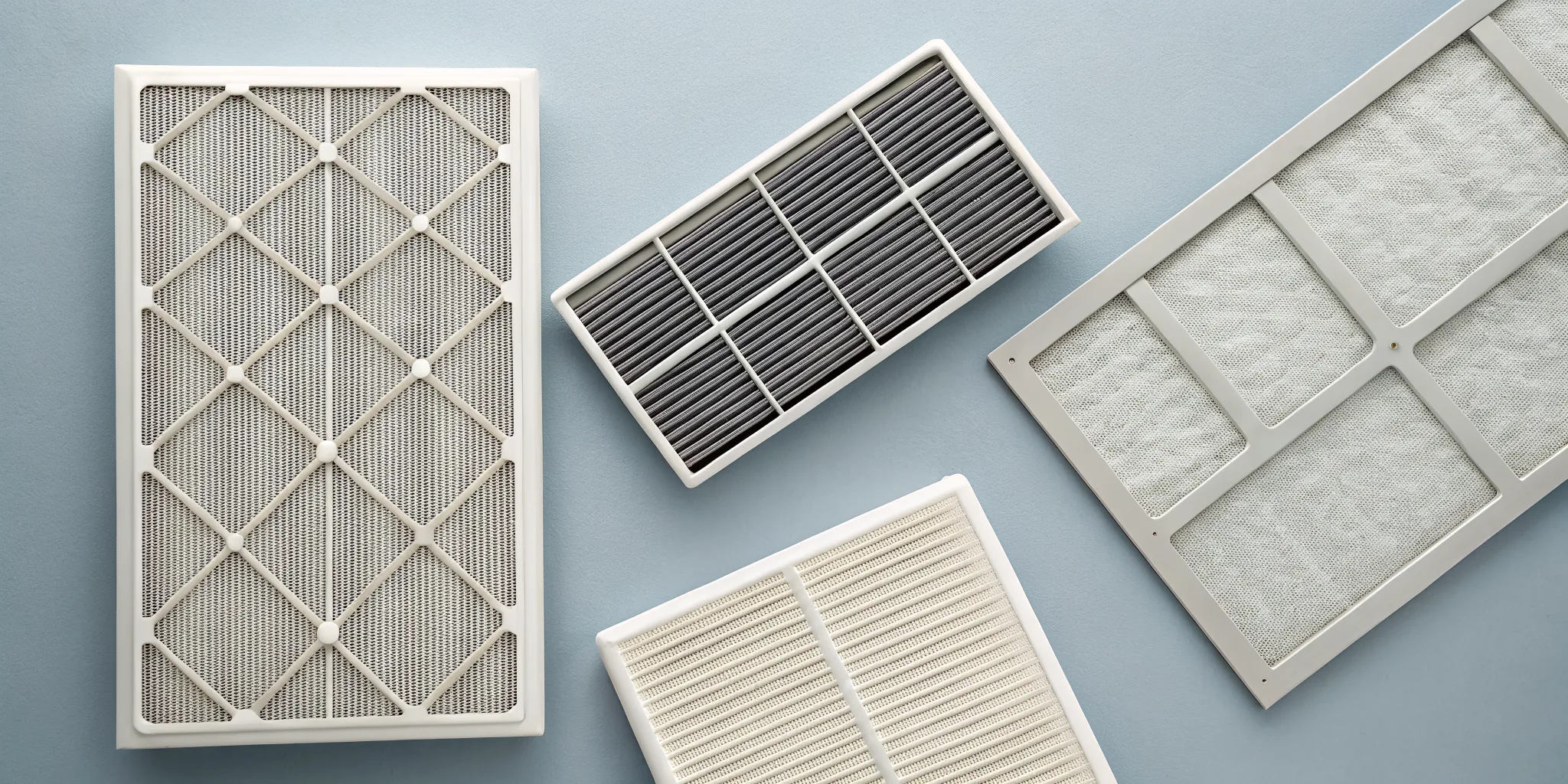
Your AC’s air filter is crucial for airflow. When it gets clogged with dust and debris, it forces your system to work harder, reducing its cooling power and potentially causing it to freeze. Check your filter monthly and replace it every one to three months. For an even bigger impact, consider upgrading to a high-efficiency filter. It will not only help your AC run better but also improve your home’s indoor air quality by trapping smaller particles like pollen and pet dander, helping everyone breathe a little easier.
Find and Seal Leaky Air Ducts
Your ductwork is the delivery system that carries cool air throughout your home. If it has leaks, a significant amount of that air gets lost in your attic or walls before it ever reaches your rooms. This wastes energy and reduces airflow. You can visually inspect any accessible ducts for obvious gaps or disconnected sections. Sealing these leaks improves efficiency and comfort. For a complete solution, professional duct sealing is a key part of our air conditioning services and ensures your system performs at its best.
Turn On Your Ceiling Fans
Ceiling fans are a perfect partner for your air conditioner. A fan creates a wind-chill effect that makes you feel cooler, allowing you to set your thermostat a few degrees higher without sacrificing comfort. This simple change leads to real savings on your energy bill. Just make sure your fans are spinning counter-clockwise in the summer to push cool air downward. It's one of the easiest ways to create an energy-saving system in your home and get more out of your AC.
Why You Should Keep All Your Vents Open
It’s a common myth that closing vents in unused rooms saves money. In reality, it can harm your HVAC system. Your AC is designed for a specific airflow volume, and closing vents creates pressure imbalances that strain the blower motor. This leads to reduced efficiency and unnecessary wear and tear on your equipment. Walk through your home and ensure all vents are open and clear of obstructions like furniture, rugs, or curtains. This simple step allows air to circulate freely just as the system was designed to do.
Still Stuck? When to Call Tommy Cool Air
You’ve checked the filter, reset the thermostat, and made sure the vents are open, but your home is still uncomfortably warm. While I’m a huge fan of DIY troubleshooting, some AC issues are too complex or hazardous to tackle on your own. When you’ve hit a wall, that’s your cue to call in the professionals. Continuing to experiment can sometimes lead to bigger, more expensive problems. Here are a few specific situations where your best and safest move is to pick up the phone and let our team handle it.
If You Suspect an Electrical Problem
If you hear strange noises like grinding, squealing, or a loud hum, it’s time to step away from the AC unit. These sounds often point to a problem with the blower motor or another electrical component. A broken blower motor is one of the main reasons an AC system will run without actually blowing any air. Messing with your system’s wiring or motor is not only complicated, it can be dangerous. For your safety and to prevent further damage, any suspected electrical issue should be handled by a trained technician. Our team has the right tools and expertise to safely diagnose and perform any necessary air conditioning repairs.
Understanding Component Repair Costs
When your AC stops blowing air, the potential repair cost can be a major worry. The final price tag depends entirely on what part has failed. A simple fix, like replacing a clogged air filter, will only cost you a few dollars. However, if the issue is more complex, the costs can rise. For instance, a frozen evaporator coil is often a symptom of a deeper problem. The ice itself isn't the issue; it's a sign of restricted airflow or a refrigerant leak. Fixing the leak and recharging the system will be more involved and costly than just swapping out a filter.
Some of the most common professional repairs come with a wide range of costs. A failed capacitor, which helps the blower motor start, is a relatively inexpensive part to replace. But if the blower motor itself has burned out, you’re looking at a much more significant investment in both parts and labor. This is why addressing problems early is so important. Ignoring a small issue can lead to a cascade of failures, turning a minor fix into a major expense. Our customers often mention in their reviews that they appreciate our honest diagnostics and clear pricing, so you’ll always know your options before we start any work.
If You Think You Have a Refrigerant Leak
Refrigerant is the lifeblood of your air conditioner, and a leak is a serious problem. If your AC is blowing warm air or you notice ice building up on the coils, a refrigerant leak could be the culprit. You might even hear a faint hissing sound near the unit. Because refrigerant is a regulated chemical, a licensed technician must fix any leaks and recharge the system. This isn't a DIY job. Our certified professionals at Tommy Cool Air can locate the source of the leak, repair it properly, and handle the refrigerant according to safety and environmental standards, getting your system cooling efficiently again.
For Complex Ductwork Issues
Your ductwork is like your home’s respiratory system, carrying cool air to every room. If there’s a major blockage, a disconnection, or a leak somewhere in the system, you’ll feel the effects. While you can check the vents in each room, issues hidden deep within your walls or attic are nearly impossible to fix on your own. Damaged or disconnected ducts won't just stop the airflow; they can also hurt your home's indoor air quality by pulling in dust and allergens from unconditioned spaces. We can inspect your entire duct system to find and fix the problem at its source.
When Your DIY Efforts Fall Short
There’s no shame in calling for backup. If you’ve tried all the basic troubleshooting steps and your AC still isn’t blowing air, it’s time to call an expert for help. At a certain point, you’ve done all you can, and continuing to poke around could accidentally make things worse. Our job is to take the stress off your shoulders. Instead of spending another minute feeling frustrated in a hot house, let a professional take a look. When you’re ready to hand the problem over to an expert, you can contact our team to schedule a visit. We’ll figure it out.
Related Articles
- Air Conditioner Not Blowing Cold Air | Tommy Cool Air
- AC not turning on? A homeowner's checklist | Tommy Cool Air
- My Air Conditioner Froze Up | Tommy Cool Air
- My Air Conditioner Is Making Weird Noises | Tommy Cool Air
- AC Repair in Corpus Christi, TX | Tommy Cool Air
Frequently Asked Questions
How often should I actually change my air filter? The one-to-three-month rule is a great starting point, but your home is unique. If you have pets that shed, live with someone who has allergies, or are near a construction zone, you should check your filter every month. The best rule of thumb is to hold the filter up to a light. If you can't see light through it, it's time for a new one, regardless of how long it's been.
What if my AC is blowing air, but the air isn't cold? That's a different but related issue. If you have good airflow but the air is warm, the problem isn't a blockage. It often points to an issue with the cooling process itself. This could be caused by something simple like a dirty outdoor unit or a more serious problem like a refrigerant leak. After checking that your outdoor unit is clear of debris, it's best to have a professional diagnose the problem.
I thawed the ice on my coils, but it just froze again. What's next? Thawing the ice solves the immediate airflow problem, but the ice itself is just a symptom. Since you've already tried the first step, a recurring freeze-up indicates a deeper issue that isn't related to a simple clog. This is often caused by low refrigerant or a mechanical problem, which requires a professional diagnosis to find and fix the root cause safely.
Why is it really so bad to close the vents in rooms I'm not using? Your HVAC system is designed to work with a specific amount of air pressure, like a balanced circulatory system. When you close vents, you disrupt that balance. This forces the blower motor to work harder to push air through a restricted system, which can lead to unnecessary strain, higher energy bills, and even damage to the unit over time.
Can I clean the indoor parts of my AC unit myself? While rinsing the outdoor unit is a safe DIY task, we recommend leaving the indoor components to a professional. The indoor unit contains delicate parts like the evaporator coils and sensitive electrical connections. Trying to clean it yourself without the proper tools and training can easily lead to damage. This is a key part of an annual professional tune-up, where a technician can clean everything safely and thoroughly.