A burst pipe is an obvious crisis, but the silent threats are often far more dangerous. A slow, hidden leak can quietly rot your home’s framework and spread hazardous mold long before you even know it’s there. This guide will show you how to spot both the loud disasters and the quiet ones. We’ll give you the clear indicators that tell you it’s time to stop wondering and start acting. You’ll learn to recognize when a situation requires immediate emergency plumbing leak repair to protect your home from every type of water threat.
Key Takeaways
- Act fast when you spot a problem: Signs like water stains, musty odors, or a high water bill signal an urgent issue. Your first move should always be to shut off the main water supply to minimize damage.
- Prevent future emergencies with proactive care: You can avoid most plumbing disasters with simple maintenance. Scheduling an annual inspection and knowing where your main water shutoff is are two key habits that protect your home and your wallet.
- Vet your plumber, even in a crisis: Don't just call the first number you find when you're in a panic. A reliable professional will be licensed, insured, available 24/7, and have positive customer reviews, giving you peace of mind that the job will be done right.
Do I Have a Plumbing Emergency? 4 Signs to Look For
When a plumbing issue pops up, it’s easy to feel a wave of panic. Is this a simple fix or a full-blown crisis? Knowing the difference can save you from costly water damage and a whole lot of stress. Some problems, like a slow-draining sink, can often wait for a scheduled appointment. Others, however, demand immediate attention to prevent serious harm to your home's structure and your family's health. If you notice any of the following signs, it’s time to treat it like an emergency and call a professional right away. These are your home’s warning signals that something has gone seriously wrong with your plumbing system.
Think of it this way: an emergency is any situation that could cause significant water damage, create a health hazard, or compromise your home's safety. The key is to recognize these red flags before a small problem becomes a catastrophe. A burst pipe is an obvious emergency, but subtler signs can be just as urgent. A hidden leak can silently rot your home’s framework, while a backed-up sewer line can expose your family to harmful bacteria. Trust your instincts. If a plumbing problem feels urgent or is causing you anxiety, it’s always better to be safe and get a professional opinion.
When is a Leak an Emergency?
A leak doesn't always announce itself with a dramatic burst. Sometimes, the most destructive leaks are the ones you can't see. A slow drip behind a wall or under your foundation can quietly cause mold to grow and even damage your home's structure. So, how do you know when a seemingly minor issue is actually a ticking time bomb? Pay attention to the subtle clues. If you notice new water stains on your ceiling or walls, a persistent musty odor that won't go away, or an unexpectedly high water bill, your home is trying to tell you something. These are clear signs that you have a leak that needs to be addressed quickly before it escalates into a much bigger, more expensive problem.
Defining an Urgent Situation
An urgent situation is any leak that poses an immediate threat to your property or safety. Think of things like a burst pipe that's actively flooding a room, water pooling near electrical outlets, or a sudden, significant drop in your home's water pressure. These are red-alert scenarios. Fast flooding can cause widespread damage in minutes, and water mixing with electricity is a serious safety hazard. If you see any of these signs, it's not a "wait and see" situation. Your first step should be to shut off your main water supply if you can do so safely, and your second should be to call for professional plumbing services right away. Acting fast is the key to minimizing damage and keeping your home safe.
Don't Ignore Mysterious Water Stains
That new, discolored spot on your ceiling or wall is more than just an eyesore. Water stains, even if they feel dry to the touch, are clear evidence of a leak. The water could be coming from a pipe, a drain, or a faulty appliance in the room above. Ignoring it allows moisture to continuously seep into your home’s structure, weakening drywall, rotting wood, and creating the perfect environment for mold. An urgent plumbing problem that can harm your home requires a fast response. If you see a fresh stain or a spot that is growing, it’s a sign of an active leak that needs immediate repair.
Check for Peeling Paint or Spongy Drywall
Beyond just a stain, pay close attention to the texture of your walls and ceilings. If you see paint that is bubbling, cracking, or peeling away, it’s a strong indicator that water is trapped behind it. The same goes for drywall that feels soft or spongy when you press on it. This isn't just a cosmetic problem; it's a sign of saturation. Ignoring it allows moisture to continuously seep into your home’s structure, weakening drywall and rotting wood. This creates the perfect environment for mold to grow. If you notice these issues, it’s time to call for professional plumbing services to find and fix the source before the damage gets worse.
The Dangers of Ceiling Leaks
A leak in your ceiling is one of the most urgent plumbing emergencies. A small water leak can quickly become a big problem, causing mold and damage to your home's structure. Ceiling leaks are especially dangerous because they can lead to electrical problems if water comes into contact with wiring, and in severe cases, they can even make parts of your ceiling fall down. The weight of the water-logged material puts immense strain on your home’s framework. Don't wait to see what happens. A dripping ceiling is a clear signal to shut off your water and contact a professional immediately for emergency repair.
Why Did Your Water Bill Suddenly Spike?
If your latest water bill made you do a double-take, your home might have a hidden leak. When your water usage habits haven’t changed but your bill suddenly skyrockets, it’s a strong indicator that water is being lost somewhere in your system. This could be a constantly running toilet, a dripping faucet, or something more serious like a cracked pipe in a wall or under your foundation. A significant, unexplained increase in your bill means a significant amount of water is going somewhere it shouldn't. It’s essential to have a professional locate and fix the source to prevent further waste and potential water damage.
The Real Cost of a Small Drip
It’s so easy to tune out the sound of a slow drip from a faucet or showerhead, promising yourself you’ll deal with it later. But that tiny, persistent drip is more than just a minor nuisance; it’s quietly draining your wallet and damaging your home. Those individual drops quickly add up, wasting hundreds or even thousands of gallons of water over a year and causing a noticeable spike in your water bill. Beyond the wasted money, the constant moisture creates the perfect breeding ground for mold and mildew. It can also stain your fixtures and eventually cause the surrounding drywall and wood to rot. Don't underestimate the damage a small leak can cause. Think of it as a warning light—a clear sign that a seal or valve is failing and needs to be addressed by a professional before a small drip turns into a much bigger, more expensive problem.
That Musty Smell? It Could Be a Leak
Your nose often knows when there’s a plumbing problem. A persistent musty or earthy smell, especially in areas like bathrooms, laundry rooms, or under sinks, is a classic sign of hidden moisture. This odor is produced by mold and mildew, which thrive in damp, dark places. Seeing visible mold growth is an even more definite sign that you have a water issue that has been going on for some time. Since mold can pose health risks, addressing the underlying leak and handling the cleanup is a priority. Improving your home's circulation is a key part of our indoor air quality services.
The Smell of Sewage
If you catch a whiff of sewage in your home, don't just light a candle and hope it goes away. This is one of the most serious red flags your plumbing system can send. That distinct, unpleasant odor almost always points to a major problem, like a backed-up sewer line or a cracked drain pipe somewhere in your system. It’s not just about the smell; raw sewage contains harmful bacteria and pathogens that can pose a significant health risk to your family. Ignoring it means allowing those contaminants into your living space. This isn't a DIY situation. When you smell sewage, it's a clear signal to call for emergency plumbing services immediately to protect your home and your health.
Hearing Water Run When Taps Are Off?
In a quiet house, the sound of running water when no faucets are on and no appliances are in use is an unmistakable warning sign. This phantom sound could mean you have a leak somewhere in your plumbing system. It might be a break in a pipe inside a wall, or it could be a more serious slab leak under your home’s foundation. These types of leaks can cause extensive structural damage if they aren't addressed quickly. If you hear water running, your first step should be to contact a professional for residential & commercial plumbing to find and stop the leak.
Notice a Sudden Drop in Water Pressure
If your shower suddenly turns into a disappointing trickle, don't just get annoyed—get suspicious. A sudden, significant drop in water pressure throughout your house is a major warning sign. While a gradual decrease might point to mineral buildup, an abrupt loss of pressure often means there's a serious breach in your water line. This indicates that a large volume of water is escaping somewhere between the municipal supply and your home. Essentially, the water that should be flowing to your faucets is gushing out elsewhere. This is considered an emergency because it involves a substantial, active leak that requires immediate attention to prevent widespread water damage and a shockingly high water bill.
Look for Puddles in Your Yard
That mysterious soggy patch or new puddle in your yard isn't something to ignore, especially if it hasn't rained. When the ground is inexplicably wet, soft, or greener than the surrounding grass, it’s often a tell-tale sign of a leak in your main water line. This is the pipe that runs underground from the street to your house. A break here can saturate the soil, creating swampy areas and even causing the ground to shift. Not only are you losing a massive amount of water, but the constant moisture can also erode the soil supporting your driveway, sidewalk, or even your home's foundation. It’s crucial to have a professional investigate before it causes more serious problems.
Consider Long-Term Foundation Damage
Perhaps the most compelling reason to treat any leak as urgent is the threat it poses to your home's foundation. Water is the number one enemy of a stable foundation. Whether from a slab leak directly under your house or a persistent leak nearby, constant moisture saturates and softens the soil that supports your home. This can cause the soil to expand, contract, or wash away, leading to foundation movement. The result? You might start seeing cracks in your walls and ceilings, floors becoming uneven, or doors and windows that no longer fit their frames. Protecting your home's structural integrity is paramount, as foundation repairs are complex and expensive.
Found a Leak? Here’s What to Do Right Now
Finding a leak is stressful, but a clear head and quick action can save you from major headaches and costly water damage. Panicking is a natural first reaction, but taking a deep breath and following a few key steps will put you back in control of the situation. These are the immediate actions you should take while you wait for professional help to arrive. Once you’ve worked through this list, your next call should be to a team that offers reliable plumbing services to get the problem fixed for good.
First, Shut Off the Main Water Supply
This is your number one priority. Before you do anything else, find and turn off your home's main water shutoff valve. This single action stops the flow of water into your home’s plumbing system, preventing the leak from getting any worse. If you aren't sure where your valve is located, it's often found in a basement, crawl space, or utility closet. For many homes in our area, it might be in an exterior utility box. Knowing its location is one of those homeowner details that can feel minor until you really need it, and we answer more common questions like this to help you stay prepared.
Next, Cut Power to the Affected Area
Water and electricity are a dangerous combination. If the leak is near any outlets, light fixtures, or appliances, go to your home’s breaker box and shut off the power to that specific area. Do not touch any wet electrical devices or stand in water while doing this. If your breaker box is in a wet area, it's best to call an emergency plumber and an electrician immediately and stay clear. Your safety is far more important than any property, so always be cautious when dealing with potential electrical hazards during a water leak.
Take Photos and Videos for Insurance
Once the immediate danger is managed, grab your phone and start documenting everything. Take clear photos and videos of the leak’s source, the standing water, and any items that have been damaged. This evidence is incredibly important when you file a homeowners insurance claim. A detailed visual record can help streamline the claims process and ensure you have the proof you need to get the coverage you deserve. Capture the situation from multiple angles and get close-ups of specific damage to furniture, floors, and walls.
Protect Your Belongings from Water Damage
With the water and power off, it's time to play defense. Quickly move any furniture, electronics, rugs, and personal belongings away from the affected area. Relocate them to a completely dry spot in your home. The faster you can get your valuables out of harm's way, the better your chances are of saving them from permanent water damage or mold growth. Even items that seem okay on the surface can hold onto moisture, so getting them into a dry, well-ventilated space is key.
Minimizing Damage While You Wait for the Plumber
You’ve made the call for help, which is the most important step. Now, while you wait for a professional to arrive, you can take action to protect your home. These next few steps can make a huge difference in minimizing water damage and keeping your family safe.
Grab Buckets and Towels to Control the Water
Your immediate goal is to manage the water. Grab every old towel, blanket, and bucket you can find. Use them to soak up any standing water on the floor and place buckets directly under active drips. If the water is spreading, you can roll up towels to create a small dam to block it from reaching other rooms or soaking into drywall. Every drop you can contain now is less potential damage for our team to handle later. This is a crucial part of any emergency plumbing situation.
Unplug Water-Connected Appliances
This next step is all about safety. Water and electricity are a dangerous combination, so you need to be careful. If the leak is near any electrical outlets or appliances like your washing machine, dishwasher, or water heater, it’s critical to cut the power. If you can safely reach your home’s circuit breaker, turn off the power to the affected area. This simple action prevents the risk of electrical shock and protects your appliances from short-circuiting. Don’t try to unplug anything that is sitting in or surrounded by water. Your safety is the top priority.
Improve Airflow to Discourage Mold Growth
Once you’ve contained the water, it’s time to start thinking about the drying process. Lingering moisture is the perfect breeding ground for mold and mildew, which can cause health issues and further damage to your home. If it’s safe to do so, open up windows and doors to get some fresh air circulating. You can also set up fans to help speed up evaporation. This initial ventilation won't completely dry everything out, but it’s a great head start. After the leak is fixed, improving your home's indoor air quality will be an important next step.
What to Tell Your Plumber on the Phone
When you call for help, the more information you can provide, the better. This helps the plumber prepare with the right tools and parts. Be ready to describe exactly where the leak is coming from (e.g., "under the kitchen sink," "from the base of the toilet"). Mention what you see and hear, like the sound of running water or visible pipe damage. Also, let them know what steps you’ve already taken, such as shutting off the main water valve. Having these details ready helps us respond faster and more effectively when you contact our team.
What to Expect from an Emergency Plumbing Service
When you call for an emergency plumber, you’re not just getting a quick fix. You’re getting a comprehensive service designed to tackle urgent issues that threaten your home with water damage or create unsanitary conditions. A professional arrives ready to diagnose the problem, stop the immediate threat, and perform the necessary repairs to get your home back to normal. From major floods to hidden leaks, a reliable emergency plumbing service covers a wide range of critical situations. Knowing what to expect can help you feel more in control during a stressful time. Here are the most common services included when you make that urgent call.
Repairing Burst Pipes
A burst pipe is one of the most serious plumbing emergencies. Water can flood your home in minutes, causing structural damage, ruining floors and furniture, and creating the perfect environment for mold. When you call for an emergency repair, the plumber’s first priority is to stop the flow of water. They will quickly locate and shut off the source before assessing the damage. The next step is to repair or replace the broken section of the pipe, ensuring the fix is secure and durable. This rapid response is crucial for minimizing water damage and the costly repairs that come with it. If you’re facing a flood from a burst pipe, don’t hesitate to contact a professional immediately.
Common Causes like Frozen Pipes
While a pipe can fail due to age or corrosion, one of the most common culprits behind a sudden burst is freezing temperatures. Even in Texas, a surprise cold snap can be enough to freeze the water inside vulnerable pipes, especially those in areas with poor insulation like attics, crawl spaces, or exterior walls. When water freezes, it expands, creating immense pressure that the pipe simply can't contain. This pressure is what ultimately causes the pipe to crack or burst, leading to a major flood. If you notice your faucets have stopped working during a cold spell, it's a critical warning sign that a pipe may be frozen and at risk of bursting. Acting quickly is key to preventing a small problem from turning into a catastrophic mess.
Finding and Fixing Hidden Leaks
Not all leaks are as dramatic as a burst pipe, but even a small, hidden drip can lead to big problems over time. Emergency plumbers are equipped with specialized tools to perform leak detection, finding the source of water even when it’s behind a wall, under a slab, or in the ceiling. This service is essential for addressing issues like mysterious water stains, musty odors, or an unexplained spike in your water bill. Once the leak is located, the plumber can make a targeted repair, preventing further damage and saving you from the headache of a much larger issue down the road. This includes fixing everything from broken water lines to constantly dripping faucets.
Using Advanced Diagnostic Tools
When a leak is hidden behind a wall or under your foundation, finding it isn't a guessing game. Professionals use advanced diagnostic tools to pinpoint the exact location without destructive searching. Technologies like thermal imaging cameras can detect temperature differences in your walls caused by moisture, while sonic listening devices can "hear" the distinct sound of dripping or running water, even through concrete. This allows a technician to find the source of the problem with incredible accuracy. By using these tools, we can address the issue directly, minimizing the need to cut into drywall or break up your flooring, which saves you time, money, and a lot of mess during the plumbing repair process.
Inspecting Pipes with In-Pipe Video Cameras
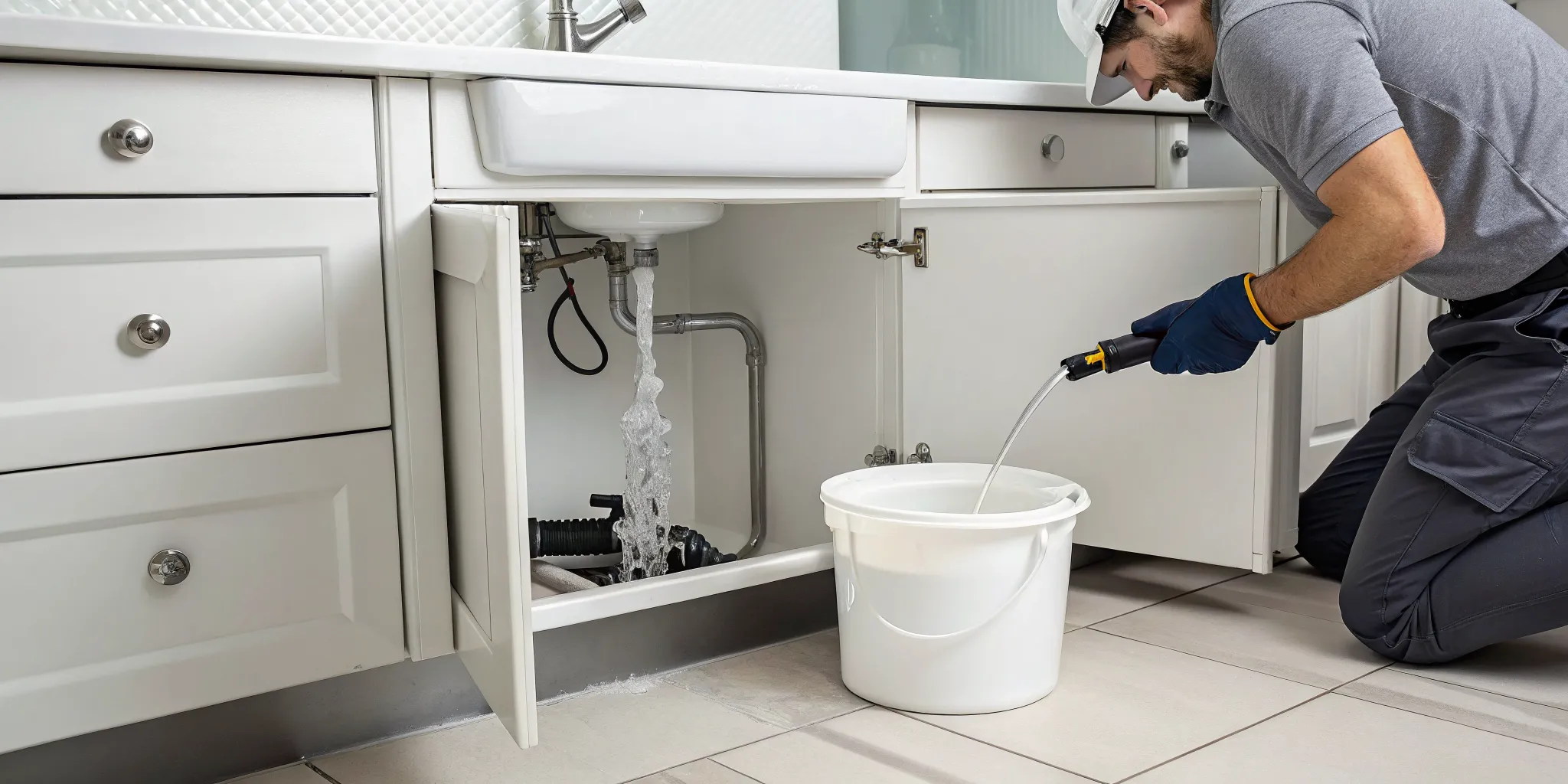
For problems deep within your plumbing lines, sometimes the only way to know what’s going on is to see it firsthand. That’s where in-pipe video cameras come in. A plumber feeds a small, high-resolution camera attached to a flexible rod directly into your pipes. This gives them a real-time view of the inside of your plumbing system, allowing them to identify the exact cause and location of a blockage, crack, or tree root intrusion. This technology eliminates guesswork and is especially useful for diagnosing recurring sewer line issues. Instead of digging up your yard to find the problem, a video inspection provides the clear answers needed for a precise and effective solution.
Repairing or Replacing Your Water Heater
Waking up to a cold shower is frustrating, but discovering your water heater is leaking all over the floor is a true emergency. A leaking tank can release dozens of gallons of water, causing significant flooding and property damage. An emergency plumber can quickly determine if your water heater can be repaired or if it needs to be replaced. They can handle issues like a faulty pressure relief valve, a corroded tank, or a complete system failure. Getting it fixed promptly not only restores your hot water but also protects your home from extensive damage. This is especially important for making sure your home’s energy-saving systems are functioning safely and efficiently.
Clearing Clogged Sewer Lines and Drains
A sewer line backup is more than just an inconvenience; it’s a health hazard. When a main drain or sewer line clogs, it can cause raw sewage to back up into your sinks, tubs, and toilets. Emergency plumbers have the heavy-duty equipment needed to clear stubborn blockages, whether they’re caused by grease buildup, foreign objects, or even invasive tree roots. They can quickly clear the line to restore proper drainage and sanitize the affected areas to keep your family safe. This service prevents exposure to harmful bacteria and stops wastewater from causing foul odors and damage to your home’s interior.
What is Hydro-Jetting?
For the most stubborn clogs that just won’t budge, plumbers have a powerful tool called hydro-jetting. Think of it as pressure washing for the inside of your pipes. This method uses high-pressure water jets to blast away years of accumulated grease, sludge, soap scum, and even invasive tree roots. Before starting, a professional will often use a small video camera to inspect the pipe and pinpoint the exact cause and location of the blockage. This ensures the problem is completely resolved, not just temporarily pushed further down the line. It’s a highly effective way to thoroughly clean your pipes and restore them to optimal flow, making it a key part of our residential & commercial plumbing solutions.
Handling Water Main and Appliance Leaks
Leaks can range from a slow drip under your dishwasher to a major break in your home's main water line. Both require immediate attention. A faulty appliance hose can quietly flood your kitchen, ruining floors and cabinets, while a water main leak can erode your home's foundation or create a sinkhole in your yard. Professional plumbers are equipped to handle all types of leaks, 24/7. They can quickly diagnose the problem, whether it's a simple hose replacement for your washing machine or a complex repair on the main line buried underground. Getting a fast, expert repair is the key to preventing a small issue from turning into a full-blown disaster.
Assistance with Water Damage and Insurance
After a plumber fixes the leak, you might still be left with the aftermath of water damage. While the plumber’s job is to stop the source of the water, you may need a separate water damage restoration company for the cleanup. It's also important to understand your insurance coverage. Most homeowner's policies will cover the cost of the resulting water damage—like replacing drywall or flooring—but they often do not cover the cost of the actual plumbing repair itself. Be sure to check your specific policy. A professional plumber will provide a detailed invoice for their work, which you can submit to your insurance company as part of your claim. When you're in a stressful situation, it helps to contact a team you can trust to provide clear documentation.
How to Find a Reliable Emergency Plumber in Corpus Christi
When you’re ankle-deep in water, the last thing you want is the added stress of finding a trustworthy plumber. In a panic, it’s easy to just call the first number you find, but making a smart choice, even under pressure, can save you from bigger headaches down the road. A reliable emergency plumber not only fixes the immediate problem but also provides peace of mind. Taking a few minutes to check for key qualifications can make all the difference between a quick fix and a long-term solution. The goal is to find someone who is qualified, responsive, and transparent, so you can get your home back to normal as quickly as possible.
Are They Licensed and Insured?
Before you let anyone start work on your home, make sure they are properly licensed and insured. In Texas, plumbers are required to be licensed by the Texas State Board of Plumbing Examiners. This license is proof that they’ve met the state’s standards for knowledge and skill. Just as important is insurance. A reputable company will carry public liability insurance to protect you and your property in case something goes wrong during the repair. Don’t be shy about asking for proof of both. A professional company will have this information readily available and will be happy to provide it. This simple step ensures you’re working with a legitimate plumbing services provider.
Do They Offer True 24/7 Service?
A plumbing emergency doesn’t stick to a 9-to-5 schedule, and neither should your plumber. A true emergency service offers 24/7 availability, including nights, weekends, and holidays. When you call, ask for their estimated response time. Most emergency plumbers can arrive within 30 to 90 minutes, but this can vary depending on how busy they are or if the weather is bad. A reliable company will be upfront about their availability and give you a realistic timeframe. If they can’t give you a clear answer or seem hesitant to commit, it might be a red flag. You need a team that understands the urgency and is ready to act fast.
Our Commitment at Tommy Cool Air
Here at Tommy Cool Air, we understand that emergencies don’t wait for business hours. That’s why our team is always ready to respond, providing the prompt and professional help you need right when you need it. For our neighbors in Corpus Christi and the surrounding areas, we’re committed to being the reliable support you can count on day or night. When you reach out to us, you’re getting more than just a quick fix; you’re getting a team dedicated to protecting your home. We arrive prepared to diagnose the issue, ensure your family's safety, and provide a lasting solution to prevent further damage and restore your peace of mind.
What Are Other Customers Saying?
Customer reviews are your best friend when you need to vet a company quickly. They offer a real-world look at a plumber’s reliability, professionalism, and quality of work. Check out reviews on Google, Yelp, and the company’s own website. Look for patterns in what people are saying. Are customers consistently happy with the response time and the final result? Do they mention specific technicians by name? While a single bad review isn’t necessarily a deal-breaker, a pattern of negative feedback about communication or pricing is a clear warning sign. Seeing a history of positive customer reviews can give you the confidence to make the call.
Get a Clear, Written Estimate First
While it’s tough to give a precise quote over the phone for a problem they haven’t seen, a professional plumber should be able to explain their pricing structure. Ask about their call-out fee, hourly rates, and any potential after-hours charges. For larger or more complex jobs, they should offer to provide a written estimate before any work begins. Be wary of anyone who gives a vague answer or pressures you to agree to work without a clear understanding of the potential costs. Transparency in pricing is a hallmark of a trustworthy company. You should feel comfortable with the financial aspect before you give them the green light to contact their team for dispatch.
Ask About Guarantees and Discounts
A guarantee on the work isn't just a nice-to-have; it's a sign that the company is confident in their repairs and committed to your satisfaction. A reliable emergency plumber stands behind their work, giving you peace of mind that the fix will last. Before they start, don't hesitate to ask about their satisfaction guarantee or any warranties on parts and labor. This is also a good time to inquire about any available discounts. Many companies offer savings for seniors, military members, or even for specific services. Asking these questions upfront ensures you're getting not only a quality repair but also the best possible value. It’s about choosing a plumber who not only fixes the immediate problem but also provides lasting support and transparent pricing for their emergency plumbing services.
Trust Your Gut: Do They Seem Professional?
Sometimes, you just get a feeling about a company. Trust that instinct. From the moment you call, pay attention to how they treat you. Are they calm, patient, and professional on the phone? Do they listen to your problem and answer your questions clearly? This initial interaction often reflects the company’s overall approach to customer service. If a price seems too good to be true, it probably is. Never let anyone rush you into making a decision. A true professional will understand you’re in a stressful situation and will work to earn your trust, not pressure you into a sale.
How Much Does an Emergency Plumbing Repair Cost?
When you’re dealing with a sudden plumbing disaster, the last thing you want is a surprise on the final bill. The cost of an emergency repair can vary, and it’s helpful to know what goes into the pricing. While it’s impossible to give a flat rate without seeing the problem, understanding the key factors can help you feel more prepared. The total cost typically depends on the nature of the job, the time of your call, and what your insurance policy covers. Being informed about these elements helps set clear expectations. A reputable plumber will always be transparent about their pricing structure, so you know what to anticipate before the work begins.
What Factors Affect the Final Cost?
The final price for an emergency repair is based on more than just the plumber’s time. Most companies charge an initial service fee to cover the technician's travel and the time it takes to diagnose the issue. Often, this fee is credited toward the total cost if you decide to move forward with the repair. Beyond that, the complexity of the problem is the biggest variable. Fixing a simple leaky faucet will cost less than repairing a burst pipe hidden inside a wall, which requires more labor and materials. The parts needed for the job will also be factored into your final bill. For a clear and honest assessment, you can always contact us for an upfront estimate.
Understanding After-Hours and Holiday Rates
Plumbing emergencies don’t stick to a 9-to-5 schedule, which is why 24/7 service is so important. However, calls made outside of standard business hours, like on nights, weekends, or holidays, typically come with higher labor rates. This pricing structure compensates technicians for their immediate availability during off-hours. Think of it in tiers: the rate for a Tuesday morning will be different from a Saturday night or Christmas Day. While nobody wants to pay extra, this ensures you can get professional help exactly when you need it most. A trustworthy company will explain these rates clearly when you call, so there are no surprises when it comes to our plumbing services.
Do All Companies Charge Extra?
While it's a fair question, the straightforward answer is that yes, most reputable plumbing companies charge extra for services outside of regular business hours. This isn't about taking advantage of a bad situation; it’s about the reality of having a skilled technician leave their family on a holiday or in the middle of the night to come to your rescue. The higher rate covers the on-call availability that makes 24/7 service possible. However, a trustworthy company will always be upfront about these costs when you call. Some companies also offer membership programs that provide benefits like priority service and discounts on repairs, which can help offset the cost of an unexpected emergency.
Will Your Homeowners Insurance Cover It?
This is a question we hear a lot, and the answer can be a bit tricky. In many cases, your homeowners insurance policy will cover the damage caused by the leak, such as soaked drywall, ruined flooring, or waterlogged furniture. However, most standard policies do not cover the cost of repairing the broken pipe or faulty fitting itself. Insurance companies often view the source of the leak as a maintenance issue that falls under the homeowner's responsibility. It’s always a good idea to review your specific policy and call your insurance agent to confirm your coverage. Be sure to document the damage with photos and videos for your claim.
4 Common Emergency Plumbing Myths, Busted
When you’re dealing with a sudden plumbing issue, there’s a lot of stress and misinformation flying around. It’s easy to make a hasty decision that could make things worse. Let’s clear the air and tackle some of the most common myths about emergency plumbing so you can feel confident in your next steps.
Myth: "A small leak can wait."
It’s tempting to put a bucket under a slow drip and add it to next week’s to-do list, but this is one of the most costly mistakes a homeowner can make. While a tiny leak might not require a 3 a.m. call, it absolutely cannot be ignored. That "small" leak is a constant source of moisture, creating the perfect environment for mold and mildew to grow behind your walls and under your floors. This can compromise your home's indoor air quality and lead to health issues. Over time, that persistent dampness can also cause wood to rot, drywall to crumble, and even damage your home's foundation. Putting off the repair turns a simple fix into a major, expensive renovation project.
Myth: "I can just fix it myself."
The internet is full of tutorials that make plumbing repairs look easy, but an emergency is not the time to test your DIY skills. Your home’s plumbing is a complex system, and a quick fix with duct tape or a generic sealant is just a temporary patch on a growing problem. An improper repair can fail unexpectedly, leading to a much bigger flood and more extensive water damage than the original issue. Think of it as putting a small bandage on a deep wound. It might stop the bleeding for a moment, but it won’t heal the injury. Calling a professional ensures the problem is diagnosed and fixed correctly the first time, saving you from a much bigger headache and a higher bill down the road.
Why Temporary Fixes Fail
It’s easy to see the appeal of a quick patch. A little plumbing tape or sealant seems like a smart, temporary solution. But your home’s plumbing is a complex system, and a quick fix with duct tape or a generic sealant is just a temporary patch on a growing problem. These materials aren't designed to handle the constant pressure and temperature fluctuations inside your pipes. An improper repair can fail unexpectedly, leading to a much bigger flood and more extensive water damage than the original issue. What started as a small drip can quickly become a major renovation project. A professional repair uses the right materials and techniques to create a permanent seal, ensuring the problem is solved for good and giving you lasting peace of mind.
Myth: "Emergency service is always unaffordable."
Fear of a high bill can cause homeowners to hesitate, but delaying a call for a true emergency is almost always more expensive. The cost of an after-hours plumbing visit is minor compared to the cost of replacing drywall, flooring, and furniture after a burst pipe floods your home. A reputable plumber will be transparent about their pricing, providing a clear estimate before any work begins so you know exactly what to expect. Think of an emergency service call not as an expense, but as an investment in protecting your property. By acting quickly, you are actively minimizing damage and saving yourself from the staggering costs of a full-scale restoration.
Myth: "Any plumber will do."
This couldn't be further from the truth. The difference between a reliable, professional plumber and a less-reputable one is huge, especially in a crisis. A top-tier plumbing company is licensed and insured, offers true 24/7 availability, and has a long list of positive customer reviews. They communicate clearly, treat your home with respect, and have the experience to handle the pressure of an emergency with calm professionalism. When your property is on the line, you don’t want just anyone showing up at your door. You want a trusted expert who can resolve the issue efficiently and give you peace of mind.
How to Prevent the Next Plumbing Emergency
After the stress of a plumbing emergency, the last thing you want is a repeat performance. The good news is that you have more control than you think. Being proactive about your home’s plumbing system is the single best way to prevent burst pipes, major leaks, and costly water damage. It’s not about waiting for disaster to strike; it’s about taking small, manageable steps to keep your pipes, fixtures, and appliances in top shape.
Think of it as a simple health plan for your home. A little bit of prevention saves you a lot of money, time, and headaches down the road. From scheduling routine check-ups to knowing your home’s basic anatomy, these preventative measures are your first line of defense. Our membership program is designed to make this easy, bundling inspections and maintenance to keep your systems running smoothly year-round. Let’s walk through a few key habits that will help you protect your home and keep our emergency line out of your recent calls.
Schedule Annual Plumbing Inspections
Just like your car needs an oil change, your plumbing system needs a regular check-up. An annual inspection by a professional plumber can catch tiny issues before they become catastrophic failures. During an inspection, a technician will check for hidden leaks, signs of corrosion on pipes and water heaters, test water pressure, and look for potential clogs. This simple appointment allows a trained eye to spot trouble you might not see, like a failing water heater or a pipe that’s under stress. It’s a small investment that can prevent thousands of dollars in water damage and emergency repair costs.
Benefits of a Tommy Cool Air Membership
Making annual inspections a priority is the best way to stay ahead of plumbing problems, and our membership program is designed to make that effortless. When you become a member, you’re not just signing up for a service; you’re investing in peace of mind. The program includes the comprehensive annual plumbing inspection we just talked about, where our technicians can spot and fix small issues before they turn into costly emergencies. Plus, members receive benefits like priority service and discounts on repairs, which saves you money and stress when you need help the most. It’s a proactive approach that keeps your home’s essential systems in top shape, so you can worry less about what might go wrong.
Keep an Eye on Your Water Pressure
High water pressure might feel nice in the shower, but it’s a silent threat to your entire plumbing system. Pressure that is too high (anything over 80 psi) puts constant strain on your pipes, joints, and appliance hoses, leading to premature failure and burst pipes. You can easily check your home’s pressure with an inexpensive gauge from any hardware store. If you find your pressure is too high, a plumber can install a pressure-reducing valve to protect your system. Managing your water pressure is a simple but critical step in extending the life of your home’s plumbing.
Know When to Upgrade Old Pipes
Your plumbing doesn't last forever. Older homes, especially, may have galvanized pipes that are corroding from the inside out or supply hoses that are past their prime. Take a look at the hoses connected to your washing machine and dishwasher. As a rule of thumb, these rubber hoses should be replaced every five to seven years to prevent them from becoming brittle and bursting. If you notice discolored water, low water pressure in certain areas, or frequent leaks, it might be time to consider a more significant upgrade. Proactively replacing aging components is always cheaper and less stressful than dealing with the aftermath of a failure.
Invest in a Smart Leak Detector
For extra peace of mind, technology offers a great solution. A smart leak detector is a small device you can place in leak-prone areas, like under the sink, behind the toilet, or near your water heater. These devices monitor for moisture and will send an alert directly to your smartphone the second a leak is detected. Some advanced models can even automatically shut off your home’s main water supply to stop the flow of water instantly. This can be a true lifesaver, especially for slow leaks that might otherwise go unnoticed for weeks, causing rot and mold. It’s a smart investment to protect your home, whether you're at work or away on vacation.
Find Your Main Water Shutoff Valve Now
This is the most important piece of plumbing information you should know about your home. In a true emergency, being able to shut off the water supply immediately is your best defense against catastrophic damage. Take the time to locate your main water shutoff valve now, not when water is gushing everywhere. It’s often found in a utility closet, crawl space, or outside in a utility box near the street. Once you find it, test it by turning it off and on once a year to ensure it isn’t stuck. Make sure everyone in your household knows where it is and how to use it. If you can't find it or it won't budge, give us a call, and we can help.
Use Resources like the EPA's WaterSense Program
If you're looking for a simple way to make smarter choices for your home’s plumbing, the EPA's WaterSense program is a fantastic resource. Think of it as a government-backed cheat sheet that helps you find water-efficient products without any guesswork. When you see the WaterSense label on a faucet, toilet, or showerhead, it means the product is certified to use at least 20% less water than standard models, and it’s been tested to ensure it performs just as well. By choosing these products when it's time for an upgrade, you not only lower your monthly water bills but also reduce the daily wear and tear on your plumbing system, which can help prevent future leaks and failures. You can explore the program to find products and conservation tips that will protect your home.
Need an Emergency Plumber in Corpus Christi?
When a plumbing disaster strikes, the feeling of panic can be overwhelming. Whether it’s a burst pipe flooding your kitchen or a backed-up sewer line, you need help, and you need it fast. In these moments, having a trusted, local plumber on speed dial makes all the difference. You need someone who not only responds quickly but also understands the specific plumbing challenges we face here in the Corpus Christi area.
At Tommy Cool Air, we’re more than just an HVAC company; we are your neighbors, ready to handle any plumbing crisis 24/7. Our team of licensed professionals is always on call to provide prompt and reliable residential and commercial plumbing services. We know that emergencies don’t wait for business hours, and neither do we. When you call us, you’re getting a team that knows the local codes and common issues, from the South Side to Padre Island, ensuring the job is done right the first time.
We’ve built our reputation on trust and quality workmanship, and our customer reviews reflect that commitment. We believe in transparent communication, so you’ll always know what to expect before we begin any work. Beyond emergency repairs, we also offer preventive maintenance to help you avoid future disasters altogether. The best way to handle a plumbing emergency is to have a plan. We encourage you to save our number in your phone today. When you need immediate assistance, don’t hesitate to contact us. We’ll be there to restore your peace of mind.
Related Articles
- Plumbing Services Services | Corpus Christi, TX | Tommy Cool Air
- Indoor Air Quality Services | Corpus Christi, TX | Tommy Cool Air
- Energy Saving Systems Services | Corpus Christi, TX | Tommy Cool Air
Frequently Asked Questions
How can I tell if my plumbing problem is a real emergency? A good rule of thumb is to consider the potential for damage. If the issue poses an immediate threat to your property, health, or safety, treat it as an emergency. This includes situations like a burst pipe, a sewer line backup, or any leak that is actively flooding a part of your home. A slow-draining sink can likely wait for a scheduled appointment, but significant water flow or wastewater requires an immediate call.
What is the absolute first thing I should do if I have a major leak? Before you even pick up the phone to call for help, your number one priority should be to shut off your home's main water supply. This single action stops more water from entering your pipes and prevents the leak from causing further damage. Once the water is off, you can then safely assess the situation and call a professional.
I'm worried about the cost. Is calling for an emergency service worth it? It's completely understandable to be concerned about the cost, but waiting is almost always more expensive. The fee for an after-hours service call is minimal compared to the potential cost of repairing extensive water damage to your floors, walls, and furniture. Acting fast is an investment in protecting your home and minimizing the overall financial impact.
Will my homeowners insurance help pay for the repair? This can be tricky, as every policy is different. Generally, homeowners insurance will cover the secondary damage caused by the leak, such as the cost to replace ruined drywall or flooring. However, the policy may not cover the cost of repairing the actual broken pipe or fixture that caused the problem. We always recommend taking photos of the damage and contacting your insurance agent to clarify your specific coverage.
What if I can't find or turn off my main water shutoff valve? If you can't locate the valve or it's stuck and won't turn, don't panic. Your next best step is to do what you can to contain the water using buckets and towels to prevent it from spreading. When you call for professional help, make sure to tell the plumber that you were unable to shut off the water. This information helps them prepare to handle the situation as soon as they arrive.