Viewing AC maintenance as a smart investment—not just another chore—is a game-changer. A little proactive care for your system pays off big, saving you from surprise repair bills during our hot Texas summers. Keeping your unit in top shape isn't just about comfort; it's a wise financial move that protects your home and your wallet. This guide will show you how consistent and simple AC service at home can prevent expensive breakdowns, lower your utility bills, and extend the life of your most important appliance.
Key Takeaways
- Handle the basics yourself: Simple tasks like changing your air filter, keeping the outdoor unit clear of debris, and ensuring your vents are not blocked are easy ways to maintain your system's efficiency and prevent common problems.
- Know when to call a professional: While DIY is great, issues like strange noises, weak airflow, water leaks, or ice on the unit require an expert. Trying to fix these yourself can be unsafe and often leads to more expensive repairs.
- View maintenance as a money-saving strategy: A year-round plan that combines simple monthly checks with an annual professional tune-up is the best way to avoid costly breakdowns, lower your energy bills, and extend the life of your AC system.
How to Service Your AC at Home
Keeping your air conditioner in great shape doesn't always require a professional. A little bit of attention from you can go a long way in maintaining its performance and efficiency, especially during our hot Texas summers. Think of these simple tasks as a check-up you can do yourself to keep things running smoothly between professional tune-ups. Taking just a few minutes each month to handle these small jobs can prevent bigger headaches down the road, improve your home’s air quality, and even help lower your energy bills. Here are five easy maintenance steps you can tackle this weekend.
Start with the Air Filter
This is one of the simplest yet most important things you can do for your AC. A dirty, clogged filter forces your system to work much harder to pull in air, which wastes energy and puts extra strain on the components. A fresh filter, on the other hand, allows for smooth airflow and does a better job of trapping dust, pollen, and other particles. This not only helps your AC run more efficiently but also improves your home’s indoor air quality. Plan on checking your filter once a month and replacing it at least every three months. If you have pets or family members with allergies, you might need to change it more often.
Gather the Right Tools for the Job
Before you roll up your sleeves, let's make sure you have everything you need. Having the right tools ready to go makes the whole process much smoother and safer. You probably have most of these items around the house already, and the few you might not are easy to find at any hardware store. Taking a few minutes to gather your supplies builds confidence and ensures you can complete the job without interruption. A little preparation now will save you from making multiple trips to the garage later and helps you do the job right, keeping your AC unit in prime condition for those sweltering Corpus Christi days.
- Work Gloves and Safety Glasses: Safety should always be your top priority. A good pair of gloves will protect your hands from sharp metal fins, and safety glasses will keep any flying debris out of your eyes.
- Screwdriver or Nut Driver: You’ll likely need one of these to remove the protective grille or access panels on your outdoor unit. Take a quick look at your unit beforehand to see exactly what kind of screws it has.
- A Soft Brush and a Garden Hose: You don’t need harsh chemicals for a good clean. A soft-bristled brush is perfect for gently clearing away grass and leaves, and a garden hose with a spray nozzle is all you need to rinse the condenser coils clean.
- Shop-Vac: A wet/dry vacuum is fantastic for clearing out leaves and other gunk from the bottom of the outdoor unit and for helping to clear a clogged condensate drain line.
With these tools in hand, you’re all set to tackle some basic maintenance that can make a real difference in your system's performance. Remember, the goal here is to handle the simple upkeep that keeps your system running efficiently and prevents small issues from becoming big ones. For anything more complex, like dealing with electrical components, refrigerant levels, or strange noises, it's always best and safest to leave it to the professionals. If you ever feel unsure or run into a problem you can't solve, our team is just a call away to provide expert air conditioning services and get your system back on track.
Clear Debris from Your Outdoor Unit
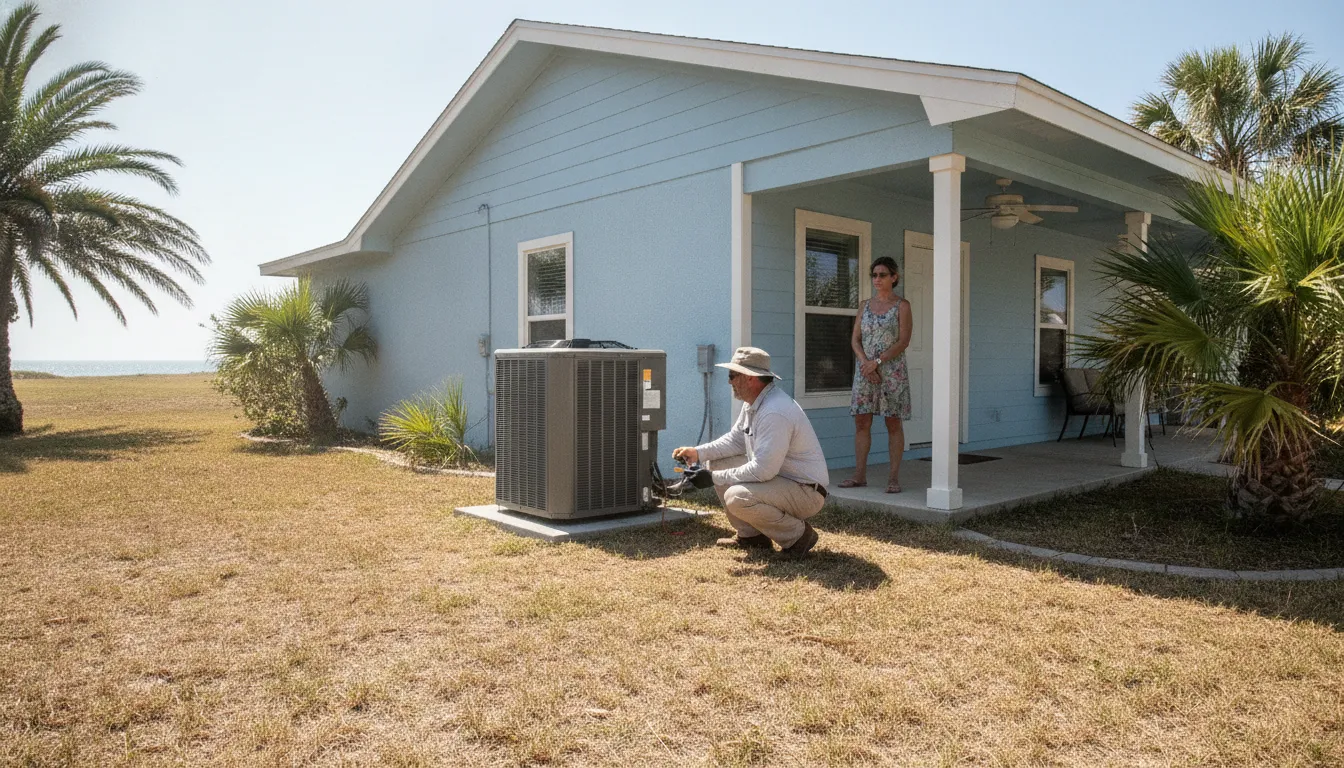
Your outdoor unit, or condenser, is your system’s connection to the outside world, and it can get pretty dirty. Grass clippings, leaves, and dirt can build up on the fins, blocking airflow and making it harder for the unit to release heat. To clean it, first, turn off the power to the unit at your home’s breaker box for safety. Then, you can gently clear away any debris by hand. For a deeper clean, use a garden hose with a gentle spray setting to rinse the dirt off the fins from the inside out. Be careful not to bend the delicate metal fins. A clean condenser is a happy, efficient condenser.
Inspect and Clean Your Indoor Vents
Proper airflow is key to cooling your home evenly and efficiently, and your indoor vents are a critical part of that equation. Take a quick walk through your house and make sure none of your supply or return air vents are blocked by furniture, rugs, or curtains. Obstructed vents can disrupt air circulation, creating hot spots and making your AC system work harder than it needs to. While you’re at it, use a vacuum with a brush attachment to clean any dust or debris off the vent covers. This simple step ensures the cool air your system produces can get where it needs to go.
Check the Condensate Drain Line for Clogs
Your AC doesn't just cool the air; it also removes humidity. That moisture gets collected and funneled outside through a condensate drain line. Over time, this line can get clogged with algae, mold, or sludge, which can cause water to back up and potentially damage your home or shut down your system. You can help keep it clear by finding the drain line outside (usually a PVC pipe near your outdoor unit) and using a wet/dry vacuum to suck out any blockages. If you notice standing water near your indoor unit or feel unsure about this task, it’s best to contact us for help.
Advanced Cleaning for Indoor and Outdoor Units
Safely Cleaning the Indoor Fins
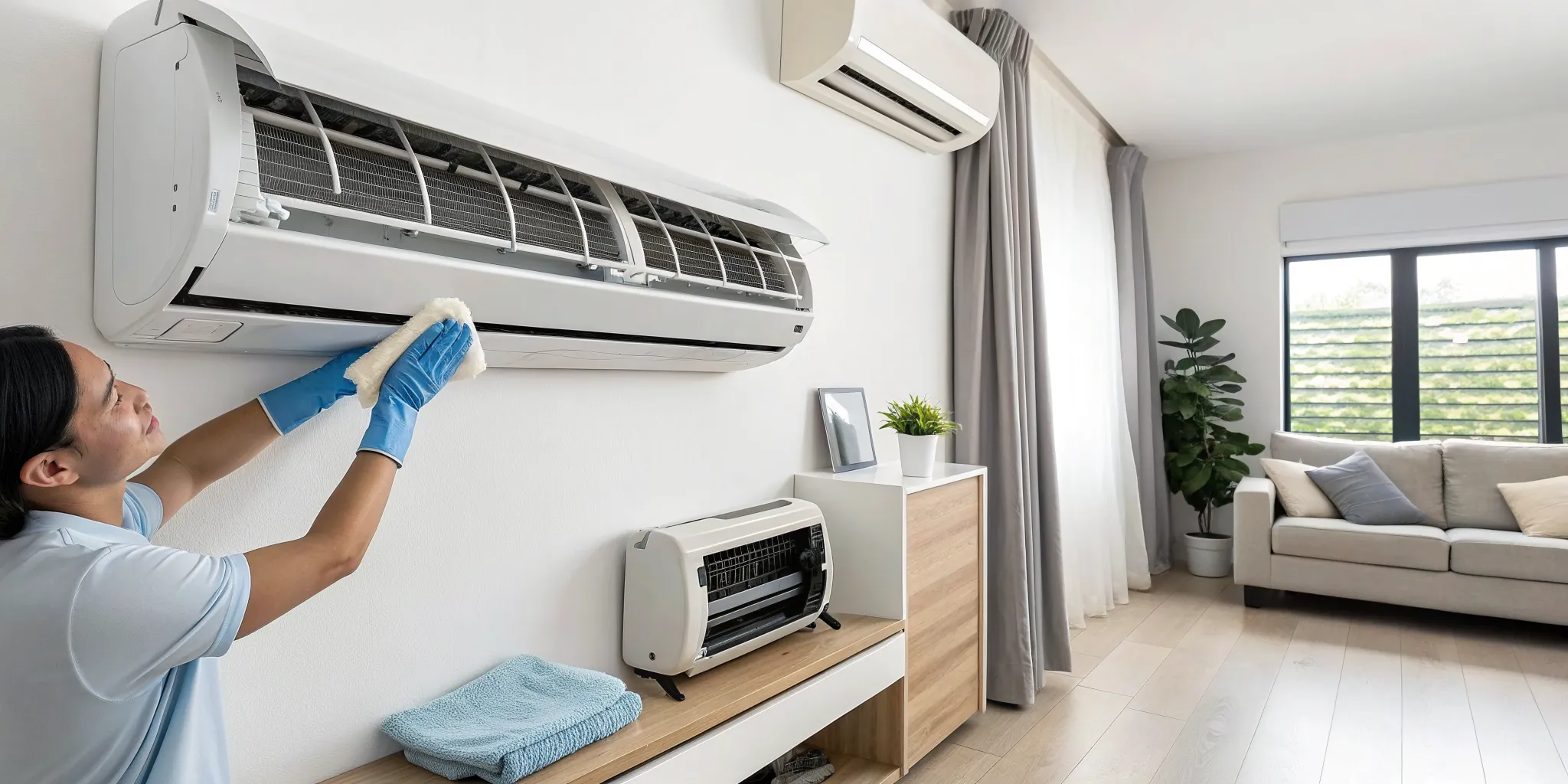
If you're comfortable taking the next step, you can gently clean the cooling fins inside your indoor unit. These thin metal fins are essential for heat exchange, but they can get caked with dust and grime, which hurts efficiency. After turning off the power, you can use a soft brush, a damp cloth, or a spray bottle with water to carefully wipe them down. The key word here is *carefully*. You want to avoid spraying any water on the electronic parts, like the circuit board or the display screen. Getting those components wet can lead to a costly repair, so a light touch is all you need to get the job done safely and effectively.
How to Clean the Blower Fan
The blower fan, which is responsible for circulating cool air through your home, is another spot where dust loves to hide. It can be tough to reach, but there’s a simple trick to clean it. With the power on, switch your AC to "fan only" mode. As the fan spins, you can use a long, thin brush to gently knock the dust off the blades. Make sure you wear a mask for this part—a surprising amount of dust will fly out, and you don’t want to breathe that in. This method helps keep your system moving air freely, but if it seems too difficult or you’re not seeing results, it’s a sign that a deeper professional cleaning is in order.
A Word of Caution: Protect Your AC's Electronics
While these DIY cleaning tips can be very effective, it’s crucial to remember that your AC unit is a complex piece of equipment with sensitive electronics. The internal circuit board (PCB) is the brain of your system, and any moisture can cause it to short out, leading to a complete system failure. When cleaning, always be mindful of where water is going and protect these components at all costs. If you ever feel unsure about a task or worry about causing damage, it’s always the smarter choice to pause and call for professional air conditioning services. A service call is far less expensive than replacing a fried circuit board.
Optimize Your Thermostat Settings
It’s a common myth that setting your thermostat to a super low temperature will cool your house faster. In reality, your AC cools at a steady pace, so dropping the temperature way down just makes it run longer, wasting energy and money. For better efficiency, set your thermostat to your desired temperature and leave it. Better yet, consider using a programmable or smart thermostat to automatically adjust the temperature when you’re away or asleep. This is a simple way to manage your cooling costs without sacrificing comfort and is a key feature of modern energy-saving systems.
Is Your AC Working Correctly? How to Tell
When the Texas heat is in full swing, you rely on your air conditioner to be your home’s hero. But sometimes, it’s hard to know if your system is truly keeping up or just getting by. Before a small issue turns into a major headache, you can run a few simple checks to see if your AC is performing as it should. These quick tests don't require any special tools and can give you peace of mind or an early warning that it’s time to call for backup. Think of it as a mini-physical for your cooling system, helping you catch problems before they lead to a sweltering afternoon with no relief.
Feel the Air Coming from Your Vents
One of the most straightforward ways to check your AC's health is to measure the temperature of the air it's putting out. Turn your thermostat to cool and let the system run for about 15 minutes to get it going. Then, hold a simple kitchen thermometer up to one of the vents. The air coming out should be about 15 to 20 degrees cooler than the air going into your return vent (the large one that pulls air in). If the temperature difference is less than 15 degrees, your AC might be low on refrigerant or have another issue that’s keeping it from cooling effectively.
Check the Air Temperature
Another great way to gauge your AC's health is by checking its temperature split—the difference between the air going in and the air coming out. First, set your thermostat to 'cool' and let the system run for about 15 minutes. Then, grab a simple thermometer and take a reading at a return vent (one of the larger vents that pulls air in). This is your starting temperature. Next, measure the air coming directly out of a supply vent. A healthy system should produce air that is 15 to 20 degrees cooler than the air it takes in. This simple test is a key indicator of how well your unit is removing heat from your home.
If the temperature drop is less than 15 degrees, your system isn't cooling efficiently. This could be due to a clogged filter or a more serious issue like low refrigerant. On the other hand, a drop of more than 22 degrees can also signal a problem, usually related to poor airflow. If your readings fall outside that ideal 15-to-20-degree range, it’s a good idea to have your air conditioning system looked at by a professional to find the cause before it leads to a bigger repair. Catching these issues early can save you from a much hotter, more expensive problem down the road.
Is the Airflow Strong and Steady?
Next, walk through your home and hold your hand up to the vents in each room. You should feel a steady, strong stream of cool air from each one. If the airflow feels weak or you notice some vents are blowing much harder than others, the first thing you should check is your air filter. A clogged filter is the most common cause of poor airflow and can strain your entire system. If you’ve recently replaced the filter and the air pressure is still low, it could point to a problem with the fan or a blockage in your ductwork.
Listen for Banging, Hissing, or Clanking
You’re probably used to the gentle hum of your AC kicking on and the soft whoosh of air through the vents. Any sounds outside of that normal operation are worth paying attention to. Listen for grinding, squealing, rattling, or banging noises coming from your indoor or outdoor unit. These sounds often signal a mechanical problem, like a loose part, a worn-out belt, or a failing motor. Ignoring strange noises can lead to more extensive and expensive damage, so it’s best to have them checked out sooner rather than later.
Did Your Energy Bill Suddenly Go Up?
Your utility bill is a great indicator of your AC's efficiency. Take a look at your electricity costs over the last few months. If you notice a sudden and significant increase that you can’t explain by a heatwave or having extra guests, your air conditioner could be the culprit. An inefficient system has to work much harder and run longer to cool your home, which drives up your energy consumption. Regular air conditioning services can keep your unit running efficiently and help keep your bills in check.
Breathe Easier: AC Maintenance for Health and Allergies
Your AC does more than just cool your home; it plays a huge role in the quality of the air you breathe every day. For those of us in Corpus Christi dealing with seasonal pollen and year-round humidity, this is especially important. A well-maintained air conditioner acts as your home's first line of defense, filtering out dust, dander, and other irritants that can trigger allergies and asthma. When your system is neglected, it can do the opposite, circulating these very same particles throughout your living space. Regular maintenance isn't just about preventing breakdowns; it's a crucial step toward creating a healthier, more comfortable environment for you and your family.
Taking control of your indoor air quality starts with understanding how your AC system can help. From choosing the right air filter to managing humidity levels, simple adjustments can make a world of difference. For those with significant sensitivities, there are also more advanced solutions that integrate directly with your HVAC system to purify the air and eliminate contaminants at the source. By focusing on your AC's role in your home's health, you can reduce allergy symptoms, breathe a little easier, and enjoy the comfort of knowing your air is as clean as it is cool. Let's explore some practical ways to make that happen.
Control Home Humidity Levels
Here in South Texas, we know a thing or two about humidity. That sticky feeling in the air doesn't just affect your comfort; it creates the perfect breeding ground for mold, mildew, and dust mites—all major allergy triggers. Your air conditioner naturally removes some moisture from the air as it cools, but sometimes it needs a little help. To keep these allergens at bay, aim to maintain your home's humidity level below 50%. Using a whole-home or portable dehumidifier can be a game-changer, especially during our most humid months. This simple step helps protect your home and your health by making it much harder for mold and other microscopic pests to thrive.
Choosing High-Efficiency Filters for Allergies
The standard, one-inch filter that comes with most HVAC systems is designed to protect the equipment, not necessarily your lungs. If you or someone in your family struggles with allergies, upgrading your air filter is one of the most effective changes you can make. High-efficiency filters are designed with a denser web of fibers to trap smaller airborne particles like pollen, pet dander, and mold spores. Many modern systems can accommodate filters with a higher MERV rating, such as a MERV 13, which offers significantly better filtration. It’s a small investment that can dramatically improve your indoor air quality and provide noticeable relief from allergy symptoms.
Understanding MERV, HEPA, and Activated Carbon Filters
When you start looking at filters, you'll see a lot of acronyms, but they're easy to understand. MERV, or Minimum Efficiency Reporting Value, is a simple 1-16 scale that tells you how effective a filter is at trapping particles; the higher the number, the smaller the particles it can catch. For a big step up, True HEPA filters are the gold standard, capturing 99.97% of particles as small as 0.3 microns. If you're also concerned about odors from pets, cooking, or chemicals, look for a filter with an activated carbon layer. This material is excellent at absorbing smells and volatile organic compounds (VOCs), leaving your air feeling fresher and cleaner.
Advanced Indoor Air Quality Solutions
While high-quality filters are a great start, sometimes you need to bring in reinforcements for the best possible air quality. If allergies or respiratory issues are a serious concern in your household, it might be time to consider solutions that go beyond simple filtration. These advanced systems work alongside your existing HVAC unit to actively purify and clean the air throughout your entire home. From sanitizing UV lights that kill germs to professional duct cleaning that removes years of built-up debris, these options provide a more comprehensive approach to creating a healthy indoor environment. They represent a proactive step toward ensuring your family breathes the cleanest air possible.
Professional Duct Cleaning
Think of your air ducts as the respiratory system of your home. Over time, they can accumulate dust, pollen, pet dander, and even mold, which then gets recirculated every time your AC or heater kicks on. Professional duct cleaning removes this buildup directly from the source, preventing contaminants from spreading through your air. It’s generally recommended to have your ducts cleaned every three years, but if you have severe allergies or pets, you might consider doing it every two years. This service ensures that the air traveling to your vents is clean, which can significantly reduce indoor allergens and improve overall system efficiency.
UV Germicidal Lights
One of the most innovative solutions for air purification is UV-C germicidal lights. These lights are installed directly inside your HVAC system, typically near the indoor coil where moisture can lead to mold and bacteria growth. As air circulates past the light, the powerful UV-C rays neutralize and destroy microscopic organisms like mold spores, viruses, and bacteria. It’s a chemical-free way to continuously sanitize your home’s air, stopping contaminants before they ever have a chance to circulate. We can help you determine if a UV light system is a good fit for your home as part of our comprehensive indoor air quality services.
Whole-Home Ventilation Systems
Modern homes are built to be incredibly airtight, which is great for energy efficiency but can also trap stale, polluted indoor air. A whole-home ventilation system, like an Energy Recovery Ventilator (ERV), solves this problem. An ERV works with your HVAC system to continuously exchange stale indoor air with fresh outdoor air. Before the fresh air enters your home, it passes through a filter to remove pollen and other allergens. At the same time, the system transfers heat and moisture from the outgoing air to the incoming air, so you get fresh air without compromising your home's temperature or humidity levels, and without wasting energy.
Red Flags That Mean You Need an AC Pro
While you can handle many basic maintenance tasks yourself, your air conditioner will sometimes send clear signals that it needs an expert’s touch. Paying attention to these warning signs can be the difference between a simple fix and a costly, mid-summer breakdown. Think of it like this: you can top off your car’s windshield wiper fluid, but you’d call a mechanic for a strange engine noise. Your AC is no different. Ignoring issues like weak airflow, strange sounds, or constant cycling won’t make them go away. In fact, it usually makes them worse, leading to higher energy bills and more extensive damage.
When your system starts acting up, it’s trying to tell you something is wrong. Listening to those cues and calling for professional help promptly is the smartest move for your comfort, your wallet, and your peace of mind. Our team is trained to diagnose these problems accurately and provide effective air conditioning services to get your system running smoothly again. Don’t wait for a small issue to become a major headache. If you notice any of the following signs, it’s time to give a professional a call.
The Air Isn't Cold or Strong Enough
If you hold your hand up to a vent and the air feels weak or lukewarm, that’s a definite red flag. Your AC’s primary job is to deliver cold air, so when it fails at that, something is wrong. The issue could be as simple as a severely clogged air filter that’s blocking airflow. But if you’ve already replaced the filter and the problem persists, it could point to a more serious issue. Problems like a failing compressor or leaky ductwork often require a professional diagnosis. An expert can pinpoint the exact cause and prevent you from wasting money on guesswork.
You Hear, Smell, or See Something Wrong
Your air conditioner should operate with a consistent, low hum. If you start hearing new and unusual sounds like grinding, squealing, or banging, turn the system off and call a technician. These noises often indicate that mechanical parts are loose, worn out, or broken. Similarly, pay attention to any strange odors. A musty smell might suggest mold or mildew growth in your ducts, which can impact your home’s indoor air quality. A burning smell is even more serious, as it could signal an electrical problem that poses a fire hazard. Don’t ignore what your senses are telling you.
Your AC Keeps Turning On and Off (Short Cycling)
Does your AC kick on for a few minutes, shut off, and then turn back on again shortly after? This is called short cycling, and it’s a sign of trouble. It puts a massive amount of strain on your system’s components, leading to premature wear and tear and higher energy bills. Short cycling can be caused by several things, from a malfunctioning thermostat to an oversized AC unit that cools the space too quickly. A professional can determine the root cause of the cycling and recommend a solution that restores your system’s efficiency and protects it from unnecessary damage.
You've Found Water Leaks or Frost
Water and ice are two things you never want to see on or around your air conditioner. If you notice water pooling near your indoor unit, it likely means the condensate drain line is clogged and overflowing. This can cause significant water damage to your floors, walls, and ceilings. Ice forming on the refrigerant lines or evaporator coils is another critical warning sign. It often indicates a problem with airflow or low refrigerant levels. If you see either of these issues, it’s best to turn your AC off to prevent further damage and contact us for immediate help.
Understanding Refrigerant Leaks
One of the most common culprits behind an underperforming AC is a refrigerant leak. Refrigerant is the fluid that cools your home, and since it runs in a closed system, low levels mean there's a leak. Common signs include air that isn't cold, your system running constantly, or a sudden spike in your energy bill. You might also hear a hissing sound or see ice forming on the copper lines near your unit. Simply topping off the refrigerant is a temporary fix that ignores the root cause and can lead to serious damage to your compressor. If you notice these symptoms, it's crucial to have a professional handle the AC repair to find and fix the source of the leak.
How Often Should You Really Change Your AC Filter?
Think of your AC’s air filter as its lungs. It traps dust, pollen, and other gunk, preventing it from circulating through your home and clogging up the sensitive parts of your HVAC system. Changing it is one of the simplest, most effective DIY maintenance tasks you can do. It’s a small step that makes a huge difference in your system’s performance, your home’s air quality, and even your monthly energy bill. If you only do one thing to maintain your AC, make it this.
A Simple Filter-Changing Schedule
A good rule of thumb is to check your air filter every month and plan to replace it every three to six months. However, this isn't a one-size-fits-all schedule. If you have furry pets shedding dander, live with someone who has allergies, or your home is near a construction zone, you’ll likely need to change it more often, maybe even monthly. The best way to know for sure is to simply pull the filter out and look at it. If it’s covered in a thick layer of gray dust, it’s time for a new one. Keeping up with this simple task is a core part of our recommended air conditioning services.
The Cost of a Dirty Air Filter
Forgetting to change your air filter forces your entire AC system to work harder. When a filter gets clogged, airflow is restricted, making your AC struggle to pull in enough air to cool. This strain can lead to higher energy bills because the system has to run longer to reach your desired temperature. Over time, it can cause expensive components to fail. Beyond the mechanical stress, a dirty filter can’t effectively trap allergens and pollutants, which means your family is breathing in more dust and dander. Regular changes are crucial for maintaining healthy indoor air quality and keeping your system running efficiently.
How to Choose the Right Filter
Air filters aren’t universal, so you can’t just grab any one off the shelf. The most important thing is getting the right size. You can find the dimensions printed right on the frame of your current filter (for example, 16x25x1). Write this down or take a picture before you head to the store. You’ll also see a MERV rating, which stands for Minimum Efficiency Reporting Value. A higher MERV rating means the filter can trap smaller particles. While that sounds great, a filter with too high a rating can restrict airflow in a system not designed for it. Check your AC unit’s manual for the recommended MERV range, and if you’re ever unsure, just contact us for advice.
When to Skip the DIY and Call a Pro
While handling basic AC maintenance can be empowering, it’s crucial to know where to draw the line. Some tasks are best left to trained professionals to ensure your safety and prevent costly damage to your system. Trying to fix complex issues on your own can turn a small problem into a major repair. Recognizing the difference between a simple task and a job for an expert is key to keeping your air conditioner running smoothly and safely for years to come.
Leave Electrical and Refrigerant Issues to Experts
If you ever open your AC unit and see burnt wires or damaged electrical components, your DIY job is done. Stop immediately and call for professional air conditioning services. Your system uses high-voltage electricity that can be extremely dangerous if you don't have the right training. The same rule applies to refrigerants. These are specialized chemicals that require certified handling for your safety and to protect the environment. A refrigerant leak not only stops your AC from cooling but can also be harmful. These are not areas for guesswork; they require the tools and expertise of a licensed technician.
Problems That Need Immediate Attention
Your AC will usually give you hints when it needs professional attention. Don't ignore them. Call an expert if you notice weak airflow or air that isn’t cold, strange grinding or squealing noises, or musty and burning smells. Other red flags include a sudden spike in your electricity bill, water leaks or ice forming on the unit, or a system that turns on and off too frequently. These symptoms often point to underlying issues that need a professional diagnosis to prevent a complete breakdown. If you're experiencing any of these, it's time to contact us.
Why Some DIY AC Repairs Are Dangerous
Your safety is always the top priority. While you can absolutely change your air filters and clear away leaves from the outdoor unit, a full tune-up is a different story. AC systems are complex machines with components that can be hazardous if handled improperly. Between the high-voltage parts and the pressurized refrigerant lines, there’s a lot that can go wrong without proper training and equipment. A professional technician has the right safety gear and specialized tools to work on your system without risking injury or causing further damage to your home's most important appliance.
What a Professional Tune-Up Covers
When you schedule a professional tune-up, you’re getting a comprehensive system check-up that goes far beyond basic cleaning. A technician will inspect and clean the indoor and outdoor coils, clear the drain line to prevent clogs, and check refrigerant levels for optimal performance. They will also tighten electrical connections, lubricate moving parts, and test critical components to ensure everything is working correctly. This preventative care is often included in our membership program and is the best way to catch small issues before they become big, expensive headaches.
Protect Your Manufacturer's Warranty
Your air conditioner is a significant investment, and its manufacturer's warranty is your financial safety net. However, many homeowners don't realize that attempting certain DIY repairs can void that warranty entirely. AC systems contain high-voltage electrical components and specialized refrigerants that require certified handling. When an untrained person works on these parts, it not only creates a safety risk but can also violate the terms of your warranty agreement. Manufacturers require that service be performed by licensed professionals to ensure the work is done correctly and safely. Sticking with professional service for anything beyond basic cleaning protects your investment and ensures your warranty remains valid for its full term, which is especially important for high-quality systems like the Trane products we trust.
Understanding the Costs of Professional Service
Think of a professional AC tune-up as a comprehensive health check for your system. It’s a proactive step that costs far less than an emergency repair call in the middle of a Corpus Christi heatwave. During a typical service visit, which usually lasts one to two hours, a technician does much more than just look around. They will thoroughly clean the coils, check refrigerant levels, tighten all electrical connections, lubricate moving parts, and test critical components to ensure everything is running at peak efficiency. This detailed inspection is designed to catch small issues before they escalate, saving you money and preventing unexpected breakdowns. Investing in regular air conditioning services is one of the smartest ways to manage your home's budget and comfort.
Average Tune-Up and Labor Costs
When budgeting for home maintenance, it’s helpful to know what to expect. A standard, one-time AC tune-up typically costs between $65 and $200, with the average landing around $120. This price covers the comprehensive inspection and cleaning that keeps your system running efficiently and helps prevent future breakdowns. For many homeowners, an even better option is joining a service plan. Our membership program, for example, often includes annual tune-ups at a preferred rate, along with other perks like priority service and discounts on repairs. This turns a variable expense into a predictable, manageable part of your annual budget, ensuring your system gets the care it needs without any surprises.
Common Repair Costs
While regular tune-ups can prevent many problems, it's still wise to be aware of potential repair costs if an issue does arise. These expenses can vary widely depending on the part and the complexity of the job. For instance, a simple capacitor replacement might cost between $100 and $250, while a refrigerant leak detection and repair could range from $100 to over $1,500. Other common repairs include replacing a fan motor ($200-$700) or a thermostat ($100-$280). These figures highlight why preventative maintenance is so valuable—a small investment in a tune-up can help you avoid these much larger, unexpected costs. If you suspect a problem, it's always best to contact us for an accurate diagnosis and quote.
Your Year-Round AC Maintenance Schedule
Keeping your air conditioner in top shape isn't just a summer project. A little attention throughout the year can prevent surprise breakdowns, keep your energy bills in check, and make your system last longer. Think of it as a simple routine, like checking the oil in your car. By breaking down tasks by month and season, you can stay ahead of potential problems and ensure your home stays comfortable, no matter what the Texas weather throws at you. This proactive approach makes managing your air conditioning services much simpler and more effective. Let's walk through how to create a maintenance plan that works for you.
What to Check Every Month
Once a month, take just a few minutes to give your AC system a quick look. You don’t need any special tools, just a keen eye. Start by inspecting your air filter to see if it’s clogged with dust and debris. A dirty filter makes your system work harder, so getting in the habit of checking it is key. Next, glance at your outdoor unit. Are there leaves, grass clippings, or branches crowding it? Clear away any debris to ensure it has plenty of room to breathe. These simple, consistent checks are your first line of defense in maintaining good airflow and efficiency.
Your Spring and Fall AC Checklist
As the seasons change, your AC maintenance tasks will shift slightly. In the spring, before the Corpus Christi heat really settles in, it’s time for a more thorough check. This is the perfect time to deep clean your outdoor condenser coils and make sure the condensate drain line is clear to prevent water backups. As fall arrives and temperatures cool down, your system gets a much-needed break. You can trim back any overgrown shrubs around the outdoor unit and consider if a cover is needed to protect it from winter elements. A seasonal checklist helps you prepare your system for the demands of the upcoming weather.
When to Schedule Professional Service
While your monthly and seasonal checks are incredibly helpful, they don't replace a professional tune-up. At least once a year, ideally in the spring, you should have a certified technician inspect your system. A professional can handle the complex tasks you can't, like checking refrigerant levels, testing electrical components, and cleaning internal parts. This annual service ensures your AC runs safely and at peak performance. To make scheduling and budgeting easier, consider joining a membership program that includes yearly tune-ups and other perks. It’s the best way to guarantee your system gets the expert care it needs.
Scheduling During the Off-Season for Savings
Timing is everything, especially when it comes to saving money on your AC maintenance. Most people wait until the first scorching day of summer to call for service, but that’s when technicians are in high demand. A smarter strategy is to schedule your professional tune-up during the off-season, like in the fall or early spring. You’ll find it’s much easier to get an appointment that works for you, and you might even find better pricing. This simple shift ensures your system is in peak condition before it has to work its hardest, which can prevent the vast majority of breakdowns. Think of it as a small investment now to avoid costly emergency repairs and high energy bills later.
How Smart AC Maintenance Saves You Money
Think of regular AC maintenance as an investment, not just another expense on your to-do list. A little proactive care for your system pays off big time, saving you from surprise repair bills and high energy costs, especially during those hot Corpus Christi summers. By keeping your unit in top shape, you’re not just ensuring your comfort; you’re making a smart financial decision that protects your home and your wallet.
Prevent Costly Breakdowns
Nobody wants their AC to break down in the middle of a heatwave. Regular tune-ups are your best defense against those unexpected and often expensive emergencies. In fact, consistent maintenance can prevent up to 95% of all AC breakdowns. During a professional service call, a technician can spot worn-out parts or small issues before they turn into major system failures. Catching a minor problem early is always more affordable than dealing with a complete system shutdown later. Think of it as preventative care that keeps your air conditioning services bill predictable and low.
Lower Your Monthly Energy Bills
An air conditioner that has to work too hard uses a lot more electricity. When filters are clogged and coils are dirty, your system runs longer and less efficiently to keep your home cool. A well-maintained AC unit, on the other hand, can reduce your cooling costs by as much as 15% to 20%. By simply keeping your system clean and running smoothly, you ensure it operates at peak performance. This means it uses less energy to do its job, which translates directly into lower monthly utility bills and a more efficient home.
Extend Your AC's Lifespan
Your air conditioning system is one of the most significant appliances in your home, and you want it to last as long as possible. With proper care, a modern AC unit can last 15 to 20 years. Without it, that lifespan can be cut nearly in half, down to just 8 to 12 years. Scheduling regular maintenance protects your investment and delays the costly expense of a full replacement. Our membership program is designed to make this easy, providing routine check-ups that keep your system running efficiently for years to come.
Related Articles
- AC Tune-Ups & Maintenance in Corpus Christi, TX | Tommy Cool Air
- Understanding AC Efficiency: Tips for Optimizing Your Cooling System | Tommy Cool Air
- Your Guide to Mastering Indoor Climate Control in Every Season | Tommy Cool Air
- 7 Essential Tips for Maintaining Optimal Indoor Air Quality | Tommy Cool Air
- 20 Common Problems Requiring Emergency Furnace Repair and How to Prevent Them | Tommy Cool Air
Frequently Asked Questions
My AC seems to be running okay. Do I really need to schedule a professional tune-up every year? Think of it like a check-up at the doctor. You go even when you feel fine to catch potential issues early. An annual tune-up does the same for your AC. A technician can spot worn parts, clean critical components you can't reach, and check refrigerant levels to ensure the system is running at peak efficiency. This preventative step is the best way to avoid a sudden breakdown during a hot Texas summer and keep your energy bills from creeping up.
What's the single most important maintenance task I can do myself? Without a doubt, it's regularly checking and changing your air filter. A clogged filter is the root cause of so many common AC problems, from poor airflow to system strain and higher energy costs. It forces your unit to work much harder than it should. By simply swapping out that filter every one to three months, you improve your system's efficiency, protect its components, and help keep your home's air cleaner.
Is it safe to clean my outdoor AC unit with a hose? Yes, it is safe and very helpful, as long as you take one crucial first step: turn off the power to the unit at the breaker box. Once the power is off, you can clear away large debris like leaves and twigs by hand. Then, use a garden hose on a gentle setting to spray the fins from the inside out, pushing the dirt away from the unit. Avoid using a high-pressure nozzle, as it can easily bend the delicate metal fins.
How can I tell if a strange noise from my AC is a serious problem? You know the normal hum your system makes. Any sound that deviates from that, like grinding, squealing, rattling, or banging, is a sign that something is wrong. These noises usually point to a mechanical issue, such as a loose part or a failing motor. The best thing to do is turn your AC off to prevent further damage and call a professional to diagnose the source of the sound.
Will changing my air filter more often really help my allergies? Absolutely. Your air filter's main job is to trap airborne particles like dust, pollen, and pet dander before they can circulate through your home. When the filter gets clogged, it can no longer do its job effectively, meaning more of those allergens end up in the air you breathe. For households with allergy sufferers or pets, changing the filter monthly can make a significant difference in your indoor air quality and overall comfort.