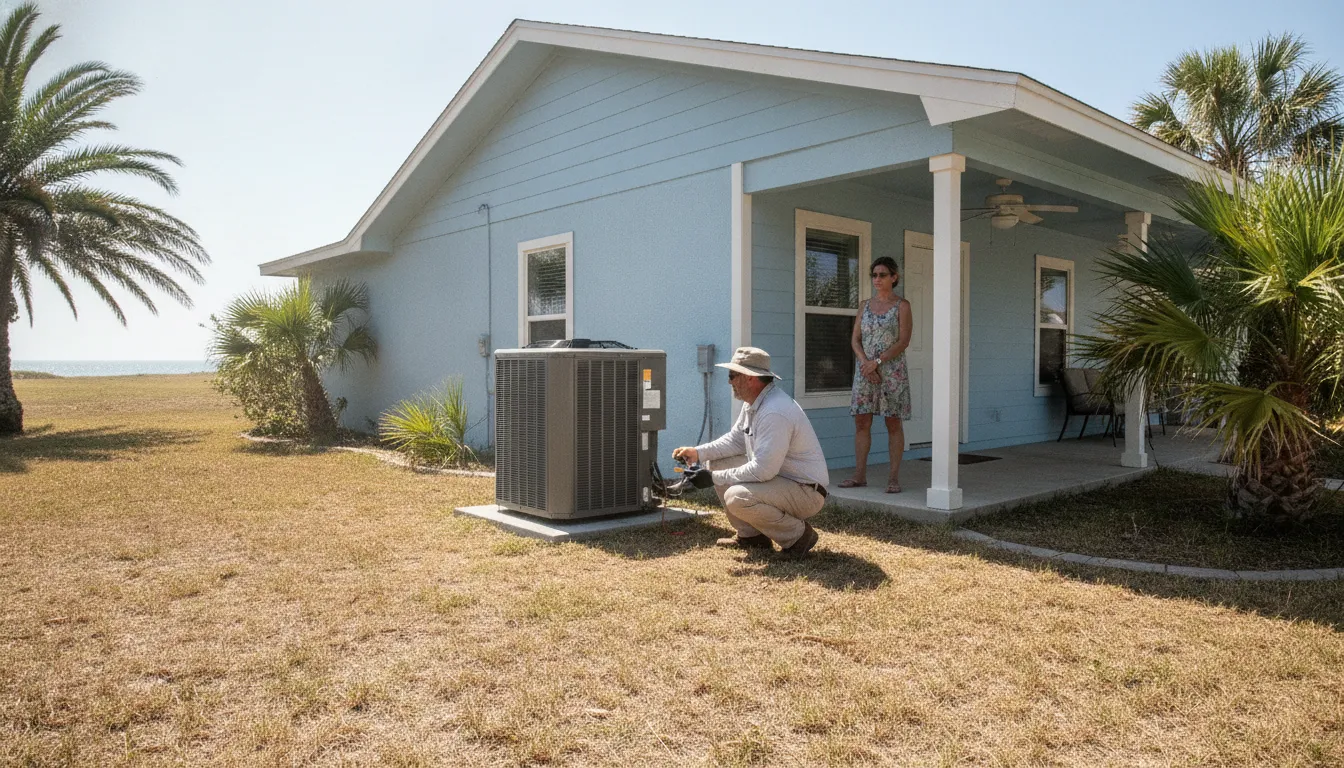
Living in Corpus Christi means our air conditioners work overtime against intense heat, humidity, and salty air. These unique coastal conditions can be incredibly tough on your system, causing corrosion and wear much faster than in other areas. That’s why it’s so important for local homeowners to be proactive. This article is packed with air conditioning repair tips tailored for our specific climate. We’ll help you identify the warning signs that your system is struggling, from weak airflow to strange noises. You’ll learn some simple maintenance you can perform yourself to combat the effects of our environment and know exactly when a problem needs a local expert.
Key Takeaways
- Learn to spot early warning signs: Pay attention to unusual sounds, weak airflow, or warm air from your vents. Catching these issues early can prevent a complete system failure and save you from a much larger repair bill.
- Prioritize simple DIY maintenance: Your most powerful tools for preventing breakdowns are changing your air filter regularly and keeping the outdoor unit clear of debris. These two simple habits are crucial for efficiency and system longevity.
- Know when to call a professional: For your safety, always leave complex issues like refrigerant leaks, burning smells, or recurring electrical problems to a certified technician. An annual tune-up is also a smart investment for long-term performance.
Is Your AC Acting Up? Watch for These Warning Signs
When the Texas heat hits, a struggling air conditioner isn't just an inconvenience; it's a major problem. Your AC unit usually gives you little hints before it decides to quit on you completely. Learning to spot these early warning signs can save you from a sweltering home, unexpected repair bills, and a lot of stress. Think of it like a check-engine light for your house. Ignoring a strange noise or a bit of warm air might seem fine at first, but it often leads to a much bigger, more expensive issue down the road.
Paying attention to how your system sounds, feels, and smells is the first step in proactive AC care. Is it making a new clanking noise? Are some rooms colder than others? Does it seem to run all day without ever shutting off? These aren't just quirks; they're clues that something is wrong. By catching these problems early, you can often address them with a simple fix or a scheduled service call instead of a middle-of-the-night emergency. Below are some of the most common red flags that your air conditioner needs attention. If you notice any of them, don't wait for the problem to get worse.
Your Unit Won't Turn On
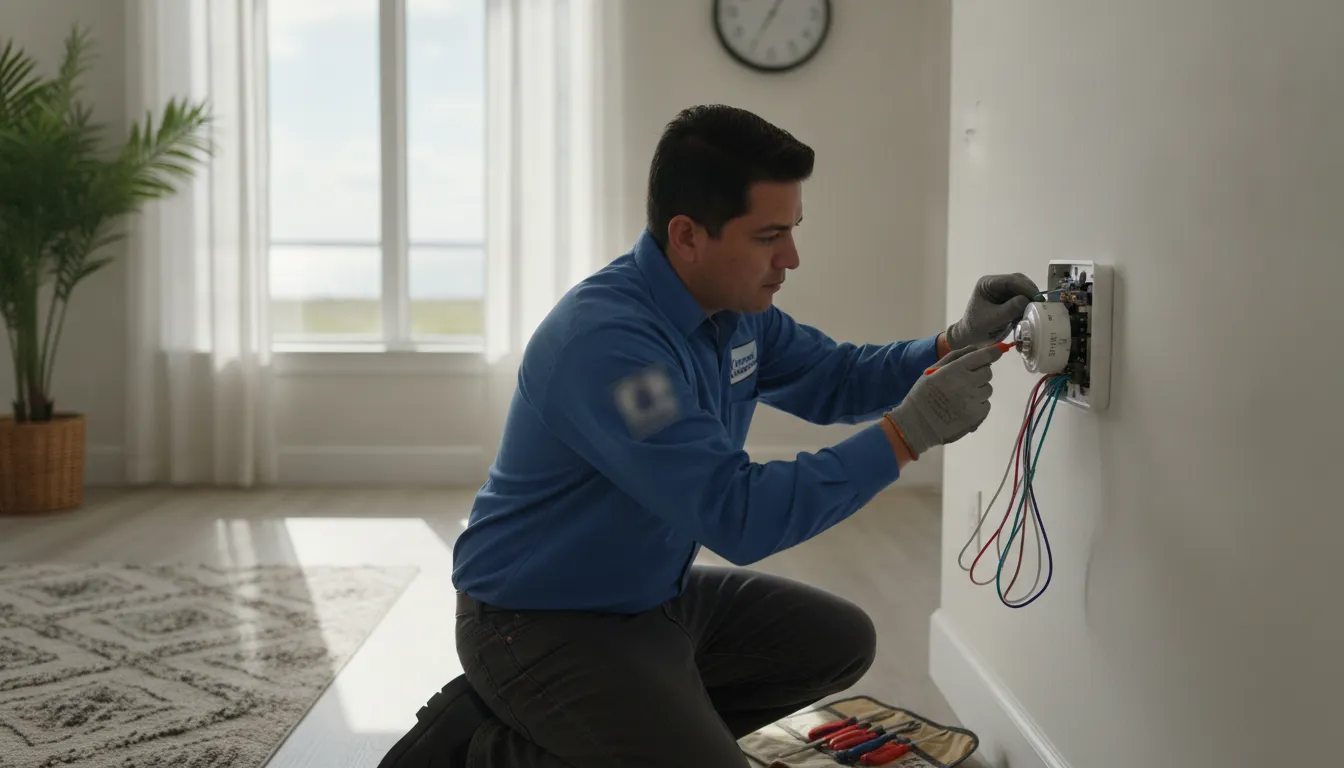
There’s nothing more frustrating than an AC that refuses to start. Before you panic, take a moment to check your home’s circuit breakers. Sometimes, a simple flip of a switch is all it takes to get things running again. If the breakers are fine, the issue could be a little more complex. A faulty thermostat might not be sending the right signal to your AC unit. Other potential culprits include wiring problems, a broken internal part, or even a clogged condensate drain line, which can trigger a safety switch to shut the system down. If a quick check of the breaker doesn't solve it, it's time to call for professional air conditioning services.
The AC is Blowing Warm Air
If your AC is running but pushing out lukewarm air, it’s definitely not doing its job. First, do a quick check of your thermostat. Make sure it’s set to “cool” and not just “fan,” which only circulates air without cooling it. A dirty air filter is another common cause, as it can restrict airflow and hinder the cooling process. If changing the filter doesn't help, you might try gently cleaning the outdoor unit’s coils, as dirt and debris can prevent them from releasing heat effectively. If these simple steps don’t bring back the cold air, you could be dealing with a more serious issue like a refrigerant leak.
Your System Runs Non-Stop
Your air conditioner should cycle on and off throughout the day to maintain a consistent temperature. If you notice it’s running constantly without a break, that’s a clear sign something is off. In the Corpus Christi heat, one of the most common reasons for this is an improperly sized system. An AC that's too small for your home will struggle to keep up, running endlessly while your energy bills climb. A malfunctioning thermostat can also fail to signal the unit to shut off once the desired temperature is reached. This constant operation puts a huge strain on the system, leading to premature wear and tear on its components.
You Hear Strange Noises or Smell Something Burning
Your AC should operate with a gentle hum, so any new or loud noises are a cause for concern. Banging, grinding, or squealing sounds often point to a mechanical problem, like a loose part or a failing motor. Don't ignore these sounds, as they can indicate a serious issue that could cause major damage if left unaddressed. Similarly, any unusual smells, especially a burning or electrical odor coming from your vents, are an immediate red flag. Shut off your system right away and contact a professional. These signs can point to an electrical failure that poses a fire hazard.
Airflow is Weak or Uneven
Are some rooms in your house comfortable while others feel stuffy? Weak or uneven airflow is a classic symptom of an AC problem. More often than not, the culprit is a dirty air filter. When the filter gets clogged with dust and debris, it blocks air from passing through freely. This forces your AC to work much harder to circulate air, leading to reduced cooling, higher energy consumption, and unnecessary strain on the system. Regularly changing your filter is crucial for maintaining good indoor air quality and ensuring your AC runs efficiently. If a new filter doesn't fix it, you could have a problem with your ductwork.
You Notice Leaks or Hear Hissing Sounds
Water pooling around your indoor AC unit is never a good sign. High humidity can cause condensation to build up, and if the drain line is clogged, that water has nowhere to go but onto your floor. This can lead to water damage and create a perfect environment for mold to grow inside your ducts. Another alarming sound is hissing. A hissing noise often indicates a refrigerant leak. Refrigerant is essential for the cooling process, and a leak not only stops your AC from cooling but can also be harmful to the environment. Both leaks and hissing sounds require immediate professional attention to prevent further damage.
Quick Fixes to Try Before You Call
When your AC stops working on a sweltering Corpus Christi day, your first instinct might be to panic. But before you pick up the phone, there are a few simple troubleshooting steps you can take. Many common air conditioning problems have surprisingly easy fixes that don't require a professional. Walking through these checks can save you time, money, and the discomfort of waiting for a technician. Let's go over a few things you can safely inspect yourself.
Start With Your Air Filter
This is always the best place to start. A dirty air filter is one of the most frequent causes of AC trouble. When the filter gets clogged with dust, pet dander, and other particles, it severely restricts airflow. This forces your system to work much harder to cool your home, leading to poor performance, higher energy bills, and even potential damage to the unit. Pull out your filter and hold it up to the light. If you can't see light through it, it's time for a change. A clean filter is essential for both your AC's health and your home's indoor air quality.
Check Your Thermostat Settings
It might sound too simple, but you'd be surprised how often the thermostat is the culprit. First, check if the batteries need replacing; a blank screen is a dead giveaway. Next, make sure the system is set to "cool" and not "heat" or "fan." Finally, confirm that the set temperature is lower than the current room temperature, otherwise, it won't kick on. If the settings are correct but nothing is happening, try resetting the thermostat according to the manufacturer's instructions. This simple check can often get your system running again without any fuss.
Inspect the Circuit Breaker
Your air conditioner is a powerful appliance that uses a lot of electricity, so it has its own dedicated circuit breaker. If the system draws too much power, the breaker will "trip" to prevent damage. Head to your home's electrical panel and look for the breaker labeled "AC," "Air Conditioner," or "HVAC." If it's in the "off" position or stuck in the middle, that's your problem. To reset it, flip the switch completely to the "off" position and then firmly back to "on." If the breaker trips again right away, don't reset it again. This indicates a more serious electrical issue that needs a professional.
Clear Away Debris from the Outdoor Unit
Your outdoor unit, or condenser, needs plenty of space to breathe. It works by pulling in air and releasing heat from your home. If it's covered in leaves, grass clippings, or dirt, it can't do its job effectively. Before you do anything, make sure you turn off the power to the unit at the circuit breaker. Once the power is off, you can gently remove any large debris by hand or with a shop vac. Also, trim back any shrubs or plants so there are at least two feet of clear space around the entire unit. This simple cleanup can significantly improve your system's performance.
Unclog the Condensate Drain Line
As your AC cools the air, it also removes humidity. This moisture collects and exits through a condensate drain line, which is usually a PVC pipe. Over time, algae and sludge can build up and create a clog. When this happens, water backs up, and a safety switch will often shut down your entire system to prevent water damage. You can sometimes find the clog near the indoor unit's drain pan and clear it yourself. However, if the clog is deep within the line, it's best to get professional help, as we have specialized tools to clear it safely and effectively.
Make Sure Vents Are Open and Clear
For your AC to cool your home evenly, air needs to circulate freely. Take a quick walk through your house and check all the supply vents (the ones blowing out cold air). Make sure they are all open and not blocked by furniture, rugs, or curtains. Closed or obstructed vents can create pressure imbalances in your system, reducing efficiency and causing some rooms to feel stuffy while others are freezing. While you're at it, you can use a vacuum with a brush attachment to clean any dust off the vent covers. This ensures you're getting the best possible airflow.
Know When to Call a Professional
While it feels great to solve a problem yourself, some AC issues are too complex or dangerous for a DIY approach. Trying to fix certain problems without professional training can lead to bigger, more expensive damage, or even put your safety at risk. Knowing your limits is just as important as knowing how to clean a filter. If you’ve tried the simple fixes and your air conditioner is still on the fritz, or if you notice any of the serious warning signs below, it’s time to put down the tools and pick up the phone. Think of it as the smartest move you can make for your home and your system’s longevity. A professional technician has the right tools, parts, and safety training to diagnose the root cause and get your AC running correctly.
You Suspect Electrical Problems
When it comes to your AC, electrical issues are non-negotiable. These are not problems you should ever try to fix yourself. If your circuit breaker repeatedly trips right after you reset it, it’s a clear signal that there’s a deeper electrical fault in the system. Other major red flags include a burning smell coming from your vents or the unit itself, or seeing visible sparks. These symptoms can point to frayed wiring, a failing motor, or other serious hazards. For your safety, please turn the system off at the breaker and call a professional right away.
Your System is Leaking Refrigerant
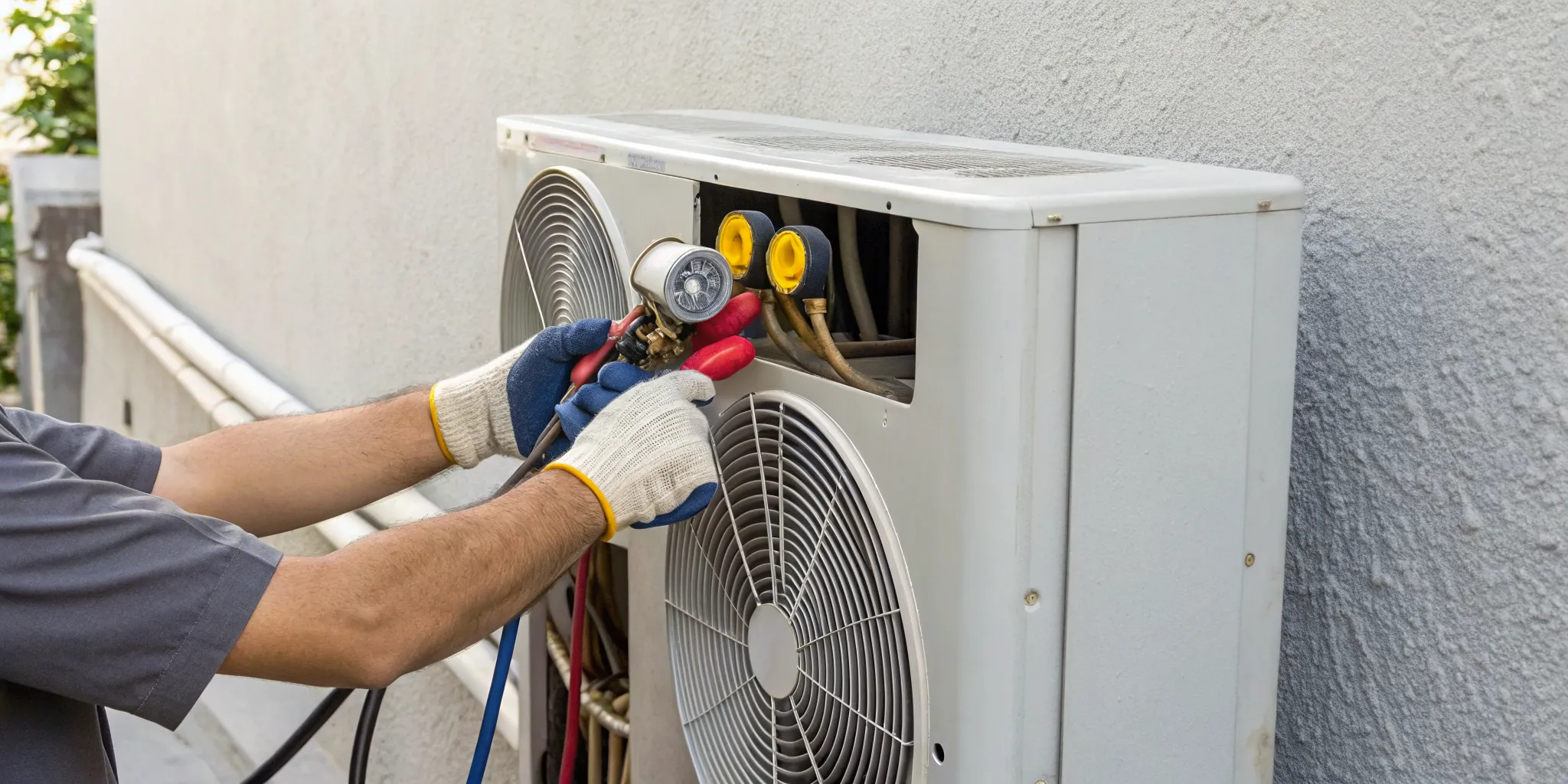
Refrigerant, the chemical that cools the air in your AC system, is a hazardous substance that requires special handling. If you hear a hissing sound or notice a greasy substance on or around your AC components, you likely have a refrigerant leak. This is a job that always requires a certified HVAC technician. Simply adding more refrigerant won’t solve the problem; the leak must be located and properly repaired first. Attempting to handle refrigerant yourself is dangerous, bad for the environment, and won’t provide a lasting solution for your cooling problems.
You Smell Burning or See Sparks
A burning smell is one of the most alarming signs your AC can give you. If you notice an electrical or plastic burning odor coming through your vents, it could mean a part like the blower motor is overheating and about to fail completely. You might also hear loud grinding or banging noises along with the smell. Similarly, if you see any sparks coming from the outdoor or indoor unit, it’s a critical safety issue. Don’t hesitate. Shut down your system immediately to prevent a potential fire and call for expert air conditioning services.
DIY Fixes Aren't Working
You’ve done your due diligence. You changed the filter, checked the thermostat, and cleared the drain line, but your AC is still blowing warm air or making strange noises. When the basic troubleshooting steps don’t solve the issue, it’s a sign the problem lies deeper within the system’s complex components. Issues involving refrigerant lines, complicated electrical parts, or internal motor failures are best left to a qualified technician. Pushing further with DIY repairs at this stage can easily cause more damage and could even void your system’s warranty.
A Major Part Seems to Be Broken
Your air conditioner is a complex machine with many critical parts, like the compressor, fan motor, and capacitor. If one of these major components fails, your system will stop working correctly. These are not parts you can simply pick up at a hardware store and swap out. They require precise diagnosis to identify the failure, and specialized tools and expertise to replace safely and correctly. Using the wrong part or installing it improperly can ruin your entire system. A professional can identify the broken part and replace it with a quality component, like the trusted Trane products we use.
Simple DIY Maintenance to Keep Your AC Healthy
A little proactive care can make a huge difference in how well your air conditioner performs. Think of it like changing the oil in your car; these simple maintenance tasks help prevent bigger, more expensive problems down the road. By spending just a few minutes each month on these DIY checks, you can keep your system running efficiently, extend its lifespan, and even improve your home’s air quality. You don’t need to be an HVAC expert to handle these basics, and they’ll help you stay cool and comfortable all season long.
Change Your Air Filters Regularly
This is one of the easiest and most important things you can do for your AC. A dirty, clogged air filter forces your system to work much harder to pull in air, which wastes energy and puts extra strain on the components. Check your filter every month, especially during the heavy-use summer months. A good rule of thumb is to replace it every one to three months. If you have pets or family members with allergies, you’ll want to change it more frequently. The filter is usually located inside your home in the air handler or furnace unit. Keeping it clean is a simple step toward better indoor air quality services.
Keep the Outdoor Unit Clean
Your outdoor AC unit, or condenser, needs to breathe. Its job is to release the heat pulled from your home, and it can’t do that effectively if it’s covered in dirt, leaves, or grass clippings. Before you do any cleaning, make sure you turn off the power to the unit at the breaker box for safety. Gently remove any large debris by hand, then use a garden hose (not a pressure washer) to rinse the fins from the inside out. It’s also a good idea to trim back any shrubs or plants to maintain at least two feet of clear space around the entire unit for proper airflow.
Clean Your Vents and Registers
The vents and registers throughout your home are the final stop for the cool air your AC produces. Over time, they can collect dust, pet hair, and other debris, which can restrict airflow and circulate allergens in your home. Take a few minutes to walk through your house and give them a quick cleaning with a brush or the hose attachment on your vacuum. While you’re at it, check to make sure none of the vents are blocked by furniture, rugs, or curtains. Clear pathways ensure the conditioned air can circulate freely, keeping every room comfortable and supporting your energy-saving systems.
Inspect the Evaporator Coils
The evaporator coil is located inside your indoor air handler and is responsible for absorbing heat from the air. Like your air filter, it can get dirty over time, which reduces its efficiency. With the power off, you can access the coil panel. If you see a layer of dust, you can gently clean it with a soft brush or a can of no-rinse coil cleaner, which you can find at most hardware stores. Be very careful not to bend the delicate aluminum fins. A clean evaporator coil is essential for effective cooling, and keeping it maintained is a key part of our air conditioning services.
Check the Drain Line for Clogs
Your AC doesn’t just cool the air; it also removes humidity. That moisture is collected and funneled outside through a condensate drain line. If this line gets clogged with algae or sludge, water can back up and cause damage to your home or trigger an automatic shut-off switch. You can help prevent clogs by pouring a cup of distilled vinegar down the line every few months. If you suspect a clog, you may be able to clear it using a wet/dry vacuum on the end of the pipe outside your home. This is a common issue, and you can find more answers on our FAQs page.
How to Prevent Future AC Repairs
An ounce of prevention is truly worth a pound of cure, especially when it comes to your air conditioner. Staying ahead of potential problems can save you from the stress of a sudden breakdown and the expense of a major repair. A little bit of regular attention helps your system run more efficiently, keeps your energy bills in check, and extends the life of your unit. By incorporating a few simple habits into your routine, you can keep your home cool and comfortable all year long. Here are four key strategies to prevent future AC repairs.
Perform Monthly Visual Checks
Set a reminder on your phone to give your AC system a quick look-over once a month. Your main task is to check the air filter. A clogged filter makes your system work harder, which can lead to damage and higher energy costs. Slide it out and see if it’s dirty; if so, replace it. A good rule of thumb is to replace your filter every one to three months, but you may need to do it more often if you have pets or family members with allergies. While you’re at it, glance at the indoor unit for any signs of water leaks and check the outdoor unit to ensure it’s clear of debris.
Prepare Your System for the Season
Before the Corpus Christi heat really kicks in, take a few minutes to get your system ready. Walk through your home and make sure all the air vents and registers are open and clean. You can use a brush or a vacuum attachment to clear away any dust or dirt that has settled on them. This simple step ensures proper airflow and stops dust from being blown into your rooms or sucked back into the AC system. Head outside and check your condenser unit. Trim back any shrubs or plants so there are at least two feet of clear space around the unit for it to work efficiently.
Schedule an Annual Professional Tune-Up
While DIY checks are great, nothing replaces a professional inspection. Scheduling an annual tune-up is one of the best investments you can make for your HVAC system. A trained technician can spot potential issues before they turn into costly breakdowns, clean hard-to-reach components, and ensure your system is running at peak efficiency. This not only saves you money on repairs but also on your monthly energy bills. Our membership program includes regular maintenance, making it easy to keep your system in top shape without having to think about it. It’s peace of mind that pays for itself.
Use Your Thermostat Wisely
How you use your thermostat has a direct impact on your AC unit's health and longevity. To reduce unnecessary strain, set your thermostat to a higher temperature when you’re away from home or asleep. There’s no need to keep an empty house ice-cold. This simple adjustment makes your AC work less hard, which saves money on your energy bill and helps your unit last longer. If you don’t have one already, consider a programmable or smart thermostat. It can automate these temperature changes for you, making energy savings effortless and reducing the daily wear and tear on your air conditioning system.
Stay Safe During DIY AC Repairs
Tackling a home repair project can feel empowering, but when it comes to your AC unit, safety has to be your top priority. Your air conditioner is a complex piece of machinery with high-voltage electrical components and chemical refrigerants. While some fixes are simple enough for a weekend warrior, others carry serious risks if you don't know exactly what you're doing. Before you open up your unit, make sure you understand the potential dangers and are prepared to work safely. A little caution goes a long way in preventing injuries and avoiding more expensive damage to your system.
Always Prioritize Electrical Safety
Before you touch any part of your air conditioner, you must turn off the power. This is the most important safety step. Head to your home’s breaker box and flip the breaker that controls your AC unit. You should also find an outdoor shut-off box near the condenser unit and turn that off as well. This double-checks that no electricity is flowing to the system. Remember, even with the power off, some components like capacitors can still hold a dangerous electrical charge. If you suspect the issue is related to wiring or anything more complex than a tripped breaker, it’s time to step back. For any electrical concerns, it's always safest to call for professional air conditioning services.
Know When to Shut Everything Down
Your AC will often give you warning signs when something is seriously wrong. If you hear loud banging, grinding, or screeching noises, or if you smell something burning, don't hesitate. Go to your thermostat and turn the system off immediately, then shut it down at the breaker box. These symptoms can point to major problems, like a failing motor or a dangerous electrical issue. Continuing to run the unit could cause a fire or lead to a complete system breakdown. Once the power is safely off, it's best to leave it that way and contact an expert to diagnose the problem. Pushing your system when it's in distress is a recipe for a much bigger, more costly repair.
Use the Right Tools for the Job
Having the right tools is essential for any DIY project, and AC repair is no exception. For simple maintenance, you might just need a screwdriver or a shop vac. However, some problems require specialized equipment and knowledge that only a trained technician has. Issues involving refrigerant, for example, are not DIY-friendly. Refrigerant is a hazardous substance that requires a license to handle. Similarly, trying to fix complex electrical parts or internal motor failures without the right training can be incredibly dangerous. Attempting these repairs on your own can cause more damage, void your warranty, and put your safety at risk. Knowing your limits is just as important as knowing how to do the repair itself.
Help Your AC Unit Last Longer
Your air conditioner is one of the hardest-working appliances in your home, especially here in Texas. Getting the most out of your investment means helping it run efficiently for as long as possible. The good news is that you don’t need to be an expert to make a difference. A few simple adjustments to your daily habits can significantly extend the life of your AC unit, saving you money and keeping you comfortable for many seasons to come. By taking a proactive approach, you can prevent common problems and reduce the strain on your system, ensuring it’s ready to handle the Corpus Christi heat when you need it most.
Set Your Thermostat for Success
One of the easiest ways to reduce wear and tear on your AC is by being mindful of your thermostat settings. When you’re away from home or asleep, try setting the temperature a few degrees higher than you normally would. This simple change means your system doesn’t have to work as hard, which reduces strain on its components and lowers your energy bills. For even greater control, consider installing energy-saving systems like a smart thermostat. These devices can learn your schedule and adjust the temperature automatically, so you get all the benefits without having to think about it.
Protect Your Outdoor Unit from the Elements
Living in Corpus Christi means dealing with unique environmental factors like salt, sand, and high winds, all of which can be tough on your outdoor AC unit. These coastal elements can cause corrosion and clog up the components, forcing the system to work harder. You can help protect it by gently rinsing the unit with a hose periodically to wash away salt and debris. It’s also a great idea to ensure the unit is shaded from direct afternoon sun. A little shade can prevent overheating on the hottest days, improving efficiency and helping your system last longer. Proper care is a key part of our air conditioning services.
Adopt Energy-Saving Habits
Small, consistent habits are what truly make a difference in your AC’s longevity. Beyond smart thermostat use, think about other ways to reduce your home’s cooling load. Closing blinds and curtains during the day can block out solar heat, and using ceiling fans allows you to feel cooler at a higher thermostat setting. Combining these simple practices with regular DIY maintenance, like changing your air filters, creates a powerful strategy for preventing problems before they start. For total peace of mind, our maintenance membership ensures your system gets the professional attention it needs to perform at its best year after year.
Need AC Help in Corpus Christi?
Living in Corpus Christi means dealing with some serious heat and humidity. While we love our coastal lifestyle, the local climate can be incredibly tough on air conditioning systems. The constant high humidity can lead to condensation building up inside your unit, which might cause leaks and create a perfect environment for mold to grow in your air ducts. On top of that, the salty air, wind, and sand from our beautiful beaches can wear down your outdoor unit, causing corrosion and damage much faster than in other places. It's a unique set of challenges that can turn a small issue into a major headache.
When your AC starts acting up, it’s not just about comfort; it’s about protecting your home and your health from potential mold and system failures. These environmental factors require a team that truly understands the area. At Tommy Cool Air, we’re not just familiar with these problems, we specialize in solving them. Our team has the local experience to diagnose issues caused by our coastal environment and provide effective, lasting air conditioning services to keep your home cool and safe all year round. We know what to look for and how to keep your system running smoothly despite the demanding conditions.
Why Local Homeowners Trust Tommy Cool Air
Homeowners around here know that a standard fix often won’t cut it. The combination of wind, sand, and salt is a serious threat to your home’s cooling and heating systems, causing corrosion and clogs that can lead to major breakdowns. We’ve built our reputation on understanding these specific challenges. Our team lives and works here, so we have firsthand experience with what your AC unit goes through every season. That’s why so many of your neighbors trust us to provide solutions that are tailored to our unique coastal environment, ensuring your system runs efficiently for years to come.
Our Expert Repair Services and Quality Trane Products
We’ve seen it all, from systems that won’t turn on to units that run nonstop. One of the most common issues we find in Corpus Christi is an incorrectly sized AC system, which wastes energy and still doesn’t cool your home properly. Our technicians are trained to pinpoint the real source of the problem and perform expert repairs that get it right the first time. To ensure your peace of mind, we also install high-quality Trane products, which are known for their durability and reliability. A solid repair combined with a dependable system is the best way to beat the Texas heat.
Related Articles
- AC not turning on? A homeowner's checklist
- AC Repair in Corpus Christi, TX | Tommy Cool Air
- AC Tune-Ups & Maintenance in Corpus Christi, TX | Tommy Cool Air
- AC Installation in Corpus Christi, TX | Tommy Cool Air
- Emergency AC Service in Corpus Christi, TX | Tommy Cool Air
Frequently Asked Questions
How often should I really change my air filter in a coastal area like Corpus Christi? While the general advice is every one to three months, I always tell people here to check it monthly. The combination of dust, sand, and humidity in our coastal air can clog a filter much faster than in other places. If you have pets or family members with allergies, you might even find that a monthly change is necessary to keep your air quality high and your system running smoothly.
My AC is still cooling, but it's making a strange new noise. Is it okay to wait to call for service? It's best not to wait. Think of a new noise as your AC's way of telling you something is wrong internally. A sound like grinding, squealing, or banging often points to a mechanical issue, such as a loose part or a failing motor. Letting it go can turn a simple, inexpensive fix into a major and costly system failure, which is the last thing you want during a Texas summer.
Is a professional tune-up really necessary every year if my system seems to be working fine? Yes, I absolutely recommend it. An annual tune-up is the best form of preventative care for your air conditioner. Even if it seems to be working well, a technician can spot developing issues, clean critical internal components that you can't easily reach, and make sure the system is running at peak efficiency. This not only prevents surprise breakdowns but also helps keep your energy bills lower.
Why does my AC seem to run all day without ever shutting off? There are a few common reasons for this. The simplest cause could be a severely clogged air filter that is restricting airflow and forcing the system to work overtime. It could also mean your AC unit is too small for the size of your home and simply can't keep up with the cooling demand. In other cases, it might be a faulty thermostat that isn't signaling the unit to turn off.
Besides changing the filter, what's the most important thing I can do to help my AC last longer? Keeping your outdoor unit clean and clear is incredibly important. That unit's job is to release all the heat it has pulled from your home, and it can't do that if it's covered in leaves, dirt, or grass clippings. Make sure to trim back any plants or shrubs to give it at least two feet of clear space on all sides. This simple task improves efficiency and reduces a ton of strain on the system.