That small, steady drip from your AC vent is a bigger threat to your home than you might think. An air conditioning vent leaking water can lead to serious and costly problems if ignored, including stained ceilings, warped drywall, and even unhealthy mold growth. Protecting your home starts with taking immediate action. Before that minor drip turns into a major disaster, it’s crucial to understand the potential causes and know what to do next. This guide provides the essential first steps to minimize damage, troubleshoot the leak safely, and determine if you need professional help to protect your property.
Key Takeaways
- Check for Simple Fixes First: A dripping vent is often caused by a clogged condensate line or a dirty air filter, two common issues you can investigate yourself before calling a pro. Ignoring the drip, no matter the cause, can lead to water damage and mold.
- Turn Off the Power Immediately: Before doing anything else, shut off your AC at the thermostat and the breaker. This crucial first step prevents further leaking and protects you from electrical hazards while you assess the situation.
- Commit to Routine Maintenance: You can prevent most future leaks with two simple habits: changing your air filter every 1 to 3 months and scheduling an annual professional tune-up to keep your system clean and running efficiently.
Why Is My AC Vent Leaking Water?
Seeing water drip from an AC vent is alarming, but it’s a fairly common issue with a handful of potential causes. Your air conditioner naturally creates condensation as it cools your home. Normally, this moisture is collected and drained away without you ever noticing. When you see a leak, it means something has disrupted that process. From a simple clog to an issue with your ductwork, figuring out the root cause is the first step to getting it fixed. Let’s walk through the most frequent reasons why your AC vent might be leaking.
Clogged Condensate Drain Line
Your AC’s condensate drain line is a small pipe that carries moisture safely out of your home. Because it’s constantly damp, it’s a prime spot for algae and mold to grow. Over time, this buildup, along with dust and debris, can create a stubborn clog. When the line is blocked, water has nowhere to go. It backs up into the drain pan and eventually overflows, often leaking through your ceiling or out of your air vents. This is one of the most common reasons for AC leaks, especially in the humid climate we have here in Corpus Christi. A professional can perform a thorough air conditioning service to clear the line and prevent future blockages.
Dirty Air Filter
You’ve probably heard that you should change your air filter regularly, and this is one of the biggest reasons why. A dirty, clogged filter restricts airflow across your system’s evaporator coils. Without enough warm air moving over them, the coils can get too cold and freeze over completely. When your AC unit cycles off, all of that ice begins to melt. The drain pan is designed to handle a normal amount of condensation, not a sudden flood of melting ice. This excess water can easily overwhelm the pan and drip into your duct system. Checking your filter once a month is a simple step that can prevent this messy problem.
Frozen Evaporator Coils
While a dirty air filter is a frequent culprit, it’s not the only reason evaporator coils freeze. Low refrigerant levels can also cause the coils to become icy. The evaporator coil’s job is to absorb heat from your indoor air, but when it’s covered in ice, it can’t do its job effectively. As the ice melts, the water drips and can lead to leaks from your vents. If you’ve already replaced your air filter and still see ice, it’s a clear sign you need to contact a professional. A refrigerant leak needs to be handled by a certified technician to ensure it’s repaired safely and correctly.
Damaged or Full Drain Pan
The drain pan sits directly underneath the evaporator coils to catch condensation. If the drain line is clogged, this pan will fill up and overflow. But sometimes, the pan itself is the problem. Over the years, a metal drain pan can rust and develop cracks or holes, allowing water to leak out. Plastic pans can also become brittle and crack with age. If your AC system is older, a damaged drain pan is a definite possibility. During a routine maintenance check, a technician will inspect the pan for signs of wear and tear to catch potential leaks before they cause significant water damage.
Poor Ductwork Insulation
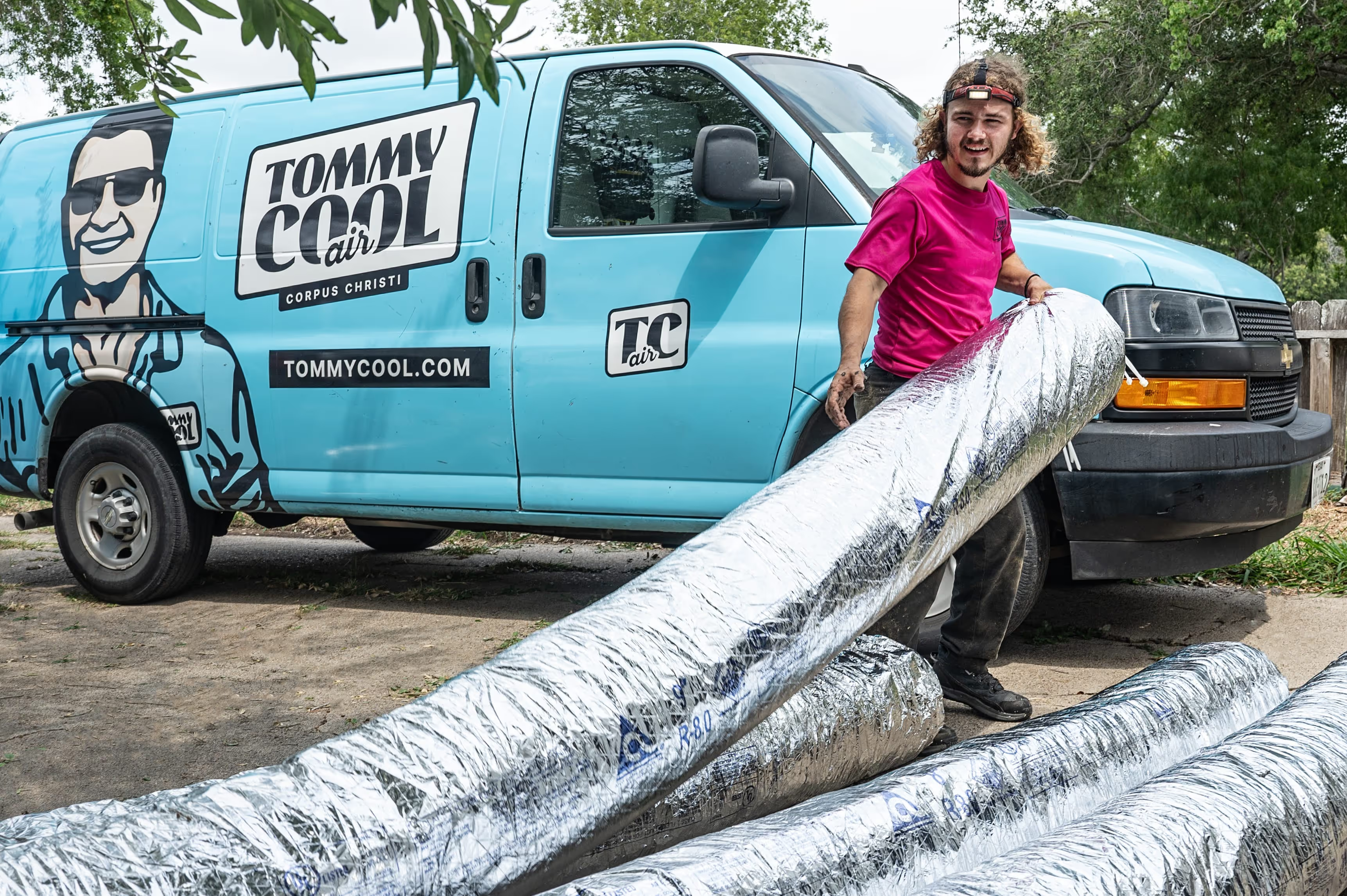
Sometimes, the water isn't coming from inside your AC unit at all. If your ductwork runs through a hot, unconditioned space like an attic, condensation can form on the outside of the ducts. This happens when the cold air inside the duct meets the hot, humid attic air. Without proper insulation, moisture will bead up on the duct’s surface and drip down onto your ceiling or run into the vent opening. Improving your ductwork is a great way to prevent this and is a key part of creating more energy-saving systems for your home, as it also stops cool air from escaping.
High Indoor Humidity
If you notice dripping only on certain vents, especially in rooms like a bathroom or kitchen, the issue might be high indoor humidity. When the cool, dry air blowing from your vent hits the warm, moist air in the room, condensation can form directly on the cold metal of the vent grille. This is called "vent sweating." While it may seem like a minor annoyance, it can point to a larger problem with your home’s humidity levels. Managing your home’s moisture levels is crucial for comfort and preventing mold growth, which is where our indoor air quality services can make a big difference.
Leaking AC Vent? Here's What to Do First
Discovering water dripping from an AC vent can be alarming, but don't panic. Taking a few immediate, simple steps can prevent a small issue from turning into a major headache. Before you even think about calling for a repair, walking through this checklist will help you manage the situation, protect your home, and potentially identify a simple fix. These first-response actions are designed to minimize damage and give you a clearer picture of what’s going on with your system. Think of it as HVAC first aid. By taking control of the situation, you can ensure a safer and more efficient repair process when the time comes.
Turn Off Your AC System
The very first thing you need to do is turn off your air conditioner at the thermostat. This stops the cooling cycle, which is what’s producing the condensation in the first place. Cutting the power prevents more water from forming and leaking, containing the problem right away. For extra safety, you can also switch off the dedicated breaker for your HVAC unit in your home's electrical panel. This ensures there is no electrical current running to the system, which is especially important when dealing with water. Once the system is off, you can safely move on to the next steps without worrying about making the leak worse or creating an electrical hazard.
Protect Your Floors and Furniture
Water can cause significant damage to your home in a short amount of time. Once the AC is off, your next priority is to protect your property. Place a bucket or a few old towels directly under the dripping vent to catch any remaining water. If the leak is near furniture, rugs, or electronics, move them to a dry area immediately. Water dripping from vents can quickly stain ceilings, warp flooring, and ruin your belongings. Taking a few minutes to clear the area can save you from costly repairs or replacements down the line. This simple action helps contain the mess and protects your valuables while you investigate the cause.
Check Your Air Filter
A surprisingly common cause of a leaking AC vent is a dirty air filter. When a filter gets clogged with dust and debris, it restricts airflow over the evaporator coils. This can cause the coils to get too cold and freeze over. When the ice melts, the excess water overwhelms the drain pan and leaks out through your vents. Before you do anything else, check your AC air filter. If it looks dirty or clogged, replace it with a new one. This simple fix often resolves problems caused by poor airflow and might be all you need to do. Regular filter changes are a key part of maintaining good indoor air quality anyway.
Look for Ice on the Coils
If you’ve replaced a dirty filter, or even if the filter looked clean, it’s a good idea to check the evaporator coils for ice. These coils are located inside your indoor air handler unit. If you see any ice buildup, it confirms that restricted airflow or another issue caused them to freeze. It’s crucial to leave the AC system off and allow the ice to thaw completely before you turn it back on. This can take several hours, so be patient. Turning the system back on while the coils are still frozen can cause serious damage to your compressor, which is a much more expensive repair.
Document the Damage
While you wait for the coils to thaw or for a technician to arrive, take a moment to document the situation. Use your phone to take clear photos and videos of the dripping vent, any visible water stains on your ceiling or walls, and any damage to your floors or furniture. Make a note of the date and time you first noticed the leak. This documentation is incredibly helpful if you need to file a homeowner's insurance claim. It also provides valuable information for our technicians when they arrive, helping them quickly diagnose the extent of the problem. When you're ready, you can contact us with a clear picture of what's happening.
How to Troubleshoot a Minor AC Leak
If you've caught the leak early and it seems minor, there are a few troubleshooting steps you can take before calling for backup. These checks are straightforward and can often resolve the issue without needing a service call. Remember, you should have already turned off the power to your HVAC system at the breaker box before you start poking around. Safety is always the first step. Once the power is off, you can confidently investigate the most common culprits behind a small leak. These simple fixes might just save you time and stress.
Clear the Condensate Drain Line
Your AC doesn't just cool the air; it also removes humidity. That moisture gets collected and funneled outside through a pipe called the condensate drain line. Over time, this line can get clogged with algae, dust, and other gunk, causing water to back up and spill over. You can often clear a minor clog yourself using a wet/dry vacuum. Simply place the vacuum hose over the end of the drain line outside your home and create a tight seal with your hand. Let it run for a few minutes to pull the clog out. If you can't find the line or don't feel comfortable, it's always best to schedule a professional AC service.
Inspect and Clean the Drain Pan
Located directly beneath your indoor air handler unit is a drain pan designed to catch condensation from the evaporator coils. If the drain line is clogged, this pan will fill up and eventually overflow. First, check if the pan is full of water. You can carefully soak it up with old towels or use a wet/dry vac. While you're there, look for any cracks or rust spots on the pan itself. A damaged pan will need to be replaced. If the pan is just dirty, you can clean it with a mixture of soap and water to prevent future clogs and keep things flowing smoothly.
Check for Blocked Vents
Sometimes the problem isn't with your AC unit at all, but with the airflow in your home. When air vents are blocked by furniture, curtains, or rugs, it restricts airflow. This can cause the pressure inside your system to drop, leading the evaporator coils to get too cold and freeze over. When that ice eventually melts, the excess water can overwhelm your drain pan and cause leaks. Take a quick walk through your home and make sure all your supply and return air vents are clear and open. It’s a simple step that can make a huge difference in your system's performance.
Adjust Your Thermostat's Fan Setting
Take a look at your thermostat. Is the fan setting on "On" or "Auto"? While it might seem nice to have the fan running constantly for air circulation, it can sometimes contribute to a leak. When your fan is set to "Auto," it only runs when the AC is actively cooling, giving moisture on the coils time to drip down into the drain pan. If the fan is set to "On," it runs continuously, which can blow that moisture off the coils and into your ductwork before it has a chance to drain away. Switching the setting to "Auto" is an easy fix that might solve the problem.
Monitor Your Home's Humidity
Here in Corpus Christi, we're no strangers to humidity. When the air inside your home is very humid, condensation can form on the outside of your cold metal AC vents, a process often called "sweating." This can look like a leak, but it's actually just moisture from the air. You can help manage this by using a dehumidifier in particularly humid rooms. Improving your home's overall ventilation can also help. If high indoor humidity is a constant issue, you might want to explore our indoor air quality services for a more permanent solution.
Common DIY Mistakes to Avoid
When you spot a leak, it’s tempting to roll up your sleeves and try to fix it yourself. While a hands-on approach can be great, some common DIY mistakes can turn a small drip into a major headache. Knowing what not to do is just as important as knowing what to do. Let’s walk through a few pitfalls to sidestep so you can protect your home and your AC system.
Ignoring the Leak
That small drip might seem harmless, but ignoring it is one of the biggest mistakes you can make. Water and building materials don’t mix well. Over time, even a minor leak can lead to stained ceilings, warped drywall, and damaged floors. More importantly, persistent moisture creates the perfect environment for mold and mildew to grow, which can affect your home’s indoor air quality. What starts as a simple fix can quickly become a costly and complicated repair. The moment you notice water dripping from a vent, it’s time to investigate.
Forgetting to Turn Off the Power
Before you grab a flashlight and start looking for the source of the leak, your first step should always be to turn off the power to your AC system. You can do this at your thermostat and at the circuit breaker. This is a critical safety measure that prevents the risk of electrical shock. It also stops the air conditioner from running, which keeps it from producing more condensation and making the leak worse. Taking a few seconds to cut the power protects both you and your HVAC equipment from further damage.
Using the Wrong Tools to Clear a Clog
A clogged condensate line is a frequent cause of AC leaks, and clearing it can seem like an easy DIY job. However, using the wrong tools can cause more harm than good. Pushing a sharp wire or a coat hanger into the drain line can easily puncture the PVC pipe, creating a much bigger leak. Similarly, using harsh chemical drain cleaners can corrode the pipe and damage your system. If you’re going to attempt to clear a clog, stick to a wet/dry vacuum or a gentle, approved solution of vinegar and water.
Neglecting Routine Filter Changes
Your air filter is your system’s first line of defense, and forgetting to change it can lead directly to a leak. A dirty, clogged filter restricts airflow over the evaporator coils, causing them to get too cold and freeze over. When your system cycles off, that ice melts. The sudden rush of water can overwhelm the drain pan and spill out, dripping through your vents. Following a regular schedule for air filter changes is one of the easiest and most effective ways to prevent this and many other common AC problems.
Skipping Professional Maintenance
While there are several troubleshooting steps you can handle on your own, some problems require an expert eye. An AC system is complex, and a leak can be a symptom of a more serious issue, like low refrigerant or a failing component. If you’ve tried the basic fixes and the leak continues, it’s time to call a professional. Continuing to run a faulty system or attempting a repair you’re not equipped for can lead to more extensive damage. Our maintenance membership ensures your system is checked regularly, catching potential issues before they become emergencies.
When to Call a Pro for Your Leaking AC
While it’s great to be a hands-on homeowner, some AC issues are best left to the experts. A leaking AC vent can sometimes signal a problem that requires specialized tools and knowledge to fix correctly and safely. If you find yourself in over your head or facing a potentially serious issue, don't hesitate to call for professional help. It’s always better to be safe and prevent a small leak from turning into a major headache. Here are five clear signs that it’s time to put down the tools and pick up the phone.
The Leak Is Severe or Persistent
A few drips of water might not seem like a big deal, but if you’re dealing with a steady stream or a puddle that keeps coming back, it’s a sign of a significant problem. A persistent leak, even a small one, indicates that the initial cause hasn't been resolved. This could be a major clog deep in the drain line, a cracked drain pan, or a more complex internal issue. Letting it continue can lead to serious water damage to your ceiling, walls, and floors. A professional technician can quickly trace the water to its source and perform the right air conditioning repairs to stop the leak for good.
You Suspect a Refrigerant Leak
If your air conditioner isn’t cooling effectively and you notice ice on the evaporator coils, you might have a refrigerant leak. Refrigerant is the chemical that cools the air, and low levels can cause the coils to get too cold and freeze. When the ice melts, the excess water overwhelms the drain pan and causes a leak. Refrigerant is a hazardous substance that should only be handled by a licensed professional. If you hear a hissing sound or notice a chemical smell near your unit, turn it off and call an expert immediately. Handling refrigerant without proper training is dangerous and can harm your system.
You See Signs of Mold or Electrical Damage
Where there’s moisture, there’s often mold. A musty smell coming from your vents is a telltale sign that mold or mildew is growing in your ductwork or AC unit. This can pose serious health risks, especially for anyone with allergies or asthma. Furthermore, water dripping near any electrical components is a major safety hazard that could lead to short circuits or even a fire. If you see discoloration on your ceiling or walls or suspect mold growth, it’s crucial to bring in a professional. They can address the leak and recommend solutions for improving your indoor air quality.
The Problem Is Hard to Reach
Your AC system has components in your attic, crawlspace, and inside walls, which aren’t always easy or safe to access. If you suspect the leak is coming from a unit in a tight or hard-to-reach spot, avoid the risk of injury or causing more damage. Navigating cramped spaces with tools can be tricky, and you could accidentally damage ductwork, wiring, or the unit itself. Our technicians have the right safety gear and equipment to work in these areas efficiently. Prioritize your safety and let a trained professional handle inspections and repairs in challenging locations.
Your DIY Fixes Aren't Working
You’ve done everything right: you changed the air filter, you checked for obvious clogs, and you made sure the drain pan wasn’t overflowing. But despite your best efforts, the vent is still dripping. When basic troubleshooting doesn’t solve the problem, it’s a clear sign that the issue is more complex than a simple DIY fix can handle. Continuing to experiment can sometimes make the problem worse. Instead of getting frustrated, take it as your cue to call for professional help. An experienced technician can diagnose the underlying cause and prevent you from wasting more time and money on solutions that don’t work.
The Dangers of Ignoring a Leaking AC Vent
A small drip from an AC vent is easy to dismiss. You might just put a bucket under it and add "fix AC" to your to-do list for later. But that little drip is a clear warning sign. It points to an underlying problem with your air conditioning system that can cause a cascade of issues if you don't address it quickly. From soggy ceilings and warped floors to unhealthy air, ignoring a leak can turn a minor inconvenience into a major headache for your home and your wallet. Think of it as your AC's way of asking for help. Responding promptly not only fixes the immediate drip but also protects your home from more serious, long-term damage.
Ignoring the problem won't make it go away; it will only get worse. What starts as a simple fix, like clearing a clogged drain line, can escalate into needing extensive repairs for water damage, mold remediation, and even structural issues. Plus, the root cause of the leak is likely making your AC unit work harder than it should, which means higher energy bills and a shorter lifespan for your system. Let's walk through exactly what's at stake when you let a leaking AC vent go unchecked. Understanding the risks can help you see why calling for a professional air conditioning service is the smartest and most cost-effective move in the long run.
Serious Water Damage
That steady drip-drip-drip from your vent isn't just water; it's a threat to your home's interior. Water can quickly saturate drywall, leading to unsightly brown stains on your ceilings and walls. If the leak continues, it can cause paint to peel and drywall to crumble. The damage doesn't stop there. Water dripping from vents can also harm your floors and furniture, potentially ruining carpets, warping wood, and damaging personal belongings. As one expert notes, ignoring dripping water can lead to serious problems like stained ceilings and expensive repairs. What seems like a small issue can quickly become a costly renovation project if not handled right away.
Mold and Mildew Growth
Where there's persistent moisture, mold and mildew are sure to follow. A leaking AC vent creates the damp, dark environment that these fungi love. Mold spores can begin to grow on wet drywall, insulation, and ceiling tiles in as little as 24 to 48 hours. This doesn't just look bad; it can seriously impact your family's health. Mold releases spores into the air that can trigger allergies, asthma attacks, and other respiratory issues. Fixing the leak quickly is the best way to stop mold growth before it starts and protect your home's indoor air quality. A quick repair prevents a much bigger, and potentially hazardous, problem from taking root in your home.
Compromised Structural Integrity
Beyond the cosmetic issues, a long-term leak can threaten the very structure of your home. Water is incredibly destructive over time. It can soak into the wooden joists and beams that support your ceilings and walls, causing them to rot and weaken. Saturated drywall can become heavy and may eventually collapse, creating a dangerous and expensive situation. As HVAC professionals point out, water dripping from vents can damage your walls and floors, but the hidden damage is often the most severe. Protecting your home's structural integrity means treating every water leak as a serious issue that requires immediate attention before it can cause irreversible harm.
Higher Energy Bills and System Strain
A leaking AC vent is often a symptom of a system that isn't running efficiently. For example, a clogged air filter can restrict airflow, causing the evaporator coils to freeze over. When that ice melts, the excess water overflows the drain pan and drips from your vents. This whole process forces your AC to work much harder to cool your home, consuming more electricity and driving up your utility bills. This constant strain also causes premature wear and tear on critical components like the compressor, leading to more frequent breakdowns and a shorter lifespan for your unit. Addressing the leak's source can restore your system's efficiency and help you manage your energy costs.
How to Prevent Future AC Vent Leaks
Once you’ve handled an active leak, the last thing you want is a repeat performance. The good news is that a little proactive care can go a long way in preventing future water issues. Staying on top of a few key tasks will keep your AC system running smoothly and your ceilings dry, saving you from the stress and expense of water damage down the road. Think of it as simple insurance for your home's comfort and integrity.
Change Your Air Filters Regularly
This is one of the easiest and most effective habits you can adopt for your HVAC system's health. A dirty, clogged air filter restricts airflow, which can cause the evaporator coils inside your unit to get too cold and freeze over. When that ice eventually melts, the excess water can overwhelm the drain pan and end up dripping from your vents. I recommend checking your filter every month and replacing it at least every three months to keep air moving freely and prevent this icy situation from happening in the first place.
Schedule Annual Professional Maintenance
You wouldn't skip an oil change for your car, and your AC system deserves the same regular attention. During an annual tune-up, a professional technician does more than just a quick inspection. They thoroughly clean the coils, flush the condensate drain line to clear out any gunk, and spot potential problems before they turn into major leaks. Signing up for a maintenance plan is a great way to make sure this essential task gets done every year, giving you peace of mind and a more reliable system.
Keep Indoor Humidity in Check
Here in Corpus Christi, we know a thing or two about humidity. When the air inside your home is too moist, condensation can easily form on your cold metal AC vents, leading to annoying drips. You can help manage your home's humidity by running exhaust fans when you cook or shower and ensuring your home has proper ventilation. If your home consistently feels damp, a whole-home dehumidifier might be a worthwhile investment to keep moisture levels balanced and prevent condensation-related leaks.
Ensure Proper Ductwork Insulation
Your ductwork, especially sections running through hot spaces like an attic, needs to be properly insulated. Without good insulation, the cold air inside the ducts clashes with the hot, humid attic air, causing condensation to form on the outside of the ducts. This "sweating" can lead to drips that stain your ceiling and look just like a leak from the vent itself. If you suspect this might be an issue, it’s best to have a professional take a look, as they can assess the insulation and make sure your entire system is sealed up tight.
Related Articles
- My AC Is Leaking Water | Tommy Cool Air
- Do Air Vent Deflectors Work? | Tommy Cool Air
- Can Dog Urine Ruin an AC Unit? | Tommy Cool Air
- Ventilation System Install & Repair in Corpus Christi, TX | Tommy Cool Air
- Why Does My Vent Smell Like Something Is Burning? Tommy Cool Explains | Tommy Cool Air
Frequently Asked Questions
How often should I have my AC professionally maintained to prevent leaks? We strongly recommend scheduling professional maintenance once a year, ideally in the spring before the heavy cooling season begins. During this visit, a technician will thoroughly clean the system, including flushing the condensate drain line, which is a primary cause of leaks. This annual checkup allows us to catch small issues, like a developing clog or a worn-out drain pan, before they lead to water dripping from your ceiling.
Is it okay to keep using my AC if the leak is just a tiny drip? No, you should turn your system off immediately, even for a small leak. That drip is a symptom of an underlying issue, like a clog or frozen coils, that will only get worse with continued use. Running the AC will produce more condensation, potentially leading to significant water damage, mold growth, or even electrical problems. It's much safer to shut it down and investigate the cause.
Can I pour bleach down my condensate drain line to clear it? While some people suggest using bleach, we advise against it. Bleach can be corrosive to the metal parts within your HVAC system, including the drain pan and evaporator coils, and it can damage the PVC pipe over time. A gentler solution of distilled vinegar and water is a safer DIY option. However, for a stubborn clog, it's best to have a professional use specialized tools to clear the line without risking damage to your system.
My vent is "sweating," but not really leaking. Is that still a problem? Vent sweating, where condensation forms on the outside of the vent grille, is usually caused by a collision of cold air from the vent and warm, humid air in the room. While it's not a leak from inside your system, it does point to high indoor humidity. This excess moisture can still contribute to mold growth and make your home feel less comfortable. Addressing your home's humidity levels is a good step for both comfort and air quality.
What's the first thing a technician will check when they arrive for a leak? When our technicians arrive, their first steps are usually to check the most common culprits. They will inspect your air filter for clogs, check the condensate drain line for blockages, and examine the drain pan for cracks or overflow. They will also look at the evaporator coils to see if they are frozen. This systematic approach helps them quickly diagnose the root cause of the leak and determine the most effective solution.