Are you tired of dealing with low water pressure, discolored water, or the constant worry of another leak? You’ve probably considered a full repipe—the ultimate solution for older plumbing systems. But a permanent fix comes with a price tag, and you need to know what to expect. Understanding the cost to repipe a house with PEX is the first step to creating a real plan. I'll walk you through all the financial details, from what impacts the final price to how this smart upgrade can save you from expensive emergency repairs down the road.
Key Takeaways
- Know the Numbers: A full PEX repipe typically costs between $4,000 and $15,000, influenced by your home's size, layout, and number of bathrooms, giving you a solid starting point for your budget.
- Plan for Finishing Touches: Your total investment will include more than just the plumbing work, so remember to account for related expenses like city permits, drywall repair, and painting to get a true picture of the final cost.
- Hiring a Pro Protects Your Home: While DIY is tempting, a licensed plumber is essential for a repipe, ensuring the job meets safety codes, comes with a warranty, and prevents costly water damage from installation mistakes.
What is PEX and Why Use It for Your Repipe?
If you’re dealing with older pipes, you’ve probably heard the term PEX thrown around. So, what is it? PEX is a flexible plastic tubing that has become the go-to material for modern plumbing services. Think of it as the next generation of piping, designed to solve the problems of older materials like galvanized steel or even copper.
PEX is incredibly durable, resisting the rust and mineral buildup that can plague metal pipes and lead to low water pressure. Because it’s flexible, it's also much less likely to burst in the rare event of a Texas cold snap. Most importantly, it’s a safe and reliable material for carrying your home’s drinking water. When your home’s plumbing is showing its age with leaks, discolored water, or poor pressure, repiping with PEX is often the smartest long-term solution.
PEX vs. Older Pipes: What Are the Advantages?
The biggest advantage of PEX for most homeowners comes down to cost and convenience. PEX is significantly more affordable than copper, not just for the material itself but also for the installation. Because PEX tubing is flexible, our plumbers can often run new lines through walls and around corners without having to cut large, disruptive holes. This flexibility means the installation process is faster, which saves you money on labor. It also means you’ll have far less drywall repair to worry about once the job is done, getting your home back to normal much quicker.
Reduces Noise and Water Hammer
One of the most underrated benefits of upgrading to PEX is the peace and quiet it brings to your home. If you’ve ever been startled by a loud banging sound from your walls when a faucet shuts off, you’ve experienced a “water hammer.” This happens in rigid metal pipes when the sudden stop in water flow creates a shockwave. Because PEX is flexible, it absorbs that shock instead of rattling against your home’s framing. This flexibility means PEX pipes are naturally quieter, reducing the noise from both flowing water and the dreaded water hammer. It’s a small detail that makes a big difference in creating a more serene living environment.
Faster Hot Water Delivery
Waiting for the shower to warm up is a daily frustration that also wastes a surprising amount of water. PEX piping helps solve this problem by delivering hot water to your faucets faster. The material retains heat better than copper, so less energy is lost as the water travels from your water heater. This efficiency means you spend less time waiting and, more importantly, it reduces water waste. Over the course of a year, those saved minutes and gallons really add up, making a PEX repipe a smart choice for both your morning routine and your utility bills.
Common PEX Myths, Busted
The idea of repiping can sound intimidating. Many people imagine their walls being torn apart, followed by weeks of construction. The reality is much less dramatic. A professional team will strategically access your pipes to keep the disruption to a minimum. Another common myth is that repiping is an unaffordable expense. While it's a significant investment, it's often less expensive than a major HVAC replacement. More importantly, proactive repiping can save your home from the catastrophic and costly water damage that comes from a burst pipe, making it a wise investment in your home’s health and safety.
Key Limitations of PEX Piping
PEX is an incredible material, but it’s not a universal solution for every pipe in your house. Understanding its limitations is just as important as knowing its benefits. This is where professional expertise becomes so valuable—a licensed plumber knows exactly where PEX is the right choice and where a different material is needed to ensure your plumbing is safe, effective, and built to last. It’s all about using the right tool for the right job. Think of it this way: you wouldn't use a hammer to turn a screw. Similarly, a pro won't use PEX where it doesn't belong. Here are the two main limitations you should be aware of before starting your repiping project.
UV Light Sensitivity
One of the most critical factors to consider with PEX is its vulnerability to sunlight. As plumbing experts often point out, "PEX should not be used for exterior applications or exposed to direct sunlight, as it will degrade." The ultraviolet rays in sunlight break down the plastic, making it brittle and prone to cracking over time. While the majority of your home’s plumbing is protected within walls, floors, and ceilings, this is a crucial detail for any pipes that might run near windows in a garage or for outdoor plumbing features. A professional installation always accounts for this, ensuring that any PEX piping is properly shielded from UV light to maintain its integrity and prevent future leaks.
For Water Supply Lines Only
It’s also essential to know that PEX has a very specific role in your home’s plumbing. It's a point you'll see repeated by pros and DIYers alike: "PEX pipes are used for bringing fresh water to your sinks, showers, and appliances. They are not for drain lines." Your home has two separate plumbing systems: the supply system that brings pressurized, clean water in, and the drain system that carries wastewater out. PEX is only designed for the supply side. The drain-waste-vent (DWV) system relies on different materials, like PVC or cast iron, that are designed to handle waste. When you hire a professional for a repipe, you’re trusting them to understand the complete plumbing system and use the correct, code-compliant materials for every part of the job.
Understanding PEX Tubing and Connections
Once you’ve decided that PEX is the right material for your home’s repipe, it’s helpful to know that not all PEX is created equal. The type of tubing and the method used to connect the pieces are crucial details that affect the performance and longevity of your new plumbing system. A professional plumber will choose the best combination for your home's specific layout and needs, but understanding the basics can give you confidence in the work being done. Let's look at the different types of PEX and the most common ways they are joined together.
PEX-A vs. PEX-B: What's the Difference?
When plumbers talk about PEX, they're usually referring to either PEX-A or PEX-B, and the difference comes down to the manufacturing process. PEX-A is known for being the most flexible type of PEX tubing, and it has a unique "shape memory" that allows it to be expanded for fittings and then shrink back to its original size, creating an incredibly strong seal. On the other hand, PEX-B is slightly more rigid but offers excellent resistance to chlorine and higher burst strength. It's a very durable and reliable option that is typically joined using crimp or cinch fittings. While one isn't definitively "better" than the other, our experienced plumbing team selects the right type based on the specific demands of your home’s plumbing system to ensure a durable, long-lasting result.
Common PEX Connection Methods
The way PEX tubes are connected is just as important as the pipes themselves. A secure, leak-proof fitting is essential for the integrity of the entire system. While there are several ways to connect PEX, professionals typically rely on a few tried-and-true methods. Each has its own set of tools and best-use cases, from creating maximum water flow to making quick and simple repairs. Understanding these methods helps you see the craftsmanship that goes into a professional repiping project and why using the right technique is so important for a system that will last for decades.
Expansion Fittings
Expansion fittings are often considered the gold standard for PEX-A installations. This method involves using a special tool to stretch the PEX tubing and a plastic ring before inserting a fitting. The pipe and ring then shrink back down, creating a powerful, permanent seal around the fitting. The biggest advantage of this method is that the fittings don't sit inside the pipe, meaning there’s no reduction in diameter. This ensures you get the strongest possible water flow and pressure throughout your home, which is a major goal of any repiping project.
Crimp and Cinch Rings
Crimp and cinch rings are the most common methods for joining PEX-B tubing. Both involve sliding a metal ring—either a solid copper crimp ring or a stainless steel cinch ring—over the pipe and using a tool to compress it tightly around the fitting. This creates a secure, watertight connection that is both reliable and cost-effective. It’s a straightforward and trusted method that has been used by plumbers for years, providing a durable solution for countless homes. Proper calibration of the tool is key, which is why professional installation is so important.
Push-to-Connect Fittings
You may have seen push-to-connect fittings, like those from the brand SharkBite, in home improvement stores. They are incredibly convenient because they don't require any special tools—you simply push the pipe into the fitting, and internal teeth grab on to create a seal. While these are fantastic for small repairs or for connecting PEX to existing copper or CPVC pipes, most professionals don't use them for an entire house repipe. For a full system replacement, the long-term security of expansion or crimp connections is generally preferred to ensure your new plumbing is as worry-free as possible.
PEX Installation: Best Practices for a Successful Repipe
Choosing PEX is a great first step, but the real key to a successful repipe lies in the quality of the installation. A new plumbing system is only as good as the hands that put it in. This is where the expertise of a licensed plumber becomes invaluable. Professionals follow a set of best practices that go far beyond just connecting pipes. They ensure your new system is efficient, durable, and up to code, protecting your home from future leaks and water pressure issues. Understanding these practices will help you know what to look for in a quality installation and give you confidence that the job is being done right from the start. It’s about turning a major home project into a lasting, worry-free investment.
Proper Pipe Sizing and Layout
Have you ever been in the shower when someone flushes a toilet, only to have your water pressure drop to a trickle? That’s often a sign of poorly sized pipes. A professional plumber plans the layout carefully to ensure strong, consistent water flow throughout your home. The standard practice is to use a wider, 3/4-inch PEX pipe for the main water lines that run from your water meter and feed your water heater. From there, shorter, 1/2-inch pipes branch off to supply individual fixtures like sinks and toilets. This strategic sizing ensures that running the washing machine won’t impact your ability to enjoy a hot shower, keeping your entire system balanced and efficient.
Using a Home Run System with a Manifold
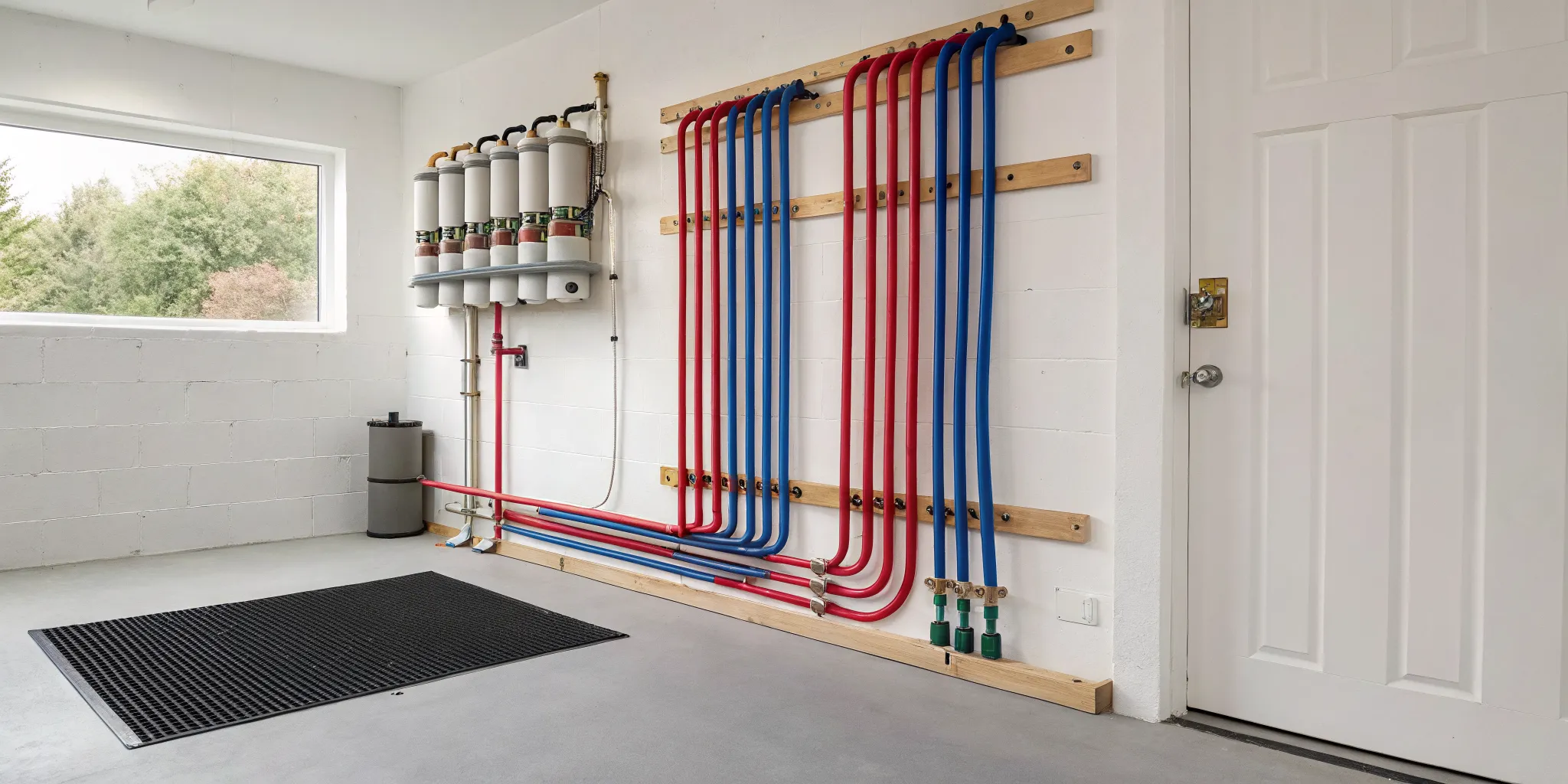
One of the most effective layouts for a PEX repipe is called a "home run" system. Instead of a single pipe branching off multiple times, this setup uses a central hub called a manifold. Think of it as your home’s plumbing command center. From the manifold, a dedicated PEX line runs directly to each individual fixture—one for the kitchen sink, one for the master shower, and so on. This approach is fantastic for maintaining steady water pressure everywhere. It also offers a huge advantage for future maintenance. If you ever have an issue with a single faucet, you can shut off the water to just that line at the manifold without disrupting the water supply to the rest of your house.
Connecting to Your Water Heater Safely
Connecting new pipes to your water heater requires specific knowledge to ensure safety and longevity. PEX is a durable material, but it can be sensitive to the high temperatures generated directly by a water heater's heating element. Because of this, building codes and manufacturer guidelines require a buffer zone. A professional plumber will never connect PEX directly to the hot water output port. Instead, they will install at least 18 inches of a more heat-resistant pipe, like copper, between the water heater and the start of the PEX tubing. This small but critical detail protects the PEX from heat damage and ensures your entire plumbing system remains secure and reliable for years to come.
Securing and Testing Your New Pipes
Once the new PEX lines are run, the job isn't finished. Two crucial steps remain: securing and testing. PEX is flexible, but it shouldn't be left to hang loose inside your walls or crawlspace. Professionals will secure the tubing with supports at least every 32 inches. This prevents the pipes from sagging or vibrating, which can cause annoying noises and put long-term stress on the connections. After everything is secured, the entire system is pressure tested. We fill the pipes with water or air at a high pressure and let it sit to confirm there are absolutely no leaks, no matter how small. This step is non-negotiable, as it guarantees your new system is watertight before any walls are patched up.
Abandoning Old Pipes in Place
Many homeowners worry that a repipe means their entire house will be torn apart to remove the old plumbing. Thankfully, that’s usually not the case. One of the biggest advantages of using flexible PEX is that we can often route the new lines through your home in a much less invasive way. We can run new pipes up through the floor inside a vanity cabinet or behind a toilet. This allows us to bypass the old, failing pipes, which are then drained and simply left abandoned inside the walls. This approach dramatically reduces the amount of drywall we need to cut, saving you time, money, and the mess of a major demolition project.
What's the Average Cost to Repipe a House with PEX?
Let's get straight to the point: how much does a PEX repipe actually cost? It’s the number one question we hear, and for good reason. Repiping your home is a significant investment, so you need a clear idea of the budget before you begin. While the final price tag can vary based on your specific situation, most homeowners can expect to pay somewhere between $4,000 and $15,000 for a full PEX repipe. The national average sits right around $7,500.
What causes such a wide range? Several key factors come into play. The size of your home is the most obvious one, but the number of bathrooms, the complexity of your plumbing layout, and even where you live all influence the final cost. Think of it as a combination of materials, labor, and logistics. We'll break down each of these factors in more detail, but understanding this general range is the first step. It helps you plan financially and ensures you know what to expect when you start getting quotes for professional plumbing services.
How Your Home's Size Affects Repiping Costs
It makes sense that the bigger your house, the more a repipe will cost. More square footage means more pipes, more fittings, and more time for the plumbing crew to get the job done. For a typical 2,000-square-foot home, you can generally expect the cost to be between $4,000 and $12,000. Another way to look at it is on a per-square-foot basis, which usually runs from $2 to $6. This is a helpful starting point for estimating your own project, but remember that other factors, like the number of stories or a complex layout, can also add to the total.
What's the National Average for a PEX Repipe?
While your specific quote will depend on your home, it’s useful to know where your project fits within the national picture. Across the country, the total cost to repipe a house with PEX typically ranges from $4,000 to $15,000, with the national average landing around $7,500. To give you another example, a standard 1,500-square-foot house often costs between $6,500 and $10,000. These numbers give you a solid benchmark, but they are just averages. Your final cost will be unique to your home and your location, which is a major piece of the pricing puzzle.
Does Your Location Affect Repiping Costs?
You might be surprised by how much your zip code can affect the cost of a repipe. Prices vary significantly from one region to another due to differences in local labor rates, permit requirements, and even the cost of materials. For example, homeowners in California often report paying thousands more than those in the Pacific Northwest for the same job. That's why getting a local estimate is so important. Here in the Corpus Christi area, we can give you a precise quote based on our community's specific labor and material costs. An accurate, local quote is the only way to truly know what your repipe project will cost.
Key Factors That Determine Your PEX Repipe Cost
When you get a quote for a PEX repipe, you’ll notice it’s not a simple, flat-rate service. The final price tag is tailored to your home’s specific needs. Several key elements influence the total cost, from the square footage of your house to the condition of your current pipes. Understanding these factors will help you see exactly what you’re paying for and why it’s a worthwhile investment in your home’s health and safety. Let's break down the main components that shape your repiping estimate.
Your Home's Square Footage and Layout
It makes sense that a larger home requires more piping, which directly impacts material costs. But it’s not just about square footage. The layout of your home plays a huge role, too. A sprawling one-story house might need more linear feet of pipe than a compact two-story home. Accessibility is another major factor. If your pipes are hidden behind thick walls, tucked into a tight crawlspace, or buried in a concrete slab, our technicians will need more time and specialized tools to access and replace them. A simpler, more open layout generally leads to a more straightforward and less costly project.
The Number of Bathrooms and Fixtures
Think of every sink, toilet, shower, and appliance that uses water as a destination point for your plumbing. Each of these fixtures requires its own dedicated line, fittings, and connections, all of which add to the project's cost. A home with one bathroom and a simple kitchen will naturally be less expensive to repipe than a house with three bathrooms, a wet bar, and a laundry room. When you request an estimate, one of the first things a plumber will do is count your fixtures. This helps them calculate the amount of material needed and the labor involved in making every single connection secure and leak-free.
Local Labor Costs in Your Area
Labor is typically the largest portion of any repiping bill, often making up more than half of the total cost. These rates can vary significantly from one city to another based on the local economy and the demand for skilled plumbers. That’s why a quote from a company in another state won’t accurately reflect what you’ll pay here in the Corpus Christi area. The best way to understand the cost for your specific project is by getting a precise quote from a local, trusted professional. This ensures the estimate accounts for our region’s labor rates and material availability, giving you a clear and accurate financial picture.
The Condition of Your Existing Plumbing
The condition of your existing pipes is a critical cost factor. If we’re simply replacing old but intact pipes, the job is relatively straightforward. However, if your current system is actively leaking, has caused water damage, or is made of materials that are difficult to remove, the project becomes more complex. Addressing issues like mold or wood rot before installing new pipes is essential for your home’s safety and adds to the overall scope of work. Proactively scheduling a repipe with our plumbing services can often prevent these expensive secondary problems, saving you from the catastrophic damage a burst pipe can cause.
Don't Forget These Potential Hidden Costs
When you get a quote for a PEX repipe, it’s easy to focus on the main number. But a full repiping project involves more than just the pipes themselves. Several other costs can pop up, and it’s smart to plan for them from the start so you have a realistic picture of your total investment. Think of it like this: the plumbing quote covers the work of the plumber, but there are often related tasks needed to complete the job and restore your home.
A trustworthy professional will walk you through these potential expenses, but knowing what to ask about puts you in a much better position. From local permits to the finishing touches like paint, these "hidden" costs are a normal part of the process. Factoring them into your budget ahead of time prevents last-minute surprises and ensures your project goes smoothly from start to finish. Our team is always ready to discuss the full scope of our plumbing services so you know exactly what to expect.
Budgeting for Permits and Inspections
Before any work begins, your project will likely need a permit from the city. This isn't just paperwork; it's a crucial step to ensure the repiping is done safely and meets all local building codes here in the Corpus Christi area. The cost for permits and the required inspections can vary, but they typically fall somewhere between $50 and $500. This fee ensures a qualified inspector will sign off on the work, giving you peace of mind that your new plumbing system is installed correctly and is safe for your family.
Repairing Drywall and Painting
To replace old pipes, plumbers need to access them, and that almost always means cutting into your walls and ceilings. The initial plumbing quote usually doesn't include the cost of repairing this drywall. Once the new PEX pipes are in, you’ll need to budget for a separate professional to patch, sand, and texture the openings. After that, you'll need to paint to make everything look seamless again. Forgetting this step can leave your home looking like a construction zone, so be sure to account for these finishing touches.
Replacing Old Shut-Off Valves
While your walls are open, you have a golden opportunity to address other parts of your plumbing system. It’s the perfect time to replace old, corroded shut-off valves, leaky faucets, or dated showerheads. Tackling these small upgrades during the repipe is far more cost-effective than hiring a plumber to come back and open up the walls again later. Think of it as a smart, preventative measure that adds more value to your project and helps you avoid future plumbing headaches.
Why You Need a Contingency Fund
Even with the most detailed plan, unexpected issues can arise during a major home project. You might discover a small leak that needs attention or find that an old fixture is more complicated to replace than anticipated. That’s why it’s a great idea to set aside a contingency fund. A good rule of thumb is to budget an extra 10% to 15% of the total project cost. This buffer isn't for things you forgot; it's for true surprises. Having it ready means you can handle any curveballs without stress. When you contact us for a quote, we can help you plan a comprehensive budget.
PEX vs. Other Pipes: A Price Comparison
When you’re planning a repiping project, the materials you choose make a huge difference in both performance and price. Cost is often the biggest factor on everyone's mind, so let's break down how PEX stacks up against some of the other common players in the plumbing world. Understanding these differences will help you see why PEX has become such a popular choice for modern homes in Corpus Christi and beyond. It’s not just about the upfront price; it’s about finding the best value for your home, your family, and your budget for years to come.
PEX vs. Copper: Which Costs More?
Let's start with the classic comparison: PEX versus copper. For decades, copper was the go-to standard for plumbing, known for its durability. But that durability comes with a hefty price tag. When you look at the numbers, PEX is significantly more budget-friendly. In fact, the material costs for PEX can be 50% to 70% cheaper than copper. For a whole-house repipe, that difference can translate into thousands of dollars in savings. This makes a full system upgrade much more accessible for many homeowners, allowing you to get a high-quality, modern system without completely draining your savings account.
PEX vs. PVC: A Look at the Price Difference
You've probably heard of PVC pipes, but it's important to know they aren't really interchangeable with PEX. Think of it this way: PEX is for your home's supply lines, the pipes that bring fresh, clean water to your faucets, showers, and appliances. It's flexible, durable, and great at resisting bursts in cold weather. PVC, on the other hand, is a rigid pipe used almost exclusively for drain and waste lines. So, it's less of a competition and more about using the right tool for the right job. Our team can help you understand the specific needs of your home's plumbing system to ensure every pipe is perfectly suited for its role.
PEX vs. CPVC: A Look at the Differences
Another plastic pipe you might encounter is CPVC. It’s a rigid pipe, and that’s the main difference between it and PEX. While both can handle hot and cold water, PEX’s flexibility makes it much easier and faster to install. Our plumbers can weave it through walls and around corners, which means fewer cuts in your drywall and less mess for you. CPVC’s rigidity makes installation more complex and time-consuming, often leading to higher labor costs. PEX also offers better long-term value; its resistance to leaks and mineral buildup means fewer emergency repairs down the road. When you're investing in a full repipe, choosing the right material is key, and PEX often provides the best combination of performance, durability, and cost-effectiveness for your home's plumbing system.
Is PEX a Good Long-Term Investment?
The savings with PEX don't stop once the installation is complete. A PEX repipe is a true investment in your home's future. Right away, you'll likely notice better water pressure and cleaner water, free from the metallic taste older pipes can cause. More importantly, you'll have peace of mind knowing your new pipes are less prone to leaks and corrosion, which means fewer emergency repair calls down the road. Over time, this adds up. A full home repipe can even increase your home's value, with many homeowners recouping a significant portion of the project cost when they sell. It’s a smart upgrade that pays off for years to come.
How Long Does It Take to Repipe a House with PEX?
One of the first questions homeowners ask when considering a repipe is, "How long will my house be a construction zone?" It's a fair question. The thought of a major plumbing overhaul can be daunting, but with PEX piping, the process is much faster than you might think. For most homes here in the Corpus Christi area, a complete PEX repipe can be finished in just one to two days. This quick turnaround is one of the biggest advantages of using PEX. Its flexibility allows plumbers to run new lines through walls and ceilings with minimal cutting and disruption, which means less mess and a faster return to your normal routine.
Unlike rigid copper or galvanized pipes that require extensive demolition and complex soldering, PEX can be snaked through existing structures, almost like electrical wiring. This dramatically cuts down on labor time and the mess involved. You won't have to deal with large sections of drywall being removed just to lay a new pipe. Of course, the one-to-two-day timeframe is an average. The exact duration of your project will depend on a few key factors specific to your home, like its size and the complexity of your current plumbing system. A skilled team will be able to give you a precise timeline after assessing your property, ensuring you know exactly what to expect from start to finish.
What Can Speed Up or Slow Down the Job?
The main factors that influence how long your PEX repipe will take are your home's size and layout. A larger, two-story house with multiple bathrooms will naturally take more time than a smaller, single-story home with one bathroom. The more fixtures you have (sinks, toilets, showers, washing machines), the more connections our team needs to make, which adds to the project's duration.
Another consideration is the accessibility of your current pipes. If your plumbing is located in easy-to-reach spots like an open basement or a spacious crawlspace, the job will go much faster. However, if pipes are hidden behind concrete slabs or tucked away in tight, hard-to-reach areas, it can extend the timeline slightly. Our plumbers are experts at finding the most efficient path for your new PEX pipes to keep the project moving smoothly.
How to Minimize Disruption During Your Repipe
We understand that your home is your sanctuary, and our goal is to get your plumbing updated with as little inconvenience to you as possible. The single best way to ensure a smooth project is to work with an experienced team that specializes in repiping. Our professional plumbing services are designed to be efficient and respectful of your space. We work cleanly, protect your floors and furniture, and communicate with you every step of the way.
Before we begin, we’ll walk you through the schedule so you know when the water might be temporarily shut off and which areas we’ll be working in. You can help by clearing personal items from under sinks and around your water heater to give us easy access. A little preparation goes a long way in helping us finish the job quickly. If you have any questions or concerns, we’re always here to help. Get in touch to schedule an assessment and we can create a plan that works for you.
DIY or Hire a Pro: Which Is Right for You?
The temptation to tackle home improvement projects yourself is strong, especially when you see a chance to save money. While DIY is great for many tasks, repiping your entire house is a complex job that falls into a different category. It’s not just about connecting pipes; it involves understanding your home’s entire plumbing system, from pressure dynamics to fixture connections. What seems like a straightforward path from point A to point B can quickly become a maze of unexpected obstacles behind your walls, like outdated fittings, corroded connections, or structural elements you can't move. A small mistake with your plumbing can lead to significant, expensive water damage that far outweighs any initial savings. Before you start watching tutorial videos, it’s important to weigh the benefits of bringing in a professional against the risks of going it alone. For a project of this scale, understanding the technical requirements, safety protocols, and long-term value is key to making a smart decision for your home and your wallet. This isn't just a weekend project; it's a major infrastructure upgrade that affects your daily life and your home's overall health.
Essential Tools for a DIY PEX Project
If you’re leaning toward the DIY route, your first step is to take stock of your toolbox. A successful PEX repipe requires more than just a pipe cutter and a wrench; it demands specialized tools that most homeowners don't have lying around. The specific tool you'll need depends on the type of PEX tubing and fittings you choose. For PEX-A, you’ll need an expansion tool to stretch the pipe over the fitting. For PEX-B, you’ll use a crimp or cinch tool to secure a metal ring over the connection. While push-to-connect fittings are an option that doesn't require special tools, they are significantly more expensive and generally not recommended for an entire house repipe. This initial investment in tools you may only use once is a major factor to consider in your budget.
Tips for a Smoother DIY Installation
Success in a DIY repipe hinges on meticulous planning. Before you cut a single pipe, map out your entire system. A common best practice is to use 3/4-inch PEX for your main water lines and 1/2-inch lines for the shorter branches leading to individual fixtures like sinks and toilets. Many DIYers opt for a "home run" system with a central manifold, which runs a dedicated line to each fixture to help maintain consistent water pressure. It's also critical to check with the city of Corpus Christi for any permit requirements before you start. And perhaps the most important tip: buy extra pipe and fittings to practice making your connections. A small leak behind a wall can cause thousands in damage, so getting it right is non-negotiable. If this level of planning feels overwhelming, our professional plumbing services can handle every detail for you.
The Reality of Building Codes and Project Complexity
Repiping your home is much more involved than simply swapping out a faucet. It’s a major overhaul of a critical system in your house, and it’s governed by local building codes and regulations. In Corpus Christi, any significant plumbing work, including a full repipe, requires permits and inspections to ensure the job is done safely and correctly. A professional plumber not only understands these specific codes but also handles the entire permitting process for you. This saves you from the headache of paperwork and ensures your new plumbing system is fully compliant, which is crucial for your home's safety and future resale value. Our team is experienced with local requirements and provides plumbing services that meet all necessary standards.
Why a Pro's Warranty and Safety Standards Matter
The biggest reason to hire a professional is peace of mind. A licensed and insured plumber protects you from liability if something goes wrong during the installation. More importantly, professional work comes with warranties on both labor and materials. If a fitting fails a year down the road, you’re covered. A DIY project that springs a leak, on the other hand, could lead to catastrophic damage that you’re entirely responsible for fixing. While the upfront cost of a professional repipe might seem high, it’s an investment in your home’s safety and longevity. Many professional contractors also offer financing options to make the cost more manageable. When you work with us, you can trust that the job is done right, safeguarding your home for years to come.
How to Get an Accurate PEX Repiping Quote
Getting a quote for a PEX repipe isn't just about finding the lowest price. It's about understanding exactly what you're paying for and ensuring there are no costly surprises later. A thorough, transparent quote is the first sign of a professional and trustworthy plumber. I always recommend getting detailed written estimates from a few licensed plumbers to compare not just the final number, but the scope of work, the quality of materials, and the proposed timeline. This step helps you see who has taken the time to properly assess your home's specific needs.
Think of the quote as the blueprint for your project. It should clearly outline every step, from the initial prep work to the final cleanup. A vague or confusing estimate can lead to misunderstandings and unexpected costs once the walls are opened up. A reliable plumbing professional will take the time to walk you through their quote, answer your questions, and make sure you feel confident in the plan. This initial conversation is your best opportunity to gauge their professionalism and expertise. By asking the right questions and knowing what to look for, you can find a partner who will get the job done right and give you peace of mind throughout the process.
Questions to Ask Your Plumber Before You Hire
When a plumber comes to your home, have a list of questions ready. This helps you compare different offers fairly and ensures nothing gets overlooked. Start by asking for a detailed, itemized estimate that breaks down the costs for labor, materials, and any permits. You’ll want to know if the quote includes repairing drywall and painting after the pipes are installed. Also, ask about their experience with PEX repiping projects specifically and what kind of warranty they offer on their workmanship and the materials used. Finally, get a clear project timeline so you know how long your home’s water might be disrupted.
Repiping Contractor Red Flags to Watch For
Protecting your home means knowing how to spot a less-than-reputable contractor. A major red flag is a vague estimate that doesn't break down the costs. Be cautious if a plumber pressures you to make a decision on the spot or offers a "today only" deal. A true professional will give you time to review the quote. Another warning sign is a contractor who can't provide proof of licensing, insurance, or positive customer reviews. You should also be wary of anyone who asks for the full payment upfront. A standard payment schedule usually involves a deposit, with the final payment due upon satisfactory completion of the job.
Is Repiping Your House with PEX Worth It?
Deciding to repipe your home is a big step, and it’s natural to wonder if the cost is justified. It's helpful to think of it less as just another home repair and more as a long-term upgrade for your property's health and value. If you’re dealing with constant leaks, low water pressure, or discolored water, you know how these small annoyances can disrupt your daily life. A full PEX repipe addresses the root cause of these issues by replacing your entire old system, giving you reliable plumbing you won’t have to worry about for years to come.
Beyond the immediate peace of mind, repiping is a smart financial move. It protects your home from the risk of catastrophic water damage from a burst pipe, which can lead to far more expensive and stressful repairs down the road. A new, modern plumbing system also significantly increases your home's value, making it a tangible asset that pays off when it's time to sell. When you weigh the upfront cost against the benefits of a dependable plumbing system, fewer emergency calls, and a more valuable home, PEX repiping often proves to be one of the wisest investments you can make.
How a Repipe Solves Leaks and Low Water Pressure
If you're tired of dealing with recurring plumbing headaches, PEX repiping offers a lasting solution. Old, corroded pipes are often the source of issues like weak water pressure, rusty-looking water, and frustratingly frequent leaks. Instead of patching up one problem after another, repiping replaces the entire system with modern, flexible PEX tubing. This proactive approach can save your home from the serious damage a burst pipe can cause. While the upfront cost is an investment, it puts an end to the cycle of expensive emergency plumbing service calls and gives you a reliable system you can count on.
Increasing Home Value and Preventing Future Repairs
A PEX repipe doesn't just solve today's problems; it pays off in the long run. For starters, PEX material is significantly more affordable than traditional copper, which can lead to major savings on the project itself. Once installed, you’ll notice immediate benefits like better water pressure and cleaner water. More importantly, this upgrade is a major selling point for your home. A new plumbing system is a huge draw for potential buyers, and studies show you can often recoup a large portion of your investment through an increased home value. It’s a powerful upgrade that provides both daily convenience and a solid return.
Related Articles
- Plumbing Services Services | Corpus Christi, TX | Tommy Cool Air
- How Energy-Efficient HVAC Systems Help Corpus Christi Families Save on Utility Bills | Tommy Cool Air
- Energy Saving Systems Services | Corpus Christi, TX | Tommy Cool Air
- Indoor Air Quality Services | Corpus Christi, TX | Tommy Cool Air
Frequently Asked Questions
How can I tell if my house actually needs to be repiped? The most common signs are recurring leaks, a noticeable drop in water pressure throughout your home, or water that looks rusty or discolored. If you find yourself constantly calling a plumber for small fixes on old pipes, it’s often more cost-effective in the long run to address the entire system. A full repipe is a proactive solution that prevents the catastrophic damage a sudden pipe burst can cause.
Will I have to move out of my house during the repiping process? Not at all. For the vast majority of projects, you can comfortably stay in your home while we work. A full PEX repipe is surprisingly fast, often completed in just a day or two. We work strategically to minimize disruption and will only need to shut off your water for short, specific periods. We’ll communicate the schedule with you clearly so you know exactly what to expect.
Is PEX piping safe for my family's drinking water? Absolutely. PEX is an incredibly stable and durable material that has been used safely in homes for decades. It meets strict industry standards for potable water systems. Unlike old metal pipes that can corrode and leach rust into your water, PEX is non-corrosive, so it won't add any unpleasant metallic taste or discoloration to your drinking water.
How long will a new PEX plumbing system last? A PEX repipe is a long-term investment in your home’s health. The material itself is designed to last for 50 years or more. Its flexibility makes it highly resistant to bursting from pressure changes or freezing, and it doesn't suffer from the rust or mineral buildup that degrades metal pipes over time. You can expect decades of reliable performance and peace of mind.
What's the first step to getting a quote from Tommy Cool Air? The process is simple. You can start by giving our office a call or filling out the contact form on our website. We will schedule a time for one of our professional plumbers to visit your home. They will perform a thorough inspection of your current plumbing system, discuss your specific needs, and provide you with a detailed, transparent quote for the project.