Protecting your family and neighbors often involves things you can’t even see. One of the most important is a device on your water line that stops harmful contaminants from reversing course and entering the public water supply. This backflow preventer is your first line of defense against pollutants like pesticides from a sprinkler system or chemicals from industrial equipment. But how do you know if it’s still working? A yearly backflow prevention assembly test is the only way to be certain. It’s a quick, professional service that provides peace of mind, confirming your property is keeping our community’s water safe and clean.
Key Takeaways
- A backflow preventer is a critical public health device: It acts as a one-way gate to stop water from your property, which may contain fertilizers or chemicals, from flowing backward into the clean community water supply.
- Annual testing by a certified pro is usually required: For most commercial properties and many homes, this isn't an optional check-up. It's a mandatory test needed to stay compliant with local codes and avoid potential fines or water service interruptions.
- A failed test is a common issue with a simple fix: If your device fails, a certified technician can typically perform a straightforward repair. You can help prevent issues by visually checking for leaks and keeping the area around the assembly clear between tests.
What is a Backflow Prevention Assembly?
Let's start with the basics. A backflow prevention assembly is a special plumbing device that acts like a security guard for your water supply. Its one and only job is to make sure water flows in just one direction: into your property, not back out into the city's water lines. Think of it as a one-way door for your water. This simple but critical function protects the public drinking water from any potential contaminants that might be present on your property, like fertilizers from your sprinkler system, cleaning chemicals, or other non-potable water sources.
These assemblies are essential components of both residential and commercial plumbing systems. They are your first line of defense against cross-connection, which is any point where your private plumbing connects to the public water supply. Without a properly working backflow preventer, a sudden change in water pressure could accidentally pull contaminated water from your property back into the clean water shared by your entire community. This is a serious health risk that these devices are designed to stop. Having a reliable backflow preventer isn't just a good idea; in many cases, it's required by local codes to keep everyone safe. It’s a key piece of equipment that ensures the water you and your neighbors use stays clean and safe.
Understanding Backflow and Why It's a Risk
So, what exactly is "backflow"? It’s when water reverses its direction and flows backward from your property into the public water mains. This can happen for a couple of reasons, but it usually comes down to a sudden drop in pressure in the city's water lines. Think about when a fire hydrant is opened nearby or if there's a water main break down the street. This pressure change can create a siphon effect, pulling water from your pipes back into the main supply. The danger is that this backward-flowing water can carry contaminants like pesticides, soap, or industrial chemicals with it, posing a serious health risk to the community.
Common Types of Backflow Preventers
Not all backflow preventers are the same. The type you need depends on the level of hazard at your property. For instance, a commercial car wash will have different requirements than a home sprinkler system. Some of the most common types you’ll see are the Reduced Pressure Principle Assembly (RPPA), which is used for high-risk situations involving chemicals, and the Double Check Valve Assembly (DCVA), which is suited for lower-risk scenarios. Other types include Pressure Vacuum Breakers (PVBAs) and simple Air Gaps. A certified plumber can determine the right type of assembly to keep your property compliant and your water supply safe. You can always check our FAQs for more details.
How Does a Backflow Preventer Work?
At its core, a backflow preventer is a safety valve for your water supply. Think of it as a one-way gate that allows fresh, clean water from the city's main line to flow into your property but physically stops any used or contaminated water from flowing back out. This reverse flow, or "backflow," can happen when there's a sudden change in water pressure, like during a water main break or when firefighters tap into a nearby hydrant.
Without a backflow preventer, water from sources like irrigation systems (which can contain pesticides and fertilizers), boilers, or commercial equipment could be siphoned back into the public drinking water. This poses a serious health risk to the entire community. The device is designed to be a simple, mechanical safeguard. It doesn't require electricity or complex monitoring; it works automatically based on the physics of water pressure. By ensuring water only moves in one direction, these assemblies are a critical line of defense in keeping our drinking water safe and clean. If you have questions about your property's specific needs, our team is always here to help with professional plumbing services.
A Look at the Key Components
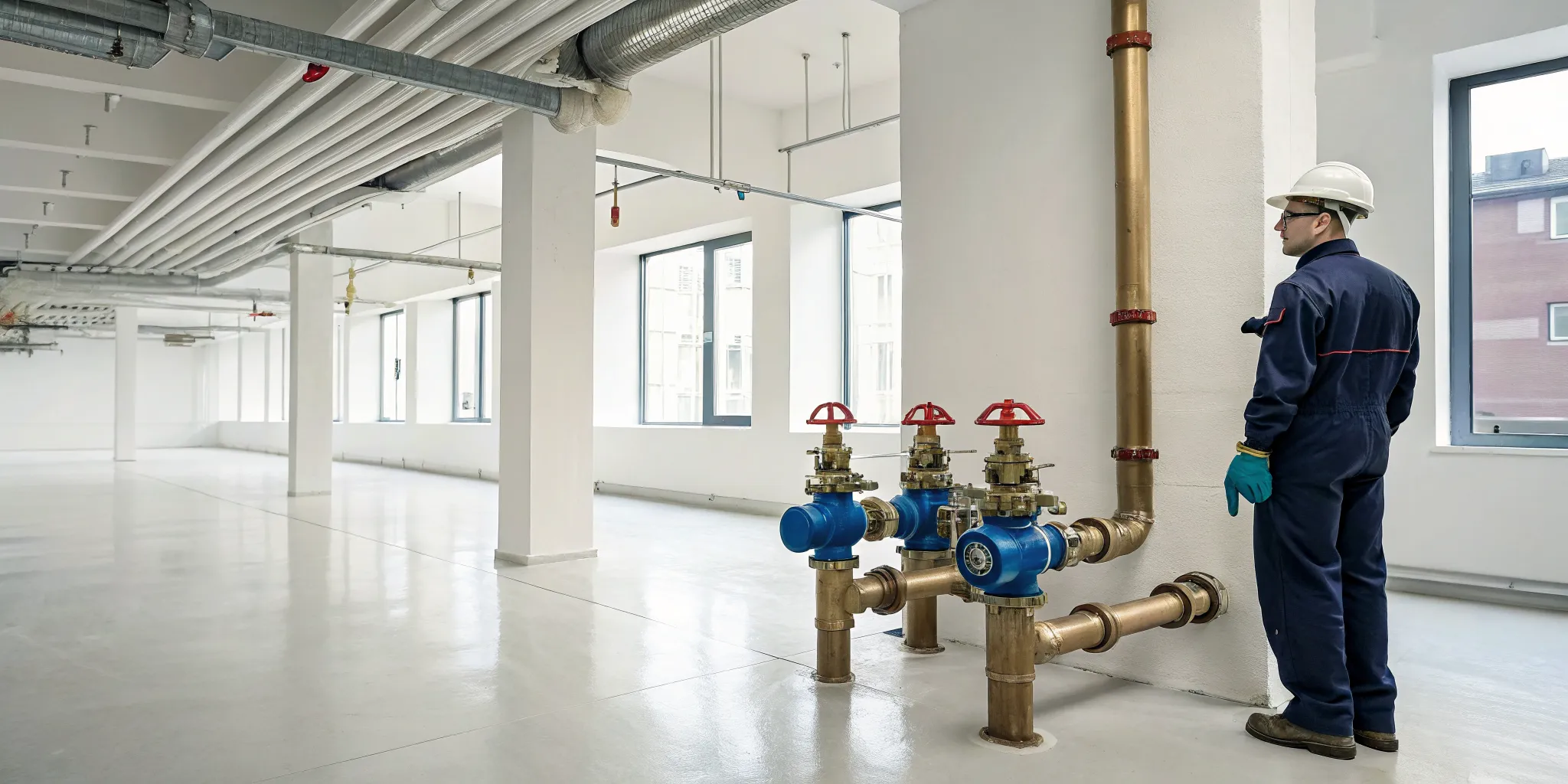
While different types of backflow preventers exist, most share a few key components that work together to protect your water. The most important parts are the check valves. You can think of these as one-way doors that swing open to allow water to flow into your building but slam shut if the water tries to move backward. Most assemblies have at least two for redundancy. There's also a relief valve, which is designed to open and discharge water if it detects a backflow condition, preventing contaminated water from getting any further. Finally, you'll see shutoff valves on either side, which allow a certified technician to isolate the device for testing and repairs.
How It Uses Pressure to Protect Your Water
The magic of a backflow preventer lies in its ability to respond to changes in water pressure. Normally, the pressure from the city's water supply is strong and steady, pushing water into your property and keeping the check valves open. However, if that pressure suddenly drops (a condition called backsiphonage), the check valves will snap shut, creating a barrier. Similarly, if pressure inside your own system becomes higher than the supply pressure (known as backpressure), the device also activates to stop the reverse flow. The relief valve acts as a final failsafe, opening up to release the backward-moving water before it can contaminate the main line. It’s a smart, mechanical system that you can contact us to learn more about.
What is Backflow Prevention Testing?
Think of backflow prevention testing as a specialized health check-up for your plumbing system. Its main job is to make sure the safety devices that protect your drinking water are working exactly as they should. These devices, called backflow preventers, are designed to stop contaminated water from sources like irrigation systems, boilers, or industrial equipment from flowing backward into the clean water supply. This reverse flow can happen during a sudden drop in city water pressure, like from a water main break or firefighting efforts, creating a siphon effect that pulls contaminants like pesticides, chemicals, and bacteria into your pipes.
The test itself is a precise and non-invasive process. A certified technician will connect a specialized gauge kit to your backflow assembly's test ports. By manipulating the shut-off valves and reading the pressure differentials, they can verify that the internal check valves and relief valves are sealing tightly and functioning correctly. In short, backflow testing is checking these special devices to make sure they are working correctly and can prevent dirty water from mixing with clean water. This isn't just a suggestion; for many properties, especially commercial ones, it's a required step to ensure public health and safety, providing documented proof that your system is secure.
Why Regular Testing is So Important
The single most important reason for regular backflow testing is to protect the health of your family, employees, and community. A failed backflow preventer can lead to serious contamination of the public water supply, posing significant health risks. Mechanical devices can wear out over time, and without testing, you’d have no way of knowing if your assembly is compromised.
Regular testing ensures that these crucial backflow prevention devices are functioning correctly, safeguarding your water supply from pollutants and contaminants. It’s a proactive measure that confirms your property is compliant with local health and safety codes, preventing potential fines or service interruptions while keeping your water clean and safe.
Testing vs. Inspection vs. Maintenance: What's the Difference?
It’s easy to get these terms mixed up, but they refer to three distinct activities. A backflow test is a technical procedure performed by a certified professional to verify that the assembly is working according to code. It involves hooking up gauges and measuring specific pressure differentials.
An inspection, on the other hand, is often a visual check to ensure the device is installed correctly and hasn't been damaged or tampered with. Maintenance involves the physical repair or replacement of worn-out parts within the assembly. While all are important, the test is the official verification that the device is functional. Think of it this way: testing is only one part of an overall cross-connection control program that keeps our water safe.
Do You Need Backflow Prevention Testing?
The short answer is: it depends. The rules for backflow testing can vary based on your property type and local regulations. For many businesses, it’s a non-negotiable annual task. For homeowners, it typically depends on specific features of your plumbing system. Let’s break down what you need to know for both commercial and residential properties.
Requirements for Commercial Properties
If you own a business, the chances are high that you need regular backflow testing. Across the country, water utilities and regulatory bodies mandate these tests to ensure backflow prevention devices are working correctly. This isn't just a suggestion; it's a legal requirement designed to protect the public water supply from contamination. In Texas, local water authorities enforce these rules to keep our community's water safe. Failing to comply can lead to fines or even service interruptions, making annual testing a critical part of your property maintenance plan.
When Your Home Might Need Testing
For homeowners, the need for backflow testing usually comes down to your specific water setup. Do you have an in-ground sprinkler system, a swimming pool, or a private well? These are common reasons a home would have a backflow prevention device installed. The Texas Commission on Environmental Quality requires public water systems to have programs that protect the drinking water delivered to your home. If your property has a backflow preventer to meet these safety standards, it should be tested annually. This simple check ensures the device is ready to protect your family and the community water supply.
How Often is Backflow Testing Required?
When it comes to backflow testing, the general rule of thumb is to have it done once a year. This isn't just a friendly suggestion; it's a firm requirement in most places, designed to protect our community's water supply. Think of it like your annual car inspection. It’s a routine check-up to make sure a critical piece of safety equipment is working exactly as it should.
These backflow prevention assemblies have internal seals, springs, and moving parts that can wear down or get stuck over time. An annual test confirms that everything is in good working order and that your property isn't posing a risk to the public water system. Staying on top of this schedule is the best way to ensure you remain compliant with local codes and keep our drinking water safe.
The Standard Annual Requirement
For most commercial properties, and some residential ones, annual backflow testing is the standard. This yearly inspection is required by water utilities across the country to verify that your device is capable of preventing contaminated water from entering the main water lines. A licensed tester will run a series of checks on the assembly to measure pressure levels and ensure the internal valves are sealing correctly.
This isn't a one-and-done installation. Because these devices are mechanical, they are subject to wear and tear from constant use and pressure fluctuations. An annual test catches potential failures before they happen, giving you peace of mind and keeping you in good standing with the local water authority.
Understanding Local Regulations
While annual testing is the common frequency, your local water purveyor sets the specific rules for Corpus Christi and the surrounding areas. It’s crucial to know what’s required for your property, as regulations can be strict. For example, many municipal codes across the country require property owners to submit official test results every year to avoid penalties.
The easiest way to stay on top of these requirements is to partner with licensed plumbing professionals who are familiar with local regulations. At Tommy Cool Air, our certified technicians understand the specific codes for the Coastal Bend area. We can manage your annual testing schedule, perform the test, and handle all the necessary paperwork to ensure you remain compliant.
What to Expect During a Backflow Test
If you’ve been told you need a backflow test, you might be wondering what that actually involves. The good news is that the process is quick, straightforward, and handled entirely by a certified professional. Knowing what to expect can give you peace of mind, so let’s walk through the simple steps of a typical backflow test, from the initial check to the final report. The entire service is designed to be as undisruptive as possible while ensuring your water system is safe and compliant with local regulations. Your main job is simply to schedule the appointment; our technicians handle the rest.
The Pre-Test Inspection
Before any testing equipment is connected, your certified technician will perform a thorough visual inspection of the backflow prevention assembly. They’ll check for any visible damage, leaks, or improper installation that could affect its performance. This initial check is crucial because it ensures the device is in good condition and ready for testing. This inspection is typically required at least once a year, and it’s also necessary after a new device is installed or an existing one is repaired. It’s the first step in our comprehensive plumbing services to confirm your system is set up for success.
How the Assembly is Tested
Once the visual inspection is complete, the hands-on test begins. The technician will connect a specialized gauge kit to the test ports on your backflow preventer. They will then shut off the water briefly to test the device's internal mechanics. The goal is to verify that the check valves are closing tightly and that the relief valves open correctly to prevent any potential backflow. Essentially, the test creates a controlled scenario to prove the assembly can do its job: keeping contaminated water from mixing with your clean drinking water supply. The process is precise and usually takes less than 30 minutes.
Receiving Your Official Report
After the test is finished, the technician will document the results on an official report. This form includes details about your device and the pressure readings from the test. If your assembly passes, the technician is responsible for submitting this report directly to the local water authority, ensuring your property remains in compliance. We always recommend you ask for a copy of the report for your personal records. This document serves as your proof that the test was completed successfully. If you’re ready to schedule your test, you can contact our team to find a time that works for you.
Who is Qualified to Perform a Backflow Test?
When it comes to something as important as your water safety, you want to be sure the job is done right. So, who can perform a backflow test? The short answer is: not just any plumber. While many licensed plumbers are qualified, the key requirement is that the individual must be a certified backflow assembly tester. This isn't just a suggestion; in most places, it's the law.
This certification means the technician has completed specialized training on how backflow preventers work, the specific procedures for testing them, and the local codes they need to follow. They are equipped with calibrated tools and the knowledge to accurately assess your system and ensure it's protecting your water supply. Choosing a certified professional is the only way to guarantee your test is valid and your property is compliant. Our team at Tommy Cool Air includes certified experts ready to handle all your plumbing service needs, including backflow testing.
The Importance of Professional Certification
Think of professional certification as your peace of mind. A certified tester doesn't just show up and look at your equipment. They follow a precise, multi-step process using specialized tools to check pressures and ensure every component is working perfectly. According to experts, these certified professionals also know how to handle the necessary paperwork correctly so it gets accepted by the local water authority without any issues. This is a critical part of a larger cross-connection control program designed to keep the entire community's water safe. When you hire a certified expert, you're not just checking a box; you're ensuring the test is performed correctly and officially documented.
Common Myths About Tester Qualifications
There's a lot of confusing information out there about backflow testing, so let's clear up a few common myths. First, many people assume any licensed plumber can perform the test. While your go-to plumber might be fantastic, they must have a specific backflow testing certification. Water departments across the country require tests to be done by a certified Backflow Assembly Tester, not just any plumber. Another myth is that testing is an unnecessary expense. In reality, regular testing is a small investment that protects you from the massive health risks and costs associated with a contaminated water supply. The cost of a test is minimal compared to the potential risks of contamination. If you have questions about the process, feel free to contact us for straightforward answers.
What Happens if Your Backflow Preventer Fails the Test?
Getting a notice that your backflow preventer failed its test can be stressful, but don't worry. It’s a common issue with a straightforward solution. A failed test simply means the device isn't working perfectly, and a certified professional has identified a problem that needs to be fixed. Think of it as a routine check-up that caught something early. The process that follows is designed to get your system back in working order quickly and ensure your water supply, and the community's, remains safe.
Common Reasons for a Failed Test
It might surprise you to learn that backflow preventers fail their annual tests more often than you'd think. Failure rates can range anywhere from 5% to 20%, and the number one culprit is often simple neglect. Over time, internal components can wear out or get clogged with debris. Common reasons for a failed test include worn-out O-rings and seals, stuck check valves, or broken springs. These parts are constantly under pressure and submerged in water, so it's natural for them to degrade over a year. Regular testing is what catches these issues before they can lead to a real problem.
The Repair and Retesting Process
The good news is that a failed test doesn't automatically mean you need a brand-new assembly. In most cases, a certified technician can repair the existing device. The first step is for the technician to diagnose the exact cause of the failure. Once the problem is identified, they can typically fix it by replacing the worn-out internal parts with a repair kit. After the repairs are complete, the technician will perform the test again to confirm the device is functioning correctly. Our team of licensed plumbers can handle the entire repair and retesting process, getting you back into compliance without any hassle.
Health Risks of a Faulty Assembly
While the repair process is usually simple, the reasons for it are serious. Backflow testing isn't just about following city rules; it's a critical measure for public health. When a backflow preventer fails, it creates a potential pathway for contaminated water to reverse flow into the clean drinking water supply. This backflow can introduce dangerous contaminants like pesticides, chemicals, and bacteria into the water you and your neighbors drink. As a local company, we believe in keeping our Corpus Christi community safe, and ensuring these devices work properly is a vital part of that commitment.
What Are the Risks of Skipping a Backflow Test?
It’s easy to see an annual backflow test as just another item on your property maintenance checklist, something you can push to next month. But skipping it can lead to some pretty serious problems that go far beyond simple neglect. Your local water authority requires these tests for a critical reason: to protect the public water supply from contamination. When a backflow preventer isn't working properly, contaminated water from sources like irrigation systems, boilers, or industrial processes can reverse flow and enter the clean drinking water lines. This poses a significant health risk to the entire community.
Failing to comply with testing requirements isn't just a risk to public health; it can also create significant issues for you as a property owner. The consequences range from financial penalties to major disruptions for your home or business. Think of the annual test as a small, proactive investment that protects you from much larger headaches down the road. It’s the official way to verify your system is working correctly, keep you in good standing with local authorities, and provide peace of mind that your water is safe. Ignoring this responsibility can quickly turn into a costly and stressful situation that is entirely avoidable.
Potential Fines and Water Service Interruption
Your local water provider is responsible for the safety of the community's drinking water, and they don't take that job lightly. If you miss your deadline for a backflow test, you’ll likely receive a warning notice first. If you ignore it, the consequences can escalate quickly. Most water utilities have the authority to issue fines for non-compliance, and these penalties can add up.
Even more disruptive is the possibility of having your water service shut off. Utility providers can and will suspend service to a property that fails to provide proof of a successful backflow test. For a business, this means shutting down operations. For a homeowner, it’s a major inconvenience. Our team can handle all your plumbing services to ensure you stay compliant and avoid these penalties.
The Financial Cost of Non-Compliance
Some property owners worry that backflow testing is an unnecessary expense. In reality, the cost of an annual test is minor compared to the potential financial fallout of skipping it. The fines for non-compliance are often much higher than the testing fee itself. If a backflow incident does occur because your preventer failed, you could be held liable for the costs of decontaminating the public water supply, which can be incredibly expensive.
Beyond fines, you’d also be on the hook for emergency repairs and any damage to your own plumbing system. Regular testing is a proactive measure that helps you catch small issues before they become costly disasters. Think of it as a small price to pay for protecting your property and your wallet. If you’re due for a test, contact us to get it scheduled.
How to Care for Your Backflow Preventer Between Tests
Your annual backflow test is essential for compliance and safety, but what about the other 364 days of the year? Taking a few simple steps to care for your backflow prevention assembly can help you avoid a failed test, prevent expensive emergency repairs, and ensure your water supply remains protected. Think of it as preventative maintenance for one of your property’s most important safety features. By staying proactive, you can keep your assembly in top condition and have peace of mind knowing it’s ready to do its job. Here are a few practical ways to look after your backflow preventer between professional tests.
Simple Visual Checks You Can Perform
You don’t need to be a licensed plumber to spot potential trouble. A quick visual inspection once a month can help you catch small issues before they become big problems. Take a walk over to your assembly and look for any clear signs of wear and tear. Are there any drips or steady leaks coming from the valves or fittings? Check for visible rust or corrosion on the metal components, which can weaken the device over time. Make sure the shut-off handles are intact and that the test cocks haven’t been damaged. If you notice anything that looks broken, leaking, or out of place, it’s a good idea to call for a professional plumbing service.
Best Practices for Property Owners
Proper care goes beyond just looking for leaks. One of the best things you can do is keep the area around your backflow preventer clear of obstructions. Avoid planting shrubs too close and don’t let grass or weeds overgrow the unit, as this can trap moisture and accelerate corrosion. It’s also important to know your testing schedule. Most water utilities require annual testing, so mark your calendar and keep your certification records in a safe place. When it’s time for a test or a repair, always hire a certified technician. Only licensed plumbers with specific backflow certifications are qualified to work on these assemblies, ensuring the job is done right and your property remains compliant with local codes.
Protecting Your Assembly from Damage
Your backflow preventer is a durable piece of equipment, but it’s not indestructible. Physical damage is a common cause of failure, so take steps to protect it from accidental impact. If your assembly is located near a driveway or high-traffic area, consider installing a protective cage or bollards around it. While Corpus Christi isn't known for harsh winters, a sudden freeze can still cause serious damage. During a cold snap, you can wrap the assembly with insulating tape or a protective cover to prevent the pipes from freezing and bursting. This small step can save you from a major headache and a costly replacement, ensuring your device is always ready to protect your water supply.
Related Articles
- Plumbing Services Services | Corpus Christi, TX | Tommy Cool Air
- Energy Saving Systems Services | Corpus Christi, TX | Tommy Cool Air
- Indoor Air Quality Services | Corpus Christi, TX | Tommy Cool Air
- Do Air Vent Deflectors Work? | Tommy Cool Air
- 20 Common Problems Requiring Emergency Furnace Repair and How to Prevent Them | Tommy Cool Air
Frequently Asked Questions
How long does a backflow test usually take? A standard backflow test is a surprisingly quick process. In most cases, a certified technician can complete the entire test in less than 30 minutes. Your water will need to be shut off for a brief period while the technician connects their equipment and runs the diagnostics, but it’s a very short interruption. The goal is to get the job done efficiently while ensuring your system is thoroughly checked and your property remains compliant.
My sprinkler system has a backflow preventer. Does that really need to be tested every year? Yes, it absolutely does. Your irrigation system is a prime example of a cross-connection, where your home's plumbing meets a potential source of contaminants like fertilizers, pesticides, and animal waste. The mechanical parts inside that preventer, such as springs and seals, can wear out over time. An annual test is the only way to confirm that the device is still capable of protecting your family's drinking water, and your community's, from those contaminants.
What's the difference between a backflow test and a regular plumbing inspection? While both are important for maintaining your property, they are very different services. A general plumbing inspection is usually a visual check of your pipes, fixtures, and drains for leaks or obvious problems. A backflow test, however, is a highly specialized procedure performed by a certified technician using a calibrated gauge kit. They measure precise pressure differentials within the assembly to verify that its internal valves are sealing perfectly, which is something that cannot be confirmed by sight alone.
If my device fails the test, does it mean I have to buy a whole new one? Not at all. A failed test is common and rarely means you need a full replacement. Most failures are caused by simple wear and tear on the internal components, like rubber seals or springs. A certified technician can typically diagnose the issue and repair the assembly on the spot using a specific repair kit for your device's model. Once the repair is complete, they will retest it to ensure it passes and get you back into compliance.
Can I perform the backflow test myself to save money? This is definitely a job for a certified professional. Backflow testing requires specialized, calibrated equipment and a deep understanding of how these assemblies function. More importantly, local water authorities require that the test be performed and the results be submitted by a state-licensed Backflow Prevention Assembly Tester. Attempting to do it yourself would not be recognized by the city, and it wouldn't provide the true safety assurance that a professional test offers.