Your home has a silent guardian protecting your water supply. It’s a device called a backflow preventer, and its only job is to stop contaminated water from reversing course and flowing into your pipes. But this crucial piece of equipment isn't something you can just install and forget. Over time, its internal seals and springs can wear out, leaving your family vulnerable to harmful pollutants from lawn sprinklers or other sources. This is why annual backflow prevention testing is so important. It’s a simple, proactive check-up that ensures your home’s guardian is still on duty, keeping your drinking water clean and safe.
Key Takeaways
- A backflow preventer is your home's safeguard against contaminated water: It functions as a one-way valve, stopping unsafe water from lawn sprinklers, pools, or hoses from reversing flow and mixing with your clean drinking water.
- Annual testing is a mandatory check-up, not an optional one: Texas law requires a yearly inspection by a licensed professional because the device's internal seals and springs can fail over time, leaving your water supply unprotected.
- Skipping your test creates serious and expensive risks: Neglecting this annual service can expose your family to harmful contaminants, lead to fines from the water authority, and result in costly emergency repairs to decontaminate your plumbing system.
What is Backflow? (And Why It Matters for Your Home)
You turn on your tap expecting clean, safe water every time. But what if the flow reversed, pulling contaminated water back into your pipes? That’s a scenario called backflow, and it’s a serious plumbing issue that can compromise your home’s water supply. Understanding what causes it and the risks involved is the first step in protecting your family’s health. It’s not just a problem for large commercial buildings; it can happen in any home, including right here in Corpus Christi.
How Backflow Can Contaminate Your Water
Think of your plumbing as a one-way street. Water should only flow from the city’s main line into your home. Backflow happens when that traffic reverses, pulling non-potable (unsafe) water into your clean drinking water system. This can occur at cross-connections, which are points where your clean water pipes meet systems like lawn sprinklers, pools, or even a garden hose. If there’s a sudden pressure change, water from a lawn treated with pesticides or a puddle full of bacteria could be siphoned right back into the pipes that supply your kitchen sink.
The Health Risks of Contaminated Water
When backflow occurs, it can introduce serious contaminants like fertilizers, pesticides, and harmful bacteria into your water. Ingesting this water can lead to anything from an upset stomach to more severe illnesses. The Environmental Protection Agency (EPA) sets strict standards for public drinking water for a reason: to protect our health. A backflow incident bypasses all municipal water treatments, delivering untreated and potentially hazardous water directly to your faucets. This makes prevention essential for keeping your family safe and your water clean.
Common Causes of Backflow
Backflow is typically caused by one of two conditions: back-siphonage or back-pressure. Back-siphonage is the most common culprit in homes. It happens when the pressure in the city’s water main suddenly drops, creating a vacuum that sucks water backward from your plumbing. This could be due to a nearby water main break or firefighters using a hydrant. Back-pressure occurs when your home’s system pressure becomes greater than the supply pressure, pushing water out. This is less common residentially but can happen with certain equipment. Our team handles all types of residential plumbing issues and can help identify any risks at your property.
How Backflow Prevention Devices Keep Your Water Safe
Think of a backflow prevention device as a one-way gate for your water. Its only job is to make sure water flows in a single direction: from the city’s main line into your home or business. This simple but crucial function is your main line of defense against contamination from backflow. When pressure changes in the water lines, these devices automatically spring into action, creating a physical barrier that stops potentially dirty water from reversing course and mixing with your clean supply.
There isn't a one-size-fits-all solution for this. The type of device your property needs depends on the level of risk. For example, a simple vacuum breaker might be enough for a garden hose, but a commercial building or an in-ground sprinkler system will require a more robust assembly to keep things safe. These devices are installed at key points in your plumbing system where cross-connections exist, creating a closed-loop system that protects your water. Our team at Tommy Cool Air can help you figure out exactly what your property needs to stay safe and compliant with local codes. Proper installation and maintenance of these devices are a core part of our plumbing services.
An Introduction to Backflow Preventers
A backflow preventer is a mechanical device that acts as a safety valve for your water supply. It’s installed on your plumbing pipes to protect your drinking water, and the public water system, from contamination. Because these are mechanical devices with springs, seals, and internal moving parts, they can wear out or get clogged with debris over time. This is why they aren't a "set it and forget it" solution. Regular testing is necessary to ensure the device is still working correctly and can effectively stop contaminated water from flowing the wrong way.
A Look at Vacuum Breakers
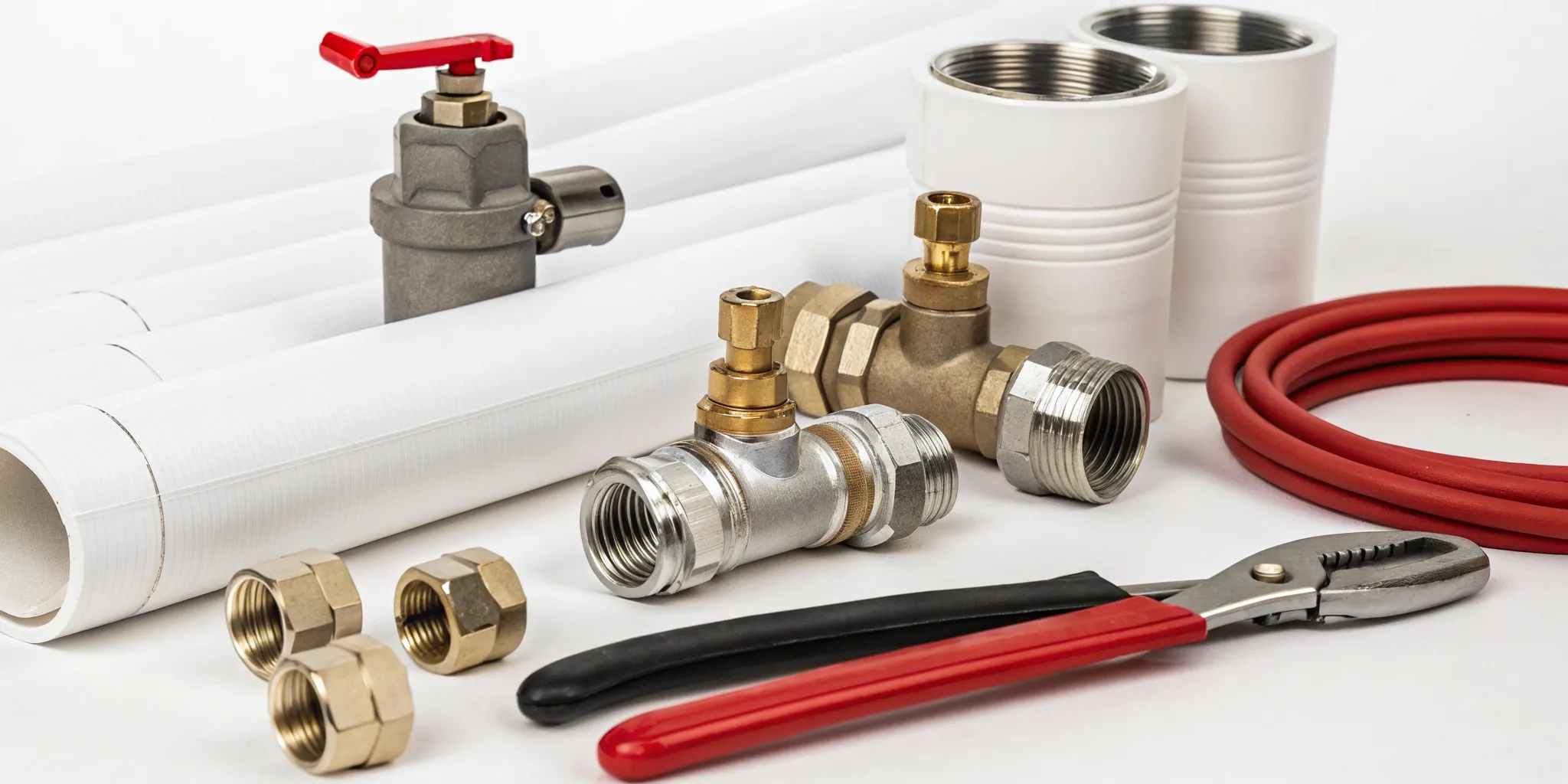
You’ve probably seen a vacuum breaker without even realizing it. The most common type is the Atmospheric Vacuum Breaker (AVB), often found on your outdoor hose spigots. These simple, affordable devices are designed to protect against backsiphonage, which happens when the pressure in the main water line drops. They work by letting air into the line to break the vacuum effect that could otherwise pull contaminated water from your hose back into your home's pipes. While effective for low-hazard situations, they are not designed for continuous pressure and must be installed in specific ways to work correctly.
Understanding Check Valve and RPZ Assemblies
For situations with a higher risk of contamination, you need a more heavy-duty solution. This is where assemblies like the Double Check Valve Assembly (DCVA) and the Reduced Pressure Zone (RPZ) assembly come in. These are the principal types of mechanical backflow preventers used to protect public water systems. An RPZ, for instance, is one of the most secure devices available. It has a relief valve that will open and dump water out if it senses a backflow condition, providing a visible sign that it's working and preventing any contamination. These are often required for commercial properties, irrigation systems, and fire suppression systems.
Why Regular Backflow Testing is a Must
Think of your backflow preventer as the silent guardian of your home’s water supply. It’s a crucial piece of equipment that works behind the scenes, but it’s not something you can just install and forget about. Like any mechanical device with moving parts, it needs regular check-ups to make sure it’s ready to do its job when you need it most. Scheduling routine backflow testing is one of the most important preventative steps you can take for your home’s plumbing system. It’s a proactive measure that ensures the barrier between your clean water and potential contaminants is strong and secure.
This simple annual test accomplishes three critical things. First, it catches normal wear and tear before it can cause a catastrophic failure. Second, it keeps you in good standing with state and local regulations, which require yearly inspections. Most importantly, it serves as a vital safeguard for the health and safety of your family and the entire Corpus Christi community. It’s a small task that carries a massive amount of responsibility, ensuring the water flowing from your taps is always clean and safe. Neglecting this test means leaving your home and your neighbors vulnerable to contamination, which is a risk no one should take. Let's break down exactly why this annual check-up is so essential.
Catching Wear and Tear Before It's a Problem
Your backflow prevention device has internal seals, springs, and moving parts that can wear out or get clogged with dirt and sediment over time. Without a proper inspection, you’d have no way of knowing if it’s still capable of creating a proper seal. A small, undetected failure could leave your clean water supply vulnerable to contamination from fertilizers, household chemicals, or other pollutants. Regular testing allows a certified professional to check the device’s mechanics and pressure levels, ensuring everything is working correctly. It’s the best way to find and fix minor issues before they turn into a major health hazard or a costly plumbing emergency.
Staying Compliant with Texas Law
Here in Texas, backflow testing isn’t just a good idea; it’s the law. The Texas Commission on Environmental Quality (TCEQ) and local water authorities require that all backflow prevention assemblies be tested by a licensed professional at least once a year. This regulation is in place to protect the public water system from contamination events. Failing to get your device tested on time can lead to fines or even the disruption of your water service. Staying on top of your annual test ensures you remain compliant and helps our local water purveyors keep the entire system safe for everyone.
Protecting Your Family and Community
Ultimately, the most important reason for backflow testing is public health. A single backflow incident at your property can do more than just contaminate your own water; it can push pollutants back into the city’s main water lines, endangering your neighbors. This makes backflow prevention a shared community responsibility. By ensuring your system is working properly, you’re not only protecting your own family from waterborne illnesses but also doing your part to maintain the integrity of our shared water supply. When you contact a professional for your annual test, you’re investing in peace of mind for your household and the entire neighborhood.
Your Guide to Backflow Testing
So, you have a backflow preventer installed. That’s a great first step toward protecting your home’s water supply, but the work doesn’t stop there. Just like any other important piece of equipment, your backflow device needs regular check-ups to make sure it’s functioning correctly. Think of it like an annual physical for your plumbing system; it’s a preventative measure that catches small issues before they become big problems. This testing process is straightforward when handled by a professional and is key to ensuring your water remains safe and clean. It's not just about checking a box on a maintenance list, it's about actively protecting your family from the risks of contaminated water.
Understanding the testing process can help demystify it and give you confidence that you’re taking the right steps. Backflow testing involves a certified professional using specialized, calibrated equipment to create a controlled pressure scenario. This allows them to verify that the internal check valves and relief valves are opening and closing correctly, effectively creating the barrier that stops contaminated water from flowing backward into the public supply. It’s a precise science, which is why it requires a licensed expert. For homeowners and business owners in the Corpus Christi area, staying on top of this annual requirement is part of being a responsible water user. It ensures the safety of not only your own water but also that of your neighbors.
How Often Should You Get Tested?
The rule of thumb for backflow testing is simple: it needs to be done annually. A lot can happen in a year, and small, unseen issues like worn-out seals or stuck valves can compromise the device's ability to protect your water supply. An annual test ensures that your backflow preventer is in good working order and ready to do its job when needed. Sticking to a yearly schedule not only gives you peace of mind but also keeps you in compliance with local water authority regulations. It’s a small task that plays a huge role in safeguarding the health of your household and community.
Who Can Perform a Backflow Test in Texas?
This isn’t a job for just any plumber or DIY enthusiast. In Texas, only a specially licensed professional can legally perform a backflow test. The Texas Commission on Environmental Quality (TCEQ) requires technicians to hold a Backflow Prevention Assembly Tester (BPAT) license. Earning this license involves rigorous training and a comprehensive exam, ensuring the person testing your device has the specific knowledge and skills required. When you hire someone for a test, you should always confirm they have an active BPAT license. This guarantees they know exactly how to test the assembly correctly and can identify any potential problems.
How to Hire a Qualified Professional
Finding the right person for the job is crucial. Start by looking for established plumbing or HVAC companies that list backflow testing as one of their services. When you call, don't hesitate to ask if their technicians hold a current BPAT license. Reputable companies will be happy to confirm their credentials. You can also check online reviews to see what other customers have said about their experience. At Tommy Cool Air, our team includes licensed professionals who are fully equipped to handle all your plumbing service needs, including certified backflow testing, ensuring your system is safe and compliant with all local codes.
What to Expect During the Test
The backflow testing process is typically quick and non-invasive. When the certified technician arrives, they will need access to the backflow prevention device. To perform the test, they will need to shut off the water supply to your home or building for a short period, usually around 15 to 30 minutes. The technician will connect their testing equipment to the device’s test cocks and measure the pressure to ensure the internal valves are working correctly. Once the test is complete, they will restore your water, explain the results, and provide you with the official paperwork for your records and for the local water authority.
Don't Skip Your Test: The Risks Involved
Putting off your annual backflow test might seem like a harmless way to save a little time and money, but the potential consequences are far more serious than most people realize. Skipping this simple check-up can expose your family to significant health risks, lead to legal trouble, and result in costly emergency repairs. It’s a gamble that’s just not worth taking when it comes to the safety of your home’s water supply. Understanding the real risks involved makes it clear why this is one piece of home maintenance you should never ignore.
Serious Health and Safety Dangers
The most critical reason to stay on top of backflow testing is to protect your family’s health. Backflow happens when a change in water pressure causes non-potable water to reverse flow and mix with your clean drinking water. This contaminated water can carry dangerous substances like pesticides from your lawn, bacteria from stagnant sprinkler systems, or other household chemicals. When this happens, the water you use for drinking, cooking, and bathing is no longer safe. A properly functioning backflow preventer is the only thing standing between your clean water supply and these harmful contaminants, making its annual test an essential health measure for your household.
Facing Fines and Legal Issues
Beyond the health concerns, there are also legal requirements to consider. In Texas, public water systems mandate that backflow prevention devices are tested annually by a certified professional. This isn't just a friendly suggestion; it's a rule designed to protect the entire community's water supply. If you fail to have your device tested and certified, you could face fines from your local water authority. For businesses, the penalties can be even stricter, sometimes including the suspension of your water service until the issue is resolved. Regular testing keeps you compliant with local regulations and helps you avoid unnecessary penalties.
The Cost of Prevention vs. a Contamination Crisis
An annual backflow test is a small, predictable expense. A backflow incident, on the other hand, can be a financial nightmare. If a backflow event contaminates your home’s plumbing, you could be looking at extensive costs for flushing the entire system, repairing or replacing pipes, and sanitizing your water supply. If the contamination spreads to the municipal water lines, the liability and costs could escalate dramatically. Investing in a routine test is a proactive and affordable way to prevent a much larger, more stressful, and incredibly expensive crisis down the road. You can always contact us for a straightforward quote on testing services.
Common Backflow Testing Myths, Debunked
A common myth is that any plumber or handy person can perform a backflow test. This is incorrect and potentially dangerous. In Texas, only a licensed Backflow Prevention Assembly Tester (BPAT) is legally certified to perform these tests. Becoming a BPAT requires specialized training, extensive hands-on experience, and passing a rigorous exam. This ensures the person testing your device understands exactly how it works and can accurately identify any failures. When you hire a professional, you’re not just checking a box; you’re getting the peace of mind that your water is being protected by a qualified expert.
Frequently Asked Questions
How do I know if my home has a backflow prevention device? The most common places to find a backflow preventer are on in-ground sprinkler systems, fire suppression systems, or swimming pool autofill lines. You can typically find the device installed above ground, close to your water meter. It usually looks like a set of pipes with two shut-off valves and a couple of small test ports. If you have an irrigation system, you almost certainly have one.
Is backflow really a risk for a regular house, or is it more of a commercial issue? While commercial buildings often have more complex plumbing and higher risks, backflow is absolutely a concern for homeowners. Any point where your clean water supply connects to a non-potable source, like a lawn irrigation system treated with fertilizer or even a simple garden hose left in a puddle, creates a risk. A sudden pressure drop in the city main could siphon that contaminated water right back into your home's pipes.
Why does the test have to be done every single year? Think of it like your car's annual inspection. The backflow preventer is a mechanical device with internal seals, springs, and valves that can wear out, get stuck, or become clogged with sediment over time. An annual test is required by Texas law because it's the only way to verify that those parts are still working correctly and will function properly during a real backflow event.
What happens if my device fails the test? A failed test isn't a catastrophe; it just means the device isn't working perfectly and needs attention. The certified technician who performs the test can diagnose the problem, which is often a simple fix like cleaning a part or replacing a worn-out seal. In most cases, the technician can make the necessary repairs, re-test the device to confirm it passes, and then complete the certification paperwork for you.
How long does a backflow test take? The entire process is usually very quick and straightforward. A typical test takes about 15 to 30 minutes to complete. Your water will need to be shut off for a portion of that time so the technician can properly check the pressure and valve function, but it's a brief interruption. Once the test is done, your water service will be restored immediately.