Letting a service tech into your home is a big deal. It requires a lot of trust. You’re counting on them to be honest, skilled, and respectful of your space. When your AC is on the fritz, that trust is even more critical. You need an air conditioning repair company that will diagnose the problem accurately, offer a fair price, and stand behind their work. This guide is designed to give you that peace of mind. We’ll break down the key indicators of a quality service provider, so you can feel confident in your decision.
Key Takeaways
- Confirm their qualifications and reputation: Always choose a company with certified, licensed, and insured technicians. You can verify their quality of work by reading recent online reviews from local customers.
- Get clear terms before work begins: A professional company will provide a detailed written estimate, explain their warranties on parts and labor, and clarify their policy for 24/7 emergency calls.
- Trust your gut and avoid red flags: Be prepared to ask about their experience and the equipment they use. Steer clear of anyone who uses aggressive sales tactics or is unwilling to be transparent about costs.
What Makes a Great Air Conditioning Repair Company?
When your air conditioner gives out, especially during a Texas summer, finding a reliable repair company quickly is a top priority. But how do you know who to trust? The right company will not only fix the immediate issue but also provide peace of mind through quality work and excellent service. It’s about more than just getting the cold air back on; it’s about ensuring your system is safe, efficient, and ready for the long haul.
Choosing a company with a proven track record and a commitment to customer satisfaction can make all the difference. Look for a team that is transparent, skilled, and available when you need them most. These key qualities separate the great companies from the rest and ensure you get the best value and service for your home.
Are Their Technicians Certified and Insured?
First things first, you want to make sure the people working on your AC unit know what they’re doing. Hiring certified technicians is non-negotiable. Certifications, like those from NATE (North American Technician Excellence), show that a technician has proven their knowledge in the HVAC field. This expertise means they can diagnose problems accurately and perform repairs that are safe and effective. A certified professional ensures the job is done right, protecting your system and your family.
Equally important is making sure the company is fully insured. Insurance protects you, the homeowner, from any liability in the rare case of an accident on your property. A reputable company will always carry proper insurance and won't hesitate to provide proof. It’s a fundamental sign of professionalism and accountability that shows they take their work and your safety seriously.
Do They Have a Proven Track Record?
A company's history tells a story. When you're vetting an AC repair service, their track record is one of the most reliable predictors of the experience you'll have. A long-standing presence in the community suggests they've consistently delivered quality work and earned the trust of your neighbors. It shows they've weathered economic shifts and competitive pressures by doing right by their customers. You can get a sense of this history by looking at how long they've been in business and what past clients have to say about them. This isn't just about finding someone who can fix your AC; it's about partnering with a team that has proven its commitment to reliability and customer care over the long haul.
Look for Years of Experience
When a company has been serving an area for years, or even decades, it’s a strong signal that they’re doing something right. Longevity in the HVAC industry isn't an accident; it's earned through consistent, high-quality work and a dedication to customer satisfaction. An experienced team has encountered a wide range of issues and knows how to handle them efficiently. They’ve built a reputation that they’re invested in protecting. Before you hire, check the company’s website for their history. See what their customers are saying in recent online reviews. A business that has stood the test of time is more likely to provide the dependable service you need to stay comfortable.
Check for Fully Stocked Trucks
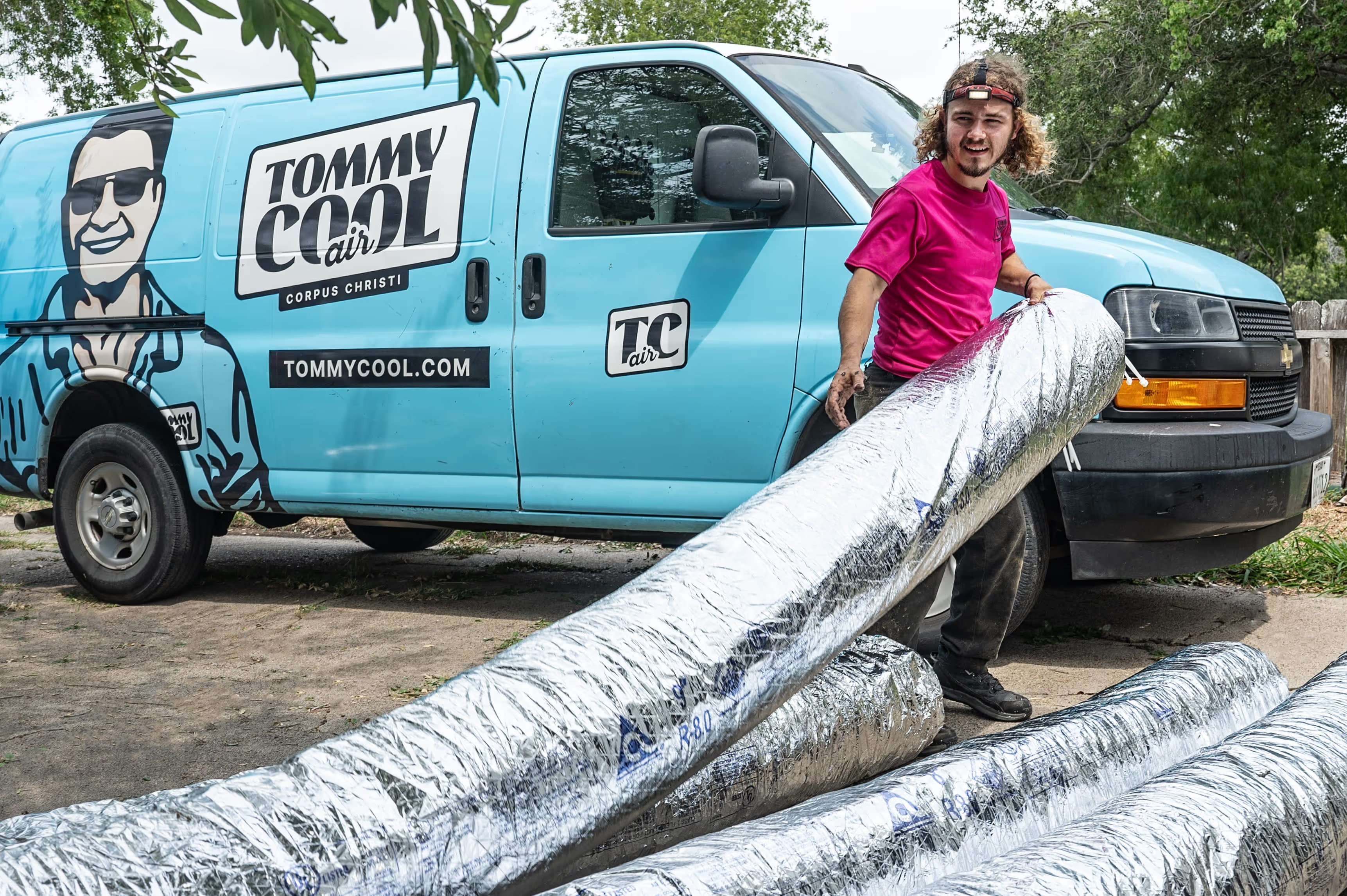
It might seem like a minor detail, but a technician arriving with a fully stocked truck is a huge indicator of a professional and efficient operation. This level of preparedness means they likely have the necessary parts and tools to diagnose and fix most common AC problems on the very first visit. This saves you from the frustration of waiting for a part to be ordered and scheduling a second appointment. A company that invests in keeping its vehicles well-equipped is a company that respects your time and is committed to resolving your air conditioning issues as quickly as possible, minimizing the disruption to your life.
Do They Offer 24/7 Emergency AC Repair?
Air conditioners don’t always break down during convenient 9-to-5 business hours. A sweltering weekend or the middle of the night is often when you need help the most. That’s why a company’s availability is a huge factor. Look for an AC repair service that offers 24/7 emergency support. This shows a true commitment to their customers’ comfort and well-being. Knowing you can make a call and get a response anytime provides incredible peace of mind. A company that’s there for you during an emergency is one you can count on for all your heating and cooling needs.
Same-Day Service for Non-Emergencies
While 24/7 availability is crucial for emergencies, a company's approach to less urgent calls speaks volumes about their commitment. You shouldn't have to wait days for a technician just because your AC is making a strange noise instead of being completely broken. A company that offers same-day service for non-emergencies demonstrates that they respect your time and prioritize your comfort, regardless of the problem's size. This level of responsiveness often points to a well-organized operation with a dedicated team ready to help. When a company makes it a priority to address your concerns quickly, it’s a clear sign of their dedication to customer satisfaction.
Can They Handle More Than Just Basic Repairs?
Your AC system is complex, and problems can range from simple fixes to major replacements. It’s best to choose a company that offers a full range of services. This means they can handle everything from routine maintenance and minor repairs to complete system installations. A full-service provider can diagnose any issue, whether it’s strange noises, poor cooling, or a complete system failure. This versatility saves you the headache of having to find different specialists for different problems. A company that can manage all aspects of your indoor air quality and comfort is a valuable partner for any homeowner.
The Advantage of a Full-Service Company
Think of it like finding a great family doctor. Once you find a provider you trust, you want them to handle everything, right? The same principle applies to your home. A full-service company offers more than just a quick fix for your AC; they can also manage your heating system in the winter and improve your indoor air quality year-round. This comprehensive approach is a huge advantage because your home’s systems are interconnected. An issue that seems like an AC problem could be related to your ductwork or humidity levels. Having one team that understands the complete picture of your home’s comfort systems ensures a more accurate diagnosis and a lasting solution, creating a true partnership for maintaining your home.
Prioritize Transparent Pricing and Warranties
No one likes financial surprises, especially when dealing with an unexpected home repair. A trustworthy AC company will always be upfront and transparent about its pricing. They should provide a clear, written estimate before any work begins, so you know exactly what to expect. Vague pricing or high-pressure sales tactics are major red flags.
Beyond the initial cost, look for a company that stands behind its work with strong warranties on both parts and labor. A good warranty is a promise of quality and shows the company is confident in its repairs. It protects your investment and ensures that if something goes wrong with the repair, you won’t be left paying for it all over again. Programs like our membership plan can also offer savings and priority service.
Your Action Plan for Finding Local AC Repair
When your AC stops working, especially during a Texas summer, finding a reliable repair company fast is a top priority. But you also want to make sure you’re choosing a team that’s trustworthy, skilled, and won’t overcharge you. A little research upfront can save you a lot of headaches down the road. Instead of just picking the first name you see online, take a few simple steps to vet your options. This will help you find a local expert who can get your system running smoothly again.
Don't Skip the Online Reviews
Your search for a great AC repair company should start with online reviews. See what past customers have to say on sites like Google and Yelp. When you read through comments, look for specifics. Did the company fix the problem on the first visit? Were they on time and professional? Pay attention to how they handled common issues like poor cooling performance or strange noises coming from the unit. A company’s website is also a great resource. You can often find a dedicated page for customer reviews that gives you a clear picture of their reputation and the quality of their work.
What to Look for in Reviews
While a high star rating is a good start, the real value is in the details of the comments. Look for recurring themes. Are customers consistently mentioning that technicians were punctual, professional, and cleaned up after themselves? Do the reviews describe how the company handled specific problems, like a system that wouldn't turn on or was making strange noises? Specific feedback about how a technician diagnosed and fixed an issue gives you a much clearer picture of their expertise. Also, pay attention to how the company responds to reviews, especially the negative ones. A professional and helpful response shows they care about customer satisfaction and are committed to resolving issues. This level of detail helps you understand the kind of service you can truly expect when you need air conditioning repair.
Do a Quick Credentials Check
Never hesitate to check a company’s qualifications. You’re letting technicians into your home, so you want to know they are trained, licensed, and insured. Look for certifications like NATE (North American Technician Excellence), which shows a technician has advanced, real-world knowledge. A certified professional ensures your system is repaired safely and correctly. Reputable companies are proud of their team’s expertise and often highlight their use of trusted Trane products and other quality standards on their website. If you can’t find this information easily, just ask. A trustworthy company will be happy to provide proof of their credentials.
Ask for Personal Recommendations
Sometimes the best recommendations come from people you already know and trust. Ask your friends, family, or neighbors in the Corpus Christi area who they call when their AC acts up. You can start the conversation easily: "My air conditioner isn't cooling the house anymore, who do you recommend?" Personal referrals give you honest insight into a company's customer service, pricing, and reliability. People are usually quick to share both great experiences and ones to avoid, which can help you narrow down your list and find a company with a solid local reputation for quality air conditioning services.
Double-Check Their Service Area
This might seem obvious, but it’s a step you don’t want to skip. Before you get too invested in a company, make sure they actually serve your neighborhood. Many companies list their service areas on their website, but it’s always a good idea to confirm, especially if you live in a surrounding community like Padre Island, Portland, or Calallen. Choosing a truly local company often means faster response times, which is critical when your AC is out. A quick check can save you the frustration of finding the perfect company only to learn you’re outside their range. When in doubt, just get in touch and ask directly.
Always Get Multiple Estimates
When it comes to AC repairs, you should never feel pressured to accept the first quote you receive. Prices for the same job can vary significantly between companies, so it’s always a good idea to get at least two or three written estimates. This isn't about finding the absolute cheapest option; it's about understanding the fair market rate and ensuring you're not being overcharged. A reputable company will have no problem providing a detailed, itemized estimate for the necessary AC repairs, giving you a clear breakdown of costs. This transparency is a hallmark of a professional service and helps you avoid any unwelcome financial surprises when the final bill arrives. Taking this extra step empowers you to make an informed decision for your home and your budget.
How Much Should AC Repair Really Cost?
When your AC stops working, one of the first questions you probably have is, "How much is this going to cost?" The answer can vary quite a bit, but understanding the factors that go into the price will help you feel more prepared. Let's break down what you can expect when it comes to AC repair costs so you can make an informed decision without any surprises.
Common Repairs and Their Average Costs
AC repair costs range from a simple fix to a more significant investment. Minor repairs, like cleaning a clogged drain line or addressing thermostat issues, typically fall between $80 and $500. More complex problems, such as replacing a fan motor or fixing a refrigerant leak, can cost anywhere from $200 to over $1,500. The most expensive repair is usually a compressor replacement, which can run from $1,000 to $3,000. These are general estimates, and your specific cost will depend on the exact problem your system is facing. A qualified technician can diagnose the issue and give you a precise quote.
Capacitor Replacement: $100–$400
If your AC unit hums but won't kick on, or if it struggles to start, you might be looking at a bad capacitor. This small but mighty component provides the jolt of energy needed to start your system's motors. Think of it like the battery in your car. Over time, heat and use can cause capacitors to weaken and fail. The good news is that replacing one is a fairly quick and common repair. A technician can test the capacitor and, if it's faulty, swap it out with a new one, often getting your system back up and running in a single visit. It's one of the more affordable fixes you'll encounter.
Circuit Board Repair: $75–$600
The circuit board is the brain of your air conditioning system, controlling all its functions. When it fails, your AC might not turn on at all, or it could behave erratically. Power surges, moisture, or just age can cause a circuit board to malfunction. The cost to fix it varies widely because sometimes a simple repair is possible, while other times the entire board needs to be replaced. The complexity of the board also plays a role in the final price. Because it's such a critical component, you'll want a professional to accurately diagnose the issue and ensure the right repair is performed correctly.
Fan Motor Replacement: $200–$700
Your AC system has two key fans: one inside that blows cool air through your home and one outside that expels heat. If either of their motors fails, your system can't cool effectively. You might hear loud noises, notice the fan blades aren't spinning, or feel weak airflow from your vents. Ignoring a failing fan motor can put extra strain on your compressor, leading to a much more expensive repair down the line. Replacing the motor involves disconnecting the old one and installing a new one, a job best left to a trained technician to ensure it's done safely and correctly.
Compressor Replacement: $900–$2,900
The compressor is the heart of your air conditioner, responsible for circulating refrigerant to cool your home. It's also one of the most expensive components to replace. If your compressor fails, you might hear loud grinding noises or your AC might blow warm air. Because this repair is so costly, it often prompts a bigger conversation: repair or replace? If your AC unit is older and less efficient, investing thousands in a new compressor might not be the best long-term solution. It could be a better financial decision to put that money toward a new, high-efficiency system that will lower your energy bills and come with a full warranty. We can help you weigh the pros and cons of installing an energy-saving system.
Condenser or Evaporator Coils: $1,000–$5,000+
Your AC's coils are where the magic of heat exchange happens. The evaporator coil absorbs heat from your indoor air, while the condenser coil releases it outside. Over time, these coils can develop refrigerant leaks due to corrosion or damage. Repairing or replacing them is a labor-intensive and expensive job, especially if the leak is hard to find or the coils are difficult to access. Similar to a compressor failure, a major coil replacement on an older unit is a moment to pause. It may be more practical to invest in a new, reliable system from a trusted brand like Trane rather than sink a large sum into an aging machine.
What Influences the Final Price?
Several key factors determine the final cost of your AC repair. The age and type of your unit play a big role; older systems can be more difficult to find parts for, which can increase the price. Your system’s warranty status is also important, as a valid warranty could cover some or all of the repair costs. At Tommy Cool Air, we provide transparent pricing for all our air conditioning services to ensure you know exactly what to expect. We want you to feel confident in the work being done, no matter what kind of unit you have or what the issue might be.
Service Call and Diagnostic Fees
Most professional HVAC companies charge a service call fee, and it's a standard part of the process. This fee, typically ranging from $75 to $150, covers the cost of sending a qualified technician to your home, including their travel time and the expertise needed to accurately diagnose the problem. Think of it as the fee for getting an expert diagnosis for your system. A reputable company will be transparent about this charge when you book your appointment. This step is crucial because, without it, any repair quote would just be a guess. You can find more details about standard procedures on our FAQ page.
Hourly Labor Costs
Once the problem is identified, the cost of labor is the next part of the equation. Hourly rates for HVAC technicians generally fall between $50 and $150, depending on their experience and the complexity of the job. While it might be tempting to choose the lowest rate, remember that you're paying for expertise. A highly skilled, certified technician may have a higher hourly rate, but they can often complete the repair more quickly and effectively, saving you money in the long run. The final labor cost will be outlined in your written estimate, ensuring there are no surprises when it comes to your air conditioning repair bill.
Emergency and After-Hours Rates
Air conditioners have a knack for breaking down at the most inconvenient times, like on a scorching weekend or in the middle of the night. For these situations, many companies offer emergency services, but this convenience comes at a premium. You can generally expect to pay 1.5 to 2 times the standard hourly rate for after-hours or holiday repairs. This higher rate compensates technicians for being on-call and ready to help outside of normal business hours. While it costs more, having access to 24/7 support provides invaluable peace of mind. If you find yourself in an urgent situation, don't hesitate to contact us immediately.
Why You Should Get a Written Estimate
Always ask for a detailed, written estimate before agreeing to any work. This document protects you from unexpected charges and outlines exactly what services will be performed. An estimate is also crucial when you're deciding whether to repair or replace your unit. A good rule of thumb is if the repair cost is more than half the price of a new, energy-efficient system, it might be time to consider a replacement. Investing in a modern unit, like one from Trane, can save you money on future repairs and lower your energy bills in the long run.
What Kind of Warranty Should You Expect?
A reputable AC repair company will always stand behind its work. Before you hire someone, ask about the warranties they offer on both parts and labor. A strong guarantee gives you peace of mind, knowing that if something goes wrong with the repair, the company will make it right. This commitment to quality is a sign that you're working with true professionals who value their customers' satisfaction. Checking a company's customer reviews can also give you a good idea of how well they honor their promises and take care of their clients.
Understanding Warranty Exclusions
While a solid warranty is a great sign, it's also smart to know what isn't covered. Most warranties won't apply if the damage is due to neglect, like failing to perform regular maintenance. This is why staying on top of tasks like changing your air filters is so important and why a maintenance plan can be so valuable. Other common exclusions include damage from external events like power surges, storms, or pests getting into your outdoor unit. If you have someone other than a certified technician work on your system, that can also void your warranty. Always take a moment to understand these exclusions so you're fully informed. A transparent company will be happy to walk you through the details of their guarantee.
Will Home Insurance Cover AC Repairs?
It’s a common question, and the answer is usually no—but with some important exceptions. Homeowners insurance is designed to protect you from sudden and accidental damage, not from the costs of aging appliances. So, if your AC unit simply stops working due to old age or normal wear and tear, your policy likely won't cover the repair. However, if the damage is caused by a specific event listed in your policy, like a fire or a lightning strike, you may have a valid claim. If you suspect this is the case, a professional diagnosis is your first step. A technician can provide a detailed report on the cause of failure, which is essential for an insurance claim. We can provide the thorough air conditioning services needed to give you a clear assessment for your insurer. Always check your individual policy to be sure of your coverage.
Repair or Replace? Making the Right Financial Decision
It’s the question every homeowner dreads: when your AC is on the fritz, do you pay for another repair or is it time to invest in a new system? This decision feels especially big when you’re facing a costly repair bill. While there’s no single right answer for everyone, you can use a few key guidelines to make a smart financial choice. Understanding the lifespan of your unit, the cost of repairs versus replacement, and the long-term benefits of a new system will help you feel confident in your decision. Let's walk through the factors you should consider to determine the best path forward for your home and your budget.
The Average Lifespan of an AC Unit
Most air conditioning systems are built to last about 10 to 15 years. If your unit is approaching or has surpassed this age, it’s more likely to experience frequent breakdowns and become less efficient. An older system has to work much harder to cool your home, which means higher energy bills every month. While consistent, professional air conditioning services can extend its life, you'll eventually reach a point of diminishing returns. If your AC is over a decade old and requires a major repair, it’s often more financially savvy to put that money toward a replacement instead of patching up a system that’s nearing the end of its useful life.
Using the "$5,000 Rule" to Guide Your Choice
When you're stuck between repairing and replacing, a simple guideline called the "$5,000 Rule" can help clarify your decision. Here’s how it works: multiply the age of your AC unit (in years) by the estimated repair cost. If the total is more than $5,000, replacement is generally the better financial move. For example, if you have a 10-year-old unit and the repair will cost $600, the total is $6,000 (10 x 600). Since this is over the $5,000 threshold, investing in a new system is likely the smarter choice. This rule isn't absolute, but it provides a solid framework for evaluating whether a costly repair is worth it for an aging unit.
Considering the Cost of a New System
The price of a new HVAC system can seem daunting, but it's an investment in your home's comfort and value. For an average-sized home, the cost of installing a new system typically ranges from $5,000 to $12,000. This price depends on the size of your home, the efficiency rating of the unit, and the complexity of the installation. While that initial cost is significant, remember that it often comes with long-term savings. A new, high-efficiency unit can drastically reduce your monthly energy bills, and you won't have to worry about surprise repair costs for years to come. A professional technician can provide a precise quote based on your specific needs.
The Importance of a "Matched System"
If you decide to replace your air conditioner, your technician might recommend replacing your furnace at the same time. This is known as installing a "matched system." Your indoor and outdoor units are designed to work together seamlessly. When you pair a new, high-efficiency AC with an older furnace, you can create an imbalance that prevents the system from performing at its peak. A matched system ensures all components are compatible, maximizing efficiency, performance, and even the lifespan of your entire HVAC setup. It’s a strategic move that ensures you get the most out of your investment in home comfort.
Benefits of a New System Beyond Fewer Repairs
The most obvious benefit of a new AC unit is avoiding constant repair calls, but the advantages don't stop there. Modern systems are significantly more energy-efficient than their older counterparts, which means you can lower your energy bills from the moment the system is installed. This efficiency also leads to better, more consistent cooling throughout your home, eliminating hot spots and improving overall comfort. Furthermore, new systems often come with advanced features like smart thermostats and improved air filtration, which can enhance your home's indoor air quality. A replacement is not just a fix—it's an upgrade to your entire home environment.
Look for Tax Credits and Rebates
Investing in a new, energy-efficient HVAC system can also come with some welcome financial perks. The federal government often offers tax credits for homeowners who install systems that meet specific efficiency standards. On top of that, local utility companies and manufacturers frequently provide rebates to encourage energy-conscious choices. These incentives can significantly reduce the net cost of your new system, making the investment more manageable. It’s always a good idea to check with a tax professional about current federal credits and to ask our team about any available local rebates or manufacturer promotions that could apply to your new installation.
New SEER2 Efficiency Standards
As of 2023, new government regulations require air conditioners and heat pumps to meet higher energy efficiency standards, measured by a rating called SEER2. This is great news for homeowners because it means any new system you buy is guaranteed to be more efficient than older models. These higher standards are designed to reduce energy consumption and lower your carbon footprint. When you're shopping for a new unit, a higher SEER2 rating means greater potential for long-term savings on your utility bills. It’s a built-in benefit that makes replacing an old, inefficient unit an even smarter decision.
AC Repair Company Red Flags to Avoid
When your AC breaks down in the Texas heat, it’s easy to rush into a decision. But choosing the wrong repair company can lead to bigger headaches and costs. A trustworthy professional will be transparent and clear from the start. If something feels off, it probably is. Here are the major red flags to watch for.
Are They Pushing Unnecessary Upgrades?
Be wary of a technician who immediately pushes for a full system replacement without a thorough inspection. While a new unit is sometimes necessary, an honest professional explores all repair options first. They should clearly explain the issue and give you a balanced view of your choices. If you feel pressured into a fast, expensive decision, it’s best to get a second opinion before you agree to any work.
Steer Clear of Vague Pricing
A professional company is always upfront about costs. A huge red flag is a refusal to provide a detailed, written estimate before work begins. A verbal quote isn’t enough, as surprise fees can appear later. Your estimate should break down labor and parts costs clearly. Avoid any technician who is vague about pricing or pressures you to commit without a formal quote. Reputable air conditioning services always operate with transparency.
A Pattern of Negative Reviews or Radio Silence
Before hiring, check online reviews. A pattern of negative feedback about shoddy work, missed appointments, or poor service is a clear warning. Also, notice how they communicate. If they’re hard to reach, don’t return calls, or seem disorganized, it reflects their work ethic. You can learn a lot about a company’s reputation by reading what past customers have to say.
No License or Insurance? No Deal.
This is non-negotiable. Any technician in your home must be licensed and insured. Licensing proves they have the right training, while insurance protects you from liability if an accident happens. Don’t hesitate to ask for proof of both. A legitimate company will gladly provide it. Hiring an unlicensed technician is a risk you shouldn’t take. A company’s commitment to professionalism is often found on its company page.
Smart Questions to Ask Any AC Repair Company
Once you have a short list of potential AC repair companies, it’s time to pick up the phone. Asking the right questions can save you from headaches, unexpected costs, and a sweltering home. Think of this as a mini-interview. You’re hiring a professional to care for one of your home’s most important systems, so you want to be sure you’re making the right choice. A reputable company will be happy to answer your questions and provide clear, confident responses. Being prepared with these key questions will help you gauge their expertise, professionalism, and commitment to customer service.
How Experienced Are Their Technicians?
You wouldn't let just anyone work on your car, and the same goes for your AC. Ask about the qualifications and training of their technicians. Are they certified? Technicians with certifications like NATE (North American Technician Excellence) have proven their knowledge and skills in the field. This certification is a strong indicator that they are up-to-date on the latest technology and repair techniques. An experienced, well-trained technician can diagnose problems more accurately and perform repairs correctly the first time, ensuring your system runs safely and efficiently. At Tommy Cool Air, we're proud of our company's commitment to employing skilled professionals.
What Brands of Parts and Equipment Do They Use?
The quality of the parts used in a repair directly impacts your AC's performance and lifespan. Ask the company what brands of equipment and replacement parts they use. Do they partner with trusted manufacturers? Using high-quality components ensures your system will run reliably for years to come. For example, we are a proud dealer of Trane products because of their proven durability and efficiency. A company that invests in quality parts is a company that invests in its customers' long-term satisfaction. Don’t hesitate to ask why they choose certain brands over others.
Ask About Proactive Maintenance Plans
An ounce of prevention is worth a pound of cure, especially with HVAC systems. Ask if the company offers a preventative maintenance plan. Regular service helps keep your air conditioner running efficiently and allows technicians to catch small issues before they become major, expensive breakdowns. Most professionals recommend having your system serviced twice a year. A good maintenance plan should include thorough inspections, cleaning, and tune-ups. Find out what their membership or maintenance program includes and how it can help you save money on future repairs and energy bills.
How Do They Handle After-Hours Emergencies?
Air conditioners rarely break down at a convenient time. It’s often during the hottest day of the year or in the middle of the night. Before you commit, you need to know how the company handles emergencies. Ask about their availability for after-hours or weekend service calls. What is their typical response time for an emergency? One of the most obvious signs your AC needs immediate attention is when it stops cooling your home. Knowing a company can provide prompt and reliable air conditioning services when you need them most offers incredible peace of mind.
Related Articles
- AC Repair in Corpus Christi, TX | Tommy Cool Air
- AC not turning on? A homeowner's checklist | Tommy Cool Air
- Emergency AC Service in Corpus Christi, TX | Tommy Cool Air
- AC Installation in Corpus Christi, TX | Tommy Cool Air
- Best Air Conditioners for 2021 | Tommy Cool Air
Frequently Asked Questions
Is it always better to repair my AC, or should I consider replacing it? This is a big question, and the answer depends on a few things. A good guideline is to consider replacement if a repair costs more than half the price of a new system. You should also think about the age of your unit. If it's over 10-15 years old and needs frequent, costly repairs, a new, more energy-efficient model will likely save you money and stress in the long run. An honest technician can walk you through the costs and benefits of both options for your specific situation.
What does it mean if a technician is NATE-certified? NATE stands for North American Technician Excellence, and it's the gold standard certification in the HVAC industry. It means a technician has passed rigorous, real-world exams that test their knowledge of heating and cooling systems. When you hire a NATE-certified technician, you can be confident they have the proven expertise to diagnose and fix your AC correctly and safely the first time.
How can I know if I'm getting a fair price for my AC repair? A trustworthy company will always provide a detailed, written estimate before starting any work. This document should clearly break down the costs for parts and labor, so there are no surprises. While it can be tempting to go with the lowest quote, remember that price isn't everything. A fair price reflects quality parts, skilled labor, and a solid warranty that protects your investment.
My AC is working, but not very well. Should I call for a repair now or wait? You should definitely call now. Issues like weak airflow, strange noises, or inconsistent cooling are early warning signs that something is wrong. Ignoring them can allow a small problem to turn into a much larger and more expensive breakdown. Addressing the issue early often results in a simpler, more affordable repair and prevents you from being stuck without AC when you need it most.
What's the single most important thing to look for in an AC repair company? If I had to pick just one thing, it would be a combination of proper credentials and a strong reputation. Always confirm that a company is licensed and insured to protect yourself and your home. After that, look at their track record. A history of positive online reviews from local customers is one of the best indicators that you're choosing a reliable company that stands behind its work and values its clients.
Your Comfort and Health
We often think of our air conditioners purely in terms of comfort—a welcome escape from the thick, humid air of a Texas summer. While keeping your home cool is its main job, your HVAC system also plays a significant role in your well-being. The temperature, humidity, and cleanliness of the air you breathe can impact everything from your respiratory health to how well you sleep. But there’s a less obvious connection: the link between your AC and your muscle health. Understanding this relationship helps you create an indoor environment that is not only comfortable but also supports your body, keeping you feeling your best.
How Air Conditioning Can Affect Muscle Health
We all love that blast of cold air when we walk inside from the sweltering Corpus Christi heat. But have you ever noticed feeling a bit stiff or achy after spending a long day in a chilly room? It’s not just your imagination. While your AC is a hero for comfort, the cold air it produces can cause your muscles to tighten up. This can lead to stiffness, aches, and even cramps, especially if you’re sitting at a desk or relaxing on the couch for hours. The constant cold can make your muscles contract, reducing blood flow and leaving you feeling less than limber. It's an important part of your overall indoor air quality and comfort that often gets overlooked.
Tips for Staying Comfortable and Limber
The good news is you don’t have to choose between staying cool and feeling good. With a few simple adjustments, you can keep your muscles happy while enjoying your air-conditioned oasis. First, try to keep your thermostat set between 71–77°F to avoid a drastic temperature shock. Second, stay hydrated. AC systems can dry out the air, and dehydration is a common cause of muscle cramps. Finally, make a point to move around. Get up and stretch or take a short walk every hour to keep your blood flowing and your muscles flexible. These small habits can make a big difference, ensuring your air conditioning system is purely a source of comfort.