The idea of a DIY project is tempting, especially with the potential cost savings. But while assembling furniture is a great weekend task, trying to install a ductless system is a different kind of project. It involves complex electrical wiring, specialized tools, and the legal handling of refrigerants—where a small mistake can lead to big, expensive problems. Before you decide to go it alone, it’s crucial to understand what the job truly entails. This guide breaks down the process and compares DIY vs. pro services to help you make an informed decision.
Key Takeaways
- Prioritize professional installation: A DIY approach risks voiding your warranty, violating EPA rules, and leading to costly performance issues, making a certified technician the smarter, safer choice.
- Get the right size for your space: Correctly sizing your mini-split is essential for efficiency and comfort. A unit that is too big or too small will waste energy and struggle to maintain the right temperature, so a professional BTU calculation is a must.
- Enjoy efficient, zoned temperature control: Ductless mini-splits offer a highly efficient way to cool and heat specific areas of your home. This room-by-room control is perfect for solving hot spots, managing comfort in home additions, and lowering energy bills.
What Is a Ductless Mini Split, Anyway?
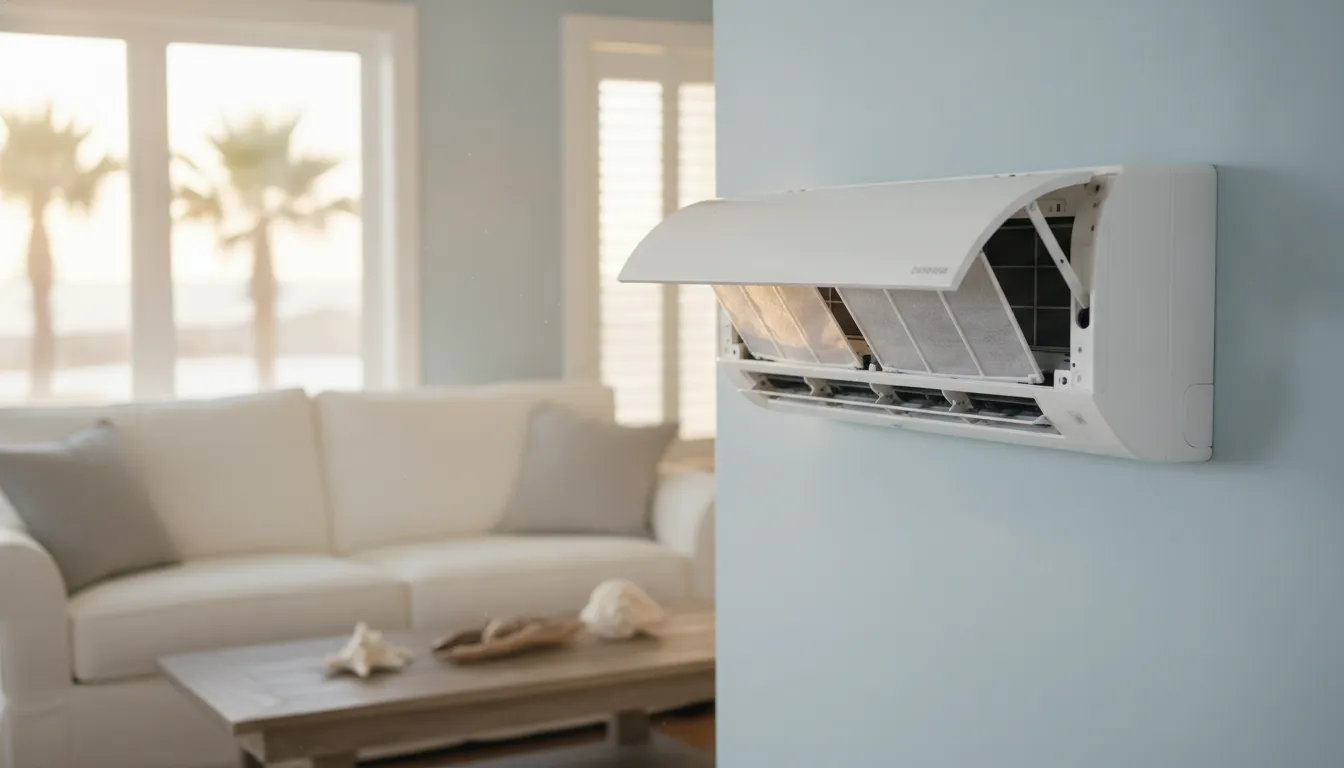
A ductless mini-split system is a highly efficient way to heat and cool your home without the need for traditional air ducts. If you’ve ever seen a sleek, rectangular unit mounted high on a wall, you’ve likely seen part of a mini-split system. These systems consist of two main parts: an outdoor compressor unit and one or more indoor air-handling units. A small conduit connects the outdoor and indoor components, which is why they are called "split" systems.
Because they don’t require bulky ductwork, mini-splits are a fantastic solution for a variety of situations. They are perfect for home additions, converted garages, or older homes where installing a full duct system would be too invasive or expensive. They also give you the power to create different temperature "zones" in your house, so you can finally settle the thermostat debate. Since they deliver conditioned air directly into a room, they avoid the energy losses associated with ductwork, making them one of the most effective energy-saving systems available today.
How a Ductless System Actually Works
Think of a mini-split as a heat transporter. It doesn’t create heat; it just moves it from one place to another. In the summer, the system works like a standard air conditioner. The indoor unit pulls heat and humidity from the air inside your room. The heat is transferred through the refrigerant lines to the outdoor unit, which then releases it outside. This process leaves your room feeling cool and comfortable.
During the cooler months, the system simply reverses its operation. It absorbs heat from the outdoor air (yes, even when it’s cold out) and moves it inside to warm your space. This dual function means you get a complete climate solution from a single system, providing both cooling and reliable heating services for year-round comfort.
The Key Parts of a Mini Split and Their Jobs
Every ductless system has two key components working in harmony to keep you comfortable. Understanding what they do can help you appreciate how efficient they are.
First, there's the outdoor unit. This component houses the compressor and condenser. Its main job is to manage the heat exchange with the outside air. When you're cooling your home, it releases heat; when you're heating it, it absorbs heat.
Then you have the indoor unit. This is the part you see inside your home, typically mounted on a wall or ceiling. It contains the evaporator coil and a quiet fan that distributes the conditioned air into the room. We trust high-quality Trane products because their components are built to last, ensuring your system runs smoothly for years.
Beyond Wall-Mounted: Other Indoor Unit Styles
While the wall-mounted unit is what most people picture when they think of a mini-split, it’s far from the only choice. Your home is unique, and your cooling system should be, too. Depending on your room’s layout, your aesthetic preferences, and your specific heating and cooling needs, there are several other indoor unit styles that might be a better fit. At Tommy Cool Air, we often help homeowners explore these options to find a solution that blends seamlessly into their home. Let's look at a few of the most popular alternatives.
Floor Consoles
If you have a room with slanted ceilings, large picture windows, or limited upper wall space, a floor console is an excellent alternative. These units are installed low on the wall, similar to a traditional radiator but with a much sleeker, modern design. They are powerful and efficient, distributing air effectively from the ground up, which can be particularly great for heating. Because they are so versatile, floor console units are a fantastic solution for spaces where a high-wall unit just isn't practical. They offer all the benefits of a ductless system while fitting discreetly into your room's design.
Ceiling Cassettes
For a truly unobtrusive look, ceiling cassettes are hard to beat. These units are recessed directly into the ceiling, so only a slim, subtle grille is visible. This makes them a favorite for homeowners who prioritize a clean, minimalist aesthetic, as they free up all your wall and floor space. Ceiling cassettes are also performance powerhouses, featuring four-way airflow that distributes conditioned air evenly in every direction. This makes them ideal for larger, open-concept living areas or master bedrooms where consistent temperature control is key. They provide a sophisticated, built-in look without compromising on comfort.
Small Ducted Units
What if you love the efficiency of a ductless system but prefer the invisible look of central air? A small ducted unit offers the best of both worlds. These compact air handlers are typically installed out of sight in a ceiling, closet, or attic space. From there, they connect to short runs of ductwork that lead to discreet vents in one or more rooms. This hybrid solution allows you to cool multiple adjacent spaces with a single indoor unit, making it a great choice for a bedroom wing or a finished basement. You get the zoned efficiency of a mini-split with the traditional appearance of a ducted system.
Top Reasons to Go Ductless
If you're exploring new cooling and heating options, you've probably heard about ductless mini-splits. They're becoming incredibly popular, and for good reason. Unlike traditional central air systems that rely on a network of ducts to distribute air, mini-splits offer a more flexible and direct approach to home comfort. This design comes with some major perks, especially for older homes without existing ductwork, new additions, or anyone looking to solve hot and cold spots in their house. Let's break down the top reasons why going ductless might be the perfect choice for your home.
Lower Your Bills with Better Energy Efficiency
Who doesn't want to lower their monthly energy bills? Ductless mini-splits are champions of efficiency. Traditional systems can lose a significant amount of energy through leaks and poor insulation in the ductwork. Since mini-splits deliver air directly into a room, that energy loss is eliminated. They use less power to operate, which translates directly into savings for you. These energy-saving systems are designed to provide precise comfort without the waste, making them a smart investment for any homeowner looking to reduce their carbon footprint and keep more money in their pocket.
Get Perfect Temperatures in Every Room
One of the best features of a ductless system is the ability to create temperature "zones." Each indoor unit has its own thermostat, so you can control the temperature in different rooms separately. This means you can finally end the family thermostat wars. If you like your bedroom extra cool for sleeping but want to save energy in an empty guest room, a mini-split makes it easy. This level of customized control not only makes everyone more comfortable but also adds to the system's overall efficiency, since you're only cooling the spaces you're actually using. It’s a modern approach to air conditioning services that puts you in charge.
Enjoy a Quick, Disruption-Free Installation
The thought of a major home renovation can be daunting, but installing a ductless system is surprisingly straightforward. Because no ducts are needed, the installation is much less invasive than a traditional HVAC setup. Our technicians only need to drill a small, three-inch hole in the wall to connect the indoor and outdoor units. This makes them an ideal solution for older homes, garage conversions, or sunrooms where adding ductwork would be a messy and expensive project. Most installations take just one to two days, so you can start enjoying your new system without a long, disruptive construction process. If you're curious about what it would take to install one in your home, you can always contact us for a consultation.
Sizing Your Mini Split: How to Get It Right
Picking the right mini split isn't like choosing a new appliance; one size definitely does not fit all. The right system will keep you comfortable for years, while the wrong one can lead to high energy bills and a room that’s never quite the right temperature. To make the best choice, you need to think about the cooling power your space needs, whether you’re cooling one room or several, and what extra features matter most to you.
How to Calculate the Right BTUs for Your Room
First, let's talk about BTUs, or British Thermal Units. This is a measurement of how much heat an air conditioner can remove from a room in one hour. Getting this number right is crucial. A unit that’s too small will run constantly without ever making the room comfortable, while a unit that’s too big will cool the space too quickly and shut off. This rapid cycling, known as short cycling, wastes energy and doesn't properly remove humidity, leaving you with a cool but clammy feeling. A proper calculation considers room size, ceiling height, and insulation. A professional assessment is the best way to ensure your unit is perfectly matched to your space.
Single-Zone vs. Multi-Zone: What's the Difference?
Next, you’ll need to decide between a single-zone and a multi-zone system. A single-zone system is designed to heat and cool one specific area. It has one outdoor unit connected to one indoor unit, making it a perfect solution for a home addition, garage, or sunroom. A multi-zone system connects one outdoor unit to multiple indoor units. This allows you to create different temperature "zones" throughout your home, so you can keep the living room cool while the bedrooms stay a bit warmer. This is an ideal setup for homes without existing ductwork that need flexible air conditioning services in several rooms.
More Sizing Factors You Shouldn't Ignore
Beyond BTUs and zones, a few other details will help you find the perfect fit. Pay attention to the unit's energy efficiency, indicated by its SEER (Seasonal Energy Efficiency Ratio) rating. A higher SEER rating means the unit uses less electricity, which is great for your wallet and the environment. Also check the noise level, measured in decibels (dB), especially for a unit in a bedroom or office. Finally, many modern mini splits come with smart features like Wi-Fi controls and programmable schedules. These options are often found in top-tier energy-saving systems that provide both comfort and convenience.
Using Professional Sizing Guides (ACCA)
To get sizing right, professionals don’t rely on guesswork or simple online calculators. The best way to start the sizing process is to use information from a nationally accredited organization like the Air Conditioning Contractors of America (ACCA) as a guide. Their official protocols, specifically the Manual J load calculation, are the industry standard for determining the precise cooling and heating needs of a specific space. This detailed assessment accounts for everything from your home's layout and insulation to window types and local climate. Following these guidelines ensures the mini-split we recommend is perfectly tailored to your home, providing consistent comfort without wasting energy.
Considering Internal Heat Sources
A proper load calculation also considers how you use the room. Think about the internal heat sources that contribute to your home's temperature. Is the space a quiet bedroom, or is it a home office filled with heat-generating computers and monitors? A kitchen with an oven and other appliances will have very different cooling needs than a living room. Even the number of people who typically occupy the room and the amount of direct sunlight it receives through the windows play a significant role. Factoring in these internal heat gains is essential for selecting a unit that can handle the load, keeping you comfortable no matter what’s happening inside.
Understanding Efficiency Ratings: SEER2, EER2, and HSPF2
When you start comparing mini-split models, you'll see a few key efficiency ratings. The SEER2 (Seasonal Energy Efficiency Ratio 2) rating measures how efficiently the unit cools over an entire season. A higher SEER2 number means the system uses less energy to cool your home, saving you money on electricity bills over time. Similarly, the EER2 (Energy Efficiency Ratio 2) measures cooling efficiency at peak outdoor temperatures, while the HSPF2 (Heating Seasonal Performance Factor 2) measures heating efficiency. These "2" ratings represent updated, more rigorous testing standards that better reflect real-world conditions, giving you a more accurate picture of the performance you can expect from modern energy-saving systems.
Decoding System Capacity and Electrical Needs
Choosing the right system capacity is about more than just BTUs; it also involves understanding the unit's electrical requirements. Mini-splits are powerful appliances that need to be wired correctly to operate safely and effectively. Each system has specific voltage and amperage needs, and it often requires a dedicated circuit to prevent overloading your home's electrical panel. An improperly wired unit is not only a fire hazard but can also lead to poor performance and premature system failure. This is one of the most critical reasons why a professional installation is so important. Our technicians ensure your system is wired according to code, giving you total peace of mind. If you have questions about your home's electrical setup, feel free to contact us for an evaluation.
BTUs, Tons, and Volts Explained
As you explore your options, you'll encounter a few technical terms. BTUs (British Thermal Units) measure the amount of heat a unit can remove from a room per hour. You might also see capacity measured in "tons," where one ton equals 12,000 BTUs. Getting this number right is crucial. A unit that’s too small will run constantly without ever making the room comfortable, while a unit that’s too big will cool the space too quickly and shut off. This rapid cycling fails to remove humidity properly, leaving the air feeling damp. Finally, "volts" refers to the electrical power required, typically 120V for smaller units or 240V for larger ones, which must match your home's available power supply.
Your DIY Install: Tools and Materials Checklist
If you’re thinking about installing a ductless mini-split yourself, getting your tools and materials in order is the first big step. This isn't quite like assembling a bookshelf; it requires specialized equipment to get the job done right and ensure your new system runs efficiently for years. A proper installation prevents refrigerant leaks, moisture damage, and poor performance, so having the correct gear is non-negotiable.
Before you start, it’s smart to inventory what you have versus what you’ll need to buy or rent. Some of these items are highly specific to HVAC work and aren't typically found in a standard home toolbox. Let's break down exactly what you'll need to tackle this project.
The Essential Tools for the Job
To properly install a mini-split, you’ll need more than just a drill and a level. A few crucial tools are required to handle the refrigerant lines correctly. Your essential checklist should include a vacuum pump to remove all moisture and air from the lines before charging the system with refrigerant. You'll also need a set of manifold gauges to accurately measure the system's pressure and a torque wrench to tighten flare nuts to the manufacturer's exact specifications. Overtightening can crack the flare, and undertightening can cause a slow, costly refrigerant leak. These tools are fundamental for a secure, leak-free, and efficient system.
Gathering Your Materials and Parts
Beyond the mini-split unit itself, you'll need to gather several other materials. This includes a line set cover to protect the exterior lines from weather and UV damage, electrical wiring that meets local codes, and a condensate drain line. Many DIYers are surprised by the cost of the specialized equipment needed for the job, which can add up quickly. Items like a nitrogen bottle for pressure testing the lines for leaks before introducing refrigerant are standard for professionals but can be a significant extra expense for a one-time project. Factoring in these costs is important when comparing a DIY installation to a professional quote.
Safety First: The Gear You Absolutely Need
Safety should always be your top priority, especially when dealing with electrical components and refrigerants. You’ll need basic safety gear like gloves and safety glasses. However, the most critical safety consideration involves handling the refrigerant. According to the EPA, you must have a special license to handle refrigerants. Working with them without certification is not only illegal but also dangerous. An improper connection can lead to leaks that harm the environment and your system. If you aren't certified, it's best to leave this part of the job to certified professionals who have the training and tools to do it safely.
How to Install a Ductless System: A Step-by-Step Guide
Installing a ductless mini split is a significant project, but breaking it down into steps can make the process clearer. While some homeowners with advanced DIY skills might take this on, many of the steps require specialized tools and knowledge, especially when it comes to electrical wiring and handling refrigerant. This guide outlines the general process so you know what to expect, whether you do it yourself or hire a professional.
Step 1: Plan Your Layout and Secure Permits
Before you even think about picking up a drill, a solid plan is your best friend. Your first move should be to check the local building and electrical codes right here in the Corpus Christi area. This isn't just about following rules; it's about ensuring your family's safety and making sure your system is installed correctly to avoid any future issues or fines. This is also the time to decide on the perfect spot for your indoor and outdoor units. Thinking through placement now will save you from potential headaches and ensure your new system operates efficiently from day one.
Step 2: Mount Your Indoor and Outdoor Units
Now it’s time to get the hardware in place. The indoor unit typically goes high on an exterior wall, about seven or eight feet from the floor. This height helps distribute air evenly throughout the room. You'll want to attach its mounting bracket securely to the wall, ideally screwing it directly into the wall studs for stability. For the outdoor condenser, find a stable, level spot outside, like a concrete pad or sturdy wall brackets. It’s important to leave plenty of open space around the unit so it has enough airflow to work properly and is easy to access for future maintenance.
A Note on Safety: Working with a Partner and Scaffolding
Let's be clear: installing a mini-split is not a one-person job. The indoor and outdoor units are heavier and more awkward than they look, and trying to manage them alone is a recipe for disaster. Since the indoor unit needs to be mounted high on the wall—often seven or eight feet up—lifting it into place safely requires at least two people. You'll also need more than just a wobbly stepladder. For a stable working platform, scaffolding is the best choice, giving you the space to maneuver the unit without risking a fall. While having a partner is essential for the heavy lifting, remember that some tasks, like handling refrigerants, are not only dangerous but illegal without proper certification. This is where the expertise of certified professionals becomes invaluable, ensuring every step is done safely and correctly.
Step 3: Connect the Lineset and Electrical Wiring
This is where the project gets technical and requires a careful hand. You’ll need to drill a hole, usually about three inches wide, through the exterior wall to link the indoor and outdoor units. This opening is for the refrigerant lines, a drain pipe, and the communication wires. It’s important to angle the hole slightly downward toward the outside so condensation can drain properly. After carefully passing the lines through, you'll connect them to both units. Using a torque wrench is a must here to get the connections just right and prevent refrigerant leaks, which can damage your system. A professional installation ensures these critical connections are secure and leak-free.
Insulating the Line Set to Prevent Energy Loss
Once the refrigerant lines are connected, they need to be properly insulated. This step is essential for the efficiency of your entire system. Think of it like a koozie for your cold drink on a hot Texas day; the insulation protects the refrigerant from the outside temperature as it travels between the indoor and outdoor units. Without it, your system has to work much harder to cool your home, wasting energy and driving up your electricity bills. Proper insulation ensures the refrigerant maintains its temperature, which is a key part of how these energy-saving systems operate so effectively. It’s a small detail that makes a huge difference in performance and cost.
Installing an Exterior Manual Disconnect Box
Safety is paramount in any electrical project, and installing a mini-split is no exception. An exterior manual disconnect box is a required safety feature that provides a way to shut off power directly at the outdoor unit. This is crucial for anyone performing maintenance or repairs, as it allows a technician to safely work on the system without risk of electrical shock. The box is installed on the exterior wall near the condenser unit for easy access. Skipping this step is not only dangerous but also violates electrical codes. A professional installation will always include this critical safety component to protect both your equipment and the people who service it.
Sealing the Wall Penetration
After running the lines through the wall, the final step is to seal the opening completely. This isn't just about making things look tidy; it's about protecting your home's integrity. A weatherproof sealant is used to close any gaps around the line set, creating an airtight and watertight barrier. This prevents conditioned air from escaping and outdoor air from getting in, which would compromise your system's efficiency. More importantly, a proper seal stops rainwater from seeping into your walls, preventing potential mold growth and water damage. It also keeps insects and other pests from using the opening as an entry point into your home, helping maintain your indoor air quality.
Step 4: Power Up and Test Your System
With everything connected, you can’t just flip the switch and hope for the best. The system needs to be properly prepared for its first run. This involves using a special vacuum pump to remove all air and moisture from the refrigerant lines, a crucial step for system efficiency and a long lifespan. After that, a technician will perform a leak test to double-check that every connection is perfectly sealed. Only after these checks are complete is it safe to power on the unit and test its cooling and heating functions. This final verification confirms your system is ready to run smoothly. If you have questions about this process, feel free to get in touch with our team.
Performing a Pressure and Vacuum Test
This next step is one of the most critical in the entire installation, and it’s a major reason why professional help is so important. Before your mini-split is ever powered on, the refrigerant lines need to be thoroughly tested to make sure they’re completely sealed. This is done with a two-part process: a pressure test and a vacuum test. First, a technician will pressurize the lines with nitrogen to check for any tiny leaks at the connection points. Once it’s confirmed that the system is airtight, a vacuum pump is used to remove every last bit of air and moisture from the lines. Skipping this step or doing it incorrectly can lead to major performance issues and even system failure down the road, as moisture is the enemy of any AC system. It’s a precise process that ensures your new unit runs efficiently from the very first day, and it's a standard part of any quality air conditioning service.
DIY vs. Hiring a Pro: Which Is Right for You?
Deciding to install a ductless mini-split is exciting, but the next big question is: should you do it yourself or call in a professional? While some systems are marketed as DIY-friendly, this isn't a simple weekend project like painting a room. An HVAC installation involves electrical wiring, refrigerant lines, and ensuring the unit is perfectly placed for optimal performance. A small mistake can lead to big problems, like poor efficiency, system damage, or even safety hazards that could put your family at risk. It's a project where precision really matters.
Before you pull out your toolbox, it’s important to weigh the pros and cons honestly. While saving money on labor is tempting, the risks can be significant, and a botched job can end up costing you more than you bargained for. A professional installation ensures the job is done correctly, safely, and in a way that protects your investment for years to come. Think of it as insurance for your comfort and your wallet. Let's walk through the key things you need to consider to make the best choice for your home and your peace of mind.
What to Know About EPA Rules and Local Codes
One of the biggest hurdles for a DIY installation is handling refrigerant. This is the cooling agent that circulates through the system, and it's regulated by the Environmental Protection Agency (EPA). To handle refrigerants legally and safely, you need a special license. Without it, you risk fines and, more importantly, personal injury or environmental damage from leaks. Most DIY-friendly kits come pre-charged to get around this, but if anything goes wrong or a line needs adjustment, you'll be stuck. A professional technician is certified to handle these substances correctly from the start. Plus, they’ll know all the local building codes and permit requirements here in Corpus Christi, ensuring your installation is fully compliant.
How to Protect Your Warranty and Stay Code-Compliant
Did you know that most HVAC manufacturers will void your warranty if the system isn't installed by a licensed professional? That’s a huge risk to take. Your warranty is your safety net, protecting you from paying out-of-pocket for expensive repairs if a part fails. By attempting a DIY installation, you could lose that protection entirely. Professionals not only preserve your warranty but also guarantee their work. At Tommy Cool Air, we stand by our installations because we use high-quality Trane products and have the expertise to set them up for peak performance and longevity, giving you total confidence in your new system.
The Risk of Voiding Your Manufacturer's Warranty
Your new mini-split is a big investment, and its manufacturer's warranty is your financial safety net. But here's something many people don't realize: most HVAC manufacturers will void that warranty if the system isn't installed by a licensed professional. Attempting a DIY installation means you could lose that protection from day one. If a part fails later, even due to a factory defect, you'd be on the hook for the full repair cost. Choosing a professional installation isn't just about getting the job done; it's about protecting your investment. It ensures your warranty stays valid and gives you confidence that your system is set up correctly for a long, efficient life.
Weighing the Costs and Risks of DIY vs. Pro
The main reason people consider a DIY installation is to save money. While you might save on labor costs upfront, the potential for hidden expenses is high. An improperly installed unit may not run as efficiently, leading to higher energy bills that cancel out your initial savings. Worse, a mistake during installation could damage the unit or your home, forcing you to pay a professional to fix the original problem and the new one. Ultimately, hiring a pro is an investment in getting the job done right the first time. Our team provides expert air conditioning services that ensure your mini-split is installed safely, efficiently, and correctly, saving you money and stress in the long run.
The Specialized Skills Needed for a Leak-Free System
A truly leak-free system depends on more than just elbow grease; it requires specialized tools and techniques that are often overlooked in a DIY project. For instance, before refrigerant is even introduced, the lines must be completely free of air and moisture. This is done with a vacuum pump, a tool not found in most home garages, but one that is essential for preventing internal corrosion and ensuring your system runs efficiently. Furthermore, every connection on the refrigerant lines must be tightened to a precise specification using a torque wrench. Getting this wrong—either too loose or too tight—is one of the most common causes of refrigerant leaks. A certified technician doesn't guess; they use these tools to guarantee every connection is perfect, protecting your system's performance and longevity from the very start.
Common Hurdles When You Install a Ductless System
Installing a ductless mini-split can be a rewarding project, but it’s not without its challenges. Whether you’re tackling it yourself or hiring a professional, knowing the potential roadblocks can help you plan ahead and ensure a smooth process. From tricky wiring to handling sensitive materials and finding the perfect placement, a few key areas require special attention. Getting these parts right is the difference between a system that runs beautifully for years and one that causes headaches from the start. A poorly installed unit can be inefficient, unreliable, and even unsafe.
Think of it like this: you wouldn't start baking a complex cake without reading the whole recipe first. You’d want to know if you need any special tools or ingredients, and which steps are the most difficult. The same logic applies here. Understanding the common hurdles with electrical needs, refrigerant lines, and unit placement will prepare you for what’s ahead. This knowledge helps you ask the right questions, make informed decisions, and appreciate the skill involved in a professional installation. It ensures your new system delivers the comfort and efficiency you expect, without any unwelcome surprises down the road. Let's walk through the three biggest hurdles you're likely to encounter.
Tackling the Electrical and Wiring Work
Your new mini-split is a powerful piece of equipment, and it needs the right electrical setup to run safely and effectively. It can’t just be plugged into any old outlet. Most systems require a dedicated 240-volt circuit, which often means a licensed electrician needs to run a new line directly from your home’s electrical panel. The wiring itself can also be complex, with specific connections that can be confusing if you’re not familiar with them. Getting this wrong isn’t just a performance issue; it’s a major safety hazard. For this reason, many homeowners rely on professional air conditioning services to handle the electrical work correctly and keep their home up to code.
How to Handle Refrigerant Safely and Avoid Leaks
Refrigerant is the lifeblood of your mini-split, the special fluid that absorbs and releases heat to cool your room. This substance is heavily regulated for environmental and safety reasons. In fact, you legally need a special certification from the EPA to handle refrigerants. Beyond the legal requirements, preventing leaks is critical. The copper lines that carry the refrigerant have connections that must be perfectly sealed. Even a tiny leak can let the refrigerant escape, causing your system to stop cooling and potentially leading to an expensive repair. A trained technician has the tools and experience to ensure these connections are airtight from day one, protecting your investment and ensuring your system runs efficiently.
Adding the Correct Amount of Refrigerant
Getting the refrigerant level just right is one of the most critical parts of the installation, and it’s where many DIY attempts go wrong. Most mini-split systems come pre-charged with enough refrigerant for a standard line length, usually around 25 feet. If your installation requires longer lines, you have to add more refrigerant—and it has to be the exact amount. This isn't a "close enough" situation. A technician uses a precise scale to weigh the additional charge. Too little refrigerant (undercharging) will make your system struggle to cool, while too much (overcharging) can damage the compressor. This step, combined with ensuring the system is properly prepared by vacuuming out all air and moisture, is a key reason why professional installation is so important for the system's health and efficiency.
Where Should You Place Your Indoor and Outdoor Units?
Where you place your indoor and outdoor units matters more than you might think. It’s not just about what looks best; it’s about performance and comfort. For the indoor unit, a good rule of thumb is to mount it on an exterior wall about seven to eight feet off the floor, where it can distribute air evenly without blowing directly on you. But that’s just the start. A professional technician will consider your room’s unique layout, airflow patterns, and even furniture placement. They’ll also find the ideal spot for the outdoor unit to ensure it has proper ventilation and drainage. This careful planning is what helps create truly energy-saving systems that keep you comfortable without wasting power.
Choosing the Best Spot for Your Outdoor Unit
The outdoor unit, or condenser, needs a spot that is both stable and out of the way. A level concrete pad is the gold standard because it prevents the unit from vibrating and keeps it off the damp ground. You also need to give it some breathing room. Make sure there’s at least a couple of feet of clear space around the sides and top so it can pull in air and release heat effectively. A crowded unit has to work harder, which drives up your energy bills. Finally, think about future access for cleanings and repairs. Placing it in an easy-to-reach location will make life much simpler for you and your technician. If you're unsure about the best location, our team can help you find the perfect spot during a professional consultation.
How Much Does a Ductless System Installation Cost?
Understanding the financial side of installing a mini-split is a huge part of the decision-making process. It’s not just about the price tag on the unit itself; it’s about the total cost to get it running safely and efficiently in your home. When you look at the numbers, it’s important to consider both the upfront expense and the long-term value. Let's compare what you can expect to pay for a professional installation versus the potential costs and risks of a do-it-yourself project.
What to Expect from a Professional Quote
When you get a quote from a professional, you're paying for more than just labor. You're investing in expertise, safety, and peace of mind. A standard mini-split installation usually takes one to two days, which is about the same as any other major heating or cooling system. Given the technical nature of the work, it’s essential to hire qualified and licensed professionals who know how to install these systems for peak performance and to meet local regulations. A professional quote from a team like ours at Tommy Cool Air includes ensuring every connection is secure, the refrigerant lines are properly handled, and the system is calibrated to run as efficiently as possible from day one.
Breaking Down the Total Project Cost
The total cost for a mini-split installation can vary quite a bit, typically ranging from a few thousand dollars for a single-zone unit to over ten thousand for a high-end, multi-zone system. This price isn't just for the unit; it includes labor, materials, and the expertise to do the job right. The final number depends on several key factors, including the system's size (BTU capacity), its energy efficiency rating (SEER), and the complexity of the job. For instance, a multi-zone system requiring significant electrical work will cost more than a straightforward single-zone setup. This is why a professional assessment is so important—it gives you a precise quote that accounts for your home's unique needs and ensures you get the right energy-saving system for your space.
The Real Cost of a DIY Installation
The idea of saving on labor costs by installing a mini-split yourself can be tempting. You might see potential savings of $1,000 to $3,000. However, this route comes with significant risks that can quickly erase those initial savings. Professional installation typically costs between $1,500 and $3,500, and that price includes a guarantee of correct and safe setup. With a DIY job, you risk making mistakes that lead to lower efficiency, refrigerant leaks, and electrical problems. More importantly, most manufacturers will void the warranty if the unit isn't installed by a licensed HVAC technician, leaving you to cover the full cost of any future repairs. These hidden expenses and potential warranty issues can make a DIY project far more expensive in the long run.
Factoring in Specialized Tool Costs
Beyond the unit itself, a DIY installation requires a specific set of tools that most people don't have in their garage. You'll need to buy or rent a vacuum pump, a manifold gauge set, and a torque wrench, just to name a few. These tools are essential for handling refrigerant lines correctly and ensuring a leak-free system. When you add up the cost of this equipment, the financial gap between DIY and professional installation starts to shrink. Before you commit, it's a good idea to inventory what you'll need. Factoring in these expenses gives you a much more realistic picture of what the project will actually cost you in both time and money.
Mini Split vs. Central Air: A Cost Comparison
When comparing costs, it's helpful to look at the big picture. For a home that already has ductwork, adding a central AC unit might seem cheaper upfront. However, ductless mini-splits are often more efficient, leading to lower monthly energy bills that provide savings over the life of the system. If your home doesn't have existing ducts, a mini-split is almost always the more affordable choice, as installing a full network of ductwork is a massive and expensive undertaking. A multi-zone ductless system gives you the room-by-room control of a modern energy-saving system without the invasive construction and high cost of adding ducts.
How to Save Money on Your Installation
Even when you choose to hire a professional—which is the smartest move for a project this technical—there are still ways to be savvy with your budget. Investing in a high-quality installation is key to long-term performance and efficiency, but that doesn't mean you can't look for opportunities to save. By being strategic about when you schedule the work, doing your homework on who you hire, and taking advantage of available financial incentives, you can make your investment in home comfort more manageable. Let's look at a few practical ways you can lower the overall cost of your new ductless system.
Schedule During the Off-Season
One of the best ways to save is to schedule your installation during the HVAC "off-season." For us here in Texas, that means avoiding the peak heat of summer and the coldest snaps of winter. HVAC technicians are busiest when everyone's AC or heater breaks at the same time. If you can plan your project for the milder months of spring or fall, you may find more scheduling flexibility and potentially better pricing. This is the perfect time to contact our team to discuss your project without the rush, ensuring you get the attention and planning your home deserves.
Get Multiple Quotes
It’s always a good idea to get quotes from a few different licensed and insured HVAC companies. However, don't let price be your only guide. The cheapest bid isn't always the best value. When you get a quote, make sure you understand exactly what it includes, from the specific model of the unit to the warranty on labor and parts. A reputable company will be transparent about their process and happy to answer your questions. Look at company reviews and ask about their experience with ductless systems. You're investing in expertise and peace of mind, not just a piece of equipment.
Look for Rebates and Tax Credits
Because ductless mini-splits are so efficient, they often qualify for rebates and tax credits. These incentives can come from federal or state governments, as well as local utility providers, and can significantly reduce the net cost of your project. Before you buy, do some research to see what programs are available. A knowledgeable HVAC contractor can also be a great resource here, as they often stay up-to-date on current offers that apply to the energy-saving systems they install. Taking a few minutes to check for these deals can save you hundreds of dollars.
How to Maintain Your New Mini Split
Congratulations on your new ductless mini split! It’s a fantastic way to keep your home comfortable. To make sure your system runs efficiently for years to come, a little regular maintenance goes a long way. Think of it like caring for a new car; routine check-ups protect your investment and prevent bigger problems down the road. The good news is that you can handle some of the basic upkeep yourself. For everything else, knowing when to call in a professional is key to keeping your system in top shape and your energy bills low. Let's walk through what you can do and what signs to watch for.
Easy Cleaning and Filter Maintenance Tips
One of the easiest and most important tasks you can do is clean the air filters. Aim to do this about once a month. Dirty filters can restrict airflow, reduce efficiency, and hurt your home's indoor air quality. Most filters can be easily removed, rinsed with water, and left to air dry completely before you put them back in. While you’re at it, take a quick look at your outdoor unit. Keep it clear of any leaves, grass clippings, or other debris that could block airflow. A clear path around the unit helps it work effectively and efficiently, especially during our hot Texas summers.
Warning Signs: When to Call a Pro for Service
While you can handle the simple cleaning, some things are best left to a professional. If you notice your energy bills creeping up, the system isn't cooling or heating like it used to, or you hear strange noises, it's time to make a call. These can be signs of a bigger issue, like a refrigerant leak, which needs to be addressed quickly. To prevent these problems before they start, we recommend a professional inspection at least once a year. Our membership plan includes regular tune-ups to keep your system running smoothly and catch any potential issues early, giving you peace of mind all year long.
Related Articles
- DIY Ductless Mini Split AC Installation | Tommy Cool Air
- Ductless Mini Split (AC) in Corpus Christi, TX | Tommy Cool Air
- Have Mold in Your Mini Split? | Tommy Cool Air
- How Do I Choose the Right Climate Control System for My Home? | Tommy Cool Air
- Ductwork Installation & Repair (Energy) in Corpus Christi, TX | Tommy Cool Air
Frequently Asked Questions
Is a mini-split a good choice for my whole house, or just one room? That really depends on your home and your goals. A single-zone mini-split is a perfect solution for cooling and heating a specific area, like a new home addition, a converted garage, or a sunroom that always gets too hot. If you need to condition your entire home, a multi-zone system can connect several indoor units to one outdoor unit, giving you customized temperature control in different parts of the house without needing to install ductwork.
Can I really install a mini-split myself to save money? While it might seem like a good way to cut costs, installing a mini-split is a complex job that comes with serious risks. The work involves handling refrigerant, which legally requires an EPA certification, and making precise electrical connections. A small mistake can lead to an inefficient system, costly leaks, or even damage to the unit. Plus, most manufacturers will void the warranty if the system isn't installed by a licensed professional, leaving you unprotected.
How much can I realistically expect to save on my energy bills? The exact savings will vary, but ductless systems are significantly more efficient than traditional HVAC systems. The main reason is that they deliver air directly into a room, so you don't lose energy through leaky ductwork. You also save money by only cooling the rooms you are actually using. Because you are not wasting energy on empty spaces or through inefficient ducts, you will see a noticeable reduction in your monthly utility costs.
How often does my mini-split need professional service? To keep your system running at its best, we recommend a professional tune-up at least once a year. While you can and should clean the filters yourself every month, an annual service call is much more thorough. A technician will inspect the electrical components, check refrigerant levels, and deep clean the indoor and outdoor coils. This preventative maintenance helps your system run efficiently and allows us to catch any small issues before they turn into expensive problems.
Will a mini-split work well in the Texas heat and humidity? Absolutely. Modern ductless systems are powerful and designed to handle demanding climates. They are incredibly effective at not only cooling the air but also removing humidity, which is key to feeling comfortable in the Corpus Christi area. The most important factors for success are choosing a high-quality system and ensuring it is sized correctly for your space, which is why a professional assessment is so important.