Staring at another expensive repair bill for your aging air conditioner? It always brings up that tough question: is it better to fix it again or finally replace it? Making the right choice for your wallet starts with understanding what a new system truly costs. While a replacement is a big upfront expense, it can save you from the constant headache of breakdowns and high energy bills. To help you weigh your options, we’ll break down the complete cost of an HVAC system installation. We'll cover everything from system prices to long-term savings, giving you the clarity you need to decide with confidence.
Key Takeaways
- Your total cost is more than just the unit: A complete estimate will include the equipment, professional labor, any necessary ductwork or electrical updates, and permit fees, giving you a clear financial picture.
- Think of efficiency as a long-term investment: A high-SEER system costs more at first, but the savings on your monthly energy bills can be substantial, making it a financially smart choice for your home.
- Decide between repair and replacement with a simple rule: If your system is over 10 years old, consider replacing it. For a clearer guide, multiply the system's age by the repair cost; if the result is over $5,000, a new unit is the smarter investment.
What's the Real Cost of a New HVAC System?
Thinking about a new HVAC system is a big step, and one of the first questions on your mind is probably, "What's this going to cost me?" It's a major home investment, so it's smart to understand where your money is going. The final price tag isn't just one number; it’s a combination of the equipment you choose, the specifics of your home, and the labor required for a proper installation. While the total can range from a few thousand to tens of thousands of dollars, breaking it down makes the numbers much less intimidating. Let's walk through the main components of the cost so you can feel confident in your decision. We'll start by looking at the different types of systems and their typical price ranges.
Comparing HVAC Costs by System Type
The type of system you choose is the biggest piece of the cost puzzle. Your home's layout, our climate here in Corpus Christi, and your budget will all point you toward the right fit. To give you a general idea, here are some common price ranges for different heating and cooling systems:
- Central Air Conditioner: $3,000 to $15,000
- Gas Furnace: $3,800 to $12,000
- Heat Pump: $6,000 to $25,000
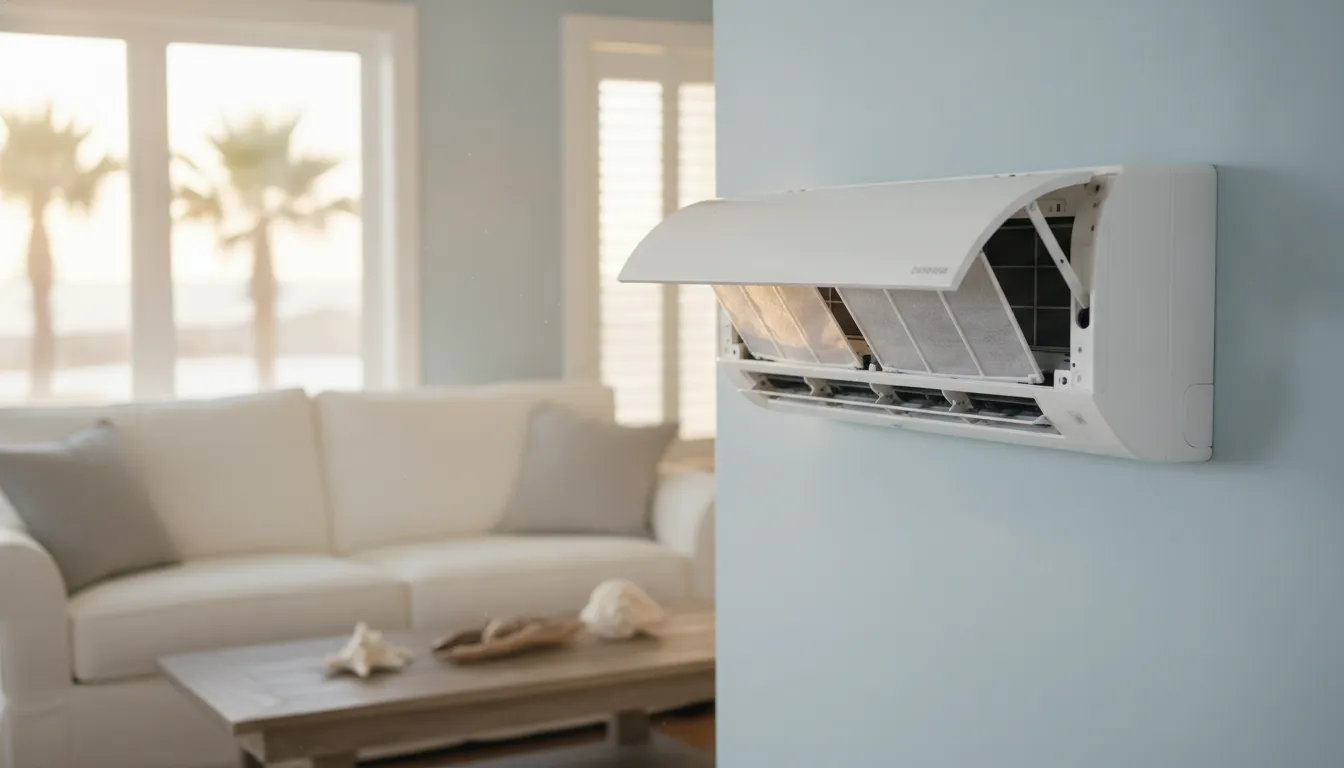
- Ductless Mini-Splits: $2,000 to $10,500
These are broad estimates, of course. A smaller home might fall on the lower end of the scale, while a larger property with more complex needs will be on the higher side. The key is to find the right balance of upfront cost and long-term efficiency for your family.
Oil Furnaces
While less common here in South Texas compared to electric or gas options, oil furnaces are another type of heating system to know about. They work by converting heating oil into warm air that circulates through your home. Oil furnaces typically range in price from $2,500 to $10,000, with the final cost depending on the model and specific installation requirements for your property. You'll also need a storage tank for the oil, which adds to the initial setup cost. If you're exploring all possible heating solutions, it's helpful to understand every alternative, even those that aren't as prevalent in the Corpus Christi area, so you can make a fully informed choice for your home's comfort.
Geothermal Heat Pumps
For homeowners focused on top-tier efficiency and long-term savings, geothermal heat pumps are an excellent, albeit premium, choice. These systems use the stable temperature of the earth to heat and cool your home with incredible efficiency. Geothermal heat pumps are a more significant investment, with costs ranging from $12,000 to $45,000, but they offer substantial long-term savings on energy bills due to their high efficiency. This makes them one of the most effective energy-saving systems available. The higher upfront price covers the complex installation of underground pipes, but the return on that investment comes from drastically lower utility costs for years to come.
Equipment vs. Installation: Where Your Money Goes
When you get a quote for a new HVAC system, you're paying for more than just a metal box. The cost of the equipment itself is only part of the equation. Professional installation is the other major component, and it’s absolutely critical. A top-of-the-line unit won't work efficiently or last as long if it's not installed correctly. The installation process includes safely removing your old system, making any needed adjustments to your ductwork or electrical wiring, setting up the new unit, and testing everything thoroughly. Labor costs reflect the skill and time required to get the job done right. If your home needs new ductwork or the installation area is hard to reach, that can also add to the final price. This is why choosing a trusted team of technicians is so important.
What Factors Influence Your HVAC Installation Cost?
When you start looking for a new HVAC system, you’ll quickly find that there’s no simple, one-size-fits-all price tag. The final cost is a mix of several important factors that are unique to your home, your comfort needs, and the equipment you choose. Think of it less like buying an appliance off the shelf and more like a custom home improvement project. The price you see for the unit itself is just one piece of the puzzle. The complexity of the installation, the type of system, and the specific characteristics of your property all play a significant role.
Understanding these variables will help you see exactly what you’re paying for and why a personalized quote is so important. From the size of your home to the efficiency rating of the unit and the condition of your existing ductwork, each element contributes to the total investment. We’ll walk through the main factors that influence your installation price, so you can feel confident and prepared as you move forward. The goal is to find a solution that not only fits your budget but also provides reliable and efficient comfort for years to come. Getting a detailed estimate from a trusted professional is the best way to get an accurate picture of your total HVAC installation cost.
Why Your Home's Size Matters for HVAC Costs
It might seem logical that a bigger house needs a bigger AC unit, but square footage is only part of the story. The right size for your HVAC system depends on a detailed analysis of your home’s unique features, including its layout, insulation levels, window quality, and even how much shade it gets. To find the perfect fit, a professional performs a "load calculation" to determine exactly how much heating and cooling power your home requires.
Choosing the wrong size can cause a lot of problems. A unit that’s too large will cycle on and off too frequently, failing to properly dehumidify the air and causing unnecessary wear. One that’s too small will run constantly without ever reaching the right temperature. Both scenarios lead to higher energy bills and a shorter lifespan for your system. Proper sizing is key to efficient air conditioning services.
Cost Example for a Mid-Sized Home
To make things more concrete, let's talk about what a new system might cost for a typical mid-sized home here in the Corpus Christi area. The type of system you select is the biggest factor, and the price ranges can be quite broad depending on the brand, size, and efficiency rating. For example, a standard central air conditioner might run from $3,000 to $15,000, while a versatile heat pump could be anywhere from $6,000 to $25,000. These are just estimates, of course. A smaller home with a straightforward installation will be on the lower end, while a larger property with more complex needs will be higher. It's helpful to think of efficiency as a long-term investment, as a high-efficiency unit can lead to significant savings on your monthly energy bills, which is a huge plus in our hot climate.
Remember, your total investment includes more than just the equipment. Professional installation is a critical part of the cost, as even the best unit won't perform well if it's not installed correctly. A quality installation from a trusted team involves safely removing your old system, making any necessary adjustments to ductwork or electrical wiring, and thoroughly testing the new unit to ensure it runs perfectly. This attention to detail is what guarantees your system will run efficiently for years. For a mid-sized home, you can generally expect the total investment for a complete system replacement to fall between $7,000 and $15,000, depending on the system you choose and the specifics of the job.
How Energy Efficiency (SEER) Affects the Price Tag
When you look at different HVAC models, you’ll see a SEER (Seasonal Energy Efficiency Ratio) rating. This number tells you how efficient the unit is, and it has a direct impact on the price. Systems with higher SEER ratings cost more upfront, but they use significantly less energy to cool your home. Over time, those energy savings can really add up, especially during our hot Texas summers.
Think of it as an investment in lower monthly utility bills. While a standard-efficiency unit has a lower initial cost, a high-efficiency model can save you a substantial amount of money over the life of the system. Choosing one of our energy-saving systems is a great way to balance upfront costs with long-term value and keep your home comfortable without breaking the bank.
Understanding SEER2 and New Regulations
Just when you thought you had SEER figured out, there's a new player in town: SEER2. In 2023, the Department of Energy updated its efficiency standards to make new air conditioners and heat pumps even more energy-conscious. This new SEER2 rating system uses more realistic testing conditions to give you a truer picture of how a unit will perform in your home. For you, this means any new system you install must meet these higher minimum efficiency requirements. While this might sound complicated, it's actually a good thing. These regulations ensure that modern HVAC systems are built to save you more on energy costs over their lifespan. Our team stays on top of all the latest industry changes, so we can help you understand these new standards and select a system that's both compliant and perfect for your home.
Does Your Existing Ductwork Affect the Cost?
Your ductwork is the circulatory system of your home’s HVAC, carrying conditioned air to every room. If your ducts are old, leaky, or improperly sized, even the most efficient new HVAC unit won't perform well. Leaks can cause you to lose a significant amount of cooled air into your attic or crawlspace, forcing your system to work harder and driving up your energy bills. This also has a big impact on your home's comfort and can affect your indoor air quality.
During an installation estimate, a technician will inspect your ductwork to see if it can be reused, needs repairs, or should be fully replaced. This decision can change the total cost of the project by thousands of dollars, but ensuring your ducts are in good shape is essential for getting the performance you’re paying for.
The Importance of Proper Duct Sizing
Just like the HVAC unit itself, your ducts need to be the right size. It’s a detail that can make or break your system's performance. If your ducts are too small for the amount of air your new system is pushing, it creates high pressure. This forces the unit to work much harder, leading to higher energy bills, more noise, and uneven temperatures throughout your home. On the other hand, if the ducts are too large, the air moves too slowly and loses pressure, meaning the rooms furthest from the unit might not get enough cool air. Proper duct sizing ensures that the conditioned air gets delivered exactly where it needs to go, efficiently and quietly. It’s a critical part of any professional heating and cooling installation and is essential for getting the comfort and savings you expect from your investment.
Don't Forget: Local Labor and Permit Fees
A large portion of your HVAC installation cost goes toward the labor required to do the job right. While it might be tempting to cut corners here, the quality of the installation is just as important as the quality of the equipment. An experienced, certified technician ensures your system is installed safely, correctly, and according to local building codes. This professional work is what guarantees your system will run efficiently for years to come.
Other factors can also influence labor costs, such as how difficult it is to access the installation area or if your home needs electrical upgrades to support the new unit. Additionally, most cities, including Corpus Christi, require permits for HVAC installation to ensure everything is up to code. These fees are a standard part of the process and contribute to the final price.
Should You Repair or Replace Your System?
Deciding whether to fix your current HVAC system or invest in a new one is a major decision. It’s tempting to go for the quick, less expensive repair, but that isn’t always the most cost-effective choice in the long run. If you find yourself calling for repairs more often, it might be time to consider a replacement. To help you make a confident choice, let’s walk through a few key factors: your system’s age, a handy cost-benefit rule, and the common warning signs that your unit is on its last legs.
Checking Your System's Age and Performance
The first thing to consider is your system's age. Most air conditioners and furnaces have a lifespan of about 10 to 15 years. If your unit is approaching or has passed the 10-year mark, it’s operating on borrowed time. As systems age, they become less efficient and more prone to breakdowns, just like an older car. You might notice it struggles to keep up on hot Corpus Christi days or that it runs constantly without reaching the temperature you set. A professional can give you a clear picture of your system's health, but knowing its age gives you a solid starting point for the repair-or-replace conversation.
What Is the $5,000 HVAC Rule?
Here’s a simple guideline to help you look at the numbers objectively: the $5,000 rule. To use it, you multiply the age of your HVAC unit by the estimated cost of the repair. If the total is more than $5,000, replacement is generally the smarter financial move. For example, let’s say your 12-year-old air conditioner needs a repair that costs $450. Multiplying 12 by $450 gives you $5,400. Since that number is over $5,000, it suggests that putting more money into an aging system isn’t a great investment. Getting an accurate repair estimate is the first step to applying this helpful rule.
Warning Signs: When to Replace Your HVAC
Sometimes, your HVAC system will give you clear signals that it’s time for an upgrade. One of the biggest red flags is a sudden or steady increase in your energy bills. This often means the unit is losing efficiency and has to work much harder to cool or heat your home. Another obvious sign is the need for frequent repairs. If you have a technician on speed dial, you’re likely spending money that would be better put toward a new, reliable system. Other clues include strange noises, inconsistent temperatures between rooms, and a decline in your home's indoor air quality. A modern, high-efficiency unit can solve these issues and lower your monthly bills.
Humidity Issues in Your Home
Here in Corpus Christi, we're no strangers to humidity. Your air conditioner's job isn't just to cool the air, but also to remove that sticky moisture. If you notice your home feels damp or clammy even when the AC is running, it's a major sign that your system is struggling. A unit that's old or improperly sized will fail to effectively manage indoor humidity levels, which can lead to bigger problems like mold growth and poor air quality. This persistent dampness isn't just uncomfortable; it's a clear indication that your system is losing its battle and may need a significant repair or a full replacement to restore your home's comfort and health.
Strange Noises or Smells
You know the normal hum of your AC unit kicking on. Any sound outside of that gentle whoosh should get your attention. Loud banging, grinding, or squealing noises often point to mechanical problems, like a loose part or a failing motor. A hissing sound could signal a refrigerant leak. Smells are just as concerning. A burning odor might indicate an electrical issue, while a musty smell could mean mold is growing inside your unit or ductwork. Don't just turn up the TV to drown out the noise; these sounds and smells are your system's way of telling you there are serious issues that could lead to a complete breakdown or even a safety hazard.
Visible Refrigerant Leaks
Refrigerant is the essential fluid that allows your air conditioner to cool your home. If it's leaking, your system's performance will plummet. Keep an eye out for telltale signs like ice forming on the copper lines or coils of your outdoor unit, a hissing sound, or puddles of a greasy liquid. A refrigerant leak doesn't just mean your home won't get cool; it forces the system to work harder, leading to higher energy bills and eventually causing catastrophic failure of the compressor—the most expensive part to replace. Because handling refrigerant requires special certification, this is a problem that absolutely requires a professional. If you suspect a leak, it's critical to contact a technician right away to prevent further damage.
How Do Different HVAC Systems Compare in Price?
Okay, let's talk numbers. The type of HVAC system you choose is one of the biggest factors in your total cost. Each system has its own price range and benefits, so understanding the basics will help you figure out what works best for your home and your budget. From traditional central air to more modern, flexible options, here’s a breakdown of what you can expect to invest.
What to Expect for Central Air and Heating Costs
Central air is what most of us think of when we picture a home HVAC system. It uses a network of ducts to distribute cool or warm air throughout your house. For a new central air conditioning system, you’re typically looking at a price range of $3,000 to $15,000. This includes the unit and installation. The final price tag depends on the size of your home, the efficiency rating of the unit you choose, and how complex the installation is. If you already have ductwork in good shape, your cost will be on the lower end of that spectrum.
The Average Cost of a Heat Pump System
Heat pumps are fantastic all-in-one solutions, handling both your heating and cooling needs. They work by moving heat, pulling it out of your home in the summer and into your home in the winter. The upfront cost for a heat pump is generally higher, ranging from $6,000 to $25,000. While that initial investment is more significant, their high efficiency can lead to real savings on your monthly energy bills. They are especially effective in milder climates like ours in Corpus Christi, making them one of the most popular energy-saving systems available.
How Much Do Ductless Mini-Splits Cost?
If your home doesn't have existing ductwork, or if you just want to cool a specific area like a new addition or a garage, a ductless mini-split is a great option. These systems cost anywhere from $2,000 to $10,500. They consist of an outdoor unit connected to one or more indoor units, giving you targeted climate control right where you need it. This flexibility can be a game-changer for older homes or for solving those tricky hot spots that your central system can't quite reach. They are also incredibly efficient since you aren't losing any air through duct leaks.
Single-Stage vs. Variable-Speed: How Do Prices Compare?
Within these system types, you'll also choose the kind of compressor you want. A single-stage system is the most basic; it’s either on full blast or it’s off. A variable-speed system, on the other hand, can adjust its output precisely to meet your home's needs. While a variable-speed unit can be 50% to 70% more expensive upfront, it can reduce your energy use by 25% to 40%. This means more consistent temperatures and lower utility bills. There's also a middle ground: two-stage systems, which can save you 10% to 20% on energy compared to single-stage models. Choosing the right one depends on your budget and how much you value long-term heating and cooling savings.
What Hidden Costs Should You Plan For?
When you're budgeting for a new HVAC system, the price of the unit itself is just one piece of the puzzle. The total cost often includes necessary work to make sure your new system runs safely and efficiently in your home. Thinking about these potential expenses ahead of time can save you from sticker shock and help you create a more realistic budget. It’s all about being prepared.
Understanding what might come up during the installation process is key. From ensuring your home's electrical system is up to the task to making sure your ductwork is in good shape, several factors can influence the final price. A professional assessment will uncover these needs, but it helps to know what to ask about. Let's walk through the most common additional costs so you can feel confident in your investment.
Cost of Removing Your Old System
Before your shiny new HVAC system can move in, the old one has to be safely moved out. This isn't just a matter of hauling it to the curb; it's a detailed process that's part of the total project cost. A professional team handles everything, from shutting off the power and gas lines to safely recovering the old refrigerant, which is required by law. Because this is a specialized job, you can expect an extra charge, often starting around $200, to cover the labor and proper disposal of the old equipment. While it's an added expense, professional removal is crucial. It protects your home, complies with regulations, and clears the way for a smooth installation. When you get a quote, make sure it includes this step so there are no surprises on the final bill.
Will Your Home Need Electrical Upgrades?
Modern HVAC systems are powerhouses of efficiency, but they sometimes require more electrical support than older units. If you live in an older home here in the Corpus Christi area, your current electrical panel might not be equipped to handle the load of a new air conditioner or furnace. This isn't just about flipping a breaker; it's about safety and performance.
An outdated system may require an electrician to install a new circuit, upgrade wiring, or even replace the entire breaker box. This ensures your new HVAC unit gets the stable power it needs to run correctly without creating a fire hazard. During our initial consultation, we always assess your home's electrical setup to identify any necessary upgrades for your system from the start.
Factoring in Ductwork Modifications
Your ductwork is the circulatory system for your home's heating and cooling. If it's old, leaky, or improperly sized, your brand-new, high-efficiency HVAC unit won't perform at its best. You'll essentially be paying to heat or cool your attic or crawlspace. That's why we always inspect the condition of your existing ducts.
Depending on what we find, you might need simple repairs and sealing, or you may need a partial or full replacement. Deciding whether to repair or replace can change the total project cost, but it's a crucial investment in your system's long-term efficiency and your home's comfort. Proper ductwork ensures the conditioned air actually reaches the rooms you use, which is a core part of our air conditioning services.
Practical Tips for Ductwork Installation
If your home needs new ductwork, it's a job best left to the professionals. A skilled technician will do more than just connect the new system; they'll assess your entire duct layout to ensure it's properly sized and sealed. This step is vital because even a small leak can waste a surprising amount of energy and pull dust and allergens from your attic into your living space, directly impacting your home's indoor air quality. When adding new ducts, a thoughtful installer will also plan the route to minimize disruption, often running them through closets or other hidden spaces to avoid the extra hassle and cost of drywall repair.
Don't Overlook Permit and Inspection Fees
A professional HVAC installation isn't just a private project; it's a construction job that needs to meet local safety codes. Most cities and counties require permits for installing a new system to ensure everything is done correctly and safely. These permits, along with the final inspection, come with fees that are added to the total project cost.
While it might seem like just another expense, this process protects you. It guarantees that the work meets safety standards, which is vital for any system that uses electricity or natural gas. A qualified and licensed contractor will handle the entire permitting process for you, rolling the fees into the final quote. This way, you can be sure your installation is done right and you have one less thing to worry about.
Considering an Extended Warranty
Once you've made the investment in a new HVAC system, the next logical step is thinking about how to protect it. An extended warranty can offer great peace of mind, covering unexpected repair costs after the manufacturer's initial warranty runs out. It’s smart to weigh the cost of the warranty against the potential expense of future repairs, especially as the system gets older. Before you commit, be sure to read the fine print to understand exactly what’s covered—some warranties only include parts, while others cover labor, which can be a huge cost-saver. This kind of coverage can even be an attractive selling point for your home down the line. For consistent, long-term support, many homeowners also find that a service plan, like our membership program, is a fantastic way to ensure their system runs efficiently for years to come.
How Much Can a High-Efficiency System Save You?
It’s true that a high-efficiency HVAC system often comes with a higher price tag upfront. But it’s better to think of it as an investment rather than just an expense. Over time, these modern systems can lead to substantial savings on your monthly energy bills, essentially paying for themselves. Because they are designed to provide the same level of comfort while consuming far less energy, you get the best of both worlds: a comfortable home and more money in your pocket.
The key is to look beyond the initial installation cost and consider the total cost of ownership. When you factor in lower utility bills, fewer repairs, and potential rebates, the long-term financial picture looks much brighter. Upgrading to one of these energy-saving systems is one of the smartest improvements you can make for your home, especially with the hot and humid weather we get here in Corpus Christi. Let’s break down exactly where those savings come from.
How to Estimate Your Long-Term Energy Savings
So, what kind of savings are we talking about? It can be pretty significant. For example, modern variable-speed systems are much more efficient than older single-stage units that just blast on and off. Instead, they adjust their output to precisely match your home's cooling needs, which can reduce energy use by 25% to 40%. Over the entire lifespan of the system, that can add up to between $8,000 and $12,000 in energy savings. That’s a huge chunk of change that stays in your bank account instead of going to the utility company.
Potential Savings by System Age
If your HVAC system is over a decade old, it’s not just getting up there in years—it’s likely costing you money every single month. As units age past the 10-year mark, their efficiency drops significantly. Experts suggest that replacing an air conditioner that's over 10 years old with a modern, high-efficiency model can slash your heating and cooling costs by up to 20%. In a place like Corpus Christi where our ACs work overtime, that 20% adds up fast. This is exactly why the $5,000 rule is so helpful; it keeps you from sinking money into a system that’s already past its prime. Investing in a new unit isn't just about avoiding future repair bills; it's about starting to save on your energy costs from the very first month.
Where to Find Tax Credits and Rebates
On top of the monthly energy savings, you can also lower the initial cost with financial incentives. Many utility companies, manufacturers, and government programs offer rebates and tax credits for installing a high-efficiency system. These programs are designed to encourage homeowners to make energy-conscious choices. It’s always a good idea to ask us what current offers are available from Trane or local utility providers. A little research here can easily save you hundreds, or even thousands, of dollars on the final price.
What's Your Return on Investment?
When you're facing a costly repair, it can be tough to decide whether to fix your old unit or invest in a new one. A helpful guideline is the "$5,000 Rule." To use it, you simply multiply your system's age in years by the estimated repair cost. If the total is more than $5,000, replacement is often the more cost-effective choice. For example, if your 15-year-old AC needs a $400 repair, the total comes to $6,000 (15 x 400). In this case, putting that money toward a new, reliable system is the smarter long-term investment.
Beyond Temperature: Health and Safety Considerations
Choosing a new HVAC system is about more than just keeping your home cool. It's an investment in your family's health and well-being. While we've talked a lot about costs and savings, it's just as important to consider how your HVAC system affects the air you breathe every day. An older, inefficient unit can circulate dust, allergens, and other irritants throughout your home, which can be a real problem for anyone with allergies or asthma. Modern systems, however, are designed with your health in mind, offering advanced features that can dramatically improve your home's indoor air quality.
Beyond the equipment itself, the installation process is critical for ensuring your family's safety. A new HVAC system is a complex piece of machinery that involves high-voltage electricity and, in the case of furnaces, natural gas lines. This is not a DIY project. A professional installation guarantees that every connection is secure, every component is functioning correctly, and your system operates safely and efficiently from day one. It’s about having the peace of mind that comes from knowing the job was done right by a team you can trust.
HVAC Solutions for Allergies and Asthma
If you or someone in your family struggles with allergies or asthma, you know how challenging our South Texas environment can be. Pollen, dust, and humidity can make breathing difficult and turn your home into a place of discomfort rather than a sanctuary. A modern HVAC system can be one of your most powerful allies in this fight. By integrating specific technologies, you can transform your system from a simple temperature controller into a whole-home air purification machine. These solutions work to capture airborne particles, neutralize germs, and give you customized control over your environment, creating a healthier space for everyone.
HEPA Filters for Cleaner Air
One of the most effective upgrades for improving air quality is a High-Efficiency Particulate Air (HEPA) filter. These aren't your standard, flimsy filters. A true HEPA filter is designed to capture 99.97% of airborne particles as small as 0.3 microns. That includes common irritants like pollen, dust mites, pet dander, and even some bacteria and viruses. Adding a HEPA filtration system can make a noticeable difference in the air you breathe, providing significant relief for allergy and asthma sufferers.
UV Light Systems to Kill Germs
While filters are great at trapping particles, some microscopic threats are small enough to pass through. That's where UV light systems come in. Installed within your ductwork, these systems use ultraviolet light to neutralize airborne pathogens like bacteria, viruses, and mold spores as they circulate through your HVAC system. In a humid climate like ours in Corpus Christi, where mold can be a persistent issue, a UV light system provides an extra layer of protection for your family's health.
Zoning Systems for Customized Comfort
A zoning system allows you to divide your home into different "zones," each with its own thermostat. This is great for energy savings, but it also has health benefits. For example, you can create a dedicated clean-air zone in a bedroom for a family member with severe allergies. By pairing a zoning system with advanced filtration, you can deliver purified air precisely where it's needed most, ensuring a comfortable and healthy night's sleep without having to run the system at full capacity throughout the entire house.
Important Safety Precautions During Installation
When it comes to installing a new HVAC system, safety is non-negotiable. This is a complex job that involves working with high-voltage electrical wiring and potentially natural gas lines, both of which can be extremely dangerous if handled improperly. That's why a professional installation by a licensed and insured team is so important. Our technicians at Tommy Cool Air are trained to follow strict safety protocols to protect your home and your family throughout the entire process. This includes wearing the proper safety gear, like gloves and glasses, at all times.
A crucial part of a safe installation is adhering to all local codes and regulations. Before any work begins, a professional contractor will secure all necessary mechanical, electrical, and gas permits from the city. This ensures the installation is performed to the highest safety standards and will pass a final inspection. Furthermore, our team is trained to recognize immediate hazards. For instance, if a technician ever smells gas, the protocol is to stop work immediately, evacuate the area, and contact the fire department. This commitment to safety is what gives you confidence that your new system is not only efficient but also installed correctly and securely.
What to Expect During Your HVAC System Installation
Once you’ve chosen your new HVAC system, the next step is installation. A professional installation is just as important as the quality of the unit itself. The process typically involves our team removing your old system, making any necessary adjustments to your ductwork or electrical connections, carefully installing the new unit, and then running a series of tests to make sure everything is working perfectly. Our goal is to make the installation day as smooth and undisruptive as possible. We take care to protect your home, clean up our workspace, and walk you through your new system’s features before we leave.
A Step-by-Step Guide to the Installation Process
Knowing what to expect on installation day can make the whole experience feel much more manageable. A professional installation is a well-organized process designed to get your new system up and running with minimal disruption to your day. Our team handles every detail, from preparing the space to showing you how to use your new thermostat. We believe in clear communication, so we’ll keep you informed every step of the way. Here’s a look at the five main stages of a typical HVAC installation, so you can feel prepared and confident from start to finish.
Step 1: Site Evaluation and Preparation
Before any work begins, our technicians will perform a final evaluation of the installation site. This involves confirming the best locations for both the indoor and outdoor units to ensure optimal airflow and easy access for future maintenance. We’ll also take a close look at your existing ductwork and electrical connections to make sure everything is ready for the new system. This preparation step is key to a smooth and efficient installation. By mapping everything out beforehand, we can anticipate any challenges and ensure your new air conditioning system is set up for success from the very beginning.
Step 2: Removing the Old System
Once the site is prepped, the next step is to safely remove your old HVAC unit. This is a careful process that involves shutting off the power and any gas lines connected to the system. Our technicians will then properly drain any remaining refrigerant, which must be handled according to strict environmental regulations. After the unit is disconnected, we’ll carefully remove the old equipment from your property. We handle the responsible disposal of the old system, so you don’t have to worry about a thing. This step clears the way for your new, more efficient unit to be installed.
Step 3: Installing the New Equipment
With the old unit gone, it’s time to bring in the new equipment. Our team will carefully place the new indoor and outdoor units in their designated spots. Proper placement is critical for performance, so we make sure each component is level, secure, and positioned for the best possible airflow and efficiency. This is where the quality of your new system really starts to take shape. We take pride in installing trusted equipment, like the high-performance units from Trane, ensuring your home gets the reliable comfort you’re paying for. Every connection and placement is done with precision to guarantee a long and effective service life.
Step 4: Connecting Ductwork and Electrical
After the new units are in place, the next step is to connect everything. Our licensed technicians will link the new system to your home’s ductwork, ensuring all connections are sealed tightly to prevent air leaks. This is also when we handle all the electrical wiring, connecting the unit to your home’s power supply and installing the new thermostat. Every connection is made according to strict safety codes to ensure your system runs safely and reliably. This meticulous work is what allows your new HVAC system to communicate properly and deliver conditioned air efficiently throughout your home.
Step 5: Final Testing and Homeowner Walkthrough
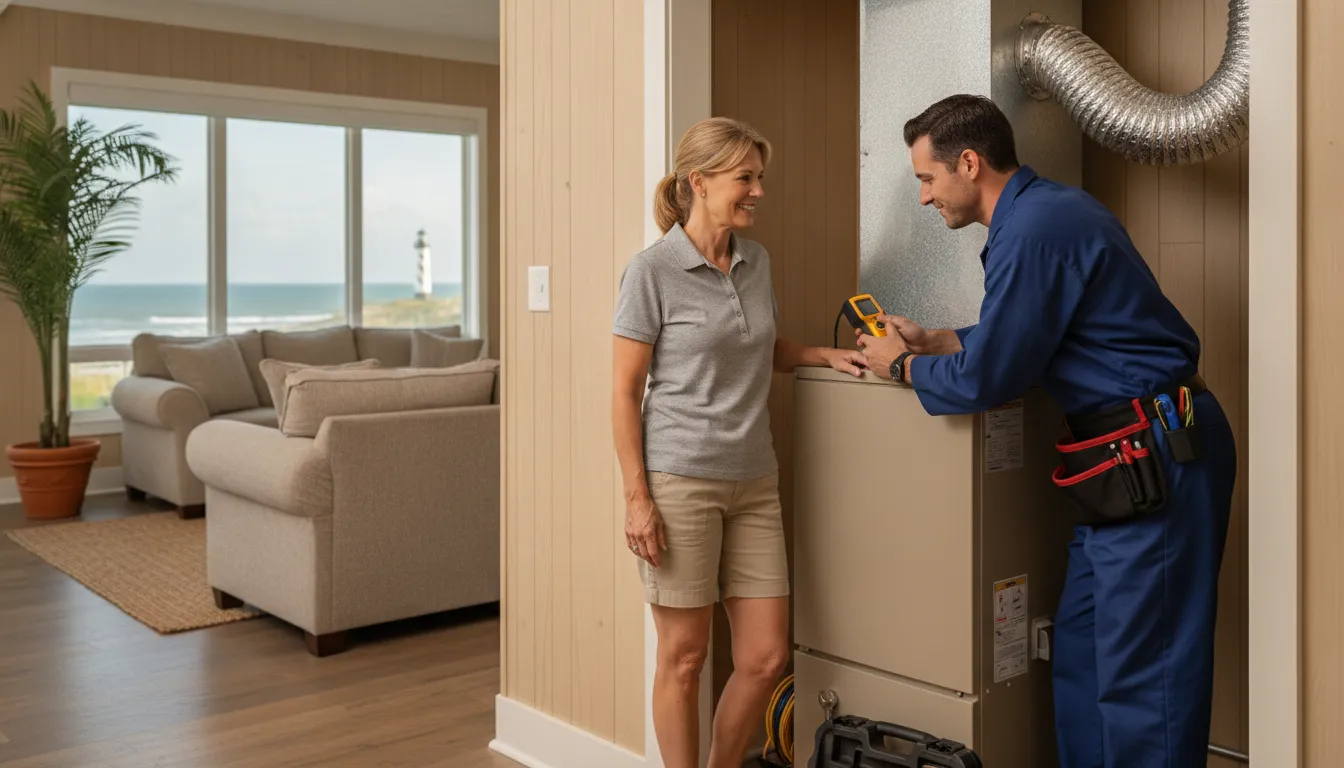
The final step is to make sure everything is working perfectly. We’ll turn on your new system and run it through a series of tests, checking airflow, calibrating the thermostat, and measuring temperatures in different parts of your home to confirm it’s heating and cooling correctly. Once we’re satisfied with its performance, we’ll walk you through your new system. We’ll show you how to operate the thermostat, explain any new features, and answer all your questions. Our job isn’t done until you feel comfortable and confident with your new HVAC system. If you ever have questions later, you can always contact our team for support.
How to Prepare for Installation Day
A little preparation can help your installation day go off without a hitch. Before our technicians arrive, take a few minutes to clear the area around your indoor and outdoor units. This means moving any furniture, decorations, or yard equipment that might be in the way. It’s also helpful to create a clear path from the door to the work area so our team can easily carry equipment in and out. For the safety of everyone involved, please make arrangements to keep children and pets away from the work zones. Being available to answer any questions can also help the process move along smoothly.
Choosing the Right Spot for Your Equipment
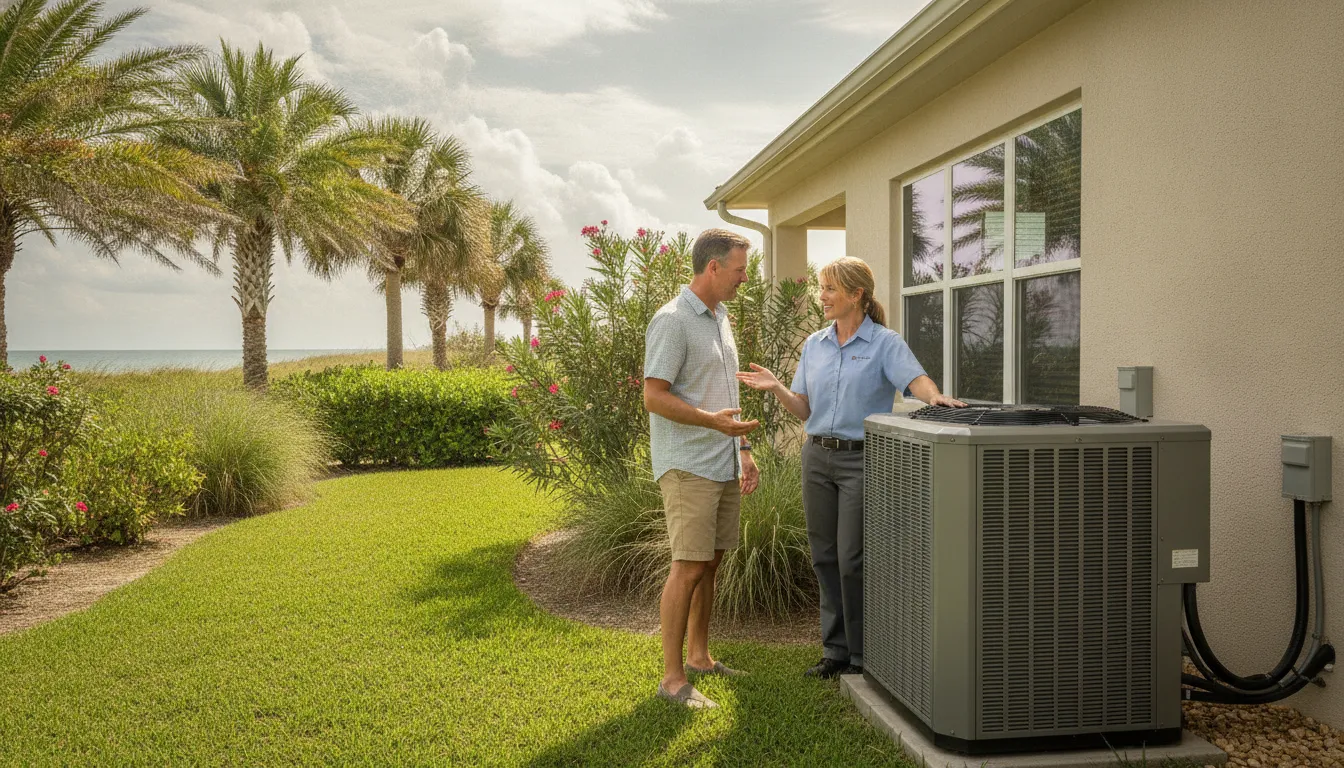
You might not give a second thought to where your new HVAC equipment will live, but its location is a huge part of a successful installation. For the outdoor unit, it’s not just about finding an out-of-the-way spot. We look for a place with plenty of open space for proper airflow, away from dense plants or fences that could drop leaves and debris into the unit. It also needs to be on level ground and easy to access for future maintenance. Inside your home, the thermostat's placement is just as strategic. It needs to be on an interior wall in a central, frequently used room where it can get an accurate read of your home's average temperature, away from direct sunlight or drafts that could throw off its readings. Getting these details right is a key part of a professional HVAC installation and ensures your new system runs as efficiently as possible from day one.
Why Hiring the Right Contractor Is Crucial
Choosing the right contractor is a critical decision that impacts your system's performance for years to come. While it might be tempting to go with the lowest bidder, an improper installation can lead to a host of problems, including poor efficiency, frequent breakdowns, and even a shortened lifespan for your unit. A qualified contractor ensures your system is sized correctly for your home and installed according to manufacturer specifications and local codes. You can trust our team of certified technicians to get the job done right, giving you peace of mind and protecting your investment from costly future repairs.
How Professional Installation Protects Your Warranty
Your new HVAC system comes with a manufacturer's warranty, which is a fantastic safety net for your investment. However, this coverage almost always depends on one critical condition: the unit must be installed by a licensed professional. Manufacturers require this because they know that even the highest-quality equipment will have problems if it isn't set up correctly. Attempting a DIY installation or hiring an unqualified person might seem like a way to cut costs, but it can void your warranty instantly. This leaves you responsible for the full cost of any future repairs. A professional installation ensures every step follows manufacturer specifications and local codes, protecting your investment and keeping your system's warranty valid from day one.
Protect Your Investment with Regular Maintenance
Your new HVAC system is a significant investment, and the best way to protect it is with regular professional maintenance. We recommend having your system serviced at least once a year, ideally before the peak cooling or heating season begins. Routine check-ups allow us to catch small issues before they become major problems, clean essential components, and ensure your system is running at peak efficiency. This not only helps lower your monthly energy bills but also extends the life of your equipment. Our membership plan makes it easy and affordable to keep your system in top shape year-round.
Air Filter and Duct Cleaning Schedules
Beyond the annual professional tune-up, there are two key tasks you can manage yourself to keep your new system running smoothly. The easiest and most impactful is regularly changing your air filter. When a filter gets clogged with dust and debris, it chokes off airflow, making your HVAC system work much harder and increasing your energy costs. As a general rule, you should replace standard filters every 30 to 90 days. This simple step not only helps with efficiency but also significantly improves your home's indoor air quality. Your ductwork also needs a deep clean every three to five years to clear out accumulated dust and allergens. If you have pets or anyone with allergies at home, you may want to schedule this more often to ensure everyone breathes easier.
How to Budget for Your New HVAC System
A new HVAC system is one of the most important investments you’ll make in your home. While the price tag can seem daunting, a little planning goes a long way. Thinking through your budget ahead of time helps you make a confident choice that keeps your family comfortable for years to come. Let’s break down how you can prepare financially for your new system.
How to Get an Accurate Installation Estimate
The first step in budgeting is knowing exactly what you’re paying for. Because every home in Corpus Christi is different, a personalized quote is the only way to get a true cost. An online calculator can give you a ballpark figure, but it can’t see your home’s specific layout, insulation, or existing ductwork. We recommend getting at least three detailed, in-home estimates from qualified contractors.
A thorough quote should clearly itemize costs for the equipment, labor, and the removal of your old unit. It should also include any necessary modifications to your ductwork or electrical systems. This transparency ensures there are no surprises down the road. When you’re ready, you can schedule a consultation with our team to get a clear, comprehensive estimate for your home.
Understanding Your Financing and Payment Options
You don’t have to pay for your entire HVAC system upfront. Many homeowners take advantage of financing plans to spread the cost over time into manageable monthly payments. It’s always worth asking your HVAC contractor what options they have available.
Beyond financing, you can also find savings through rebates and tax credits. Manufacturers like Trane often offer seasonal rebates on high-efficiency models. Additionally, federal tax credits may be available for installing energy-saving systems that meet certain criteria. These incentives can significantly reduce the overall cost of your investment, making a top-tier system more accessible.
Does Homeowner's Insurance Cover Replacement?
It’s a common question we hear: will my homeowner's insurance help pay for a new HVAC system? The short answer is, it depends on *why* you need a replacement. Generally, your homeowner's insurance policy is designed to protect you from sudden and accidental damage caused by specific events, often called "perils." Think of things like a fire, a lightning strike, or a tree falling on your outdoor unit during a storm. In these cases, your insurance will likely cover the cost of repair or replacement. However, if your system simply stops working due to old age or a lack of maintenance, the replacement cost will almost always fall on you. Insurance policies don't cover general wear and tear, so it's crucial to review your specific coverage and talk to your agent to know exactly where you stand.
Does the Time of Year Affect Pricing?
Timing your HVAC replacement can definitely impact the price. The busiest times for HVAC contractors are the hottest weeks of summer and the coldest days of winter. During these peak seasons, high demand can lead to higher prices and longer wait times for installation.
If you have the flexibility, scheduling your installation during the "off-season" in the spring or fall is a smart move. Demand is lower, which means you’re more likely to find better pricing and more open appointment slots. Planning ahead not only saves you money but also ensures you have your new air conditioning system ready to go before the Texas heat really kicks in.
Related Articles
- DIY Ductless Mini Split AC Installation | Tommy Cool Air
- Ductwork Installation & Repair (Energy) in Corpus Christi, TX | Tommy Cool Air
- Ductless Mini Split (AC) in Corpus Christi, TX | Tommy Cool Air
- Enhancing Your Home's Comfort: A Guide to HVAC Efficiency Improvements | Tommy Cool Air
- How Do I Choose the Right Climate Control System for My Home? | Tommy Cool Air
Frequently Asked Questions
Why can’t I get a flat price for a new HVAC system over the phone? An accurate quote requires an in-home assessment because every home is unique. Factors like your home's square footage, insulation quality, window efficiency, and the condition of your existing ductwork all influence which system is right for you. A quick phone estimate can’t account for these details and often leads to surprise costs later. A professional consultation ensures the price we give you is comprehensive and tailored specifically to your home's needs.
How long does a typical HVAC installation take? For a straightforward replacement of an existing system, the installation process usually takes a full day. However, if the job involves more complex work, such as installing new ductwork or making significant electrical upgrades, it could extend to two or three days. Our priority is to do the job correctly and thoroughly, ensuring your new system performs perfectly from day one.
Is a high-efficiency system really worth the extra cost in Corpus Christi? Absolutely. Given our long, hot, and humid summers, a high-efficiency system is one of the smartest investments you can make. These units are designed to cool your home using significantly less energy, which translates directly into lower monthly electricity bills. They are also much better at removing humidity from the air, creating a more comfortable indoor environment without having to crank the thermostat down.
What are some signs that my ductwork might need repairs or replacement? A few common signs indicate your ductwork may be in poor condition. You might notice that some rooms are much hotter or colder than others, or that your home seems unusually dusty. A sudden spike in your energy bills can also be a red flag, as leaky ducts force your system to work much harder. During an estimate, we always perform a thorough inspection to determine if your ducts need attention.
What happens to my old HVAC unit after you install the new one? You don't have to worry about a thing. The removal and responsible disposal of your old equipment are included as part of our installation service. We handle the entire process, ensuring that all components and refrigerants are disposed of safely and in accordance with environmental regulations.