When a furnace stops heating your Corpus Christi home, the first priority is not finding a quick reset. It is identifying whether the situation is safe to manage briefly or needs immediate professional attention.
For furnace repair 24 hour help, start by checking for gas odor, carbon monoxide concerns, smoke, or severe mechanical noise. Leave immediately and seek emergency help when danger signs appear. For a safe but failing system, Tommy Cool Air can help homeowners arrange professional diagnosis and next steps.
Fuel-burning furnaces can produce invisible, odorless carbon monoxide, so never ignore a CO alarm or symptoms such as headache, dizziness, or nausea. If there is no immediate danger, avoid opening sealed components and note what the system is doing: no heat, cold air, repeated cycling, or unusual sounds. A careful first-hour response can protect your household and give a technician useful information.
Contact Tommy Cool Air about your furnace problem
What to Do First When You Need Furnace Repair 24 Hour
A furnace problem can feel urgent, especially when Corpus Christi temperatures drop overnight. Use the first hour to separate a safety emergency from a no-heat problem, then gather useful information for a technician.
- Check for immediate danger. If you smell gas, often described as rotten eggs, or hear loud, unusual mechanical noises, treat the situation as a potential emergency. If you can do so safely, shut off the thermostat or power, leave the home, and call professional help immediately. Do not stay inside to investigate the equipment.
- Respond to possible carbon monoxide exposure. Gas- and oil-burning furnaces can produce carbon monoxide, an invisible and odorless poisonous gas that can kill without warning. If a carbon monoxide alarm sounds, or anyone feels ill while the furnace is operating, leave the home and seek emergency assistance. Do not re-enter until the situation is considered safe. Learn more from the CDC furnace safety fact sheet.
- Identify the no-heat symptom. If there is no gas odor, carbon monoxide concern, or extreme mechanical noise, note what the system is doing. Common urgent signs include a furnace that will not turn on, air blowing cold, or persistent unusual noise. Keep the description simple and specific. For example, record whether the sound starts at startup, continues during operation, or appears with cold airflow.
- Stop repeated trial-and-error. Do not open the furnace cabinet, remove sealed covers, handle wiring, or attempt a burner repair. Safe first-hour troubleshooting means observing symptoms, not disassembling the system. If the equipment smells hot, sounds worse, or behaves unpredictably, stop testing and arrange professional help.
- Prepare the information a technician needs. Write down when the problem began, which rooms are affected, and whether the furnace runs at all. Mention any gas odor, carbon monoxide alarm, cold air, or unusual noise when you request service. Clear access to the furnace without touching its internal components. This helps the professional begin with the right safety priorities.
When the issue is ordinary no heat rather than a danger sign, prompt evaluation can help prevent a small symptom from becoming a larger system failure. If any safety warning appears, skip troubleshooting and leave first.
Which Furnace Problems Are Safe to Check Yourself?
Some basic checks can help you identify a simple setting or power issue before you call for furnace repair. Stay on the homeowner-safe side of the equipment. Do not remove panels, touch gas controls, relight the furnace, or bypass a safety switch.
Start with the thermostat
Confirm the thermostat is set to Heat, not Cool or Off. Set the temperature a few degrees above the current room temperature, then wait briefly for the system to respond. Check the fan setting as well. Auto usually runs the blower only during a heating cycle. The On setting can keep the blower running between cycles, which may feel like cool air when the furnace is not actively heating.
If the furnace runs continuously but the home does not warm effectively, the thermostat may be malfunctioning. A significant airflow problem can cause the same symptom. Those issues require a professional evaluation rather than repeated thermostat adjustments. The U.S. Department of Energy explains how furnace operation and airflow affect heating performance.
Check the filter and visible airflow
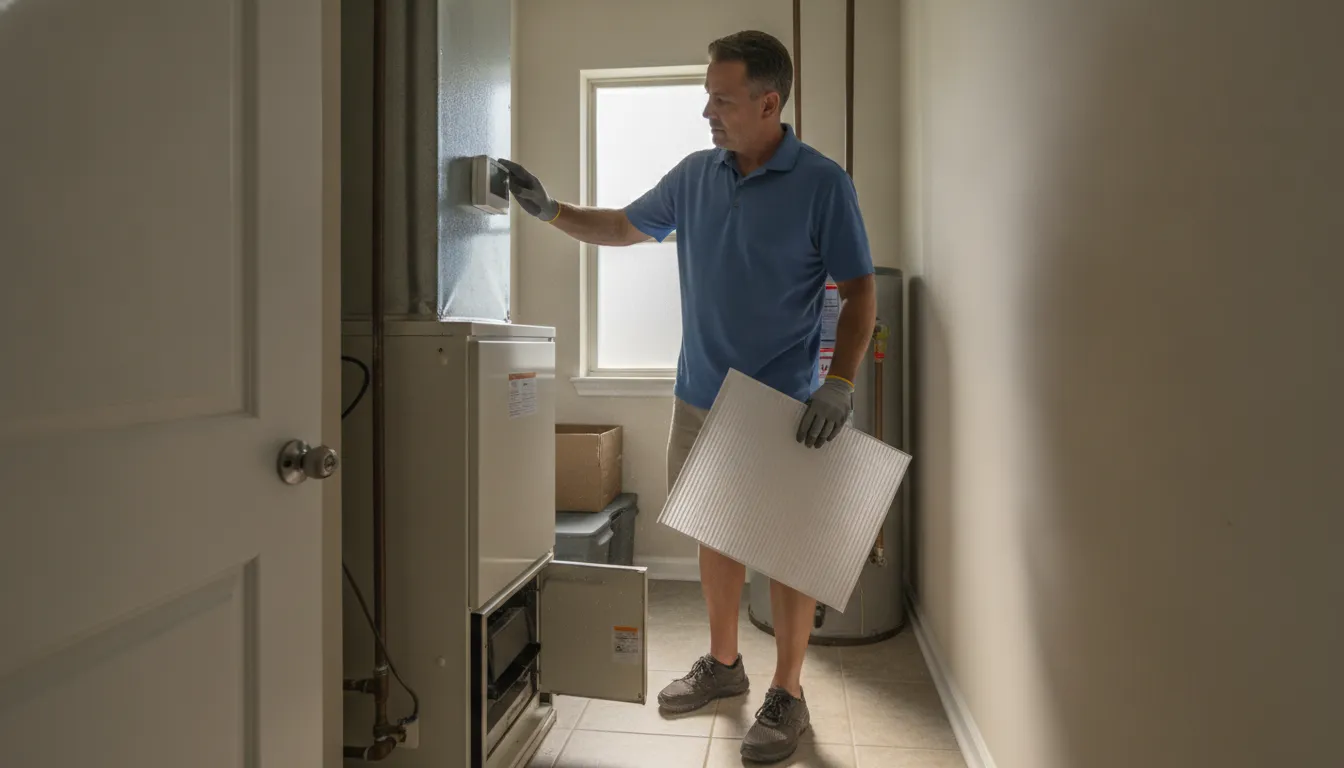
Turn the thermostat off before checking the filter. If the filter is visibly packed with dust, replace it with the correct size and type for your system. A clogged filter can reduce efficiency, contribute to overheating, and cause a furnace to fail. Never operate the furnace without a properly fitted filter.
Look at accessible supply registers and return grilles. Make sure furniture, rugs, or storage items are not blocking them. Notice whether air is weak, cold, or absent from several rooms. Do not reach into ductwork or attempt to repair internal components. Weak airflow across the home can point to a problem that needs diagnostic testing.
Confirm the switch and breaker
Look for the furnace service switch, which resembles a regular wall light switch near the equipment. Confirm it is in the On position. Then check the electrical panel for a tripped furnace breaker. If the breaker is clearly tripped, you may reset it once. If it trips again, leave it off and call a professional. Repeated resets can signal an electrical or equipment fault.
Stop troubleshooting immediately if you smell gas, notice burning odors, hear extreme mechanical noise, or suspect a safety issue. Leave the area and seek professional help. These checks can provide useful information, but they should never replace a trained inspection when the furnace remains unreliable.
When Should You Call for Emergency Furnace Repair?
Not every furnace problem requires an emergency response. A simple thermostat setting or clogged filter may wait for a scheduled visit, while gas odor, dangerous fumes, or severe mechanical symptoms require immediate action. Use the pattern of symptoms, your home's safety, and the outside temperature to decide how quickly to seek help.
If you smell gas, do not operate switches, light flames, or investigate inside the furnace. Leave the home and contact the appropriate emergency service from a safe location. A fuel-burning furnace can produce carbon monoxide, an invisible and odorless gas that can be fatal. Any carbon monoxide alarm, suspected exhaust problem, or symptoms such as headache, dizziness, nausea, or confusion should be treated as an emergency.
| What you notice | Recommended response |
|---|---|
| Gas odor, a carbon monoxide alarm, burning odor, smoke, or suspected venting problem | Leave the property, avoid switches and flames, and seek emergency professional help. Do not restart the furnace. |
| Loud, unusual mechanical noise, repeated ignition attempts, or a furnace that suddenly shuts down | Turn the system off if you can do so safely, then request professional evaluation instead of continuing to operate it. |
| No heat during unsafe indoor temperatures, especially with children, older adults, or medically vulnerable residents | Contact 24-hour emergency heating repair for guidance. |
| Cold air, no start, or constant operation with no dangerous odor or noise | Check the thermostat setting and filter without opening sealed components. If the issue remains, schedule professional furnace repair in Corpus Christi. |
| Minor airflow change with normal operation and comfortable indoor conditions | Arrange a routine inspection. Expert heating system repairs can address the cause before it becomes urgent. |
Tommy Cool Air states that emergency furnace repair is available 24/7, including service for urgent breakdowns. Club members are not charged premium rates for that emergency service, according to the customer service information. Licensed, insured, and continuously trained technicians can diagnose issues involving electrical components, burners, heat exchangers, and vent safety. Avoid disassembling the furnace or bypassing safety controls. A professional inspection is the safer choice when basic checks do not restore reliable heat.
What Happens During a Professional Furnace Visit?
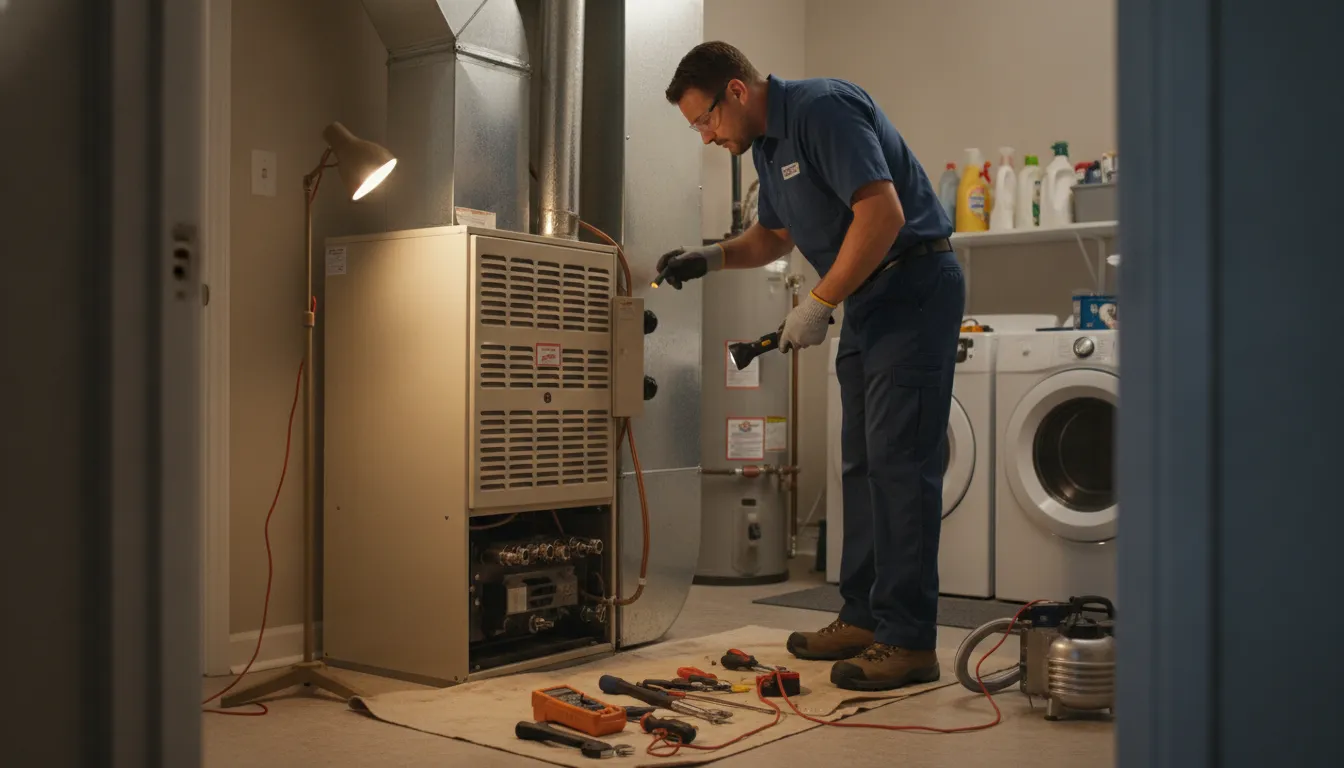
A professional furnace visit begins with questions, not guesswork. The technician will ask what changed, when the problem started, whether the system runs continuously, and what sounds, smells, or temperature changes you noticed. Share any recent filter changes, thermostat adjustments, breaker trips, or prior repairs. These details help narrow the diagnostic path before testing begins.
Electrical and airflow checks
The technician may inspect electrical connections, controls, safety switches, and the power supply. These checks help identify issues that can stop ignition, interrupt the blower, or cause inconsistent operation. The visit may also include an airflow assessment. A restricted filter, blocked return, closed supply registers, or duct problem can keep a furnace from delivering heat effectively.
Duct location matters when evaluating performance. According to the U.S. Department of Energy, ducts in attics, garages, or other unconditioned spaces can lose as much as 35% of the furnace's output heat. A repair visit may therefore look beyond the furnace cabinet and consider whether the distribution system is limiting comfort.
Burner, heat exchanger, and vent safety
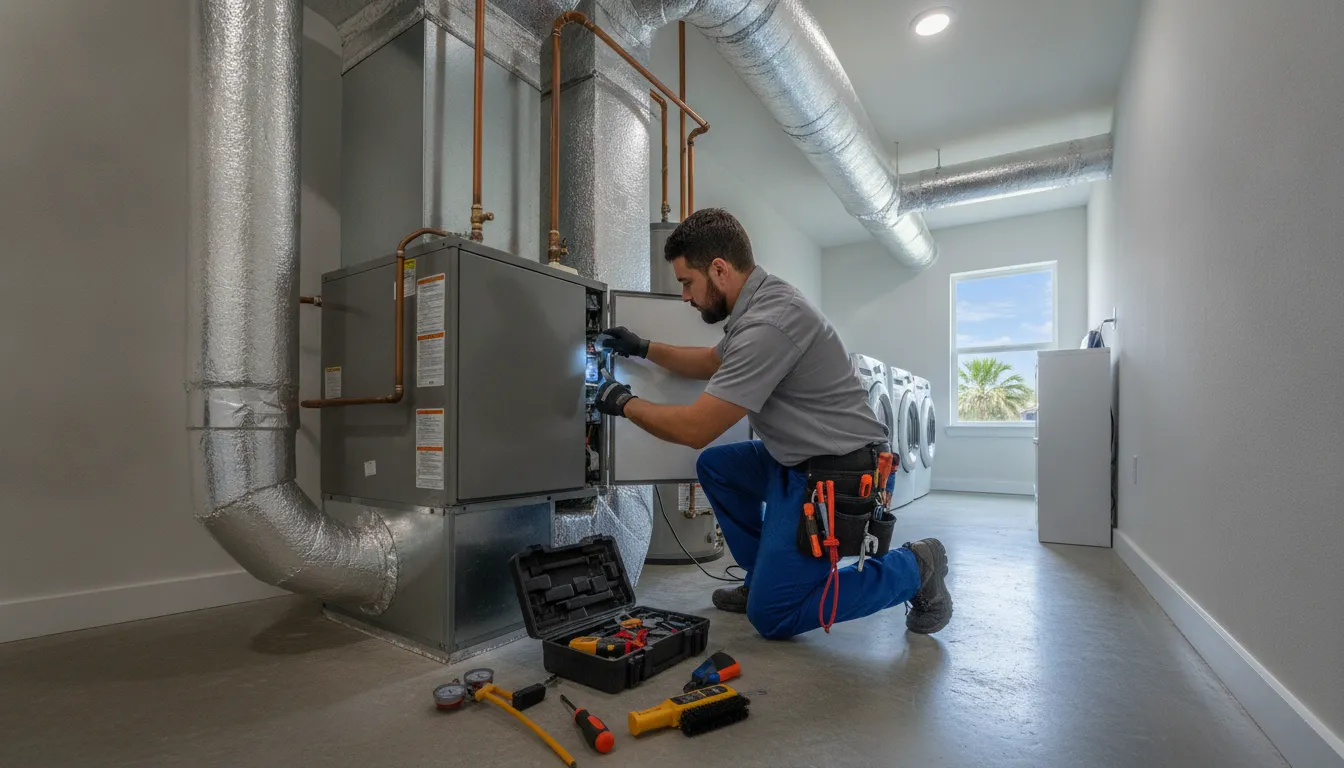
Combustion components deserve careful attention. A technician can evaluate burner performance, ignition, flame behavior, and the venting path. The inspection may also include safety controls and the heat exchanger. These checks help confirm that the furnace is operating as intended and that combustion gases are venting safely. Do not open sealed combustion components or attempt to bypass a safety switch yourself.
Technicians at Tommy Cool Air are trained to perform electrical, burner, and vent-safety diagnostics. You can learn more about expert heating system repairs and the company's Trane equipment expertise. Being a Trane Comfort Specialist supports equipment knowledge and training, but it does not mean every repair requires Trane equipment.
Efficiency and repair context
If the system is older or comfort remains uneven after a repair, the technician may discuss efficiency and system condition. AFUE, or Annual Fuel Utilization Efficiency, compares a furnace's annual heat output with the fossil-fuel energy it consumes over that year. It does not include duct losses, so the rating is only one part of the evaluation.
The final recommendation should connect the observed fault to a practical next step. Ask what failed, what was tested, and whether airflow, venting, or distribution issues contributed to the symptom. That conversation gives you a clearer basis for deciding whether to repair, monitor, or evaluate broader heating improvements.
How Corpus Christi Weather Affects Furnace Reliability
Corpus Christi homes place unusual demands on heating equipment. A furnace may sit unused through long stretches of warm weather, then face an abrupt cold front. That change makes preventive attention more valuable than waiting for the first night you need heat.
Account for moisture and coastal exposure
Gulf Coast humidity can affect heating systems and indoor air quality, while salt-air corrosion can accelerate the degradation of HVAC equipment. These conditions can affect exposed metal, electrical connections, and other components over time. A visual inspection cannot replace professional testing, but it can help you spot rust, moisture, or deterioration early.
Keep the area around the furnace clear and dry. Do not store cleaning chemicals, boxes, or other combustible materials beside the equipment. If the unit is in a garage, attic, or utility space, check that access remains unobstructed for safe service. Never remove sealed panels or attempt to clean internal burners yourself.
Schedule maintenance before the first cold front
Regular maintenance is one of the most effective ways to extend furnace life and support safe, efficient operation, according to the U.S. Department of Energy's Building Science Education Solution Center. A maintenance visit can give a technician an opportunity to inspect components before seasonal demand exposes a weak connection, airflow problem, or venting concern.
Replace a dirty filter with the correct size and type for your system. Keep supply registers and return grilles open so the furnace can move air without unnecessary strain. Also, test your thermostat before the weather changes. Confirm that it responds to a temperature adjustment and that the system starts normally.
Use a maintenance plan to stay ahead
For homeowners who prefer a scheduled approach, the Cool Kids Comfort Club benefits include priority service and regular preventative maintenance. Confirm current plan details with Tommy Cool Air before enrolling, since membership terms can change.
If your furnace is aging or your home has persistent comfort problems, ask about energy-saving heating and cooling systems. An evaluation can help identify practical efficiency improvements without assuming that replacement is automatically necessary.
Repair or Replacement: How to Make the Next Decision
Once the immediate heating problem is under control, the next question is whether the furnace needs a repair or a larger system decision. A late-night failure can make replacement feel urgent, but the right answer should come from a professional evaluation, not pressure or guesswork.
Age is one useful factor. An older furnace may still be a good repair candidate when the problem is isolated, the system has been dependable, and its safety components remain in good condition. Replacement deserves closer consideration when failures keep returning, major components are deteriorating, or the system no longer heats the home consistently.
What to weigh after an urgent failure
- Repair history: Recurring service calls can signal that the furnace is reaching the end of its practical service life.
- Safety: A technician should assess combustion, electrical operation, and other safety concerns before recommending continued use.
- Efficiency: Newer equipment can provide access to more energy-efficient heating technology. The U.S. Department of Energy explains that furnace efficiency is measured by annual heat output compared with annual fuel consumed. Read the DOE furnace efficiency guidance for the technical background.
- Comfort: Uneven temperatures, repeated short cycling, or a system that cannot keep up may point to broader equipment or airflow concerns.
- Existing ductwork: A replacement is not the only improvement path. Programmable thermostats and ductwork upgrades can improve the efficiency of an older system when the equipment remains safe and serviceable.
Ask the technician to separate the immediate repair from longer-term options. A clear evaluation-based quote should explain what failed, whether the repair addresses the underlying issue, and what replacement would change. It should also account for the home's heating needs, equipment condition, installation requirements, and ductwork rather than focusing on equipment alone.
For additional context, compare system types in this heat pump versus furnace guide. A heat pump may be worth discussing in a South Texas home, but the best fit depends on the property's layout, comfort goals, and existing system. You can also use this homeowner guide to heating and AC repair when reviewing the findings.
In short, repair makes sense when the furnace is safe and the problem is limited. Replacement becomes more compelling when reliability, safety, efficiency, and future repair risk all point in the same direction.
Request furnace repair help from Tommy Cool Air
Frequently Asked Questions
Should I call for emergency furnace repair at night?
Call for professional help at night when the furnace will not heat, blows cold air, makes persistent unusual noises, or creates a safety concern. If you smell gas or suspect carbon monoxide, leave the home and contact emergency services before arranging HVAC service.
What are common signs you need 24-hour furnace repair?
Common warning signs include no heat, cold air from the vents, repeated shutdowns, unusual mechanical noise, or a furnace that runs constantly without warming the home. A faulty thermostat, restricted airflow, or a mechanical failure may be involved.
How do I troubleshoot furnace issues before calling for help?
Check that the thermostat is set to heat, the fan is set to auto, and the temperature is above the room temperature. You can also inspect the filter and check the furnace switch and breaker. Do not open sealed components or attempt gas repairs.
How much is an emergency furnace repair call?
There is no single price because the quote depends on the system, failure, parts, labor, and safety testing required. A technician should evaluate the furnace first and explain the recommended repair before work begins. Ask for the service details when scheduling.
Who do I call when my furnace does not work?
Contact a qualified HVAC professional who can inspect electrical connections, burner performance, airflow, and vent safety. Tommy Cool Air serves Corpus Christi homeowners with trained technicians and can help determine whether the problem needs immediate attention.
Contact us about your furnace problem
Once you have completed the safe checks, professional guidance can help identify the cause and determine the next practical step for your Corpus Christi home. Tommy Cool Air can review your heating concern and help you request furnace repair through the contact page.