Choosing HVAC equipment in Corpus Christi means thinking beyond summer cooling. You want a system that can keep your home comfortable through a long cooling season while still handling the occasional need for heat. A heat pump is designed to do both jobs, using one system for summer cooling and winter heating.
A heat pump Corpus Christi homeowners choose can provide year-round heating and cooling by transferring heat between the home and outdoors instead of generating heat from fuel. That approach can support efficient comfort, but the right system still depends on your home's size, ductwork, insulation, budget, and coastal exposure. The U.S. Department of Energy explains how heat pumps transfer heat.
Understanding that basic exchange makes it easier to compare operating costs, installation options, and climate fit. Before weighing those practical decisions, it helps to see what happens inside the system when it switches between cooling and heating.
How Does a Heat Pump Work?
A heat pump is an electric comfort system that moves heat instead of creating it through combustion or electric resistance. That simple difference allows one system to cool your home during a hot Corpus Christi summer and heat it during a cooler winter. The same refrigeration cycle runs in opposite directions depending on whether your thermostat calls for cooling or heating.
Cooling your home by moving heat outside
In cooling mode, the indoor coil absorbs heat from the air inside your home. The refrigerant carries that heat to the outdoor unit, where the system releases it outside. The blower then circulates cooler, conditioned air through your ductwork. This is similar to the way a refrigerator moves heat out of its interior, although a heat pump is designed to manage the comfort of an entire home. The U.S. Department of Energy explains that air-source heat pumps transfer heat between the home and outdoors rather than generating it, which helps them provide comfortable temperatures efficiently.
Heating by bringing outdoor heat inside
When the system switches to heating, the refrigeration cycle reverses. The outdoor coil gathers available heat from the outside air, even when the air feels cool. Refrigerant carries that energy indoors, and the indoor coil releases it into the home. A reversing valve changes the direction of refrigerant flow, allowing the same compressor, coils, and controls to serve both sides of the comfort cycle.
The compressor is central to this process. It circulates refrigerant through the system and changes the refrigerant's pressure so it can absorb heat in one coil and release it in another. A typical heat pump refrigeration system includes a compressor and two copper or aluminum coils. Those components work together with fans, sensors, and the reversing valve to move heat where it is needed.
For a Corpus Christi homeowner, the practical benefit is year-round flexibility without maintaining separate heating and cooling systems. A properly selected and installed heat pump can respond to Gulf Coast cooling demands while providing efficient heat during mild winter weather. If you are comparing options for a heat pump Corpus Christi home, a professional evaluation can account for your home's size, insulation, ductwork, and comfort priorities.
Sources: U.S. Department of Energy heat pump systems guide; U.S. Department of Energy air-source heat pumps guide.
Why Corpus Christi's Climate Makes Heat Pumps a Smart Choice
Corpus Christi homeowners ask a lot from their HVAC systems. Summer brings intense heat and Gulf Coast humidity, while salt-laden air can contribute to corrosion over time. Winters are generally mild, but homes still need dependable heating during cold snaps. A properly selected heat pump can address all three demands in one year-round comfort system.
Better humidity control for Gulf Coast comfort
Temperature is only part of the comfort equation near the coast. Excess moisture can make an indoor space feel warmer, encourage musty odors, and leave your system working harder to maintain the thermostat setting. According to the U.S. Department of Energy, high-efficiency heat pumps can dehumidify better than standard central air conditioners, which may support greater summer comfort while using less energy. Learn more about heat pump humidity control from the Department of Energy.
That difference matters in neighborhoods across Corpus Christi, from Flour Bluff and Padre Island to the South Side and Calallen. When equipment is matched to the home and installed correctly. The system can cool the air while helping manage the moisture that makes Gulf Coast heat feel especially oppressive.
Corrosion resistance matters near the salt air
Coastal exposure creates another selection concern. Corpus Christi's combination of heat, humidity, and salt air calls for high-efficiency, corrosion-resistant HVAC equipment. Tommy Cool Air prefers Trane heat pump systems for their durability in salt-air environments, helping homeowners make a more informed long-term equipment choice. The right system still needs appropriate sizing, professional installation, and regular care, because durable equipment isn't a substitute for maintenance.
Mild winters reduce reliance on backup heat
A heat pump can provide heating as well as cooling, and the mild-to-moderate heating needs of the Texas Gulf Coast make that year-round capability especially practical. Because Corpus Christi winters typically place less demand on heating than colder climates. A well-designed heat pump may handle more of the season without relying heavily on a secondary heat source. That means one system can support everyday comfort through both cooling season and the shorter heating season.
For a home or small business, the best choice depends on the building, ductwork, exposure, and existing equipment. A local comfort assessment can determine whether a Trane heat pump is a good fit for your property and Gulf Coast conditions.
Heat Pump Efficiency and Energy Savings for Corpus Christi Homes
When you compare a heat pump for your Corpus Christi home, look beyond the equipment label. Focus on how efficiently it operates in both seasons. A properly selected system can deliver dependable cooling during long Gulf Coast summers, then reverse operation for heating when temperatures dip. Because a heat pump transfers heat instead of creating it through combustion or electric resistance, it can use less energy to maintain indoor comfort.
Understanding SEER2 and HSPF2 ratings
SEER2, or Seasonal Energy Efficiency Ratio 2, describes cooling efficiency across a typical cooling season. A higher SEER2 rating generally indicates that the system can provide the same amount of cooling with less electricity. Although actual performance also depends on sizing, ductwork, thermostat settings, and installation quality.
HSPF2, or Heating Seasonal Performance Factor 2, evaluates heating efficiency over a full season. The underlying measurement compares total heat delivered with the electricity consumed. In other words, HSPF2 helps you compare how efficiently a heat pump performs during Corpus Christi's shorter, milder heating season. Ask an HVAC professional to evaluate the complete system rather than choosing equipment by rating alone.
Why heat pumps can reduce heating electricity use
The U.S. Department of Energy reports that modern air-source heat pumps can reduce electricity use for heating by up to 50% compared with furnaces and baseboard heaters. The exact result in your home will vary with equipment condition, weather, insulation, duct losses, and operating habits. But the principle is straightforward: the system moves available heat instead of relying only on energy-intensive resistance heating.
For a more complete view of potential savings, Tommy Cool Air can help connect equipment efficiency with your home's layout and comfort needs. Explore energy-efficient heat pump installation for options designed around Gulf Coast homes.
Dehumidification matters in Gulf Coast summers
Energy savings are only part of the comfort equation in Corpus Christi. High-efficiency heat pumps can dehumidify better than standard central air conditioners, according to the Department of Energy. Removing more moisture can make indoor air feel cooler without lowering the thermostat as aggressively. That improved humidity control may reduce unnecessary cooling demand while helping rooms feel less clammy during hot, muggy weather.
For the best outcome, have the system sized and installed for your home's conditions. Efficient equipment cannot compensate for poor airflow, incorrect sizing, or neglected maintenance.
Types of Heat Pumps for Gulf Coast Homes
Choosing the right heat pump depends on your home's ductwork, lot, comfort goals, and exposure to Gulf Coast conditions. For most homeowners researching a heat pump Corpus Christi option, an air-source system is the practical starting point. However, ductless mini-splits and geothermal systems can make sense in specific homes.
Air-source heat pumps: the most common choice
Air-source heat pumps move heat between your home and the outdoor air. In cooling mode, the system removes heat from the house. In heating mode, it reverses the process and brings available heat indoors. Because one system handles both jobs, air-source equipment can provide year-round comfort without relying on separate heating and cooling systems. The U.S. Department of Energy identifies air-source heat pumps as an energy-efficient alternative to traditional furnaces and air conditioners. Learn more about air-source heat pump operation from the Department of Energy.
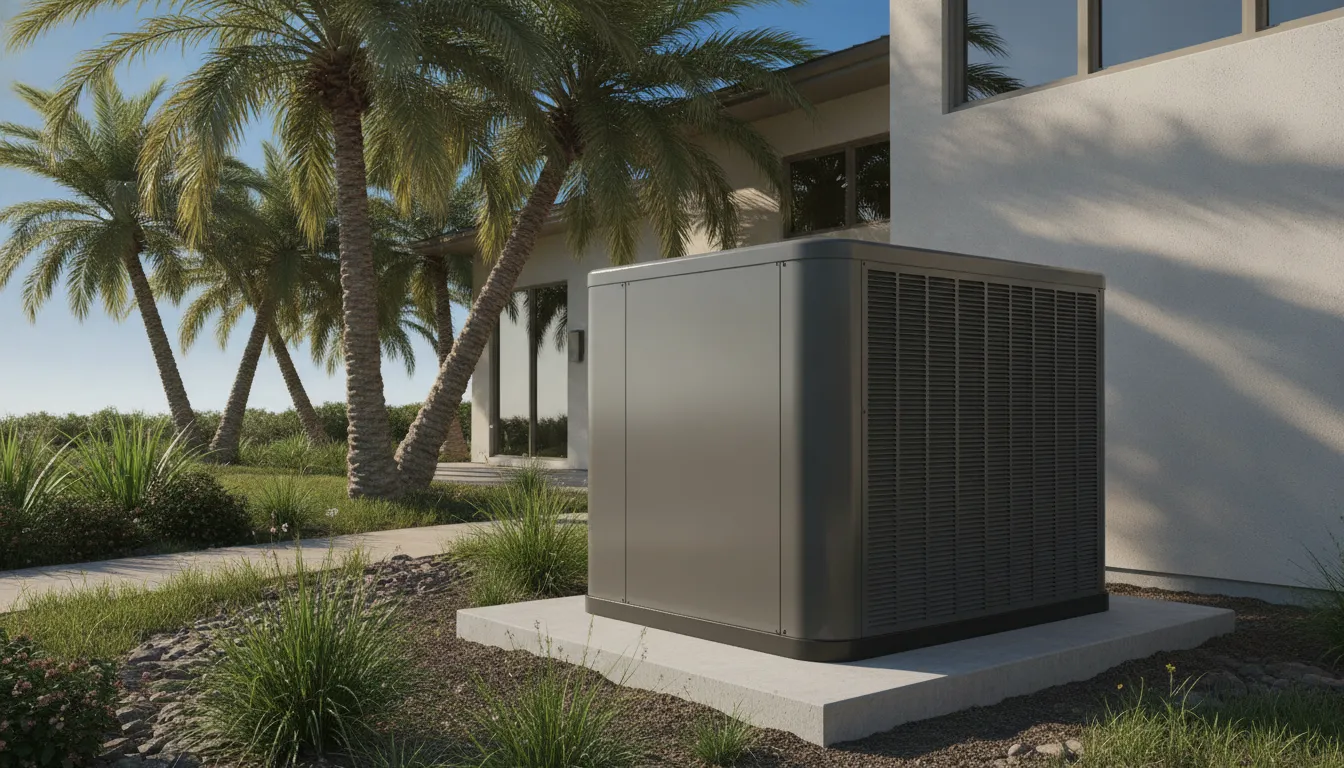
Air-source systems are typically the best fit for homes with existing ductwork. In Corpus Christi and nearby Gulf Coast communities, equipment selection matters because heat, humidity, and salt air can be hard on outdoor components. Tommy Cool Air prefers Trane heat pump systems for their durability in salt-air environments, helping homeowners choose equipment suited to local conditions rather than a one-size-fits-all setup.
Ductless mini-split heat pumps
Not every home has usable ductwork. A ductless mini-split heat pump can serve homes without existing ducts, additions, converted garages, workshops, or individual rooms where extending the central duct system is impractical. The system uses an outdoor unit connected to one or more indoor air handlers, allowing targeted comfort in selected spaces. The Department of Energy recognizes ductless mini-splits as an air-source option for homes without ducts. Review the Department of Energy's heat pump guidance before comparing system types.
Mini-splits still require careful sizing and placement. A professional should account for room layout, insulation, window exposure, humidity, and the home's desired comfort zones.
Geothermal heat pumps
Geothermal, also called ground-source or water-source, heat pumps transfer heat between the home and the ground or a nearby water source. The earth's relatively stable temperature can support efficient heating and cooling, but installation requires suitable property conditions, system design, and significant ground-loop work. That makes geothermal a specialized option rather than the default choice for every Gulf Coast home. A qualified HVAC professional can compare site feasibility, long-term goals, and total project requirements before recommending it.
Professional Heat Pump Installation and Service in Corpus Christi
Choosing the right heat pump is only part of creating dependable year-round comfort. Installation quality, equipment selection, and ongoing service all affect how well the system handles Corpus Christi's heat, humidity, and salt-heavy coastal air. Tommy & the Cool Kids help homeowners and businesses match the system to the building, then keep it operating reliably through every season.
Built for Gulf Coast conditions
Tommy Cool Air specializes in Trane heat pump systems, which are preferred for their durability in salt-air environments. That matters along the coast, where airborne salt can contribute to corrosion and shorten the life of poorly matched or poorly protected equipment. During a consultation, a technician can evaluate the home's layout, existing ductwork, insulation, electrical requirements, and comfort concerns before recommending a system.
Professional sizing is especially important. An oversized system may cycle too often, while an undersized system can struggle during a long, hot afternoon. A careful installation also includes correct refrigerant charging, airflow setup, control configuration, and startup testing. Homeowners considering heat pump repair and installation in Corpus Christi can get a quote based on the property and project requirements rather than a one-size-fits-all price.
Maintenance that looks ahead
Heat pumps work throughout the year, so waiting for a complete breakdown can leave you without cooling or heating when you need it most. Tommy Cool Air offers advanced 24/7 predictive maintenance technology to support system performance and reliability. Instead of treating maintenance as an afterthought, this approach helps identify developing concerns early so the team can respond before a small issue becomes a major comfort disruption.
The Cool Kids Comfort Club gives system owners a proactive path to ongoing care and peace of mind. Ask the team which membership services fit your equipment and usage pattern. Regular professional attention can also help preserve efficiency as filters, coils, electrical components, and airflow conditions change over time.
Service across the Corpus Christi area
Tommy Cool Air serves residential and commercial customers across more than 16 Gulf Coast communities, including Corpus Christi, Flour Bluff. Kings Crossing, Calallen, Padre Island, South Side, Portland, Rockport, Aransas Pass, Port Aransas, Mustang Island, Ocean Drive, Annaville, the Bay Area, and Ingleside. If your heat pump stops working or your comfort changes suddenly, call or text (361) 852-4450 for 24/7 emergency service. For planned installation, maintenance, or repair, contact Tommy Cool Air to discuss the next step.
Heat Pump vs. Traditional HVAC: Key Considerations for Corpus Christi Homeowners
For a Corpus Christi home. The choice usually comes down to a heat pump or a traditional split setup with a gas furnace for heating and a separate air conditioner for cooling. Both can provide dependable comfort when properly sized and installed. The difference is how they handle Gulf Coast humidity, seasonal heating, and year-round energy use.
| Consideration | Heat pump | Traditional HVAC |
|---|---|---|
| Heating method | Transfers available heat between the outdoors and your home instead of burning fuel. The U.S. Department of Energy explains how heat pumps transfer heat. | Uses a gas furnace that burns fuel to create heat, then distributes that heat through the ductwork. |
| Cooling | The same system reverses operation to move heat outdoors, providing integrated heating and cooling. | Uses a separate central air conditioner for summer cooling. |
| Efficiency | Modern air-source models can reduce electricity use for heating by up to 50% compared with furnaces and baseboard heaters, according to DOE guidance. Actual savings depend on the equipment, fuel rates, and home. | Efficiency depends on the furnace, air conditioner, fuel costs, ductwork, and maintenance. Two major systems also mean two sets of equipment to operate and service. |
| Humidity control | High-efficiency heat pumps can dehumidify better than standard central air conditioners, which may improve comfort during humid Corpus Christi summers. | Can control humidity effectively when correctly sized, but performance varies with the air conditioner and operating cycle. |
| Upfront cost | Often higher initially, but one system performs both jobs. A professional evaluation can show whether the dual function offsets the added investment for your home. | May offer a familiar replacement path, but requires separate heating and cooling equipment. |
| Best use case | A strong fit for homeowners who want efficient year-round comfort, better moisture control, and one integrated system for the region's mild winters and long cooling season. | May suit homes with an existing gas connection, a strong preference for furnace heat, or specific heating requirements that call for a separate system. |
Tommy Cool Air installs Trane heat pump systems selected for local conditions and can help compare equipment, operating goals, and installation requirements. Start with an energy efficiency evaluation for your Corpus Christi home before choosing a system.
Frequently Asked Questions
Are heat pumps a good fit for Corpus Christi homes?
They can be an excellent fit. A heat pump provides both cooling and heating, and Corpus Christi's mild winters generally mean less demand for supplemental heat. High-efficiency models can also remove humidity more effectively than standard central air conditioners, which may improve comfort during hot, damp summers. Final suitability depends on your home's size, insulation, ductwork, electrical service, and comfort goals.
How much does a heat pump cost to install?
There is no responsible one-size-fits-all price. Installation costs vary with system capacity, equipment efficiency, ductwork changes, electrical work, access, and whether the project replaces an existing air conditioner. Tommy Cool Air provides quote-based recommendations after evaluating the home, rather than promising a generic online price. Ask for the complete equipment, installation, warranty, and maintenance details in writing.
Will a heat pump lower my energy use?
Potentially, especially when replacing electric resistance heating. The U.S. Department of Energy reports that modern air-source heat pumps can reduce electricity use for heating by up to 50% compared with furnaces and baseboard heaters: DOE heat pump guidance. Actual results depend on equipment selection, weather, thermostat settings, duct condition, and installation quality.
What maintenance does a heat pump need?
Because a heat pump operates for both cooling and heating, it deserves year-round attention. Keep filters clean, maintain clear outdoor airflow, and schedule professional inspections to check refrigerant, coils, electrical components, and airflow. Coastal homes also need equipment selected and maintained with salt-air exposure in mind. Tommy Cool Air can discuss proactive care options for your system.
Schedule Your Heat Pump Consultation
A heat pump can be a practical fit for Corpus Christi homes, but the right system depends on your comfort goals, home, and existing setup. Tommy & the Cool Kids can help you review your options and plan the next step with clear, quote-based guidance. Schedule your heat pump consultation with Tommy & the Cool Kids through the contact page.