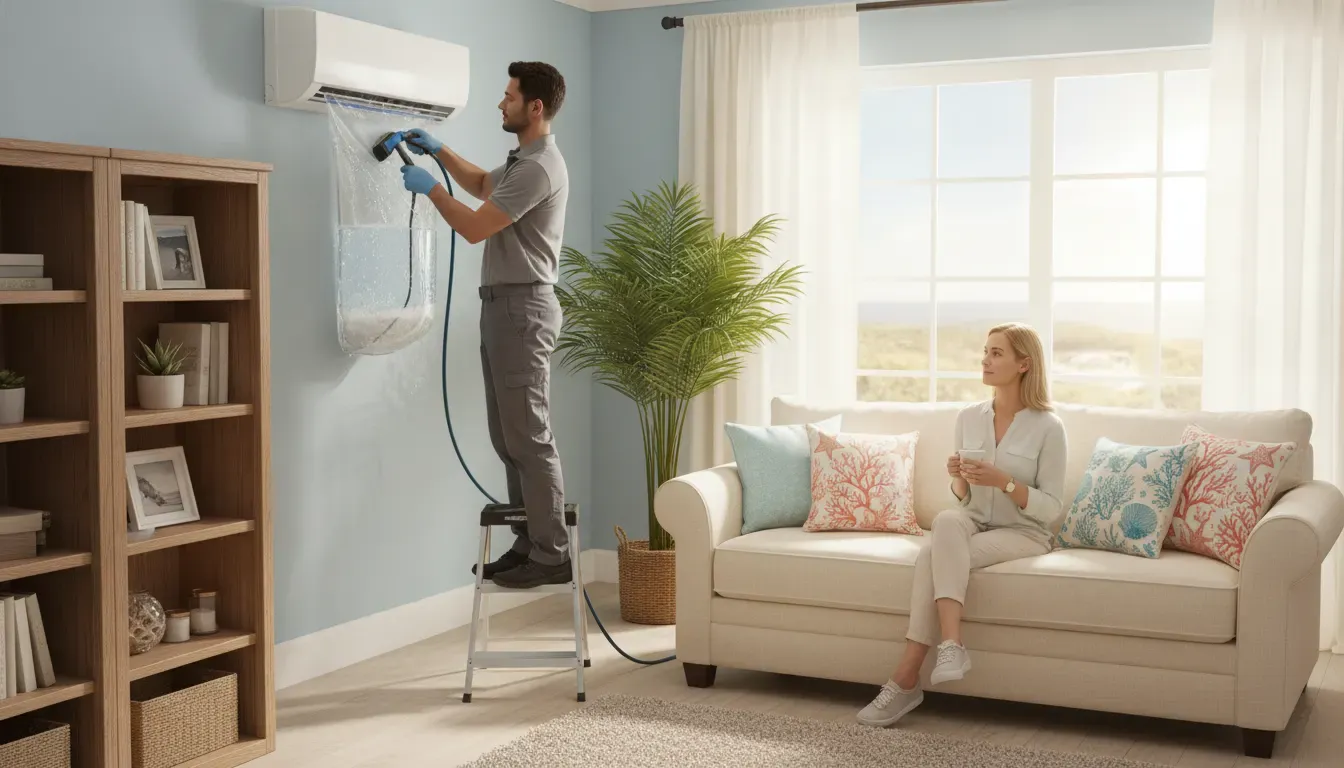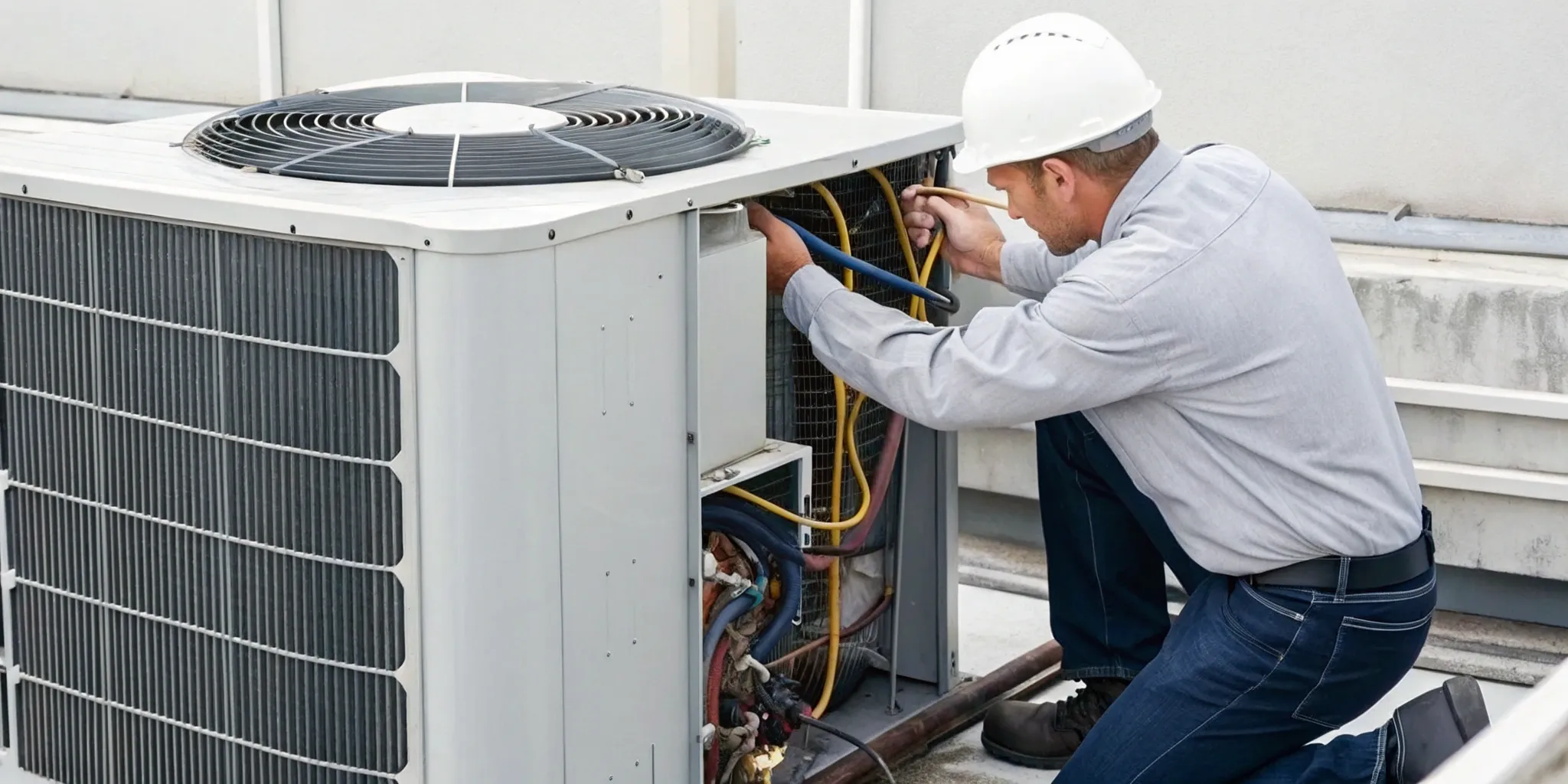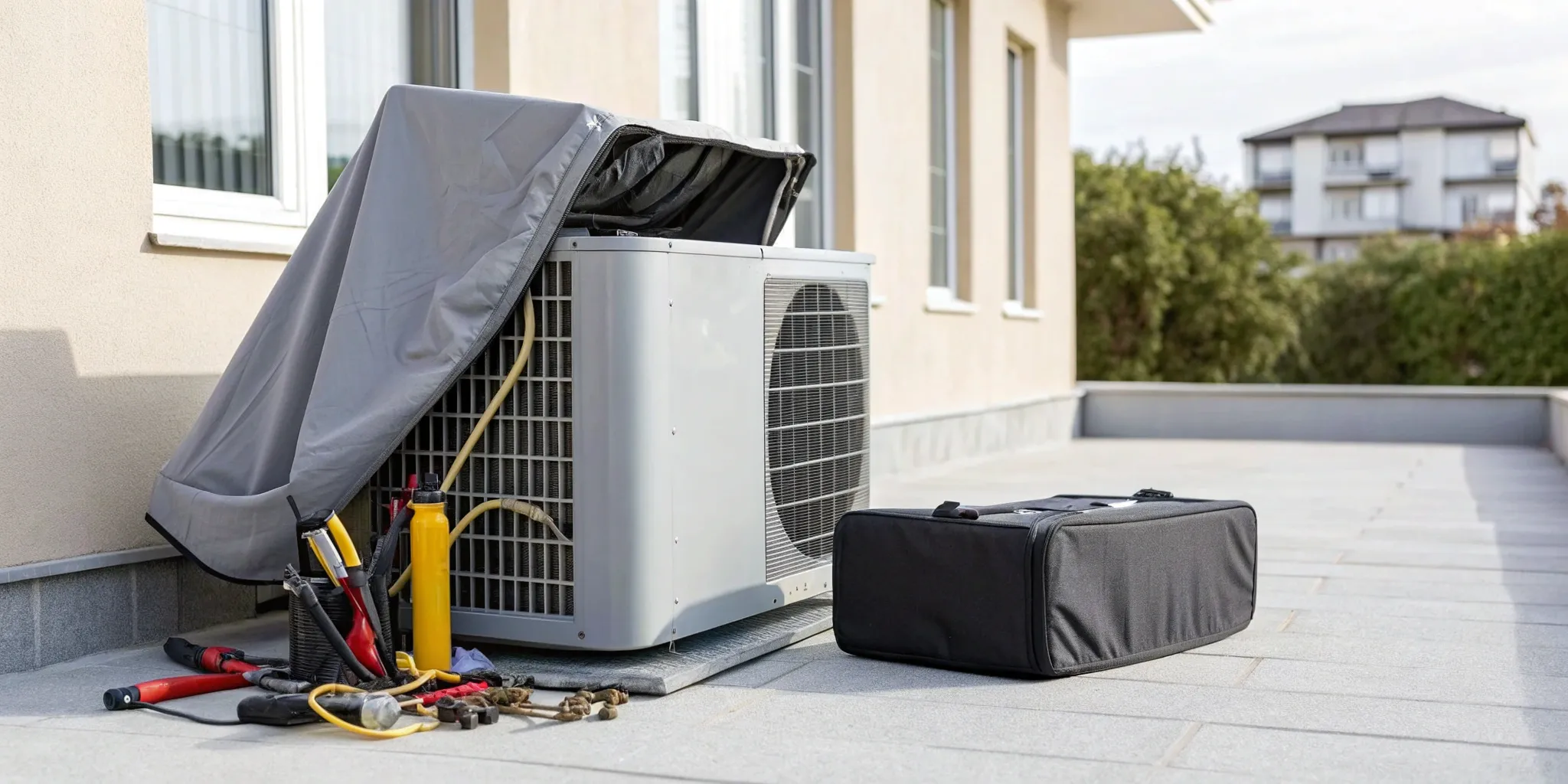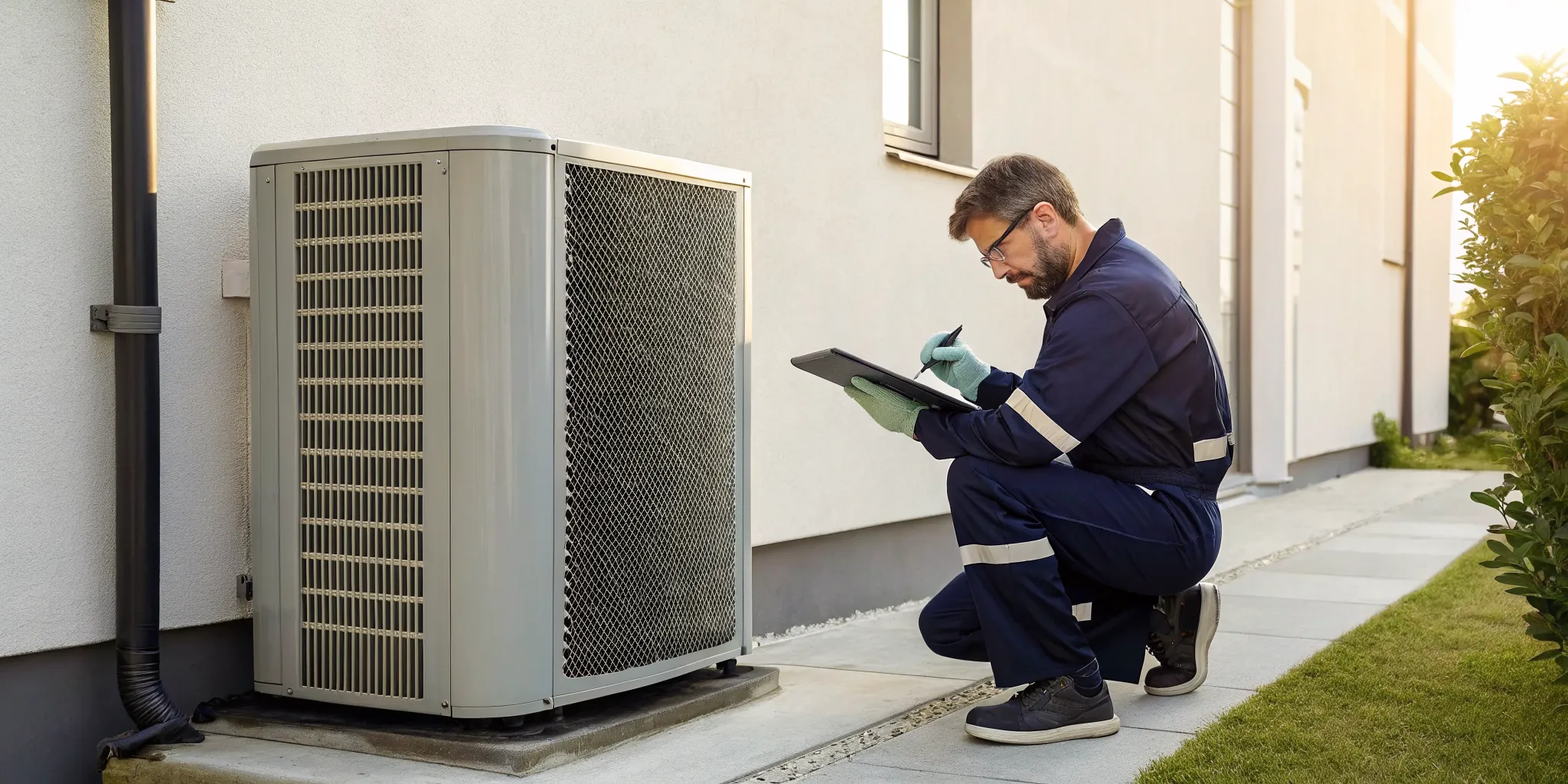
Have you noticed your electricity bills creeping up for no apparent reason? Or maybe you’ve heard a strange new rattle or buzz when your system kicks on. These aren’t just minor annoyances; they are your heat pump’s way of telling you it needs attention. When ignored, these small warning signs can quickly spiral into major problems, often leading to an expensive emergency call on the hottest day of the year. Proactive care is the best way to keep your system running quietly and efficiently. This complete heat pump maintenance checklist will walk you through the essential steps for preventing problems before they start.
Key Takeaways
- Protect Your Investment with Regular Tune-Ups: Think of maintenance as protecting your wallet and your comfort. Consistent care helps your heat pump run efficiently, keeping energy bills down, and prevents small issues from turning into expensive emergency repairs.
- Know What to DIY and When to Call a Pro: You can easily handle simple tasks like changing air filters and clearing debris from your outdoor unit. For anything involving electrical parts, refrigerant, or deep system diagnostics, always call a certified technician to ensure the job is done safely and correctly.
- Create a Simple Schedule for Twice-A-Year Service: Your heat pump works all year, so it needs a check-up in the spring and fall. Set a recurring calendar reminder or join a professional membership plan to make scheduling automatic, ensuring your system is always ready for the season ahead.
What Is a Heat Pump and How Does It Work?
Think of a heat pump as the multi-tool of your home’s climate control. It’s a single, clever system that handles both heating and cooling, making it a popular choice for year-round comfort. Instead of creating heat by burning fuel like a furnace, a heat pump works by simply moving heat from one place to another. This dual-functionality makes it one of the most efficient ways to keep your home comfortable, no matter the season.
So, how does it pull this off? In the summer, your heat pump acts just like a standard air conditioner. It captures the heat inside your home and transfers it outside, leaving you with a cool, comfortable space. When winter arrives, the system reverses its operation. It extracts heat from the outdoor air (yes, even when it’s cold outside) and moves that heat inside to warm your home.
Because a heat pump transfers heat rather than generating it, it uses significantly less energy. This process makes it an incredibly energy-saving system that can lead to lower utility bills. It’s an all-in-one solution that provides reliable heating and cooling by working smarter, not harder. For many homeowners in the Corpus Christi area, the efficiency and versatility of a heat pump make it an ideal investment for total home comfort.
Why Skipping Maintenance Costs You More
It’s easy to let things like heat pump maintenance slide down the to-do list. Life gets busy, and if your system seems to be working fine, what’s the rush? But putting off these simple check-ups is one of the most expensive mistakes you can make as a homeowner. Think of it like this: you’re not saving money by skipping maintenance, you’re just delaying a much bigger bill. A little proactive care protects your system, your wallet, and your comfort, especially when that Texas heat hits. Let's look at what really happens when you neglect your heat pump.
Higher energy bills
Have you noticed your electricity bills slowly creeping up? A neglected heat pump could be the culprit. When parts are dirty or worn, the entire system has to work much harder to heat or cool your home. According to the U.S. Department of Energy, a poorly maintained unit can use 10% to 25% more energy than a well-cared-for one. That extra energy consumption shows up directly on your monthly bill. Regular maintenance ensures your system runs at peak efficiency, which is a key part of having an energy-saving system that keeps your home comfortable without breaking the bank.
Shorter system lifespan
A heat pump is a significant investment, and you want it to last as long as possible. Most systems are designed to run for about 15 years, but that lifespan depends heavily on consistent care. Skipping maintenance is like driving a car for thousands of miles without an oil change; eventually, the constant strain causes major components to fail. Routine professional tune-ups catch wear and tear before it causes a breakdown, helping you get the most out of your investment. By working with quality brands and keeping them in top shape, you can avoid a premature, and costly, replacement.
Minor issues becoming major repairs
The biggest benefit of regular maintenance is catching small problems before they spiral into expensive emergencies. During a tune-up, a technician can spot things like a loose electrical connection, a clogged drain line, or low refrigerant. These are often quick, inexpensive fixes. If left alone, however, they can lead to compressor failure, water damage, or a complete system shutdown, often on the hottest day of the year. Our membership plan is designed to prevent this, giving you peace of mind that a professional is regularly checking for these hidden issues and keeping your system running smoothly.
Your Essential Heat Pump Maintenance Checklist
Keeping your heat pump in top shape doesn't have to be complicated. Think of it like any other routine: a little effort now saves you a lot of headaches later. By breaking down maintenance into simple monthly, seasonal, and annual tasks, you can keep your system running efficiently, extend its life, and prevent surprise breakdowns. This checklist walks you through exactly what to do and when, giving you the confidence to care for your home's comfort system. Following these steps will help you enjoy consistent temperatures and lower energy bills all year long.
Monthly tasks
Set a recurring reminder on your phone for these simple monthly checks. First, inspect your system's air filter. A dirty, clogged filter restricts airflow, forcing your heat pump to work harder and use more energy. It can even lead to system damage over time. Depending on your home, you should change or clean the filter every 30 to 90 days. Next, do a quick walk-through of your home and make sure all your air registers and return vents are open and unblocked. It’s easy for furniture, rugs, or curtains to accidentally cover them, which disrupts airflow and makes your system less effective.
Seasonal tasks
Twice a year, ideally in the spring and fall, take a few extra steps to prepare your heat pump for the coming season. Head outside and clear away any leaves, grass clippings, or debris from around the outdoor unit. You’ll want to maintain at least two feet of clearance on all sides to ensure proper airflow. While you’re there, inspect the outdoor coils. If they look dirty, turn off the power to the unit and gently rinse them with a garden hose. Finally, check the condensate drain line to make sure it isn’t clogged. Pouring a cup of a bleach solution down the line can help clear out any algae or buildup.
Annual professional service
Even with perfect DIY maintenance, nothing replaces a professional inspection. An annual service appointment is your best defense against unexpected failures and costly repairs. During a check-up, a certified technician will perform a deep clean and detailed inspection that goes beyond the basics. They will check refrigerant levels, test electrical connections, lubricate motors, and verify that all components are working safely and efficiently. Scheduling this service ensures your system is ready for the Texas heat and any surprise cold snaps. For total peace of mind, consider a professional membership plan to make scheduling and savings automatic.
DIY Maintenance: What You Can Do Yourself
While some jobs are best left to the pros, there are several simple tasks you can do yourself to keep your heat pump running smoothly. Think of it as the essential home care that prevents small issues from turning into big, expensive headaches. Taking just a few minutes each month or season for these DIY checks can make a huge difference in your system's efficiency, your home's comfort, and your monthly energy bills. These steps don't replace a professional tune-up, but they are a crucial part of a complete maintenance plan.
Change the air filter
This is one of the easiest and most impactful things you can do for your heat pump. A clogged air filter forces your system to work much harder to pull in air, which wastes energy and puts unnecessary strain on its components. A dirty filter also fails to trap dust, pollen, and other particles, which can lower your home's indoor air quality. You should check your filter every month and plan to replace it every 30 to 90 days. If you have pets, live in a dusty area, or have family members with allergies, you’ll likely need to change it more frequently.
Clear debris from the outdoor unit
Your heat pump's outdoor unit needs to breathe. Take a walk outside and check on it periodically. Remove any leaves, grass clippings, twigs, or dirt that have collected on or around the unit. It’s also a good idea to trim back any shrubs, weeds, or branches to create at least two feet of clear space on all sides. This ensures there is plenty of room for air to circulate freely. Blocked airflow can cause the system to overheat and reduce its efficiency, so keeping this area clean is key to its performance.
Clean indoor vents and check for blockages
Your heat pump can’t effectively heat or cool your home if the air can't get out of the vents. Do a quick tour of your house and make sure none of your indoor supply or return vents are blocked by furniture, rugs, curtains, or toys. Blocked vents can create pressure imbalances in the system, leading to poor performance and wasted energy. While you’re at it, you can use a vacuum brush attachment to gently clean any dust that has built up on the vent covers. This simple step helps maintain steady airflow and keeps dust from circulating in your home.
Inspect the condensate drain line
In cooling mode, your heat pump removes humidity from the air, which collects as water and exits through a condensate drain line. Over time, this line can get clogged with algae, mold, and sludge, causing water to back up. This can lead to water damage around your indoor unit or even cause the system to shut down automatically. You can often find the drain line outlet near your outdoor unit. If you notice it’s not dripping on a humid day or see water pooling around the indoor unit, it might be clogged. While minor clogs can sometimes be cleared, a persistent blockage requires professional attention from our air conditioning services team.
Test your thermostat settings
It might sound basic, but you’d be surprised how often a heat pump "problem" is just an incorrect thermostat setting. Before you panic, double-check that your thermostat is set to the right mode, either "Heat" for winter or "Cool" for summer. Also, ensure the temperature is set where you want it. If you have a programmable thermostat, review your settings to make sure they align with your family’s schedule. Optimizing these settings is a simple way to maintain comfort and manage your energy use, and it’s a core feature of modern energy-saving systems.
Check for ice on the outdoor unit
During our mild but sometimes damp Corpus Christi winters, it's normal for a thin layer of frost to form on the outdoor unit. Your heat pump has a built-in defrost cycle to melt this away periodically. However, if you see the unit covered in a thick sheet of ice, that’s a red flag. It could signal a problem with the defrost cycle, low refrigerant levels, or poor airflow. Don't try to chip or melt the ice yourself with sharp objects. Instead, turn the system off to prevent damage and call us for professional heating services.
Look for leaks in your ductwork
Your ductwork is the delivery system for all that comfortable air. If it has leaks, you're paying to heat and cool your attic or crawlspace instead of your living areas. You can do a simple visual inspection of any accessible ducts. Look for disconnected joints or obvious tears. You can also feel for moving air around the seams while the system is running. Sealing these leaks can significantly improve your system's efficiency and your home's comfort. If you suspect you have hidden leaks, a professional can perform a more thorough inspection.
Warning Signs Your Heat Pump Needs a Pro
Even with the most diligent DIY maintenance, there are times when your heat pump will send up a flare signaling it needs expert help. These aren't subtle hints; they're clear signs that something is wrong and could get worse if ignored. Paying attention to how your system looks, sounds, and performs can help you catch problems early and avoid a complete breakdown, especially when you need it most. If you notice any of the following issues, it’s time to put down the tools and pick up the phone to call a professional. Ignoring these warnings can lead to more extensive damage and much costlier repairs down the line.
Unusual noises or odors
You get used to the daily sounds of your home, including the gentle hum of your heat pump. That’s why strange and sudden noises are so jarring. If you hear grinding, squealing, or rattling, don't just turn up the TV. These sounds often point to mechanical problems, like a failing motor, loose parts, or debris in the unit. Similarly, pay attention to any odd smells. A musty or dirty sock smell could mean mold is growing inside your system, while a burning odor might indicate a serious electrical issue. These aren't problems that fix themselves, so it's best to have a professional heating system repair technician take a look.
Inconsistent temperatures in your home
Is your living room feeling tropical while your bedroom feels like an icebox? When a heat pump is working correctly, it should maintain a consistent temperature throughout your home. If you start noticing significant hot and cold spots, it’s a sign that something is off. The problem could be as simple as a blocked vent, but it often points to deeper issues like leaky ductwork, a failing component, or incorrect refrigerant levels. A professional can diagnose why your system is struggling to distribute air evenly and get your home back to a comfortable, uniform temperature.
A sudden spike in your energy bill
Your monthly utility bill is a great indicator of your heat pump’s health. If you see a sudden, unexplained spike in your energy costs, your system is likely the culprit. A heat pump that isn't properly maintained can use up to 25% more energy, according to the Department of Energy. This means it's working much harder than it should to heat or cool your home, which drives up your bill and puts extra strain on the components. Don't just accept the higher cost; it’s a clear signal that your system needs a professional tune-up to restore its efficiency.
Weak airflow from vents
If the air trickling from your vents feels weak or barely there, the first thing you should always do is check your air filter. A clogged filter is the number one cause of restricted airflow. However, if you’ve put in a fresh filter and the airflow is still weak, you have a bigger problem on your hands. This could signal an issue with the system's fan, a blockage in your ductwork, or even a more serious compressor issue. A technician has the tools to measure airflow and find the source of the blockage, ensuring your system can breathe properly again.
System cycling on and off frequently
A heat pump should run for a solid amount of time to bring your home to the set temperature. If you notice your system turning on and off every few minutes, it’s a process called short cycling. This is a major red flag. Not only does short cycling prevent your home from ever getting truly comfortable, but it also puts immense wear and tear on the compressor and other components, drastically shortening the unit's lifespan. This issue can be caused by a faulty thermostat, a refrigerant leak, or an improperly sized unit, all of which require professional air conditioning services to diagnose and fix correctly.
When to Call a Professional for Service
While DIY maintenance is great for keeping your heat pump in good shape, some tasks require a trained eye and specialized tools. Knowing when to step back and call a professional is key to protecting your system and your safety. Complex jobs involving electrical wiring, chemical refrigerants, or deep system diagnostics are best left to certified technicians. Attempting these repairs yourself can lead to more significant damage, void your warranty, or create dangerous situations. Think of a professional service call as a check-up for your home’s hardest-working appliance. Our team can spot underlying issues you might miss and ensure your heat pump runs safely and efficiently for years to come.
Handling refrigerant leaks
If you suspect a refrigerant leak, it’s time to call a professional immediately. Refrigerant is a chemical that requires careful handling, and a leak is a sign of a bigger problem. Simply adding more refrigerant without fixing the leak is like putting air in a punctured tire; it’s a temporary fix that doesn’t solve the issue. A certified technician will do more than just top it off. They will accurately measure the refrigerant level and fix any leaks before refilling the system. This ensures your heat pump operates at peak performance and avoids further damage to its components and the environment.
Inspecting electrical components
Working with your heat pump’s electrical system is dangerous without the proper training and tools. Electrical components are essential for the safe operation of your unit, and a small mistake can lead to a system failure or even a fire. During a professional service, a technician will carefully inspect and tighten electrical connections, measure voltage and current, and test the system’s controls. This preventative step helps catch potential hazards before they become serious problems, giving you peace of mind that your system is running safely. If you notice flickering lights when your system turns on or smell a burning odor, schedule a heating system repair right away.
Performing deep coil cleaning and diagnostics
While wiping down your outdoor unit is a helpful DIY task, a professional deep cleaning goes much further. Over time, dirt, dust, and grime build up deep within the indoor and outdoor coils, which a simple rinse can’t remove. This buildup forces your system to work harder, reducing efficiency and straining components. According to the Department of Energy, dirty filters, coils, and fans can significantly reduce a heat pump's performance. Our technicians use specialized tools and cleaning agents to safely deep clean your coils without damaging the delicate fins. They also run full system diagnostics to ensure everything is working in harmony.
Fixing defrost cycle problems
Your heat pump’s defrost cycle is a critical function that allows it to provide heat during colder weather. This cycle melts any frost or ice that accumulates on the outdoor unit’s coil. If the defrost cycle malfunctions, ice can build up, blocking airflow and preventing your system from heating your home effectively. Diagnosing and fixing defrost cycle issues involves checking sensors, timers, and control boards, which requires technical expertise. A professional should check the defrost system to ensure it operates correctly, especially before the winter season arrives, so you can count on reliable warmth when you need it most.
How to Create a Maintenance Schedule That Sticks
Knowing you need to maintain your heat pump is one thing; actually doing it is another. Life gets busy, and it’s easy for tasks like changing a filter or scheduling a check-up to fall through the cracks. The key to consistency is creating a simple, repeatable system. A little planning now will save you from stress and expensive repairs later, keeping your home comfortable all year long.
Your seasonal maintenance plan
Because your heat pump works year-round for both heating and cooling, it needs attention twice a year. Think of it as a fall tune-up for winter and a spring tune-up for summer. In the fall, a technician will prepare your system for colder weather by checking the heating functions, inspecting coils, and clearing the outdoor unit. In the spring, they’ll reverse the process, checking for any winter damage and testing the controls to get your system ready for the Texas heat. A great way to remember is to set a recurring reminder on your phone’s calendar for April and October to schedule your professional service.
How to track your maintenance history
Keeping a simple record of your heat pump’s maintenance is a smart move. It helps you remember what was done and when, and it gives a technician valuable insight if a problem comes up. You don’t need a complicated system; a small notebook kept near the indoor unit or a digital note on your phone works perfectly. Just jot down the date of service, who performed it, and what was done. This history helps you spot recurring issues and shows that you’ve cared for your system, which is a great selling point if you ever decide to move. Regular checks help your system run more efficiently and can prevent small problems from turning into major headaches.
The benefits of a professional membership plan
Honestly, the easiest way to stick to a maintenance schedule is to let someone else manage it for you. That’s where a professional membership plan comes in. Instead of you having to remember to call, we’ll remind you when it’s time for service. Our membership program is designed to make your life easier with benefits like priority service and discounts on repairs. A professional technician will handle all the complex tasks, like checking refrigerant levels, inspecting electrical connections, and performing deep coil cleanings. It’s the most effective way to ensure your heat pump runs efficiently and reliably, preventing costly breakdowns when you need it most.
Related Articles
- Heat Pump Repair & Installation in Corpus Christi, TX | Tommy Cool Air
- Enhancing Your Home's Comfort: A Guide to HVAC Efficiency Improvements | Tommy Cool Air
- Heating Tune-Ups in Corpus Christi, TX | Tommy Cool Air
- 20 Common Problems Requiring Emergency Furnace Repair and How to Prevent Them | Tommy Cool Air
- Your Guide to Mastering Indoor Climate Control in Every Season | Tommy Cool Air
Frequently Asked questions
How effective is a heat pump during a Texas winter? This is a great question, especially since we think of them for cooling. Modern heat pumps are incredibly efficient at heating, even when it gets chilly. They work by extracting heat from the outside air and moving it inside. Since our Corpus Christi winters are relatively mild, a heat pump rarely struggles to find enough warmth to keep your home comfortable, making it a very practical and energy-saving choice for year-round use.
If I do all the DIY tasks, do I still need a professional tune-up? Yes, and it’s a crucial part of protecting your investment. Think of your DIY maintenance, like changing filters and clearing debris, as the daily habits that keep your system healthy. A professional service appointment is like an annual physical. A technician uses specialized tools to check refrigerant levels, inspect electrical components, and perform deep diagnostics that you can't do yourself. These checks catch serious issues before they happen, ensuring safety and long-term reliability.
My system is turning on and off every few minutes. What should I do? This is called short cycling, and it's a sign your system is under stress. The first thing you should always do is check your air filter. A severely clogged filter can restrict airflow and cause the system to overheat and shut down. If a new filter doesn't solve the problem, you should turn the system off and call for professional service. Continuing to run it can cause serious damage to the compressor, which is a very expensive repair.
What are the real benefits of a maintenance plan versus just calling when I need service? A maintenance plan is all about prevention and peace of mind. Instead of waiting for a problem to appear, often on the hottest day of the year, a plan ensures your system is checked and tuned up twice a year. This proactive care helps prevent breakdowns in the first place. Our members also get reminders for service, priority scheduling, and discounts on repairs, so it saves you time, money, and the headache of dealing with an emergency.
How do I know which air filter is right for my heat pump? The best place to start is by checking the owner's manual or looking at the size printed on the side of your current filter. For the type of filter, you'll see a MERV rating. A higher MERV rating means it filters smaller particles, which is great for air quality. However, a filter that is too restrictive can strain your system. For most homes, a filter with a MERV rating between 8 and 11 offers a good balance of air filtration and airflow.