Living in Corpus Christi is fantastic, but our salty, humid air is incredibly tough on outdoor equipment, especially your heat pump. The constant exposure to salt accelerates rust and corrosion, leading to problems you might not encounter in other climates. This unique environment means our systems require special attention to keep them running efficiently. Understanding how our coastal weather impacts your unit is the first step toward preventing unexpected breakdowns. We’ll explore the common issues specific to our area and explain what you need to know when seeking a heat pump repair in Corpus Christi, ensuring your system is ready for our demanding year-round conditions.
Key Takeaways
- Prioritize preventative care to avoid breakdowns: You can handle simple but crucial tasks like changing your air filter and keeping the outdoor unit clear. For everything else, professional maintenance is key to preventing surprise repairs, especially in our coastal climate.
- Know when to repair versus replace your system: A repair is often the best choice for a heat pump that is less than 10 years old. However, if your unit is older and requires frequent or expensive fixes, investing that money in a new, efficient system is the smarter long-term decision.
- Vet your repair company before you hire: Always confirm a company is licensed and insured. A trustworthy professional will also have positive local reviews and provide a clear, upfront quote after diagnosing the problem, so you know the full cost before work starts.
What's Wrong With My Heat Pump? Common Issues in Corpus Christi
Heat pumps are fantastic for our mild Corpus Christi winters and hot summers, working year-round to keep our homes comfortable. But because they work so hard, they can sometimes run into trouble. If your system starts acting up, it’s usually trying to tell you something is wrong. Recognizing the signs early can save you from a major headache and a costly breakdown down the road. Let's walk through some of the most common heat pump problems we see here in the Coastal Bend.
It's Not Heating or Cooling Correctly
This is the most obvious sign of a problem. If you set your thermostat to 72 degrees but you’re still sweating or shivering, your heat pump isn't doing its job. The air coming from your vents might feel lukewarm, or the system might run constantly without ever reaching the target temperature. This could be caused by something simple like a clogged air filter, or it could point to a more serious issue like a refrigerant leak or a failing compressor. Before you do anything else, check your filter and your thermostat settings. If those look fine, it’s time to call for professional heating and cooling services.
It Keeps Turning On and Off (Short Cycling)
Does your heat pump turn on for a few minutes, shut off, and then kick back on again shortly after? This is called short cycling. While it might seem like a minor annoyance, it’s a serious issue that wastes energy and puts a lot of strain on your system's components. This constant starting and stopping can lead to premature failure. Short cycling can be caused by a dirty filter restricting airflow, an incorrectly sized unit for your home, or a faulty thermostat. Ignoring it will only lead to higher energy bills and a much shorter lifespan for your heat pump.
You Hear Strange Noises
Your heat pump should operate with a relatively quiet hum. If you start hearing new or loud sounds, pay attention. Banging or clanking noises often point to a loose part, like a fan blade hitting something it shouldn't. A grinding or squealing sound can signal a problem with the motor's bearings, which requires immediate attention to prevent the motor from burning out. Buzzing noises can indicate an electrical issue. Don't just turn up the TV to drown it out; these sounds are warning signs that a component is failing. It's best to turn the system off and contact a technician to diagnose the source of the noise.
There's Ice on the Outdoor Unit
Seeing ice on your outdoor unit during a cold, damp winter day can be alarming. While a very thin layer of frost that melts away on its own can be normal, a thick, solid sheet of ice is a definite sign of trouble. This usually means something is disrupting the defrost cycle or restricting airflow. Common culprits include dirty coils, a clogged air filter, or low refrigerant levels. An iced-over unit can't transfer heat effectively and can cause serious damage to the compressor. If you see significant ice buildup, turn off your system to let it thaw and call for a repair.
Your Energy Bills Suddenly Spiked
Your utility bill is often the first place you'll spot a hidden problem. If your electricity costs suddenly jump without a change in your usage habits, your heat pump could be the culprit. This happens when the system has to work much harder to heat or cool your home due to an issue like a refrigerant leak, a dirty coil, or a failing motor. It’s running inefficiently, drawing more power to get the same result. Keeping an eye on your bills can help you catch these performance issues early. A well-maintained system is an energy-saving system, so a sudden spike is a clear call for a check-up.
Why Our Coastal Climate is Tough on Heat Pumps
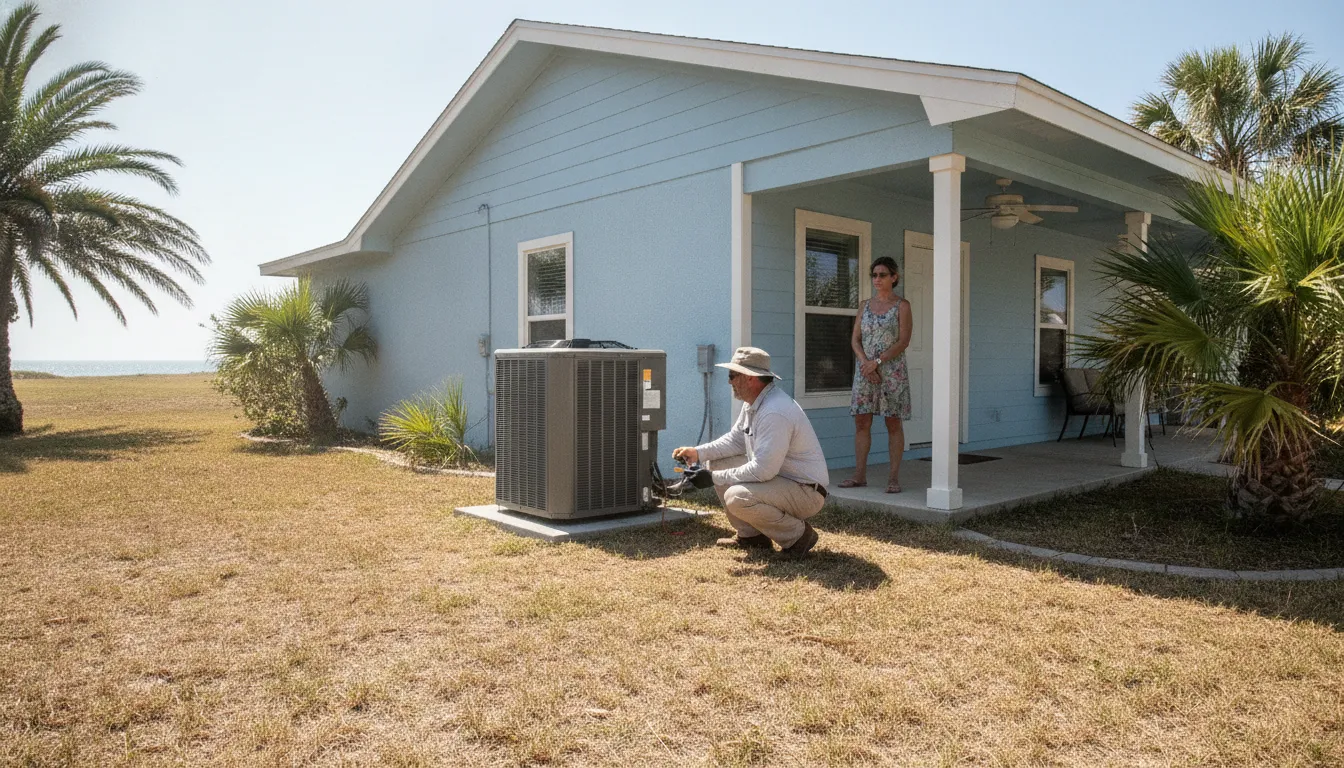
Living on the coast has its perks, but the salty, humid air can be tough on the outdoor components of your heat pump. The salt accelerates rust and corrosion on the metal cabinet, coils, and fins. This corrosion can eat away at critical parts, leading to refrigerant leaks and reduced efficiency. Over time, it can significantly shorten your unit's lifespan. That's why regular cleaning and professional check-ups are so important in our area. A consistent maintenance schedule, like our Tommy Cool Air Membership, helps protect your investment from the harsh coastal elements and keeps it running smoothly for years to come.
Should You Repair or Replace Your Heat Pump?
Figuring out whether to fix your current heat pump or invest in a new one can feel like a major decision. It’s a balancing act between a short-term fix and a long-term investment. Several factors come into play, including your unit's age, the frequency of repairs, and your energy bills. Thinking through these key points can help you make a confident choice for your home and your budget.
Red Flags That Require a Professional
Sometimes, your heat pump gives clear signals that it needs help. If you notice your home isn't heating or cooling evenly, or if some rooms are suddenly much hotter or colder than others, it's a sign something is wrong. A sudden, unexplained spike in your energy bills is another major red flag. You should also pay attention to any strange noises, like grinding, squealing, or clanking. These symptoms point to underlying issues that need an expert eye. While it’s tempting to ignore them, these problems rarely fix themselves and often worsen over time. When you spot these signs, it’s time to call a professional for a proper diagnosis.
When to Repair vs. When to Replace
The big question is whether a repair will be enough. If your heat pump is less than 10 years old and has been well-maintained, a repair is often the most cost-effective solution. A single, straightforward fix can get your system back up and running without the expense of a full replacement. However, if your unit is older or if you find yourself calling for repairs frequently, it might be time to consider a replacement. Pouring money into an aging, inefficient system can become a losing battle. Investing that money into a new, energy-saving system can lead to better performance and lower utility bills down the road.
The 15-Year Rule of Thumb
A helpful guideline in the HVAC world is the 15-year rule. Most heat pumps have a lifespan of about 10 to 15 years. Once your system passes that 15-year mark, the math on repairs starts to change. If an older unit needs a repair that costs more than a few hundred dollars, replacement is typically the smarter financial move. These older systems are not only more prone to breaking down but are also significantly less efficient than modern units. Upgrading to a new, reliable system, like one from our trusted partner Trane, ensures you have dependable comfort and benefit from the latest energy-saving technology.
How Much Does Heat Pump Repair Cost in Corpus Christi?
When your heat pump stops working, one of the first questions you probably have is, "How much is this going to cost me?" It’s a fair question, but the answer isn't always straightforward. The final price tag for a heat pump repair can depend on several things, from the specific part that failed to the complexity of the job. While I can't give you a single magic number, I can walk you through the typical costs and the factors that influence them so you can feel more prepared.
Think of it like a car repair. A simple fix might be relatively inexpensive, but a major component replacement will cost more. Let's break down what you can generally expect when budgeting for a heat pump repair in the Corpus Christi area.
Typical Repair Cost Ranges
Generally speaking, most heat pump repairs fall somewhere between $150 and $650. The average homeowner often pays around $400 for a standard repair. Minor issues, like replacing a faulty capacitor or a simple electrical component, will land on the lower end of that spectrum. More significant problems, such as fixing a refrigerant leak or replacing a fan motor, will push the cost toward the higher end. This range gives you a ballpark idea, but the specific issue with your unit will determine the final bill.
Factors That Affect Repair Costs
Several key factors will influence your total repair cost. The most obvious one is the nature of the problem itself. A quick fix is always going to be less expensive than a complex one that requires more time and specialized parts. The age and type of your heat pump also play a role. Parts for older or less common models can sometimes be harder to find and more expensive. The accessibility of your unit can also affect labor costs; if your system is in a tight attic or crawlspace, it may take the technician longer to perform the repair.
Understanding Diagnostic Fees, Parts, and Labor
When you call a professional, your total bill is usually broken into a few parts. First is the diagnostic fee. This covers the technician's time, travel, and expertise to thoroughly inspect your system and pinpoint the exact cause of the problem. Once the issue is identified, the actual repair cost will include the price of any replacement parts and the labor required to install them. A trustworthy company will always provide you with a clear, upfront quote for the full repair after the diagnosis, so you can approve the cost before any work begins. You should never feel pressured to agree to a repair without understanding the full price.
How to Find Seasonal Savings
You can be strategic about managing repair costs. Many HVAC companies offer seasonal promotions, especially during the milder spring and fall months when demand is lower. It's always a good idea to check for tune-up specials, which can catch small problems before they become expensive breakdowns. Another great way to save is by joining a maintenance plan. Our Tommy Cool Air Membership program, for example, offers members benefits like discounted repairs, priority service, and regular maintenance visits, which helps keep your system running efficiently and reduces the likelihood of surprise failures.
What to Expect During a Repair Service Call
Having a technician show up at your door can feel a little stressful, especially when your home isn’t comfortable. But knowing what a professional service call involves can make the process much smoother. When you call a reputable company for a heat pump repair, you should expect a clear, step-by-step process designed to get your system running correctly and efficiently. It’s not about guesswork; it’s about methodical problem-solving.
From the moment our technician arrives, their goal is to accurately identify the issue, explain the solution, and provide you with all the information you need to make a confident decision. We believe in transparency every step of the way, so you’re never left in the dark about what’s happening with your heat pump or how much it will cost. Here’s a breakdown of what you can expect when you schedule a heating system repair with our team.
The Initial Diagnosis
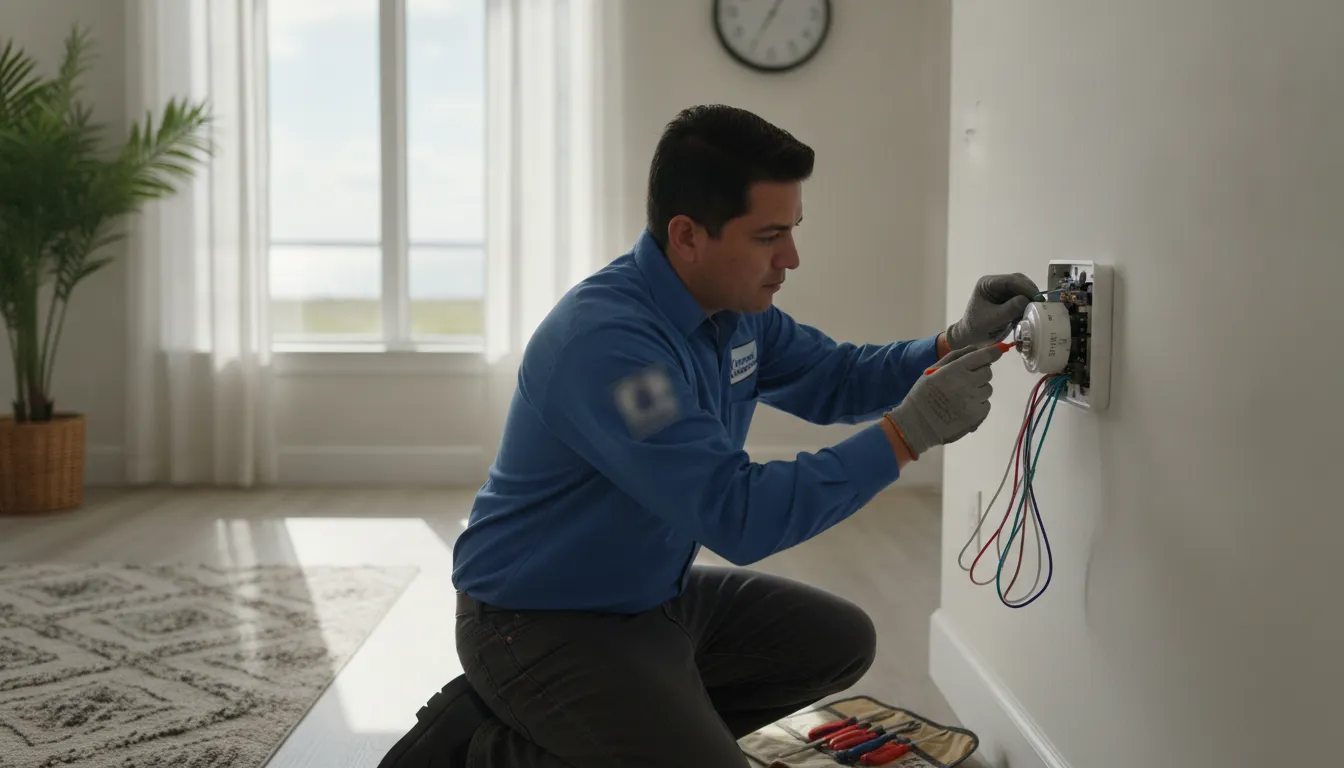
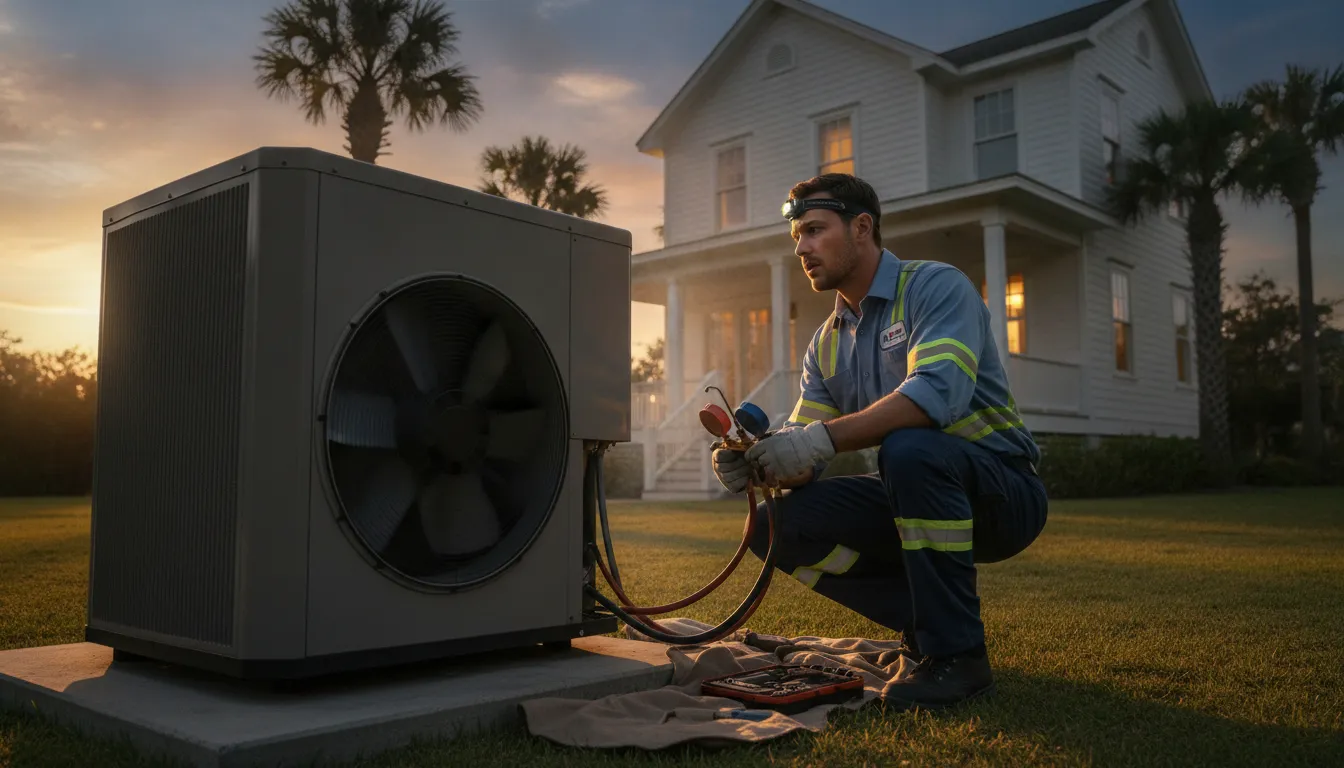
The first and most important step of any service call is the initial diagnosis. Your technician won’t just start replacing parts. Instead, they will perform a detailed check-up to find the exact problem. This involves a comprehensive inspection of your entire heat pump system, from the indoor air handler to the outdoor unit. They’ll check electrical connections, test components, measure refrigerant levels, and assess airflow. This thorough approach ensures we treat the root cause of the issue, not just a symptom. An accurate diagnosis is the foundation for an effective and lasting repair, saving you time and money in the long run.
How Long Will the Repair Take?
One of the most common questions we get is, "How long will this take?" The honest answer is: it depends. The duration of the repair is directly related to the problem discovered during the diagnosis. A simple fix, like replacing a capacitor or clearing a clogged drain line, might be completed in under an hour. However, more complex issues, such as a refrigerant leak or a faulty compressor, will take longer. If a specific part needs to be ordered, the repair may require a second visit. Your technician will always give you a clear timeline after the diagnosis so you can plan accordingly.
Getting a Clear, Upfront Quote
No one likes financial surprises. After the technician has diagnosed the problem, they will provide you with a clear, upfront quote before any work begins. This quote will detail the cost of parts and labor, so you know exactly what to expect. We believe in total transparency, which means no hidden fees or last-minute charges. This allows you to approve the work with confidence, knowing the full financial picture ahead of time. If you have any questions about the quote, our technicians are happy to walk you through each line item. You can always contact us to get an idea of diagnostic fees.
Understanding Warranties and Guarantees
A professional repair should come with peace of mind. That’s why it’s important to ask about the warranties and guarantees that cover the service. A trustworthy company will stand behind its work with a warranty on both the parts they install and the labor they perform. At Tommy Cool Air, we are committed to your complete satisfaction, ensuring the job is done right the first time. This guarantee is a mark of quality service and gives you confidence that your investment is protected. It’s one of the many benefits our customers, especially those in our membership program, have come to rely on.
How to Choose the Right Heat Pump Repair Company
When your heat pump stops working, the last thing you want is the added stress of finding a trustworthy repair company. It can feel like searching for a needle in a haystack, but it doesn't have to be. By focusing on a few key qualifications, you can confidently choose a team that will get the job done right the first time. A great company won’t just fix the immediate issue; they’ll provide peace of mind and help you keep your system running smoothly for years to come.
Before you make a call, take a moment to think about what matters most: credentials, reputation, responsiveness, and long-term value. A company that excels in these four areas is likely a partner you can rely on. We’ll walk through what to look for in each category so you can make an informed decision and get your home comfortable again as quickly as possible. Finding the right technician means you're not just getting a quick fix, but building a relationship with a professional who understands your home's specific needs, especially in our unique Corpus Christi climate. This choice impacts your comfort, your budget, and the lifespan of your equipment, so it's worth taking a few minutes to get it right.
Check for Licenses, Insurance, and Certifications
This is the absolute first step and a complete non-negotiable. A licensed and insured company protects you from liability for any accidents that might happen on your property during the repair. It also shows that the technicians have met state and local requirements, proving they have the proper training and knowledge. Any professional company should be transparent about their credentials. Here at Tommy Cool Air, we are proud to be a fully licensed and insured provider, giving our customers the confidence that they're in capable hands. If a company is hesitant to share this information, consider it a major red flag and move on.
Look at Reviews and Local Experience
What other customers say about a company is one of the most powerful tools you have. Check recent Google reviews to get a feel for their customer service, timeliness, and quality of work. A long history of positive feedback is a great sign. Beyond reviews, consider a company’s local experience. A team that has been serving the Corpus Christi area for years understands the specific challenges our coastal climate poses to HVAC systems, from salty air to high humidity. They’ll have seen it all before and will know exactly how to handle your repair. You can see what your neighbors are saying by checking out our customer reviews.
Ask About Pricing and Response Times
When your home is uncomfortable, you need to know two things: how quickly someone can get there and what it’s going to cost. Look for a company that offers prompt service and transparent pricing. While repair costs can vary depending on the issue, a trustworthy technician will provide a clear, upfront quote after diagnosing the problem, so there are no surprises. Avoid companies that are vague about their pricing structure or charge hidden fees. When you need help, you deserve a straightforward answer and a fast response, which is why we make it easy to get in touch and schedule service.
Consider a Maintenance Membership Plan
The best way to handle repairs is to prevent them from happening in the first place. A great HVAC company will offer a maintenance plan designed to keep your heat pump in top condition. These plans typically include regular tune-ups where a technician will clean, inspect, and service your system to catch small issues before they become major, costly breakdowns. Enrolling in a membership program not only extends the life of your equipment and improves its efficiency but often comes with perks like priority service and discounts on repairs. It’s a proactive investment in your home’s comfort and your peace of mind.
Does Your Heat Pump's Brand Matter for Repairs?
When your heat pump acts up, you just want it fixed, fast. It’s easy to think the brand name on the side of the unit doesn’t matter much in that moment, but it absolutely does. The brand of your heat pump can influence everything from how often it needs repairs to how quickly a technician can get the job done. Think of it like a car; some are known for their reliability and easy-to-find parts, while others can be a constant headache that spends more time in the shop than on the road.
Reputable brands often invest more in quality components and rigorous testing, which means their systems are less likely to break down in the first place. When a repair is needed, technicians are typically more familiar with major brands, allowing for a quicker diagnosis and more efficient service. Parts for these common systems are also more readily available, so you won't be stuck waiting for weeks for a special order to arrive from a niche manufacturer. Choosing a quality brand from the start is one of the best ways to save yourself money and stress over the life of your system. It’s an investment in your home’s comfort and your own peace of mind, ensuring you have a reliable partner keeping your home comfortable year-round.
Why Brand Familiarity Is Key
When you call a professional for a repair, their experience with your specific brand can make a world of difference. A technician who is familiar with a certain manufacturer’s systems knows their common quirks, can diagnose issues more accurately, and works more efficiently. This familiarity saves you time and money on labor costs. It also reduces the chance of a misdiagnosis that could lead to unnecessary repairs.
Beyond the technician's expertise, brand choice affects the availability of replacement parts. Well-known, established brands have a strong supply chain, making it much easier to get the exact part needed for a repair. This is a huge advantage over obscure or discontinued brands where finding a compatible component can be a frustrating and time-consuming search. That’s why we stand by brands with a proven track record, as it ensures we can provide reliable and timely air conditioning services for our customers.
The Advantage of a Trane System
We often recommend Trane systems for a reason: they are built to last. Trane has earned a reputation for exceptional durability and performance, which is especially important here in Corpus Christi where our heat pumps work hard all year. While some brands may have a lower price tag, a Trane system is a long-term investment in reliability. Homeowners with Trane units often experience fewer breakdowns and enjoy a longer system lifespan, sometimes exceeding 15 years with proper care.
This durability translates directly into lower ownership costs over time. You’ll spend less on repairs and won’t have to think about a replacement nearly as soon. When you choose a premium brand, you’re paying for robust engineering and high-quality materials that can withstand our coastal climate. If you want to understand more about what makes these systems a smart choice for local homeowners, you can learn why we choose Trane and how their commitment to quality aligns with our own.
How to Prevent Future Heat Pump Repairs
After dealing with a repair, the last thing you want is another surprise breakdown. The good news is that you can take steps to keep your heat pump running smoothly and efficiently. Since your system works hard all year to provide both heating and cooling in our coastal climate, a little preventative care goes a long way. Consistent maintenance not only helps you avoid unexpected repair bills but also keeps your energy costs down and extends the life of your unit.
Think of it like taking care of your car. You wouldn't drive it for years without an oil change, and the same principle applies to your home's comfort system. Some of these tasks are simple things you can handle yourself in just a few minutes a month. For the more technical checks, having a professional take a look is the best way to catch small issues before they turn into major headaches. By combining simple DIY habits with regular professional heating services, you can feel confident that your heat pump is ready for whatever a Corpus Christi season throws at it.
Simple DIY Maintenance You Can Do
You don’t have to be an HVAC expert to perform a few basic tasks that make a huge difference in your heat pump's performance. The single most important thing you can do is check your air filter every month and change it when it’s dirty, usually every 1 to 3 months. A clogged filter restricts airflow, forcing your system to work harder and driving up your energy bills.
Next, take a quick walk outside and inspect your outdoor unit. Make sure there’s at least two feet of clear space around it. Trim back any shrubs or plants, and clear away leaves, grass clippings, or other debris that could block airflow. This simple step helps your system transfer heat effectively and prevents it from overheating.
The Benefits of a Professional Maintenance Plan
While DIY tasks are helpful, they can’t replace a professional tune-up. Regular maintenance from a qualified technician can lower your energy bills, prevent costly breakdowns, and even help keep your manufacturer’s warranty valid. Here in Corpus Christi, the combination of high humidity and salty air is especially tough on HVAC equipment, making biannual service essential. A technician can clean critical components, check refrigerant levels, and test electrical connections to ensure everything is safe and efficient.
Joining a membership plan is one of the easiest ways to stay on top of this. With a plan, you don’t have to remember to schedule appointments. We handle it for you, ensuring your system gets the expert care it needs to run reliably all year long.
Related Articles
- Heat Pump Repair & Installation in Corpus Christi, TX | Tommy Cool Air
- Heating Tune-Ups in Corpus Christi, TX | Tommy Cool Air
- Understanding Energy-Efficient HVAC Systems for Corpus Christi Homes | Tommy Cool Air
- Emergency Heating in Corpus Christi, TX | Tommy Cool Air
- Exploring Energy-Efficient Heating: Your Guide to a Comfortable Corpus Christi Home | Tommy Cool Air
Frequently Asked Questions
What's the first thing I should check if my heat pump isn't heating or cooling my house properly? Before you do anything else, walk over to your thermostat. Make sure it’s set to the correct mode (heat or cool) and that the temperature is where you want it. After that, check your air filter. A severely clogged filter can choke your system and dramatically reduce its performance. If both of those look good, it’s time to let a professional take a look to diagnose the real issue.
My heat pump is over 10 years old. Is it still worth repairing? That’s the big question, isn't it? A good rule of thumb is to consider the age of your unit and the cost of the repair. If your system is over 15 years old and needs a major, expensive fix, that money is often better invested in a new, more efficient system. For a younger system with a more affordable repair, fixing it usually makes the most sense. It's a balance between a short-term cost and a long-term investment in reliability and energy savings.
How can I be sure I won't get hit with a surprise bill for a repair? A professional company will always be transparent about costs. The process should start with a diagnostic visit, where a technician thoroughly inspects your system to find the root cause of the problem. After they know what’s wrong, they will provide you with a clear, upfront quote for the total repair cost. You should never feel pressured; you have the opportunity to approve that price before any work actually begins.
Why does living in Corpus Christi make my heat pump more likely to break down? Our lovely coastal air, with its high salt and humidity content, is unfortunately very tough on outdoor machinery. The salt in the air accelerates rust and corrosion on the metal coils and components of your outdoor unit. This corrosion can lead to refrigerant leaks and make your system work much harder, causing parts to fail sooner. This is why regular professional maintenance to clean and protect the unit is so critical in our area.
If I hear a loud grinding or banging noise, is it safe to keep running my heat pump? No, you should turn the system off immediately. Loud, unusual noises like grinding, squealing, or banging are your heat pump’s way of screaming for help. These sounds often indicate a serious mechanical problem, like a failing motor or a loose part that could cause a chain reaction of damage. Continuing to run the unit can turn a relatively contained repair into a catastrophic failure, so it's best to shut it down and call for service.