
Replacing an HVAC system is a major home decision, especially along the Gulf Coast. The final project depends on equipment, sizing, ductwork, electrical requirements, access, and commissioning. This guide explains what HVAC install cost means in Corpus Christi and how to compare a quote without reducing a complex project to one generic number.
Request a quote-based HVAC installation estimate
HVAC install cost in Corpus Christi depends on system type, capacity, efficiency, ductwork, electrical scope, access, and installation quality. Gulf Coast heat, humidity, salt air, and long cooling seasons also affect equipment selection. The most useful estimate is property-specific, quote-based, and detailed enough to show what the contractor will install and test.
Online cost figures can help you identify questions, but they cannot price your property accurately. A written estimate should connect the recommended system to your home's conditions, comfort goals, and expected workload.
What Does HVAC Install Cost Usually Include?
A professional HVAC installation quote covers more than an outdoor condenser or indoor air handler. It should describe the proposed equipment, labor, materials, removal of the old system, startup procedures, and the testing needed to confirm that the finished system operates correctly.
Common scope items include the following:
- Equipment type, capacity, efficiency rating, and compatible indoor and outdoor components
- Removal and disposal of existing equipment
- Refrigerant lines, drain connections, electrical connections, and approved controls
- Ductwork inspection, sealing, repair, insulation, or modification when needed
- Equipment placement, access requirements, site protection, and cleanup
- Startup, airflow checks, refrigerant-charge verification, control testing, and homeowner orientation
Not every project needs every item. A straightforward replacement may use much of the existing infrastructure. An attic installation, a converted space, a commercial project, or a home with poor airflow may need additional labor and materials. That is why a low headline price is not automatically a lower total cost.
Tommy Cool Air provides residential and commercial HVAC installation recommendations based on the property and its comfort requirements. You can also review the company's Corpus Christi air conditioning services before requesting an evaluation.
Which Factors Drive HVAC Install Cost in Corpus Christi?
Several variables shape HVAC install cost, and the most important ones are connected. Equipment size affects capacity. Capacity affects electrical and airflow requirements. Ductwork and access affect labor. Local heat, humidity, and salt air affect how the system must perform over time.
System size and equipment type
Capacity is commonly described in tons or BTUs. The correct size depends on the home's layout, insulation, windows, occupancy, orientation, and other characteristics. Square footage alone is not enough. An oversized system may cycle too often, while an undersized system may run excessively during peak heat.
The system type also matters. A central air conditioner, heat pump, ductless mini-split, or matched heating and cooling system can require different equipment and installation steps. Existing controls, available space, and the condition of the current system help determine which options are practical.
Efficiency and operating conditions
Higher-efficiency equipment may require a larger initial investment. Its long-term value depends on the home's runtime, utility costs, equipment match, installation quality, and maintenance. Choosing the highest rating available is not always the best decision if the system is poorly sized or the rest of the installation cannot support it.
Labor, access, and electrical work
Labor can change when equipment is in a tight attic, a difficult closet, a rooftop location, or a space with limited access. A new system may also require approved electrical updates, disconnect work, wiring, or other preparation. These requirements should be identified in the proposal instead of introduced as unexplained additions.
Gulf Coast conditions
Corpus Christi homes experience high heat, humidity, and extended cooling demand. Coastal properties may also face salt-air exposure. These conditions make moisture control, corrosion awareness, dependable airflow, and service access practical parts of installation planning. They do not create one fixed regional price, but they can change which equipment and installation details make sense.
Why Can a Universal Gulf Coast Price Range Be Misleading?
A national online range may combine small replacements, premium matched systems, ductwork projects, commercial installations, and emergency work. It may also mix equipment-only prices with completed installation prices. Those differences make a broad number difficult to apply to a Corpus Christi property.
Tommy Cool Air does not publish one universal Gulf Coast installation price because a responsible figure requires a property-specific scope. The same nominal system size can involve different duct conditions, access requirements, electrical work, drainage needs, and removal steps. A reliable local estimate should be based on an inspection and a clearly defined proposal, not a number copied from a national calculator.
That does not mean homeowners have no way to plan. Ask for a written estimate with separate explanations for equipment, labor, accessories, ductwork, electrical work, permits when applicable, disposal, testing, and taxes or fees. If a contractor cannot explain what a line item covers, ask for clarification before comparing the total.
Use online figures as a question list, not as a promise. The right comparison is between proposals with similar equipment, scope, warranty terms, startup testing, and follow-up support. A lower number may omit work that another contractor included.
For additional context, review this related HVAC installation cost guide and the new HVAC system cost guide. This article focuses on the local factors that determine what a current quote should actually cover.
How Do Efficiency and System Size Change Long-Term Value?
System size and efficiency should be evaluated together. A properly sized system with a moderate efficiency rating may deliver better comfort than a high-rated system that is too large or poorly matched. The right choice depends on the home's load, the duct system, expected runtime, and the household's comfort priorities.
| Choice | What may change upfront | What to evaluate long term |
|---|---|---|
| Right-sized standard-efficiency system | May keep equipment and installation scope straightforward. | Can provide dependable comfort when airflow, charge, controls, and startup testing are handled correctly. |
| Right-sized higher-efficiency system | May require a larger equipment investment or compatible components. | Potential energy value depends on usage, runtime, utility costs, system match, and installation quality. Do not assume a guaranteed payback. |
| System planned for Gulf Coast comfort | May include humidity, corrosion, airflow, or drainage considerations. | Can support steadier comfort in hot, humid conditions when capacity and commissioning are correct. |

ENERGY STAR's quality HVAC installation guidance emphasizes proper sizing, duct evaluation, airflow, refrigerant charge, and commissioning. Those details are useful when comparing bids because they connect the equipment purchase to the finished system's performance.
Ask why a contractor recommended a particular capacity and efficiency level. A good explanation should refer to the property rather than simply recommending the largest or most efficient model.
When Do Ductwork and Installation Details Add Cost?
Ductwork can determine whether a new system delivers the comfort you expect. Leaks, poor insulation, restricted returns, damaged connections, or unbalanced airflow can limit performance even when the equipment itself is new. A contractor should inspect the existing duct system and explain which corrections are necessary or optional.
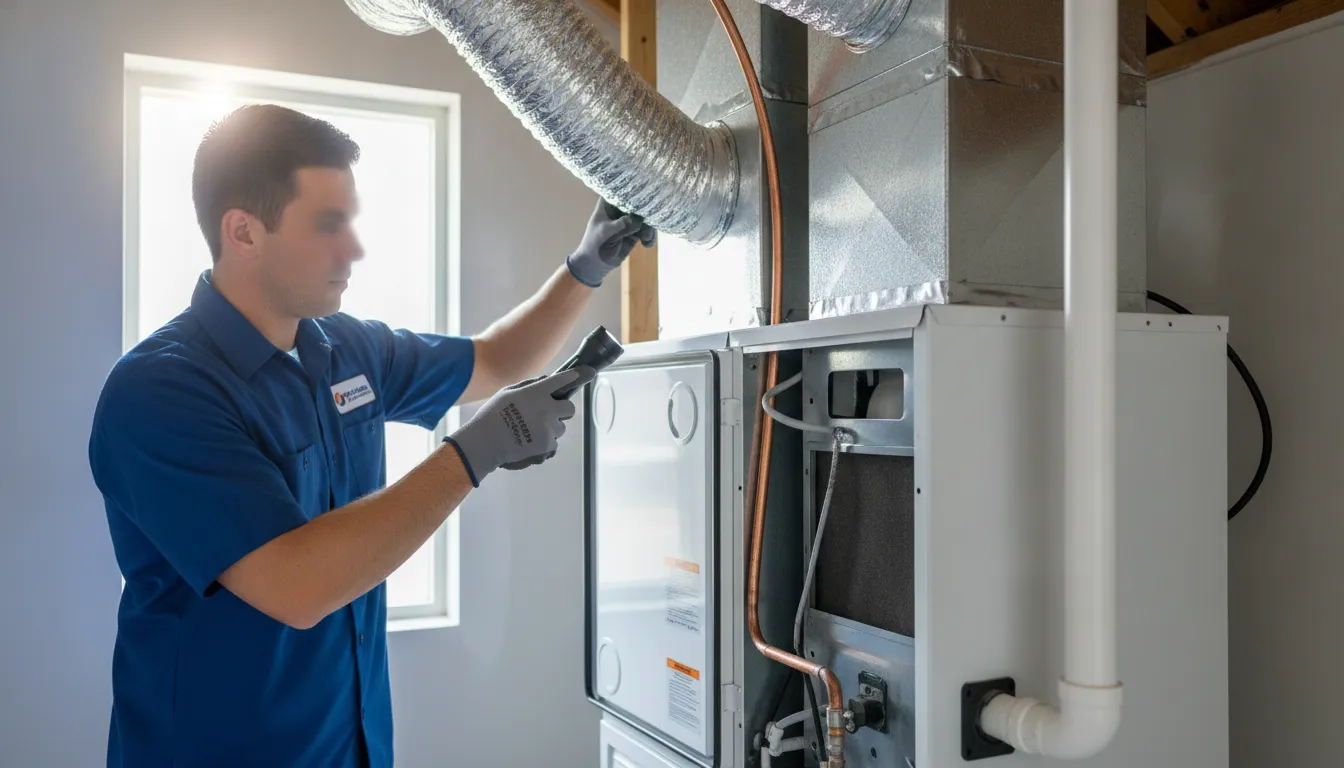
Duct sealing, insulation, modifications, or replacement can add to the installation scope. Those costs should be considered alongside comfort and operating performance. In a humid climate, poor duct conditions may also contribute to damp rooms, uneven temperatures, and unnecessary runtime.
Access and site preparation
Attic access, narrow closets, rooftop locations, long refrigerant runs, equipment platforms, and structural changes can affect labor. Protecting finished areas and removing old equipment may also require additional preparation. Commercial owners and property managers should ask how the crew will coordinate work around tenants, customers, and operating hours.
Startup and commissioning
Installation is not complete when the equipment is connected. The technician should verify airflow, refrigerant charge, controls, drainage, temperature performance, electrical operation, and safety functions. Ask whether these checks are included in the proposal and what documentation you will receive.
A quote that clearly lists ductwork and commissioning helps you compare complete projects. It also reduces the risk of selecting an apparently inexpensive proposal that leaves essential work undefined.
How Can You Compare HVAC Installation Quotes?
Comparing HVAC proposals is easier when every contractor answers the same questions. Use this process to compare scope, not just monthly payment or equipment brand.
- Confirm the system design. Record the system type, capacity, efficiency rating, indoor and outdoor components, thermostat, and accessories. Ask how the recommended size was determined.
- Separate equipment from installation work. Look for removal, disposal, labor, refrigerant connections, electrical work, drainage, ductwork, permits when applicable, startup, testing, and cleanup.
- Ask about airflow and ductwork. Confirm whether the duct system will be inspected and whether leakage testing, sealing, insulation, or modifications are included.
- Clarify Gulf Coast considerations. Ask how the proposal addresses humidity, long cooling seasons, equipment placement, salt-air exposure, and future service access where relevant.
- Review warranty and follow-up details. Confirm manufacturer coverage, workmanship coverage, registration responsibilities, maintenance recommendations, and who handles service questions.
- Ask about financing separately. Tommy Cool Air provides current details on its HVAC financing options page. Review approval requirements, rates, terms, fees, and promotional conditions directly. Do not assume approval or a specific offer.
- Compare the final scope. Ask what could change after an on-site inspection and how additions will be approved. Keep the written scope with the equipment information and payment terms.
For homeowners who are considering ongoing service after installation, the Cool Kids Comfort Club provides current membership information. Review the live terms before enrolling because plan features and pricing can change.
What Should a Corpus Christi HVAC Installation Quote Cover?
A useful quote should make the project understandable before work begins. It should name the equipment, explain the installation scope, identify assumptions, and describe how the completed system will be tested. The quote should also state what is not included when an item could reasonably be expected.
Ask the installer to explain the proposed capacity, efficiency, ductwork condition, electrical requirements, drainage, access, timeline, cleanup, warranty, and service plan. If you are replacing a system because of high bills, uneven rooms, humidity, or repeated repairs, share that context. Comfort symptoms can help the contractor investigate the full system instead of replacing equipment without addressing the cause.
Tommy Cool Air serves Corpus Christi and surrounding Gulf Coast communities with HVAC, heating, indoor air quality, plumbing, and energy-saving services. Homeowners and property managers can request a quote-based review through the Tommy Cool Air contact page.
Compare your HVAC installation options with a property-specific quote
Before approving the project, keep the proposal, model information, warranty documents, and commissioning notes together. These records make future maintenance easier and give property owners a clear reference when service questions arise. A complete installation decision includes both the equipment purchase and the plan for keeping the system operating reliably through Gulf Coast weather.
Frequently Asked Questions
What is the average HVAC install cost in Corpus Christi?
There is no responsible single average for Corpus Christi because equipment, capacity, ductwork, access, electrical needs, and testing vary by property. Request a written, quote-based estimate that separates equipment from labor and related work instead of relying on a national online figure.
Does a higher SEER rating always provide better value?
No. A higher efficiency rating may reduce energy use, but value depends on sizing, runtime, utility costs, equipment match, installation quality, and expected ownership period. Compare the full proposal and ask the contractor to explain why the recommended efficiency level fits your property.
Can ductwork increase HVAC installation cost?
Yes. Duct sealing, insulation, repairs, modifications, or replacement can add labor and materials when the existing system has leakage or airflow problems. Inspecting ductwork during the estimate helps identify whether those items are necessary to support comfort and the new equipment.
Are financing options available for HVAC installation?
Financing may be available for qualifying home comfort projects, but approval, rates, terms, fees, and promotional conditions can change. Review the current information directly on the provider's financing page and compare the total obligation, not only the monthly payment.
Does membership change the price of a new HVAC system?
Membership and installation pricing are separate questions. The Cool Kids Comfort Club is associated with ongoing service and maintenance support, while a new system quote depends on equipment and project scope. Ask which current membership benefits apply after installation and review the live terms before enrolling.