That rumbling noise from the basement, the lukewarm water that cuts your shower short, or the small puddle forming near the tank are all signs that your water heater is failing. While it’s tempting to ignore these issues, they won’t fix themselves. Making the move from a faulty unit to a reliable new one requires a clear plan. This guide is your roadmap. We’ll help you diagnose the problem, choose the right replacement for your home’s needs, and understand every step of the new water heater installation process, so you can get back to enjoying consistent, worry-free hot water.
Key Takeaways
- Look for signs of failure: Stay ahead of a cold-shower emergency by checking your unit's age and watching for inconsistent heat, rusty water, or strange noises. These are clear indicators that it's time to start planning for a replacement.
- Size and efficiency are key: Choose a water heater that matches your family’s peak hot water demand to ensure comfort. Also, compare the long-term energy costs, not just the sticker price, as a more efficient model can save you significant money over time.
- Professional installation is the safest bet: Hiring a licensed professional is crucial, especially for gas units. A pro ensures the job is done correctly, meets local building codes, and protects your manufacturer's warranty, giving you peace of mind.
Is It Time for a New Water Heater?
Your water heater is one of those home appliances that works silently in the background, and it’s easy to forget it’s even there. That is, until you’re hit with an icy blast of water mid-shower. While a sudden breakdown is a clear sign you need a replacement, your water heater often gives you subtle hints that it’s nearing the end of its life. Paying attention to these clues can help you plan for a replacement instead of scrambling to find one during an emergency.
Knowing what to look for can save you from the headache of a flooded basement and the inconvenience of going without hot water. From the age of your unit to strange noises coming from the tank, several indicators can tell you it’s time to start looking for a new model. Let’s walk through the key signs that your current water heater is on its last legs.
How Old Is Your Current Unit?
The first thing to check is your water heater’s age. Most traditional tank water heaters work well for about 10 to 15 years. If yours is approaching or has passed the decade mark, it’s living on borrowed time. You can usually find the manufacturing date on the serial number sticker on the side of the tank. An older unit is not only at a higher risk of sudden failure but is also likely much less energy-efficient than modern models. Replacing it proactively can prevent an unexpected cold shower and help you save on utility bills.
Dealing With Lukewarm Showers and Inconsistent Heat
Is your morning shower getting shorter because the hot water runs out too quickly? Or maybe the water temperature fluctuates unpredictably. This is a classic sign that your water heater is struggling. Over time, sediment can build up at the bottom of the tank, insulating the water from the heating element. This forces the unit to work harder and less effectively, resulting in lukewarm water and inconsistent performance. If you’re constantly adjusting the tap to find a comfortable temperature, it’s a good idea to have your system inspected. Our team can assess whether a repair is possible or if a replacement is the better long-term solution for your home’s plumbing needs.
Spotting Leaks, Rust, and Strange Noises
Some warning signs are more urgent than others. If you see any water pooling around the base of your water heater, it needs attention immediately. Even a small leak can indicate that the internal tank has started to corrode, and a major failure could be imminent. Another red flag is rusty water coming from your hot water taps or visible corrosion on the tank itself. Finally, listen for unusual sounds. Rumbling or popping noises often mean there’s significant sediment buildup that is causing the water to boil and steam. Don’t ignore these signs; it’s best to contact a professional to take a look and prevent a small issue from becoming a major problem.
Find the Right Water Heater for Your Home
Choosing a new water heater feels like a big decision, because it is. This appliance is one of the hardest-working pieces of equipment in your home, and the right one can save you money and frustration for years to come. The best choice depends on your family’s size, your daily hot water usage, and your budget. Let's walk through the most common options available so you can feel confident about your decision. From the tried-and-true traditional models to energy-sipping modern units, there’s a perfect fit for every Corpus Christi home.
The Classic: Traditional Tank Water Heaters
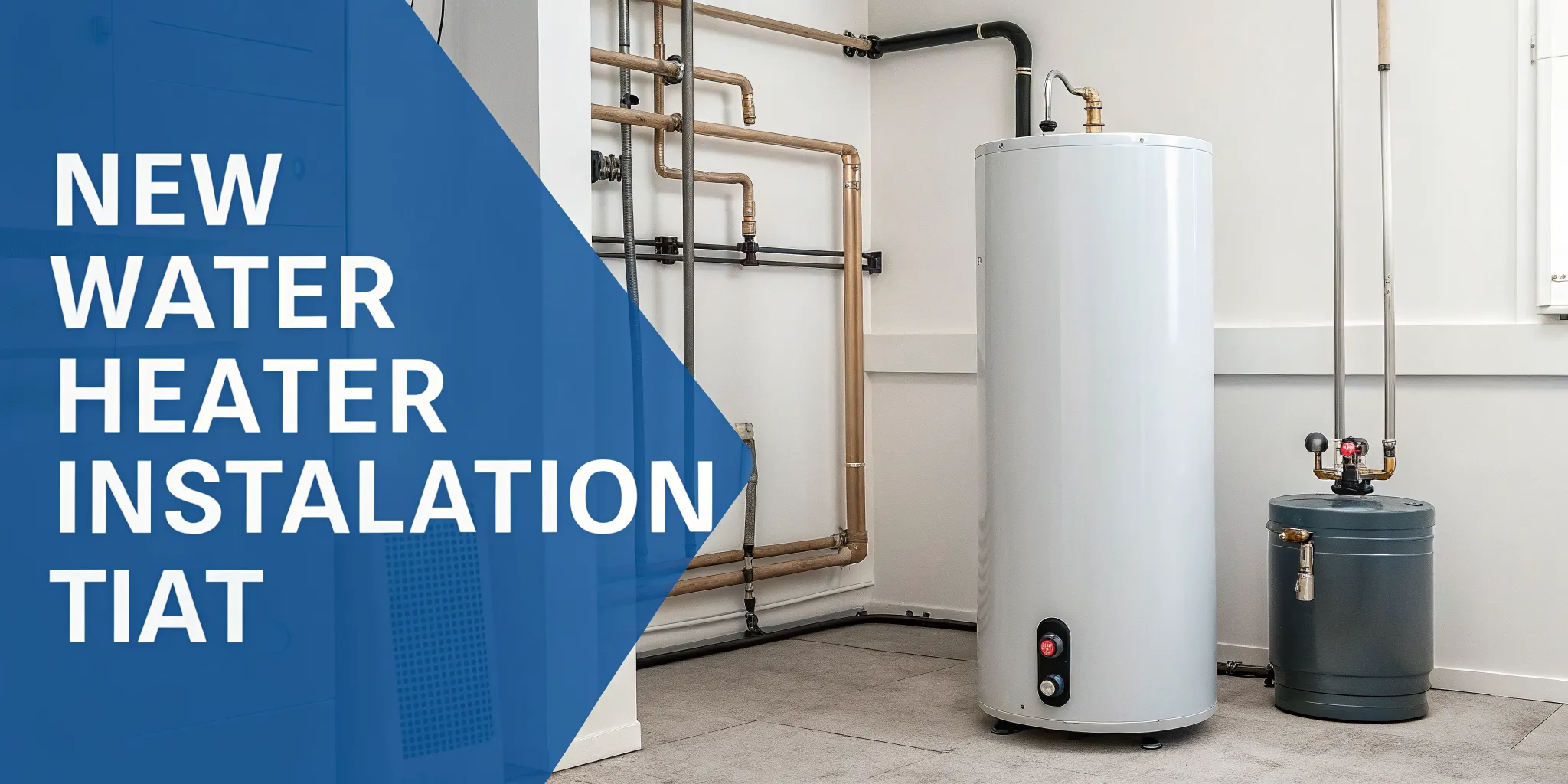
You’re probably most familiar with traditional tank water heaters. These are the large, cylindrical tanks that store and continuously heat a set amount of water, typically between 30 and 80 gallons. Because they keep a large volume of hot water ready to go, they are a fantastic choice for households with high hot water demand. If you often have multiple showers running while the dishwasher is on, a tank heater ensures you won’t run out of hot water. While they are generally less expensive to purchase and install, their main drawback is standby heat loss, meaning they use energy to keep the stored water hot even when you aren't using it.
On-Demand Hot Water: Tankless Models
Tankless water heaters are a game-changer for energy efficiency. Instead of storing water, they use powerful heating elements to heat water instantly as you need it. This on-demand system means you aren't paying to keep a large tank of water hot 24/7, which can lead to significant savings on your utility bills. They also take up much less space. However, tankless models have a limited flow rate. This means they might struggle to supply enough hot water for simultaneous uses in larger families. A professional can help you determine if a single unit is enough or if you might need multiple units to meet your home's peak usage.
The Energy Savers: Heat Pump and Hybrid Models
If top-tier energy efficiency is your goal, a heat pump water heater is worth a look. Often called hybrid models, they don't generate heat directly. Instead, they cleverly pull heat from the surrounding air and transfer it to the water in the tank. This process makes them two to three times more efficient than traditional electric water heaters. While they have a higher upfront cost, the long-term energy savings can be substantial, often paying for the initial investment over the unit's lifespan. They do require more space than other models and need to be installed in an area with adequate airflow, like a garage or a spacious utility closet.
Gas vs. Electric: Which Is Best for You?
The final major choice comes down to the fuel source: gas or electric. Your home’s existing connections might make this an easy decision, but if you have the option, there are key differences to consider. Gas water heaters typically have a lower operational cost because natural gas is often cheaper than electricity. They also tend to heat water faster. On the other hand, electric models are usually less expensive to purchase and can be installed in more locations since they don't require venting. When making your choice, weigh the upfront cost of the unit against the long-term plumbing service and energy expenses to find the most economical fit for your home.
How to Size Your New Water Heater
Choosing the right size for your new water heater is a bit like a Goldilocks situation. You don’t want one that’s too small and leaves you in the cold, but one that’s too big will waste energy and money. Sizing is about matching the unit’s capacity and heating power to your family’s daily habits. Let's walk through how to find the "just right" fit for your home.
Calculate Your Household's Hot Water Needs
Start by thinking about your "peak hour" demand. This is the busiest hour for hot water use in your home, usually first thing in the morning. How many people need to shower? Will the dishwasher or washing machine be running simultaneously? Make a quick list of all the hot water appliances you might use during that single hour. A family of four taking back-to-back showers needs a more powerful unit than a couple who staggers their usage. Our team can help you assess your needs during a plumbing service consultation to ensure you get it right.
Understand First-Hour Ratings and Tank Capacity
When you look at water heaters, you'll see two key numbers: tank capacity and the First-Hour Rating (FHR). Tank capacity is simply how many gallons of hot water the tank holds. The FHR, however, is the real MVP. It tells you how many gallons of hot water the unit can produce in an hour, starting with a full tank. This number reflects the heater's recovery speed. A unit with a high FHR can quickly heat more water, ensuring the last person to shower doesn't get a chilly surprise. Always match the FHR to your peak hour demand for consistent comfort.
Decode Energy Efficiency Ratings
A water heater's sticker price is only part of the story. Its long-term operating cost is determined by its energy efficiency, measured by the Uniform Energy Factor (UEF). The higher the UEF rating, the more efficient the water heater is, and the less you'll spend on utility bills. While a high-efficiency model might have a higher upfront cost, the savings on your energy bills can often pay for the difference over the unit's lifespan. Investing in one of our energy-saving systems means you get reliable hot water while keeping your monthly expenses in check.
What to Expect on Installation Day
So, you’ve picked out your new water heater and the big day is here. Knowing what the installation process involves can make everything go much more smoothly, whether you’ve decided to tackle it yourself or have a professional from Tommy Cool Air handle it. A proper installation is about more than just getting hot water running again; it’s about ensuring your new unit operates safely and efficiently for years to come.
From clearing the space to running the final checks, each step is important. A professional technician will have a streamlined process to get the job done right, but it’s still helpful for you to know what’s happening in your home. Let’s walk through the key stages of a typical water heater installation so you can feel prepared and confident from start to finish.
Prepping the Area for a Safe Install
First things first, the workspace needs to be safe and accessible. Before any work begins, it’s essential to clear a path to your old water heater and ensure there’s plenty of room around it for the technician to work. This means moving any storage boxes, laundry baskets, or other items out of the way. A clean, open area prevents accidents and makes the entire process quicker.
Our team will also assess the existing connections. If you’re switching from an electric to a gas model, for example, your home’s systems may need updates to accommodate the change. A professional can evaluate your plumbing, electrical, and ventilation systems to confirm everything is up to code and ready for the new unit, ensuring a safe and reliable setup.
Removing Your Old Water Heater
Getting the old unit out is a critical step that requires care. The process starts by shutting off the power or gas supply to the water heater for safety. Next, the main water supply to the tank is turned off. Once everything is disconnected, the old tank needs to be drained completely, which can take some time.
A hose is connected to the drain valve at the bottom of the tank to empty the water, and opening a hot water faucet somewhere in the house can help speed this up by letting air into the system. After the tank is empty, the water lines are disconnected, and the old, heavy unit can finally be removed. This part can be tricky and messy, which is why having an experienced plumbing professional is always a good idea.
Connecting the New Unit
With the old unit gone, it’s time to put the new one in its place. The new water heater is carefully positioned, and the connections are made. This involves attaching the cold water inlet and hot water outlet lines, typically using new, flexible connectors and pipe sealant to create a secure, leak-proof seal.
If you have a gas water heater, this is when the gas line is connected, a step that absolutely must be handled by a licensed professional to prevent dangerous leaks. For electric models, the wiring is connected to the home’s electrical system. Our technicians take great care during this stage to ensure every connection is solid and safe before moving on to the final checks.
Running Final Tests and System Checks
The job isn’t done until we know everything is working perfectly. Before turning the power or gas back on, the new tank is filled completely with water. We carefully check all the new connections for any signs of leaks. Once we’re confident the system is watertight, we’ll restore power at the breaker or relight the pilot light for a gas model.
It will take a little while for the water to reach the target temperature, but we’ll stick around to make sure it’s heating up correctly. We’ll also run through the unit’s settings with you and provide tips for ongoing maintenance. You can always find more helpful advice on our blog to keep your system in top shape.
DIY vs. Pro Installation: Making the Right Call
Deciding whether to install your new water heater yourself or call in a professional is a big decision. While the idea of saving money with a DIY project is tempting, water heater installation involves plumbing, electrical wiring, and sometimes gas lines. It’s important to weigh the pros and cons carefully to ensure your new unit is installed safely and correctly. Your choice will likely come down to the type of heater you’ve chosen, your personal skill level, and your comfort with complex home projects.
When a DIY Install Might Work
If you have significant plumbing and electrical experience, a DIY installation might be on your radar, especially for an electric model. Replacing an electric water heater can potentially save you hundreds of dollars in labor costs. However, this is not a simple weekend project. It requires careful attention to detail, the right tools, and a solid understanding of how the system works. Even for a seemingly straightforward swap, it’s a job that can quickly become complicated if you run into unexpected issues. It’s faster and safer to have a professional handle it, but if you’re confident in your skills, it’s a possibility.
Why Calling a Professional Is Usually the Smartest Move
For most homeowners, hiring a licensed professional is the best and safest option. This is especially true for gas water heaters, which involve connecting gas lines and ensuring proper ventilation to prevent dangerous leaks or carbon monoxide buildup. A professional plumber understands local building codes and permit requirements, ensuring your installation is done right the first time. Our team handles these plumbing services every day, so we can complete the job efficiently and safely, giving you total peace of mind. Even if you hire a pro, knowing the basics of the installation process helps you stay informed.
Avoid These Common DIY Installation Mistakes
Many DIY installations go wrong because of a few common, but critical, mistakes. One of the biggest is choosing the wrong size or type of water heater for your home’s needs, leading to insufficient hot water or wasted energy. Another frequent error is ignoring the manufacturer’s installation guide, which contains essential instructions for your specific model. Finally, many people forget to consider the unit’s energy efficiency rating, which can cost a lot more in utility bills over the heater’s lifespan. A professional helps you avoid these pitfalls from the start.
Stay Safe and Up to Code
Installing a new water heater involves more than just hooking up a few pipes. It’s a project that directly impacts your home’s electrical and gas systems, which means safety and local regulations are top priorities. A mistake here isn’t just an inconvenience; it can be genuinely dangerous. Before you even think about picking up a wrench, it’s crucial to understand the rules of the road. From handling high-voltage connections to navigating local building codes, getting it right ensures your new unit works efficiently and, more importantly, keeps your family safe. This is one area where cutting corners is never an option.
Handle Electrical Connections with Care
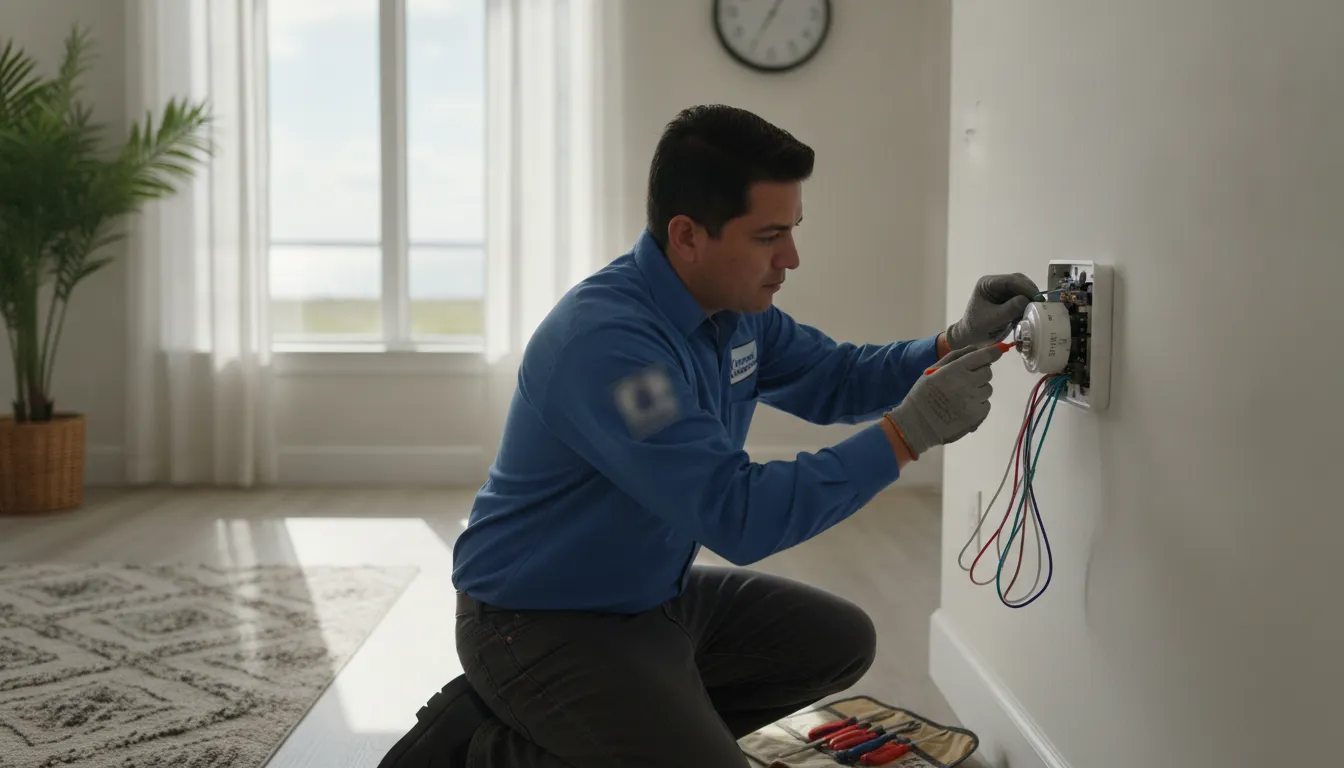
Whether your water heater is gas or electric, it has electrical components that require careful handling. The very first step in any installation is to completely cut the power to the unit. This means heading to your breaker box and flipping the correct circuit to the "OFF" position. But don't stop there. You should always use a non-contact voltage tester to confirm that the power is truly off at the water heater itself. This simple tool can prevent a serious electrical shock. If you’re not completely comfortable working with your home’s electrical system, this is a clear sign to call in a professional. Our team of licensed plumbing experts is trained to manage these connections safely.
Follow Critical Gas Line Safety Rules
If you’re installing a gas water heater, the stakes are even higher. Working with natural gas lines is a complex task that demands precision and expertise. An improper connection can lead to gas leaks, which create a risk of fire, explosion, or even carbon monoxide poisoning. Proper venting is also critical to ensure harmful fumes are safely directed outside your home. Because of these significant dangers, we strongly recommend leaving gas water heater installations to a licensed professional. It’s not just about getting the job done; it’s about ensuring your home remains a safe environment. A professional will have the right tools and knowledge to follow all safety protocols to the letter.
Know Your Local Permit and Building Code Requirements
Did you know that many cities, including Corpus Christi, require a permit for a new water heater installation? These regulations are in place to ensure the work is done safely and meets local building codes. Before starting, you should check with your local building department to see what’s required. A professional installer will already be familiar with these local codes and can handle the permitting process for you. Skipping this step can lead to problems down the line, including fines or issues during a future home inspection. If you have questions about local requirements, feel free to contact our team for guidance.
Break Down the Costs of a New Water Heater
When you're budgeting for a new water heater, it's easy to focus on the sticker price of the unit. But the total investment includes more than just the appliance itself. Let's break down the costs, from the heater to installation and those little extras you might not have considered, so you can get a clear picture of what to expect.
The Price of the Unit Itself
The first and most obvious cost is the water heater. Prices can range from a few hundred to several thousand dollars, depending on what you choose. A standard tank model is usually the most affordable option upfront. If you're looking at a tankless or a high-efficiency heat pump model, the initial cost will be higher, but you could see savings on your energy bills over time. The unit's capacity and energy efficiency rating also play a big role in the price. Choosing the right one is a key part of our plumbing services, ensuring you get a system that fits your family and your budget.
Comparing Pro Installation and DIY Expenses
This is where you'll see the biggest difference in cost. Handling the installation yourself can save you several hundred dollars in labor fees. However, it's important to weigh that savings against the time and skill required. A professional plumber can typically swap out a water heater in about an hour or two, while a DIY project could easily take up your entire weekend. If you run into unexpected issues, like a corroded pipe or an electrical problem, that time can stretch even longer. When you hire a professional, you're paying for their expertise, speed, and the peace of mind that comes with a job done right.
Watch Out for Hidden Costs and Extra Fees
Whether you hire a pro or do it yourself, there are a few extra costs to keep in mind. Many cities, including here in the Corpus Christi area, require a permit for water heater installation to ensure it meets local safety and building codes. You might also need new parts like valves, connectors, or venting pipes, especially if you're switching from an electric to a gas model. Don't forget about the disposal of your old unit; some waste services charge a fee for large appliance pickup. A professional quote will usually bundle these items, but if you're going the DIY route, be sure to add them to your budget.
Avoid These Common Selection and Installation Mistakes
Choosing a new water heater feels like a big decision because it is. It’s an investment in your home’s comfort and efficiency, and making the right choice from the start saves you from future headaches, surprise costs, and the dreaded cold shower. A little bit of planning goes a long way. By sidestepping a few common mistakes, you can ensure you get a reliable system that serves your family well for years. Let's walk through the most frequent missteps homeowners make so you can feel confident in your decision. From picking the right size to understanding the long-term costs, getting these details right is key to a successful installation and a happy home.
Choosing the Wrong Size or Type for Your Needs
One of the most common mistakes is picking a water heater that’s the wrong size for your household. If the unit is too small, it simply won’t keep up with your daily demand. This means lukewarm showers and frustration, especially if you have a busy family. An undersized heater also works harder than it should, which can lead to a shorter lifespan. On the other hand, a unit that’s too large will heat water you don’t use, wasting energy and money. It’s important to match the water heater to your family’s specific needs, which is where getting expert advice from our professional plumbing services can make all the difference.
Forgetting About Long-Term Energy Costs
It’s easy to focus on the upfront price tag of a new water heater, but don't forget to consider its long-term operating costs. The energy efficiency rating tells you how much you’ll spend on utility bills over the life of the unit. A cheaper model might seem like a good deal initially, but if it’s not efficient, it could cost you much more in the long run. Look for the bright yellow EnergyGuide label on the unit to compare models. Investing a little more in one of our energy-saving systems can lead to significant savings on your monthly bills, making it a smarter financial choice over time.
Overlooking Warranty Details and Maintenance Needs
Before you make a final decision, take a moment to understand the warranty and the unit’s maintenance requirements. Many manufacturer warranties have specific conditions, including the requirement that the unit be installed by a licensed professional. A DIY installation could accidentally void your warranty, leaving you without coverage if something goes wrong. It’s also wise to know what routine upkeep is needed to keep your heater running smoothly. A simple maintenance plan can protect your investment, extend the life of your water heater, and ensure it operates safely and efficiently for years to come.
Keep Your New Water Heater in Top Shape
Once your new water heater is installed, a little bit of care will go a long way in making sure it lasts for years to come. Think of it like a car; regular maintenance helps it run efficiently and prevents unexpected breakdowns. Taking a few simple steps and knowing what to watch for can save you from cold showers and costly emergency repairs down the road. It’s all about protecting your investment and ensuring you have reliable hot water when you need it.
Simple Maintenance for a Longer Lifespan
You don’t have to be a plumbing expert to keep your water heater healthy. One of the best things you can do is flush the tank once a year. This simple task removes sediment buildup from the bottom, which keeps the unit running efficiently and prevents those strange rumbling noises. Another key task is replacing the sacrificial anode rod about every four years. This metal rod is designed to corrode so your tank doesn't, and swapping it out is a small job that can significantly extend the life of your heater. If you'd rather leave the work to an expert, our membership program includes annual check-ups to keep your system in prime condition.
Learn the Warning Signs That Signal a Problem
Even with perfect maintenance, it’s smart to know the warning signs of a potential issue. The most urgent red flag is any sign of leaking water around the base of the unit. If you see a puddle, it’s time to act fast. Also, listen for unusual sounds. Loud popping or rumbling can indicate a serious sediment problem or a failing heating element. Other clues include water that isn't getting hot enough, has a rusty color, or smells strange. Noticing any of these signs means you should call for professional plumbing services right away to get the problem diagnosed and fixed before it gets worse.
Related Articles
- How to Choose the Right Water Heater for Your Home
- Tankless vs. Traditional Water Heaters: Which Is Best for You?
- Simple Water Heater Maintenance Tips Every Homeowner Should Know
- What to Expect During a Professional Water Heater Installation
- Common Water Heater Problems and When to Call a Pro
Frequently Asked Questions
My water heater is about 10 years old but seems fine. Should I really replace it? It's smart to start planning for a replacement once your tank heater passes the decade mark. While it might be working fine now, you're living on borrowed time. The biggest risk with an older unit isn't just that it will stop heating; it's that the tank could fail and cause significant water damage. Replacing it proactively lets you choose the right model for your home without the stress of an emergency.
Is a tankless water heater really worth the extra cost? For many households, the answer is yes. While the initial purchase price is higher, tankless models can save you a good amount on your monthly utility bills because they only heat water when you need it. They also provide an endless supply of hot water, which is a huge plus for larger families. The best choice depends on your family's water usage and budget, but the long-term energy savings often make the investment worthwhile.
What's the biggest risk if I try to install a water heater myself? The biggest risk is safety. If you're installing a gas model, an incorrect connection can lead to a dangerous gas leak or carbon monoxide buildup. With an electric unit, improper wiring creates a serious fire or shock hazard. Beyond that, a small mistake in the plumbing connections can cause a slow leak or a major flood. You could also accidentally void the manufacturer's warranty, leaving you unprotected if the unit fails.
How long does a professional installation usually take? A straightforward replacement, where the new unit is the same type and size as the old one, typically takes a professional just a few hours. This includes draining and removing the old tank, setting up the new one, and testing everything to make sure it works perfectly. If you're switching fuel types or relocating the unit, the job will take a bit longer.
How can I lower my hot water bills without buying a whole new unit? You can definitely improve your current unit's efficiency with a few simple steps. Flushing the tank once a year to remove sediment helps it heat water more effectively. You can also check that the thermostat is set to 120°F, which is hot enough for most households and safer than higher settings. Finally, fixing any dripping hot water faucets around your house can make a surprising difference.