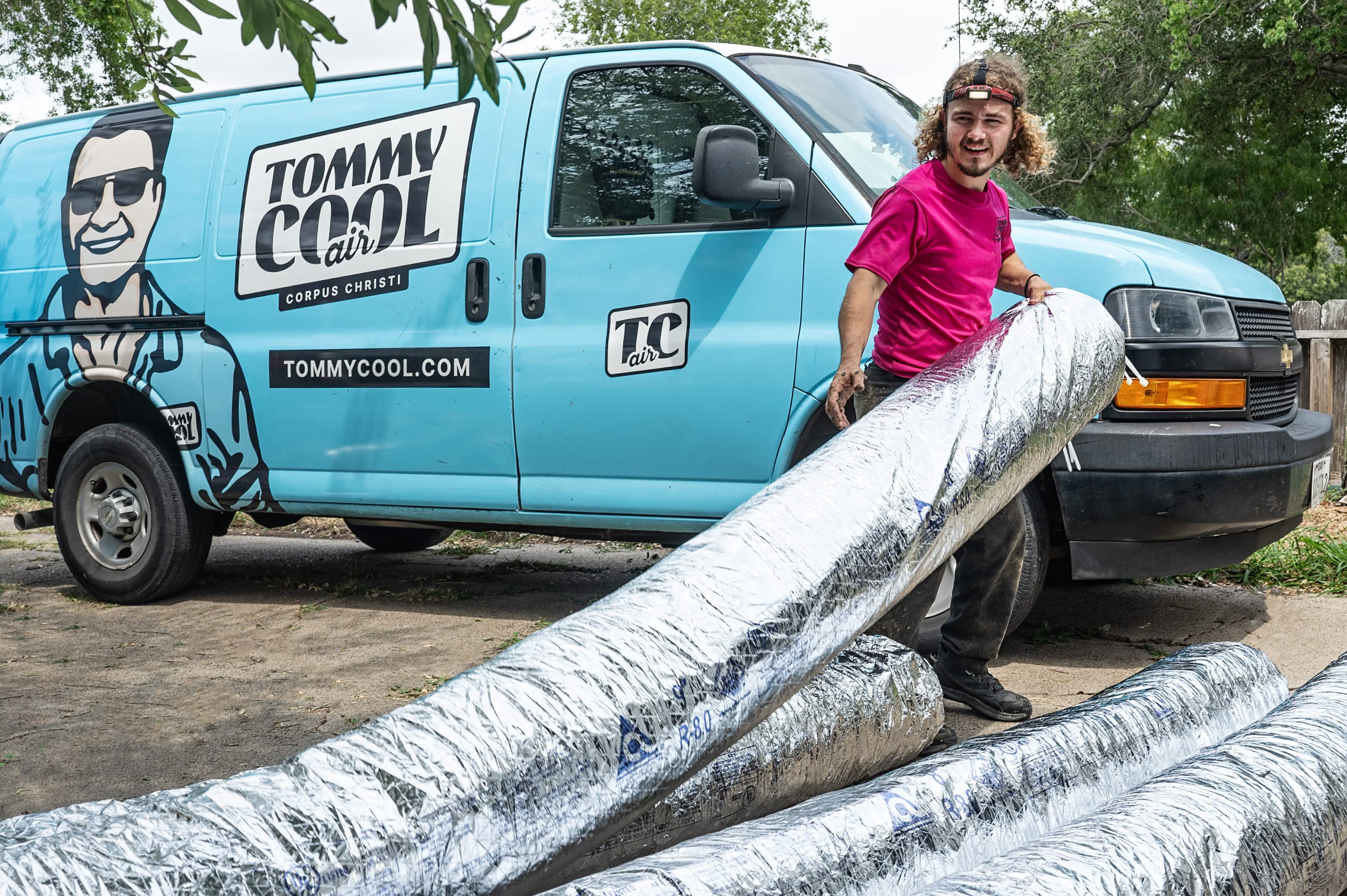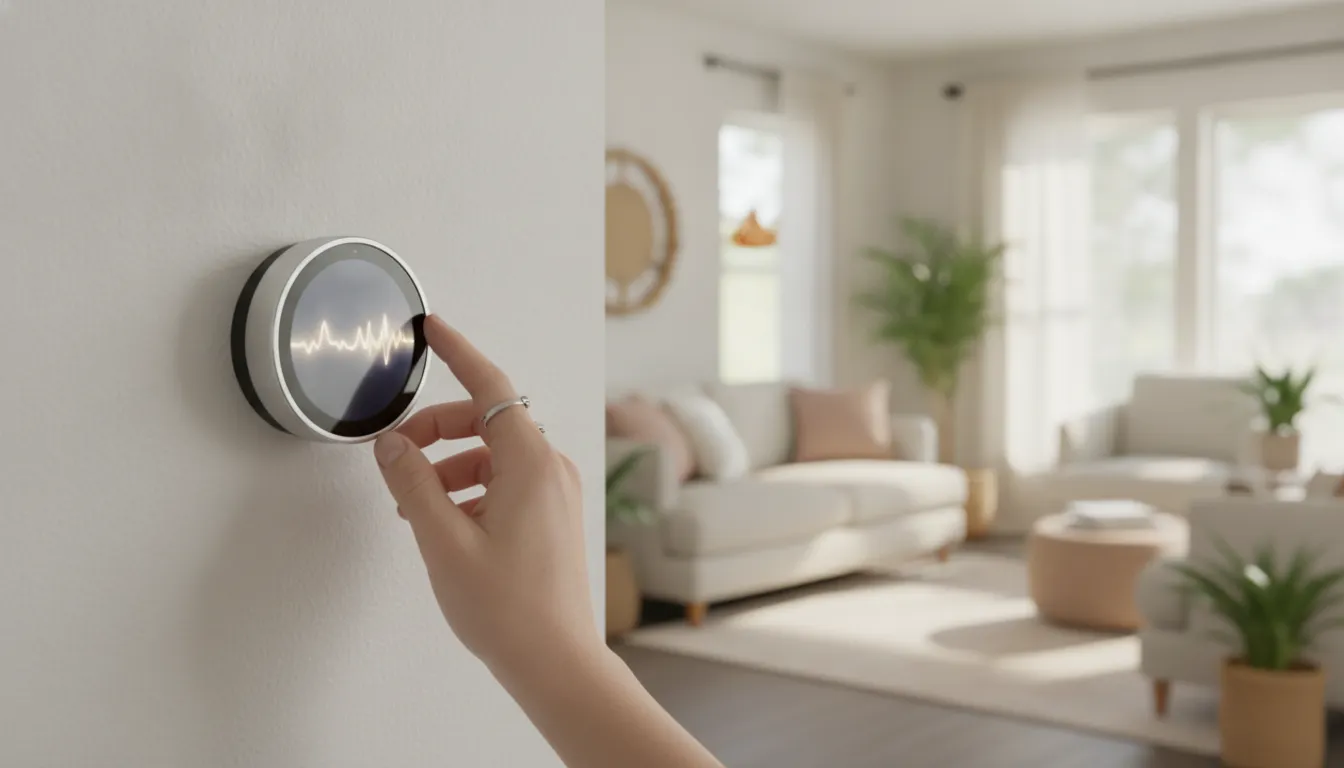
Keeping a coastal Texas home cool during a humid ninety-degree night requires constant and expensive thermostat adjustments. Relying on manual settings leads to high energy waste and uneven comfort.
Schedule your free smart HVAC assessment with Tommy Cool Air today.
Smart hvac systems are advanced climate control networks that use Wi-Fi, smart thermostats, and zoning dampers to automate home comfort and maximize energy savings. By gathering indoor data and using smart programming, these setups adjust temperature and humidity levels automatically based on your daily habits and changing coastal weather. According to the U.S. Environmental Protection Agency, certified smart systems optimize energy use to deliver substantial financial savings. Our team at Tommy Cool Air installs these custom systems across Corpus Christi, letting you control your home comfort from any location with your phone. These modern setups allow you to monitor your household energy use, set precise cooling schedules, and run your home at peak efficiency.
If you want to lower your energy bills and improve indoor comfort, you might wonder how these automated setups work. To help you understand this technology, we will start by looking at What Is a Smart HVAC System? The path begins with
What Is a Smart HVAC System?
Many homes on the Texas Gulf Coast still use old dials to run their AC units. But dealing with extreme heat and wet salt air needs a better tool. Today, modern smart hvac systems combine heating and cooling with smart tech. They do not just turn on and off based on simple room heat. Instead, these setups use data, smart rules, and auto-tools to boost home comfort and raise energy efficiency.
More than a basic thermostat
A true smart setup does not stop at a Wi-Fi thermostat on the wall. It connects your whole home to a single system that you can run from any spot. You can use your phone or tablet to set comfort points. You can also view how much power your system is using each day.
According to the United States Environmental Protection Agency, smart home energy management systems automate thermostat use to save energy and lower bills. This means you do not have to guess what temp is best. The system learns your daily path and adjusts itself.
Connected tools and custom zones
A major part of these systems is how they handle distinct areas of your home. Older systems blast cold air everywhere at once, which wastes power in empty rooms. Smart setups solve this with motorized dampers in your ducts. They work with integrated smart hvac controls to send air only where you need it.
This layout lets you control the heat in each room on its own. You can keep your bedroom cool at night while letting the kitchen stay a bit warmer. You do not have to cool empty spaces just to stay cozy where you sleep.
Integration and system health
These smart hvac systems connect with major home systems like Google Nest, Amazon Alexa, and Apple HomeKit to give you full control. You do not even have to open an app to change the room heat. You can use simple voice commands to cool down your living room. Tommy Cool Air helps local families set up these links so everything works smoothly. This tech keeps your home at the right heat while keeping your system safe from wear.
These advanced systems also check their own health. They track air filter use and let you know when it is time to replace them. They can even spot small issues before they become big, costly repairs. When a part starts to fail, the system sends an alert to your phone. This helps you fix problems early before your AC breaks down in the middle of a hot summer day. Our team can then check the system and make the fix quickly.
What Components Make Up a Smart HVAC System?
A standard heating and cooling setup runs on simple on and off commands. In contrast, smart hvac systems use a network of high tech parts that talk to each other. These parts work as a team to keep your home cozy while lowering your power bills. Let us look at the core parts that make this possible.
Smart thermostats and central hubs
The brain of any smart system is the smart thermostat. This device does far more than just let you change the temperature from your phone. It tracks your daily habits and learns when you are active or asleep to make smart schedule changes that keep you comfortable.
To get the best results, look for certified smart thermostats. These devices meet strict rules for saving energy. This central brain connects your HVAC parts to your home Wi Fi to let you track your energy use in real time.
It also links with smart home voice assistants like Google Nest, Amazon Alexa, or Apple HomeKit. This lets you control your air conditioner with simple voice commands without moving from your couch.
Zoning dampers and remote sensors
In a standard house, one thermostat controls the temperature for every room. This simple setup often leads to uneven heating and cooling. You might find hot and cold spots throughout your living spaces. Smart systems solve this issue by using remote sensors and motorized dampers.
Remote sensors measure the heat and humidity in other rooms. They send this real time data back to the central hub. Motorized dampers inside your air ducts open and close to guide airflow only to the rooms that need it.
Setting up your ducts this way helps you save energy by not cooling empty spaces. You can contact Tommy Cool Air to see how zoning can improve comfort in your home. Our team can check your ducts and design a custom setup that works for your family.
Communicating equipment and mobile apps
Older HVAC parts are either fully on or fully off. Smart systems use communicating technology to change this. These modern parts talk to each other in two ways to share important data.
The indoor unit, the outdoor unit, and the thermostat share constant status updates. This lets the system adjust its heating or cooling level in tiny steps to match your home's exact needs. By running at lower speeds, the system uses much less energy.
This steady operation also helps control high humidity, which is vital for Gulf Coast homes. You can manage all of these functions through a smart home mobile app. This app works with your integrated smart hvac controls.
It puts full comfort control in your hands. It lets you monitor energy use, change settings, and get alerts from anywhere. Some apps even track system health and warn you about maintenance needs before a breakdown occurs.
How a Smart HVAC System Saves Energy on the Gulf Coast
Living on the Texas Gulf Coast means fighting extreme heat and heavy humidity. Our cooling systems must work hard for most of the year to keep our homes cool. This constant work can lead to high power bills, but a new approach can help. Upgrading to modern smart hvac systems allows you to manage your home comfort with much less effort. These systems make smart choices on their own to keep you cool and lower your energy use.
Managing High Humidity with Eco Modes
Our local weather is not just hot; it is very wet. High humidity makes the air feel much hotter than it really is. A smart system helps by focusing on humidity control as well as temperature. Standard systems turn on and run at full speed, which can waste a lot of power. In contrast, smart systems use special eco modes to run at lower, steady speeds. This slow run removes more moisture from the air while using less energy. By lowering the humidity, you can keep your thermostat set a few degrees higher and still feel perfectly cool.
Optimizing Schedules with Smart Zoning
Many people waste energy by cooling empty rooms when they are away at work. Smart systems solve this issue with smart schedules and zoning. These systems learn your daily habits over time and change your cooling plans on their own. If you leave the house at nine in the morning, the system raises the temperature to save power. It then cools the home back down just before you return. When you use zoning dampers, the system also avoids wasting cold air in unused guest rooms. This direct cooling ensures you only pay to cool the rooms you are actually using.
Certified Savings and Energy Tracking
If you want the best results, you should look for tools that have earned the ENERGY STAR label. To meet the ENERGY STAR Smart Thermostats Key Product Criteria, these devices must go through strict testing to prove they save energy. They use data to track your heating and cooling use while helping you make smart choices. According to a US EPA news release, certified smart home systems allow people to automate their home thermostat use. This automation helps you save energy and leads to real money savings.
A major benefit of these modern devices is that you can track your energy use in real time. Most systems send monthly reports to your phone to show when and where you used the most power. You can see how much energy your AC used on a hot July afternoon. This data helps you make better choices, like turning the temperature up by one degree during peak hours. Over time, these small changes add up to big savings on your monthly bills.
Smart HVAC Compatibility: Central AC, Heat Pumps, and Ductless Mini-Splits
Central air conditioners and heat pumps
Many Texas Gulf Coast homeowners ask if their current setup can work with smart technology. Standard central AC units and modern heat pumps work well with smart HVAC systems. When you upgrade, you do not always need to buy a brand new cooling unit. A smart thermostat can easily run most central systems by setting fan speeds and cooling cycles. If you are choosing a heat pump for South Texas, it can connect right to Wi-Fi controls.
The brain of any smart system is the thermostat. It must meet strict standards to run well in our hot climate. Under ENERGY STAR product guidelines, these devices must save energy using low-power standby modes. This ensures that your central cooling unit only runs when you need it. By using these certified controls, your existing central AC or heat pump becomes much more efficient.
Ductless mini-split systems
Ductless mini-split systems also work great as part of a smart home setup. These setups use separate air handlers in different rooms to cool your home without ducts. Many modern mini-splits come with built-in Wi-Fi adapters or smart sensors. You can control each room unit from a smartphone app or connect them to your smart home hub. This feature is helpful for Corpus Christi homes with sunrooms or guest suites that do not need constant cooling.
Mini-splits allow you to set specific temperatures for different parts of your home. If a room is empty, you can turn its unit off or set it to eco mode. This level of control keeps you cool while lowering your monthly power bills. Our local coastal humidity can damage standard systems, but smart mini-splits monitor indoor air conditions to keep your rooms dry. Working with a skilled team ensures that your mini-splits connect perfectly with your overall smart setup.
Communicating technology and smart zoning
To get the most out of smart HVAC systems, you should understand communicating technology. In standard setups, the thermostat sends simple one-way signals to the equipment. Modern smart systems use advanced communicating technology that sends updates between indoor and outdoor system parts. This continuous two-way talk allows your system to adjust its speed and capacity in real time. This improves how your system runs and cuts wear on expensive parts.
Another powerful feature of smart HVAC systems is custom zoning. Zoning systems and ductwork optimization are key options we offer to improve energy efficiency in homes and offices. A zoned system uses motorized dampers inside your air ducts to direct cool air only where it is needed. Smart sensors track the heat in each room and adjust the dampers on their own. This stops you from wasting energy on empty rooms and ensures perfect comfort across your entire home.
How Smart HVAC Systems Connect with Google Nest, Alexa, and HomeKit
Modern homes now use smart tech to run well. Setting up smart hvac systems with your home network is a great way to save energy. These tools connect your air conditioner and heater to the hubs you use every day. Tommy Cool Air helps local families set up these links to beat the Texas heat.
The role of smart thermostats
A smart thermostat acts as the brain of your home climate setup. Devices like the Google Nest, Amazon Alexa, and Apple HomeKit work with these controls to manage your home comfort. They learn your habits and adjust the air flow based on who is in the room. This direct link makes sure you only cool or heat your home when you need to.
You can also use these tools to lower your power bills. To earn a high rating, these devices must meet strict rules set by the government. For example, ENERGY STAR certified smart thermostats must show they save energy in real homes before they can be sold. Our team can help you choose the right brand and link it to your system for best results.
Voice commands and remote control
Once you connect your HVAC system to a smart hub, you can control it with your voice. You can tell Alexa or Siri to cool down the house when you are busy cooking or cleaning. There is no need to walk over to the wall to change the dial. This simple option makes setting your indoor climate much easier for everyone.
Remote access is another big perk of these connected setups. If you go on a trip, you can check your system from your phone to make sure it is running well. If you forgot to turn down the AC before you left, you can do it from anywhere. This prevents waste and keeps you from cooling an empty house.
Custom schedules and energy reports
Smart systems also let you set up custom schedules that match your daily routine. They can lower the cooling when you leave for work and turn it back up before you get home. This smart routine keeps your home at the best comfort level without any extra work. Over time, these small changes can lead to a big drop in your monthly power bills.
These smart home setups also show you how much power you use each day. Many apps give you clear energy reports and tips to help you save more. You can track your usage and see how your cooling habits affect your bills. You can also link your smart thermostat to other comfort tools in your home. Connecting your system to integrated smart hvac controls can help you clean your indoor air and keep it fresh.
Our team at Tommy Cool Air knows how to make these devices work together. We set up smart hvac systems with zoning and proper ductwork so every room gets the right amount of air. We make sure your new thermostat links to your home Wi-Fi and your favorite smart home hub. With our professional help, you can start saving energy and enjoying a cozy home right away.
How to Get Started with a Smart HVAC System in Your Home
Planning your comfort upgrade
Ready to bring your home into the future? Making the switch to smart hvac systems is a great way to save money and stay cool. As shown by the U.S. Environmental Protection Agency, smart home energy systems help people track and automate their energy use to save money. In the extreme heat of the Texas Gulf Coast, a smart system keeps you cool without wasting energy.
Making your home cozy is easier than you think. You do not have to buy all new equipment at once to see real savings. We can help you plan a simple step-by-step path to set up your smart system today.
- Assess your HVAC age and health. Check how old your current heating and cooling equipment is. If your system is more than ten years old, a full smart upgrade may make the most sense. Older systems often struggle to keep up with high Gulf Coast heat.
- Choose your smart upgrade level. You can start small with a new smart thermostat. Or you can invest in a full communicating setup that lets all your HVAC parts talk to each other. This choice depends on your long-term comfort goals and budget.
- Get a professional check. Not all smart tools work with older heating and cooling units. A quick check from a skilled tech will show you what options work best in your home. This step prevents you from buying tools that will not work with your system.
- Professional installation and app setup. Let an expert handle the wiring and set up the system. We will connect your new system to your local Wi-Fi and show you how to use the mobile app. This ensures everything runs smoothly right from the start.
- Connect smart devices and set schedules. Link your system to tools like Google Nest, Alexa, or Apple HomeKit. Setting smart schedules helps you stay cool while keeping energy bills low. You can set the system to go into eco mode when you leave the house.
- Protect your system with regular care. Keep your new setup safe with a solid maintenance plan. Proper care keeps your system running at its best and stops sudden breakdowns before they start. Our Cool Kids Comfort Club offers great plans to keep your system in top shape year-round.
Paying for your new smart system
Making this change is a smart move that pays off over time. If you are worried about the upfront cost, there are great ways to pay for your upgrade. You can find easy options for investing in smart hvac technology that fit your budget.
Proper planning helps you get the most out of your cooling equipment. Our team can guide you through every step of this process. When you are ready to start, you can contact Tommy Cool Air to request a free smart system check.
Smart Thermostat vs. Full Smart HVAC System
Many local homeowners want to make their homes feel great. They often ask if they should buy a smart thermostat or upgrade the whole system. Both options help you save money, but they work in different ways.
Thermostat Upgrades for Quick Control
A smart thermostat is a great first step for your home. This device connects to your Wi-Fi network so you can change the temperature from your phone. You can set a simple schedule to lower the cooling when you are away at work. To get the best results, you can buy a device that meets the key product criteria for efficiency.
This helps you stop wasting energy when no one is home. But a thermostat alone cannot fix issues like warm rooms or old, worn-out AC parts. It only controls the system you already have.
The Power of Complete System Communication
For maximum savings, you can look at full modern smart hvac systems. These advanced systems do not just turn on and off. Instead, the indoor and outdoor parts talk to each other to adjust the fan speed and cooling power in real time.
This constant communication keeps your home at a steady temperature and keeps humidity low. This helps in our damp Gulf Coast climate where sticky air is a big problem. A full system also uses smart zoning to direct cool air only to the rooms you are using.
Choosing the Best Option for Your Home
To help you compare your choices, we have made a simple guide to these comfort levels. This shows what each setup can do for your space.
| Level | What it includes | Best for |
|---|---|---|
| Smart thermostat upgrade | Wi-Fi thermostat, app and voice control, simple scheduling | Budget-focused comfort upgrades |
| Smart zoning | Smart thermostat and automated dampers, room-by-room control | Homes with uneven temperature spots |
| Full communicating smart system | Two-way equipment, predictive algorithms, advanced system monitoring | Peak energy savings and maximum comfort |
If you are ready to make a change, we can help you find the right path. Some families start with a simple thermostat to gain more control over their daily energy use. Other homeowners choose to replace their old equipment to get the full benefits of smart cooling.
If you are worried about the upfront cost, you can look at our financing plans to make investing in smart hvac technology easy. You can contact Tommy Cool Air today to talk with a technician and find the best fit for your home.
Talk to a Tommy Cool Air expert today and get your free smart HVAC assessment.
Frequently Asked Questions
Are smart HVAC systems worth the cost?
Yes, they save money on power bills by cutting energy waste. According to the EPA, smart systems can track and automate your home energy use to help you save more. These systems lower your monthly bills while keeping your home comfortable in extreme heat. Over time, these savings will pay back the cost of your upgrade, making it a wise investment for your home.
What are the downsides of smart AC systems?
The main downsides are higher upfront costs and the need for a strong Wi-Fi network. If your wireless internet goes down, you might lose the ability to control your system from your phone. Some smart systems can also be complex to set up. Working with local experts makes the installation easy. This ensures your system works well even when your internet connection drops.
What are the downsides of using smart vents?
Smart vents can block too much air flow if they close in many rooms at the same time. This buildup of air pressure can strain your system and damage your blower motor or compressor. They also rely on batteries that you must replace. To avoid system damage, it is best to use a proper zoning system with duct dampers instead of smart vents to direct your air.
What are the best smart HVAC systems?
The best smart HVAC systems use top-brand equipment that connects with smart-home hubs and thermostats. Brands like Trane make high-quality, communicating units that talk to each other to adjust your cooling. To get certified as ENERGY STAR, a smart thermostat must prove it saves energy. A local professional can help you choose the right system for your home and climate.
Can you put a smart thermostat on an older AC system?
In most cases, yes, you can use a smart thermostat with an older cooling system. However, older units may need a special wire called a C-wire to provide steady power to the device. If your system lacks this wire, a local technician can add an adapter to make it work. Doing this is a great first step toward a fully connected comfort system.
Ready to request your home comfort upgrade?
Texas Gulf Coast heat and high humidity can put a heavy, constant strain on your cooling system and your monthly budget. Waiting to upgrade your old AC unit makes sudden system breakdowns much more likely during the hottest summer days. Setting up modern smart hvac systems now will help you lower power costs right away while keeping your home comfortable and dry. You can also join our Cool Kids Comfort Club to get regular maintenance checks and keep your system running well for years. Our friendly, local team is ready to help you day or night, so call us today at (361) 852-4450 to speak with a specialist.
Ready to book? Contact Tommy Cool Air to request a free smart thermostat assessment.