In Corpus Christi, a split air conditioner works through heat, humidity, salt air, and long cooling seasons. That workload can expose airflow problems, drain issues, electrical wear, or refrigerant concerns before a system stops cooling. A practical service plan helps homeowners and small businesses protect comfort without guessing whether the next step is maintenance, repair, or a replacement quote.
Split air conditioner service includes inspection, cleaning, airflow and electrical checks, drain-line attention, refrigerant diagnostics, and repairs when needed. Tommy Cool Air serves Corpus Christi homes and small businesses with guidance for central split systems and ductless mini-splits, so each recommendation fits the equipment and the property.
Contact Tommy Cool Air for a split-system service assessment or quote.
Understanding what a technician evaluates first makes the process clearer. It also helps you recognize how routine care differs from troubleshooting, especially when your system must manage indoor comfort and moisture every day.
What Does Split Air Conditioner Service Include?
Split air conditioner service covers the complete cooling system, not just the filter. A technician checks the indoor equipment, outdoor unit, refrigerant circuit, electrical controls, condensate drainage, airflow, and thermostat operation. The process differs slightly between a ducted central split system and a ductless mini-split, but both require coordinated care across connected components.
A central split system places the evaporator coil and air handler indoors, while the compressor and condenser coil sit outdoors. Ductwork then distributes conditioned air through the building. The U.S. Department of Energy explains that split-system central air conditioners are one category of central air-conditioning equipment. And central systems may distribute cooled or dehumidified air through ducts or without them. Read the DOE explanation of central air conditioners and heat pumps.
A ductless mini-split also has indoor and outdoor sections, but each indoor air handler serves a zone without traditional supply ducts. DOE notes that some ductless air conditioners and heat pumps are configured as split systems and are commonly called mini-splits or multi-splits. Service therefore includes the wall-mounted or ceiling-mounted indoor unit, outdoor equipment, connecting refrigerant lines, electrical wiring, controls, and condensate management.
What a technician evaluates
- Indoor operation: The technician inspects the filter, blower, evaporator coil, cabinet, fan, and air discharge. For ducted systems, airflow and accessible duct connections also matter. For ductless systems, the indoor coil, louvers, filters, and condensate path receive attention.
- Outdoor operation: The condenser coil, fan, compressor area, electrical connections, and clearances are checked. Dirt, restricted airflow, corrosion, or unusual electrical readings can affect performance.
- Refrigerant circuit: A service visit may include refrigerant measurements and leak investigation when symptoms support it. Refrigerant should not be added as a substitute for finding the cause of a loss.
- Controls and drainage: The thermostat, remote, sensors, wiring, safety controls, and drain line are tested as applicable. A clogged drain can cause water damage or shut down the system.
Filter replacement is useful homeowner upkeep, but it cannot confirm electrical condition, refrigerant performance, drainage, or airflow. Tommy Cool Air's air conditioning services cover the broader diagnostic and maintenance needs of Corpus Christi homes and businesses. The right service scope depends on the equipment, symptoms, age, and condition of the entire system.
What Does a Professional Service Visit Include?
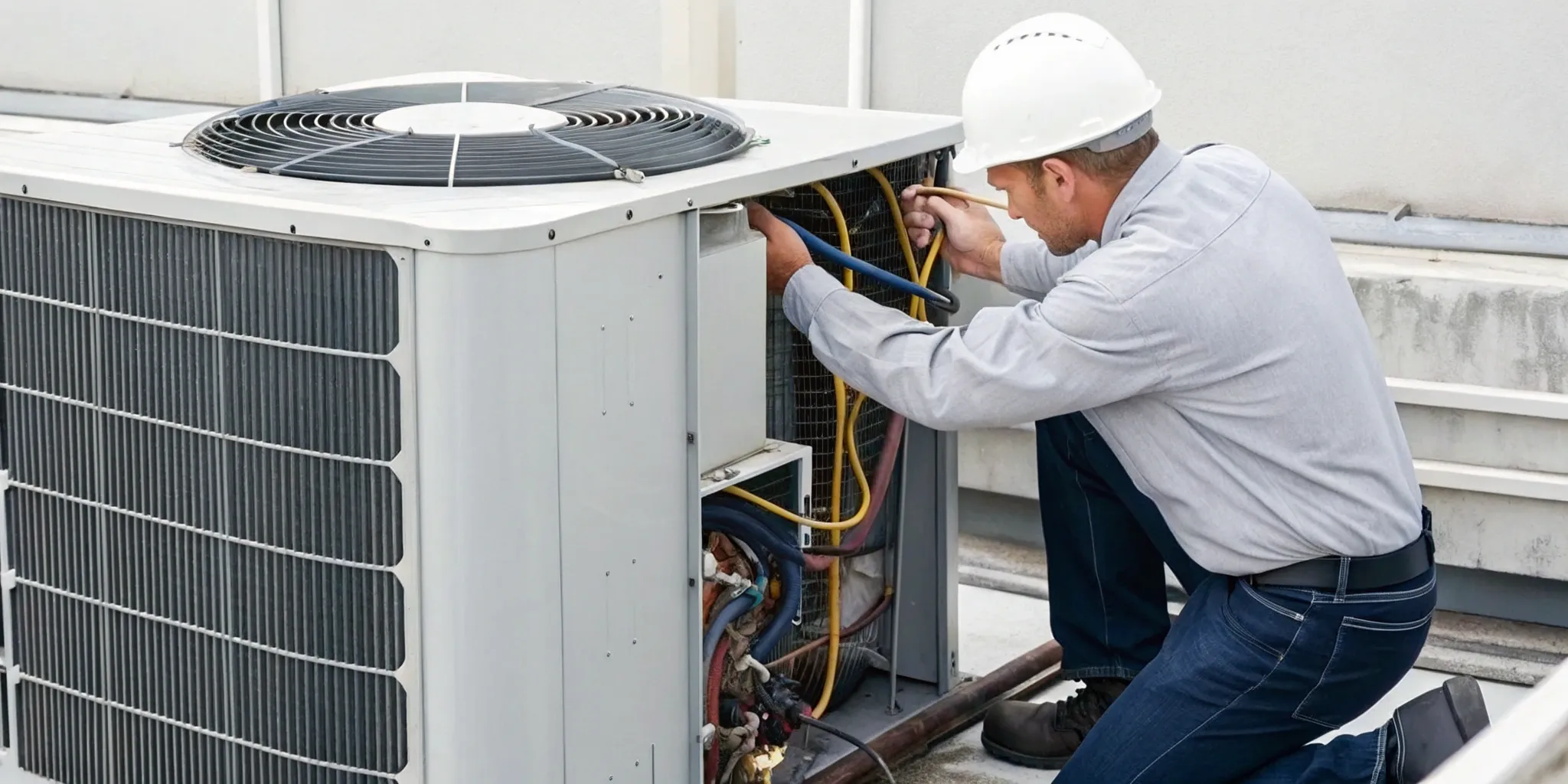
A professional split air conditioner service visit combines inspection, cleaning, testing, and diagnosis. The technician checks both indoor and outdoor equipment, then connects symptoms to measurable system conditions. That process helps identify airflow restrictions, drainage problems, electrical faults, control issues, and refrigerant concerns before recommending the next step.
For context, the U.S. Department of Energy explains that split systems can distribute cooled or dehumidified air through ducts or without ducts. The equipment configuration determines which components receive the closest attention during service. A typical visit may include the following sequence:
- Review the comfort concern and system history. The technician asks about uneven temperatures, unusual sounds, moisture, short cycling, weak airflow, or changes in cooling performance. They may also review recent repairs, filter changes, and the system's age. This gives the inspection a practical starting point instead of treating every system the same way.
- Inspect the indoor unit and airflow path. The visit can include checking the evaporator coil, blower area, filter condition, cabinet cleanliness, and accessible duct connections. Airflow measurements help show whether the system is moving air as expected. A dirty filter, restricted return, blocked supply, or buildup around the indoor coil can affect comfort and system operation.
- Check drains and moisture control. Cooling removes moisture from indoor air, so the condensate pan and drain line deserve attention. The technician looks for standing water, clogs, leaks, or conditions that could contribute to water damage or indoor humidity. Cleaning or flushing a drain may be recommended when appropriate.
- Evaluate the thermostat and other controls. The technician tests the thermostat's response and checks whether the indoor and outdoor equipment communicate correctly. Control wiring, settings, and operating sequences can all affect when the system starts, stops, or changes output.
- Inspect electrical components safely. This may include the disconnect, wiring, capacitors, relays, contactor, and other accessible components. Electrical testing requires trained service personnel. Homeowners should not remove panels or handle energized equipment.
- Inspect the outdoor condenser. The technician checks the cabinet, coil condition, fan, clearances, and visible signs of damage or corrosion. Leaves, dirt, salt air, and restricted airflow can reduce heat transfer. Cleaning recommendations should account for the equipment's condition and the surrounding property.
- Perform refrigerant and performance diagnostics. Digital gauges, temperature readings, leak-detection tools, and airflow measurements can help identify whether refrigerant conditions match the system's operation. A refrigerant issue is not automatically solved by adding refrigerant. The technician should investigate the cause and explain repair options. Refrigerants must be handled responsibly, as the EPA notes for home air-conditioning systems: EPA guidance on purchasing and repairing home air conditioners.
- Explain findings and next actions. The final discussion should separate routine maintenance from repairs that need attention. You should receive a clear explanation of observed conditions, recommended work, and any quote-based decision. For ongoing care, Tommy Cool Air's Corpus Christi AC maintenance service can be considered alongside the equipment's needs and operating conditions.

A thorough visit is more than a quick visual check. It combines measurements with component inspection, so the recommendation addresses the actual condition of the system rather than a guess.
How Often Should a Split Air Conditioner Be Serviced?
Answer: Most Corpus Christi split systems benefit from professional service before the heavy cooling season, with additional attention after repairs or whenever symptoms appear. Homeowners should handle basic filter and outdoor-area upkeep between visits. Coastal humidity, salt air, and long cooling seasons can make condition-based service more important than following a calendar alone.
There is no single interval that fits every home, rental property, office, or restaurant. A lightly used system with clean airflow may need a different schedule than equipment running through much of the year. Use the framework below to match the service decision to what your system is experiencing.
| Situation | Homeowner action | Professional service focus | Decision signal |
|---|---|---|---|
| Routine upkeep between visits | Check the filter regularly and replace or clean it according to the equipment instructions. Keep leaves, grass, and stored items away from the outdoor unit. | Confirm airflow, inspect accessible components, and identify buildup or drainage concerns that basic cleaning cannot resolve. | Airflow remains steady, the system reaches the set temperature, and no unusual moisture or noise appears. |
| Before the main cooling season | Schedule a professional visit before the system faces sustained Corpus Christi heat. Note rooms that feel warmer or more humid than others. | A seasonal inspection can include filter care, electrical checks, refrigerant evaluation, drain-line service, coil cleaning, thermostat testing, and moving-part inspection. | Service is due when seasonal demand is approaching or when the last complete inspection is no longer current. |
| After a repair or component change | Observe operation through several cooling cycles. Record recurring symptoms instead of repeatedly resetting the thermostat. | Verify the original problem was corrected, test system operation, and check related airflow, electrical, drainage, or refrigerant conditions. | Request follow-up when the same symptom returns, comfort is uneven, or the equipment behaves differently after repair. |
| Active symptoms | Turn off the system if there is a burning odor, water near electrical equipment, or another apparent safety concern. Do not open refrigerant circuits. | Use appropriate diagnostic equipment to isolate issues such as restricted airflow, a frozen coil, a drain problem, an electrical fault, or a refrigerant concern. | Schedule service promptly for weak cooling, unusual sounds, odors, leaks, short cycling, or rising indoor humidity. |
| Aging or repeatedly unreliable equipment | Gather service records and note repair frequency, comfort problems, and operating patterns. | Assess system condition, sizing, repair outlook, and whether replacement would better fit the property. Recommendations should be based on the equipment and the building, not a fixed price. | Request a replacement review when repairs recur, comfort remains inconsistent, or the system cannot reliably meet demand. |
For a scheduled inspection, Tommy Cool Air's Corpus Christi AC maintenance service can help establish a practical baseline. Homeowners can also compare seasonal planning guidance in Gulf Coast AC maintenance.
Routine maintenance is not a substitute for diagnosis when symptoms are active. A technician may need to evaluate both indoor and outdoor sections of a split system because a problem in one section can affect the performance of the entire system. That distinction helps Corpus Christi homeowners choose the right next step instead of waiting for a small issue to become a loss of comfort.
What Warning Signs Mean Service Is Due?
Warning signs usually mean your split system needs diagnosis, not a guess at one failed part. Weak airflow, uneven cooling, warm air, ice, water, odd sounds, odors, longer cycles, or a sudden bill change can have several causes. A qualified technician can identify the cause safely and recommend the next step.
Weak airflow or rooms that no longer cool evenly may point to a restricted filter, blocked or damaged ductwork, blower trouble, a thermostat issue, or an airflow imbalance. Warm air from the vents can also result from control problems, outdoor-unit faults, or a refrigerant issue. These symptoms overlap, so changing settings repeatedly may delay the right repair. Tommy Cool Air's AC repair service can include diagnostic work for concerns such as frozen evaporator coils, clogged drain lines, faulty capacitors or relays, refrigerant leaks, and thermostat problems.
Pay attention to changes in runtime and sound
Longer cycles, frequent starts and stops, or a system that runs nearly continuously deserve attention, especially when the home still feels warm or humid. A sudden increase in energy use can accompany reduced airflow, a control problem, outdoor-coil contamination, or equipment that is losing capacity. The change itself is useful information, but it does not identify the failed component.
Unusual buzzing, rattling, grinding, clicking, or squealing can signal a loose part, motor concern, electrical issue, or debris. New odors also matter. Musty smells may relate to moisture or cleanliness, while a sharp burning or electrical odor is a reason to turn the system off and arrange professional diagnosis. Do not open electrical panels or attempt to handle refrigerant.
Know when to stop the system
Turn the system off if you see ice on the refrigerant lines or indoor coil, water collecting around the equipment, a severe grinding or electrical sound, a burning smell, or repeated breaker trips. Continuing to run a malfunctioning system can worsen equipment damage or create a safety concern. If water is near electrical components, keep clear and seek qualified help.
Small changes can also be early clues. A room becoming harder to cool, air feeling less dry, or runtime gradually increasing may justify a service visit before comfort declines further. Record when the symptom occurs, which rooms are affected, and whether the outdoor unit starts. That information helps a technician narrow the diagnosis without encouraging unsafe repair work.
Can You Service a Ductless Mini-Split Yourself?
You can handle several basic ductless mini-split maintenance tasks yourself, especially filter care and keeping airflow clear. However, professional split air conditioner service is needed for electrical testing, refrigerant work, hidden drainage problems, and deep cleaning. Safe upkeep protects comfort without turning a routine check into equipment damage or a safety risk.
Some ductless air conditioners and heat pumps are configured as split systems, commonly called mini-splits or multi-splits. They deliver cooling without the same duct network used by many central systems. The U.S. Department of Energy explains that these systems are classified as central air conditioners or heat pumps because of their split configuration. Read the DOE explanation of split-system configurations for more context.
Safe tasks for homeowners
- Clean accessible filters. Follow the manufacturer's instructions, remove surface dust, and let washable filters dry completely before reinstalling them. A loaded filter can restrict airflow and reduce comfort.
- Keep the indoor outlet clear. Do not block the wall unit with furniture, curtains, or stored items. Check that the louvers can move freely.
- Inspect the outdoor area. Remove leaves, grass, and other loose debris around the outdoor unit. Keep a safe clearance and never bend the coil fins or spray electrical components.
- Check the remote and settings. Replace weak batteries, confirm the operating mode, and make sure the setpoint matches the comfort goal. If the unit uses Wi-Fi controls, verify that the system still responds correctly.
Homeowner maintenance is a legitimate part of ductless care. Federal HVAC training materials specifically address preventive maintenance that residents can perform on ductless air-source heat pumps, while also distinguishing tasks that require contractor inspection. The appropriate schedule and task list vary by system and component.
Where DIY service should stop
Do not open the indoor cabinet to reach the fan wheel, drain pan, wiring, or control board unless you are qualified for that work. Dust and biological growth can collect deep inside a unit even when the filter looks clean. A blocked drain pan or line can also cause water damage, while electrical components can remain hazardous after the system is switched off.
Refrigerant circuits are sealed and should not be topped off, pierced, or converted with an unapproved product. Refrigerant diagnosis requires appropriate gauges, leak detection, and safe recovery procedures. If the system freezes, leaks water, smells unusual, makes new noises, or cannot maintain the set temperature, arrange ductless mini-split repair rather than guessing at the cause.
For background on components, zoning, and placement, see our guide to ductless mini-split systems. It covers how the equipment works without replacing a professional evaluation of a malfunctioning unit.

How Do Service and Replacement Quotes Work?
A clear HVAC quote connects the symptoms, test results, and recommended work. For split air conditioner service, the technician should explain whether maintenance, a targeted repair, or replacement best fits the system's age, condition, safety, and expected use. That process gives homeowners and businesses a practical decision, not a guess.
Start by asking what the technician found and how the findings affect comfort, reliability, and indoor humidity. A quote should distinguish confirmed problems from items that need monitoring. It should also explain the next step if the system cannot be fully evaluated during the first visit.
What affects a repair recommendation?
System age matters, but it should not decide the outcome by itself. A relatively young system with one isolated, accessible fault may be a reasonable repair candidate. An older system with recurring failures, declining comfort, or several stressed components may deserve a replacement review. Repair history helps reveal whether the current issue is an exception or part of a pattern.
Access also affects the work. A technician may need to inspect the indoor coil, outdoor unit, electrical components, drain system, controls, and duct connections. The quote should identify any access limitations and separate diagnostic findings from recommended corrective work.
Symptoms such as weak airflow, uneven cooling, short cycling, unusual noise, or water near the equipment do not identify one cause. Testing can help connect the symptom to a failed capacitor, thermostat problem, drain restriction, airflow issue, refrigerant concern, or another fault. Refrigerant work should include leak investigation and responsible handling, rather than simply adding refrigerant without addressing the cause. The EPA explains that refrigerants must be handled responsibly and that alternative refrigerants may require component changes in existing equipment: EPA guidance on repairing home air conditioners.
What should a replacement quote separate?
A replacement proposal should explain the equipment options, system capacity, indoor and outdoor components, installation changes, electrical or drainage requirements, and removal of the existing equipment. Proper sizing should be based on the building and its cooling needs, not simply on the size of the old unit. If the home has comfort issues or added rooms, ask how those conditions affect the recommendation.
For homes or businesses evaluating energy-saving heating and cooling systems, the quote should separate equipment features from installation assumptions. Ask what is included, what is excluded, how the work will be scheduled, and which decisions require approval before work begins. A clear written scope makes it easier to compare options without reducing the decision to a single number.
How Do Gulf Coast Conditions Change Service Needs?
In Corpus Christi, split-system service must account for heat, humidity, salt air, and long cooling seasons. These conditions can keep equipment running for extended periods while exposing outdoor components to corrosive air. Regular inspections should address drainage, airflow, electrical parts, and signs of coastal wear before comfort problems become urgent repairs.
Summer heat places sustained demand on an air conditioner. A system that runs for long periods is not automatically failing, but extended runtime makes clean filters, unobstructed airflow, and reliable electrical components especially important. A restricted filter or dirty coil can make the system work harder and may reduce comfort in rooms that already receive intense heat.
Humidity adds another service concern. The indoor coil and condensate system must remove moisture and carry it safely away. A clogged drain line, damaged pan, or poorly managed condensate path can lead to water around the indoor unit, musty odors, or moisture damage. During service, ask whether the technician inspected drainage rather than focusing only on refrigerant or temperature readings.
Salt air is particularly relevant near Padre Island and other coastal communities. Salt exposure can accelerate corrosion on outdoor cabinets, coil surfaces, fasteners, and electrical connections. Corrosion does not always cause an immediate breakdown, so visual inspection and careful electrical testing help identify deterioration early. Homeowners can use Padre Island HVAC service when they need guidance specific to a coastal property.
Year-round cooling also changes planning. The equipment may have fewer long idle periods to reveal gradual wear, and a failure can arrive during a period when the home or business still needs cooling. Keep outdoor equipment clear of debris, maintain the recommended filter routine, and schedule service before the busiest cooling demand whenever possible. For a property exposed to storms, include post-weather inspection in the maintenance plan, especially if the outdoor unit experienced flooding, debris impact, or prolonged moisture.
These conditions do not justify a fixed replacement timeline or a guaranteed performance claim. They do support more deliberate service decisions. A technician should document the system's condition, explain any corrosion or drainage concerns, and separate immediate safety or comfort repairs from longer-term equipment recommendations.
What Should Small Businesses Plan for Split-System Service?
Small businesses should plan split-system service around occupancy, operating hours, equipment access, and the areas that must stay comfortable. Share the building layout, zone concerns, preferred work windows, and system history before the visit. This helps the technician diagnose accurately while reducing disruption for employees, customers, residents, or tenants.
Start with a practical access plan. Identify indoor units, outdoor condensers, thermostats, electrical panels, ceiling spaces, and any locked rooms. Restaurants may need service coordinated around food preparation and dining hours. Retailers should consider customer traffic and display areas. Offices and property managers may need access arranged across several suites or tenant spaces.
Plan around occupied spaces and operating hours
Tell the HVAC provider when the space is busiest and which rooms cannot be taken offline. A technician may need to inspect airflow, controls, electrical components, drain lines, and refrigerant-related conditions. Clear access to each relevant component before the appointment can make the visit more efficient. It also helps to identify sensitive areas, security procedures, loading restrictions, and parking requirements in advance.
For multi-zone systems, document which areas share equipment and which zones show symptoms. Uneven temperatures in one office may point to an airflow or control issue, while a broader comfort problem may involve the outdoor unit or system capacity. Include recent changes, such as a remodeled room, new equipment, altered occupancy, or a space that now stays warmer than expected.
Keep records that support better decisions
Maintain a simple service file for each system. Record model information, past repairs, maintenance dates, recurring symptoms, filter sizes, and access notes. Property managers can use this documentation when coordinating service across multiple buildings. It also gives the technician useful context instead of relying on a quick description from someone unfamiliar with the equipment.
Commercial work should be planned as a coordination exercise, not just a repair appointment. Preventive maintenance agreements may help businesses organize recurring care, but the right scope depends on the property and equipment. For specialized planning, review Tommy Cool Air's commercial air conditioning repair and installation service information and request a quote based on the site.
Schedule your split air conditioner service assessment with Tommy Cool Air.
FAQs: Split Air Conditioner Service
Do split air conditioners need regular service?
Yes. Routine service helps identify airflow restrictions, drain issues, electrical wear, thermostat problems, and refrigerant concerns before comfort problems become larger repairs. A technician can inspect the indoor and outdoor sections, while homeowners can keep filters clean and watch for changes in cooling, humidity, or operating noise.
What warning signs mean my split system needs attention?
Call for an evaluation when the system struggles to reach the set temperature, cycles unusually often, blows weak or warm air, leaks water, produces unusual sounds, or creates persistent odors. Rising indoor humidity or a sudden increase in energy use can also justify service, especially during Corpus Christi's long cooling season.
What split-system maintenance can I do myself?
You can replace or clean the approved air filter, keep supply and return vents clear, remove debris near the outdoor unit, and check that the thermostat responds normally. Do not open electrical panels, handle refrigerant, bypass safety controls, or attempt leak repairs. Those tasks require trained service personnel and appropriate equipment.
Does a ductless mini-split need different service?
The basic goals are similar, but ductless systems have indoor heads, filters, coils, drains, controls, and an outdoor unit that all need attention. Keep each indoor head unobstructed and clean its accessible filter as directed. Professional service is useful for multiple zones, drainage concerns, airflow problems, and hard-to-reach components.
How should I decide between service, repair, and replacement?
Request a written, quote-based recommendation that separates diagnosis, repair scope, maintenance needs, and replacement options. Consider the system's condition, repair history, comfort performance, coastal exposure, and expected operating needs. A clear evaluation should explain the issue and alternatives without pressuring you into a decision or relying on an unexplained price.
Ready to Plan Your Split Air Conditioner Service?
Regular split air conditioner service can help identify airflow, comfort, humidity, and equipment concerns before they become harder to evaluate. For Corpus Christi homes and businesses, a clear assessment also helps account for long cooling seasons and coastal conditions. Tommy Cool Air can review your system, explain what it needs, and help you choose a practical next step without relying on guesswork.
When you are ready, request a service assessment or quote through the contact page.