Table of Contents
- How 24/7 HVAC Repair Reduces Energy Waste and Utility Costs
- Emergency HVAC Repair Warning Signs You Shouldn't Ignore
- AC Not Blowing Cold Air Troubleshooting: What to Check First
- How Often to Change HVAC Air Filters for Peak Efficiency
- HVAC Repair vs. Replacement: Which Saves More on Utilities?
- Preventive Maintenance for Systems Running Around the Clock
- What to Expect from Professional 24/7 HVAC Repair Service
- Frequently Asked Questions
Last Updated: October 8, 2026
How 24/7 HVAC Repair Reduces Energy Waste and Utility Costs
A failing compressor doesn't just stop cooling your home, it keeps drawing power while delivering nothing. According to the U.S. Department of Energy's guide to home cooling, a cooling system that loses its refrigerant charge or runs with a failing component can consume noticeably more electricity than a healthy unit to produce the same or worse comfort.
24/7 HVAC repair is the practice of dispatching a certified technician to diagnose and fix heating or cooling failures at any hour, including nights, weekends, and holidays. The energy argument is simple: a system that's broken but still powered on wastes electricity on every cycle until someone repairs it.
Most guides treat emergency repair as purely a comfort issue. It's also a utility-cost issue: the longer a struggling unit runs, the more power it burns for less cooling, and the closer it gets to a full breakdown that costs far more than the original fix.
- Healthy, maintained unit: What It Does to Your Bill: Runs at rated efficiency; Repair Urgency: Routine
- Low refrigerant or dirty coils: What It Does to Your Bill: Runs longer, cools less; Repair Urgency: Schedule within days
- Failing compressor or blower: What It Does to Your Bill: Runs constantly, little output; Repair Urgency: Call now
- Total breakdown in peak heat: What It Does to Your Bill: No cooling, safety risk; Repair Urgency: Emergency, 24/7
Key Takeaway
The most expensive HVAC problem isn't the repair bill, it's the weeks of wasted electricity a struggling system burns before it finally fails.
Emergency HVAC Repair Warning Signs You Shouldn't Ignore
Knowing which symptoms demand an immediate call separates a manageable repair from a mid-summer emergency. Some warning signs are cosmetic. Others mean the system is actively damaging itself.
Watch for these red flags:
- Burning or musty smells from vents, which can indicate overheating components or electrical trouble
- Loud grinding, screeching, or banging from the outdoor unit, often a sign of a failing motor or loose part
- Ice on the refrigerant lines or indoor coil, which points to airflow or refrigerant problems
Waiting "just one more day" on a grinding noise is a common mistake.
If you smell gas or see sparks, treat it as a safety emergency and leave the home before calling.
AC Not Blowing Cold Air Troubleshooting: What to Check First
AC not blowing cold air troubleshooting starts with the simplest, safest checks. Often the system is fine and the problem is airflow, a thermostat setting, or a dirty filter.
Work through this sequence:
- Check the thermostat. Confirm it's set to "cool" and the temperature is below room temperature. A bumped setting or dead batteries cause a surprising number of service calls.
- Inspect the air filter. A clogged filter chokes airflow and can freeze the coil. If it's gray and matted, replace it.
- Look at the outdoor unit. Confirm it's running and clear of leaves, debris, or blocked airflow.
- Check the breaker. A tripped breaker will stop the outdoor unit while the indoor fan keeps running, which mimics a cooling failure.
- Look for ice. Ice on the indoor coil or refrigerant lines means you should turn the system off and call a professional rather than keep running it.
Quick Checks Before You Call for Emergency Service
Run through this list before you dial, it often saves a service call:
- Thermostat set to cool, temperature set correctly
- Air filter clean and correctly seated
- Outdoor unit clear of debris and running
If you've checked all five and the air is still warm, the issue is likely refrigerant, a compressor, or a control board. Those require a licensed technician and the right diagnostic tools.
Watch Out
Never keep running a system with ice on the coil. Continuing to operate it can force the compressor to fail, turning a simple refrigerant fix into a major repair.
How Often to Change HVAC Air Filters for Peak Efficiency
The short answer: check your filter every month and replace it every one to three months, depending on the filter type and your home. That habit does more for efficiency than almost anything else a homeowner controls.
Filter change frequency depends on a few factors:
- Standard 1-inch filter, average home: Recommended Filter Change: Every 1-3 months
- Thick pleated or high-MERV filter: Recommended Filter Change: Every 3-6 months
- Pets in the home: Recommended Filter Change: Every 1-2 months
- Allergy sufferers: Recommended Filter Change: Every month
- Heavy dust or ongoing renovation: Recommended Filter Change: Every 2-4 weeks
Why Filter Condition Shows Up on Your Utility Bill
A dirty filter restricts airflow, forcing the blower to work harder and potentially freezing the evaporator coil. When static pressure rises across a loaded filter, the blower motor draws more current to move the same volume of air, and the coil loses heat-transfer efficiency because less warm air passes over it.
Filter choice matters as much as timing. A filter rated too high for your system's airflow can starve it just like a clogged one.
How to Tell If Your Filter Is Actually Costing You Money
You don't need a meter to spot the pattern. These signals usually mean the filter is contributing to energy waste:
- Longer runtimes. If the system used to satisfy the thermostat in 15 minutes and now takes 25, airflow restriction is a prime suspect.
- Higher bills without a weather change. Compare the same billing month year over year. A jump that doesn't match outdoor temperatures often traces back to airflow or refrigerant issues.
- Weak airflow at the registers. Hold your hand at a supply vent. Noticeably soft airflow points to a restriction somewhere in the return path.
A Simple Filter Log That Pays for Itself
Write the install date on the filter frame and set a recurring phone reminder for the first of each month. Over a cooling season, that log lets you compare utility usage before and after a change in filter habits, the only honest way to know whether the change moved your bill.
Key Takeaway
Filter timing is the cheapest efficiency lever a homeowner controls, but the payoff only shows up if you track runtimes and bills alongside the change.
HVAC Repair vs. Replacement: Which Saves More on Utilities?
Repair usually saves more in the short term, replacement over the long term. The deciding factor is the age and efficiency of your current system, plus repair spending and the energy the unit wastes while it limps along.
The Four Numbers That Drive the Decision
A transparent repair-versus-replace call comes down to four inputs. Ask any technician for all four in writing:
- Age of the equipment. Most residential split systems are designed for roughly 15 years of service. Past that, parts availability and efficiency both decline.
- Repair frequency and cost trend. One repair in five years is normal. Three repairs in two years is a pattern, and patterns get more expensive, not less.
- Efficiency gap. Compare the SEER2 rating on the existing unit's nameplate to what a new system would carry. The higher the gap, the more monthly operating cost the old unit is quietly adding.
- The nature of the failure. A capacitor, contactor, or blower motor is a component repair. A failed compressor or a leaking evaporator coil on an older system is often the tipping point.
A Framework You Can Apply Today
- Repair makes sense when the system is under 10-12 years old, the failure is a single component, and the unit has otherwise been reliable.
- Replacement makes sense when the system is 15+ years old, repairs are stacking up, or you're facing a compressor or major component failure.
- The efficiency angle matters most on old units. Older systems often run well below the efficiency of modern equipment, so a replacement can lower monthly operating costs even before it fixes the breakdown.
How to Compare Utility Use Before and After
You can't promise a specific savings figure, since savings depend on the fault, weather, building envelope, and usage. What you can do is measure honestly:
- Pull the same billing month from the prior year and note the kilowatt-hour usage, not just the dollar amount, so rate changes don't distort the comparison.
- Normalize for weather using heating and cooling degree days, which most utility bills or local weather records provide.
- Compare a full cooling or heating season, not a single month, since one mild month can mask a real change.
A common pattern is that a repaired or replaced system shows its clearest utility impact in the peak months, when the equipment runs the longest and any efficiency difference is magnified.
The Lifecycle-Cost View
Think in total cost of ownership, not sticker price. Add purchase and installation, expected annual energy cost at your local rates, and expected maintenance and repair over the equipment's service life. A cheaper, lower-efficiency unit can cost more over 15 years than a higher-efficiency one that costs more up front. Ask for that comparison in writing.
Pro Tip
Ask for a repair-versus-replace comparison in writing. A good technician will show you the age, the repair cost, the efficiency difference, and the estimated operating cost so you can decide with numbers, not pressure.
Watch Out
Don't let a failing system run through a peak season while you decide. Every week it operates below rated efficiency is a week of avoidable energy waste added to the eventual repair or replacement bill.
Preventive Maintenance for Systems Running Around the Clock
For systems that run nearly year-round, maintenance isn't optional, it's what keeps them from becoming emergencies. In hot climates, a cooling system may run far more hours per year than the national average, accelerating wear on every component.
A practical maintenance routine includes:
- Monthly filter checks and replacement as needed
- Seasonal professional tune-ups that clean coils, check refrigerant charge, and test electrical components
- Coil cleaning to maintain heat transfer and efficiency
A maintenance plan often pays for itself by catching small issues before they become major repairs, and it keeps the system near its rated efficiency, protecting you against energy waste.
What to Expect from Professional 24/7 HVAC Repair Service
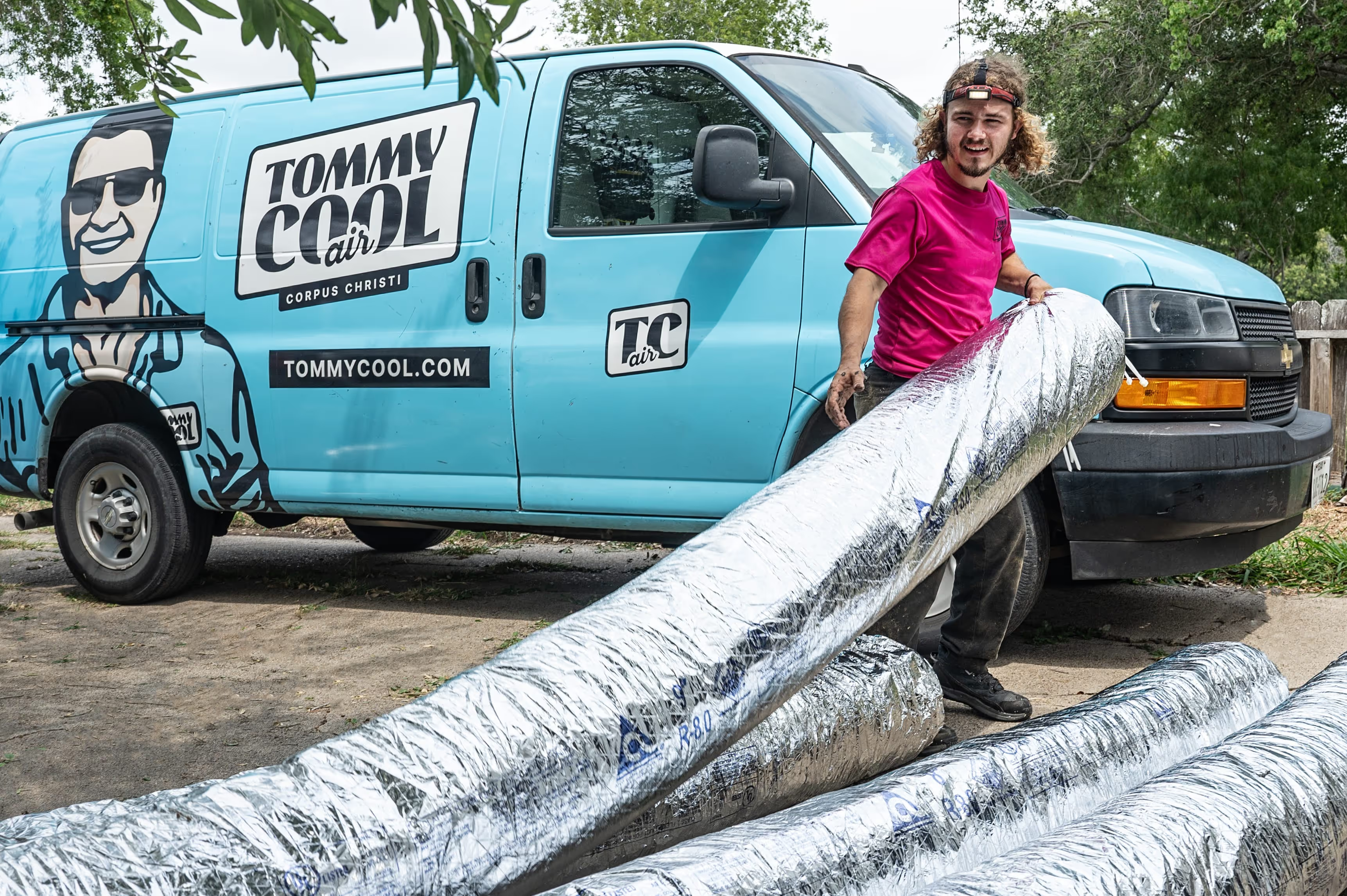
A professional 24/7 HVAC repair call should follow a predictable, transparent process from the moment you reach out, the standard we hold ourselves to at Tommy Cool.

Here's how a well-run emergency service call works:
- A clear service request. You describe the problem, and the dispatcher confirms availability and timing.
- Fast response. A trained technician arrives with diagnostic tools and common parts.
- Honest diagnosis. You get a plain explanation of the problem and a repair estimate before work starts.
- The repair. The technician fixes the issue and tests the system to confirm it's cooling correctly.
- Clear communication on cost. No surprise fees added at the end.
When comparing providers, look for clear communication, verified reviews, and checkable service ratings.
At Tommy Cool, we've served the area since 1994 with certified contractors and a 100% satisfaction guarantee. Our team provides 24/7 emergency air conditioning and heating service, honest transparent pricing, and energy-efficiency guidance.
Frequently Asked Questions
What HVAC problems cause the most energy waste?
Dirty air filters, refrigerant leaks, and failing compressors are the biggest culprits. A clogged filter forces your system to work harder to push air through, raising run times and electric bills. Refrigerant leaks reduce cooling capacity, so the unit runs longer to hit the thermostat setting. A worn compressor draws more amps for less output. Scheduling 24/7 HVAC repair when you notice these issues prevents months of inflated utility costs.
Can a malfunctioning air conditioner make utility bills go up?
Yes. A system low on refrigerant or struggling with a failing capacitor runs longer cycles to reach the set temperature, which directly increases kilowatt-hour usage. Even a minor duct leak or a stuck blower motor can add 10-25% to cooling costs during peak summer months. Addressing the problem through emergency HVAC repair or a scheduled service call restores efficiency and stops the waste.
When should I call for 24/7 HVAC repair instead of waiting?
Call immediately if you smell burning, hear grinding or screeching, see ice on the outdoor unit, or lose cooling entirely during extreme heat. These emergency HVAC repair warning signs point to compressor failure, electrical faults, or refrigerant loss that worsen with delay. If your system is blowing warm air and the thermostat is set correctly, a technician can diagnose whether it is a simple fix or a major repair.
Does replacing an air filter help an HVAC system use less energy?
A clean filter improves airflow, which lets the blower motor run at its rated efficiency. When a filter is clogged, the motor works harder and consumes more electricity. Change standard 1-inch filters every 30-60 days, and pleated or high-MERV filters every 60-90 days. If you have pets or live in a dusty area, check monthly. This single habit supports lower utility costs and reduces strain on the system.
A high utility bill and a system that never quite keeps up are usually the same problem wearing two faces. When you need fast, honest help, Tommy Cool offers 24/7 emergency air conditioning and heating service, certified contractors, and transparent pricing backed by a 100% satisfaction guarantee. Get in touch with Tommy Cool today to diagnose the issue, stop the energy waste, and get your home comfortable again.