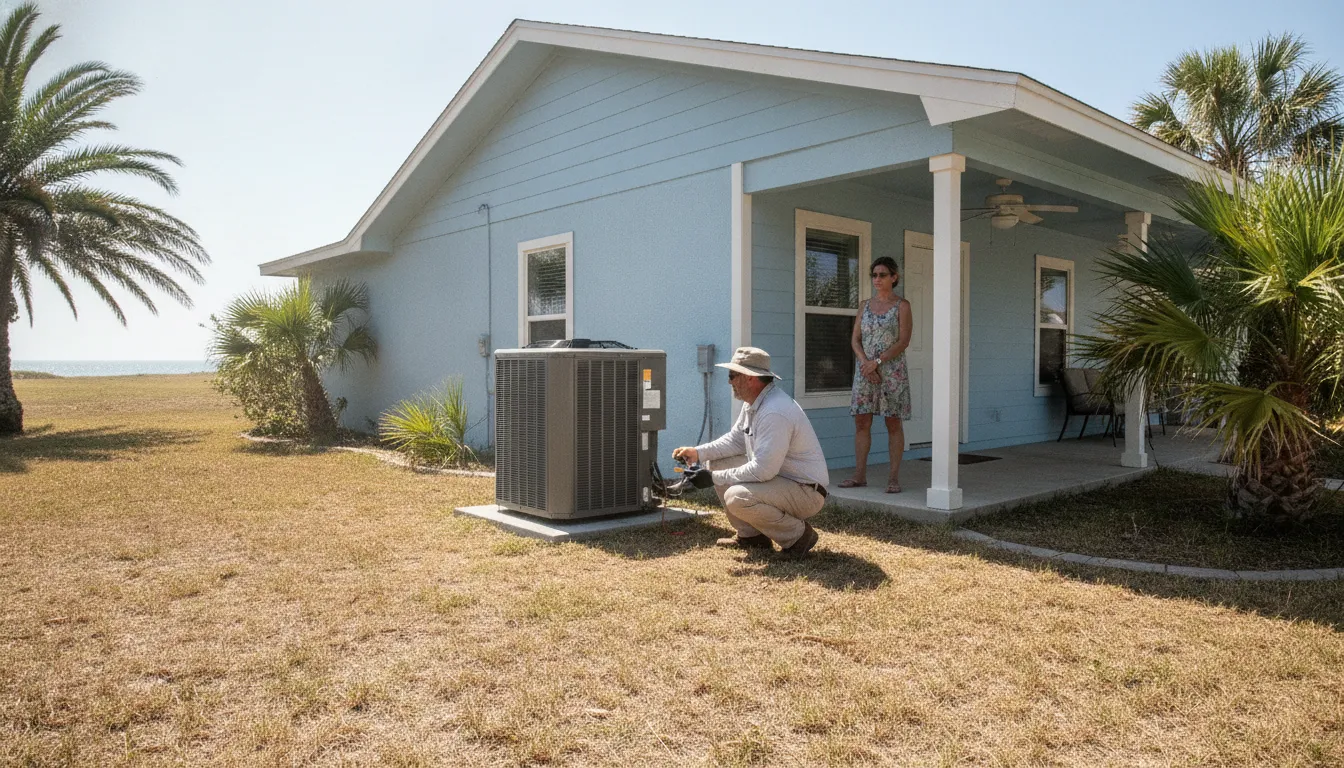
We've all felt that moment of panic on a sweltering Texas afternoon when the AC just isn't keeping up. The air feels lukewarm, and the house gets stuffier by the minute. While it's a scenario every homeowner dreads, it's also highly preventable. The secret to avoiding stressful, expensive emergency repairs is proactive care. An annual AC maintenance check is the single most effective step you can take to ensure your system is ready for the summer heat. This simple service provides incredible peace of mind, and we'll show you exactly what this check-up involves.
Key Takeaways
- Make annual maintenance a priority to save money and extend your AC's life: A professional tune-up is preventative care that improves efficiency, lowers energy bills, and helps you avoid the cost and stress of an emergency breakdown.
- Combine simple DIY tasks with professional expertise: You can support your system's health by changing the air filter monthly and keeping the outdoor unit clear, but always call a certified technician for complex jobs like checking refrigerant levels and electrical parts.
- Schedule service in the spring and watch for warning signs: Book your tune-up before the summer heat arrives to ensure your system is ready. Between visits, pay attention to weak airflow, strange noises, or higher bills, as these are signals that your AC needs attention.
Why Your AC Needs an Annual Tune-Up
Think of an AC tune-up as a wellness check for your home’s cooling system. Just like you take your car in for regular oil changes to keep it running smoothly, your air conditioner needs professional attention to perform its best, especially when facing the Texas heat. During a tune-up, a certified technician inspects, cleans, and adjusts all the essential components of your AC unit. This isn't about waiting for something to break; it's about preventing problems before they start.
A comprehensive tune-up ensures every part of your system, from the coils to the coolant levels, is in top shape. This proactive care is one of the most effective ways to get reliable, efficient cooling all season long. It addresses minor wear and tear that, if ignored, could lead to a system failure on the hottest day of the year. Investing a little in maintenance now can save you a lot of stress and discomfort later. It’s a simple step that makes a huge difference in your home's comfort and your peace of mind.
Extend the Life of Your Air Conditioner
Your air conditioner is one of the most significant investments in your home, and you want it to last as long as possible. Regular maintenance is the key to extending its lifespan. When a technician inspects your system annually, they can catch and fix small issues before they turn into major, system-threatening problems. Cleaning components and lubricating moving parts reduces strain, allowing the unit to operate more smoothly. This consistent care helps prevent the premature breakdowns that can lead to needing a full replacement sooner than expected. By scheduling regular air conditioning services, you’re not just keeping your home cool; you’re protecting your investment for years to come.
Understanding Your AC's Lifespan
On average, a central air conditioner can last between 10 and 15 years. However, that number isn't a guarantee—it's a benchmark for a system that receives consistent, proper care. Here in Corpus Christi, where our ACs work overtime for months on end, neglecting maintenance can significantly shorten that lifespan. Think of it this way: you wouldn't expect a car to last for 100,000 miles without a single oil change, and your AC is no different. Proactive care is what helps your system reach and even exceed its expected service life, ensuring you get the full value from your investment.
Regular maintenance directly combats the wear and tear that ages your system. During a tune-up, a technician cleans essential components, lubricates moving parts, and tightens electrical connections. This allows your AC to run more efficiently, reducing the strain on the compressor and other critical parts. A system that doesn't have to work as hard to cool your home will naturally last longer. Even the most durable equipment, like the Trane systems we trust and install, performs better and has a longer life when it's properly maintained year after year.
Investing in regular maintenance is a long-term strategy for protecting your home and your budget. By having your system inspected annually, you can catch small issues before they escalate into major failures that could force a premature replacement. This proactive approach gives you control, helping you avoid the stress and expense of an unexpected breakdown. Our maintenance membership is designed to make this easy, providing consistent care that keeps your system running strong and extends its life for as long as possible.
How a Tune-Up Reduces Your Cooling Costs
An AC tune-up is one of the smartest financial decisions a homeowner can make. First, it helps you avoid expensive emergency repairs. A technician can spot a frayed wire or a small leak and fix it for a minor cost, saving you from a much larger bill down the road. Second, a well-maintained system runs more efficiently. When your AC’s coils are clean and its parts are working correctly, it doesn't have to work as hard to cool your home. This improved performance means it uses less electricity, which directly translates to lower monthly energy bills. Our membership program makes it easy to stay on top of maintenance and keep your system running at peak efficiency.
The Impact of Airflow on Efficiency
Proper airflow is crucial for your AC to cool your home effectively. When airflow is restricted by things like a clogged air filter or dirty coils, your system has to work much harder to circulate cool air. This strain not only causes unnecessary wear and tear but also wastes a significant amount of energy. According to ENERGY STAR, airflow problems can reduce your system's efficiency by up to 15%. During a professional tune-up, a technician will inspect and clean the components that are essential for airflow, ensuring your system can "breathe" easily. This simple step helps maintain better indoor air quality and keeps your AC running at its best without wasting electricity.
Typical Cost of a Professional Tune-Up
Investing in an annual tune-up is far more affordable than paying for an emergency repair or a premature system replacement. While prices can vary, a professional AC tune-up generally costs between $70 and $250, with most homeowners paying around $130. Think of this as a small investment in your home's comfort and your system's longevity. When you compare that to the potential cost of a major component failure, the value is clear. For a precise quote tailored to your system, it's always best to contact a professional. We can provide a clear breakdown of the service and help you find the best option for your home.
What's Included in a Professional AC Maintenance Check?
Ever wonder what a technician actually does during an AC tune-up? It’s much more than a quick filter change. A professional maintenance visit is a comprehensive check-up designed to keep your system running efficiently and reliably, especially during our hot Corpus Christi summers. Think of it as an annual physical for your air conditioner. Our technicians follow a detailed checklist to inspect, clean, and test every critical component of your system. This thorough process catches small issues before they become big, expensive problems, ensuring your home stays cool and comfortable all season long.
From the moment we arrive, our goal is to restore your system to its peak performance. We look at the entire unit, inside and out, to identify any signs of wear, potential leaks, or electrical issues that could cause a breakdown when you need your AC the most. By addressing these things proactively, a tune-up not only helps prevent surprise repairs but also improves your system's energy efficiency, which can lower your monthly utility bills. It’s a small investment that protects your larger investment in home comfort. Here’s a step-by-step look at what you can expect during one of our professional air conditioning services.
Cleaning Coils and Replacing Air Filters
One of the first things a technician will do is clean your system’s coils. Your AC has two sets of coils: the evaporator coil inside and the condenser coil outside. Over time, they collect dust, dirt, and debris. This buildup acts like an unwanted blanket, forcing your system to work much harder to cool your home. Dirty coils not only increase your energy bills but can also lead to premature wear and tear. We’ll also check your air filter. While you should be checking it monthly, we’ll make sure you have the right type and that it’s installed correctly, replacing it if needed to ensure clean airflow and protect your system from damaging particles.
Checking for Leaks and Correcting Refrigerant Levels
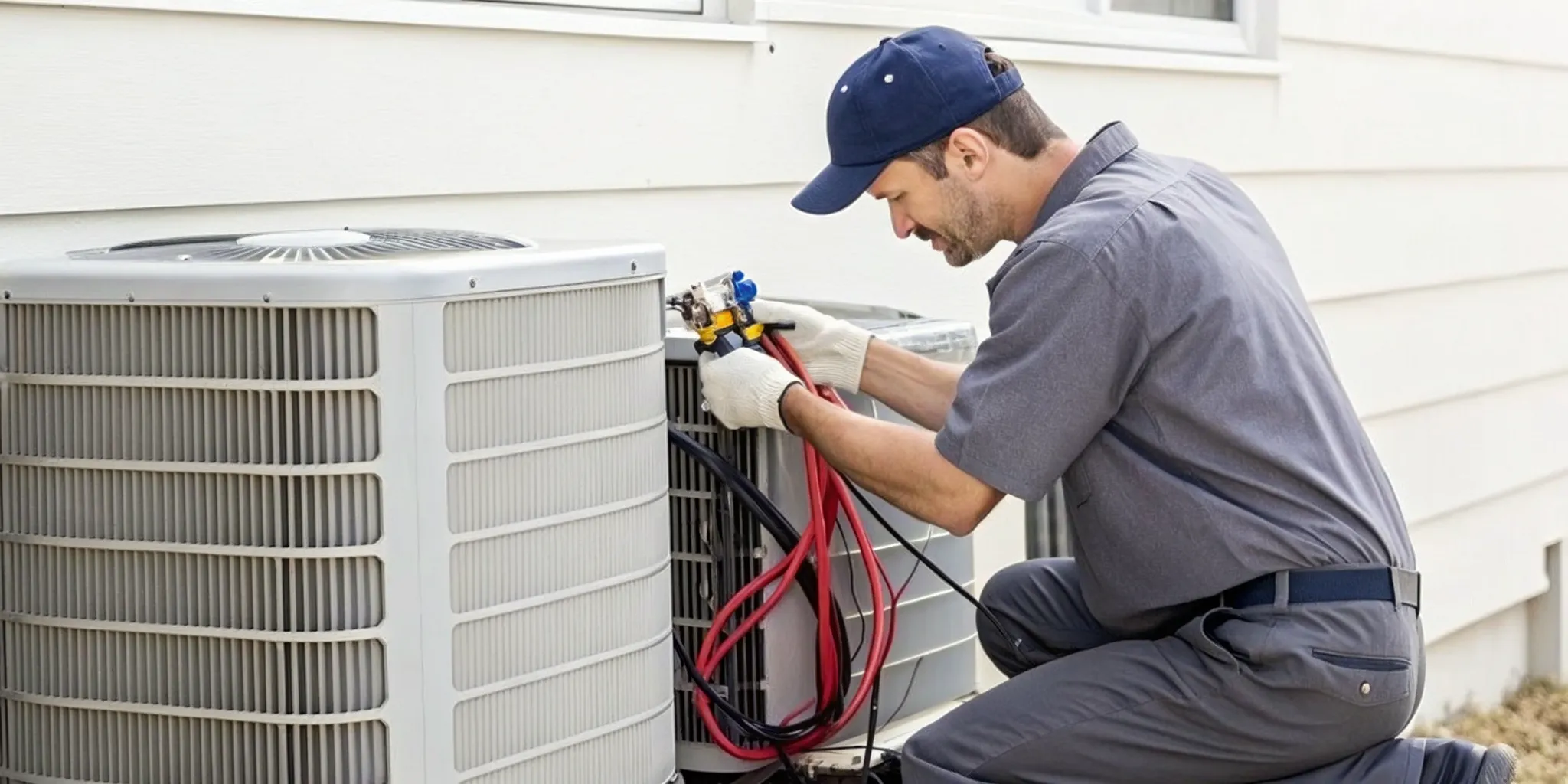
Refrigerant is the substance that absorbs heat from your home’s air, and having the right amount is critical. If the level is too low or too high, your system can’t cool efficiently, which drives up costs and can damage the compressor, the heart of your AC unit. During a tune-up, your technician will check the refrigerant charge and make sure it matches the manufacturer’s specifications. They’ll also inspect for any signs of leaks, like oily spots or ice buildup on the coils. Because refrigerant is a controlled substance, this is a task that should always be handled by a certified professional. You can find more answers to common questions on our FAQs page.
Inspecting Electrical Connections and Calibrating the Thermostat
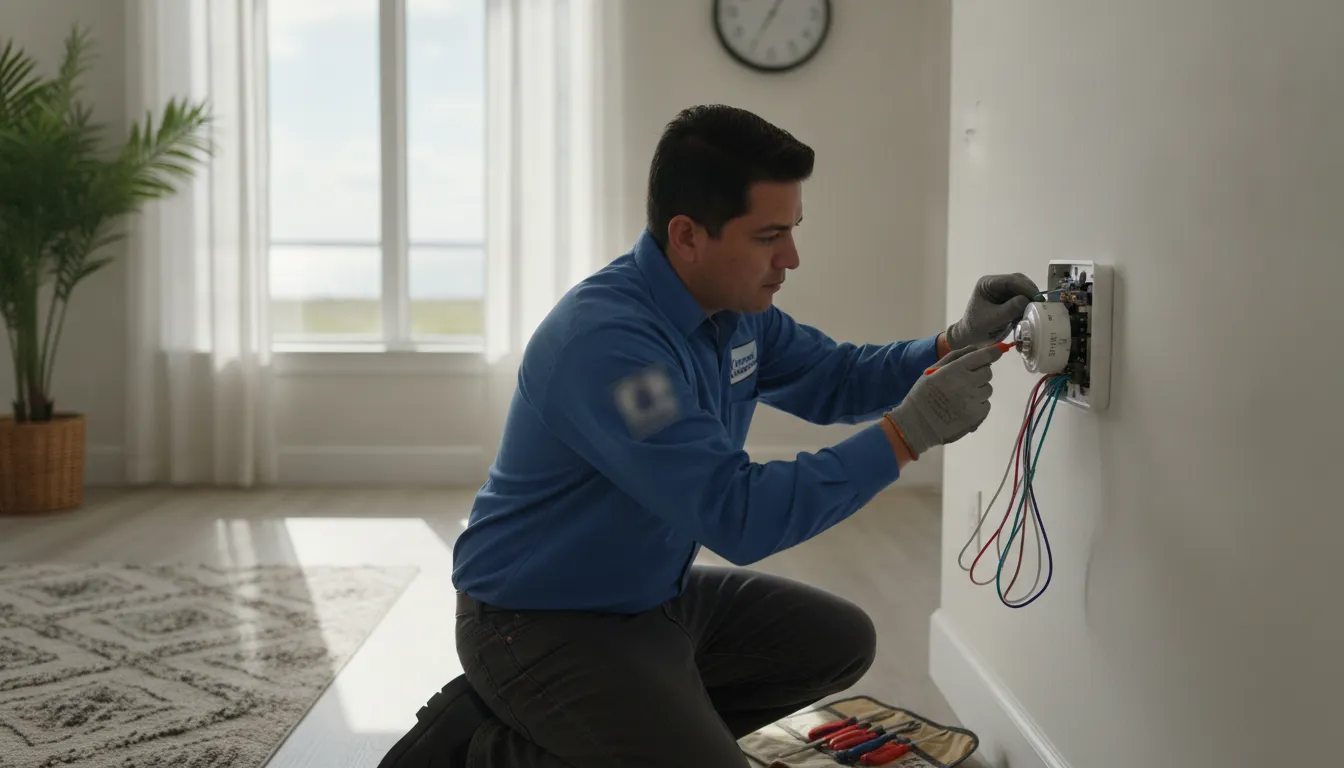
Your air conditioner has a complex network of electrical components, and safety is our top priority. A technician will inspect and tighten all electrical connections, as loose wires can cause unsafe operation and even lead to system failure. We’ll also measure the voltage and current on the motors to ensure everything is running as it should. Next, we’ll check your thermostat’s calibration. If your thermostat isn’t reading the room temperature correctly, it can cause your AC to run longer than necessary or shut off too soon, leaving you uncomfortable and wasting energy. An accurate thermostat is a key part of having one of our energy-saving systems.
Clearing Condensate Drains and Inspecting Ductwork
As your AC cools your home, it also removes humidity from the air. This moisture collects and exits through a condensate drain line. If this drain gets clogged with algae or debris, the water can back up and cause significant water damage to your home, not to mention creating a breeding ground for mold and mildew. A technician will clear the drain line to ensure water can flow freely. They will also perform a visual inspection of your accessible ductwork to check for obvious leaks or obstructions that could be blocking airflow and reducing your system’s efficiency. This is an important step for maintaining good indoor air quality services.
Lubricating Parts and Inspecting Components
Just like any complex machine, your air conditioner has many moving parts that work together to keep your home cool. Over time, friction can cause these components to wear down, leading to decreased efficiency and eventual failure. During a maintenance visit, a technician will lubricate all the moving parts, including motors and fans. This simple step is crucial for reducing friction and strain on the system, allowing it to run more smoothly and quietly. Proper lubrication not only helps prevent expensive breakdowns but also extends the overall lifespan of your unit, ensuring you get the most out of your investment in home comfort.
Checking Fan Belts and Blower Components
The blower is the part of your HVAC system responsible for circulating cool air throughout your home, and its performance is key to your comfort. A technician will carefully inspect the blower components, including the motor and the fan belts. They’ll check the belts for any signs of cracking, fraying, or excessive wear, as a broken belt can cause your entire system to stop working. Ensuring the blower is clean and its parts are in good condition guarantees strong, consistent airflow, which helps your system cool your home more effectively and evenly. This attention to detail keeps the air moving and your home feeling comfortable.
Ensuring the Outdoor Unit is Level
It might seem like a minor detail, but the position of your outdoor condenser unit is incredibly important. The unit sits on a concrete slab, and over the years, the ground beneath it can settle or shift, causing the unit to become unlevel. When this happens, it puts significant stress on the compressor, fan motor, and other internal components. This added strain can lead to premature failure of some of the most expensive parts of your AC. During a tune-up, a technician will check to make sure your outdoor unit is perfectly level, making adjustments as needed to protect its critical components from unnecessary wear and tear.
Performing Essential Safety Checks
While efficiency and comfort are major benefits of an AC tune-up, your family’s safety is the most important thing. Your HVAC system is a powerful piece of equipment that involves electricity, moving parts, and, in many cases, natural gas. A professional maintenance check is also a thorough safety inspection. Our technicians are trained to identify potential hazards that could put your home and family at risk, from frayed wiring to issues with your furnace’s components. We perform these essential checks to give you peace of mind, knowing your system is operating not just efficiently, but safely. This is especially critical when inspecting parts of your heating system.
Inspecting the Heat Exchanger and Gas Connections
Even though you’re getting your air conditioner serviced, a comprehensive tune-up includes checking key components of your furnace. The heat exchanger is one of the most critical parts we inspect. A cracked heat exchanger can leak carbon monoxide—a dangerous, odorless gas—into your home’s air supply. A technician will carefully examine it for any signs of damage or corrosion. They will also check all gas connections to ensure they are tight and secure, preventing potential leaks. This safety check is one of the most vital parts of any HVAC service, protecting your family from a silent and serious threat.
How Often Should You Schedule AC Maintenance?
To keep your air conditioner running smoothly and efficiently, the general rule of thumb is to schedule professional service twice a year. Think of it as a check-up for your home’s hardest-working appliance. We recommend one visit in the spring to prepare your system for the demanding cooling season and another in the fall to get it ready for heating. This consistent care is about more than just preventing breakdowns. Regular maintenance ensures all the parts are clean and functioning correctly, which helps extend the lifespan of your unit and protects your investment.
A well-maintained system doesn't have to work as hard to cool your home, which translates directly into energy savings on your monthly bills. When a technician cleans the coils, checks refrigerant levels, and calibrates the thermostat, your AC runs at peak performance. By catching small issues like a frayed wire or a clogged drain line before they become major headaches, you save yourself the stress and expense of an emergency repair on the hottest day of the year. These routine tune-ups are a simple, proactive step to ensure your home stays comfortable all year long. Our air conditioning services are designed to keep your system in top condition, so you can relax when the Texas heat arrives.
When Is the Best Time for a Tune-Up in Corpus Christi?
Living in Corpus Christi, we all know how quickly the heat can settle in. That’s why the best time to schedule your AC maintenance is in the spring, well before you rely on it daily. A proactive tune-up allows a technician to spot and fix any potential problems while the weather is still mild. This simple step helps you avoid a system failure during the first major heatwave of the season. A great way to remember is to schedule your appointment when the clocks spring forward. Getting ahead of the summer rush ensures your AC is ready to handle the demand from day one.
Do You Need More Than One Tune-Up a Year?
While twice a year is a solid guideline, some factors might mean your system needs a little more attention. Pay close attention to how your AC is performing. If you notice it’s blowing warm air, making strange noises, or producing unusual odors, it’s time to call for a check-up, regardless of when it was last serviced. The age of your unit also plays a role. Older systems may benefit from more frequent inspections to keep them running efficiently. If you find yourself calling for repairs often, it might be a sign you need a more robust maintenance plan, like our membership program, which helps you stay on top of your system’s health.
Warning Signs Your AC Needs Maintenance
Your air conditioner is pretty good at telling you when something is wrong, you just have to know what to look and listen for. Catching these early warning signs can be the difference between a simple tune-up and a costly emergency repair, especially when the Texas heat is at its peak. If you notice your system acting differently, don't just cross your fingers and hope it goes away. Paying attention to changes in performance, air quality, and your utility bills can help you address small issues before they become major headaches.
Weak Airflow and Unusual Noises
One of the most obvious signs of trouble is a change in airflow. If you place your hand over a vent and the air feels weak or isn't as cold as it used to be, your AC is struggling. This could be caused by a clogged air filter or a more serious issue like a failing compressor. You should also listen for any unusual sounds. Your AC should operate with a consistent, low hum. If you start hearing grinding, squealing, or rattling, it’s time to call a professional. These noises often indicate loose parts or a problem with the motor. Our team can diagnose these issues during our air conditioning services.
What is Short Cycling?
If you've ever noticed your AC kicking on for just a few minutes before shutting off again, you've witnessed short cycling. This happens when the cooling cycle is cut short, preventing your system from properly cooling your home. It’s not just annoying; it’s a serious sign of trouble. This constant starting and stopping puts a huge strain on the system's most important components, leading to premature wear and tear and higher energy bills. The cause could be anything from a dirty air filter or a malfunctioning thermostat to low refrigerant levels. Ignoring it can lead to a complete system breakdown, which is why it’s crucial to address the issue as soon as you notice it. Our team can diagnose the root cause during our air conditioning services.
Identifying Bubbling Noises and Refrigerant Leaks
A bubbling or gurgling sound coming from your air conditioner is a definite red flag. This noise often indicates a refrigerant leak. Since refrigerant is what cools the air, a low level means your system can't do its job effectively. Besides the strange sounds, you might also notice warm air blowing from the vents, ice forming on the copper lines of the outdoor unit, or a sudden spike in your electricity bills. Because refrigerant is a controlled substance, this is not a DIY fix. If you suspect a leak, it’s important to contact a certified technician who can safely locate and repair the leak before recharging the system to the manufacturer's exact specifications.
Rising Energy Bills and Worsening Air Quality
Have you noticed your home is dustier than usual or that the air feels stuffy? Your AC plays a huge role in your home’s air quality by filtering out dust and controlling humidity. When it’s not working correctly, you might notice an increase in allergens or even musty odors. Another telltale sign is a sudden spike in your energy bills. If your cooling costs are climbing without a change in your usage, your AC is likely losing efficiency. It has to work harder to cool your home, which consumes more power. Improving your indoor air quality often starts with a well-maintained AC system.
Are You Making These Common Maintenance Mistakes?
Many AC problems are caused by a few common, and completely avoidable, maintenance mistakes. The biggest one is simply skipping regular tune-ups. Just like your car, your AC needs routine service to run reliably. Another frequent misstep is forgetting to change the air filter. A dirty filter restricts airflow, forcing your system to work harder. Finally, attempting complex repairs without proper training is risky. You could cause more damage or even create a safety hazard. An easy way to avoid these issues is by joining a maintenance membership program that handles it all for you.
Repair or Replace? Making the Right Call for Your AC
When your air conditioner breaks down, you’re faced with a big decision: should you pay for another repair or invest in a completely new system? It’s a tough spot to be in. A repair might seem like the more affordable option right now, but if your unit is old and inefficient, you could be throwing good money at a problem that’s only going to get worse. On the other hand, a full replacement is a significant investment. The right choice depends on a few key factors, including the age of your system, the cost of the repair, and your long-term budget. We’ll walk through some practical guidelines to help you make a confident decision for your home.
Using the Rule of 5000
A great starting point for this decision is the "Rule of 5000." It’s a simple calculation that helps you weigh the cost of a repair against the age of your unit. Here’s how it works: multiply the estimated repair cost by the age of your air conditioner in years. If the total is more than $5,000, it’s generally a smarter financial move to replace the system. If the number is less than $5,000, a repair is likely still a reasonable option. For example, if your 10-year-old AC needs a $600 repair, the math is 600 x 10 = 6,000. Since that’s over 5,000, a replacement is probably the better long-term investment. This rule gives you a quick, objective look at your situation before you contact us for a quote.
Other Factors to Consider
While the Rule of 5000 is a helpful guide, it’s not the only thing to think about. Other elements, like the type of refrigerant your system uses and the benefits of a new warranty, can heavily influence your decision. An older unit might have hidden costs and inefficiencies that a simple calculation doesn’t capture. Considering these additional factors will give you a more complete picture, ensuring you make a choice that provides both immediate relief and long-term value for your home and family.
The R-22 Refrigerant Phase-Out
If your air conditioner was installed before 2010, it likely uses a refrigerant called R-22, also known as Freon. Due to its environmental impact, R-22 has been phased out by the government, and production has stopped. This means the remaining supply is extremely limited and very expensive. If your older system has a refrigerant leak, a simple "top-off" can be incredibly costly, and it’s only a temporary fix. Investing in a significant repair for an R-22 unit often isn’t practical. Upgrading to a new, high-efficiency system that uses modern, eco-friendly refrigerant is a more sustainable and cost-effective solution. We proudly install trusted Trane products that meet today's standards.
The Value of a New System Warranty
One of the biggest advantages of replacing your AC is the peace of mind that comes with a new warranty. New systems are protected by manufacturer warranties that cover critical components, like the compressor, for up to 10 years or more. This protects you from paying for major, unexpected repairs right after making a significant investment. When you repair an older, out-of-warranty unit, you’re taking a gamble. You might fix one part, only to have another one fail a few months later, leaving you with another service bill. A new system with a solid warranty provides financial predictability and ensures your home stays comfortable for years to come, a promise you can see reflected in our customer reviews.
DIY vs. Professional AC Maintenance: Which Is Right for You?
Deciding whether to handle AC maintenance yourself or call a professional can feel tricky, but it doesn't have to be an either-or choice. The best approach is a partnership. You can manage a few simple tasks to keep your system running smoothly between professional visits, while our certified technicians handle the complex work that keeps your AC efficient and reliable. This combination ensures your system gets the consistent care it needs to beat the Texas heat.
Think of it like this: you keep the house tidy day-to-day, but you might hire a professional for a deep clean. Your AC works the same way. Regular, simple actions on your part can prevent minor issues, while an annual professional tune-up addresses the bigger picture, catching potential problems before they lead to a breakdown on a sweltering Corpus Christi afternoon. Let’s look at which tasks are right for you and when it’s time to call us.
Your DIY AC Maintenance Checklist
You don’t need to be an HVAC expert to play a key role in your AC’s health. A few basic tasks, when done consistently, make a huge difference. The most important one is checking your air filter monthly and replacing it when it looks dirty, or at least every three months. A clogged filter restricts airflow, forcing your system to work harder and driving up your energy bills.
Another easy job is keeping your outdoor unit clear. Take a few minutes to remove leaves, grass clippings, and any other debris from around the condenser. You can gently rinse the fins with a garden hose (never a pressure washer) to wash away dirt. These simple steps support your system’s performance and can be done in less than an hour.
Key DIY Tasks
You can be your AC's first line of defense with just a few simple habits. First, make a monthly date to check your air filter. If it’s gray and clogged with dust, replace it. A clean filter is the easiest way to ensure strong airflow and help your system breathe. Second, take a walk outside and inspect your condenser unit. It needs at least two feet of clear space around it to work properly. Gently pull away any encroaching weeds or shrubs, and clear off fallen leaves or grass clippings. A quick rinse with a garden hose on a gentle setting can wash away dirt buildup on the fins. These small actions are a powerful complement to our professional air conditioning services and go a long way in maintaining your system's health.
Tools for the Job
The good news is you don’t need a professional-grade toolbox for these basic maintenance tasks. Most of what you need is probably already in your garage or a closet. Having the right items on hand makes the job quick and easy, so you can get back to enjoying your cool, comfortable home. Before you get started, gather these simple supplies:
- The correct size replacement air filters
- Work gloves to protect your hands
- A garden hose with a spray nozzle
- A soft brush for any stubborn debris
- A screwdriver, if your filter is behind a cover
When It's Time to Call a Professional
While DIY cleaning is great, a full AC tune-up is a job for a qualified professional. We recommend scheduling a complete air conditioning service once a year, ideally in the spring before the summer heat arrives. During this visit, our technicians do much more than just clean. They perform a detailed inspection of your entire system to ensure every component is working correctly.
A professional will check refrigerant levels, test electrical connections, clean indoor and outdoor coils, calibrate your thermostat, and inspect the condensate drain line for blockages. These tasks require specialized tools and knowledge to be done safely and effectively. Trying to handle them yourself can lead to system damage or personal injury, so it’s always best to contact our team for a thorough inspection.
What Happens If You Skip Your Annual Tune-Up?
Putting off AC maintenance might seem like a way to save a little money now, but it almost always leads to bigger costs later. Minor issues that a technician could fix during a routine tune-up can spiral into major problems. For example, a small refrigerant leak can eventually damage your compressor, resulting in one of the most expensive AC repairs. Ignoring maintenance can also void your manufacturer’s warranty.
Skipping regular service forces your system to work harder, which reduces its efficiency and shortens its lifespan. You’ll notice the difference in higher energy bills and less effective cooling. Our membership program makes it easy and affordable to stay on top of your maintenance schedule, preventing costly surprises and ensuring your home stays comfortable all year long.
How to Prepare for Your AC Maintenance Check
Having a professional tune-up is one of the best things you can do for your air conditioner, and a little preparation can make the visit even more effective. When you know what to do beforehand and what to expect during the appointment, the entire process feels simple and straightforward. Taking a few minutes to get ready helps our technicians work safely and efficiently, so they can get your system running perfectly for the season ahead. Think of it as setting the stage for a great performance from your AC.
It’s a partnership: you provide the clear space and information, and we provide the expertise. This teamwork ensures we can address all your concerns and make the most of our time, giving your system a comprehensive check-up without any delays. A prepared home means our technicians can focus entirely on the technical details, from cleaning coils to checking electrical connections, ensuring nothing is overlooked. Ultimately, this small effort on your part helps guarantee your system is ready to handle the Texas heat, keeping you cool and comfortable all season long.
Your Pre-Appointment Checklist
To help your maintenance visit go as smoothly as possible, here are a few simple things you can do before the technician arrives. This quick checklist ensures our team can get right to work and give your system the attention it deserves. First, make a note of any issues you’ve noticed. Is the system making strange noises or not cooling a specific room evenly? Jot it down so you can share it with the technician. Next, take a look at your air filter. If it’s visibly dirty, swapping it out is a great first step toward better indoor air quality. Finally, clear the area around your indoor and outdoor units. We need about three to five feet of clear space to work, so please move any furniture, toys, or storage items. For the outdoor unit, trim back any overgrown shrubs or grass.
What to Expect When Your Technician Arrives
When a Tommy Cool Air technician arrives at your home, our goal is to be thorough and transparent. We start with a comprehensive inspection of your entire system. This includes checking the thermostat, electrical connections, refrigerant levels, and all the moving parts of both the indoor and outdoor units. We want to get a complete picture of your system’s health before we begin any work. After the inspection, we’ll perform the hands-on maintenance. This involves cleaning the condenser and evaporator coils, clearing the condensate drain line to prevent clogs and water damage, and lubricating moving parts to reduce friction. If we find any issues that require a repair, we’ll explain the problem clearly, show you what we found, and discuss your options before proceeding with any additional air conditioning services. We’re here to answer your questions and make sure you feel confident in your AC’s performance.
Planning for Follow-Up Appointments
Sometimes, during a tune-up, our technician might find a part that’s too worn to be fixed with a simple cleaning or adjustment. If this happens, we’ll always show you the issue and explain exactly what’s going on so you understand all your options. For more significant repairs that might require a specific part, we’ll schedule a follow-up visit at a time that works for you. This is a key part of proactive care. Catching a failing component during a routine check allows us to address it on your schedule, rather than waiting for it to cause a complete system breakdown on a hot afternoon. It’s how regular maintenance, supported by our membership program, saves you from future stress and unexpected costs.
Keeping Your AC Healthy Between Tune-Ups
While a professional tune-up is the best way to keep your AC in top shape, there are a few simple things you can do yourself to maintain its performance throughout the year. Think of it as the daily care that supports the annual check-up. These small steps can have a big impact on your system’s efficiency, your energy bills, and the overall comfort of your home. Taking just a few minutes each month for basic upkeep helps prevent minor issues from turning into major, costly repairs down the road. It’s all about keeping things running smoothly so your AC is ready to handle that Texas heat when you need it most.
Simple Monthly Tasks to Keep Your AC Running Smoothly
You don’t need to be an HVAC expert to handle these simple tasks. Adding them to your monthly routine will keep your system breathing easy. First, check and change your air filter. A clogged filter forces your AC to work harder, which drives up energy costs and can lead to equipment damage. Next, take a look at your outdoor unit. Make sure there’s at least two feet of clear space around it. Trim back any shrubs or weeds and clear away leaves, grass clippings, or other debris. You can gently rinse the outside of the unit with a garden hose to wash away dirt, but never use a high-pressure sprayer.
How to Create a Simple Maintenance Calendar
A little organization goes a long way. To make AC care a habit, set up a simple calendar.
- Monthly: Swap out your air filter. Set a recurring reminder on your phone so you never forget.
- Seasonally (Spring & Fall): Before the cooling season kicks into high gear, do a thorough check of your outdoor unit. Clear away any debris that has built up over the winter. In the fall, do the same to prepare it for its off-season.
- Annually: Schedule your professional tune-up. The easiest way to stay on track is by joining a maintenance plan. Our membership program includes annual check-ups, so you can set it and forget it.
A Quick Guide to Window AC Unit Maintenance
While a central air conditioner is the workhorse of most homes, many people in the Corpus Christi area rely on window units to cool specific spaces like a guest room, garage, or workshop. Just like their larger counterparts, these smaller appliances need regular attention to run efficiently and safely. Neglecting a window unit can lead to poor performance, higher energy bills, and even issues with mold and mildew that affect your home’s air quality. A little bit of proactive care can make a huge difference in how well your unit cools and how long it lasts.
The good news is that basic window AC maintenance is straightforward and doesn’t require any special tools. By dedicating a small amount of time to a few key tasks, you can keep your unit in great shape all summer long. We’ll walk you through the most important steps, from routine cleaning to proper off-season storage. These simple habits will help you get reliable, efficient cooling when you need it most, ensuring your space remains a comfortable escape from the Texas heat.
Regular Cleaning Tasks
The most critical part of window AC maintenance is keeping it clean. Over time, dust, pollen, and other airborne particles get pulled into the unit, while the cooling process creates moisture. This combination of debris and dampness can clog filters, reduce airflow, and create the perfect breeding ground for mold and mildew. Regular cleaning not only helps your unit run more efficiently but is also essential for protecting your home’s air quality. These simple cleaning tasks should be part of your routine whenever the unit is in use.
Washing the Filter and Cleaning Fan Blades
Before you do any cleaning, always unplug the unit from the wall for safety. The most important task is cleaning the air filter. Slide the filter out, wash it gently with warm water and a little mild soap, and let it air dry completely before sliding it back in. A dirty filter is the number one cause of poor performance, so aim to do this at least once a month during the cooling season. While the filter is out, you can also use a damp cloth to carefully wipe down the fan blades and remove any dust buildup, which helps the unit run more smoothly and improves your indoor air quality.
Emptying the Water Pan
As your window unit cools the air, it also removes humidity. This moisture collects as condensation and drips into a pan at the bottom of the unit. If this water is left to sit, it can become stagnant and lead to mold, mildew, and musty odors that get circulated back into your room. To prevent this, check the water pan regularly and empty it as needed. Wiping it clean with a cloth will help remove any slime or residue, keeping your unit fresh and your air healthier.
Sealing and Storing Your Unit
Beyond regular cleaning, a little bit of seasonal prep can make a big impact on your window unit’s performance and longevity. Ensuring the unit is properly sealed in the window is key to its efficiency, preventing the cool air you’re paying for from escaping outside. And when the cooling season is over, storing the unit correctly protects it from the elements and ensures it will be ready to go when the heat returns next year. These simple steps will help you get the most value from your appliance.
Checking the Window Seal
For your window unit to cool effectively, it needs to have an airtight seal with the window frame. Any gaps will allow cool air to leak out and hot, humid air to creep in, forcing the unit to work harder and waste energy. Run your hand along the edges of the unit where it meets the window. If you feel any drafts, fill the gaps with weatherstripping or foam insulation. Creating a tight seal is a simple way to support an energy-saving system in your home and keep your electricity bills in check.
Proper Off-Season Storage
When cooler weather arrives, you have two options for storing your window unit. If you leave it in the window, protect it with a specially designed AC cover that fits securely over the outside. This will shield it from rain, dust, and debris during the fall and winter. If you choose to remove it, be sure to store it in an upright position in a dry place, like a closet or garage. Laying the unit on its side or back can cause the lubricants inside to shift and damage the compressor. Proper storage is the final step to ensuring your unit is ready for another season of hard work.
Related Articles
- AC Tune-Ups & Maintenance in Corpus Christi, TX | Tommy Cool Air
- Understanding AC Efficiency: Tips for Optimizing Your Cooling System | Tommy Cool Air
- Your Guide to Mastering Indoor Climate Control in Every Season | Tommy Cool Air
- 7 Essential Tips for Maintaining Optimal Indoor Air Quality | Tommy Cool Air
- 20 Common Problems Requiring Emergency Furnace Repair and How to Prevent Them | Tommy Cool Air
Frequently Asked Questions
How long does a typical AC tune-up appointment take? You can expect a thorough AC tune-up to take about 60 to 90 minutes. Our technicians follow a detailed checklist to make sure every part of your system is inspected, cleaned, and tested properly. We take our time to be comprehensive because a rushed job can miss the small details that prevent future breakdowns.
Is an AC tune-up really worth the cost every year? Absolutely. Think of it as a small investment that protects a much larger one. The cost of a tune-up is minimal compared to the expense of an emergency repair, a premature system replacement, or months of inflated energy bills. Regular maintenance helps your system run more efficiently and last longer, saving you significant money and stress over time.
What happens if the technician finds a serious problem during the tune-up? If we discover an issue that needs more than a standard tune-up, our first step is to talk to you. Your technician will explain the problem clearly, show you exactly what they found, and provide you with straightforward options and pricing for the repair. We will never perform any additional work or charge you for anything without your full understanding and approval first.
My air conditioner is only a year or two old. Does it still need maintenance? Yes, even new systems benefit greatly from annual maintenance. Just like a new car needs its first oil change, a new AC needs a tune-up to ensure it continues running at peak efficiency. Plus, most manufacturers require proof of annual maintenance to keep your warranty valid, so skipping it could void your coverage.
What's the difference between a maintenance tune-up and a repair visit? A tune-up is a proactive wellness check designed to prevent problems before they start. It involves a comprehensive inspection, cleaning, and adjustment of your entire system. A repair visit, on the other hand, is reactive. It happens when your system has already stopped working correctly, and the goal is to diagnose and fix a specific, existing issue.