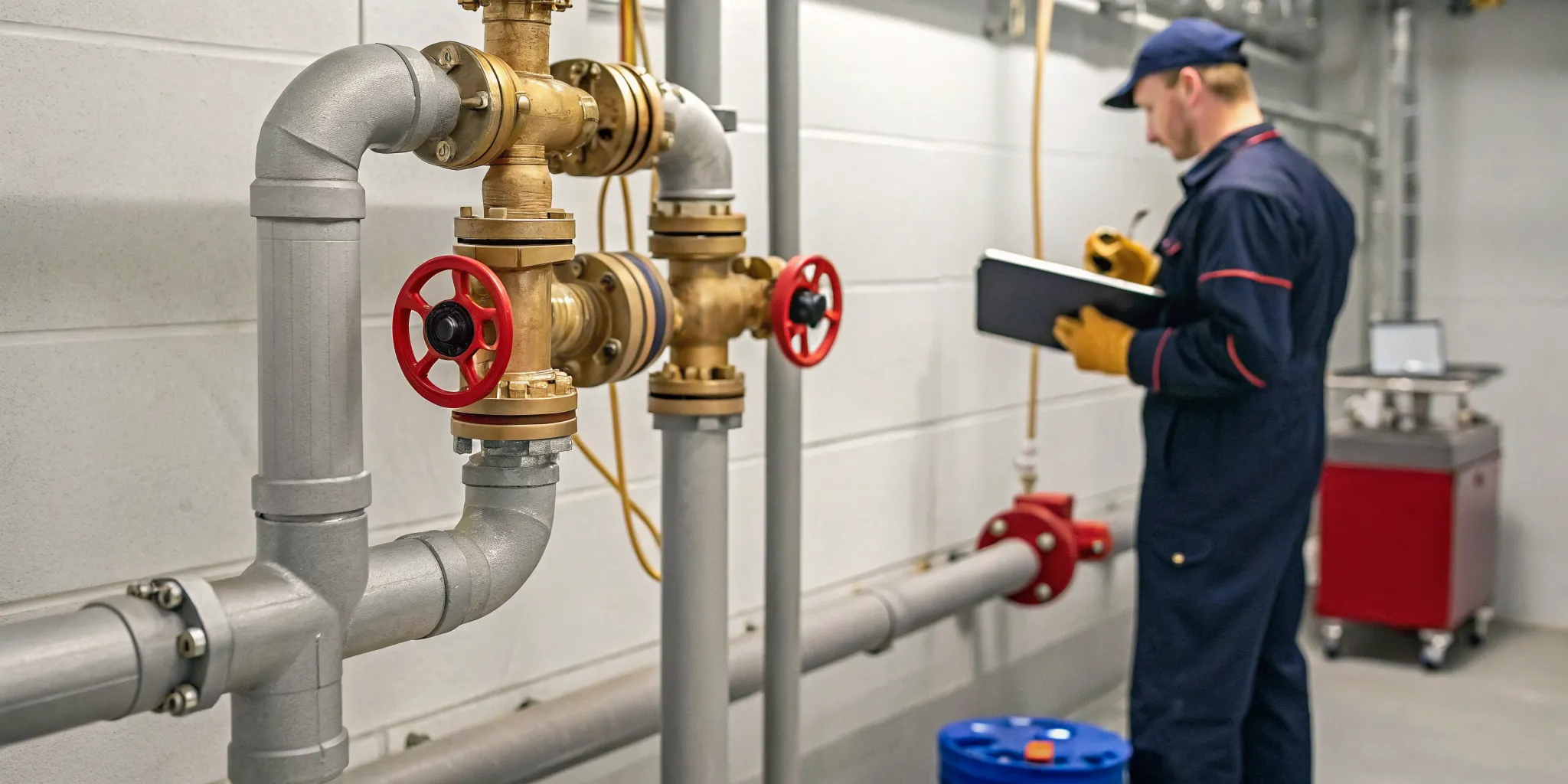
We've all felt that panic. The AC goes silent on a sweltering Texas afternoon, and you know a huge repair bill is coming. But what if you could avoid that stress altogether? Most AC breakdowns are preventable with a little planning. The secret is a consistent air conditioner maintenance schedule. It’s the key to keeping your system running smoothly and efficiently all summer long. This guide will show you exactly what to do and when. We’ll even provide a handy air conditioner maintenance schedule pdf to take the guesswork out of the process.
Key Takeaways
- Stick to a maintenance schedule to save money and avoid stress: Following a simple routine of DIY tasks and professional tune-ups keeps your AC running efficiently, lowers your energy bills, and prevents surprise breakdowns.
- Handle the basics, but call a pro for the technical work: Your job is to manage simple monthly tasks like changing the air filter and clearing the outdoor unit, while leaving complex jobs like checking refrigerant levels to a technician during an annual service.
- Keep simple records to protect your investment: Use a notebook, calendar reminders, or a digital folder to track your maintenance, which keeps you organized and provides the proof of service often required to keep your manufacturer's warranty valid.
What Is an Air Conditioner Maintenance Schedule?
Think of an AC maintenance schedule as a simple care plan for your air conditioner. It’s a checklist of tasks and regular check-ups designed to keep your system running efficiently and reliably, especially when you need it most. This schedule isn't just for the pros; it includes things you can easily do yourself, like changing filters, alongside the more detailed annual inspections that are best left to a technician. By following a schedule, you’re proactively caring for one of your home’s most important appliances. You can catch small issues before they become big problems, ensuring your system is ready to handle those hot Corpus Christi summers without a hitch.
Why Is Regular AC Maintenance So Important?
Sticking to a maintenance routine is one of the smartest things you can do for your home and your wallet. Consistent upkeep is crucial for improving your indoor air quality, which means you and your family can breathe easier. It also helps your system run more efficiently, which translates directly to lower energy bills each month. Beyond the savings, regular care extends the life of your AC unit, pushing back the need for a costly replacement. It's all about preventing small issues from turning into major repairs and ensuring your home stays consistently cool and comfortable.
The Perks of Sticking to a Schedule
The benefits of following a consistent schedule really add up over time. An AC system that gets regular attention is simply more reliable and cost-effective. You'll experience fewer unexpected breakdowns, which is a huge relief during a Texas heatwave. Simple tasks, like regularly changing your air filters, go a long way in keeping your unit running efficiently and your air clean. Ultimately, scheduling annual air conditioning services helps you get the most out of your investment, contributing to a system that performs better, lasts longer, and saves you money on both energy and repairs.
Building Your AC Maintenance Checklist
A great maintenance checklist breaks down tasks by how often you need to do them. Thinking about it in terms of monthly, seasonal, and annual to-dos makes the whole process feel much more manageable. Some of these are simple tasks you can handle yourself in just a few minutes, while others are best left to a professional. Sticking to a schedule helps your AC run efficiently, keeps your air clean, and can even prevent surprise breakdowns when you need your system the most. Let's walk through what your checklist should include for each timeframe.
Quick Monthly Check-Ins
Your main job every month is simple: check your air filter. A dirty, clogged filter forces your AC system to work much harder to pull in air, which wastes energy and drives up your utility bills. It also fails to trap dust, pollen, and other allergens, letting them circulate through your home. While some filters can last up to three months, it’s a good habit to inspect yours monthly, especially during peak cooling season or if you have pets. You should also take a quick walk outside to make sure the area around your outdoor condenser unit is clear of leaves, grass clippings, and other debris that could block airflow.
Your Seasonal AC Maintenance Plan
A couple of times a year, you’ll want to do a slightly deeper check. Before the Texas heat really kicks in, it’s a good idea to inspect your outdoor unit more closely. Look for any overgrown plants or shrubs that might be crowding it and trim them back. You can also gently rinse the condenser coils with a garden hose (never a pressure washer!) to wash away accumulated dirt and grime. This helps the unit release heat more effectively. Another important seasonal task is to check the condensate drain line to ensure it isn't clogged, which can cause water damage and shut down your system.
Why You Need an Annual Professional Tune-Up
This is the most important item on your list. Once a year, you need a comprehensive tune-up from a certified technician. During a professional air conditioning service, an expert will perform tasks you can’t do on your own. They’ll check refrigerant levels, test electrical components, clean internal parts, and lubricate moving pieces to ensure everything is in top shape. This annual visit is crucial for catching small issues before they become major repairs. It also significantly enhances your indoor air quality, keeping your family healthy and comfortable. Scheduling this service in the spring ensures your AC is ready for the summer marathon.
What a Professional Checklist Includes
When you schedule your annual professional tune-up, you're getting more than just a quick look-over. A certified technician comes equipped with a detailed checklist to inspect every critical part of your system. This thorough process is designed to catch potential problems, optimize performance, and ensure your unit is running safely and efficiently. While the specifics can vary slightly, a comprehensive service from a trusted company like ours covers all the essential bases. Here’s a look at what you can expect a technician to check during a visit.
- Thermostat Check: The technician will start by checking your thermostat to ensure it’s calibrated correctly and communicating properly with the AC system. A faulty thermostat can lead to inefficient cooling cycles, causing your home to feel either too warm or too cold and driving up your energy bills. This simple but crucial step, as the experts at Trane point out, ensures your system operates exactly when it needs to, keeping you comfortable without wasting electricity.
- Electrical Components Inspection: Your technician will carefully inspect all electrical components, tightening connections and checking for any signs of wear on wires, capacitors, and relays. Loose or corroded connections can be a serious safety risk and are a common cause of system failure right when you need it most. As outlined in professional guidelines like this air conditioning maintenance checklist, this step is vital for preventing unexpected breakdowns and ensuring your system operates safely.
- Refrigerant Level Assessment: Checking the refrigerant is a key part of the service. If the levels are too low, it’s often a sign of a leak. Incorrect refrigerant levels drastically reduce your AC's ability to cool your home and can cause serious damage to the compressor. A technician will measure the levels to ensure they match the manufacturer’s specifications, a key step for efficiency that ENERGY STAR recommends.
- Coil Cleaning: Your AC has two sets of coils—the evaporator coil inside and the condenser coil outside—that are essential for the heat exchange process. Over a year, these coils get covered in dust and debris, which insulates them and makes it harder for your system to cool your home. A technician will thoroughly clean both sets of coils, which improves efficiency, lowers energy consumption, and helps prevent breakdowns caused by overheating.
- Drain Line Inspection: Your AC creates condensation as it cools the air, and this moisture is removed through a condensate drain line. If this line gets clogged with algae or debris, the water can back up and cause significant water damage to your home, not to mention shut down your system. A technician will inspect and clear the drain line to ensure water is flowing freely, preventing a messy and expensive problem.
- Lubrication of Moving Parts: Your system has several moving parts, like fan motors, that need proper lubrication to function without friction. Lack of lubrication causes these parts to wear out much faster, leading to noisy operation and eventual failure. During a tune-up, a technician will lubricate all moving components, which helps extend the lifespan of your system and keeps it running smoothly and quietly.
How Often Does Your AC Need Service?
Think of your AC system like your car. You wouldn't drive it for years without an oil change, and your air conditioner needs the same kind of regular attention to run its best. For a comprehensive professional tune-up, once a year is the golden rule, ideally in the spring before the Texas heat really kicks in. This annual check-up from a pro ensures everything is working safely and efficiently.
However, your AC needs a little TLC from you throughout the year, too. Some simple tasks should be done monthly, while others are best handled seasonally. Sticking to a consistent schedule for both professional and DIY maintenance is the best way to keep your system running smoothly, extend its lifespan, and keep your energy bills in check. A well-maintained unit is a reliable unit, especially when you need it most during a Corpus Christi summer. Getting familiar with these key maintenance tasks is the first step.
Biannual Service for Coastal Climates
While an annual tune-up is a solid rule of thumb for most places, living on the Texas coast adds a unique layer of stress to your AC system. The salty, humid air we love is incredibly tough on outdoor units. Salt is corrosive and can accelerate rust and deterioration on the condenser coils and other metal components, reducing efficiency and shortening the unit's lifespan. At the same time, the high humidity forces your system to work much harder to remove moisture from the air, leading to greater wear and tear. For these reasons, a biannual professional tune-up is often a smart investment. A second visit in the fall can address the damage from a long, hard summer, cleaning away corrosive salt buildup and ensuring the system is ready for the off-season.
How Often to Change Your Air Filter
One of the easiest and most impactful things you can do for your AC is to regularly change the air filter. A clogged filter is bad news. It restricts airflow, forcing your system to work much harder to cool your home, which wastes energy and drives up your utility bills. As a general guideline, you should check your filter every month and plan to replace it at least every three months. However, if you have pets, live with someone who has allergies, or your home gets dusty easily, you’ll want to change it more frequently, perhaps even monthly. A clean filter not only helps your AC run more efficiently but also improves your home's indoor air quality.
Keeping Your Coils and Outdoor Unit Clean
Your air conditioner has two sets of coils that are essential for the cooling process: the evaporator coil inside and the condenser coil in the outdoor unit. Over time, these coils get covered in dirt and grime, which acts like a blanket, making it harder for the system to transfer heat. This forces your AC to run longer and work harder. Part of a good maintenance routine involves cleaning these coils. You should also make sure your outdoor unit is clear of any debris like leaves, grass clippings, or branches. Keeping at least two feet of clear space around the unit ensures it has proper airflow to operate efficiently and avoid overheating.
Inspecting Refrigerant and Electrical Parts
While you can handle filters and clearing debris yourself, some tasks are best left to the pros. Checking refrigerant levels and electrical connections falls squarely in that category. Your AC uses refrigerant to absorb heat from your home, and if the level is low, it usually means there’s a leak. Simply topping it off isn't a fix; a technician needs to find and repair the leak. Likewise, loose or corroded electrical connections can cause your system to fail and even create a fire hazard. During an annual tune-up, a professional will check these components to ensure your system is running safely and effectively. These checks are a key part of our Membership plan, giving you peace of mind all year.
What Happens if You Skip AC Maintenance?
It’s easy to let AC maintenance slide down the to-do list, especially when everything seems to be working fine. But putting off those regular check-ups can lead to some not-so-cool consequences for your home, your wallet, and even your health. Skipping maintenance isn't just a gamble; it's a guaranteed way to face problems down the road. From strange noises to a complete system shutdown on the hottest day of the year, the effects of neglect can be significant. Let's look at what really happens when you skip those essential tune-ups.
Watch Your Energy Bills Climb
Think of your AC unit like any other hard-working machine. Without regular care, its performance starts to decline. Clogged filters and dirty coils force the system to work much harder to cool your home, causing a noticeable spike in your energy bills. This loss of efficiency means you’re paying more for less comfort. A well-maintained system runs smoothly, using less energy to do its job. Investing in regular upkeep helps you manage one of your home’s biggest energy expenses and supports more energy-saving systems throughout your home.
The High Cost of Poor Airflow
When airflow is restricted, your AC is essentially trying to breathe through a straw. A clogged filter or an outdoor unit crowded by debris forces the system to strain just to pull in enough air. This constant struggle doesn't just make your AC less effective at cooling; it puts a huge amount of stress on its components. The system has to run longer and work harder, which directly translates to higher energy bills. Over time, this strain can lead to premature wear and tear on critical parts, setting you up for expensive AC repairs or even a complete system failure. Ensuring proper airflow is one of the simplest ways to protect your investment and keep your home comfortable without overpaying on utilities.
Facing Expensive Repairs and Breakdowns
A small, rattling sound or a minor leak might not seem like a big deal, but these are often early warnings of bigger trouble ahead. When you skip maintenance, you miss the chance for a professional to catch and fix these small issues before they spiral into major system failures. What could have been a simple, affordable fix can quickly become an expensive emergency repair or even a full system replacement. Staying on top of your air conditioning services is the best way to prevent a stressful and costly breakdown when you need your AC the most.
Is Your AC Hurting Your Air Quality?
Your AC system does more than just cool your home; it also plays a huge role in circulating and filtering your air. When the system is dirty, it can push dust, pollen, mold spores, and other allergens right into your living space. This can be a serious problem, especially for family members with allergies or asthma. Regular maintenance, including cleaning internal components and changing filters, is crucial for maintaining healthy air. Professional indoor air quality services ensure your system is circulating clean, fresh air, making your home a healthier and more comfortable place to be.
Easy DIY AC Maintenance You Can Do Monthly
Think of these monthly tasks as a quick check-in with your AC system. They don't take much time, but they make a huge difference in how well your unit runs, especially during our hot Texas summers. A little bit of effort each month can prevent bigger headaches down the road, keep your energy bills in check, and ensure your home stays comfortable. These are simple steps anyone can handle, and they form the foundation of a solid maintenance routine.
How to Check and Change Your Air Filter
This is probably the single most important DIY task you can do for your AC. A dirty, clogged filter is bad news. As one expert puts it, "Clogged filters restrict airflow through your air conditioning unit which will decrease its efficiency and reduce its ability to effectively cool the air." To change it, first locate the filter, which is usually in a slot on your indoor air handler or in a return air vent in a wall or ceiling. Slide the old one out and check it. If it’s gray and full of dust, it’s time for a new one. Just slide the new filter in, making sure the arrows on the frame point in the direction of the airflow. This simple swap helps maintain good indoor air quality and keeps your system running smoothly.
Keeping Your Outdoor Unit Clean and Clear
Your outdoor AC unit, the condenser, needs space to breathe. Its job is to release the heat pulled from inside your home, and it can’t do that if it’s smothered. Once a month, take a quick walk around your unit. Trim back any shrubs, weeds, or grass so there are at least two feet of clear space on all sides. Remove any leaves, twigs, or other debris that have collected on or around the unit. If the fins look dirty, you can gently hose them down with a garden hose (never a pressure washer!). This helps your system dissipate heat efficiently, preventing it from working harder than it needs to.
Protecting Your Unit in the Off-Season
Even though our winters in Corpus Christi are mild, your AC unit still gets a few months off. During this time, it’s a good idea to protect it from the elements. While we don't have to worry about snow, covering your outdoor unit can shield it from rain, falling leaves, and the salty air that can cause corrosion. The key is to use a breathable cover. As experts at Trane point out, a non-breathable cover can trap moisture, leading to rust and mold growth. A proper cover allows moisture to escape while keeping debris out, ensuring your unit is in great shape when you need it again.
Ensuring Vents Are Unobstructed
This is one of the simplest yet most overlooked parts of AC maintenance. Take a quick tour of your home and check all your indoor supply and return vents. It’s easy to accidentally block them with furniture, rugs, or long curtains when you’re rearranging a room. Blocked vents disrupt airflow, forcing your system to work harder and creating uneven temperatures throughout your home. Keeping them clear ensures your AC can circulate air efficiently, which helps it cool your home effectively and keeps your energy costs down. This simple step supports the overall health of your system and improves your indoor air quality.
How to Do a Quick Thermostat Check
Your thermostat is the brain of your cooling system, so you want to make sure it’s giving the right commands. A quick monthly check can save you from discomfort and wasted energy. First, make sure it’s set to "cool" and the temperature is where you want it. If you have a battery-powered model, check the battery indicator. It’s also a good idea to test its accuracy. You can place a simple room thermometer next to it for an hour and see if the readings match. "Many homeowners don't realize that thermostats need occasional calibration, especially older models." If you notice a big difference or your system isn't responding correctly, it might be time to give us a call.
A Season-by-Season AC Maintenance Guide
Your air conditioner's needs change with the seasons, just like your wardrobe. Staying on top of seasonal maintenance helps your system run efficiently all year long, preventing surprise breakdowns during the worst possible times (like a Corpus Christi heatwave). Think of it as a simple routine to protect your investment and keep your home comfortable. Here’s a breakdown of what to focus on each season.
Spring Checklist: Get Ready for Summer
As the weather warms up, it’s time to get your AC ready for the demanding summer ahead. A spring check-up is your best defense against a mid-July system failure. This is the perfect time to schedule a professional AC tune-up to catch any small issues before they become big, expensive problems. A technician will clean the components, check refrigerant levels, and ensure everything is in top working order. This simple step not only improves your system's efficiency and reliability but also helps maintain healthy air quality in your home. Getting this done now means you can relax knowing you’re prepared for the heat.
Summer Maintenance: Keep It Running Smoothly
During the peak of summer, your AC is working overtime. Your main job is to help it run as efficiently as possible. The most important task is checking your air filter monthly and replacing it when it’s dirty. A clogged filter forces your system to work harder, which drives up your energy bills and can strain the components. Keeping the filter clean is also one of the easiest ways to support good indoor air quality for your family. Also, make sure the outdoor unit is free of debris like leaves, grass clippings, and dirt. A clear unit can release heat more effectively, keeping your home cool without wasting energy.
Fall Prep: Shutting Down for the Season
Once the coastal breeze starts to feel a little cooler, it’s time to help your AC wind down. After a long, hot summer, your system deserves a little attention. This is a great time to address any strange noises or minor performance issues you noticed over the season. Ignoring small problems can allow them to develop into major system failures over the winter. A fall inspection ensures your AC is in good shape for its hibernation and that your heating system is ready to take over when needed. Taking care of this now prevents you from being caught off guard by a costly repair bill next spring.
How to Create and Stick to a Maintenance Schedule
A maintenance schedule sounds formal, but it’s really just a plan to keep your AC running smoothly without any last-minute panics. Having a simple routine takes the guesswork out of caring for your system and helps you catch small issues before they become big, expensive problems. The key is to make it simple and consistent. By breaking down tasks into monthly, seasonal, and annual check-ins, you can stay on top of your AC’s health and ensure your home stays comfortable all year long.
Start with a Printable Checklist
The easiest way to start is with a good checklist. Think of it as your road map for AC care. It lists everything you need to do and when, so you never have to wonder if you’ve missed a step. You can find plenty of templates online or use your AC unit’s manual as a guide. A great checklist will cover all the essential procedures for maintaining safety and efficiency. For a really detailed example, you can look at professional preventive maintenance guidelines to see what the pros track. Once you find a list you like, customize it for your specific system and home.
Set Up a Simple Tracking System
Once you have your checklist, you need a way to track what you’ve done. This doesn’t have to be complicated. While professionals use dedicated HVAC maintenance software to manage their work, you can get great results with a simple approach. A small notebook kept near your indoor unit, a spreadsheet on your computer, or even a dedicated note on your phone works perfectly. Just jot down the date and the task you completed, like "changed air filter" or "cleared debris from outdoor unit." This simple log helps you stay organized, ensures no task is overlooked, and creates a handy service history for your system.
Smart Ways to Track Your AC Maintenance
Keeping up with AC maintenance is one thing, but remembering when you did what is a whole other challenge. A simple tracking system helps you stay on schedule, protects your investment, and gives you peace of mind. You don’t need a complicated spreadsheet or fancy software, just a consistent method that works for you. Here are a few smart, straightforward ways to keep track of your AC care.
Protect Your Warranty with Good Records
Did you know that many HVAC warranties require proof of regular, professional maintenance to remain valid? If a major part fails, the manufacturer may ask for service records before covering the replacement. Keeping good records is your best defense. Simply create a folder, either physical or digital, for all your HVAC paperwork. File every receipt and service report from professional tune-ups. This simple habit ensures you have the documentation you need, right when you need it, and helps you keep your air conditioning services history in one organized place.
Go Digital with Maintenance Logs and Apps
If you prefer to keep things digital, your phone can be your best friend for tracking AC maintenance. Use your calendar app to log service dates and set reminders for future tasks, like changing the air filter. You can also use a simple notes app or a spreadsheet to create a running log of maintenance activities. The goal is to have a central place where you can quickly see your AC’s service history without digging through papers. For an even easier approach, our membership program takes the guesswork out of scheduling by managing your tune-ups for you.
Set Calendar Reminders and Read the Manual
The easiest way to forget maintenance is to rely on memory alone. Instead, set recurring reminders on your phone or digital calendar for monthly and seasonal tasks. A simple alert to check your air filter can save you from efficiency loss and poor air quality. It’s also a great idea to consult your AC unit’s owner’s manual. The manufacturer provides specific recommendations for your model, from the type of filter to use to the ideal maintenance schedule. Following their advice is the best way to keep your system running as it should. If you have questions about filter types or schedules, you can often find answers in our FAQs.
When to Call Tommy Cool Air for Help
While you can handle many monthly and seasonal tasks yourself, some jobs require a trained professional. Your AC is a complex system, and trying to fix certain problems without the right tools or knowledge can lead to bigger, more expensive issues. Knowing when to step back and call for help is just as important as knowing how to change your air filter. Here are a few key times when you should pick up the phone and get in touch with our team.
Signs You Need to Call a Pro
Your air conditioner will usually give you a heads-up when something is wrong. If you notice your system is blowing warm air, making strange grinding or squealing noises, or your home just isn’t getting cool, it’s time to call a professional. These symptoms can point to common problems like low refrigerant or failing parts that make your system work harder and use more energy. According to the Department of Energy, issues like leaky ducts from a faulty installation can also cause problems. Don't wait for a small issue to become a major breakdown. Our team can diagnose the problem and provide the right air conditioning services to get your system running smoothly again.
Odd Smells Coming From Vents
If you notice a musty or moldy smell coming from your vents, don't ignore it. Your AC system does more than just cool your home; it also plays a huge role in circulating and filtering your air. When the system is dirty, it can push dust, pollen, and mold spores right into your living space, which is a big concern for family members with allergies or asthma. A burning smell is even more serious, as it could indicate an electrical problem. These odors are clear signs that your system needs a professional inspection to ensure you have healthy indoor air quality and a safely functioning unit.
Water Pooling or Ice on the Coils
Finding a puddle of water near your indoor unit or seeing ice on the refrigerant lines is a definite red flag. This often points to a clogged condensate drain line or, more seriously, low refrigerant. Your AC uses refrigerant to absorb heat from your home, and if the level is low, it usually means there’s a leak. Simply topping it off isn't a fix; a technician needs to find and repair the leak. Ignoring these signs can lead to significant water damage and compressor failure. Regular professional checks, like those included in our Membership plan, can catch these issues early.
A Sudden Increase in Energy Bills
Your utility bill is often the first place you'll see evidence of an AC problem. Without regular care, its performance starts to decline. Clogged filters and dirty coils force the system to work much harder to cool your home, causing a noticeable spike in your energy bills. This loss of efficiency means you’re paying more for less comfort. If you haven't changed your habits but your electricity costs are climbing, it’s a strong sign that your AC needs a tune-up. A professional service can restore its efficiency and help you explore more energy-saving systems for long-term savings.
Why a Professional Annual Tune-Up Is Worth It
Think of a professional tune-up as an annual check-up for your AC. It’s one of the best ways to keep your system running efficiently and extend its lifespan. During a tune-up, a technician will clean critical components, check refrigerant levels, and tighten electrical connections to prevent future problems. This regular maintenance helps lower your energy bills and improves your home's indoor air quality, which is great for your health and comfort. Plus, catching small issues early can save you from a sudden, costly breakdown in the middle of a Texas summer. Our maintenance membership program makes scheduling these essential tune-ups simple and affordable, so you can have peace of mind all year long.
Understanding the Cost of a Tune-Up
Investing in an annual tune-up is one of the smartest financial decisions you can make for your home. Generally, a professional AC maintenance visit costs between $100 and $350. Think of this as a small investment to protect a very large and important appliance. This fee covers a comprehensive inspection and cleaning, but it’s important to remember that it doesn't include the cost of any necessary repairs. If the technician finds a worn-out part or a refrigerant leak, that will be an additional charge. However, catching these issues during a routine check-up is almost always cheaper than dealing with a full-blown system failure in the middle of August. Regular air conditioning services help you avoid those stressful and expensive emergency calls.
Making the Most of Your Service Call
When a technician arrives for your annual tune-up, you want to be sure you're getting a thorough and valuable service. A professional visit is much more than a quick filter change. The technician will perform a series of detailed checks that you can't do on your own, ensuring your system is safe, efficient, and ready for the season. They will inspect and clean internal components, test electrical connections to prevent fire hazards, check refrigerant levels to ensure proper cooling, and lubricate moving parts to reduce wear and tear. This comprehensive service not only helps prevent breakdowns but also improves your system's performance, leading to better comfort and lower energy bills. Don't hesitate to ask questions while they're there; it's a great opportunity to learn more about your system.
Ask for the Maintenance Checklist
To feel confident in the service you're receiving, it's a great idea to ask for the maintenance checklist your technician will be using. Reputable companies are happy to provide this because it shows you exactly what tasks are included in the tune-up. A good checklist will cover all the essential procedures for maintaining your system's safety and efficiency, from checking the thermostat calibration to inspecting the condensate drain. This transparency helps you understand the value of the service and ensures all critical components are being addressed. It also gives you a record of the work performed, which can be helpful for tracking your system's history and maintaining your warranty. You can always contact us to learn more about what our comprehensive tune-ups include.
Consider a Smart Thermostat
If you're looking for more ways to improve efficiency, talk to your technician about installing a smart thermostat. These devices are a fantastic upgrade from older manual models because they give you precise control over your home's temperature. You can program them to adjust automatically based on your schedule, so you aren't wasting energy cooling an empty house. Many smart thermostats also learn your habits over time and can even be controlled from your smartphone. This level of control not only keeps your home more comfortable but can also lead to significant savings on your energy bills. It's a simple change that makes your entire HVAC system one of the more energy-saving systems in your home.
Explore Maintenance Memberships
One of the easiest ways to stay on top of your annual tune-ups is to join a maintenance program. Life gets busy, and it’s easy to forget to schedule your service until it’s too late. A membership plan takes the guesswork out of the equation. Our membership program is designed to make regular maintenance simple and affordable, ensuring your system gets the care it needs without you having to think about it. Members often receive benefits like priority scheduling, discounts on repairs, and the peace of mind that comes with knowing your AC is always ready for the season. It’s a straightforward way to protect your investment, keep your system running efficiently, and avoid unexpected breakdowns.
Related Articles
- AC Tune-Ups & Maintenance in Corpus Christi, TX | Tommy Cool Air
- Your Guide to Mastering Indoor Climate Control in Every Season | Tommy Cool Air
- Understanding AC Efficiency: Tips for Optimizing Your Cooling System | Tommy Cool Air
- Heating Tune-Ups in Corpus Christi, TX | Tommy Cool Air
- 20 Common Problems Requiring Emergency Furnace Repair and How to Prevent Them | Tommy Cool Air
Frequently Asked Questions
Is an annual professional tune-up really necessary, especially if my AC seems to be working fine? Yes, absolutely. Think of it like a yearly physical for your air conditioner. Even if you feel fine, you go to the doctor to catch potential issues early. A professional tune-up does the same for your AC. A technician can spot worn-out parts, check refrigerant levels, and clean internal components you can't reach, preventing a small problem from turning into a system failure on the hottest day of the year.
What's the biggest mistake homeowners make with their AC maintenance? Hands down, the most common mistake is forgetting to change the air filter regularly. A dirty, clogged filter makes your entire system work much harder to pull in air, which wastes a surprising amount of energy and drives up your bills. It also puts unnecessary strain on the system's components and can lead to poor indoor air quality. Sticking to a consistent filter-changing schedule is the easiest and most effective thing you can do.
My AC is brand new. Do I still need to worry about a maintenance schedule right away? Yes, starting a maintenance routine from day one is a smart move. Regular care keeps your new system running at peak efficiency, which saves you money on energy bills right from the start. More importantly, most manufacturer warranties require proof of annual professional maintenance to remain valid. Keeping good records of your tune-ups protects your investment if a major part fails down the road.
Can I just hose down my outdoor unit whenever it looks dirty? You can, but it's important to do it correctly. A gentle rinse with a regular garden hose is a great way to clear away dirt, grass clippings, and cottonwood fluff from the fins. However, you should never use a pressure washer, as the high-powered stream can easily bend or damage the delicate metal fins, which would restrict airflow and hurt your system's performance.
Besides changing the filter, what is the most important thing I can do myself? Keeping the area around your outdoor unit clear is incredibly important. Your AC needs at least two feet of open space on all sides to properly release heat from your home. Take a walk outside every few weeks to trim back any encroaching shrubs or weeds and clear away any leaves or debris that have collected around the base. This simple task helps your system breathe and prevents it from overheating.