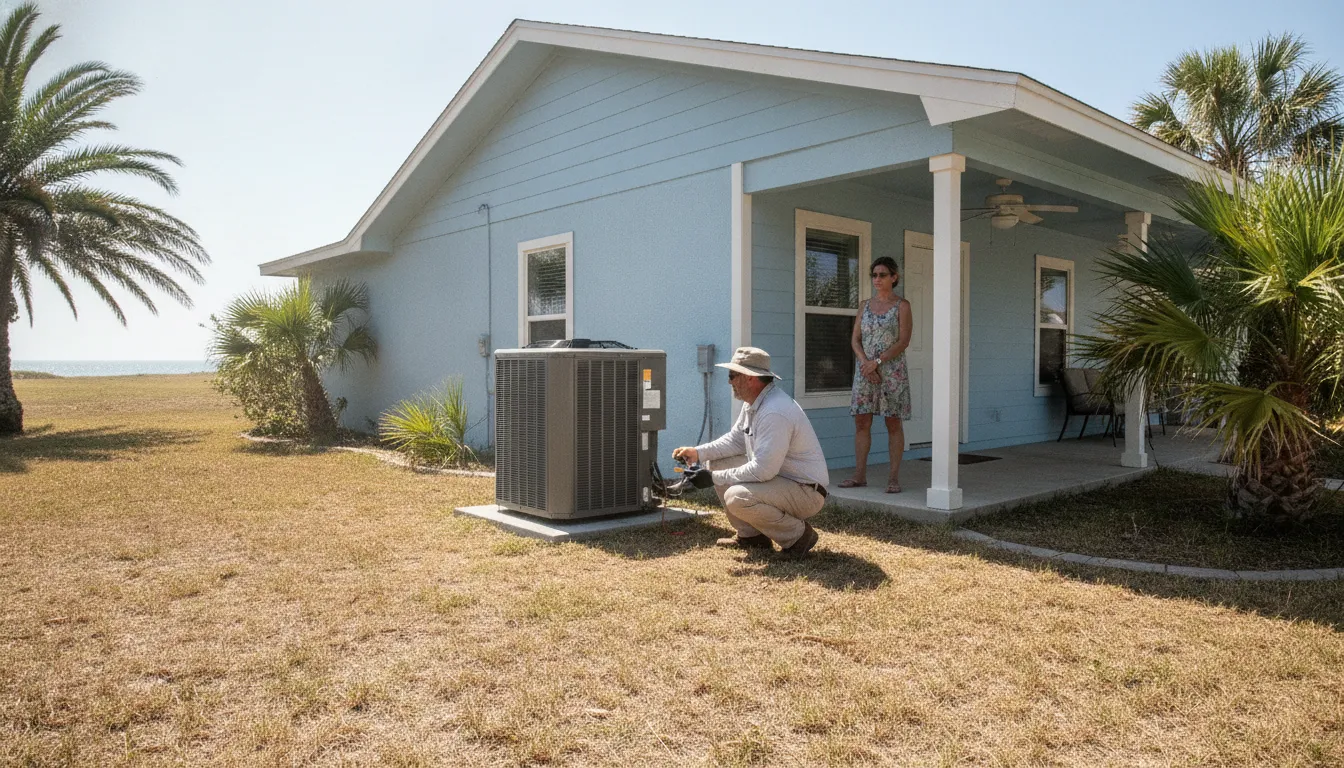
On the Texas coast, our air conditioners fight a battle on two fronts: relentless heat and corrosive salt air. This brutal combination means your AC works harder than almost anywhere else. Ignoring it is a surefire way to face a breakdown when you need cool air the most. That's why proactive AC preventive maintenance is an absolute must, not just a nice-to-have. We created this checklist specifically for Corpus Christi homeowners to give you a clear plan. Following these steps helps your system run efficiently and reliably, protecting it from our unique coastal climate.
Key Takeaways
- Regular Maintenance Pays for Itself: Combining simple DIY tasks with an annual professional tune-up is the best way to prevent costly breakdowns, lower your energy bills, and extend the life of your AC system.
- Know When to DIY and When to Call a Pro: While changing filters and clearing debris are great DIY habits, issues like strange noises, refrigerant leaks, or electrical problems always require a certified technician for a safe and effective fix.
- Schedule Your Tune-Up in the Spring: Booking your professional service in the spring allows you to address potential issues before the summer rush, giving you a more flexible appointment time and ensuring your system is prepared for the hottest days of the year.
What Is AC Preventive Maintenance?
Think of AC preventive maintenance as a regular health check-up for your cooling system. It’s a proactive approach that involves routine inspections, cleaning, and tune-ups designed to keep your air conditioner running at its best. Instead of waiting for something to break on the hottest day of the year, preventive maintenance catches small issues before they turn into major, expensive problems. Here in Corpus Christi, where our AC units work overtime for months on end, this isn't just a good idea; it's essential for staying comfortable.
A typical maintenance visit involves a technician checking refrigerant levels, cleaning coils, inspecting electrical components, and ensuring the whole system is functioning efficiently. These simple steps help your AC perform reliably all summer long. By scheduling regular air conditioning services, you’re investing in your home’s comfort and the longevity of your equipment. It’s the easiest way to ensure you have cool, clean air when you need it most without the stress of an unexpected breakdown.
Why You Can't Skip Regular AC Maintenance
Skipping regular AC maintenance is a bit like never getting an oil change for your car. It might seem fine for a while, but eventually, that neglect will lead to a serious breakdown. The primary goal of routine care is to keep your system running reliably and safely. According to ENERGY STAR, taking care of your cooling system helps prevent future problems and keeps your equipment operating efficiently. A well-maintained unit is far less likely to fail during a brutal Texas heatwave, saving you from uncomfortable days and costly emergency repair calls. It’s all about ensuring your AC is ready to handle the demands you place on it.
Protecting Your Manufacturer's Warranty
When you purchase a new air conditioner, you’re also getting a manufacturer's warranty, which is a huge safety net for your investment. However, many homeowners don't realize that this warranty often comes with a condition: proof of regular, professional maintenance. Most HVAC manufacturers state that neglecting routine care can void your coverage. This means if a major part fails and you don't have a record of annual service, you could be left paying for an expensive repair out of pocket. It’s a detail buried in the fine print that can have significant financial consequences down the road.
Think of your annual tune-up as insurance for your warranty. Having a certified technician inspect and service your system each year provides the documentation needed to keep your warranty intact. Beyond just checking a box, this professional care ensures your system runs as efficiently as possible, which helps manage your energy bills during our long, hot summers. A well-maintained unit is a reliable unit. By scheduling routine AC maintenance, you’re not just protecting your equipment; you’re ensuring your warranty remains a valuable asset for its entire term.
How AC Maintenance Lowers Your Bills
The most immediate benefit of regular AC maintenance is a lower energy bill. When your system is clean and running efficiently, it doesn't have to work as hard to cool your home. This means it uses less electricity, which translates directly into savings for you each month. Beyond that, consistent tune-ups extend the lifespan of your air conditioner, pushing back the need for a costly replacement. Our membership program is designed to make this easy, offering scheduled maintenance that keeps your system in top shape. Ultimately, a small investment in preventive care pays for itself through lower utility costs, fewer repairs, and a longer-lasting AC unit.
Maximizing Efficiency for Real Savings
When your AC is clogged with dust and debris from our coastal air, it's essentially fighting itself to cool your home. A dirty system has to work much harder, which means it consumes more energy and drives up your utility bills. According to the U.S. Department of Energy, regular maintenance is one of the most effective ways to ensure your air conditioner runs as efficiently as possible. During a professional tune-up, a technician cleans the coils, checks components, and makes adjustments that restore your unit to its peak performance. This simple service not only saves you money every month but also helps extend the life of your equipment, preventing the need for a premature and expensive replacement.
Consider a Smart Thermostat Upgrade
One of the easiest ways to improve your AC's efficiency is by upgrading to a smart thermostat. These devices go beyond simple scheduling by learning your family’s habits and adjusting the temperature automatically to save energy when you're away. You can also control them from your phone, so you can come home to a perfectly cool house without running the AC all day. Proper thermostat settings are crucial for lowering cooling bills and reducing strain on your system. By automating this process, a smart thermostat takes the guesswork out of saving money. It’s a modern, convenient upgrade that complements a well-maintained system, and our team can help you choose and install the perfect one for your home's energy-saving needs.
Your DIY AC Maintenance Checklist
Taking a few simple steps yourself can make a huge difference in your AC's performance and lifespan. Think of this as the essential upkeep you can do between professional visits. These tasks are straightforward and designed to keep your system running efficiently, especially during those hot Texas summers.
First Step: Tackle the Air Filter
Your AC's air filter is the first line of defense against dust, pollen, and other particles. When it gets clogged, it forces your system to work much harder to pull in air, wasting energy and driving up your utility bills. Check your filter once a month. If you can’t see light through it, it’s time for a change. At a minimum, you should replace disposable filters every three months. This simple task not only helps your AC run better but also improves your home’s indoor air quality.
Give Your Coils a Good Cleaning
Your AC has two sets of coils that work together to cool your home: the evaporator coil inside and the condenser coil outside. Over time, they collect dirt and grime, which makes it harder for them to transfer heat. You can gently clean the outdoor unit’s fins with a garden hose (never a pressure washer). For the indoor coil, you may need a soft brush and a special no-rinse coil cleaner. Keeping these coils clean is a key part of routine air conditioning services that you can handle yourself.
Straightening Out the Coil Fins
Take a close look at your outdoor AC unit, and you'll see rows of delicate metal fins. These are the coil fins, and they play a huge role in how well your system releases heat. Unfortunately, they're also easily damaged. Debris from a lawnmower, hail, or even just bumping into the unit can bend them. When these fins are bent, they block airflow, forcing your air conditioner to work much harder to cool your home. This strain leads to higher energy bills and can shorten the lifespan of your system, something no one wants during a Corpus Christi summer.
If you spot bent fins, you can gently straighten them using a tool called a fin comb. It’s a delicate process that requires a steady hand to avoid causing more damage. According to the U.S. Department of Energy, keeping these fins straight is crucial for maintaining your system's efficiency. If the damage looks extensive or you're not comfortable tackling it yourself, it's a great task to leave for the professionals. Our technicians check and straighten fins as part of our standard AC maintenance service, ensuring your unit can breathe easy and keep you cool.
Keep Things Flowing: Clear the Drain Line
Your air conditioner removes humidity from the air, which collects and exits through a condensate drain line. If this line gets clogged with algae or sludge, water can back up and cause leaks and damage inside your home. Periodically check the drain line to ensure it’s clear. You can often flush it with a mix of vinegar and water to prevent blockages. Ensuring the drain is clear helps your system manage humidity and maintain proper airflow, preventing bigger problems down the road.
Inspect Ducts and Clear the Outdoor Unit
Take a quick look at any visible ductwork in your attic or crawlspace. You’re looking for obvious tears, gaps, or loose connections that could be leaking cooled air. Outside, your condenser unit needs space to breathe. Make sure there’s at least two feet of clearance all the way around it. Trim back any shrubs, weeds, or grass that might be crowding the unit. Removing leaves and other debris allows for proper airflow, which is essential for an energy-saving system to operate at its best.
Prepping Your Outdoor Unit for Winter
Even though our Corpus Christi winters are mild, your outdoor AC unit still deserves a little attention before it takes a break. Properly winterizing your unit protects it from the elements, prevents pests from making a home inside, and ensures it’s ready to go when the heat returns. First, turn off the power to the unit at the breaker box. This is a crucial safety step that prevents the system from accidentally kicking on during an unseasonably warm day. Once the power is off, you can get to work on the unit itself.
Next, give the unit a thorough cleaning. Clear away any leaves, grass clippings, or other debris that has collected around the base and on top of the unit. Trim back any nearby shrubs or tree branches to maintain that two-foot clearance we talked about earlier. This prevents moisture from getting trapped against the unit, which can lead to rust and corrosion—a major concern in our salty coastal air. You can gently rinse the exterior fins with a garden hose to remove any built-up grime. Finally, cover the unit with a breathable, waterproof cover designed for air conditioners. Avoid using plastic tarps, as they can trap moisture and cause more harm than good. This simple prep work protects your investment and sets you up for a smooth start next spring.
How Often Should You Service Your AC?
Keeping your AC in top shape isn't a once-a-year task. Think of it as a partnership between you and your system, with a few simple DIY jobs and one crucial professional visit. A consistent maintenance schedule helps your AC run efficiently, especially during those hot Texas summers, and prevents small issues from turning into costly emergencies. By breaking down the tasks by frequency, you can create a simple routine that keeps your home cool and your energy bills in check. Here’s a straightforward guide to how often you should service your AC, from monthly check-ins to annual professional tune-ups.
Quick Monthly AC Checks
A few minutes each month can make a huge difference in your AC's performance and longevity. Start by checking your air filter. A clogged filter forces your system to work harder, which can lead to damage and higher energy costs. Check it monthly and plan to replace it at least every three months. Next, take a quick walk outside and clear away any leaves, grass clippings, or debris from around your outdoor unit. Your AC needs about two feet of clear space to ensure proper airflow. Finally, give your indoor vent grates a quick vacuum to keep air moving freely throughout your home.
Getting Your AC Ready for the Season
Before the cooling season kicks into high gear, it’s smart to perform a few extra checks. This is a great time to inspect your home’s ductwork for any visible debris, mold, or leaks that could be affecting your system’s efficiency and your home's air quality. You should also look at the insulation on the suction line (the larger copper pipe on your outdoor unit) to make sure it isn't damaged or missing. Proper insulation is key to an efficient cooling cycle. These simple seasonal steps prepare your AC for the hard work ahead and help maintain healthy indoor air quality.
Why a Yearly Pro Tune-Up Matters
While DIY tasks are helpful, nothing replaces an annual check-up from a certified technician. A professional can spot potential problems you might miss, ensuring your system is safe and ready for the season. During a tune-up, a technician will perform a full inspection, clean critical components, check refrigerant levels, and test electrical connections. This comprehensive service not only improves energy efficiency but also extends the lifespan of your unit and prevents unexpected breakdowns. Investing in a yearly tune-up is one of the best ways to protect your system, and our membership plan makes it easy to stay on schedule.
Is Your AC Trying to Tell You Something?
Even with a diligent DIY maintenance routine, some air conditioner issues are best left to an expert. While changing filters and clearing debris are great habits, your AC system is a complex piece of machinery with intricate electrical components and pressurized refrigerant. Certain symptoms are clear indicators of a deeper problem that requires a professional diagnosis with specialized tools. Trying to fix these issues yourself can not only be ineffective but also dangerous, potentially voiding your warranty or causing more damage.
Paying close attention to how your AC looks, sounds, and smells can help you catch problems early. Ignoring a strange noise or a sudden jump in your energy bill might seem fine for a day or two, but it often leads to a much more significant and costly breakdown. In the middle of a Texas heatwave, the last thing you want is a complete system failure that could have been a simple repair. Knowing when to put down your tools and pick up the phone is key to keeping your home cool and your repair costs down. If you notice any of the following warning signs, it’s a clear signal that your AC needs a professional.
Hearing Weird Noises or Smelling Odors?
You know the normal hum of your air conditioner. If you start hearing something out of the ordinary, like grinding, squealing, or loud clanking, don't ignore it. These sounds often point to mechanical problems, such as a failing motor or a loose part. Similarly, strange smells are a red flag. A musty odor could signal mold in your ductwork, while a burning smell might indicate an electrical issue. If the air coming from your vents feels weak or barely there, it could mean you have a blockage or a more serious malfunction within the system. These issues require professional attention to diagnose and fix safely.
Is Your AC Blowing Warm Air?
One of the most frustrating AC problems is when it runs constantly but only blows warm air. This is a sure sign something is wrong. The cause could be a low refrigerant level due to a leak or a problem with the compressor, which is the heart of your AC system. Another culprit could be your thermostat. If it’s malfunctioning, it won’t be able to accurately read the room’s temperature or signal your AC to turn on and off correctly. While you can check the thermostat’s batteries, issues like a malfunctioning compressor or refrigerant leaks need to be handled by a certified technician.
Try the 20-Degree Test
Here’s a quick way to play detective with your air conditioner. The 20-degree test is a simple diagnostic you can do yourself to see if your system is cooling effectively. All you need is a reliable thermometer. First, measure the temperature of the air going into your return vent (the large vent that pulls air into the system). Next, measure the air blowing out of a supply vent, preferably one close to your indoor unit. The difference between these two temperatures should be between 16 and 22 degrees. If it is, your AC is likely doing its job well. A clean AC unit runs much more efficiently, making it more likely to pass this test with flying colors.
If the temperature drop is less than 16 degrees, your AC is struggling. This could be due to several issues, like low refrigerant, dirty coils, or a problem with the compressor. According to ENERGY STAR, regular maintenance is key to keeping your equipment operating efficiently and preventing these kinds of problems. An underperforming system has to run longer and work harder, which drives up your energy bills and puts extra strain on the components. If your system fails the 20-degree test, it’s a clear sign that it’s time to schedule a professional service call to find and fix the root cause.
Noticing High Bills or Leaks?
Take a look at your recent utility bills. If you see a sudden, unexplained spike in your electricity costs, your air conditioner could be the cause. This often means the unit is working harder than it should to cool your home, signaling a loss of efficiency from a problem like dirty coils or a failing part. Another warning sign is excess moisture or active leaks around your indoor AC unit. While some condensation is normal, puddles of water are not. This usually points to a clogged condensate drain line, which can lead to water damage, mold growth, and lower indoor air quality if not addressed quickly.
Spotting Constant Cycling or Ice Buildup
If your air conditioner turns on and off every few minutes, it’s trying to tell you something is wrong. This frequent starting and stopping is called short cycling, and it puts a massive strain on your system’s components, especially the compressor. It’s often a symptom of an underlying issue, like a malfunctioning thermostat, severely dirty coils, or low refrigerant. This constant cycling prevents your home from ever reaching a comfortable, stable temperature and drives up your energy bills because the startup process uses a significant amount of power. Ignoring this warning sign can lead to premature system failure, turning a small repair into a major replacement.
Another critical warning sign that demands immediate attention is ice buildup anywhere on your system. It might seem counterintuitive, but ice on your AC unit is a clear indicator that it's not cooling properly. This can be caused by restricted airflow from a dirty filter or blocked vents, or it could point to a refrigerant leak. As noted by industry experts at Carrier, seeing ice on the copper lines or outdoor coil means your AC requires immediate attention. Continuing to run your system in this condition can cause irreversible damage to the compressor. If you see ice, turn the system off to let it thaw and call for professional AC repair right away.
Repair or Replace? Making the Right Call
When your air conditioner breaks down in the middle of a Texas summer, the immediate question is always the same: should you repair it or replace it? It’s a tough decision, and the answer isn’t always obvious. A repair might seem like the cheaper, faster option, but it could just be a temporary fix for a system that’s on its last legs. On the other hand, a full replacement is a significant investment, but it can provide long-term savings and peace of mind. The right choice depends on a few key factors, including the age of your unit, the cost of the repair, and your system's overall efficiency. Before you make a call, it helps to have a clear framework for thinking through your options.
How Long Should an AC Unit Last?
A well-maintained air conditioner typically lasts about 10 to 15 years. However, here on the Texas coast, our systems face a tougher battle. The constant high humidity and salty air can accelerate wear and tear, sometimes shortening that lifespan. If your AC is approaching the 10-year mark or is already past it, you should weigh the cost of any repair against the age of the unit. Pouring money into an older system can feel like a losing game, as one fix often leads to another. As your AC ages, it also becomes less efficient, meaning you’re paying more on your energy bills for less effective cooling. Considering a new, more reliable system becomes a much more practical long-term solution.
Using the "Rule of 5000"
If you’re looking for a simple way to put the repair-or-replace question into perspective, the "Rule of 5000" is a great place to start. This handy guideline helps you weigh the cost of a repair against your unit's age. Here’s how it works: multiply the estimated repair cost by the age of your air conditioner in years. If the total is more than $5,000, replacement is generally the smarter financial move. For example, a $500 repair on a 12-year-old unit would be $6,000 (500 x 12), suggesting it’s time to replace. This rule isn't absolute, but it provides a solid, data-driven starting point for making an informed decision about your air conditioning services.
The R-22 Refrigerant Factor
One critical factor that can make the decision for you is the type of refrigerant your AC uses. Many older systems use R-22 refrigerant, which has been phased out by the government due to its environmental impact. Because it's no longer produced, the remaining supply is incredibly limited and expensive. If your aging AC has a refrigerant leak and uses R-22, the cost to recharge it can be astronomical. In these cases, the repair cost alone often makes replacement the only logical choice. Upgrading to a new unit not only solves the immediate problem but also moves you to a modern, more efficient refrigerant and a more energy-saving system overall.
AC Maintenance Tasks Best Left to a Pro
While the DIY checklist covers the basics, some tasks require a trained eye and specialized tools. Think of professional maintenance as a thorough health check-up for your AC system. It’s the best way to catch small issues before they become expensive headaches and ensure your unit runs safely and efficiently, especially during our hot Corpus Christi summers.
Knowing when to put down the tools and pick up the phone is key to protecting your investment. Certain jobs, especially those involving electrical components or refrigerant, are best left to certified technicians. A professional can perform a deep dive into your system’s health, making precise adjustments that improve performance and extend its lifespan. If you’re ever unsure about a task or notice a problem that’s beyond a simple fix, it’s always the right call to get an expert opinion.
If It's More Than a Simple Fix
Your DIY efforts are fantastic for keeping your AC in good shape, but there’s a line between routine upkeep and a technical repair. If you hear grinding or squealing noises, notice a sudden spike in your energy bills, or find that your system just isn’t cooling like it used to, it’s time to call for help. These symptoms often point to deeper issues with the motor, compressor, or other internal parts that require a professional diagnosis.
Attempting complex repairs without the right training can lead to bigger problems or even void your warranty. Our team has the right tools and expertise to handle these intricate jobs safely. We offer professional air conditioning services to get to the root of the problem and provide a lasting solution, so you can get back to feeling comfortable in your home.
Leave Refrigerant and Wiring to the Experts
Two of the most critical parts of your AC system are the refrigerant and electrical components, and both are strictly off-limits for DIY maintenance. Your AC needs a precise amount of refrigerant to cool your home effectively. Too much or too little can reduce efficiency, strain the compressor, and shorten the unit’s life. A certified technician will check for leaks and ensure the refrigerant level is exactly where it needs to be.
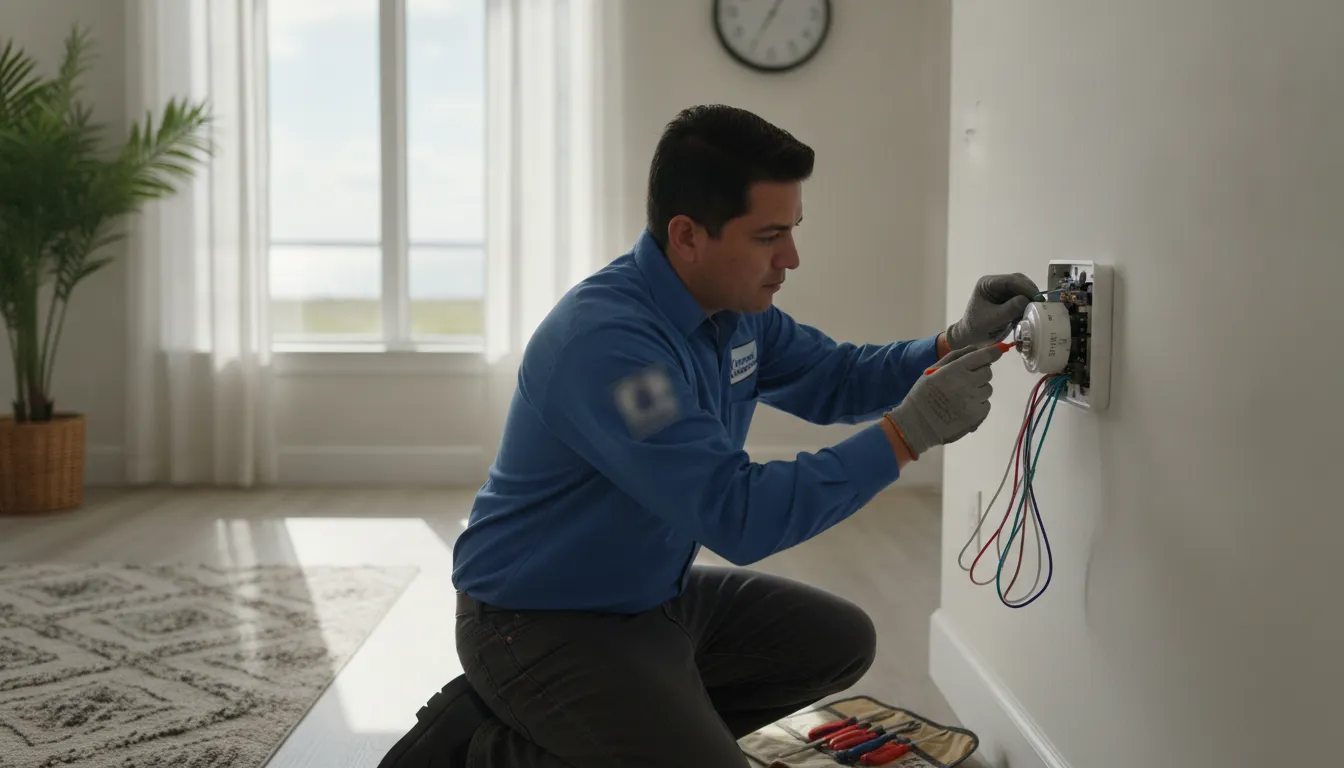
Similarly, handling electrical wiring and connections is dangerous without proper training. A professional will inspect all the electrical components for wear and tear, tighten connections, and ensure everything is working safely. These checks are a standard part of our maintenance visits and are included in our membership plan to give you peace of mind.
For Your Safety and Peace of Mind
Hiring a professional isn’t just about fixing problems; it’s about preventing them safely. A trained technician can spot potential hazards, like a frayed wire or a small refrigerant leak, that an untrained eye might miss. We use specialized diagnostic tools to accurately assess your system’s performance, ensuring it runs at peak efficiency and keeps your indoor air quality high.
This proactive approach not only keeps your family safe but also saves you money. An efficiently running system uses less energy, which means lower utility bills. Plus, regular professional tune-ups can significantly extend the lifespan of your AC unit. If you want to ensure your system is running safely and effectively, contact us to schedule a comprehensive inspection.
What to Expect from a Professional AC Tune-Up
When you schedule a professional AC tune-up, you’re investing in more than just a quick filter change. A trained technician performs a detailed check-up to make sure every part of your system is working correctly and efficiently. Knowing what this service includes helps you understand its value and ensures you’re getting a comprehensive inspection.
A Top-to-Bottom System Check
The first thing a technician will do is a complete visual inspection of your entire AC system, both inside and out. They’ll check the indoor unit (the evaporator) and the outdoor unit (the condenser), looking for any signs of wear, damage, or potential problems. This includes cleaning the condenser and evaporator coils, which can get caked with dirt and debris over time. Clean coils are essential because they help your system cool more effectively and use less energy. The technician will also inspect electrical connections, capacitors, and fan motors to ensure everything is safe and secure. This thorough check is the foundation of good air conditioning services.
Checking Refrigerant, Motors, and Airflow
Your air conditioner relies on a precise amount of refrigerant to cool your home effectively. If the charge is too low or too high, it can lead to poor performance and put unnecessary strain on the compressor, which is the most expensive part of your unit. During a tune-up, a technician will use specialized gauges to check the refrigerant levels and identify any potential leaks. Because refrigerant is a controlled substance, this is a task that legally and safely must be handled by a certified professional. It’s a critical step in any comprehensive air conditioning service.
The motors in your AC system, including the fan motor and compressor, are essential for moving air and circulating refrigerant. A technician will inspect these components for wear and tear, check electrical connections for safety, and lubricate any moving parts to reduce friction and improve efficiency. This proactive check helps catch potential failures before they happen, saving you from an unexpected breakdown on a sweltering afternoon. Ensuring your system's motors are in good condition is a key part of keeping the entire unit running reliably and quietly all summer long.
Proper airflow is the final piece of the efficiency puzzle. If air can’t move freely through your system, your AC has to work much harder to cool your home. A technician will inspect the blower components and check the entire system to ensure there are no blockages hindering airflow. They’ll confirm that your coils are clean and that your ductwork is delivering cool air effectively to every room. Optimizing airflow not only improves your comfort but also directly contributes to lower energy bills, helping your unit operate as an energy-saving system.
Making Sure Everything Runs Perfectly
After the visual inspection, the technician will run a series of tests to measure your system's performance. This is where they fine-tune everything for peak efficiency. They will check the thermostat to make sure it’s calibrated correctly, so your home stays comfortable without wasting energy. They’ll also measure the refrigerant levels; too little or too much can strain your compressor and reduce cooling power. Other key steps include lubricating moving parts like motors to reduce friction and testing the system’s startup and shutdown cycles. These adjustments help create energy-saving systems that keep your utility bills in check.
Getting Your Report and Next Steps
Once the inspection and tests are complete, the technician won’t leave you in the dark. They will provide a detailed report of everything they did, from cleaning coils to tightening connections. They’ll explain the current health of your AC unit and let you know if they spotted any parts that might need repairs soon. This gives you a clear picture of your system's condition and helps you prevent surprise breakdowns. If you’re interested in making maintenance even easier, ask about a service membership, which often includes regular tune-ups and other benefits to keep your system running smoothly year-round.
When Is the Best Time for Professional Maintenance?
Timing is everything, especially when it comes to your AC. Scheduling professional maintenance isn't just about checking a box; it's a strategic move that can save you from sweaty, frustrating breakdowns during the peak of a Corpus Christi summer. By planning ahead, you ensure your system is ready to handle the heat, and you get the most convenient and efficient service possible. Let’s look at the best times to schedule your annual tune-up.
Beat the Heat: Schedule in the Spring
Think of spring as the pre-season for your air conditioner. Scheduling your professional air conditioning service during these milder months is one of the smartest things you can do as a homeowner. A technician can spot and fix minor issues before they turn into major, expensive repairs in the middle of July. This tune-up ensures your system runs at peak efficiency, so it’s ready to work hard without wasting energy. Getting ahead of the summer rush means you won’t be stuck waiting for an appointment when your AC gives out on the hottest day of the year.
The Perks of Scheduling Off-Season
Beyond spring, the "off-peak" seasons (like early spring or fall) are golden opportunities for AC maintenance. During these times, HVAC companies aren't swamped with emergency calls from people with broken air conditioners. What does that mean for you? More flexibility. It’s much easier to get an appointment that fits your schedule. You get the full attention of your technician, who isn't rushing to the next emergency. This proactive approach is a core benefit of our membership plan, which includes scheduled tune-ups to keep your system in top shape year-round without the stress of last-minute booking.
How to Get Your Annual Tune-Up on the Calendar
The best way to stay on top of maintenance is to make it a habit. Don't wait for a strange noise or a weak airflow to remind you. At the beginning of each year, pick a date in the spring to schedule your tune-up and put it on your calendar. Booking in advance ensures you get your preferred time and date before the seasonal rush begins. A professional tune-up is thorough, involving checks on electrical components, refrigerant levels, and overall system performance. When you're ready to get your annual service on the books, you can contact us to find a time that works for you.
Are You Making These AC Maintenance Mistakes?
Even with the best intentions, it’s easy to make a few missteps with your AC maintenance. Knowing what not to do is just as important as following a checklist. Avoiding these common mistakes will help keep your system running smoothly, prevent costly repairs, and ensure your home stays comfortable when you need it most. Let’s walk through some of the most frequent errors homeowners make so you can steer clear of them.
Simple DIY Mistakes That Lead to Big Problems
Trying to handle maintenance yourself is a great way to save money, but some DIY fixes can cause more harm than good. One of the most common issues is neglecting the air filter. A dirty filter forces your system to work harder, which increases energy use and can lead to a breakdown. Another mistake is using the wrong tools or being too aggressive when cleaning delicate parts like the condenser coils, which can bend the fins and restrict airflow. Even small issues like a loose screw can affect your AC’s performance. If a task feels beyond your comfort zone, it’s always safer to call for professional air conditioning services.
The Maintenance Steps You Can't Afford to Skip
Life gets busy, and it’s easy to let routine tasks slide. However, skipping critical maintenance steps can have a big impact on your AC's health. Regular tune-ups help your system last longer, work better, and keep your indoor air clean. Forgetting to clean the evaporator and condenser coils is a frequent oversight. When these coils get dirty, your system has to work much harder to cool your home, which wastes energy and causes faster wear and tear. An easy way to stay on track is by joining a maintenance membership program, which handles the scheduling and critical checks for you, ensuring nothing gets missed.
Ignoring Your AC's Seasonal Needs
Timing is everything when it comes to AC maintenance. Many people wait until the first scorching day of summer to turn on their AC, only to find out it isn’t working properly. The best approach is to be proactive. We recommend getting your cooling system checked in the spring before the Texas heat really kicks in. This gives you plenty of time to address any potential issues without the stress of a mid-summer breakdown. Scheduling a professional check-up once a year is one of the most effective ways to prevent unexpected failures and keep your system in top shape. You can contact us to get your annual tune-up on the calendar.
How to Create Your AC Maintenance Schedule
Staying on top of AC maintenance is much easier when you have a plan. A simple schedule helps you remember key tasks and ensures your system gets the attention it needs to run smoothly all year. Instead of waiting for a problem to pop up, you can proactively care for your air conditioner, saving you stress and money. Creating a schedule is straightforward and only takes a few minutes to set up. By breaking down tasks by month and season, you can keep your AC in top shape without feeling overwhelmed.
Keep a Log and Set Calendar Alerts
Life gets busy, and it’s easy to forget small home maintenance tasks. That’s why setting reminders is your best friend. Use your phone’s calendar, a planner, or a simple note on the fridge to remind yourself of monthly and quarterly to-dos. A great place to start is with your air filter. You should check it every month and plan to replace it at least every three months. Keeping a simple log of when you change filters or notice any issues can also be incredibly helpful. This history gives you a clear record of your system’s health and provides valuable information for a technician during a professional tune-up.
Schedule Your Pro Visit in Advance
While DIY tasks are important, nothing replaces an expert eye. It’s best to have a professional contractor check your system once a year to catch potential issues before they turn into major headaches. Instead of waiting for the first heatwave, schedule your service in advance. Planning ahead means you can book a time that works for you, not just when you’re in an emergency. A great way to make this effortless is by joining a membership program, which often includes annual tune-ups and other perks. This takes the guesswork out of scheduling and ensures your system is always ready for the season.
Build Your Schedule Around the Seasons
Your AC’s needs change with the seasons, especially here in Texas. Aligning your maintenance schedule with the time of year is a smart move. The most critical time for a check-up is in the spring, before summer arrives. This is the perfect opportunity to have your air conditioning services performed to ensure your system is prepared for the heavy workload ahead. Spring tasks should include clearing away leaves and debris from your outdoor unit and giving the coils a good cleaning. In the fall, as the weather cools, you can prepare your system for a period of lighter use, making sure it’s ready to go again when you need it.
Why Regular AC Maintenance Is Worth It
Following a maintenance checklist might feel like adding another chore to your list, but the long-term rewards are well worth the effort. Think of it as a small investment in your home’s comfort, safety, and efficiency. A little proactive care prevents major headaches down the road, especially when the Texas heat is at its peak. By keeping your AC system in top shape, you’re not just avoiding surprise breakdowns; you’re actively making your home a better, more affordable place to live. A consistent maintenance schedule, like the one offered in our membership program, takes the guesswork out of the equation and ensures your system gets the professional attention it needs to perform its best year after year.
Enjoy a Longer-Lasting AC and Cleaner Air
Regular AC maintenance is one of the best ways to extend the life of your unit and avoid expensive, premature replacements. Just like a routine health check-up, it catches small issues before they become major problems. A well-cared-for system doesn't have to work as hard, which reduces wear and tear on its most important components. This consistent care also has a direct impact on your home's indoor air quality. When filters, coils, and drain lines are clean, they can effectively remove dust, pollen, and other allergens from the air instead of circulating them throughout your home.
The Impact of Air Conditioning on Your Health
Your air conditioner does more than just keep you cool; it plays a huge role in your family’s health. Here on the coast, humidity is a constant battle, and a well-maintained AC is your best defense against mold and mildew growth, which can cause serious respiratory problems. A clean system also acts as a powerful air filter, trapping dust, pet dander, and pollen that would otherwise circulate through your home. For anyone dealing with allergies or asthma, this can make a world of difference. According to the EPA, a properly maintained HVAC system is key to reducing indoor air pollutants. Regular maintenance ensures your AC is actively improving your home's indoor air quality, not making it worse.
Gain Peace of Mind with a Safer, More Reliable AC
There’s nothing worse than an air conditioner that quits on the hottest day of the year. Regular maintenance gives you peace of mind by making your system more reliable and preventing unexpected breakdowns. During a professional tune-up, a technician can spot worn-out parts, potential electrical issues, or refrigerant leaks that could pose safety risks if left unaddressed. Ensuring your system runs safely and dependably means you can relax and stay cool without worrying about sudden failures. Our expert air conditioning services are designed to keep your system running smoothly all season long.
Save Money with a More Efficient System
One of the most immediate benefits of a well-maintained AC is lower energy bills. According to ENERGY STAR, dirty coils and clogged filters force your system to work much harder to cool your home, which uses more electricity. When your AC runs efficiently, it consumes less power to achieve the same level of comfort. This translates directly into savings on your monthly utility bills. Keeping your unit clean and tuned up ensures it operates at peak performance, just as it was designed to. This is especially important for high-efficiency and energy-saving systems, which rely on regular upkeep to deliver maximum savings.
Related Articles
- AC Tune-Ups & Maintenance in Corpus Christi, TX | Tommy Cool Air
- 7 Essential Tips for Maintaining Optimal Indoor Air Quality | Tommy Cool Air
- Understanding AC Efficiency: Tips for Optimizing Your Cooling System | Tommy Cool Air
- Your Guide to Mastering Indoor Climate Control in Every Season | Tommy Cool Air
- 20 Common Problems Requiring Emergency Furnace Repair and How to Prevent Them | Tommy Cool Air
Frequently Asked Questions
If I only do one thing for my AC, what should it be? Without a doubt, the most important task you can do yourself is to regularly check and change your air filter. A clogged filter is the number one cause of reduced airflow, which forces your entire system to work harder than it needs to. This simple step improves efficiency, helps keep your indoor air cleaner, and prevents unnecessary strain on your AC's most expensive components.
Is a professional tune-up really necessary every year? Yes, it's a crucial part of responsible AC ownership. While your DIY efforts are fantastic for month-to-month upkeep, an annual professional tune-up is like a comprehensive health physical for your system. A certified technician can safely check refrigerant levels and electrical connections, which are things you should never handle yourself. They can spot and fix small issues before they turn into a system failure on a 100-degree day.
My AC is blowing air, but it's not very cold. What's the first thing I should check? Before you do anything else, check your air filter. A severely clogged filter can restrict airflow so much that it hinders your system's ability to cool your home effectively. If you replace the filter and the air is still warm, it's time to call a professional. The problem could be a refrigerant leak or an issue with the compressor, both of which require an expert diagnosis.
How long does a professional AC maintenance visit usually take? A thorough tune-up typically takes between 60 and 90 minutes. During this time, the technician performs a detailed inspection of both your indoor and outdoor units, cleans essential components like the coils, checks refrigerant levels, tests electrical connections, and calibrates your system for optimal performance. It's a comprehensive service designed to ensure everything is running safely and efficiently.
Can regular maintenance really help lower my energy bills? Absolutely. A clean, well-maintained air conditioner runs more efficiently, and an efficient system uses less electricity to cool your home to the desired temperature. When parts are lubricated, coils are clean, and airflow is unrestricted, your AC doesn't have to struggle to do its job. This reduced effort translates directly into lower energy consumption and noticeable savings on your monthly utility bills.