You turn on the tap for a glass of water, trusting it’s clean. But is it always protected? A sudden drop in water pressure can do the unthinkable—pull contaminated water from your sprinkler system or garden hose right back into your home’s pipes. This dangerous reversal is called backflow, a serious health risk you might not even know about. Thankfully, a simple device is your first line of defense: the backflow preventer. It’s a one-way gate that ensures water only flows into your home. Let's walk through how this essential device works to keep your water pure.
Key Takeaways
- Your water supply needs a gatekeeper: A backflow preventer is a critical safety device that stops contaminated water from sources like your sprinkler system or garden hose from mixing with your family's clean drinking water.
- Professional installation is essential: This is not a DIY job; the correct type of device must be installed in specific, high-risk locations to meet local codes and provide real protection against contamination from pressure changes.
- Maintenance is a legal requirement: A backflow preventer has moving parts that can fail, so it's not a one-time fix. Local Corpus Christi rules require annual testing by a certified professional to ensure the device is working and your water is safe.
What Is a Backflow Preventer?
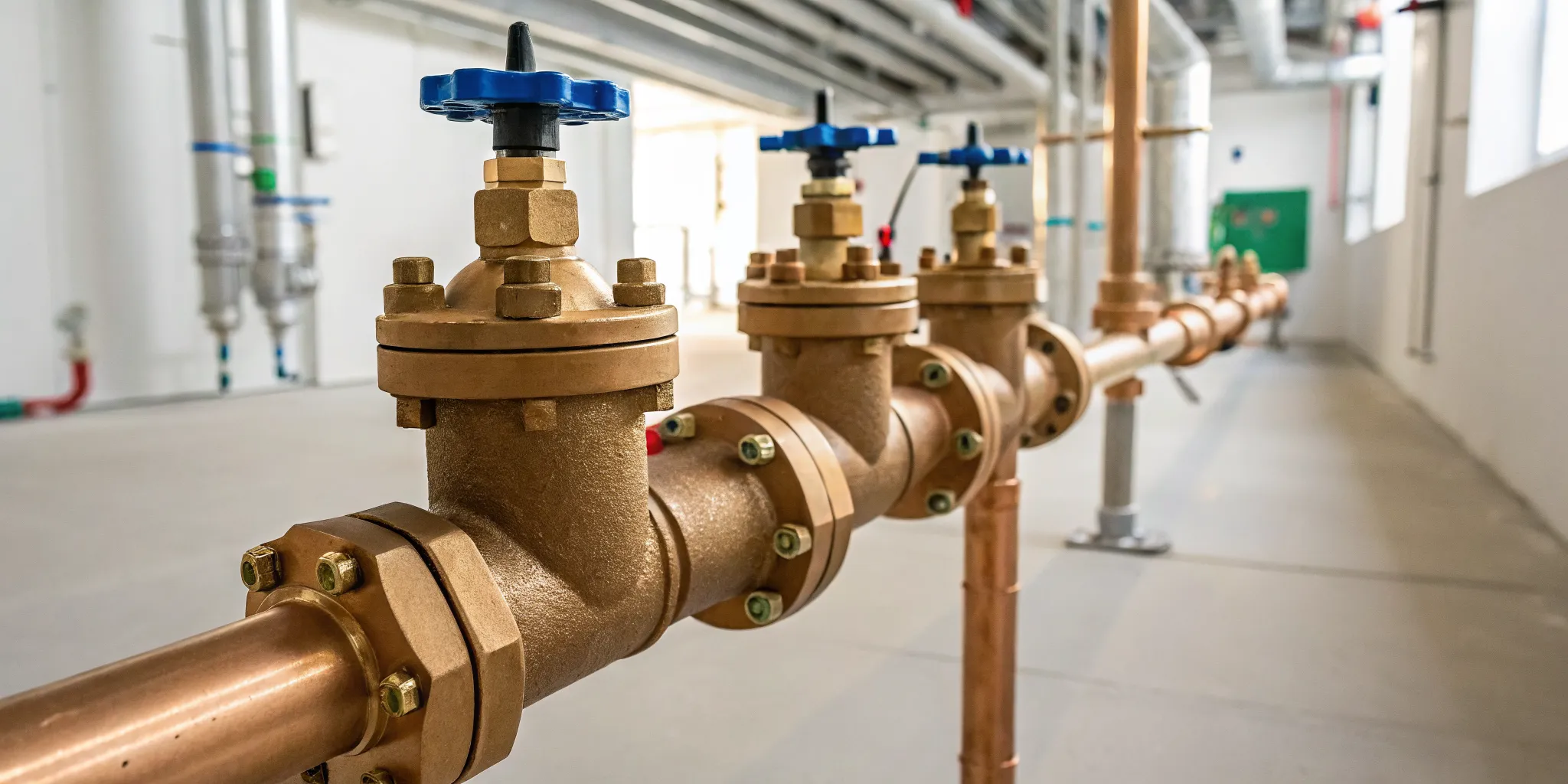
Think of a backflow preventer as a security guard for your water supply. It's a special plumbing device installed on your pipes with one crucial job: to make sure water only flows in one direction. This simple but vital function prevents dirty, contaminated water from your home's plumbing system (like from a sprinkler system or a garden hose) from flowing backward and mixing with the clean, fresh water supply that comes into your house.
This unwanted mixing is called a "cross-connection," and it's a serious health hazard. A backflow preventer acts as a one-way gate, allowing clean water from the city's main line to enter your home but slamming shut if the flow ever tries to reverse. Its primary function is to protect your drinking water, and by extension, the entire community's water supply, from contamination. Without a properly functioning backflow preventer, you risk introducing pollutants, chemicals, and bacteria into the water you and your family use for drinking, cooking, and bathing. It’s a small device that plays a huge role in keeping your water safe, clean, and healthy, making it an essential component of a responsible plumbing system.
How Does a Backflow Preventer Work?
So, how does this one-way gate actually function? A backflow preventer works by sensing changes in water pressure. It stays open as long as water is flowing from the city's supply into your home. If the pressure changes in a way that could cause a reversal, the device's internal valves automatically close.
This reversal can happen in two main ways. The first is back-siphonage, which occurs when the pressure in the city's water line suddenly drops, creating a vacuum effect much like a straw in a drink. This could pull contaminated water from a garden hose left in a puddle back into your home's clean pipes. The second is back-pressure, which happens when the pressure in your home's system becomes higher than the city's supply pressure, pushing used water backward.
Keeping Your Water Flowing in One Direction
The entire purpose of a backflow preventer is to maintain that strict, one-way path for your water, keeping your drinking supply pure and safe from harmful contaminants. But it's not a "set it and forget it" piece of equipment. To do its job correctly, it needs to be in good working order. Regular maintenance and testing are essential to make sure the internal seals and springs are functioning properly.
This isn't just a suggestion; it's often a requirement by local city codes to protect the public water system. If you're unsure about your home's backflow preventer or need to schedule a test, our team of experts can help. We provide professional plumbing services to ensure your system is working correctly and keeping your water safe.
Why Is Backflow Prevention So Important?
You probably turn on your faucet every day without thinking twice, trusting that the water is clean and safe to use. Backflow prevention is what keeps that trust intact. Backflow is a term for the undesirable reversal of water flow, where contaminated water gets pulled back into your clean water supply. This can happen due to changes in water pressure, creating a serious health hazard right inside your home.
A backflow preventer is a critical safety device that ensures water flows in only one direction: into your home, not out of it. It acts as a gatekeeper for your plumbing system, protecting your family from waterborne contaminants like pesticides, chemicals, and bacteria. Think of it as essential insurance for your water quality. Proper installation and maintenance of these devices are a core part of our plumbing services, because keeping your water safe is a responsibility we take seriously. It’s not just about following rules; it’s about protecting the health of your household and the entire community.
Protect Your Home's Drinking Water
At its core, a backflow preventer is a one-way valve installed on your main water line. Its only job is to stop dirty water from mixing with the clean water your family drinks, cooks with, and bathes in. This mixing can happen at any "cross-connection," which is a point where your clean water pipes come close to a potential source of contamination. Common examples include your lawn irrigation system, a hose submerged in a swimming pool, or a utility sink faucet. A backflow preventer acts as a barrier at these points, ensuring that if pressure drops in the main line, contaminated water isn’t siphoned back into your pipes.
Avoiding Contamination and Health Hazards
Without a working backflow preventer, your water supply is vulnerable to a host of unpleasant and dangerous contaminants. Fertilizers and pesticides from your sprinkler system, cleaning chemicals from a janitor's closet, or even harmful bacteria from a sewer line backup could enter your drinking water. These pollutants can lead to serious health issues, from stomach illnesses to more severe conditions. This is why a backflow prevention device is not a "set it and forget it" component. Like any safety feature, it requires regular testing and maintenance to ensure it’s functioning correctly and ready to protect you when you need it most.
Specific Contaminants to Watch For
The idea of "dirty water" is pretty general, but the specific contaminants that can enter your pipes during a backflow event are genuinely concerning. The most common culprits come from everyday sources around your property. Think about your lawn care—fertilizers and pesticides used on your grass can easily be siphoned back through your sprinkler system. A garden hose left in a bucket of soapy water or a puddle can introduce cleaning chemicals and bacteria. In more severe cases, a cross-connection with a sewer line could introduce raw sewage into your drinking water. Exposure to these pollutants isn't just unpleasant; it can cause a range of health issues, from gastrointestinal problems to more serious illnesses. This is why preventing backflow is a non-negotiable part of ensuring your home's water is always safe to drink.
Protecting the Entire Community's Water
Backflow prevention isn't just about protecting your own home; it’s about protecting the entire public water system. Your home's plumbing is connected to the municipal water supply that serves your neighbors and the wider Corpus Christi community. A significant backflow event at one property has the potential to push contaminants back into the city water mains, endangering public health on a much larger scale. For this reason, local authorities have specific codes and regulations requiring backflow preventers and annual testing. Following these rules is a key part of being a responsible homeowner and a good neighbor. If you have questions about local requirements, feel free to contact us.
The EPA's Role in Water Safety
The responsibility for safe drinking water doesn't just fall on local cities; it starts at the national level with the Environmental Protection Agency (EPA). The EPA sets the baseline for water safety across the country, and its regulations are a big reason why backflow preventers are required. The agency understands that a cross-connection control program is essential to prevent contaminants from entering a drinking water distribution system. This is crucial because a backflow incident can introduce serious chemical or biological pollutants, posing significant health risks. These federal guidelines give local authorities the power to enforce specific rules, which often include mandatory annual testing of backflow devices. By following these regulations, you're not just complying with the law—you're playing an active part in a nationwide effort to keep our water clean and safe for everyone.
What Causes Plumbing Backflow?
It’s easy to assume that water in your home’s pipes only flows in one direction: into your house. But sometimes, pressure changes can reverse that flow, creating a situation called backflow. When this happens, non-potable water from sources like your sprinkler system, a swimming pool, or even a garden hose can get pulled back into your clean drinking water supply. It’s a serious issue that can introduce harmful contaminants like pesticides, fertilizers, and bacteria into the water you and your family use every day.
Understanding what causes backflow is the first step to preventing it. The problem almost always comes down to a sudden, unexpected change in water pressure within your plumbing system or the municipal water lines. These pressure changes create two main types of backflow: back-siphonage and back-pressure. Both can occur without any obvious warning signs, which is why having the right protection in place is so important for every home. Our team handles all kinds of residential and commercial plumbing issues, and backflow prevention is one of the most critical services we offer.
What Is Back-Siphonage?
Think of back-siphonage like sipping a drink through a straw. When you create suction, the liquid flows up the straw. A similar thing can happen in your water pipes. If the pressure in your home’s water line or the city’s main line suddenly drops, it can create a vacuum effect. This vacuum can pull, or siphon, water from any connected source back into your clean water supply.
What could cause such a pressure drop? It could be something as major as a water main break down the street or firefighters using a nearby hydrant. This sudden demand for water lowers the pressure in the main line, creating a siphon that can draw contaminated water from your property back into the system. A common example is leaving a garden hose submerged in a puddle or a bucket of cleaning solution while the water is on. If pressure drops, the dirty water can get sucked right back through the hose and into your home's plumbing.
And What About Back-Pressure?
Back-pressure is the opposite of back-siphonage. Instead of a drop in supply pressure creating a vacuum, back-pressure happens when the pressure in a connected system becomes greater than the pressure of your drinking water supply. This higher pressure can literally push contaminated water back into your clean pipes, overpowering the normal flow.
This often occurs in systems that generate their own pressure, like boilers, power washers, or complex irrigation systems. For example, a heating system that uses treated water could develop pressure that exceeds your home’s water pressure, forcing the chemically-treated water back into your potable supply. While some of these scenarios are more common in commercial buildings, many homes have systems that can create back-pressure. It’s a key reason why a backflow prevention device is essential for protecting your water from these downstream pressure surges.
Common Backflow Triggers in Your Home
You don’t need an industrial setup to be at risk for backflow. Several common household activities can create a "cross-connection," which is any point where your clean water supply could potentially mix with a contaminated source. Identifying these triggers is key to keeping your water safe.
Some of the most frequent culprits include garden hoses, especially when left in pools, puddles, or buckets of chemicals. Lawn irrigation and sprinkler systems are another major source, as sprinkler heads sit in direct contact with soil, fertilizers, and pesticides. Even a handheld shower sprayer left submerged in a tub of used bathwater can create a cross-connection. If you have any questions about potential risks in your home, you can always contact our team for an assessment.
Finding the Right Type of Backflow Preventer
When it comes to backflow preventers, one size definitely does not fit all. The type of device your home needs depends entirely on the level of risk involved. Think of it like this: you wouldn't use a simple screen door to secure your front entrance. Similarly, a low-risk area might only need a basic preventer, while a high-risk connection requires a more robust solution. Understanding the main types can help you feel more confident when discussing options with a professional.
Choosing the right device is crucial for protecting your water supply, and it’s a job best left to an expert. Our team of licensed plumbers can assess your home’s specific plumbing setup, identify potential hazards, and recommend the best backflow preventer to keep your water safe and clean. Below are the four most common types you’ll encounter.
Reduced Pressure Zone (RPZ) Assembly
The Reduced Pressure Zone (RPZ) assembly is the top-tier option for backflow prevention. It offers the highest level of protection and is required in high-hazard situations where contamination could cause serious health issues. You’ll often find these in commercial buildings, but they are also used in homes with irrigation systems that use fertilizers or pesticides, boilers, or fire suppression systems. An RPZ works by creating a buffer zone of reduced pressure between two independent check valves. If a valve fails, the relief valve opens to discharge the back-flowing water, ensuring it never reaches your clean water supply.
Installation and Drainage Requirements
Because of its complex design and critical safety function, installing an RPZ is definitely not a DIY project. These devices must be installed by a certified professional to meet local codes here in Corpus Christi. A key feature of an RPZ is its relief valve, which is designed to discharge water during a backflow event. This means it must be installed in a location with adequate drainage where this discharge won't cause flooding or water damage to your property. Our licensed plumbers ensure your RPZ is installed correctly, in a location that protects both your water supply and your property, keeping you compliant and safe.
Double Check Valve Assembly (DCVA)
A Double Check Valve Assembly (DCVA) is a common device used for low to moderate-hazard situations. As the name suggests, it’s built with two check valves assembled in a series. If the first check valve is stuck open or fails, the second one is there to back it up and stop contaminated water from flowing backward. DCVAs are typically installed on lawn irrigation and fire sprinkler systems where no chemicals are added to the water. They are effective at preventing backflow caused by backpressure but don't have a relief valve like an RPZ, so they aren't suitable for high-hazard applications.
Pressure Vacuum Breaker (PVB)
If you have an in-ground sprinkler system, you likely have a Pressure Vacuum Breaker (PVB). This device is specifically designed to protect against back-siphonage, which happens when the pressure in the city’s water main drops suddenly. A PVB has an air inlet valve that opens when it detects a loss of water pressure, allowing air to enter the pipe and break the vacuum. This action stops potentially contaminated water from your lawn from being siphoned back into your home’s drinking water. PVBs must be installed higher than the highest point in the irrigation system to work correctly.
Proper Installation Height
You might think the exact placement of a backflow preventer is a minor detail, but for a Pressure Vacuum Breaker, height is everything. A PVB must be installed at least 12 inches higher than the highest sprinkler head or outlet it serves. Why? Because it needs gravity on its side. The device works by letting air in to break a dangerous siphon. If it’s installed lower than the highest point of your irrigation system, water can get trapped above it, preventing the air valve from opening correctly. This renders the device useless, completely defeating its purpose. This strict height requirement is a perfect example of why professional installation by expert plumbers is not just recommended—it’s essential for ensuring your water supply is actually protected.
Atmospheric Vacuum Breaker (AVB)
The Atmospheric Vacuum Breaker (AVB) is one of the simplest and most common types of backflow preventers. You’ve probably seen one without even realizing it. Many outdoor hose bibbs (the spigots you connect your garden hose to) have a built-in AVB. Like a PVB, it works by letting air into the line to break a siphon. However, it’s a much simpler device and can’t be under constant pressure, which is why it’s used at the end of a water line, such as on a faucet or in a toilet tank.
Simpler Prevention Methods
While devices like RPZs and PVBs are heavy-duty solutions for high-risk areas, backflow prevention can also be much simpler. In many everyday situations, protection is built right into your plumbing fixtures using basic but effective principles. These methods work quietly in the background to keep your water safe without complex mechanical parts. Two of the most fundamental and common methods you'll find are air gaps and check valves. They are the building blocks of backflow prevention, often working in tandem with more advanced devices to provide layers of protection throughout your home.
Air Gaps
An air gap is the simplest and most reliable method of backflow prevention because it involves no moving parts that can break down. It’s exactly what it sounds like: a physical, open-air space between the water outlet (like a faucet) and the highest possible water level in a sink or basin. Think about your kitchen sink—the faucet sits several inches above the rim. That gap ensures that even if the sink were full of dirty water, it couldn't be siphoned back into the faucet. This simple separation creates an impassable barrier for contaminants, making it a foolproof way to prevent back-siphonage in low-risk situations.
Check Valves
A check valve is another essential component in the world of backflow prevention. Think of it as a one-way door for water. These devices are designed to allow water to flow in one direction but automatically close if the flow ever tries to reverse. They are a key part of more complex assemblies like the Double Check Valve Assembly (DCVA), but they are also used on their own in various plumbing applications. You might find them in irrigation systems or even inside some of your home appliances. Because they are mechanical devices with moving parts, they can wear out over time, which is why regular inspection of your plumbing system is so important for ensuring they continue to protect your water supply.
Where Should a Backflow Preventer Be Installed?
Figuring out the right spot for a backflow preventer isn't a guessing game. The placement is strategic, designed to offer the best protection for your water supply and to meet local safety codes. These devices are always installed at key points where the risk of contamination is highest. This is why having a professional handle the installation is so important; a licensed plumber will know exactly where to place the device to keep your family safe. Our team is trained to identify these critical points and recommend the right plumbing services to protect your home.
Common Installation Locations in Your Home
The most common and critical location for a backflow preventer is on your main water line, right after the water meter. In fact, local regulations often require a backflow preventer to be installed within 18 inches of the meter and kept above ground for easy access and testing. Placing it here creates a barrier that protects your entire home's water supply. Other crucial spots include irrigation or sprinkler systems, which are a major source of cross-contamination since sprinkler heads sit in soil treated with fertilizers and pesticides. Swimming pool autofill lines and fire sprinkler systems also require dedicated backflow prevention.
Which Plumbing Areas Are High-Risk?
Backflow prevention devices are essential for keeping your drinking, bathing, and cleaning water safe from harmful contaminants. Any area where there's a direct link between your potable water and a potential pollutant is considered a high-risk zone. Your outdoor hose bibb is a perfect example. If you leave a hose submerged in a bucket of soapy water or a puddle, a drop in water pressure could siphon that dirty water right back into your home's plumbing. That's why you'll often see specialized backflow preventers on outdoor faucets. Other high-risk areas include boilers, hot tubs, and some kitchen appliances.
Special Considerations for Private Wells
If your home gets its water from a private well instead of the city supply, paying attention to backflow prevention is even more critical. Well systems are isolated, making them more vulnerable to contamination from nearby sources like agricultural runoff or chemicals used on your lawn. A backflow preventer is essential whenever there's a chance for clean and dirty water to mix, and this risk is heightened with a private well. This is especially true if you use your well water for an irrigation system. Sprinkler systems are often considered a high hazard for contamination because they can easily pull fertilizers and pesticides from your lawn back into your water supply. To keep your well water safe for your family to drink and use, ensuring you have the right backflow device installed and regularly tested is a fundamental part of maintaining a safe and healthy home.
Don't Forget to Check Local Codes
When it comes to backflow prevention, following the rules is non-negotiable. Backflow valves are required by code in all U.S. building and plumbing regulations for a very good reason: they protect our community's drinking water. These local codes aren't just suggestions; they are legal requirements that dictate the type of device you need and exactly where it must be installed. Corpus Christi and the surrounding communities have specific requirements that licensed plumbers are familiar with. Working with a certified professional ensures your installation is done correctly, keeping you compliant and safeguarding the health of everyone in your home and neighborhood.
Understanding Installation: Costs and Permits
Typical Installation Costs
The cost to install a backflow preventer can be a bit of a moving target, but for most residential homes, you can expect the total expense to fall somewhere between $150 and $1,100. The final price tag depends on a few key factors. First is the cost of the device itself, which can range from under $50 for a simple vacuum breaker to several hundred dollars for a more complex RPZ assembly. The other major factor is labor. A straightforward installation might only take an hour or two, but a more complex job that requires re-piping will take longer and cost more. This is why getting a specific quote from a licensed plumber is the best way to know what to budget for your home.
Checking for Local Permits
This is one home project where you absolutely cannot skip the paperwork. Following local codes is non-negotiable because these rules are in place to protect the entire community’s water supply. These aren't just friendly suggestions; they are legal requirements that dictate the exact type of backflow device you need and precisely where it must be installed. For example, many local regulations, including those here in the Corpus Christi area, require the device to be installed within a certain distance of the water meter and kept above ground for easy testing access. A professional plumber will handle the permitting process and ensure your installation is fully compliant, giving you peace of mind that the job is done right.
Let's Bust Some Backflow Prevention Myths
When it comes to your home’s plumbing, what you don’t know can definitely hurt you. Backflow prevention is a critical safety measure, but it’s surrounded by a lot of confusion and misinformation. Let's clear up a few common myths so you can feel confident that your family’s drinking water is safe and clean. Believing these misconceptions can leave your home vulnerable to contamination, fines, and expensive repairs. Understanding the truth is the first step toward protecting your water supply.
Myth: "You can set it and forget it."
It’s easy to think of a backflow preventer as a permanent fix you install once and never touch again. Unfortunately, that’s not the case. This device has internal seals, springs, and moving parts that can wear out over time. Without regular check-ups, you won’t know if it’s still working until it’s too late. Think of it like the annual tune-up for your air conditioner; it needs a professional eye to ensure it’s ready to perform when you need it most. An annual test by a certified plumber is essential to confirm the device is functioning correctly. Our team offers comprehensive plumbing services to keep your system in top shape.
Myth: "They're only for commercial buildings."
Many people associate backflow preventers with restaurants, factories, or large commercial properties, but they are just as crucial for residential homes. Your home has several potential cross-connections where contaminants could enter your water system. A garden hose left in a puddle of water or a bucket of cleaning solution, an irrigation system connected to your main water line, or even a boiler can create a backflow risk. These everyday situations can turn dangerous without a proper prevention device in place. Protecting your home’s water supply is a personal safety measure, not just a commercial regulation.
Myth: "A little contamination is harmless."
It can be tempting to downplay the risk, thinking a tiny bit of backflow won't cause any real problems. However, when it comes to your drinking water, there is no safe level of contamination. Backflow can introduce serious hazards like pesticides from your lawn, bacteria from stagnant water, or chemicals from household cleaners directly into your pipes. These contaminants can pose significant health risks to your family, even in small amounts. Taking backflow prevention seriously is the best way to avoid potential illness and costly emergency repairs down the road. If you have any concerns about your home's vulnerability, it's always best to contact a professional for an assessment.
How to Maintain Your Backflow Preventer
A backflow preventer is a crucial safety device, but it’s not something you can just install and forget. Like any important piece of equipment in your home, it needs regular attention to ensure it’s working correctly. Proper maintenance protects your family and your community from contaminated water and keeps you in line with local regulations. The good news is that keeping your device in top shape is straightforward with a combination of professional testing and simple at-home checks.
Why Annual Testing Is Non-Negotiable
Think of annual backflow testing as a yearly health checkup for your plumbing system. Many municipalities, including those in the Corpus Christi area, require this testing to ensure your device is functioning perfectly and protecting the public water supply. This isn't just about following rules; it's about peace of mind. A certified professional has the specialized equipment to verify that the internal seals, springs, and valves are working exactly as they should. Scheduling an annual test is the single most effective way to catch potential failures before they lead to a contamination event, ensuring your home’s water remains safe and clean.
A Quick Checklist for Routine Inspections
While a certified technician should handle the annual testing, you can perform simple visual inspections throughout the year. Once a month, take a quick look at your backflow prevention device. Are there any visible leaks or constant drips? Do you see any signs of rust, corrosion, or damage to the device's body or fittings? Make sure the area around the preventer is clean and clear of debris, plants, or soil that could interfere with its function. These quick checks can help you spot small issues before they become major problems. Think of it as an early warning system for your home's plumbing services.
Signs It's Time to Call a Professional
Sometimes, your water will give you clues that your backflow preventer isn't working correctly. If you notice any sudden changes, it’s time to call for help. Be on the lookout for cloudy, discolored, or rusty water coming from your taps. Water that has a bad taste or a sulfur-like smell is another major red flag. You might also notice a significant drop in water pressure or see water leaking or spilling from the device itself. Don't ignore these signs. They can indicate a backflow event is in progress, and it's essential to contact a professional plumber immediately to diagnose and fix the problem.
What Are the Backflow Rules in Corpus Christi?
When it comes to your home’s plumbing, some rules are more than just suggestions—they’re legal requirements designed to keep our entire community safe. Backflow prevention falls squarely into that category. Here in the Corpus Christi area, local and state regulations are in place to protect our public water supply from contamination. Think of it as a crucial line of defense for the water you and your neighbors drink, cook with, and use every day.
Understanding these rules can feel a bit overwhelming, but it boils down to a few key principles. The city needs to ensure that every property connected to the public water system has the right safeguards in place. This means specific types of backflow preventers are required for certain situations, and they must be installed and maintained correctly. Following these guidelines isn't just about avoiding fines; it's about doing your part to maintain the integrity of our shared water resources. Our team is well-versed in local codes and can handle all your plumbing service needs, ensuring your home is both safe and compliant.
Breaking Down the Local Code Requirements
You might be surprised to learn that backflow preventers are required by plumbing codes across the country, and Corpus Christi is no exception. These aren't optional add-ons; they are a mandatory part of your plumbing system. Local regulations, like those outlined by the City of Corpus Christi, specify where and how these devices must be installed. Generally, you'll find them located near your water meter. The exact type of device your home needs depends on the level of hazard your plumbing system could potentially pose to the public water supply, which is something a licensed plumber can determine for you.
Rules for Certification and Testing
Installing a backflow preventer is the first step, but the job isn't finished once it's in the ground. To ensure these devices are always ready to work, they must be tested periodically, typically on an annual basis. And this isn't a DIY task. The test must be performed by a licensed Backflow Prevention Assembly Tester (BPAT) who is certified by the state and registered with the city. After the test, the certified tester submits the official results to the local water authority to keep your property in compliance. This process confirms your device is functioning perfectly and protecting your water as intended.
How to Stay Compliant with Local Rules
Staying compliant with local backflow rules is straightforward when you have a plan. It starts with having your device installed correctly by a qualified plumber. From there, the key is scheduling annual testing with a certified professional. Think of it like your annual AC tune-up—it’s preventative maintenance that saves you from bigger problems down the road. If your device fails an inspection, it’s important to get it repaired or replaced right away. Our membership plans can help you stay on top of these important maintenance tasks with reminders and priority service, making compliance one less thing you have to worry about.
Finding a Certified Tester
Finding the right person for the job is just as important as the test itself. You can't just hire any plumber; the test must be performed by a Backflow Prevention Assembly Tester (BPAT) who is officially certified by the state and registered with the city of Corpus Christi. This certification ensures they have the specific training and calibrated equipment needed to do the job correctly. When you're looking for a qualified professional, you can start by checking the city's list of registered testers. Or, you can simply reach out to a trusted local company that provides comprehensive plumbing services. Our team includes certified testers who can handle the entire process for you, from testing to submitting the paperwork. If you have any concerns or need to schedule a test, it's always best to contact a professional for an assessment.
Ready to Protect Your Home's Water?
Choosing a backflow preventer might seem technical, but the goal is simple: keeping your family’s water clean and safe. Since every home's plumbing is a little different, there isn’t a single, one-size-fits-all solution. The right device for you depends on your specific needs, your irrigation system, and other high-risk connections you might have. It’s a critical piece of equipment that protects our drinking water from contamination, so getting it right is essential for your family's health.
Different situations call for different types of preventers, from simple vacuum breakers for your garden hose to more complex reduced pressure zone (RPZ) assemblies for irrigation systems. A professional plumber can assess your property’s specific risks and determine which device offers the best protection. They will also make sure the installation meets all local Corpus Christi codes, which often specify the type of device required and where it must be placed.
This is definitely not a DIY project. Proper installation is key to the device’s function, and a small mistake can have big consequences. An incorrectly installed preventer can fail when you need it most, leaving your water supply vulnerable to harmful contaminants. If you’re unsure about what your home needs, the best first step is to schedule a consultation with a licensed plumber. We can help you understand your options and install the right backflow preventer to give you complete peace of mind.
Related Articles
- Plumbing Services Services | Corpus Christi, TX | Tommy Cool Air
- Indoor Air Quality Services | Corpus Christi, TX | Tommy Cool Air
- 20 Common Problems Requiring Emergency Furnace Repair and How to Prevent Them | Tommy Cool Air
- Energy Saving Systems Services | Corpus Christi, TX | Tommy Cool Air
- Heating Services | Corpus Christi, TX | Tommy Cool Air
Frequently Asked Questions
Do I really need a backflow preventer for my house? Yes, most homes need one, especially if you have an in-ground sprinkler system, a swimming pool, or a boiler. It’s not just a good idea; it’s a critical safety device. Many local codes, including those in the Corpus Christi area, legally require them to protect your home's water supply and the entire community's water from potential contamination.
How often does my backflow preventer need to be checked? You should have your backflow preventer professionally tested at least once a year. This annual test is often required by the city to ensure the device is functioning correctly. A certified technician has the right tools to check the internal valves and seals, confirming that your water supply is properly protected.
What are some signs that my backflow preventer might be failing? You should call a plumber if you notice any sudden changes in your water. Key warning signs include water that is discolored, cloudy, or has a bad taste or smell. Other red flags are a noticeable drop in water pressure or seeing water actively leaking or dripping from the device itself.
Can I just install a backflow preventer myself? This is one job you should always leave to a licensed professional. The placement and installation of a backflow preventer are critical to its function and must meet strict local plumbing codes. An incorrect installation can fail to protect your water supply and may not pass a required inspection.
What happens if I don't follow the local rules for backflow prevention? Ignoring local backflow regulations can lead to serious consequences. The most significant risk is contaminating your family's drinking water with harmful bacteria or chemicals. Beyond the health risks, you could also face fines from the city or even have your water service shut off until your property is compliant.