Living in Corpus Christi means your AC is a true workhorse. That constant battle against our intense heat and humidity puts a massive strain on your system, making a breakdown feel almost inevitable. But you don't have to be caught off guard. This guide is your insider look at your system's warning signs. We'll cover the simple fixes you can do yourself and help you know exactly when to call a pro to fix your HVAC system the right way. Think of this as your plan to stay cool through even the hottest Texas summer.
Key Takeaways
- Learn to interpret your HVAC's signals: Strange noises, weak airflow, and hot spots are your system's way of asking for help; addressing these signs early and sticking to a maintenance schedule prevents small issues from becoming expensive emergencies.
- Try simple DIY fixes first: Before making a service call, check for simple issues like incorrect thermostat settings, a clogged air filter, or blocked outdoor vents, as these quick checks can often solve the problem and save you money.
- Know when to repair versus replace: Use the "$5,000 rule" (age of unit multiplied by the repair cost) to guide your decision; if the total exceeds $5,000, or if your system is over 10 years old and needs frequent repairs, investing in a new unit is usually the smarter financial move.
Is Your HVAC System Trying to Tell You?
Your HVAC system is one of the hardest-working appliances in your home, but it can’t exactly speak up when something is wrong. Instead, it sends signals through strange sounds, weak airflow, or even a sudden spike in your energy bill. Learning to interpret these clues can help you catch small problems before they become big, expensive headaches. Think of it as learning your home’s unique language. Paying attention to these signs is the first step toward keeping your system running smoothly and your home comfortable, especially during those hot Texas summers. Let's break down some of the most common messages your HVAC system might be sending you.
Why a Working AC Is a Health and Safety Priority
Here in Corpus Christi, we know the summer heat isn't just uncomfortable—it can be dangerous. A reliable air conditioner is more than a luxury; it's a crucial part of keeping your home safe. Extreme temperatures pose serious health risks, especially for the most vulnerable among us, including children, the elderly, and individuals with pre-existing health conditions. Beyond just cooling the air, your AC system is vital for maintaining healthy indoor air quality. A poorly maintained unit can circulate dust, pollen, and other pollutants, which can worsen allergies and respiratory issues. Making sure your system runs properly is a direct investment in your family's health and safety, protecting them from both heat-related stress and airborne irritants.
Is Your Home Not Cooling or Heating Properly?
There’s nothing more frustrating than your AC running full blast on a scorching Corpus Christi day, only for the room to still feel warm. If your system isn't cooling or heating your home effectively, it's a clear sign something is off. This could be something as simple as a clogged air filter that’s restricting airflow. However, it can also point to more complex issues.
Your system might be low on refrigerant due to a leak, or a key component like the compressor could be malfunctioning. When your AC is not cooling properly, it’s working harder than it should, which wastes energy and puts extra strain on the entire unit. Before the problem gets worse, it's wise to have a professional diagnose the issue with our air conditioning services.
What Are Those Strange Noises Coming From Your Vents?
Your HVAC system should operate with a gentle hum in the background, not sound like a percussion band warming up. If you start hearing unusual noises like banging, clanking, screeching, or whistling, it’s time to listen closely. These sounds are often your system’s cry for help. A rattling noise might just be a loose panel, but clanking or grinding can signal a serious mechanical problem, like a broken motor bearing or a loose part inside the unit. A high-pitched squeal could mean an issue with the belt or motor. Ignoring these sounds can lead to more severe damage, so it's best to have them checked out.
Why Are There Hot and Cold Spots in Your House?
Do you find yourself needing a sweater in the living room but feeling too warm in the bedroom? Inconsistent temperatures and hot or cold spots throughout your home are common signs of an HVAC issue. This often means your system isn't distributing air evenly. The problem could be with your ductwork; leaks or blockages can prevent conditioned air from reaching certain rooms. Another possibility is that your HVAC system is improperly sized for your home. An undersized unit will struggle to keep up, while an oversized one will cycle on and off too quickly, leading to poor air circulation and humidity control. An expert can help you find the source of the problem.
Have You Spotted Leaks or Moisture?
Visible signs of trouble, like water pooling around your indoor or outdoor unit, should never be ignored. A water leak can indicate a clogged condensate line, which is a relatively easy fix. However, it could also be a refrigerant leak, which is a more serious issue that can damage your compressor and harm the environment. You should also keep an eye out for any visible damage to the unit itself, such as bent fins or rust. These issues can reduce your system's efficiency and lifespan. Addressing leaks and damage quickly is key to preventing water damage to your home and avoiding more costly heating and cooling repairs.
Are Your Energy Bills Suddenly Higher?
A sudden, unexplained increase in your electricity bill is often one of the first signs that your HVAC system is losing efficiency. As components wear out, your system has to work harder and run longer to maintain your desired temperature. This extra effort translates directly into higher energy consumption. If you've also had to schedule frequent repairs over the last few years, those costs can add up quickly. It might be more cost-effective in the long run to invest in a new, high-efficiency unit. Modern energy-saving systems can significantly lower your monthly bills and provide more reliable comfort.
Simple Ways to Fix Your HVAC System Yourself
That sinking feeling when the air conditioner gives out on a sweltering Corpus Christi afternoon is all too familiar. Before you start to panic, take a deep breath. Not every HVAC issue means a major repair bill is on the horizon. Sometimes, the solution is surprisingly simple and something you can handle yourself in just a few minutes. Running through a quick diagnostic checklist can save you time, money, and the hassle of a service call.
These simple steps address the most common culprits behind everyday HVAC hiccups. From a thermostat with the wrong settings to a clogged filter, these issues can often mimic a much larger problem. By ruling them out first, you can either solve the issue on the spot or provide our technicians with valuable information if you do need to call us. Think of it as basic first aid for your home’s comfort system. Of course, the best way to avoid problems is with preventative care, which is why a regular maintenance plan is always a smart investment for any homeowner.
First, Understand the Main Parts of Your System
Getting to know the key players inside your HVAC system can feel a bit like looking under the hood of a car for the first time—a little intimidating. But you don't need to be a mechanic to understand the basics. Having a general idea of what the main parts are and what they do is incredibly empowering. It helps you pinpoint potential issues when you talk to a technician and gives you a better sense of what's happening when your system needs a repair. Think of it as being a more informed captain of your home's comfort ship. Let's walk through the four most important components you should know.
Compressor, Coils, Blower, and Contactor
Let's start with the two parts that handle the cooling process itself. The compressor is the powerhouse of your air conditioner, located in the outdoor unit. Think of it as the system's heart; it pumps refrigerant through the lines to absorb heat from inside your home. If the compressor gives out, your AC simply can't cool. Then you have the coils. The evaporator coils (inside) absorb indoor heat, while the condenser coils (outside) release it. Over time, these coils can get covered in dirt and dust, which acts like an insulating blanket and makes it much harder for them to transfer heat, forcing your system to work overtime.
Once the air is cooled, it needs a way to get to you. That's the job of the blower, which is essentially a fan that circulates air through your home's ductwork. If you're feeling weak airflow from your vents, a problem with the blower motor could be the reason. Finally, there's the contactor. This small electrical switch is the gatekeeper that sends power to your outdoor unit's compressor and fan. It's a common failure point, and if it goes bad, your AC won't turn on at all. When major parts like these are involved, it's always best to call for professional air conditioning services to get a proper diagnosis.
First, Check Your Thermostat Settings
Let’s start with the control center of your HVAC system: the thermostat. It might sound too simple to be true, but you’d be surprised how often an incorrect setting is the root of the problem. First, make sure it’s set to “Cool” (or “Heat” in the winter) and not accidentally switched to “Off” or “Fan.” Next, check the temperature setting. Ensure it’s set lower than the current room temperature for the AC to kick on. If you have a programmable thermostat, double-check that a scheduled program isn’t overriding your manual setting. A simple adjustment here can often be the quick fix you’re looking for.
Swap Out Your Dirty Air Filter
Your HVAC system’s air filter is one of its hardest-working components, and it’s also one of the most neglected. A dirty, clogged filter restricts airflow, forcing your system to work much harder to cool or heat your home. This not only reduces efficiency and drives up your energy bills but can also lead to the system overheating and shutting down. We recommend checking your filter monthly and replacing it at least every 90 days. This simple task is one of the most effective ways to maintain good indoor air quality and keep your system running smoothly.
Inspect Your Vents and Circuit Breaker
If your system is running but some rooms are still uncomfortable, it’s time to check your vents. Walk through your home and make sure all supply and return vents are open and not blocked by furniture, rugs, or drapes. Proper airflow is essential for even temperature distribution. Next, head to your electrical panel. Find the circuit breakers labeled for your HVAC or air handler. If a breaker has tripped, it will be in the “Off” or a middle position. Try resetting it by flipping it completely off and then back on. If it trips again immediately, don’t reset it again; it’s a sign of an electrical issue that needs a professional.
Don't Forget the Furnace Breaker
We just talked about checking your main circuit breaker, but it's worth giving your furnace its own look. In many homes, the furnace and the air conditioner's indoor fan share a circuit. This means that even if you're trying to fix an AC problem, a tripped furnace breaker could be the culprit preventing the fan from circulating cool air. Head back to your electrical panel and locate the breaker specifically for your furnace or "Air Handler." If it's tripped, flip it firmly to the "Off" position before switching it back "On." If the breaker trips again right away, leave it alone. This indicates a more serious electrical issue that needs professional attention.
Clear Debris From Your Outdoor Unit
Your outdoor unit, or condenser, needs room to breathe. Over time, leaves, grass clippings, dirt, and other debris can build up around it, blocking airflow. This forces the system to work harder and less efficiently to release heat from your home. Take a few minutes to clear away any debris in a two-foot radius around the unit. You can gently rinse the fins with a garden hose (never a pressure washer) to wash away dirt. Keeping this area clean is a crucial part of basic air conditioning maintenance that helps your system perform its best.
Check for a Clogged Condensate Line
Your air conditioner removes humidity from the air, and that moisture has to go somewhere. It drains out through a pipe called the condensate line. If this line becomes clogged with algae or debris, the water can back up, potentially causing water damage to your home. Many systems have an automatic shut-off switch that will turn the AC off if it detects a clog to prevent a flood. You can often find the drain line near your indoor unit. If you see standing water in the drain pan or notice water dripping where it shouldn’t be, a clog is the likely culprit.
How to Handle a Frozen Unit
Finding ice on your air conditioner, either on the indoor coil or the copper lines outside, can be alarming. It seems counterintuitive—how can a machine designed to cool your home freeze over, especially in the Texas heat? This is a clear signal that your system is struggling. A frozen unit is usually a symptom of an underlying issue, most commonly restricted airflow or low refrigerant. Continuing to run the AC in this state won't just fail to cool your home; it can cause serious and expensive damage to the compressor, which is the heart of your system. The first step is always to give the unit a chance to thaw out completely.
Thawing a Frozen Evaporator Coil
Once you spot ice, you need to act fast. The very first thing you must do is turn your air conditioning system off at the thermostat. Next, switch the fan setting from “AUTO” to “ON.” This stops the cooling cycle but keeps the fan running, which will circulate air over the frozen coil and help it melt safely. It’s important to be patient; this process can take several hours, so let it run until you’re sure all the ice is gone. Once it’s thawed, check for the most common culprit: a dirty air filter. If replacing the filter doesn’t solve the problem and the unit freezes up again, it’s a sign of a deeper issue like a refrigerant leak that requires a professional diagnosis.
Still Not Working? When to Call a Pro
While these DIY fixes can solve many common issues, it’s important to know your limits. Some problems are too complex or dangerous to tackle without professional training and tools. If you’ve tried the basic steps and your system still isn’t working, or if you notice any of the following signs, it’s time to stop troubleshooting and give us a call:
- Loud, unusual noises like grinding, squealing, or banging
- Strange odors, especially burning smells
- The system cycles on and off frequently
- Visible ice on the refrigerant lines or outdoor unit
- The circuit breaker repeatedly trips
Your safety is the top priority. For these more serious symptoms, it’s best to turn the system off and contact a trusted professional to diagnose and fix the problem safely.
How Much Should an HVAC Repair Cost?
I know that when your HVAC system breaks down, one of the first questions on your mind is, "How much is this going to cost?" The honest answer is: it depends. The final price tag can range from a relatively small fee for a simple fix to a significant expense for a major component failure. The key is to understand what factors influence the cost so you can feel prepared and make an informed decision. A trustworthy technician will always provide a clear, upfront estimate before any work begins, so you’ll never be caught by surprise.
A Breakdown of Common HVAC Repair Costs
The cost of an HVAC repair varies widely based on the specific problem. A simple fix, like replacing a faulty thermostat or a capacitor, is on the lower end of the scale. More complex issues, such as repairing a refrigerant leak or replacing a fan motor, will naturally cost more. The most expensive repairs typically involve core components like the compressor or evaporator coil. Because diagnosing the issue correctly is the first step, it's always best to get a professional assessment. Our team can quickly identify the problem and explain your options for air conditioning or heating repairs.
Understanding the Service Call Fee
When you call for an HVAC professional, the first charge you'll likely see is a service call or diagnostic fee. Think of this as the cost for a specialist to come to your home, use their tools and expertise to accurately pinpoint the problem with your system. This initial fee covers the diagnosis only, not the repair itself. After our technician figures out what’s wrong, they’ll give you a clear, upfront quote for the actual repair work. We make sure you know the full cost before we proceed, so there are no surprises. A great question to ask when you schedule service is whether this diagnostic fee gets credited toward the final repair cost if you decide to go ahead with the work.
What Factors Influence the Final Price?
Several factors determine your final repair bill. The age of your unit is a big one; most HVAC systems last about 10 to 15 years, and older units are more likely to have issues. If you've had to call for repairs frequently in the last few years, those costs can add up, making a replacement a smarter financial choice in the long run. The warranty status of your system also plays a role, as parts or labor might be covered. Regular tune-ups through a maintenance plan can also help you avoid surprise breakdowns and expensive emergency calls.
How the R-22 Phase-Out Affects Your Bill
If you have an older air conditioner, it might use a refrigerant called R-22, also known as Freon. The government has phased out R-22 due to its environmental impact, which means the remaining supply is scarce and very expensive. A simple refrigerant leak in an older system can become a costly repair because of the high price of R-22. This is often a major tipping point for homeowners deciding to replace their unit. Newer systems use modern, more efficient refrigerants and must meet higher efficiency standards, making them better for both the environment and your wallet. Upgrading to an energy-saving system can significantly lower your utility bills.
Ask About Financing and Payment Options
A major HVAC repair or replacement can feel like a huge financial hurdle, especially when it’s unexpected. The good news is you don’t have to drain your savings to restore comfort to your home. Many homeowners use financing to make the expense more manageable. This approach allows you to address the problem immediately instead of putting it off, breaking down the large cost into predictable monthly payments. It also means you don't have to settle for the cheapest, least-effective option. Instead, you can invest in a quality, high-efficiency unit, like the trusted Trane systems we recommend, which will save you money on energy bills for years to come. Don't hesitate to ask us about the financing options available to you.
Repair or Replace Your HVAC? How to Decide
Facing a major HVAC issue brings up the big question: should you pay for another repair or invest in a whole new system? It’s a tough call, especially when you’re dealing with an unexpected breakdown. While a new system is a significant purchase, constantly patching up an old, inefficient unit can be just as costly in the long run. To make the best decision for your home and your wallet, it helps to look at a few key factors. Thinking through the age of your system, its repair history, and potential long-term savings can bring a lot of clarity.
Apply the $5,000 Rule to Your Decision
Here’s a simple formula to help guide your decision, often called the $5,000 rule. Take the age of your HVAC unit in years and multiply it by the estimated repair cost. If the total is more than $5,000, replacement is generally the more sensible financial choice. For example, let’s say your AC is 10 years old and needs a repair that costs $550. Multiplying 10 by $550 gives you $5,500. Since that number is over the $5,000 threshold, it’s a strong indicator that putting that money toward a new system would be a wiser investment than sinking it into an aging unit.
Use the "Half-Price" Rule of Thumb
Another great guideline to keep in your back pocket is the "half-price" rule. It's pretty straightforward: if a proposed repair costs more than half the price of a new, comparable HVAC system, it’s usually time to start looking at replacement options. Think about it—investing a large sum of money into a unit that is already old and likely to have more issues soon might not be the best use of your funds. Instead, that money could serve as a significant down payment on a modern, reliable unit. A new system not only gives you peace of mind but also brings the advantage of superior performance and efficiency, which can lead to noticeable savings on your monthly energy bills. Upgrading to a modern energy-saving system is an investment in your home's long-term comfort and value.
Consider Your System's Age and Efficiency Rating
Most HVAC systems in our coastal climate have a lifespan of about 10 to 15 years. If your unit is approaching or has passed that age, it’s living on borrowed time. Beyond just age, consider its efficiency, which is measured by a SEER (Seasonal Energy Efficiency Ratio) rating. Think of it like miles-per-gallon for your car; a higher SEER rating means better efficiency. Older systems have much lower ratings and work harder to cool your home. Upgrading to modern, energy-saving systems can make a huge difference in performance and your monthly energy bills, especially during our hot Texas summers.
Review Your Past Repair Bills
One expensive repair is bad enough, but a string of them is a clear warning sign. If you find yourself calling for heating or cooling repairs every year, it’s time to step back and look at the total cost. Adding up what you’ve spent over the last two or three years might reveal that you’re pouring money into a failing system. A unit that needs frequent fixes is not only unreliable but also a drain on your finances. Instead of paying for another temporary patch, that money could serve as a down payment on a new, dependable system that gives you peace of mind.
Calculate Your Potential Long-Term Savings
A new HVAC system is more than just a replacement; it's an investment in your home's efficiency. While the upfront cost is significant, the long-term savings can be substantial. High-efficiency units, like the ones from trusted brands like Trane, use far less energy to keep your home comfortable, which translates directly into lower electricity bills month after month. Over the lifespan of the system, these savings can offset a large portion of the initial purchase price. Plus, installing a new energy-efficient system may make you eligible for local rebates or federal tax credits, making the investment even more attractive.
Look for Added Value with a New Installation
Consider All Your System Options
When you decide it's time for a new HVAC system, you have a great opportunity to think beyond just replacing your old unit with a similar model. Technology has come a long way, and the best system for your home might be different from what was installed a decade ago. This is the perfect moment to evaluate your home's specific needs. Do you have a new home addition that's hard to cool? Are you converting a garage into a living space? Or are you simply looking for the most energy-efficient option available to combat those high summer bills? Exploring all your options, from traditional central air to more flexible modern solutions, ensures you make an investment that truly fits your lifestyle and budget for years to come.
Ductless AC Systems
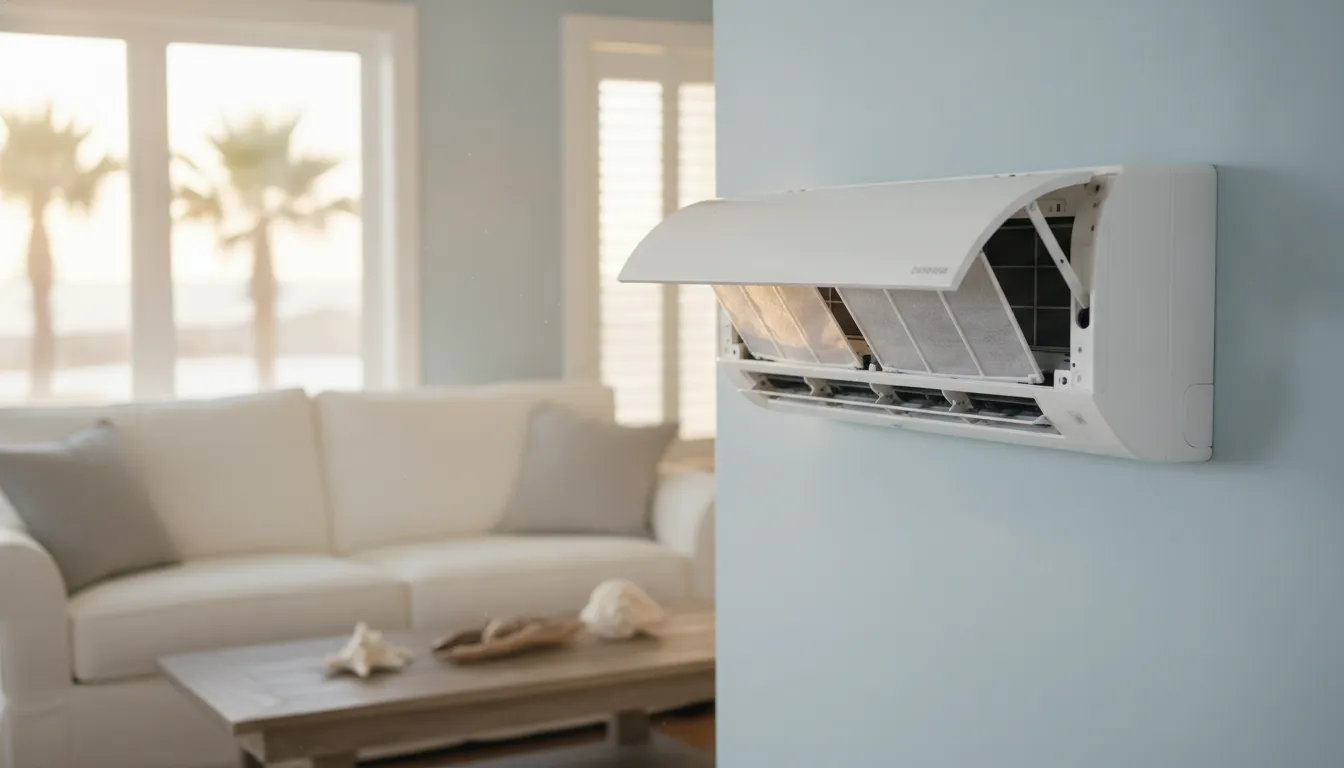
Ductless mini-split systems are a fantastic choice for many homeowners in Corpus Christi, especially if you're looking for flexibility and efficiency. Unlike traditional systems that use a network of ducts to distribute air, these systems use an outdoor unit connected to one or more indoor air handlers. This setup makes them incredibly versatile. They are perfect for older homes without existing ductwork, for cooling a new addition, or for creating different temperature "zones" in your house. Because they don't lose air through leaky ducts, they are highly efficient, helping you save on energy costs, which is a huge plus in our climate.
The long-term financial benefits are also a major draw. While the initial investment can be comparable to a traditional system, their cost-effectiveness shines through in lower monthly energy bills. The U.S. Department of Energy recommends looking for the ENERGY STAR® label when you shop for a mini-split to ensure you're getting a top-performing unit that maximizes your savings. Their easy installation process also means less disruption to your home compared to installing a full ductwork system. If you're looking for a modern, adaptable, and efficient cooling solution, a ductless system is definitely worth considering.
How to Choose the Right HVAC Professional
Finding the right person to work on your home’s HVAC system can feel like a big task, especially when your AC gives out during a Corpus Christi summer. This system is the heart of your home's comfort, and you want to trust that it’s in good hands. A great technician not only fixes the immediate problem but also helps you feel confident in your system's long-term health. They should be a partner in keeping your home comfortable and your energy bills reasonable. Taking a little time to vet your options can save you from headaches, shoddy work, and unexpected costs down the road. When you know what to look for, you can easily spot a true professional who will treat your home with the care it deserves. It’s about more than just a quick fix; it’s about finding a reliable company you can call on for years to come. Here are the key things to check before you hire anyone to work on your heating or cooling system.
Confirm They're Licensed and Insured
First things first, always confirm that any HVAC professional you consider is properly licensed and insured. This isn't just a piece of paper; it's your assurance that the technician has met state and local requirements and has the right training for the job. A valid license shows they are serious about their trade and adhere to safety codes. Insurance is just as important, as it protects you and your property from liability in case of an accident. A reputable company will always be upfront about their credentials, so don't hesitate to ask about our company and our qualifications. It’s a simple step that provides significant peace of mind.
Look for Certifications and Specializations
Beyond a license, you want to find a technician who is truly an expert in their field. Certifications and specializations are a great way to verify this. They show that a technician has gone the extra mile to master their craft and stay current with the latest technology and best practices. Think of it like choosing a doctor; you’d want one who is board-certified in their specialty. In the HVAC world, these credentials prove a technician has the hands-on skills and in-depth knowledge to diagnose and fix problems correctly the first time. This commitment to excellence is a strong indicator of a company's overall quality and professionalism.
NATE Certification
One of the most respected credentials in the HVAC industry is the NATE certification. NATE stands for North American Technician Excellence, and it’s not an easy certificate to earn. Technicians must pass a series of rigorous, real-world exams that test their practical knowledge and problem-solving abilities. When you hire a NATE-certified technician, you can be confident they have a deep understanding of heating and cooling systems. It’s an industry-recognized validation that they are among the best in the business. Companies that invest in NATE-certified technicians demonstrate a commitment to providing the highest level of service and expertise to their customers.
Brand Authorizations
Some HVAC companies also have special authorizations from the manufacturers they work with. For example, we at Tommy Cool Air are proud to be a trusted dealer of Trane products. This means our technicians receive specialized training directly from the manufacturer on how to install, maintain, and repair their specific systems. This brand-specific expertise is incredibly valuable. It ensures that your equipment is serviced according to the manufacturer's exact specifications, which helps protect your warranty and maximize the system's performance and lifespan. When a company has a strong relationship with a top brand, it’s a good sign they are dedicated to quality and reliability. You can learn more about why we choose Trane for our customers.
Ask About Service Availability and Emergency Repairs
HVAC emergencies rarely happen at a convenient time. More often than not, your air conditioner will decide to quit on the hottest Saturday of the year or in the middle of the night. That’s why it’s so important to choose a professional who offers reliable service availability, including after-hours and emergency repairs. You don’t want to be left scrambling to find someone who can help when you’re in a pinch. A company that is prepared to respond when you need them most shows a true commitment to customer care. Before you commit to a company, ask about their service hours and what their process is for handling urgent calls.
24/7 Service for Corpus Christi Residents
For those of us living in the Corpus Christi area, a broken AC is more than an inconvenience—it can be a health and safety issue. That's why having access to 24/7 emergency service is non-negotiable. A reliable company understands this and will be ready to answer your call day or night. When you're in a stressful situation, you need a team that responds quickly and communicates clearly. A trustworthy technician will always provide an upfront estimate before starting any work, so there are no surprises. When your system fails unexpectedly, it’s reassuring to know you can contact a professional who will be there to restore your comfort and peace of mind.
Insist on Clear Pricing and Communication
No one likes a surprise on their final bill. A trustworthy HVAC company will always provide clear, upfront pricing before any work begins. Look for a professional who gives you a detailed estimate that breaks down the costs for labor and parts. This transparency is a hallmark of good customer service and shows respect for your budget. Clear communication should extend beyond just the price. The technician should be able to explain the problem and the proposed solution in a way that you can understand. If you’re ready for a straightforward conversation about your HVAC needs, you can contact our team for an honest assessment.
Read Online Reviews and Check Their Reputation
Before you invite a technician into your home, see what other customers have to say about their experience. Checking online reviews is one of the easiest ways to gauge a company's reputation and commitment to quality service. Look for feedback on sites like Google, Facebook, or the company’s own website. While a perfect record is rare, a pattern of positive comments about professionalism, timeliness, and effective repairs is a great sign. We’re proud of the feedback we’ve received, and you can read our reviews to see what your neighbors in the Corpus Christi area think about our work.
Always Ask About Warranties and Guarantees
A professional HVAC company will stand behind its work. Always ask about the warranties they offer on both parts and labor. This shows that they are confident in the quality of their repairs and the equipment they install. For new installations, it’s also smart to ask about the manufacturer's warranty. For example, we install trusted Trane products known for their reliability and strong warranty coverage. This is also a good time to inquire about maintenance plans, which can help keep your system running smoothly and maintain its warranty. A good pro wants to build a long-term relationship, not just make a quick fix.
Prevent Future Breakdowns With Regular Maintenance
The best way to deal with HVAC problems is to stop them before they start. A little proactive care goes a long way in preventing surprise breakdowns, especially during a Texas heatwave. Regular maintenance not only keeps your system running smoothly but also saves you money on energy bills and expensive emergency repairs down the road.
The Importance of a Quality Installation
When you invest in a new HVAC system, you're not just buying a piece of equipment; you're buying years of comfort. But the quality of the unit itself is only half the battle. The installation process is just as critical to its performance and lifespan. A sloppy installation can lead to a whole range of problems, from poor cooling and higher energy bills to frequent breakdowns. For example, if the unit isn't sized correctly for your home, it will either struggle to keep up or cycle on and off constantly, failing to control humidity. A professional installation of a quality unit, like those from trusted brands like Trane, ensures everything is set up for optimal efficiency from day one. It’s the foundation for a reliable system and lower energy costs for years to come.
Essential Tasks to Extend Your System's Lifespan
One of the simplest yet most effective things you can do is change your air filter. A clogged filter makes your system work harder and can harm your air quality. As a rule of thumb, replace your filter every 90 days. If you have pets or live in an area with a lot of pollen, you may want to change it every 60 days.
While changing filters is a great DIY task, your system also needs professional attention. Scheduling regular service with a qualified technician ensures all the mechanical and electrical components are working correctly and safely. This routine check-up keeps your system running efficiently, improves your home's indoor air quality, and can significantly extend the life of your unit.
Consider Proactive Parts Replacement
Think of it this way: you wouldn't wait for your car's brakes to fail completely before replacing them. The same logic applies to your HVAC system. Components like capacitors, contactors, and fan motors are constantly working and have a finite lifespan, especially under the strain of our coastal weather. Waiting for one of these parts to break down often leads to an emergency service call at the most inconvenient time—like during a holiday weekend or the peak of a heatwave. During a routine maintenance visit, a skilled technician can identify parts that are showing signs of wear and recommend replacing them proactively. This approach is a core benefit of our membership plan, helping you avoid unexpected failures and keeping your system running reliably when you need it most.
Why Keeping Maintenance Records Is a Smart Move
Keeping a simple log of your HVAC maintenance and repairs is a smart habit. Think of it as a health record for your home's most important system. You can use a simple notebook or a digital file to track service dates, what was done, and any costs involved.
This record helps you spot recurring issues that might point to a larger problem. It also provides a clear history that is incredibly useful when you face the decision to repair or replace your unit. When you can tell a technician exactly what services were performed and when, they can diagnose new problems much faster, saving you time and money on the service call.
Are HVAC Maintenance Plans Worth It?
If you prefer a "set it and forget it" approach to HVAC care, a maintenance plan is a fantastic solution. These plans are designed to make routine upkeep effortless. Most include scheduled tune-ups, priority service, and even discounts on parts and labor if a repair is needed. It’s an investment in reliability and peace of mind.
Our membership program handles all the scheduling and preventative care for you, ensuring your system is always ready for the season ahead. During a maintenance visit, you can also ask your technician about other ways to improve your home's air, such as adding an air purifier to catch smaller particles that standard filters might miss.
Related Articles
- Enhancing Your Home's Comfort: A Guide to HVAC Efficiency Improvements
- 20 Common Problems Requiring Emergency Furnace Repair and How to Prevent Them
- AC not turning on? A homeowner's checklist
- FAQs
Frequently Asked Questions
How often should I have my HVAC system professionally serviced? We recommend having your system professionally serviced twice a year. An ideal schedule is to have your air conditioner checked in the spring before the summer heat arrives, and your heating system checked in the fall before you need it for any cold snaps. This regular attention helps keep your system running at peak efficiency, catches small issues before they become major repairs, and ensures your home stays comfortable all year long.
My energy bill has gone up, but my AC seems to be working fine. What could be the cause? A sudden spike in your energy bill is often the first sign of a problem, even if your system still seems to be cooling. As an HVAC system ages or components get dirty, it loses efficiency. This means it has to run longer and work harder to maintain the temperature you've set on your thermostat. The cause could be something as simple as a clogged air filter or dirty coils, but it's a clear signal that your system is using more electricity than it should.
Is a maintenance plan really worth the cost? A maintenance plan is an investment in reliability and peace of mind. While it's an upfront cost, it often saves you money in the long run by preventing expensive emergency repairs and keeping your system running efficiently, which lowers your monthly energy bills. These plans also typically offer benefits like priority service during the busiest times of the year and discounts on parts or labor, making it a smart choice for any homeowner who wants to avoid the stress of a sudden breakdown.
My AC unit is over 10 years old but still runs. Should I start saving for a new one? It's smart to start planning ahead if your system is in that 10 to 15-year-old range. While it may still be working, it is likely far less efficient than modern units and is operating on borrowed time. As it gets older, the risk of a major component failure increases. Instead of waiting for an expensive breakdown to force your hand, proactively planning for a replacement allows you to research your options and choose a high-efficiency system that will save you money for years to come.
What's the single most important thing I can do myself for my HVAC system? Without a doubt, the most important and effective thing you can do is regularly check and change your air filter. A dirty filter restricts airflow, forcing your entire system to work harder, which wastes energy and can lead to damage. We suggest checking it monthly and replacing it at least every 90 days, or more often if you have pets or allergies. This simple, inexpensive task has a huge impact on your system's health and your home's air quality.