You probably don’t spend much time thinking about the direction your water flows, but your plumbing system is designed as a one-way street. A backflow preventer is the gatekeeper that keeps it that way, stopping dirty water from pools or sprinklers from contaminating your clean supply. To ensure this critical device is working, an annual test is required—it’s a key part of keeping our community’s water safe. Understanding the backflow testing cost is the first step. This guide breaks down the typical backflow test cost for homes and businesses and explains what influences your final bill, helping you see it as a small investment in your health and safety.
Key Takeaways
- Annual testing is a non-negotiable safety measure: This required inspection prevents contaminated water from entering your clean drinking supply, helping you avoid both health risks and potential city fines for non-compliance.
- Understand what influences the price: The final cost depends on factors like your property type (home vs. business), the complexity of your device, and its accessibility. Knowing this helps you accurately compare quotes and budget for potential repairs or filing fees.
- Prioritize certification and plan ahead to save: Always hire a state-certified technician to ensure the test is valid. You can often reduce costs by scheduling service in advance, bundling it with other plumbing needs, or joining an annual maintenance plan.
What is Backflow Testing and Why Do I Need It?
You might not think about your water supply until something goes wrong, but ensuring its safety is a crucial part of home and business ownership. One of the most important safety measures in your plumbing system is a backflow preventer. This device is your main line of defense against water contamination. Backflow occurs when the flow of water reverses, pulling dirty water from sources like irrigation systems, boilers, or pools back into your clean drinking water supply. This can happen due to a sudden drop in pressure in the city’s water main, like from a water main break or firefighters using a nearby hydrant.
Backflow preventer testing is a routine inspection that confirms your device is working correctly and protecting your water. It’s not just a suggestion; in most places, it’s a mandatory annual requirement to keep your property compliant with local health and safety codes. Think of it as a regular check-up for your plumbing system’s immune system. Keeping up with this simple test ensures the water you and your neighbors use stays clean and safe, and it helps you avoid potential fines or service interruptions from the city. Our team handles all kinds of plumbing services and can make this process simple and stress-free.
How Backflow Happens (and How to Stop It)
So, what exactly is a backflow preventer doing? In short, a backflow prevention device stops dirty water from mixing with your clean drinking water. It’s designed to act like a one-way gate, making sure water only flows in a single direction: from the city’s supply into your property. When everything is working normally, the water pressure keeps this flow steady. However, if that pressure suddenly changes, a suction effect can be created, pulling potentially contaminated water backward into the clean supply lines. Your backflow preventer contains a series of valves and checkpoints that will automatically close if they detect a reversal in flow, creating a physical barrier that keeps your drinking water pure.
Understanding Backpressure and Backsiphonage
To get why a backflow preventer is so important, it helps to know the two main ways backflow can occur. The first is called backpressure. This happens when the pressure in a secondary system—like a boiler or a large irrigation network—becomes greater than the pressure in your main water supply line. This imbalance can literally push contaminated water backward into your clean pipes. The second, and more common, scenario is backsiphonage. This is caused by a sudden drop in pressure in the main water line, which creates a vacuum effect. Think of it like sipping from a straw; the negative pressure sucks water from other sources back into the main supply. This can happen if a fire hydrant is opened nearby or if there's a break in a city water main.
Common Household Examples of Backflow Risk
You might be surprised by how many potential backflow risks exist right on your property. The most common culprits are irrigation or sprinkler systems, where water can mix with fertilizers and pesticides from your lawn before being siphoned back into your home's water supply. Swimming pools and hot tubs are another major concern, as treated pool water contains chemicals that are unsafe to drink. Even a simple garden hose left submerged in a bucket of soapy water or a puddle can create a direct path for contaminants to enter your plumbing. Because these cross-connections are so common, having a certified professional inspect your system is essential. Our team is experienced in all residential and commercial plumbing services and can help ensure your property is safe.
The Health Risks of Contaminated Water
The reason cities and health departments are so strict about backflow prevention is simple: public health. When dirty water from a lawn, boiler, or industrial process mixes with the clean water supply, it introduces a host of dangerous contaminants. These aren't just dirt and grime; we're talking about chemical fertilizers, pesticides, bacteria like E. coli, and other harmful substances. Ingesting this contaminated water can lead to serious gastrointestinal illnesses, with symptoms like nausea, vomiting, and diarrhea. For children, the elderly, or anyone with a compromised immune system, the consequences can be even more severe. An annual backflow test isn't just about avoiding a fine—it's a critical step in protecting your family and your community from preventable waterborne illnesses.
Why Regular Testing Keeps You Compliant
Beyond protecting your health, backflow testing is a matter of compliance. For both homes and businesses in the Corpus Christi area, backflow testing is typically required every year. These regulations are in place to protect the entire community’s water supply, not just your own. Failing to complete your annual test can lead to fines, penalties, or even the city shutting off your water service until the issue is resolved. It’s also important to know that this isn't a job for just any plumber. Municipal water departments require these tests to be performed by a state-certified backflow tester who has the specialized equipment and training to do the job right. If you receive a notice from the city, you can contact our team to schedule a certified test and handle all the necessary paperwork for you.
The Consequences of Non-Compliance
Ignoring your annual backflow test notice isn't something you can put off, and the consequences go beyond a simple reminder. You’ll likely receive a warning at first, but failing to act can lead to fines and other penalties. If the deadline passes without a certified test on record, your city’s water department has the authority to shut off your water service to protect the public supply. This isn't just an inconvenience; it's a necessary measure to prevent a potential health crisis. The most significant risk of non-compliance is contaminating your own drinking water, as well as that of your neighbors, with harmful bacteria and chemicals. Following through with your annual test is a small task that prevents major headaches and keeps our community’s water safe for everyone.
Your Responsibility as a Property Owner
As a property owner, ensuring your backflow preventer is tested annually falls squarely on your shoulders. Your primary responsibility is to hire a state-certified technician to perform the inspection before the deadline on your city notice. It’s your job to schedule the appointment and make sure the technician submits the completed test form to the proper municipal department on time. We also recommend keeping a copy of the completed form for your personal records as proof of compliance. We know this sounds like one more thing to add to your to-do list, which is why our certified plumbing professionals can handle the entire process for you, from testing to filing the paperwork, making compliance completely hassle-free.
How Much Does Backflow Testing Cost?
This is the big question, right? You know the testing is important, but you need to budget for it. The final price tag for backflow preventer testing can vary quite a bit, as it depends on your property, your specific device, and even local paperwork requirements. Think of it less like a fixed price and more like a tailored service. To give you a clear picture, let's break down the main components that make up the total cost. Understanding these factors will help you know exactly what to expect when you get a quote.
Residential vs. Commercial Backflow Testing Costs
The type of property you have is one of the biggest factors in determining the cost. For most homeowners in the Corpus Christi area, a standard backflow test will typically run between $55 and $95. If you own a commercial property or a multi-unit building, the cost is generally higher, usually falling somewhere between $85 and $180 per device. The reason for the difference is that commercial systems are often larger and more complex, sometimes involving multiple devices that all need individual testing. Our team handles both residential and commercial plumbing, so we can give you an accurate estimate no matter your setup.
Typical Costs for Homes and Irrigation Systems
For most homeowners, a standard backflow test for your house or irrigation system will typically run between $55 and $95. This price covers the essential inspection needed to confirm your backflow preventer is working correctly and protecting your family’s water supply from contaminants. When you think about the health risks associated with contaminated water, this annual test is a small but critical investment in your peace of mind. It’s a straightforward process that ensures the water you use for drinking, cooking, and bathing remains safe and clean, year after year.
Pricing for Condos, HOAs, and Commercial Properties
If you manage a condo, HOA, or commercial property, the pricing structure is a little different. For condos and common areas, testing costs generally range from $75 to $140 per device. For businesses, the cost is often between $85 and $180 per device. The higher price reflects the larger, more complex systems found in commercial settings. The good news is that if you have multiple devices on one property, you can often get a discount for having them all tested during a single visit. Our technicians are well-versed in the specific needs of commercial plumbing and can help you stay compliant efficiently.
What About City Filing and Paperwork Fees?
The technician's fee for the test itself is just one part of the equation. It’s also important to remember that there might be administrative fees involved. Many cities, including some in our area, require the test results to be officially filed, and this often comes with a small processing fee. Depending on the situation, there could also be costs for permits or other necessary paperwork to ensure you remain compliant with local water authority regulations. When you contact us for a quote, we make sure to be transparent about any of these potential fees so there are no surprises on your final bill.
Does Your Device Type Change the Cost?
Not all backflow preventers are created equal, and their design influences the cost of testing. A simple, smaller device found on a standard irrigation system will generally be quicker and less expensive to test. On the other hand, more complex systems, like a Reduced Pressure Zone (RPZ) assembly, require more steps and specialized knowledge to test correctly, which is reflected in the price. The size of the device also matters; a larger backflow preventer on a commercial fire sprinkler system will cost more to test than a small one on a residential water line. We can help you identify your device type and explain the specific testing process it requires.
Costs for Large Devices and Fire Lines
When it comes to commercial properties or buildings with specialized systems, the cost of backflow testing can be a bit different. If your property has a larger device, typically one that's 3 inches or more, or if you have a dedicated fire line, you can expect the testing cost to be higher. The price for these more complex systems usually ranges from $150 to $450 per device. This increase reflects the extra time and specialized expertise needed to properly test these critical components. Fire protection systems, in particular, require a meticulous approach to ensure they function correctly when you need them most. Our certified technicians are equipped to handle these complex systems, ensuring your business stays both safe and compliant with all local regulations.
What Factors Influence Your Backflow Testing Cost?
When you get a quote for backflow testing, you’ll notice the price isn’t a simple, flat rate. The final cost depends on a few key variables specific to your property and system. Understanding these factors can help you see exactly what you’re paying for and why one quote might differ from another. From the size of your backflow preventer to your technician’s qualifications, several elements play a role in determining the price. Let’s break down the most common factors so you know what to expect when budgeting for this essential service.
The Size and Complexity of Your Plumbing System
The size and type of your backflow prevention device are major factors in the testing cost. A simple device on a residential irrigation system will naturally cost less to test than a large, complex system at a commercial property. Businesses often have multiple devices or more intricate setups that require more time and specialized knowledge to inspect properly. If the test reveals that your device needs repairs to function correctly, that will also add to the overall cost. Our team is equipped to handle both residential and commercial plumbing systems, ensuring a thorough and accurate test regardless of complexity.
How Easy Is It to Access Your Device?
Where your backflow preventer is located on your property can also influence the price. A device that is easy to get to, like one in an open yard, makes for a quick and straightforward test. However, if your device is in a hard-to-reach spot, such as a tight crawl space, a vault, or behind dense landscaping, the technician will need more time and effort to access it. This extra labor can lead to additional charges. To help keep costs down, it’s a good idea to clear any obstructions around your device before your scheduled appointment.
Your City's Specific Rules and Requirements
Your city or local water authority has specific rules for backflow prevention, and these regulations can affect the total cost. While federal guidelines set a baseline for water safety, local requirements often include additional steps. This can involve specific testing procedures, mandatory paperwork, and filing fees that are submitted directly to the city on your behalf. These administrative tasks are part of the compliance process and are typically factored into your final bill. We handle all the necessary reporting to ensure you stay compliant with Corpus Christi’s regulations, taking the guesswork out of the process for you.
A Technician's Experience and Certifications
The qualifications of the person performing the test also play a role in the cost. A highly experienced and certified technician might have a higher hourly rate than someone with less training. While it can be tempting to go with the lowest price, investing in a reputable professional often saves you money over time. An expert can accurately diagnose issues, perform reliable tests, and help you avoid future problems and costly emergency repairs. Our technicians are fully licensed and certified, and our customers’ positive reviews reflect our commitment to quality service and expertise.
Planning for Costs Beyond the Initial Test
The price on your initial quote for backflow testing covers the test itself, but it’s smart to plan for a few other expenses that might pop up. A little foresight can save you from surprise costs down the road, especially if your device is older. Think of it like a regular check-up; sometimes, you find something that needs a follow-up. Being prepared for potential repairs, re-tests, or administrative fees will help you create a realistic budget and make the entire process smoother.
What If Your Device Needs Repairs or Replacement?
What happens if your backflow preventer doesn't pass its test? If the device fails, it will need to be repaired or replaced before it can be re-tested and certified. This is one of the most common reasons for additional costs. The complexity of the repair determines the final price, which includes both parts and labor. It’s a good idea to have a small fund set aside for this possibility. Our team can handle any necessary plumbing services to get your system working correctly and ensure your water supply remains safe and compliant.
Signs Your Backflow Preventer Might Be Failing
Your backflow preventer usually works quietly in the background, but it can give you a few warning signs when it's starting to have trouble. Keep an eye out for any water leaking or dripping from the device itself, which is often the most obvious red flag. You might also notice a sudden drop in your water pressure, or hear unusual noises like clanking or humming coming from your pipes when the water is running. In some cases, you could even see discolored water or notice a strange taste or smell, which is a serious sign that contamination may have already occurred. If you spot any of these issues, it’s important to call a professional right away to get it checked out.
Average Cost of Repair Parts vs. Full Replacement
If your device does need repairs, the cost can range from a minor fix to a more significant investment. Simple repairs, like replacing worn-out rubber seals or springs, are relatively inexpensive. However, if the internal components are corroded or the main body of the device is cracked, the cost of parts and labor will be higher. In some cases, especially with older devices, a full replacement might be more cost-effective than a complex repair. A certified technician can assess the damage and give you a clear breakdown of your options, helping you decide whether a repair or a full replacement makes more sense for your budget and long-term peace of mind. Our team can provide a transparent quote for any necessary plumbing repairs.
The Cost of Retests and Emergency Service
If your device fails and needs a repair, a follow-up test is required to confirm the issue is resolved. This re-test typically isn't included in the initial fee and can cost anywhere from $45 to $125. Another factor is accessibility. If your backflow preventer is difficult to reach, the technician may need extra time and tools, which can increase the cost. For urgent issues, an emergency service call will also be more expensive than a standard appointment. You can always contact us to discuss your device's location and get a clear idea of what to expect.
Permit and Certification Fees to Expect
Beyond the physical test and potential repairs, there are often administrative costs. Many municipalities in the Corpus Christi area require that test results be officially filed, and they sometimes charge a fee for this paperwork. These permit and certification fees are easy to overlook but are a necessary part of staying compliant. When you get a quote, ask if these filing fees are included. Overlooked permit costs are why the total expense can sometimes be higher than the initial testing fee. Our membership plan can help you manage these annual requirements with reminders and potential savings.
What's Included in a Standard Backflow Test?
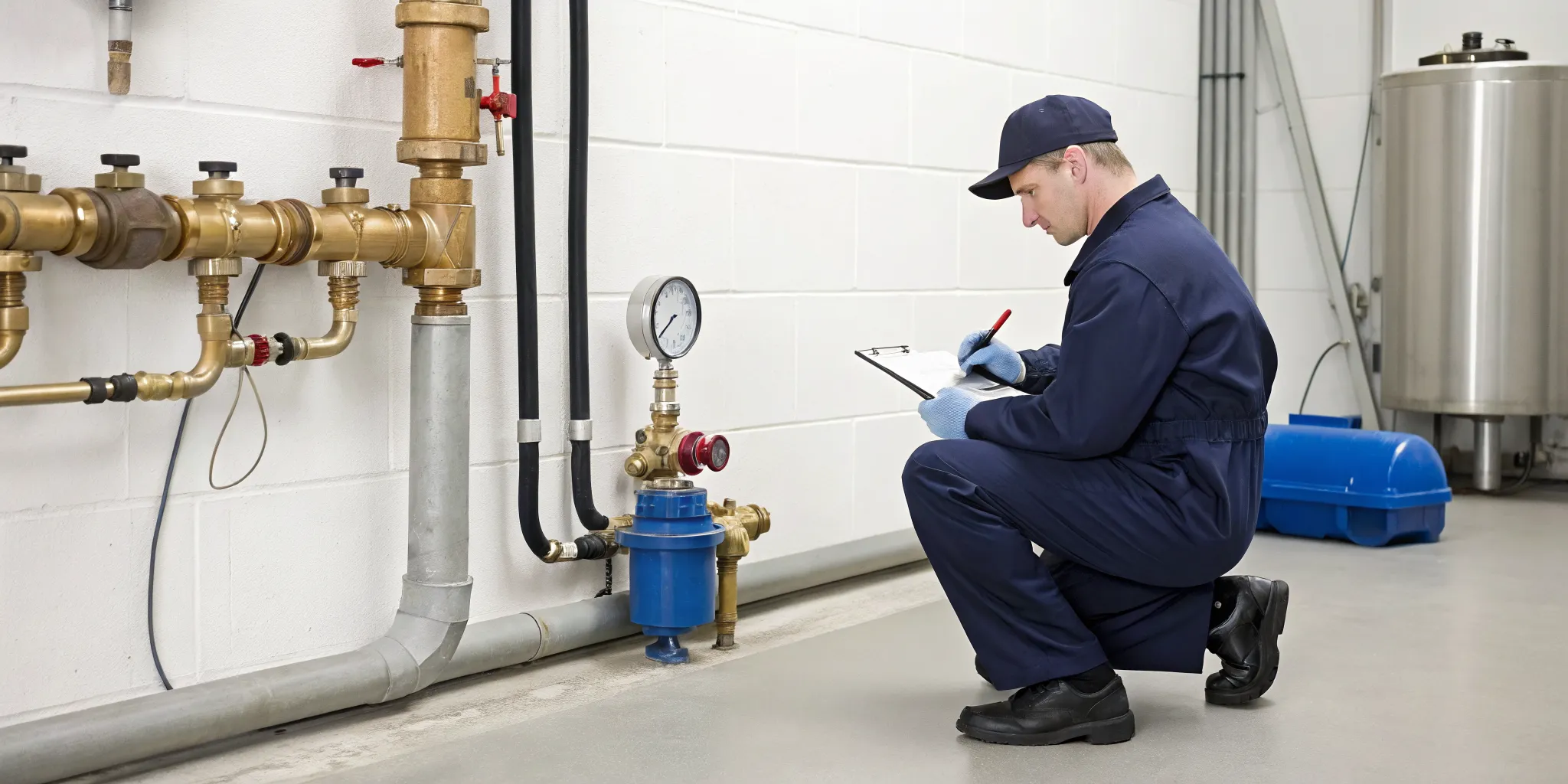
It’s helpful to know what to expect when your technician arrives. A standard backflow test is a quick and non-invasive process, usually taking less than 30 minutes. First, the technician will briefly shut off the water to the device. They’ll then connect a specialized test kit with gauges to the test cocks on your backflow preventer. By manipulating the valves, they can measure the pressure and ensure the internal checkpoints are working correctly and not allowing any water to leak or flow backward. Once the test is complete, you’ll get a pass or fail result on the spot. Our certified technicians will then handle all the required paperwork, submitting the results to the city for you and answering any common questions you might have about the process.
How to Compare Backflow Testing Quotes
When you start gathering quotes for backflow testing, you’ll quickly see that not all estimates are the same. The price is important, but it’s just one piece of the puzzle. To make a smart choice, you need to understand what you’re looking at. A lower price isn't always a better deal, especially if it means cutting corners on compliance or quality. Let’s break down how to compare quotes effectively so you can hire a professional with confidence.
Information to Have Ready for an Accurate Quote
To get the most accurate quote and make the scheduling process as smooth as possible, it helps to have a few details ready when you call. First, know whether your property is residential or commercial, as the system complexity and testing requirements often differ. Also, take a quick look at where your backflow preventer is located. Is it easily accessible in your yard, or is it tucked away in a crawl space or utility closet? This helps us estimate the time needed for the job. Finally, if you have any information about the device itself—like its size, make, or what it’s connected to (such as an irrigation system or fire line)—that’s always helpful. Having these details on hand allows our team to provide a precise estimate right from the start when you contact us for your backflow test.
Plumbers vs. Certified Backflow Specialists
It’s a common point of confusion: can any plumber test your backflow preventer? While many skilled plumbers can install and repair these devices, the actual testing often requires special certification. In many areas, only a state-certified backflow prevention assembly tester is authorized to perform the test and submit the official paperwork to your water supplier. Hiring someone without the right credentials can lead to rejected reports, fines, or even a disruption in your water service. When you get a quote, always confirm that the technician performing the test is fully certified for the job. Our team includes certified plumbing specialists to ensure your test is done right.
Can My Sprinkler Company Handle Backflow Testing?
If you have an irrigation system, it’s a common question: can the company that services your sprinklers also handle your backflow test? The answer is often yes, but with one very important condition. The person performing the test must be a state-certified backflow tester. Many sprinkler companies do have certified technicians on staff and offer testing as a convenient part of their service package, especially when they come out for seasonal maintenance. However, the key isn't the type of company you hire, but the qualifications of the technician. Whether it's your sprinkler provider or a dedicated plumbing professional, you must verify their certification to ensure the test is valid and will be accepted by the city. This guarantees your system is compliant and your water is safe.
How to Read and Understand a Service Quote
A good quote should be clear and comprehensive, leaving no room for surprises. When you review an estimate, look beyond the main price. Ask if the quote includes all potential fees, such as city filing costs or permit fees, which can sometimes be added on later. It’s also a good idea to confirm that the company will handle submitting the test results directly to your water provider. A trustworthy professional will also give you a copy for your records. Don’t hesitate to ask questions if something isn’t clear. A transparent quote is a sign of a professional and honest company.
Common Myths About Backflow Test Costs
Many people put off backflow testing because they worry about the cost, but this can be a mistake. The truth is, the fee for a routine test is minor compared to the potential expenses of not doing it, which could include costly repairs from a backflow incident or fines for non-compliance. Another myth is that the price of the device is the only major cost. Remember that annual testing is a recurring expense you’ll need to budget for. Understanding the full picture helps you see testing not as a burden, but as a smart, preventative investment in your property’s safety and your peace of mind.
Choosing the Right Pro: What to Look For (and Avoid)
Finding the right professional for your backflow testing is about more than just getting the job done. You need someone who understands local codes, has the proper certifications, and prioritizes the safety of your water supply. Choosing a qualified expert ensures the test is performed correctly and that all necessary paperwork is filed, giving you complete peace of mind. Here’s what to look for in a provider and a few red flags to watch out for.
Why the Cheapest Quote Isn't Always the Best
It’s always tempting to go with the lowest quote, but when it comes to backflow testing, a bargain price can be a warning sign. An unusually low bid might mean the provider is cutting corners, isn't properly certified, or won't handle the city filing process for you. While you’ll pay a fee for a professional test, the potential cost of a contaminated water supply or fines for non-compliance far outweighs the initial savings. Think of it as an investment in your property’s safety and your family’s health. A reputable company will offer fair pricing for their plumbing services without sacrificing quality.
Always Check for Credentials and Experience
Not every plumber is qualified to perform backflow testing. In Texas, technicians must be certified by the Texas Commission on Environmental Quality (TCEQ) to legally test and repair backflow prevention assemblies. Before hiring anyone, make it a point to ask for their license and certification number. An experienced, certified tester will not only perform the test correctly but will also be able to identify potential issues and recommend the right solutions. Hiring an uncertified individual could lead to an invalid test, leaving you non-compliant and your water supply at risk.
Where to Find a List of Certified Testers
Finding a qualified professional is easier than you might think. Your local water authority is the official source for this information, and they often maintain a list of approved testers. For residents in our area, you can check with the City of Corpus Christi to find certified professionals. Of course, an even simpler option is to work with a trusted plumbing company that has certified experts on staff. Our team at Tommy Cool Air includes fully certified backflow testers who can handle the entire process for you, from performing the test to submitting the necessary paperwork, making sure your property stays compliant without adding any stress to your plate.
Ensure They Know Your Local Compliance Rules
Backflow testing regulations can vary from one city to another, so it’s important to work with a provider who knows the specific rules in your area. A local expert will understand the requirements for Corpus Christi, Padre Island, or Port Aransas and ensure your test meets all local standards. They will also know exactly how to file the results with the public water system, saving you the headache of managing the paperwork yourself. A good provider makes the entire process seamless, from scheduling the test to submitting the final report for you.
Read Customer Reviews and Check Their Reputation
Before you make a decision, take a few minutes to see what other customers are saying. Look for a company with a strong local reputation and consistently positive feedback. Online reviews can give you a clear picture of a company's reliability, professionalism, and quality of work. A provider with a long history of satisfied customers is more likely to deliver the dependable service you need. Choosing a company trusted by your neighbors is one of the best ways to ensure you’re in good hands and that the job will be done right the first time.
Smart Ways to Save on Your Backflow Test Cost
Backflow testing is a non-negotiable part of property maintenance, but that doesn’t mean it has to break the bank. With a little planning and a few smart strategies, you can keep your water safe and your budget in check. It’s all about working smarter, not harder, to manage this essential service. By being proactive, you can avoid unexpected fees and find opportunities for savings you might not have known were available. Here are a few practical ways to reduce the cost of your next backflow test.
Ask About Annual Plans and Off-Season Scheduling
One of the easiest ways to save is by planning ahead. Instead of scrambling to find a tester each year, consider signing up for an annual maintenance plan. Our membership program is a great example of how planning for routine service can lead to long-term savings and peace of mind. When you commit to a provider for your yearly testing, they can often offer a better rate as a thank you for your loyalty. Scheduling your test during the off-season or well before your deadline can also sometimes result in a lower price, as you’ll avoid the rush.
Bundle Services or Test Multiple Devices at Once
If your property has more than one backflow preventer, you have a great opportunity to save. Ask your technician if they offer a discount for testing multiple devices during a single visit. It’s more efficient for them to handle everything at once, and those savings are often passed on to you. You can also think about bundling your backflow test with other routine plumbing services you might need. Combining appointments reduces travel time for the technician and can result in a lower overall bill for you.
Clear the Area for Easy Access (and a Lower Bill)
A few minutes of prep work can save you from paying for extra labor time. Before your technician arrives, make sure your backflow device is easy to get to. This means clearing away any overgrown bushes, unlocking gates, and moving any items that might be blocking access. If the technician has to spend time clearing a path just to reach the device, you may see that extra time reflected on your invoice. A clear and accessible device ensures the test can be done quickly and efficiently, saving everyone time and money.
Related Articles
Frequently Asked Questions
Why is this test required annually? Think of it like a car inspection. Your backflow preventer has internal seals, springs, and moving parts that can wear out over time. An annual test confirms that these components are still working perfectly to protect your drinking water from contamination. It’s a simple, preventative check required by the city to ensure the safety of the entire community’s water supply.
What happens if my backflow preventer fails the test? If your device doesn't pass, it simply means it’s not providing the protection it was designed for. Our certified technician will explain exactly what the issue is and give you a clear, upfront quote for the necessary repairs. After we fix the problem, we will re-test the device to ensure it’s working correctly and then submit the passing report to the city for you.
Can any plumber perform a backflow test? While many plumbers are skilled at installations, only technicians with a specific certification from the Texas Commission on Environmental Quality (TCEQ) are authorized to perform the official test. Using an uncertified individual can lead to an invalid report and potential compliance issues. It’s always best to confirm your technician has the proper credentials.
Will my water be shut off during the test? Yes, the water to the line being tested will be shut off, but only for a short time. The entire process is usually very quick, often taking less than 30 minutes to complete. We do our best to work efficiently so that any interruption to your home or business is minimal.
How will I know it's time for my annual test? You don’t have to keep track of it yourself. Your local water authority will typically mail you an official notice when your testing deadline is approaching. This letter will tell you when your test needs to be completed. Once you receive it, you can simply give us a call to get it scheduled.