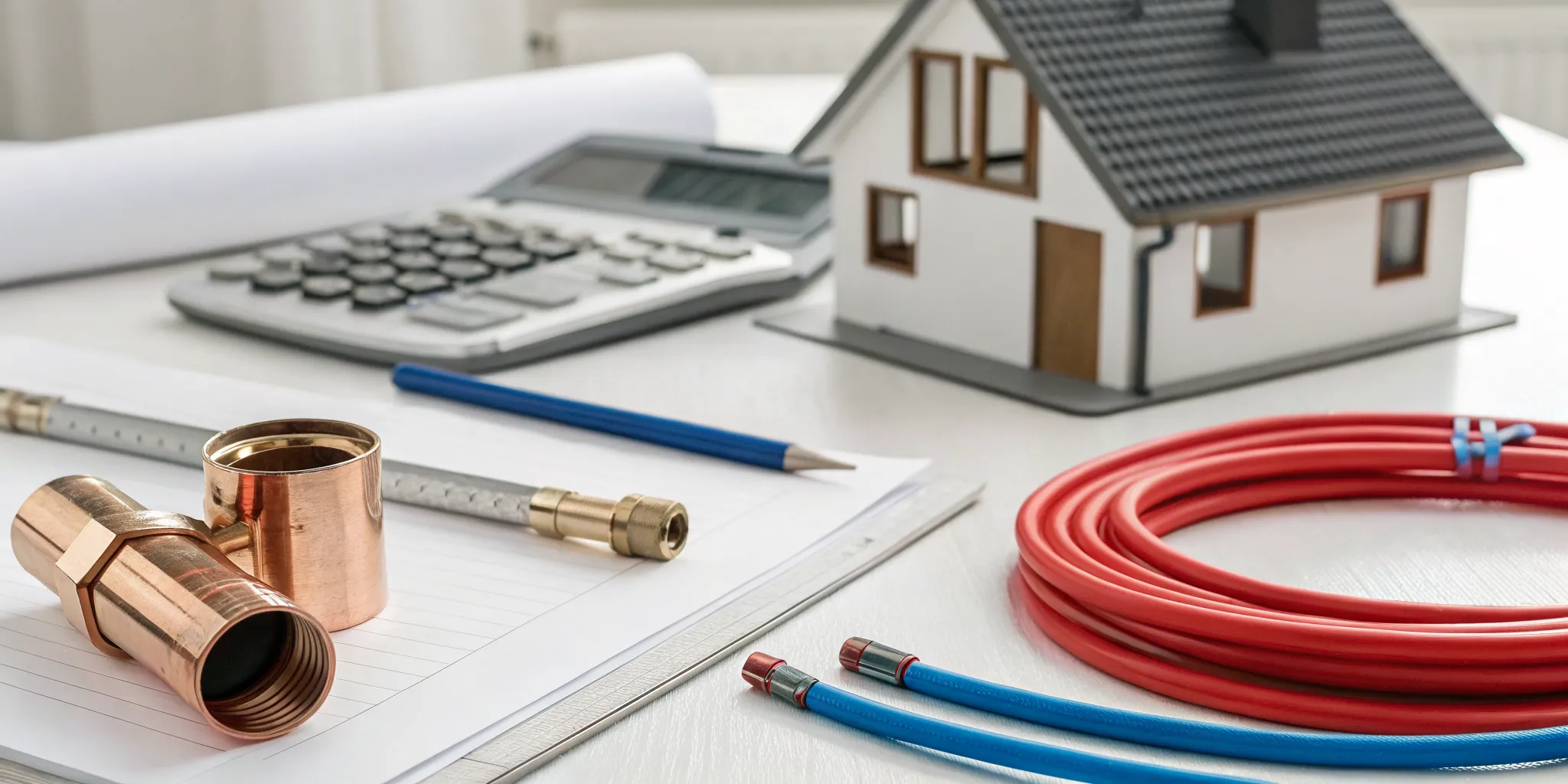
Tired of weak showers, discolored water, or patching up another leak? These aren't just quirks of an older home—they're clear signs your pipes are failing. Putting it off can lead to disastrous water damage and expensive emergency calls. A full repipe is the permanent fix for true peace of mind. But what's the investment? The overall cost to repipe a house varies, so let's get specific. If you need to know how much does it cost to repipe a 2000 square foot house, you're in the right place. We'll break down every factor, from labor to materials like PEX, so you can budget with confidence.
Key Takeaways
- Understand what shapes your repiping cost: The final price depends on your home's size, the pipe material you select (like PEX or copper), and how easily plumbers can access your current system.
- Recognize warning signs to prevent bigger problems: Persistent issues like discolored water, low pressure, and frequent leaks are clear indicators that your pipes may be failing. A proactive repipe is an investment that protects your home from water damage and improves its value.
- Make strategic choices to manage your budget: You can make a repipe more affordable by getting multiple professional quotes, choosing cost-effective materials, and planning for related expenses like drywall repair from the start.
How Much Does It Really Cost to Repipe a House?
Hearing that your home needs to be repiped can feel overwhelming, and your first thought is probably about the cost. It’s a big project, but understanding the numbers makes it much less intimidating. The final price isn't one-size-fits-all; it depends on your home's size, the materials you choose, and even where you live. Let's break down the typical costs so you can get a clearer picture of what to expect.
Cost to Repipe a 2,000 sq ft House (and Other Sizes)
One of the biggest factors in your final bill is the size of your house. More square footage usually means more pipes, more materials, and more time for the installation. To give you a general idea, national averages for a PEX repipe often fall between $4,000 and $12,000. A smaller home under 2,000 square feet might be on the lower end of that range, while a larger home over 3,500 square feet will be on the higher end. Think of these as ballpark figures. They provide a great starting point, but a professional quote will give you the most accurate number for your home.
Average Costs by Home Size
To get more specific, let's look at how costs scale with square footage. The larger your home, the more piping and labor are required, which naturally increases the price. Based on national averages for PEX repiping, you can see a clear trend. For a home under 2,200 square feet, the cost is often around $5,800. As you move up to a home between 2,500 and 3,500 square feet, the price might be closer to $9,000. For very large homes over 6,000 square feet, the cost can exceed $16,000. These figures from industry data give you a solid baseline for budgeting, but remember that local labor rates and material costs will cause some variation.
Average Costs by Number of Fixtures
Beyond just the size of your house, the number of plumbing fixtures plays a huge role in the final cost. Every sink, toilet, shower, and water heater is a connection point that requires careful work. The more fixtures you have, the more complex the job becomes. For a home with fewer than 10 fixtures, the average cost might be around $4,600. If your home has 12 to 14 fixtures, that number could climb to nearly $8,000. Homes with more than 15 fixtures can see costs exceed $11,000. This is why a detailed, in-person quote is so important. A professional can accurately assess your home's unique layout and provide a precise estimate for your plumbing needs.
What's the Price Per Square Foot?
Another way to look at the cost is by the square foot, but the biggest variable here is the type of pipe you install. For a standard home, the total cost can range from $4,000 to over $15,000. Why the huge gap? It comes down to materials. Using flexible PEX piping is often the most budget-friendly choice, potentially costing between $4,000 and $7,000. On the other hand, choosing durable copper pipes could place the project in the $9,000 to $12,000 range or higher. Our team can walk you through the pros and cons of each during a plumbing services consultation.
Does Your Location Affect Repiping Costs?
You might be surprised how much your zip code can affect the cost of a repiping job. Labor rates and permit fees vary significantly from one city to the next. For example, repiping a house in a high-cost-of-living area can be thousands more than the same job in a more affordable region. Here in the Corpus Christi area, we have our own local market conditions that influence pricing. That’s why getting a quote from a local, trusted plumber is so important. It’s the only way to get an accurate estimate that reflects regional material costs and labor. Feel free to contact our team for a detailed quote.
What Factors Influence the Final Price?
When you get a quote for repiping your house, you’ll notice the price can vary quite a bit. That’s because every home is unique, and several key elements play a role in the final cost. Understanding these factors helps you see exactly where your money is going and allows you to have a more informed conversation with your plumber. Let's break down what goes into that final number.
Why Your Home's Layout Matters
It makes sense that a larger home costs more to repipe than a smaller one. The more square footage you have, the more piping material and labor hours are needed to complete the job. The overall cost to repipe a house can range from a couple of thousand dollars to well over $15,000, and your home's size is a primary driver of that range. The number of stories also matters; a two-story house requires more complex plumbing work than a single-story ranch. We also look at the number of water fixtures, like sinks, toilets, showers, and washing machines, as each one needs its own connection.
How Pipe Materials Affect the Total Cost
The material you select for your new pipes has a major impact on your budget. The two most common choices are PEX (cross-linked polyethylene) and copper. PEX is a flexible, durable plastic tubing that has become incredibly popular because it's less expensive and faster to install. In fact, choosing PEX piping can often save you a significant amount compared to other materials. Copper has been the standard for decades and is known for its long lifespan, but it comes with a higher price tag for both materials and labor. We can walk you through the pros and cons of each to help you find the right fit for your home and budget.
Factoring in Labor and Accessibility
Repiping is a labor-intensive project. In many cases, about three-quarters of the total cost goes directly toward the skilled labor required to do the job right. A big part of the labor estimate depends on how accessible your current pipes are. If your pipes are in an open basement or an easy-to-reach crawl space, the job will be simpler and less expensive. However, if pipes are hidden behind walls, under concrete slabs, or in tight attics, our team will need to cut into drywall or concrete to access them. This adds time and complexity to the project, which is reflected in the labor cost.
Typical Hourly Rates for Plumbers
When you look at a repiping quote, it’s helpful to understand how labor is calculated. Plumbers typically charge an hourly rate, which nationally can range from $75 to $150 per hour. This rate covers their expertise, time, and the specialized tools needed for the job. For a large-scale project like a full home repipe, which can take several days, these hours are the biggest component of the final cost. This is why factors like pipe accessibility are so crucial; the easier it is for our team to get to the pipes, the fewer hours the job will take, which directly impacts your bottom line. A detailed quote from a professional will break down the estimated labor time for your specific project.
New Construction vs. Existing Homes
It’s almost always more expensive to repipe an existing home than it is to plumb a new one, and the reason is simple: demolition and repair. In new construction, plumbers work with open walls and have easy access to run pipes wherever they need to go. In a repipe, the job is much more surgical. We have to work within the confines of your finished home, which often means cutting into drywall or other surfaces to remove the old, failing pipes. This process of replacing old plumbing and then patching up the access points adds significant time and labor that isn’t a factor in a new build.
Will You Need a Permit?
Because repiping is a major update to your home’s plumbing system, it almost always requires a permit from your local city or county. These permits ensure the work is done safely and up to current building codes, protecting you and your home's value. The cost of the permit itself adds to the final price, and these local permit requirements can vary depending on where you live in the Corpus Christi area. When you work with a professional company like Tommy Cool Air, we handle the entire permitting process for you, so you can have peace of mind knowing everything is done correctly and legally.
The Impact of Inflation on Project Costs
It’s no secret that prices for just about everything have been on the rise, and home improvement projects are no exception. Inflation directly impacts the cost of repiping by driving up the price of both materials, like copper and PEX, and skilled labor. This means a quote you received even a year ago might no longer be accurate. The reality is that current market conditions have a major influence on overall project costs, making it essential to budget with today's numbers. When you're planning for a repipe, getting a fresh, up-to-date estimate is the best way to ensure your budget is realistic and there are no surprises down the line.
Choosing the Right Pipe Material for Your Budget
The material you choose for your new pipes plays the biggest role in your project's final cost. It’s a balance between your budget today and your expectations for the future. Each option has its own set of benefits, from cost-effectiveness to long-term durability. Understanding these differences is the first step toward making a confident decision for your home. Let's break down the three most common materials our customers in Corpus Christi ask about.
Pipe Lifespan and Warranties: A Side-by-Side Look
When you're making a big investment in your home, you want it to last. Copper pipes have a slight edge here, with a typical lifespan of 50 to 70 years, while PEX pipes generally last between 40 and 50 years. However, the story changes when you look at warranties. PEX manufacturers often back their products with a 10 or 25-year warranty, giving you an extra layer of protection. Copper, on the other hand, is a traditional material that's incredibly durable and resistant to things like UV light, but it usually doesn't come with a manufacturer's warranty. So, you're choosing between the slightly longer potential lifespan of copper and the guaranteed peace of mind that comes with a PEX warranty.
PEX: The Affordable Choice for Repiping
PEX (cross-linked polyethylene) has quickly become a favorite for home repiping, and for good reason. It’s a flexible plastic tubing that is much faster and easier to install than rigid metal pipes. This quicker installation translates directly into lower labor costs for you. A full repipe with PEX typically costs between $3,500 and $11,000. The material itself is less expensive than copper, and it comes with a solid warranty, usually lasting 10 to 25 years. For many homeowners, PEX hits the sweet spot of affordability and reliability, making it an excellent choice for our comprehensive plumbing services.
Additional Benefits of PEX Piping
Beyond the attractive price point, PEX piping brings several other key advantages to the table. It's incredibly durable because it doesn't rust or corrode like old metal pipes and resists the mineral buildup that can hurt your water pressure. With a typical lifespan of 40 to 50 years, it’s a long-term investment in your home’s plumbing health. The flexibility of PEX is another major win. Because it can bend around corners, our plumbers can often install it with fewer fittings and connections. This not only speeds up the installation but also significantly reduces the number of potential leak points in your system, giving you greater peace of mind.
Copper: The Durable, Premium Option
If you’re looking for a solution that will stand the test of time, copper is the gold standard. Copper pipes are incredibly durable and have a proven track record of lasting for 50 years or more. This longevity, however, comes with a higher price tag. Repiping a house with copper generally ranges from $5,000 to $20,000. The installation process is also more complex and labor-intensive, which contributes to the higher cost. While the initial investment is significant, choosing copper means you’re likely installing a plumbing system that will last for as long as you own your home.
Additional Benefits of Copper Piping
Beyond its impressive lifespan, copper offers a few other key advantages that make it a worthwhile investment for many homeowners. For starters, it’s incredibly resilient. Copper pipes are not only resistant to corrosion but also stand up well against UV light and even rodents, which is a benefit you might not think about until it’s too late. This inherent toughness means you’re installing a system that’s built to last. While the upfront cost is higher, many people see it as a one-and-done project. You’re essentially investing in a plumbing system that will likely last for the entire time you own your home, giving you ultimate peace of mind.
CPVC: Another Affordable Alternative
CPVC (chlorinated polyvinyl chloride) is another plastic piping material that offers a great balance of performance and affordability. It’s a strong, reliable option that costs less than both PEX and copper, typically running between $0.50 to $1 per foot for the material itself. While it may not have the same flexibility as PEX or the extreme longevity of copper, CPVC is a dependable choice that fits well within a tighter budget. If you need a straightforward, cost-effective repipe without sacrificing quality, CPVC is definitely worth considering. For a precise quote on what material would work best for your home, feel free to contact our team.
A Word of Caution on CPVC and Certain Fittings
While CPVC is often praised for its affordability, it’s smart to be aware of a few potential drawbacks. As a rigid plastic, it doesn't have the same flexibility as PEX, and it may not offer the same incredible longevity you'd get from copper pipes—a key point if you want a system that will last for decades. The type of fittings used during installation is also incredibly important. Some homeowners have experienced issues with certain push-to-connect or crimp-style connectors, which can sometimes fail and lead to costly leaks behind your walls. This is why a detailed discussion with a professional is so crucial. We can help you weigh the pros and cons to ensure you're getting a reliable system that fits both your home's needs and your budget.
Signs You Might Need to Repipe Your Home
Your home’s plumbing system works hard behind the scenes, and it’s easy to forget about it until something goes wrong. While a sudden burst pipe is an obvious emergency, many plumbing problems start small and offer subtle clues long before they become catastrophic. Paying attention to these warning signs can save you from extensive water damage, costly emergency repairs, and a lot of stress. Think of it as a health check-up for your home; noticing the symptoms early is the key to a good outcome.
Many of these signs might seem like minor annoyances at first, but they often point to a systemic issue with aging or failing pipes. If you’re experiencing several of these problems at once, it’s a strong indicator that your plumbing system is nearing the end of its life. Understanding what to look for is the first step in protecting your home and making an informed decision about your plumbing service needs. Let’s walk through the most common signs that your house is due for a repipe.
Is Your Water Brown or Tasting Funny?
One of the most straightforward signs of trouble is the water itself. If you turn on a faucet and the water comes out brown, yellow, or rusty, it’s a clear red flag. This discoloration is often caused by corrosion and rust breaking away from the inside of your old pipes and mixing into your water supply. Along with the strange color, you might also notice a metallic taste or an unpleasant odor. This isn't just unappealing; it’s a direct signal that your pipes are deteriorating from the inside out, compromising the quality of the water your family uses every day.
Frustratingly Low Water Pressure
Do you find yourself waiting forever for the sink to fill, or is your daily shower more of a weak trickle than a refreshing spray? Persistently low water pressure throughout your home is more than just a daily frustration. Over the years, rust and mineral deposits can build up inside pipes, effectively narrowing the passage for water to flow through. This internal blockage, known as scale buildup, restricts the flow and reduces pressure. While a single clogged faucet might be a local issue, a house-wide pressure drop often means the main water lines are compromised and struggling to deliver water effectively.
Dealing with Constant Leaks or Damaged Pipes?
A dripping faucet is one thing, but recurring leaks under sinks, behind walls, or in your basement are a much more serious concern. Even a small, slow leak can lead to significant problems like mold growth, wood rot, and damage to your home’s foundation. Take a moment to inspect any visible pipes you can access, such as those under your kitchen and bathroom sinks. If you see signs of discoloration, rust spots, flaking, or bumps on the pipe’s surface, it means the metal is corroding and weakening. These are physical signs that your pipes are failing and could burst without warning. If you spot these issues, it's best to contact a professional for an inspection.
How Old Are Your Pipes?
Just like a roof or an HVAC system, your home’s pipes have a finite lifespan. The type of material used determines how long you can expect them to last. For example, many older homes were built with galvanized steel pipes, which typically last between 20 and 50 years before they begin to corrode and fail. Copper pipes have a longer lifespan, often lasting 50 years or more. If you live in an older home and you’re unsure when the plumbing was last updated, it’s worth investigating. Knowing the age and material of your pipes can help you proactively plan for a replacement before you’re forced to deal with an emergency.
Problematic Pipe Materials to Watch For
If your home was built before the 1960s, there's a good chance it has galvanized steel pipes. While they were the standard for a long time, we now know they have a major flaw: they corrode from the inside out. As the protective zinc coating wears away, the steel begins to rust, leading to all the problems we've discussed. If you see discolored water, that's rust from your pipes mixing into your water supply. These pipes are also notorious for developing pinhole leaks that can go unnoticed behind walls, causing mold and wood rot. A professional inspection is the best way to confirm what kind of pipes you have and their current condition.
The Cost of Replacing Old Galvanized Pipes
Because galvanized pipes are so prone to failure, replacing them is often a matter of when, not if. The cost to replace these outdated systems can range from $8,000 to $18,000, depending on the size of your home and the new material you choose. While this is a significant investment, it’s a permanent solution that protects your home from the inevitable leaks and water quality issues associated with old galvanized plumbing. Upgrading to a modern system like PEX or copper not only solves existing problems but also adds value and peace of mind. Our team can provide a detailed quote for our plumbing services to help you plan for this important home upgrade.
Don't Forget to Budget for These Hidden Costs
Getting a quote for a full house repipe is a big step, but it's important to remember that the number on that initial estimate might not tell the whole story. Several other expenses can pop up during and after the project. Thinking about these potential costs ahead of time helps you create a more realistic budget and avoids any stressful financial surprises down the road. From dealing with city permits to cleaning up the post-project dust, let’s walk through some of the common hidden costs you’ll want to plan for.
The Cost of Permits and Inspections
Before any pipes are replaced, you'll likely need to secure a permit from your local municipality. Major plumbing work is regulated to ensure it meets safety and building codes, and this process isn't free. The cost of the permit itself can vary depending on where you live in the Corpus Christi area. After the work is done, an inspector will need to sign off on it, which can sometimes involve another fee. A professional plumbing company can handle the permitting process for you, but be sure to ask if those fees are included in your initial quote or if they will be a separate line item.
Budgeting for Drywall and Floor Repair
To replace old pipes, plumbers often need to get behind your walls and under your floors. This means cutting into drywall and sometimes removing flooring. While our team at Tommy Cool Air always works to be as minimally invasive as possible, some amount of repair work is usually unavoidable. The cost to patch, re-texture, and repaint these areas is often a separate expense. It's a good idea to clarify with your plumbing services provider whether their quote includes wall repair or if you'll need to hire a separate contractor for that finishing work.
Typical Wall Repair Costs
So, what should you set aside for these repairs? The cost can vary widely depending on how much drywall needs to be opened up, but it's a significant part of the overall project budget. Based on reports from other homeowners, it's wise to anticipate that wall repair costs can add an extra $4,000 to $4,500 for patching, re-texturing, and painting. This is a crucial detail to remember because these finishing touches are typically not included in the initial repiping estimate. Always confirm with your plumber what their quote covers so you can plan for the full scope of the project and avoid any surprises when the job is done.
What About Water While the Work is Done?
A full repiping project isn't an afternoon job; it can take several days or even longer depending on the size of your home. During this time, your water will be shut off for extended periods. This can be a major disruption to your daily routine. You may need to budget for things like buying bottled water for drinking and cooking or even planning for a short stay at a hotel if the project is particularly extensive. While not a direct bill from your plumber, these lifestyle adjustments come with their own costs that are important to consider for your family's comfort.
Who Handles the Post-Project Cleanup?
Construction work, including repiping, creates dust and debris. Even with the most careful contractors laying down drop cloths and cleaning up after themselves, a fine layer of dust can settle everywhere. Your initial quote might not cover a deep, post-construction clean. You should plan for the possibility of hiring a professional cleaning service to get your home back to normal. Alternatively, you can handle it yourself, but be sure to factor in the cost of supplies and the value of your time. When you get a quote, ask what level of cleanup is included so you know exactly what to expect.
Potential Related Plumbing Projects
When you're already planning a major project like a full repipe, it’s a smart move to think about other parts of your plumbing system that might be nearing the end of their lifespan. Since your walls may already be open and you have a professional team on-site, bundling projects can save you time, money, and future headaches. Addressing other potential issues at the same time ensures your entire system is updated, not just the pipes inside your home. Understanding these potential add-ons allows you to have a more informed conversation with your plumber and make the best long-term decisions for your home's health and value.
Replacing the Main Water Line
The main water line is the artery of your home’s plumbing, responsible for bringing fresh water from the municipal supply to your house. If this line is old, corroded, or damaged, you could still experience low pressure or discolored water even after a full internal repipe. Replacing it is a significant undertaking that often involves excavation on your property. Much like a repipe, this is a labor-intensive project, but tackling it at the same time means you’re overhauling your entire water delivery system at once. It’s the best way to ensure consistent pressure and clean water for years to come. Our team can assess the condition of your main line during a plumbing services inspection.
Replacing a Main Drain Stack
While the supply lines bring water in, the main drain stack is the critical component that carries all wastewater out. In older homes, these stacks are often made of cast iron, which can corrode, crack, and cause persistent clogs or dangerous sewer gas leaks over time. Since these large vertical pipes are hidden in your walls, the best time to inspect and replace them is when the drywall is already open for a repipe. Because replacing a main drain stack is a major update to your home’s plumbing system, it almost always requires a permit from your local city or county. Bundling this work with your repipe streamlines the permitting and inspection process, ensuring your entire system is up to code. If you suspect your drain stack is original to your older home, you can contact our team to schedule a comprehensive inspection.
Smart Ways to Save on Your Repiping Project
Repiping your house is a significant investment, but it doesn't have to completely drain your savings. With some smart planning and strategic decisions, you can manage the costs effectively without cutting corners on quality. The key is to think ahead and understand where your money is going. It’s about making informed choices that align with your budget and your home's needs. From choosing the right materials to timing the project perfectly, there are several practical ways to make your repiping project more affordable. Let's walk through some of the best strategies to keep your budget in check while ensuring your home's plumbing is reliable for years to come.
Always Get More Than One Quote
This seems straightforward, but it’s one of the most effective ways to save. Prices for a repiping job can vary quite a bit from one plumber to another, so getting at least three detailed estimates is a must. When you request a quote, make sure it’s a written, itemized breakdown of all costs, including labor, materials, and permits. Don't just jump at the lowest number. A suspiciously low bid could mean subpar materials or inexperienced labor. Instead, compare the quotes apples-to-apples and look for a company with a solid reputation and transparent pricing. This helps you find the best value, not just the cheapest option.
How Your Pipe Choice Affects Your Wallet
The type of pipe you choose has a huge impact on the final cost. While copper has been the traditional choice for its durability, it's also the most expensive. A more modern and budget-friendly alternative is PEX (cross-linked polyethylene). PEX is flexible, easier to install, and resistant to corrosion, which can save you thousands of dollars on both materials and labor compared to copper. Discussing the pros and cons of each material with your plumber will help you make an informed choice that fits your budget and gives you peace of mind. Our team can walk you through all the options for your plumbing services.
Does the Time of Year Matter?
If you can, try to schedule your repiping project alongside other home renovations. Are you already planning to remodel your kitchen or bathroom? That’s the perfect time to repipe. Since the walls will already be open for the renovation, your plumber will have easy access to the pipes. This simple move can save you a significant amount of money on drywall repair and painting costs, which are often a hidden expense in a standalone repiping job. Bundling projects is one of the smartest ways to get more done for less and minimize disruption to your home life.
Do You Need a Full or Partial Repipe?
Does your entire house really need new pipes, or is the problem isolated to one area? In some cases, a partial repipe might be a practical solution. If you have a newer addition with modern plumbing but the original part of the house has old, failing pipes, you may only need to replace the problematic sections. A professional plumber can perform a thorough inspection to determine the overall health of your plumbing system. While a full repipe is a more permanent solution, a partial repipe can be a cost-effective way to address immediate issues, especially if you're on a tight budget.
Alternatives to a Full Repipe
A full repipe is a major project, but it isn't always the only answer. If your plumbing problems are confined to one area, you might have other, less invasive options. For a single, small leak in an otherwise healthy system, a spot repair can be a quick fix, though it won't address widespread corrosion in older pipes. Other solutions include rerouting, where only the damaged sections of pipe are replaced, or applying an epoxy lining to coat the inside of existing pipes. While these can be effective, they aren't suitable for every situation. The only way to know for sure is with a professional inspection. Our team can assess your system's health and help you weigh the pros and cons of each option, ensuring you find a solution that fits your budget and solves the problem for good. Feel free to contact us for a thorough evaluation.
Is Repiping a Worthwhile Investment?
Seeing the price tag for a whole-house repipe can be a bit of a shock. It’s a significant project, and it’s natural to wonder if it’s truly necessary or just a "nice-to-have" upgrade. The short answer is yes, repiping is absolutely a worthwhile investment, especially if your home’s plumbing is showing its age. Think of it less as an expense and more as a long-term investment in your home's health, safety, and value.
Ignoring failing pipes doesn't make the problem go away; it just postpones the inevitable and often leads to more expensive, stressful emergency situations down the road. A full repipe is a proactive solution that protects your property from water damage, improves your daily life with better water quality and pressure, and even makes your home more attractive on the real estate market. When you weigh the initial cost against the peace of mind and tangible benefits, the value becomes clear. It's about trading the constant worry of "what if" for the confidence of a reliable, modern plumbing system. If you're facing persistent plumbing issues, our expert plumbing services can help you determine if a repipe is the right move for your home.
Spend Now to Save on Future Repairs
If you feel like you have a plumber on speed dial because of constant leaks, clogs, and low water pressure, you’re spending money on temporary fixes for a permanent problem. Old, corroded pipes are a ticking time bomb for major issues like burst pipes and serious water damage. Proactively replacing faulty pipes is one of the smartest ways to protect your home and your wallet. Instead of bleeding money on one emergency repair after another, a full repipe solves the root cause of the problem, giving you a reliable plumbing system you won't have to worry about for decades.
Add Real Value to Your Home
A brand-new plumbing system is a huge selling point for potential buyers. When people are looking at older homes, the state of the plumbing is a major concern. No one wants to buy a house only to face a massive repair bill a few months later. By repiping your home, you’re not just fixing a problem; you’re adding tangible value and making your property more competitive. A modern plumbing system offers buyers peace of mind, and that confidence can translate into a higher selling price and a faster sale. It’s an upgrade that pays for itself by making your home a more secure and appealing investment.
Enjoy Better, Healthier Water
The benefits of repiping go beyond finances. Old galvanized or corroded pipes can leach rust and other sediments into your water, causing it to look brown, taste metallic, and even stain your sinks and fixtures. This isn't just unpleasant; it's a matter of your family's health. New pipes, like PEX or copper, ensure that the water you use for drinking, cooking, and bathing is clean and clear. This upgrade not only protects your home from the catastrophic damage of a burst pipe but also contributes to a healthier household by delivering fresh, uncontaminated water from every tap.
Could Repiping Lower Your Homeowner's Insurance?
Here’s a benefit you might not have considered: upgrading your home’s plumbing could actually save you money on your homeowner's insurance. From an insurer's perspective, old, corroded pipes represent a significant risk for expensive water damage claims. By proactively replacing your entire plumbing system, you are drastically reducing that risk. Many insurance companies recognize this and may offer lower premiums for homes with new, high-quality pipes. It’s a smart move to call your insurance agent after the project is complete to let them know about the upgrade. This long-term saving is another important factor to weigh when considering the initial investment in your home’s future.
What to Expect During the Repiping Process
The idea of replacing all the pipes in your home can sound disruptive, but knowing what to expect makes the process much smoother. A whole-house repipe is a major plumbing update, not just a quick fix. It’s a systematic process that our professional team has down to a science. The first step is a thorough consultation where we assess your current system and plan the most efficient routes for the new pipes to minimize disruption. Once the plan is set, our plumbers will begin the careful work of removing the old, failing pipes and installing the new ones.
The process involves running new lines through your walls, ceilings, and floors, connecting them to each of your fixtures—from sinks and showers to toilets and washing machines. To do this, we will need to make precise cuts in your drywall. We always aim to be as minimally invasive as possible to protect your home. After the new system is installed and thoroughly tested for leaks, the final step is to patch up any walls that were opened. When you partner with a trusted team for your plumbing services, you can be confident that each stage will be handled with care and professionalism.
How Long Does a Repipe Take?
One of the first questions homeowners ask is how long they'll have to deal with the disruption. While every project is unique, most whole-house repiping jobs take between three to seven days to complete. The exact timeline depends on the size of your home, the accessibility of your pipes, and the material you choose. A key point to remember is that you won't be without water for the entire duration. Our team works strategically to keep your water on for as long as possible, typically only shutting it off for the final connections at the end of the project to minimize the inconvenience to your family.
How to Prepare Your Home for the Plumbers
A little preparation can go a long way in making your repiping project run smoothly and efficiently. Before our team arrives, take some time to clear out the areas where they will be working. This means removing items from under your kitchen and bathroom sinks, as well as clearing a path to your water heater and any other major plumbing fixtures. If you have pets, it’s a good idea to make a plan to keep them safely and comfortably secured in a separate room or away from the work area. By taking these simple steps, you help our plumbers work more effectively and ensure a safer environment for everyone involved. If you have any questions before your scheduled service, don't hesitate to contact our team.
Related Articles
- Plumbing Services Services | Corpus Christi, TX | Tommy Cool Air
- Ductwork Installation & Repair (Energy) in Corpus Christi, TX | Tommy Cool Air
- Indoor Air Quality Services | Corpus Christi, TX | Tommy Cool Air
- Energy Saving Systems Services | Corpus Christi, TX | Tommy Cool Air
- Heating Services | Corpus Christi, TX | Tommy Cool Air
Frequently Asked Questions
How long does a typical repiping project take? The timeline really depends on the size and layout of your home. For a smaller, more accessible house, the project might take just a few days. A larger, multi-story home with more complex plumbing could take a week or longer. When we provide an estimate, we also give you a clear and realistic timeline so you know exactly what to expect from start to finish.
Will I have to move out of my house during the project? It's very rare that you would need to leave your home. Our team works to minimize the disruption to your daily life as much as possible. We typically plan the work so that we can turn your water back on each evening, ensuring you have access to essential plumbing when you need it most.
Is repiping a messy job? Since we need to open sections of your walls to access the old pipes, some dust and debris are part of the process. However, our professional plumbers are committed to respecting your home. We use drop cloths to protect your floors and furniture and make sure to clean up our work area at the end of each day to keep the mess contained.
Why would I choose PEX piping over traditional copper? The biggest factors are cost and installation speed. PEX is a flexible, modern material that is less expensive than copper and much faster to install, which saves you money on labor costs. While copper is known for its incredible longevity, PEX offers excellent durability and reliability for a more budget-friendly price, making it a popular choice for many homeowners.
What's the first step if I think my home needs to be repiped? The best first step is to schedule a professional inspection. One of our experienced plumbers can assess the condition of your pipes, identify problem areas, and determine if a full repipe is necessary. This consultation gives you a clear understanding of your plumbing's health and allows us to provide you with an accurate, detailed quote for the project.