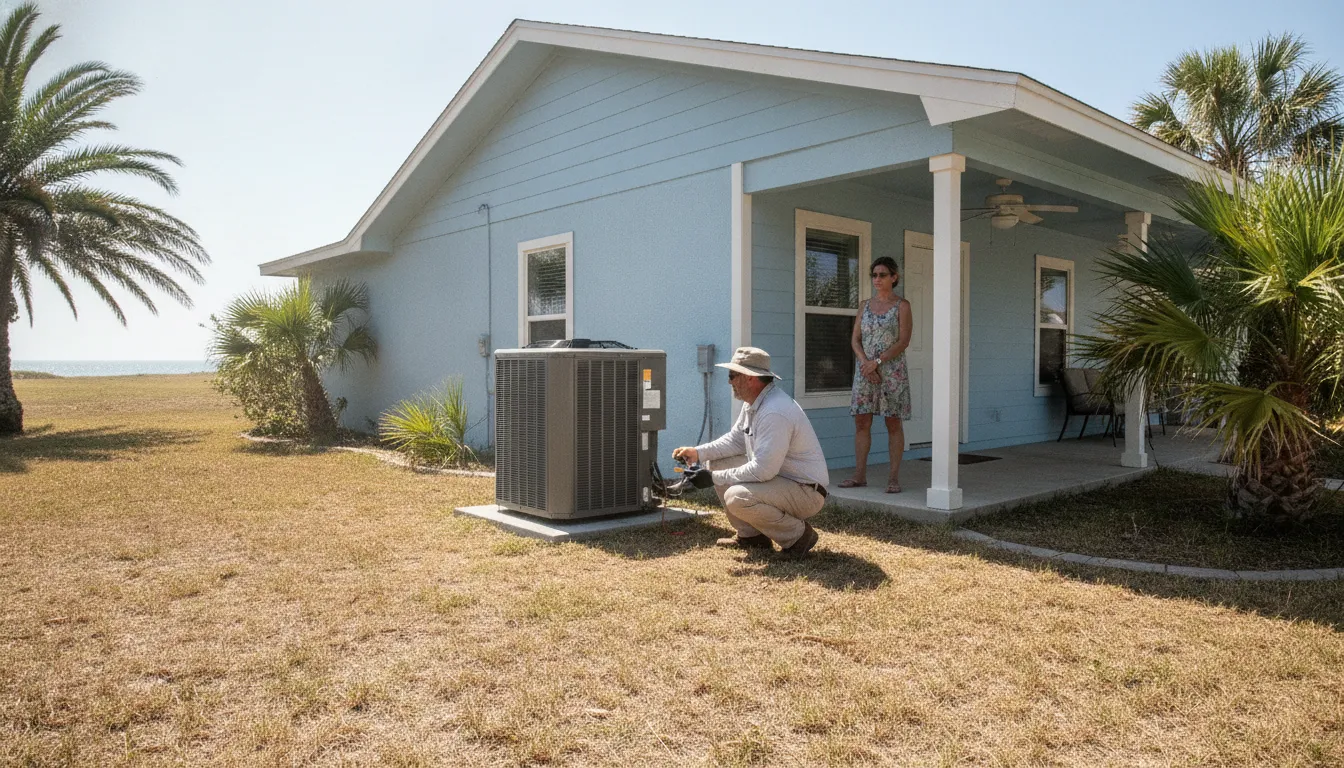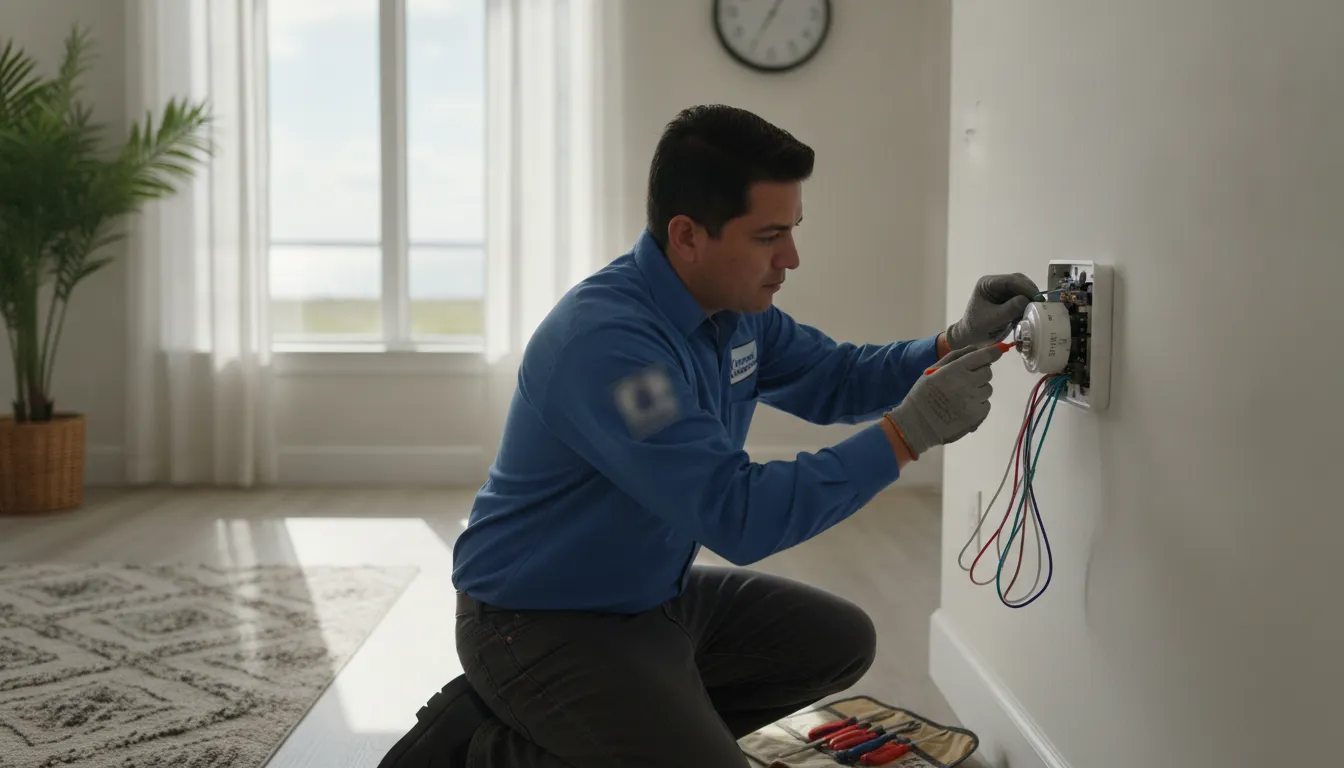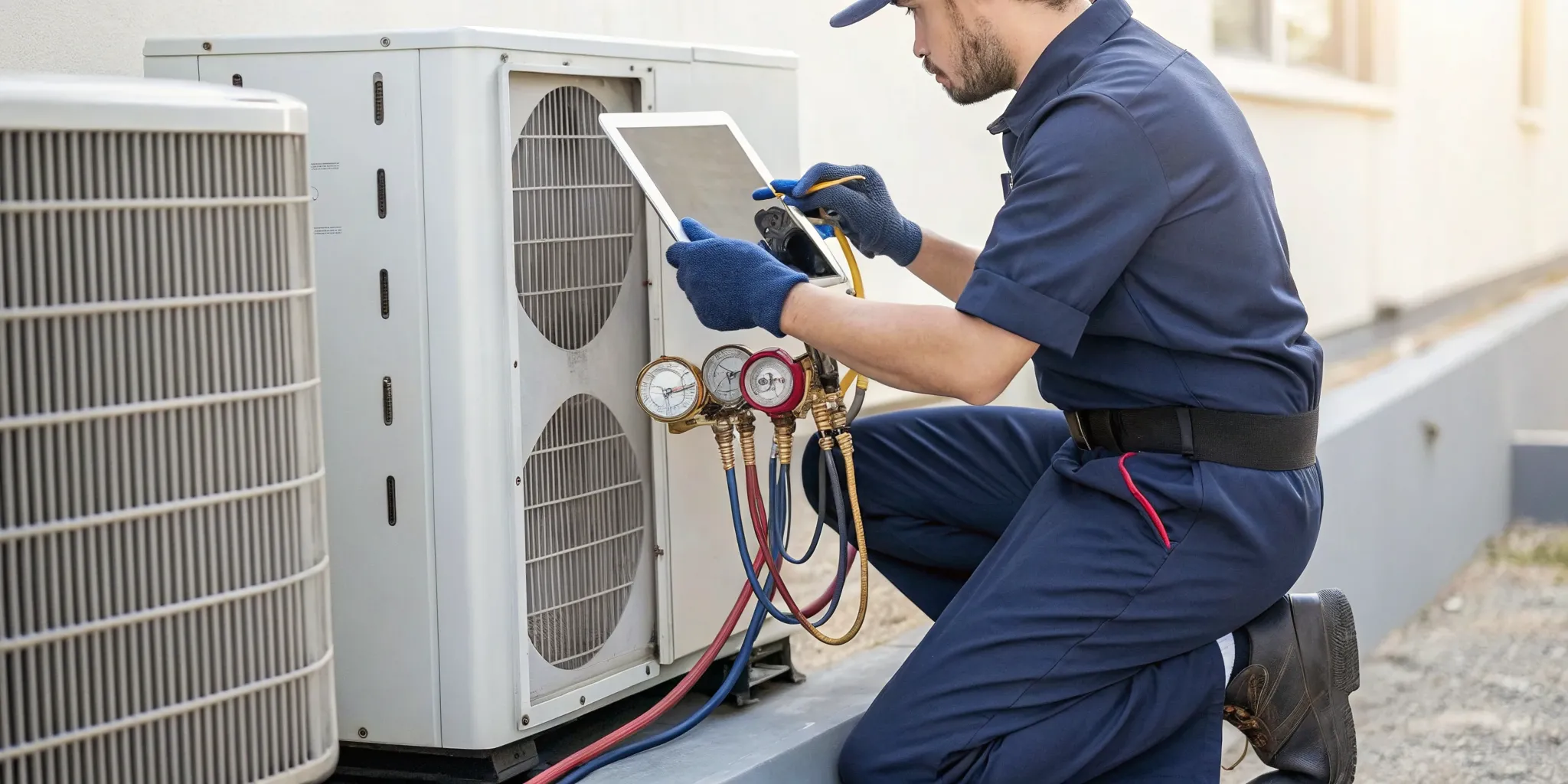
When your air conditioner quits on a sweltering Corpus Christi afternoon, the first person you call is a technician. But what if I told you their most important work happens when your system is running perfectly? The role of a skilled AC maintenance technician is about much more than just emergency fixes. Their real value lies in preventative care, the kind of detailed work that keeps your system efficient, extends its lifespan, and saves you from those sweaty, stressful breakdowns. This guide will walk you through what these professionals actually do, how to identify a true expert, and why investing in their services is one of the smartest decisions you can make for your home.
When your air conditioner suddenly quits on a sweltering Corpus Christi afternoon, the first person you call is a technician. But what if I told you their most important work happens when your system is running perfectly? The role of a skilled air conditioning maintenance technician is about much more than just emergency fixes. Their real value lies in preventative care, the kind of detailed work that keeps your system efficient, extends its lifespan, and saves you from those sweaty, stressful breakdowns. This guide will walk you through what these professionals actually do, how to identify a true expert, and why investing in their services is one of the smartest decisions you can make for your home.
Key Takeaways
- Technicians do more than just repairs: Their work includes preventative tune-ups to improve efficiency, precise installations for new systems, and urgent repairs to restore your comfort quickly.
- Regular maintenance is a smart investment: Annual tune-ups help lower your energy bills, extend the life of your AC unit, and prevent the stress and high cost of sudden system failures.
- Always vet your AC professional: Protect your home and investment by choosing a company that is fully licensed and insured, has positive customer reviews, and provides clear, upfront pricing for their services.
What Does an AC Maintenance Technician Actually Do?
An AC maintenance technician does much more than just fix your air conditioner when it breaks. Their work is a blend of preventative care, expert diagnostics, and skilled installation. They handle everything from routine check-ups that keep your system running efficiently to emergency repairs when you need them most. Understanding the full scope of their job helps you see why having a trusted professional on your side is so important for your home's comfort and your budget.
What an AC Technician's Job Entails
A great technician’s work goes far beyond showing up for emergency repairs. Their most valuable role is in preventative care, performing detailed preventative tune-ups designed to keep your system running at peak efficiency. This regular maintenance helps you avoid sudden breakdowns, lowers your energy bills, and can significantly extend the life of your AC unit. When something does go wrong, they shift into the role of a detective, using their expertise to diagnose the root cause of the problem, whether it's a strange noise or a complete system failure. They are also the skilled installers you rely on to set up new systems correctly, ensuring your investment provides reliable comfort for years to come.
What Happens During a Routine Inspection?
The most important part of a technician's job is preventative maintenance. During a routine tune-up, they perform a comprehensive check of your entire system. This includes cleaning condenser coils, checking refrigerant levels, testing electrical connections, and clearing drain lines to prevent leaks. These tasks ensure your AC runs at peak efficiency, which can save you money on energy bills. Regular air conditioning services are designed to catch small issues before they turn into major, expensive problems, keeping your home cool and comfortable all summer long.
Finding and Fixing Common AC Problems
When your AC stops working, a technician becomes a detective. They listen to you describe the problem, then use their expertise and specialized tools to diagnose the issue. They might inspect various components, test electrical parts, and check system pressures to pinpoint the exact cause. Once they find the problem, whether it’s a worn-out fan motor or a faulty thermostat, they explain the necessary heating and cooling repairs and get your system back up and running. Their goal is to provide a lasting solution, not just a temporary fix.
Handling New AC Installations
Sometimes, a repair isn’t enough, and it’s time for a new system. In this case, an AC technician manages the entire installation process. This starts with helping you choose the right unit for your home’s size and needs, ensuring it’s energy-efficient and reliable. They handle the safe removal of your old system and the precise installation of the new one. This includes connecting ductwork, wiring, and refrigerant lines according to strict safety and manufacturer standards. A proper installation from a skilled technician is critical for the performance and lifespan of your new AC, which is why we trust quality brands like Trane.
When to Call for Emergency AC Service
AC emergencies rarely happen at a convenient time. A system failure during a Corpus Christi heatwave is more than an inconvenience; it can be a health risk. This is when technicians step in to provide emergency services. They are often on call to respond to urgent situations, quickly diagnosing the problem and working to restore your comfort as soon as possible. Whether it’s a weekend, a holiday, or the middle of the night, having a reliable team you can contact for emergency support provides incredible peace of mind. They are trained to handle high-pressure situations and get your cool air flowing again.
Career Outlook for an AC Technician
Thinking about a career change or know someone who is? The future for AC technicians is incredibly bright. This isn't just a job; it's a stable and growing career path. With the constant need to replace older systems and the push for more energy-efficient models, the demand for skilled professionals is on the rise. In fact, the U.S. HVAC market is projected to grow substantially by 2030. As technology advances with smart home systems, technicians who are trained to install and service this new equipment are becoming more essential than ever. It’s a hands-on trade that offers long-term security and plenty of opportunities, which is why we're so proud of the expert team we've built.
How to Spot a Qualified AC Technician
When you invite a technician into your home, you're trusting them with your comfort and safety. But how can you be sure you're getting a true professional? A great technician has more than just a toolbox; they have the right training, credentials, and experience to do the job correctly and safely. Knowing what to look for can help you feel confident in your choice and ensure your AC system gets the expert care it deserves.
Are They Properly Licensed and Certified?
First things first, let's talk credentials. A qualified AC technician should always have the proper licenses and certifications for their work. In the United States, the Environmental Protection Agency (EPA) requires technicians to be certified to handle refrigerants, which are the chemical coolants in your AC unit. This isn't just a piece of paper; it means they know how to manage these substances safely without harming the environment or your family. Many states and local areas also have their own licensing requirements. Don't be shy about asking a company if their technicians are fully certified. It’s a fundamental sign of a professional who takes their trade seriously.
What Kind of Training Should They Have?
Beyond licenses, a technician's educational background tells you a lot about their expertise. Most professionals get their start at a technical or trade school, completing programs that can take anywhere from six months to two years. This formal training provides a deep understanding of how HVAC systems work, from the basic mechanics to complex electrical components. While some technicians learn on the job, a solid educational foundation ensures they aren't just guessing when they diagnose a problem. It shows a commitment to their craft and means they have the knowledge to handle your system correctly. Our team at Tommy Cool Air is built on this kind of expertise.
Why Insurance and Endorsements Matter
This one is a big deal for your peace of mind. A reputable technician or their company must carry proper insurance, including liability and worker's compensation. This protects you from any financial responsibility if an accident happens on your property. Another key indicator of quality is a manufacturer endorsement. For example, we are proud to be a trusted provider of Trane products because they are known for their reliability. When a technician is endorsed by a major brand, it means they’ve met high standards for installation and service. Plus, using a certified technician is often required to keep your system’s warranty valid, which can save you a lot of money down the road.
Do They Know Your Specific AC System?
Not all air conditioners are created equal, and experience matters. A qualified technician should have a proven track record of working on systems like yours, whether it's a central air unit, a ductless mini-split, or a heat pump. They should be able to do more than just fix what's broken; they should inspect the entire system, communicate clearly about any issues, and suggest practical maintenance to prevent future problems. When you're looking for a company, ask about their experience with your specific brand and model. A confident and knowledgeable answer is a great sign that your home's cooling is in capable hands. Our technicians are skilled in a wide range of air conditioning services.
Expertise with Different Cooling Systems
You might be surprised by how many different types of cooling systems are out there. Your home could have a traditional central air unit, a modern ductless mini-split, or even a heat pump that pulls double duty for heating and cooling. A true professional won't be thrown off by this variety. They should have hands-on experience with all kinds of makes and models, knowing the specific quirks and maintenance needs of each one. This broad expertise is what allows them to accurately diagnose problems and perform effective air conditioning repairs, no matter what system you have. It means they can give you the best advice, whether that’s a simple fix or helping you choose a new energy-saving system that’s a perfect match for your home.
What to Check Before You Call for AC Service
When your AC gives out, it’s easy to feel a wave of panic, especially in the Texas heat. Your first instinct might be to grab the phone and call for help, and sometimes that’s exactly what you need to do. But before you make that call, there are a few simple things you can check on your own. Often, a minor issue is causing the problem, and you might be able to solve it in minutes. Running through these quick checks can save you time, money, and the stress of a service call. At the very least, you’ll have more information to give your technician when they arrive.
A Quick Homeowner's Checklist
Before you assume the worst, take a moment to run through this simple checklist. First, head to your thermostat. Is it set to "COOL"? It sounds obvious, but it’s surprising how often it gets accidentally switched to "HEAT" or "FAN." Also, check if the batteries need replacing, as a dead thermostat can’t tell your AC what to do. Next, find your home’s circuit breaker panel and see if the breaker for your AC unit has been tripped. If it has, you can try resetting it once. If it trips again, leave it alone and call a professional. Finally, check your air filter. A dirty, clogged filter can restrict airflow and cause your entire system to shut down. If it looks gray and dusty, it’s time for a change.
How to Handle a Frozen AC Unit
Seeing ice on your air conditioner can be alarming, but it’s a common problem that usually points to an airflow issue. If you notice ice building up on the indoor or outdoor coils, the first thing you need to do is turn the system off completely at the thermostat. This will give the ice a chance to melt. To speed up the process, you can switch the fan to "ON" (while the cooling is "OFF") to help circulate air over the frozen coils. While it’s thawing, this is the perfect time to check your air filter. A clogged filter is the most frequent cause of a frozen AC. If you replace the filter and the unit freezes up again after you turn it back on, it’s time to schedule professional air conditioning services to diagnose the underlying issue.
Keeping Your Outdoor Unit Clear of Debris
Your outdoor AC unit, or condenser, works by releasing heat from your home into the outside air. To do this effectively, it needs plenty of room to breathe. Overgrown shrubs, tall grass, leaves, and other yard debris can block airflow, forcing the unit to work much harder than it should. This not only drives up your energy bills but can also cause the system to overheat and lead to premature failure. Take a walk outside and make sure there’s at least two feet of clear space around the entire unit. Regularly trimming back plants and clearing away any debris is a simple but crucial part of maintenance. It’s a task our technicians always handle during a tune-up, which is a key benefit of our membership plan.
Is Regular AC Maintenance Really Worth It?
Think of your AC system like your car. You wouldn't drive it for years without an oil change, right? The same principle applies to your home's cooling system. Scheduling regular maintenance isn't just another item on your to-do list; it's a smart investment in your home's comfort, efficiency, and longevity. Especially here in Corpus Christi, where our air conditioners work overtime, proactive care is the key to staying cool and avoiding stressful, expensive surprises. A little attention now can save you a lot of headaches later.
Lower Your Monthly Energy Bills
A well-maintained air conditioner is an efficient air conditioner. Over time, dust and debris can build up on coils and filters, forcing your system to work harder to cool your home. This extra effort consumes more electricity, which shows up on your monthly energy bill. A routine tune-up ensures all components are clean and functioning correctly, allowing your unit to operate at peak performance. This simple step can lead to significant savings and is a core part of having energy-saving systems that truly work for you. It’s a small investment that pays for itself by keeping your cooling costs down all summer long.
The Impact of a Clean Filter on Energy Bills
Let's focus on one of the simplest yet most impactful parts of your AC: the air filter. Think of it as the lungs of your system. When it's clogged with dust, pet dander, and other particles, it can't "breathe" properly. This restriction forces your air conditioner to work much harder to pull in air, driving up your energy consumption. In fact, the U.S. Department of Energy states that simply replacing a dirty, clogged filter with a clean one can lower your air conditioner's energy use by 5% to 15%. It’s one of the easiest ways to see a direct impact on your monthly bills and improve your home's indoor air quality at the same time.
Help Your AC Unit Last Longer
Your air conditioning system is a major home appliance, and you want it to last as long as possible. Regular maintenance is the best way to protect your investment and extend its operational life. Minor issues like loose electrical connections or low refrigerant can cause major strain on key components if left unaddressed. Catching these problems early prevents wear and tear that can lead to premature system failure. Plus, many manufacturers, including trusted brands like Trane, require proof of annual maintenance to keep your warranty valid. A yearly check-up ensures you stay covered while getting the most years out of your unit.
Understanding Your System's Lifespan
On average, a central air conditioner can last between 10 to 15 years, but that number isn't set in stone. Several things influence how long your system will keep you cool, especially our coastal climate here in Corpus Christi. Consistent, professional maintenance is the single most important factor. Skipping annual tune-ups is like asking your system to run a marathon without any training—it will eventually break down much sooner than it should. Plus, it can void your manufacturer's warranty, leaving you responsible for the full cost of major repairs. This is why programs like our Cool Club Membership are so valuable. They make it simple to stay on top of the care your system needs to reach, and even exceed, its expected lifespan.
Avoid Surprise Breakdowns and Repairs
There is never a good time for your AC to break down, but it almost always seems to happen on the hottest day of the year. Annual maintenance is your best defense against unexpected and expensive repairs. During a tune-up, a technician can identify worn-out parts and potential problems before they cause a complete system failure. This proactive approach allows you to handle small repairs on your schedule, rather than dealing with an emergency call in the middle of a heatwave. Our complete air conditioning services are designed to keep your system running smoothly, giving you peace of mind when you need it most.
Breathe Easier with Better Air Quality
Your AC system does more than just cool your home; it also plays a huge role in your indoor air quality. As air circulates through the system, the filter traps dust, pollen, pet dander, and other allergens. If the system isn't cleaned regularly, these contaminants can build up and get recirculated back into the air you breathe. Regular maintenance includes cleaning coils and checking filters, which helps reduce airborne irritants. Investing in your home’s indoor air quality services means creating a healthier, more comfortable environment for your family.
When and Why to Change Your Air Filter
Changing your air filter is one of the simplest yet most important tasks for maintaining your AC. As a general rule, you should replace it every 90 days. But why is this small task so critical? A dirty, clogged filter forces your entire system to work harder just to pull in air, which drives up your energy bills and puts unnecessary strain on the unit. Beyond efficiency, a clean filter is your first line of defense for better indoor air quality, trapping dust, pollen, and other irritants before they circulate through your home. If you have pets or family members with allergies, you’ll want to check it more often—perhaps even monthly—to keep your air clean and your system running smoothly. It’s a quick, easy step that protects your investment and keeps your home comfortable.
How Much Does AC Maintenance Cost?
Talking about money can be uncomfortable, but when it comes to home maintenance, being prepared is your best strategy. Your air conditioner is one of the hardest-working appliances in your home, especially here in Corpus Christi. Understanding the potential costs associated with its upkeep helps you budget wisely and avoid surprises. From routine check-ups to unexpected repairs, knowing what to expect financially empowers you to make the best decisions for your home and your wallet.
Let’s walk through the different costs you might encounter, so you can feel confident in how you manage your home comfort system.
What to Expect from an Annual Tune-Up
Think of an annual AC tune-up as a wellness check for your system. It’s a preventative service designed to keep everything running smoothly and efficiently. For a comprehensive tune-up, you can typically expect to pay a flat rate, often around $79. This small investment is one of the smartest things you can do as a homeowner. A technician will clean the components, check refrigerant levels, and spot minor issues before they turn into major, expensive breakdowns. Scheduling regular air conditioning services is the key to a reliable and long-lasting unit.
What Influences the Cost of AC Repairs?
Even with great maintenance, repairs are sometimes unavoidable. If your AC stops working, the cost to fix it can vary quite a bit. While an average repair might be around $300, this number depends on several factors. The specific problem is the biggest variable; fixing a small electrical issue is much different than replacing a compressor. The age and model of your unit also play a role, as parts for older systems can be harder to find and more expensive. Our technicians always provide clear, upfront pricing so you know exactly what to expect before any work begins.
How a Membership Plan Can Save You Money
If you prefer predictable costs and extra savings, a maintenance plan is a fantastic option. Our membership program is designed to give you peace of mind and make HVAC care simple. For a low monthly fee, members often receive their annual heating and cooling tune-ups at no extra cost. You can also get benefits like waived service call fees and discounts on any necessary repairs for your HVAC or plumbing systems. It’s an easy way to stay on top of maintenance while keeping more money in your pocket throughout the year.
Should You Repair or Replace Your AC?
At some point, you might face a repair so costly that you wonder if it’s worth it. A helpful guideline to use is the "$5,000 rule." If you get a repair estimate that’s more than $5,000, it’s generally more economical to replace the entire system. Pouring that much money into an older, less efficient unit often doesn’t make financial sense in the long run. Instead, that investment could go toward a new, high-efficiency system, like one from our trusted partner Trane, which will lower your energy bills and provide reliable comfort for years to come.
Signs It's Time to Replace, Not Repair
Deciding whether to repair or replace your AC can feel like a tough call, but a few clear signs can point you in the right direction. Age is a major factor; if your system is over 15 years old, it’s likely nearing the end of its effective life. Constant breakdowns are another red flag. If you find yourself scheduling frequent AC repairs, it’s time to consider a new unit. The cost of those repairs is the final piece of the puzzle. When a major part fails after the warranty has expired, or if a single repair costs a significant fraction of a new system, replacement becomes the smarter financial move. A new, efficient unit will not only provide reliable cooling but will also start saving you money on your energy bills from day one.
Budgeting for a New AC System
A new air conditioner is a significant home investment, so it’s important to approach it with a clear financial plan. When you're weighing the cost, remember that you're not just buying an appliance; you're investing in long-term comfort and efficiency. A great way to think about this is to consider the future costs of keeping an old system. If you're facing a repair that’s approaching the $5,000 mark, it’s almost always more economical to put that money toward a full replacement. Investing in a new, reliable system from a trusted brand like Trane means you get a fresh warranty and years of worry-free performance. We can provide a clear, detailed quote to help you understand your options and make a confident decision for your budget.
The Benefits of Modern Efficiency Standards
Today’s air conditioners are miles ahead of the models from a decade ago, largely thanks to updated government efficiency standards. You might hear technicians talk about SEER2 ratings, which is simply a measure of how efficiently a unit uses electricity. The higher the rating, the less energy it needs to cool your home. This translates directly into lower monthly utility bills, which can add up to substantial savings over the life of the system. Beyond the savings, modern energy-saving systems offer better performance, providing more consistent cooling and improved humidity control. They also often come with advanced features that enhance your indoor air quality, creating a healthier and more comfortable environment for your family.
Covering the Cost of Major AC Work
A major AC repair or replacement is a big expense that most of us don't plan for. When you're facing a significant bill, it's easy to feel overwhelmed. But you have options. From payment plans to potential rebates, there are several ways to manage the cost without draining your savings. Understanding these avenues can help you make a clear-headed decision and get your home comfortable again without unnecessary financial stress. Let's look at a few key strategies for handling the cost of a major AC project.
Exploring Financing and Payment Plans
When a large, upfront payment isn't feasible, financing can be a practical solution. Many HVAC companies partner with lenders to offer flexible payment plans, making it easier to manage the cost of a new system or a significant repair. These options are often available even if your credit isn't perfect, allowing you to get the work done now and pay over time. For example, a loan for a new system might break down into manageable monthly payments that fit within your budget. It’s always a good idea to ask your technician about the financing options they offer so you can find a plan that works for you.
Available Tax Credits and Rebates
Investing in a new, energy-efficient air conditioner can actually put money back in your pocket. Federal, state, and even local utility companies often provide tax credits and rebates to homeowners who upgrade to high-efficiency models. These incentives are designed to encourage the use of energy-saving systems that reduce strain on the power grid. Before you commit to a new unit, take some time to research current programs online. You might find that a rebate significantly lowers the overall cost, making a top-tier system more affordable than you thought. It’s a win-win: you get a better AC and a nice financial bonus.
Understanding Your Homeowner's Insurance Policy
It’s a common question: will my insurance cover this? Typically, homeowner's insurance doesn't cover AC breakdowns caused by age or normal wear and tear. However, it may provide coverage if the damage is from a specific, covered event, like a fire or a severe storm. It's crucial to read your policy to understand exactly what is and isn't included. Also, remember that regular maintenance is often required to keep your manufacturer's warranty valid. Brands like Trane require proof of annual service. Neglecting maintenance could not only lead to a breakdown but also void the warranty that would have covered certain part failures, leaving you to foot the entire bill.
How to Choose the Right AC Maintenance Company
Finding a reliable AC maintenance company can feel like a big task, but it doesn't have to be. When you know what to look for, you can confidently choose a team that will keep your home comfortable and your system running smoothly. Focusing on a few key areas like their experience, reputation, and pricing will help you find the best fit for your home here in the Corpus Christi area.
Verify Their Credentials and Local Know-How
First things first, make sure any technician you consider is properly licensed and insured. In Texas, HVAC contractors are required to hold a license from the Texas Department of Licensing and Regulation. While some technicians learn on the job, many complete formal training at a trade school, which shows a solid foundation of knowledge.
Beyond the official paperwork, look for a company with deep roots in the community. A team that understands the specific challenges of our coastal climate, from the salty air to the intense humidity, will provide better service. Local expertise means they know which systems hold up best and how to keep them running efficiently. You can usually learn about a company's history and connection to the area on their about us page.
Look for Great Reviews and Guarantees
Customer reviews are your best friend when vetting an AC company. They offer a real-world look at what it’s like to work with a team. Check out Google, Yelp, and the company’s own website for feedback. Look for consistent themes in the comments. Are people mentioning professionalism, clear communication, and honest service? These are all green flags.
Also, ask about their service guarantees. A reputable company will stand behind its work. Find out what happens if a problem isn’t fixed correctly the first time or if a part they install fails. Knowing you’re protected gives you peace of mind. Reading through a company's customer reviews can give you a great sense of their commitment to quality.
Get Clear, Upfront Pricing
It’s always a good idea to get a few estimates, but don’t let the lowest price be your only guide. A surprisingly cheap quote could signal subpar work or hidden fees down the line. Instead, ask for a detailed, written estimate that breaks down all the costs for labor and parts. This transparency helps you understand exactly what you’re paying for.
Remember that a small investment in a tune-up can help you avoid much larger repair bills. Many companies also offer maintenance plans that provide regular service at a set price, often with added perks like priority scheduling and discounts on repairs. A membership program can be a smart way to manage costs and keep your system in top shape.
Do They Offer 24/7 Emergency Service?
Air conditioners rarely break down at a convenient time. More often than not, they give out during a heatwave or in the middle of the night. That’s why it’s crucial to choose a company that offers emergency services. Before you commit, ask about their availability for after-hours and weekend calls.
Find out if they have technicians on call and what their response time typically is. You’ll also want to clarify if there are additional fees for emergency visits. Having a reliable company you can call anytime is essential for staying cool and comfortable when you need it most. A good provider will clearly outline their air conditioning services, including their process for urgent repairs.
Related Articles
- AC Tune-Ups & Maintenance in Corpus Christi, TX | Tommy Cool Air
- FAQs | Tommy Cool Air
- Heating Tune-Ups in Corpus Christi, TX | Tommy Cool Air
- Understanding AC Efficiency: Tips for Optimizing Your Cooling System | Tommy Cool Air
- 20 Common Problems Requiring Emergency Furnace Repair and How to Prevent Them | Tommy Cool Air
Frequently Asked Questions
How often should I have my AC system serviced? For optimal performance, you should have your air conditioning system professionally serviced once a year. The best time for this is in the spring, before the heavy heat of summer arrives. This annual tune-up ensures your system is clean, efficient, and ready to handle the cooling demands, which helps prevent unexpected breakdowns when you need it most.
What are some signs my AC needs professional attention? You should call a technician if you notice your system is struggling. Common warning signs include strange noises like grinding or squealing, weak airflow from your vents, or air that feels warm instead of cool. A sudden, unexplained increase in your energy bill or water pooling around the indoor unit are also clear indicators that it's time for a professional diagnosis.
Is an AC maintenance plan a good deal? A maintenance plan is a great choice if you value peace of mind and predictable budgeting. These plans typically include your annual tune-ups and offer extra benefits like discounts on repairs and priority service. Over time, the cost of the plan is often offset by the savings on energy bills, repair discounts, and the prevention of major system failures.
Can I perform any AC maintenance myself? Absolutely. The most important task any homeowner can do is regularly change the air filter, usually every one to three months. A clean filter improves airflow and indoor air quality. However, for the more technical tasks like cleaning coils, checking refrigerant levels, and inspecting electrical components, it's always best to rely on a trained professional to ensure the work is done safely and correctly.
What's the difference between a repair and a tune-up? Think of a tune-up as preventative care, similar to a routine check-up. It's a comprehensive inspection and cleaning service designed to keep your system running efficiently and catch small issues before they become big problems. A repair, on the other hand, is a specific service to fix something that has already broken or stopped working correctly.