
Replacing an air conditioner is not a one-size-fits-all purchase. A Corpus Christi home may need a different system, installation approach, or supporting work than a home a few streets away.
Request a quote-based AC installation evaluation
When homeowners ask how much to install a new ac unit, the honest answer depends on several details.
The quote may reflect equipment, capacity, efficiency, ductwork, electrical readiness, access, and installation scope. Tommy Cool Air evaluates those details locally rather than applying a universal project price.
A thoughtful quote should help you understand what you are buying and why it suits your home. It may address central air, a ductless mini-split, or a heat pump, along with professional sizing and any work needed to support the system. Before comparing totals, it helps to understand what a complete new AC installation quote includes.
What Does a New AC Installation Quote Include?
A professional new AC installation quote explains the equipment, preparation, labor, and testing required for your property. The scope may cover a central air conditioner, ductless mini-split, or heat pump, with recommendations based on sizing, existing infrastructure, and the conditions of your Corpus Christi-area home.
A clear proposal should make it easier to understand what you are buying and which conditions could change the work. Look for these details:
- System type and capacity: The quote should identify the proposed system and its capacity. Capacity should follow a professional load calculation, not square footage alone.
- Efficiency and matched components: Ask for the equipment model numbers and efficiency ratings. The indoor and outdoor components should be designed to operate as a matched system.
- Labor and access: The proposal should describe installation labor and note access conditions that could affect the work. Attic, closet, rooftop, and commercial installations may require different planning.
- Ductwork and electrical scope: Existing ductwork or electrical connections may be reusable, modified, or replaced after assessment. The quote should state what is assumed and what work is included.
- Removal and disposal: If an existing system is being replaced, confirm whether disconnecting, removing, and disposing of the old equipment is part of the project scope.
- Permits, when applicable: Permit requirements depend on the project and local rules. A written quote should identify whether permitting is needed and who handles it.
- Startup and testing: The completed installation should include startup, system checks, and commissioning steps so the equipment can be evaluated under operating conditions.
In coastal communities, equipment selection and service planning may also account for heat, humidity, long cooling seasons, and possible salt-air exposure. A site-specific evaluation is more useful than a generic answer to how much to install a new ac unit because it connects the recommendation to your home's actual requirements. For more background, review this guide to air-conditioning installation and repair.
What Determines How Much to Install a New AC Unit?
How much to install a new AC unit depends on the home, the equipment selected, and the work required for a safe, properly matched installation. A professional quote should account for cooling demand, system capacity, efficiency, indoor and outdoor component compatibility, and the Gulf Coast conditions the system will face.
Correct capacity starts with the home, not its square footage
Square footage is a useful starting point, but it does not determine the right AC size by itself. A load calculation considers factors such as insulation, windows, ceiling height, home orientation, layout, occupancy, and local climate. Tommy Cool Air uses professional load calculations to help match equipment capacity to the property.
An oversized system may reach the thermostat setting quickly without removing humidity effectively. An undersized system may run for long periods while struggling to maintain comfort during Corpus Christi heat. The right capacity supports steady operation and helps the equipment perform as designed. Ask whether the proposal explains the sizing method rather than simply repeating the size of the existing unit.
Efficiency affects equipment selection and installation details
Higher-efficiency equipment can involve different component requirements, controls, airflow needs, or installation conditions. The rating only tells part of the story. The indoor coil, outdoor unit, blower, thermostat, and other required components need to work as a matched system. A quote should identify the proposed equipment and explain any compatibility assumptions.
Available system types may include central air conditioners, ductless mini-splits, or heat pumps. The best fit depends on the home's existing ductwork, comfort goals, available space, and whether year-round heating and cooling are part of the plan. Review AC installation and replacement options when comparing approaches, but ask the contractor to connect each recommendation to your property's needs.
Gulf Coast runtime can shape the recommendation
Corpus Christi homes often contend with heat, humidity, long cooling seasons, and, for some properties, salt-air exposure. Those conditions can influence equipment selection, controls, maintenance planning, and the assessment of the existing system location. They do not create one universal solution for every home.
A complete quote should also state whether existing ductwork can be reused, modified, sealed, or replaced, and whether electrical work, permitting, removal, startup, and testing apply. These scope details can change the project without changing the basic equipment size. Comparing the written assumptions is more useful than comparing one headline number.
When Do Ductwork or Electrical Needs Change the Scope?
Existing infrastructure can sometimes support a new AC system, but it should never be assumed. A contractor checks duct condition, airflow, electrical capacity, refrigerant line sets, condensate drainage, and controls before finalizing the scope. Some homes need only connections and testing. Others need targeted repairs or broader modifications to support the selected equipment.
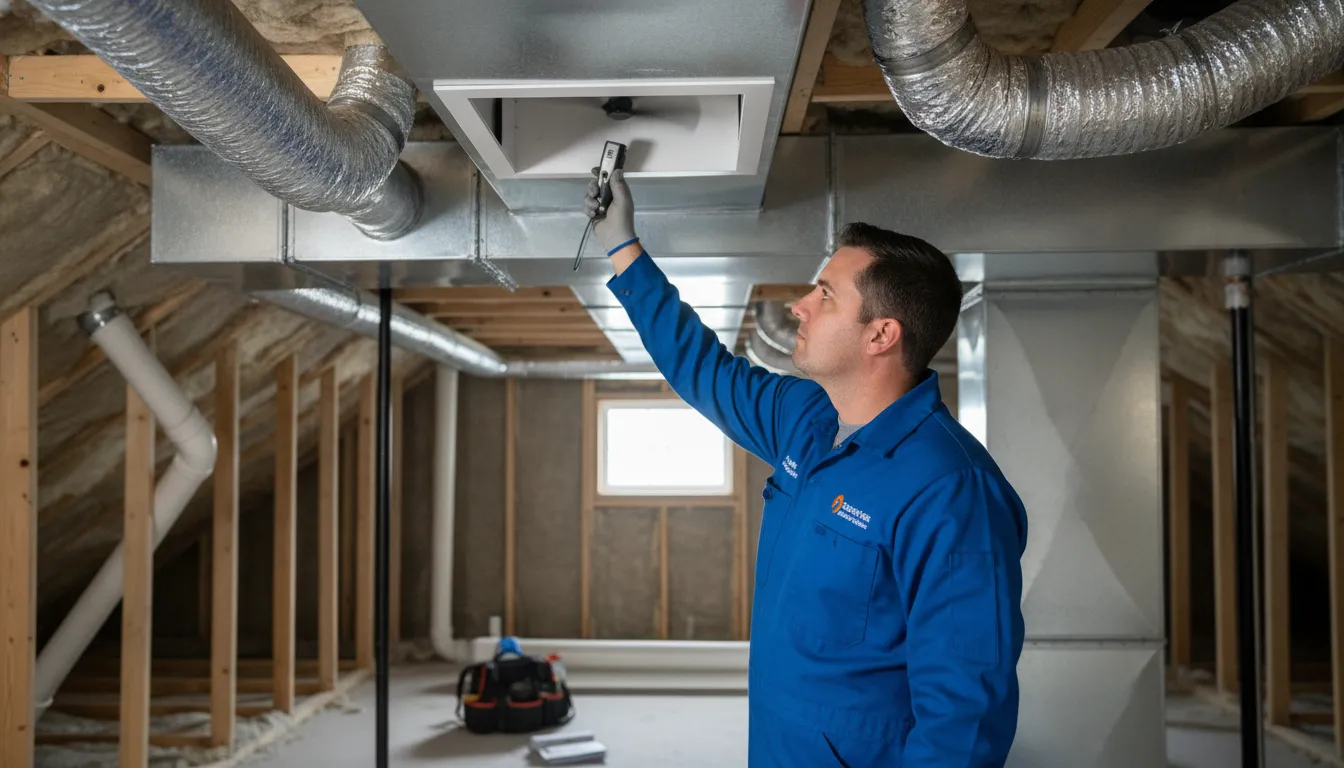
What may be reused, repaired, or replaced
Ductwork may be reusable when it is properly sized, accessible, and in sound condition. Leaks, crushed sections, poor insulation, restricted returns, or an unsuitable layout can change the installation plan. Duct sealing, repairs, or selected replacements may improve compatibility, but the right remedy depends on what the inspection finds.
Electrical readiness also varies by system. The contractor may confirm the service panel, disconnect, wiring, breakers, grounding, and available capacity. A replacement can be straightforward when the existing electrical setup matches the new equipment. A modification may be needed when the requirements differ. Refrigerant line sets, condensate drains, thermostats, zoning controls, and other components receive the same project-specific review.
| Quote area | What the contractor checks | Why it matters |
|---|---|---|
| Ductwork and airflow | Condition, sizing, insulation, leakage, returns, and supply paths | Helps the system deliver air properly and work with the selected capacity |
| Electrical readiness | Panel capacity, wiring, disconnect, breakers, and grounding | Confirms the equipment can be connected safely and according to requirements |
| Line sets and drains | Compatibility, routing, insulation, slope, and drain protection | Identifies components that may need repair, relocation, or replacement |
| Controls and thermostat | Control compatibility, wiring, zoning, and communicating features | Prevents mismatched controls from limiting operation or functionality |
For Corpus Christi homes, humidity, long cooling seasons, and coastal conditions can make careful assessment especially useful. A written proposal should identify which existing components are being reused, which are being modified, and which are excluded. For more background, review Tommy Cool Air's ductwork cleaning, sealing, and optimization options.
How Do Labor, Permits, Access, and Removal Affect the Proposal?
Labor and project logistics can change an AC installation proposal as much as the equipment itself. A clear quote should explain the work area, access requirements, removal plan, permits when applicable, site protection, cleanup, and startup testing. Ask the contractor to identify what is included, what depends on site conditions, and what remains excluded.
For a Corpus Christi home, the crew may need to work in an attic, closet, garage, or other confined space. That does not automatically mean an added charge, but it can affect the labor plan. Likewise, removing an old system may be part of the proposal or handled as a separate line item. The written scope should make that distinction easy to see.
Questions to ask before approving the scope
- What labor is included? Ask whether the proposal covers delivery, setup, installation, refrigerant-line connections, electrical connections, and the planned work area.
- How will the crew access the equipment? Confirm whether attic stairs, narrow closets, roof access, crawlspaces, or other limitations affect the schedule or scope.
- What happens to the existing equipment? Ask whether disconnecting, removing, hauling away, and disposing of the old indoor and outdoor units are included. Do not assume removal is automatic.
- Are permits required for this project? Requirements can depend on the property, equipment, location, and local rules. Ask who determines whether a permit applies, who obtains it, and whether related fees are included.
- How will the home be protected? Confirm the plan for floors, walls, furnishings, landscaping, and other surfaces near the work path.
- What cleanup is included? A complete scope should explain whether packaging, debris, old materials, and work-area cleanup are removed before the crew leaves.
- How will the new system be commissioned? Ask whether startup includes checking airflow, refrigerant readings, electrical operation, thermostat communication, drainage, and system performance.
These details help you compare proposals on scope rather than on a single bottom-line number. They also create a shared record of the assumptions behind the installation, which is especially useful when site conditions become clearer during the work.
How Does the Gulf Coast Climate Shape AC Installation?
In Corpus Christi, heat, humidity, long cooling seasons, and coastal exposure can all influence an AC installation plan. Those conditions may affect equipment selection, moisture control, placement, and future service needs. A local assessment helps connect the system to the home instead of relying on a generic answer to how much to install a new AC unit.
Heat affects how often the system may run, while humidity adds a separate comfort and moisture-management concern. A properly sized system and suitable controls can be discussed during the design process. The right approach depends on the home's layout, insulation, windows, occupancy, and existing equipment, not climate alone.
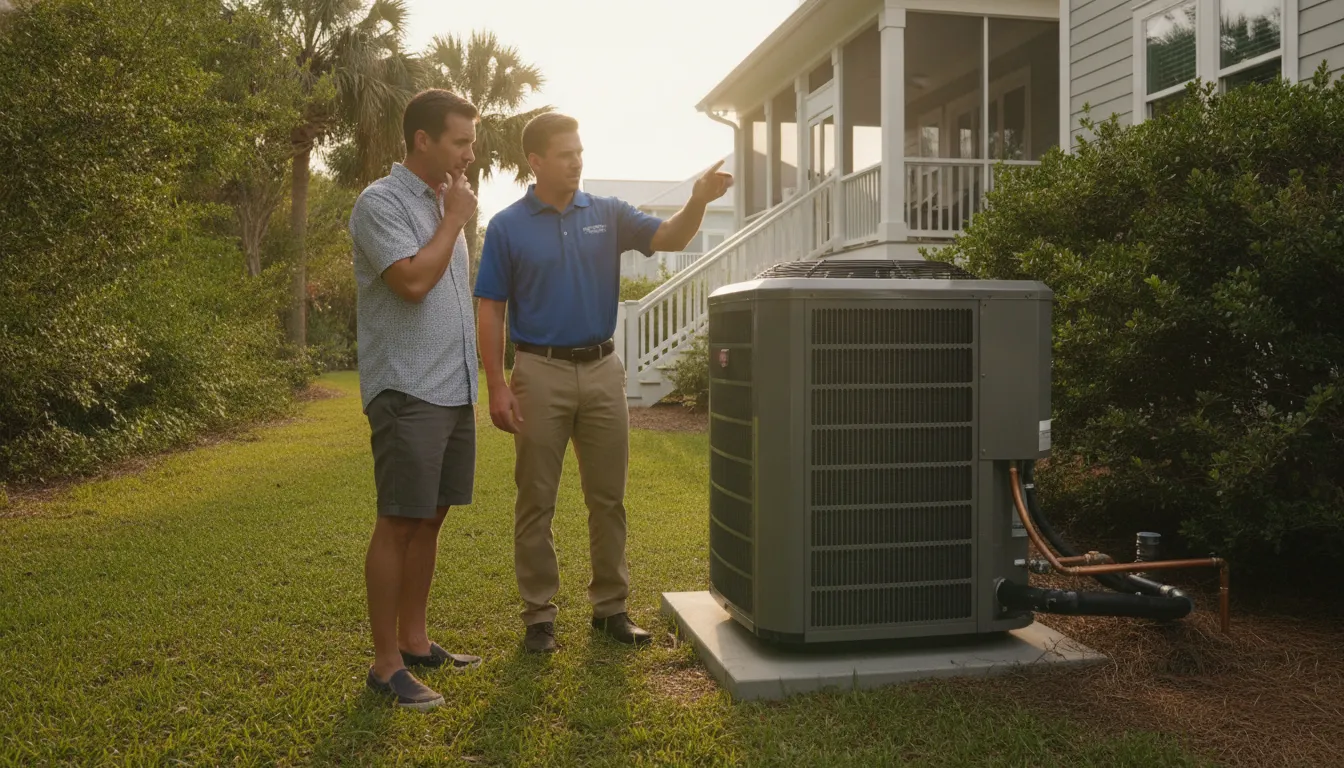
Humidity and extended cooling demand
When cooling demand lasts for much of the year, installation details and startup testing deserve close attention. The contractor should confirm that the selected system is matched correctly, operating as intended, and able to support the home's comfort goals. Moisture concerns may also influence the conversation about controls, airflow, and indoor air quality.
Salt air and equipment placement
Properties near the coast can face salt-air exposure, which may contribute to corrosion risk for outdoor equipment. That does not mean every home needs the same protection or placement. The installer should consider the property's distance from the water, prevailing exposure, drainage, service access, and the condition of the current pad or mounting area.
These local factors belong in the written proposal when they affect the recommended scope. Ask which assumptions were made, what maintenance the equipment may need, and how the final system will be commissioned. For homes or businesses in the area, Tommy Cool Air provides AC installation and replacement options based on the property and selected system.
How Can You Compare New AC Installation Quotes?
To understand how much to install a new AC unit, compare the equipment, assumptions, and work included in each proposal, not just the headline total. A useful quote reflects your home's cooling needs, existing infrastructure, and installation conditions. Ask each contractor to explain differences in writing before choosing an option.
A lower-looking proposal may leave important work undefined, while a detailed proposal may include tasks another company listed separately. Use this checklist when reviewing quotes:
- Model numbers: Confirm the indoor and outdoor equipment models, system type, and whether the components are designed to work together.
- Capacity and sizing: Look for the proposed capacity and ask how the contractor assessed your home. Square footage alone does not describe every home's cooling load.
- Efficiency: Check the stated efficiency ratings and compare equivalent system configurations. A rating is meaningful only when tied to the specified equipment combination.
- Installation scope: Make sure the proposal explains labor, equipment placement, line-set work, drain connections, controls, and other work included for your project.
- Duct and electrical assumptions: Ask whether existing ducts, wiring, disconnects, and electrical capacity will be reused, modified, or replaced. The answer should reflect their observed condition and the new system's requirements.
- Permits, if applicable: Identify whether permitting or inspections apply and who is responsible for handling them. Requirements can depend on the project and local rules.
- Removal and disposal: Confirm whether the existing equipment will be removed and disposed of, or whether that work is excluded.
- Startup and testing: Look for system startup, refrigerant and airflow checks, controls testing, and a documented commissioning process when applicable.
- Exclusions: Read the exclusions carefully. Unclear language around repairs, access, structural work, or electrical changes can make proposals difficult to compare.
- Warranty terms: Review only the warranty coverage actually documented in the proposal. Note what applies to equipment and what, if anything, applies to installation labor.
For Corpus Christi homeowners, a clear conversation about humidity, long cooling seasons, and possible coastal exposure can also help identify suitable equipment and maintenance considerations. If a proposal does not explain its assumptions, ask for clarification before signing. You can also review guidance on choosing a Corpus Christi HVAC contractor while evaluating communication and project planning.
Frequently Asked Questions
What factors affect a new AC installation quote?
A quote can reflect system type, cooling capacity, efficiency, matched equipment, ductwork condition, electrical readiness, access, removal, permits when applicable, startup, and testing. The home assessment determines which items belong in your project.
Can square footage tell me how much cooling equipment I need?
Square footage is only a starting point. A proper sizing review also considers insulation, windows, layout, orientation, occupancy, and expected runtime. Correct sizing helps the system manage Corpus Christi heat and humidity without relying on guesswork.
Will my existing ductwork need to be replaced?
Not necessarily. Existing ducts may be reusable if their condition, layout, and sizing support the new system. Repairs, modifications, or replacement may be recommended when duct problems could reduce comfort, airflow, or system performance.
Does every AC replacement require an electrical upgrade or permit?
No. Electrical work and permits depend on the equipment, existing installation, local requirements, and project scope. Your written proposal should identify any applicable permit, electrical, or code-related work instead of assuming every home needs it.
When should I consider replacing my air conditioner?
Replacement may deserve consideration when an older system has recurring repairs, uneven comfort, declining performance, or compatibility concerns. A professional assessment can compare repair options with the scope of a properly matched replacement.
Ready to plan your AC installation?
A quote based on your home's layout, existing equipment, and comfort needs can make the next step clearer. Tommy Cool Air can review the project and explain the work included in an individualized, quote-based evaluation.