
Corpus Christi air conditioners work hard through long cooling seasons. Coastal humidity can make small maintenance problems harder to ignore. A practical checklist helps you spot simple upkeep needs before comfort suffers. Keep electrical and refrigerant work with a qualified technician.
Schedule a split system AC maintenance visit with Tommy Cool Air.
Split system air conditioning maintenance combines homeowner-safe checks, such as inspecting the filter and airflow, with professional service for coils, drains, electrical connections, refrigerant, and performance. In Corpus Christi, seasonal attention matters because heat, humidity, salt air, and heavy use can affect comfort. Routine maintenance can identify developing problems, but urgent warning signs require repair.
The right approach is not to open every panel or attempt a repair. Start by understanding what the indoor and outdoor parts do, then separate safe observations from technician-only inspections and emergency concerns.
What Is Split System Air Conditioning Maintenance?
Split system air conditioning maintenance is seasonal care for the indoor and outdoor parts of a split system. It combines homeowner-safe filter and airflow checks with technician inspections of drains, electrical connections, refrigerant, controls, and system performance. In Corpus Christi, timing matters because humidity, salt air, and long cooling seasons can place added demands on equipment.
A split system has two connected sections. The indoor unit moves conditioned air through the home and manages return airflow. The outdoor unit releases heat and contains components that require trained service. Maintenance considers how these parts work together, rather than treating a filter change as a complete service.
For local homeowners, businesses, and property managers, the seasonal schedule should reflect Gulf Coast use. ENERGY STAR recommends an annual pre-season contractor checkup and suggests checking cooling equipment in spring. It recommends fall checks for heating equipment when the system provides both functions. These recommendations help identify developing concerns before peak demand, but maintenance cannot guarantee that a system will never need repair.
Tommy Cool Air serves Corpus Christi and surrounding Gulf Coast communities, including coastal areas where humidity and salt air are relevant HVAC considerations. The company also provides ductless mini-split installation and repair for homes and businesses that need zoned or targeted temperature control.
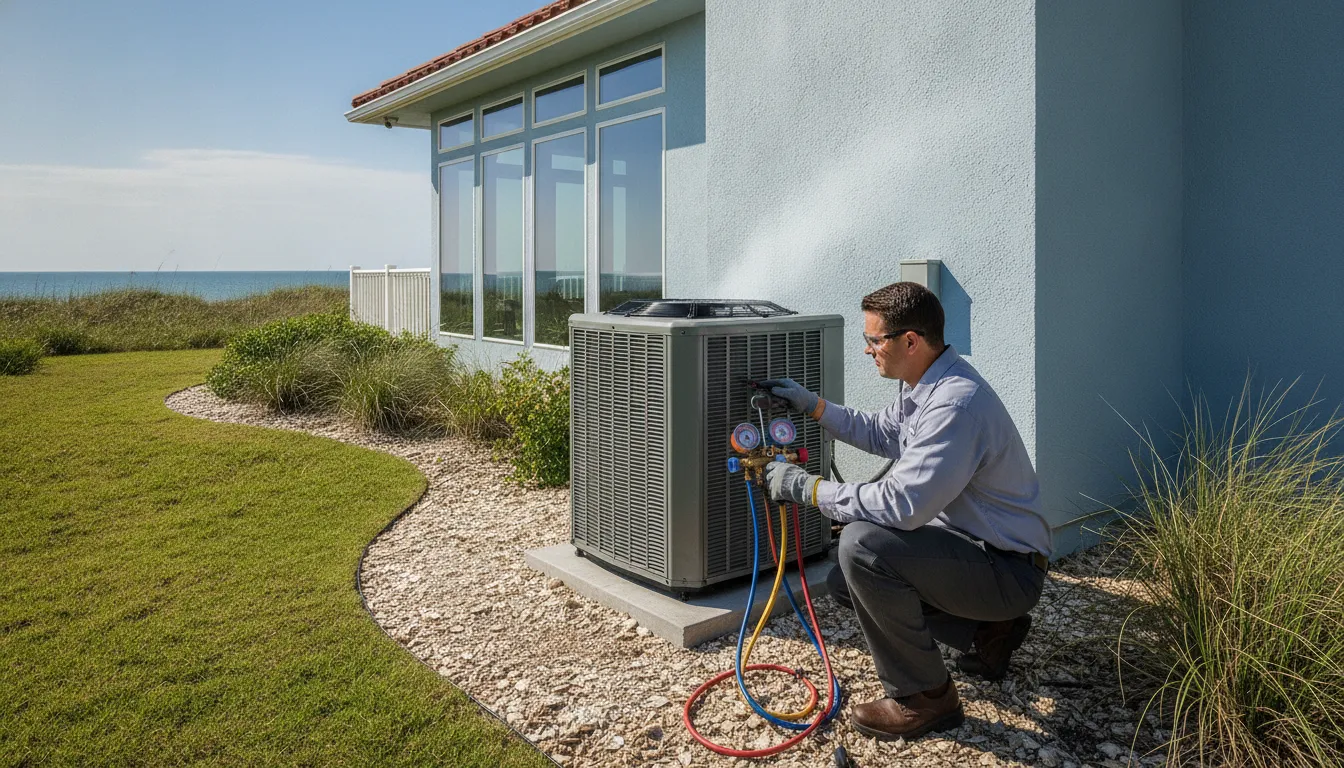
The checklist differs from a general split-air service overview because it focuses on timing, system boundaries, and safe next steps. A homeowner can usually inspect the filter, registers, thermostat settings, and visible outdoor clearance. A technician can safely evaluate refrigerant, electrical connections, condensate drainage, airflow measurements, and hidden coil conditions.
Tommy Cool Air's tune-up process includes filter care, thermostat testing, electrical connection inspection, drain-line flushing, refrigerant checks, cleaning, and performance adjustments. A clogged drain can affect indoor humidity and cause water damage. Dirty coils can reduce cooling capacity and make equipment run longer. If the system shows persistent icing, water leakage, unusual odors, or weak airflow, schedule an assessment instead of treating the symptom as routine cleaning.
What Can Homeowners Safely Check?
Homeowners can handle a few low-risk checks during split system air conditioning maintenance. Inspect the filter, confirm that registers are open, look for blocked outdoor airflow, and follow the model manual. These checks can reveal simple airflow problems without exposing you to refrigerant, moving parts, or electrical hazards. Stop before removing covers.
- Turn the system off at the thermostat. Let the equipment stop before checking the indoor or outdoor unit. Use the model manual to confirm any additional shutdown steps.
- Inspect the accessible filter. A dirty or overloaded filter does not work well, according to the EPA's home air-cleaner guidance. Replace or clean it only as the manufacturer directs. The replacement rating must fit the system fan and filter slot. Do not choose a more restrictive filter automatically.
- Wash a removable filter only when the manual allows it. Let it dry completely, then refit it correctly before restarting. A damp or poorly seated filter can restrict airflow or allow dust around the filter.
- Check registers and return grilles. Make sure supply registers are open and not blocked by furniture, curtains, or storage. Look for weak airflow, unusual dust buildup, or a register that stays noticeably warmer than the others.
- Look around the outdoor unit. Remove loose leaves, grass, and other debris from the area without opening the cabinet. Keep a clear path for air. Do not spray water into the equipment or bend the coil fins.
- Read the model instructions. Split systems differ. The manual may specify filter access, cleaning limits, restart requirements, and warnings for your equipment. Use it instead of applying a generic cleaning routine.
- Stop at the cabinet boundary. Never remove indoor or outdoor panels, reach into the equipment, touch wiring, or enter an electrical area. Removing covers can expose electrical parts, creating a shock risk. Household cleaners also may not be suitable for dismantling or washing the system. Arrange professional help for coils, refrigerant, drains, electrical connections, or persistent airflow problems.

For more practical guidance, review these DIY air conditioner maintenance tips. If a filter is clean but airflow remains weak, water appears near the indoor unit, or the system behaves unpredictably, do not keep testing it. A technician can measure airflow and inspect the components safely.
How Do Filters, Coils, and Airflow Shape Split System Air Conditioning Maintenance?
Filters, coils, and airflow work together to move and cool air consistently. A dirty filter can restrict circulation, while dirty coils reduce cooling capacity. Poor airflow can also make rooms feel uneven and force longer runtimes. During split system air conditioning maintenance, homeowners can handle basic filter care, but airflow diagnosis belongs with a qualified technician.
What each component contributes
| Component | What can go wrong | Comfort effect | Best next step |
|---|---|---|---|
| Filter | It becomes dirty, overloaded, or mismatched to the system. | Less air may reach the room, and indoor air may feel stale. | Check the filter and follow the equipment manufacturer's guidance. |
| Coils | Dirt builds up on the indoor or outdoor coil surfaces. | Cooling capacity can fall, with longer equipment runtimes. | Keep accessible areas clear and arrange professional coil cleaning when needed. |
| Airflow | Restrictions, duct problems, or mechanical issues limit circulation. | Rooms may cool unevenly, and the system may work harder. | Request airflow measurement and system diagnosis instead of guessing. |
EPA guidance says a dirty, overloaded filter will not work well. It recommends following the manufacturer's replacement instructions and considering more frequent care when filters become heavily soiled. Pets, household dust, or allergy concerns may also call for closer attention. Filter ratings must match what the system fan and slot can accommodate, so a higher rating is not automatically a better choice.
Coils need a different level of care. ENERGY STAR explains that dirty coils reduce cooling ability and can make the equipment run longer. Gulf Coast humidity and salt air can add to the maintenance burden around Corpus Christi, Padre Island, and nearby communities. Do not remove electrical covers or use household cleaners inside the equipment. Those steps can expose hazardous components or damage the system.
Weak airflow, a frozen coil, persistent warm air, or major temperature differences between rooms deserve more than a filter swap. ENERGY STAR reports that airflow problems can reduce system efficiency by up to 15 percent. A technician can measure airflow, inspect ducts, and use refrigerant gauges or leak detection tools to separate a restriction from a refrigerant or mechanical problem.
For related indoor dust and comfort concerns, explore Tommy Cool Air's indoor air quality services. If you are building a recurring homeowner routine, review the AC filter maintenance schedule article and use your system manual as the final authority.
What Should a Technician Inspect?
A technician looks beyond the filter and thermostat display. During split system air conditioning maintenance, the inspection should cover electrical connections, refrigerant-related symptoms, condensate drainage, coils, airflow, and system controls. These checks help identify developing problems without asking homeowners to open hazardous equipment.
Start with the electrical side. A technician can inspect connections, capacitors, relays, and other components for signs of wear or failure. Tommy Cool Air's tune-up service includes inspecting electrical connections and testing the thermostat. A thermostat that reads incorrectly, cycles oddly, or fails to communicate with the equipment may point to a control problem rather than a simple temperature-setting issue.
Homeowners should not remove access panels to perform these checks. Covers can expose energized electrical parts, even when the system appears quiet. If you notice a burning odor, damaged wiring, or repeated breaker trips, shut the system down when it is safe to do so and arrange professional help.
Drainage and indoor humidity
Air conditioning creates condensation as it removes moisture from indoor air. The technician should inspect and flush the condensate drain line, then look for signs of blockage, leakage, or poor drainage. A plugged drain can cause water damage and affect indoor humidity levels, according to ENERGY STAR's maintenance guidance. In a humid Corpus Christi home, a drain problem deserves attention before a small moisture issue becomes a larger one.
Refrigerant, coils, and airflow
A technician can check refrigerant conditions with professional gauges and use leak-detection equipment when symptoms suggest a refrigerant problem. Low cooling output, ice on the coil, or unusually long run times can have several causes. Refrigerant leaks and frozen evaporator coils are among the repair concerns Tommy Cool Air addresses. So the right next step is diagnosis rather than adding refrigerant based on guesswork.
The inspection should also include the indoor and outdoor coils, system cleanliness, and airflow. Dirty coils can reduce cooling capacity and make equipment run longer. Airflow measurement and duct testing help separate a restriction, duct issue, filter problem, or equipment fault. Tommy Cool Air lists these capabilities as part of its professional diagnostics.
For a local tune-up that includes filter care, electrical inspection, thermostat testing, drain-line service, and performance checks, see the Corpus Christi AC maintenance tune-up service. If testing identifies a failed component, refrigerant leak, frozen coil, or thermostat fault, the next step may be air conditioning repair for common AC problems, not another homeowner cleaning attempt.
When Is an AC Problem Urgent?
Burning odors, exposed wiring, repeated breaker trips, smoke, severe electrical noises, or water near electrical equipment should not wait for routine maintenance. Turn the system off safely, keep clear of damaged components, and arrange qualified help. A minor airflow concern can usually follow a maintenance path, but electrical and active water hazards need prompt assessment.
Routine air conditioning maintenance and tune-ups can identify developing issues, but it is different from responding to an active breakdown or safety concern. Preventive care may help reduce avoidable problems without guaranteeing that a system will never fail. Urgent repair decisions depend on what you see, hear, smell, and whether continued operation could create additional damage.
Warning signs that need prompt attention
- Burning or sharp electrical odor: Switch the system off and seek technician guidance. This smell can indicate a dangerous electrical fault rather than ordinary dust or a dirty filter.
- Smoke, sparks, exposed wiring, or severe electrical noises: Keep people away from the equipment. Do not remove covers or attempt to inspect internal electrical areas. Removing split-system covers can expose live electrical parts.
- Repeated breaker trips: Do not keep resetting the breaker. Repeated trips point to a problem that needs diagnosis, and bypassing a safety switch creates additional risk.
- Active water near electrical equipment: Turn the system off if you can do so without approaching unsafe wiring or standing water. Water from an indoor unit can relate to a clogged drain, which may cause property damage and affect indoor humidity.
Do not bypass safety switches, bridge electrical components, or keep restarting equipment to see whether the symptom disappears. If smoke or a strong electrical odor is present, leave the area and contact emergency services when appropriate. For an HVAC assessment, use 24/7 emergency AC repair guidance rather than trying to make an electrical repair yourself.
Not every problem is an emergency. A dirty filter, gradual weak airflow, or a system that runs longer than usual may call for maintenance or standard repair. However, persistent icing, refrigerant concerns, faulty capacitors or relays, clogged drains, and thermostat problems still warrant a technician's evaluation through air conditioning repair for common AC problems. When in doubt, shut down unsafe equipment and describe the exact symptom when requesting help.
How Often Should You Schedule Maintenance in Corpus Christi?
For most Corpus Christi split systems, schedule a professional cooling check before the heaviest summer demand, then reassess timing based on use, system condition, and the manufacturer manual. Gulf Coast humidity, salt air, pets, dust, and year-round cooling can make a one-size-fits-all schedule unreliable.
ENERGY STAR recommends an annual pre-season contractor checkup and suggests scheduling cooling equipment checks in spring. That timing gives a technician an opportunity to identify developing concerns before sustained heat arrives. In Corpus Christi, the cooling season may feel continuous, so spring is a useful planning point even when the system has operated through the winter.
Adjust the plan for Gulf Coast conditions
Heavy cooling use places more runtime on the indoor and outdoor components. Coastal exposure around Corpus Christi, Padre Island, and nearby Gulf Coast communities also makes humidity and salt air relevant maintenance considerations. These conditions do not create a universal service interval, but they do support closer attention to performance, airflow, outdoor equipment condition, and drainage.
Year-round operation may justify discussing a more frequent professional review with a qualified technician. The same is true for homes with pets, visible dust, or household members sensitive to allergens. Filters can load faster in those conditions. Follow the equipment manual for the correct filter size, rating, cleaning method, and replacement timing. EPA guidance also recommends following manufacturer recommendations and considering more frequent filter care when filters become heavily soiled.
For more context, read this guide to AC maintenance frequency on the Gulf Coast. Keep a simple record of filter care, unusual noises, weak airflow, icing, water near the indoor unit, or changes in comfort. Those observations help a technician distinguish normal seasonal wear from a developing repair need.
Plan maintenance before symptoms become breakdowns
A seasonal appointment is preventive care, not a guarantee against every failure. If the system struggles to cool, cycles unusually, leaks water, develops persistent ice, or shows an electrical warning sign, do not wait for the next seasonal visit. Request a Corpus Christi AC maintenance tune-up for planned inspection, or seek repair guidance when a problem is already affecting operation.
Homeowner Checks vs Technician Service: What Is the Difference?
Homeowners can handle visible, low-risk observations such as filter condition, thermostat settings, and unusual changes in airflow. Technician service goes further by testing refrigerant, electrical connections, drains, and system performance. Keeping that boundary clear helps protect people and equipment during split system air conditioning maintenance.
| Homeowner-safe checks | Technician-only service | Why the boundary matters |
|---|---|---|
| Look at the filter, registers, thermostat display, and accessible outdoor area. Record weak airflow, unusual sounds, odors, or icing. | Measure airflow, test refrigerant with gauges, investigate leaks, and evaluate duct performance. | Symptoms can point to problems that require instruments rather than visual inspection. |
| Replace or clean a filter only as the equipment manual allows. Confirm a washable filter is fully dry before refitting it. | Inspect and clean system components, adjust performance, and identify developing faults. | A dirty filter can hurt operation, but the correct filter rating must suit the fan and slot. |
| Notice water near the indoor unit, recurring shutdowns, or a system that no longer cools normally. Turn the system off if safety is uncertain. | Flush drain lines, inspect electrical connections, test the thermostat, and assess refrigerant or frozen-coil concerns. | A clogged drain can cause water damage. Removing covers can expose electrical parts. |
Tommy Cool Air tune-ups include filter care, thermostat testing, electrical inspection, refrigerant checks, and drain-line service. Professional diagnostics can also include airflow measurement, leak detection, refrigerant gauges, and duct testing. These steps are not safe substitutes for trial-and-error repairs.
Schedule Corpus Christi AC maintenance tune-up service when a seasonal check requires testing or cleaning beyond accessible homeowner tasks. If you see persistent icing, a refrigerant concern, a faulty capacitor or relay, a clogged drain, or thermostat trouble, review air conditioning repair for common AC problems. For a practical decision guide, learn when to call an AC professional.
Contact Tommy Cool Air to plan split system air conditioning maintenance.
Frequently Asked Questions
What does split system air conditioning maintenance include?
A technician typically checks refrigerant, electrical connections, thermostat operation, filters, drain lines, system cleanliness, and overall performance. Professional diagnostics may also measure airflow and test for refrigerant leaks.
How often should I schedule maintenance in Corpus Christi?
Schedule a professional cooling check before the spring season, then follow your equipment manufacturer's guidance. ENERGY STAR recommends annual pre-season checkups and suggests spring cooling inspections.
What split-system maintenance can I safely do myself?
You can inspect and replace the filter when needed, keep supply registers open, and remove leaves from around the outdoor unit. Use the correct filter size and rating. Do not remove electrical covers or handle refrigerant.
Why is my air conditioner running but airflow feels weak?
Check for a dirty filter, blocked registers, or debris around the outdoor unit first. Dirty coils and duct or blower problems can also restrict performance. ENERGY STAR reports that airflow problems can reduce efficiency by up to 15 percent, so persistent weak airflow needs professional diagnosis.
When should an air conditioning problem be treated as urgent?
Turn the system off and seek urgent help for a burning odor, exposed or damaged wiring. Repeated breaker trips, active water near electrical components, a frozen coil, or a suspected refrigerant leak. Do not repeatedly reset a tripped breaker or open electrical panels.
Ready to Plan Your Next AC Maintenance Visit?
Seasonal split-system maintenance can help you catch routine concerns before they become larger comfort problems. Tommy Cool Air can help Corpus Christi homeowners review their system, identify the right next step, and request maintenance or a quote based on the equipment's needs. Contact us through the Tommy Cool Air contact page to get started with your request.