SEER ratings, Manual J calculations, variable-speed compressors—the world of HVAC is full of technical terms that can make your head spin. When you’re deciding on a major home service, the last thing you need is confusing jargon. This guide cuts through all that noise. I'll explain in simple, straightforward language what you actually need to know to make a great choice for your home. My goal is to give you the confidence to ask the right questions and understand the answers, so you feel completely in control of your air conditioning installation repair.
Key Takeaways
- Prioritize proper sizing and efficiency over brand names: Your new AC's long-term performance comes down to two things: a size that's correctly matched to your home and a high SEER2 rating for lower energy bills. Professional installation is the final, crucial step to guarantee it all works correctly.
- Decide between repair or replacement with a simple formula: Use the "Rule of 5,000" (repair cost x AC age) to guide your decision. If the total exceeds $5,000, or if your unit is over 10 years old and needs frequent repairs, investing in a new system is usually the smarter financial move.
- Choose your technician as carefully as your AC unit: A great installation is key to performance, so do your homework. Always verify that a company is licensed and insured, check their customer reviews, and ask for a detailed written estimate before hiring.
How to Choose the Right Air Conditioner
Choosing a new air conditioner for your home is a big decision. It’s not just about staying cool during those hot Corpus Christi summers; it’s an investment in your home’s comfort and energy efficiency for years to come. With so many options on the market, it’s easy to feel overwhelmed. The key is to focus on what truly matters: the right size for your space, its energy efficiency rating, and the quality of the installation. Thinking through these factors will help you find a system that keeps you comfortable without sending your energy bills through the roof. Let’s walk through the most important things to consider.
Does AC Size Really Matter? (Yes, Here's Why)
When it comes to air conditioners, bigger is definitely not better. An AC unit that’s too large for your home will cool the space too quickly and shut off before it has a chance to remove humidity from the air, leaving you feeling cool but clammy. This constant starting and stopping, known as short-cycling, also causes unnecessary wear and tear. On the other hand, a unit that’s too small will run constantly, struggling to keep up on hot days. Proper AC sizing ensures your home gets the right amount of cooling and humidity control. A professional air conditioning service technician can perform a calculation to find the perfect fit for your home’s unique needs.
What Do SEER Ratings Mean for Your Wallet?
One of the most important factors to look at is the unit’s SEER2 rating. SEER stands for Seasonal Energy Efficiency Ratio, and it’s a measure of how much cooling an air conditioner produces for each unit of electricity it uses. The higher the SEER2 rating, the more efficient the unit is, which translates directly into lower energy bills for you. In Texas, new systems are required to meet a minimum rating, but choosing a unit with an even higher SEER2 rating can lead to significant long-term savings. Investing in one of these energy-saving systems is a smart way to lower your home's operating costs.
Which Type of AC System Is Right for You?
Your home’s layout and your family’s needs will help determine the best type of AC system for you. The most common option is a central split system, which uses a network of ducts to distribute cool air throughout the house. For homes without existing ductwork or for cooling specific zones, a ductless mini-split system might be a better choice. An energy-efficient air conditioning system uses less electricity to cool your home, which helps reduce your overall energy consumption. A qualified technician can walk you through the pros and cons of each type and help you decide which one makes the most sense for your property.
Want Better Air Quality? Look for These AC Features
A new air conditioner can do more than just cool your home; it can also improve the air you breathe. Modern systems come with advanced features designed to enhance your indoor air quality. Look for units with high-quality filtration systems that can capture dust, pollen, and other allergens. Some models even offer integrated dehumidifiers to maintain optimal humidity levels or UV lamps that neutralize airborne bacteria and viruses. Regular maintenance, especially changing the air filters, is essential to keep your unit running efficiently and your air clean. A new system with these features can make your home a healthier, more comfortable place to be.
Can I Install My Own AC? (Here's Why You Shouldn't)
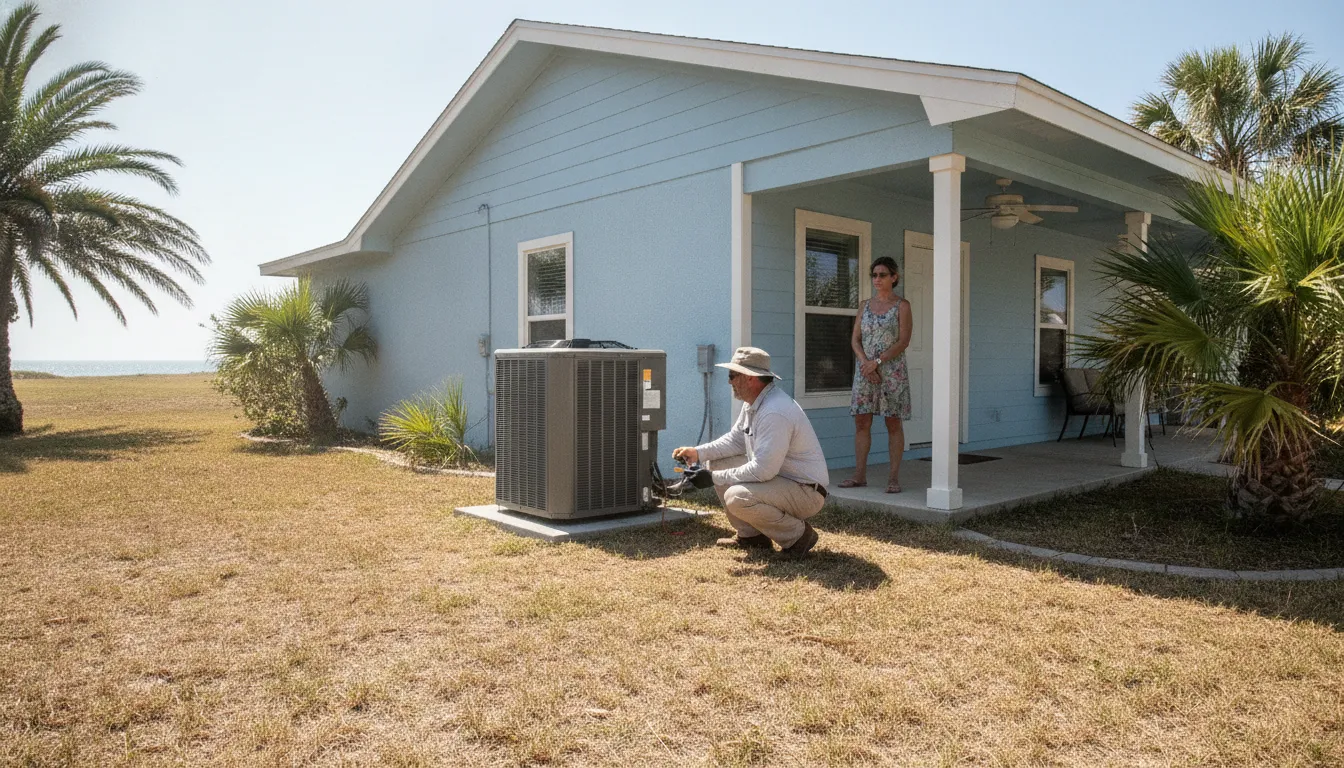
You can buy the most advanced, energy-efficient air conditioner on the market, but it won’t perform well if it isn’t installed correctly. Professional installation is critical to your new system’s performance and longevity. A proper HVAC installation includes precise system sizing, a thorough duct inspection, careful setup of the indoor and outdoor units, and complete system testing. Incorrect sizing is one of the most common installation mistakes and can lead to years of high energy bills and poor performance. Entrusting your AC installation to a certified professional ensures every component works together perfectly from day one.
How Your AC Affects Your Home and Health
Can Air Conditioning Affect Your Health?
We all know that air conditioning is a lifesaver during a sweltering Texas summer, but have you ever wondered if it affects your health in other ways? It's a valid question. Interestingly, some research has looked into this. One study examined how AC impacts blood pressure and heart rate in a group of young, healthy adults. The findings showed a slight increase in blood pressure when the air conditioning was running compared to when it was off. Before you get concerned, the researchers concluded this minor change likely isn't a health risk for healthy individuals. However, this does highlight how our indoor environment can influence our bodies. A well-maintained AC system does more than just cool; it plays a role in managing humidity and filtering airborne particles, which are crucial for your home's indoor air quality and your family's respiratory health and comfort.
Which AC Brands Can You Actually Trust?
When you’re ready for a new air conditioner, the number of brands on the market can feel overwhelming. How do you know which one will keep your family cool through the Texas heat without constantly breaking down? While the quality of the installation is the most important factor for long-term performance, starting with a reliable brand sets you up for success. We work with these systems every day, and a few names consistently stand out for their durability, efficiency, and overall value. Here’s a look at some of the most trusted brands to help you make a confident choice for your home.
Trane: Built for Long-Lasting Performance
There’s a reason we are a proud Trane dealer. Trane has earned a stellar reputation for building systems that are tough, durable, and made to last. They are known for their rigorous testing processes, ensuring every unit can withstand extreme conditions, which is exactly what we need here in Corpus Christi. Homeowners often choose Trane for their strong warranties and energy-efficient models that provide consistent comfort. When you invest in a Trane system, you’re getting a workhorse designed for long-term, reliable performance. It’s a brand that gives both us and our customers peace of mind, which is why we choose Trane for our installations.
Carrier: A Leader in Cooling Innovation
Carrier is another giant in the HVAC industry, and for good reason. They are recognized for innovation and offer a wide range of products to fit almost any home or budget. Carrier systems are praised for their excellent efficiency ratings and quiet operation. Many of their models come equipped with advanced technology, like smart thermostats that help you manage your energy use more effectively. If you’re looking for a system that combines high performance with modern conveniences, Carrier is a brand that consistently delivers on both fronts, making it a popular choice for homeowners across the country.
Lennox: Top-Tier Efficiency and Comfort
If your top priority is cutting down on your monthly energy bills, Lennox is a brand you’ll want to consider. They are famous for producing some of the most energy-efficient air conditioners available. Their premium models often feature variable-speed technology, which allows the system to make tiny adjustments to its output, maintaining a precise temperature without wasting energy. Upgrading to a high-efficiency Lennox unit can lead to significant savings on cooling costs over the life of the system. It’s a smart investment for homeowners who want top-tier performance and maximum energy savings.
Goodman: A Smart Choice for Value and Reliability
Goodman has built its brand on providing dependable, no-frills cooling at a more accessible price point. It’s a fantastic option for homeowners who want a solid, reliable air conditioner without paying for the extra features of premium brands. Goodman units are known for being durable and are backed by some of the best warranties in the business, which adds an extra layer of security to your purchase. If you’re looking for a straightforward, budget-friendly solution that gets the job done, Goodman offers great value and has become a trusted name for reliable home comfort.
Is an Energy Star Certified AC Worth It?
Regardless of the brand you lean toward, always look for the Energy Star label. This certification means the unit meets strict energy efficiency guidelines set by the U.S. Environmental Protection Agency. An Energy Star-certified air conditioner is designed to cool your home using less energy, which translates directly into lower utility bills every month. Choosing a certified model is one of the easiest ways to ensure you’re getting an efficient system that will save you money and reduce your environmental footprint over the long run. It’s a simple benchmark for quality and performance that you can trust.
Repair or Replace Your AC? How to Decide
Deciding whether to repair your struggling air conditioner or invest in a new one is a big decision. It’s easy to feel stuck, weighing the immediate cost of a repair against the long-term expense of a replacement. There isn't a single right answer for everyone, but several key factors can guide you toward the smartest choice for your home and budget.
Thinking through the age of your system, the frequency of repairs, and your monthly energy bills can bring a lot of clarity. Sometimes, a simple fix is all you need to get back to cool comfort. Other times, that same repair is just a temporary patch on a system that’s on its way out. Let's walk through a few practical ways to figure out which path makes the most sense, so you can feel confident in your decision.
The "Rule of 5,000": A Simple Repair vs. Replace Formula
If you like having a straightforward formula to help you decide, the "Rule of 5,000" is a great starting point. It’s a simple calculation that helps you weigh the cost of a repair against the age of your unit. Just multiply the estimated repair cost by your AC's age in years. If the total is more than $5,000, replacement is likely the more cost-effective option. For example, a $600 repair on a 10-year-old unit gives you a total of $6,000, suggesting it’s time to consider a new system. If the number is under $5,000, a repair might be the better financial move for now.
The 50% Rule: Another Way to Decide
Here’s another helpful guideline: the 50% rule. It’s pretty simple: if the cost of a repair is half or more of the price of a new air conditioning system, it’s usually smarter to replace the unit. This rule helps you avoid sinking more money into an aging system that’s likely to need more repairs down the road. While a single repair might seem cheaper upfront, those costs can add up quickly. When you're facing a major repair bill, it's a good time to pause and weigh that expense against the long-term value and efficiency of a new air conditioning system. It frames the decision as an investment in your home's future comfort and reliability.
How Old Is Too Old for an Air Conditioner?
The age of your air conditioner is one of the most important factors. Most AC units have a lifespan of about 10 to 15 years, especially in a climate like ours here in Corpus Christi where they work hard for most of the year. If your unit is approaching or has passed the 10-year mark and you're facing a major repair, replacement often makes more sense. Think about how often you’ve had to call for service lately. One repair is an inconvenience, but multiple calls in a short period are a clear sign your system is losing reliability and becoming a money pit.
Are High Energy Bills a Sign to Replace Your AC?
Have you noticed your electricity bills creeping up, even when your habits haven't changed? An aging, inefficient air conditioner is often the culprit. Older models just can't keep up with the efficiency of today's systems. While a new AC is a significant upfront investment, it can lead to substantial long-term savings. Modern, energy-saving systems use far less electricity to cool your home, which means lower monthly bills. When you're looking at a costly repair, consider whether that money would be better spent on a new unit that will start saving you money right away.
Key Warning Signs You Need an AC Replacement
Sometimes, your air conditioner gives you clear signals that it's nearing the end of its life. If your system struggles to keep your home consistently cool, leaving some rooms warm while others are cold, it's a red flag. Loud or unusual noises like banging, grinding, or squealing are also serious warning signs. Another thing to consider is your home's air quality. An older AC can contribute to more dust and poorer indoor air quality. If you're dealing with any of these issues on top of needing a repair, it’s a strong indication that a replacement is the best solution.
What Common AC Problems Can Be Repaired?
Before you jump to the conclusion that you need a whole new system, it’s good to know that many common AC issues are entirely fixable. If your unit is blowing warm air, for instance, the cause could be anything from a dirty air filter restricting airflow to low refrigerant levels. Seeing ice on your evaporator coils is another common symptom that often points back to airflow or refrigerant problems. Other frequent issues include short cycling, where the unit turns on and off constantly, or electrical problems like a tripped breaker. Even a malfunctioning thermostat can make it seem like your entire system has failed. A qualified technician can quickly diagnose these problems and perform the necessary repairs, often extending the life of your current unit and restoring your home’s comfort.
AC Repair vs. Replace: Don't Fall for These Myths
There are a few common myths that can complicate the repair-or-replace decision. One is that it's always cheaper to repair an old unit. While the upfront cost is lower, frequent repairs can add up quickly and become more expensive than a replacement over time. Another misconception is that closing vents in unused rooms saves energy. This can actually disrupt your system's airflow, causing pressure buildup and making your AC work harder, not smarter. Understanding these facts can help you avoid making a costly mistake and focus on what’s truly best for your system’s health and your wallet.
What to Budget for Air Conditioning Installation and Repair
Let’s talk about one of the biggest questions homeowners have: how much is this going to cost? Whether you’re facing a sudden breakdown or planning a system upgrade, understanding the potential expenses can help you make a confident decision. The final price tag for an AC service depends on several factors, from the specific parts needed for a repair to the size and efficiency of a brand-new unit. We’ll break down the typical costs for both repairs and installations so you know what to expect.
What's Included in an AC Installation Quote?
When you get a quote for a new air conditioner, remember that the price includes more than just the unit itself. The total investment covers the equipment, professional labor, and any necessary materials for the job, like new refrigerant lines or electrical wiring. The cost to install a new AC system varies based on the size of your home and the type of unit you choose. For example, a high-efficiency Trane system might have a higher upfront cost but can lead to significant savings on your energy bills over time. The best way to get an accurate figure is to schedule a consultation for a detailed, no-surprise estimate tailored to your home.
How Much Do Common AC Repairs Cost?
AC repair costs can range from a minor fix to a major expense. On average, most homeowners spend between $125 and $600 for a professional repair, depending on the issue. A simple problem like a clogged drain line or a faulty capacitor will be on the lower end of that scale. More complex issues, such as a refrigerant leak or a failing fan motor, will cost more to resolve. If your system stops working, a technician can diagnose the problem and provide a clear price for the repair before any work begins, ensuring you’re not caught off guard.
Why Your AC Repair or Installation Quote Might Vary
Several key factors determine whether a repair or a full replacement is the more cost-effective choice. The age of your unit is a big one; if your AC is over 10 years old and needs a major repair, that money might be better spent on a new system. The efficiency of your current unit also matters. Upgrading to one of our modern, energy-saving systems can lower your monthly utility bills, offsetting the initial installation cost. The type of refrigerant your old system uses can also be a factor, as older types are being phased out and are becoming more expensive.
How a Maintenance Plan Can Save You Money
One of the best ways to manage your cooling costs is to prevent problems from happening in the first place. Regular maintenance helps your air conditioner run at peak efficiency, which keeps your energy bills down and extends the unit's lifespan. During a tune-up, a technician can spot and fix small issues before they turn into expensive breakdowns. Joining a preventive maintenance plan is a simple, proactive step that can save you hundreds, or even thousands, of dollars in the long run by reducing the need for emergency repairs and delaying a costly replacement.
Are There Special Offers or Discounts Available?
A new air conditioner is a significant investment, but the price on your quote doesn't always have to be the final price you pay. Many HVAC companies offer special promotions to help make the cost more manageable, so it’s always a good idea to ask about any available discounts, rebates, or financing options when you’re getting an estimate. You might find offers like a certain amount off a specific repair, seasonal tune-up specials, or even substantial rebates for installing a high-efficiency unit. These deals can make a top-tier system more affordable. Our membership plan, for example, provides members with discounts on services. Don't hesitate to ask about current offers; it’s a simple question that could lead to significant savings.
How to Find an AC Pro You Can Trust
Choosing an HVAC professional is a big decision. You’re not just letting someone into your home; you’re trusting them with a major system that affects your family’s comfort and safety. A great technician can be a partner for years to come, helping you get the most out of your investment. But how do you sort through the options and find a company that truly has your back? It comes down to doing a little homework and asking the right questions. By focusing on a few key areas, you can feel confident you’re hiring a skilled and trustworthy professional for your air conditioning services.
Why Licenses and Certifications Matter
First things first, any technician you consider must be licensed, bonded, and insured in the state of Texas. This is the absolute baseline for safety and professionalism. A license proves they have met the state’s requirements for knowledge and competency. Insurance protects you and your property in the unlikely event that something goes wrong during the job. Beyond the basics, look for certifications from respected industry organizations. These show a commitment to ongoing training and staying current with the latest technology. A certified pro will ensure your new unit is properly sized for your home’s specific cooling needs, which is a critical step for efficiency and performance.
What Real Customers Are Saying (and Where to Look)
Once you’ve confirmed a company has the right credentials, see what past customers have to say. Online reviews are a great window into a company’s day-to-day operations. Look for patterns in the feedback. Are people consistently mentioning punctuality, professionalism, and fair pricing? A few negative reviews aren’t necessarily a dealbreaker, but pay attention to how the company responds. A reputable business will take feedback seriously and work to make things right. You can often find customer testimonials directly on a company’s website, giving you a clear picture of their commitment to quality work and lasting comfort solutions.
What Kind of Warranty Should You Expect?
A confident company will always stand behind its work. Before you agree to any installation or repair, make sure you understand the warranties involved. There are typically two types: a manufacturer's warranty, which covers the equipment itself, and a labor warranty, which covers the installation or repair work performed by the technician. Ask for details on both. How long does the labor warranty last? What does it cover? A strong warranty is a sign that the company uses quality parts and trusts its team to do the job right the first time, giving you peace of mind about your investment.
What Guarantees and Assurances Should You Look For?
Beyond the initial quote, a trustworthy HVAC company provides assurances that protect your investment. Always ask for proof of licensing and insurance before any work begins; this is non-negotiable and protects you from liability. A reputable professional will also provide a detailed, written estimate so there are no surprises on the final bill. Finally, look for a company that offers strong warranties on both their labor and the equipment they install. This shows they are confident in their workmanship and the products they use. Checking customer reviews is another great way to gauge a company’s commitment to quality and see how they’ve handled past projects and customer concerns.
Do They Offer Emergency Service?
Air conditioners rarely break down at a convenient time. When your AC gives out during a sweltering Texas weekend, you need a company that’s ready to respond. Look for an HVAC professional that offers emergency services. Their availability shows a deep commitment to their customers' comfort and well-being. It also indicates that they are well-staffed and organized enough to handle urgent calls without disrupting their scheduled appointments. A company that’s there for you when you need them most is one you can build a long-term relationship with, ensuring your home stays comfortable year-round. If you find yourself in a bind, don't hesitate to contact a professional right away.
Smart Questions to Ask Before You Hire
Don't be shy about asking questions before you commit. A true professional will be happy to walk you through their process and provide clear answers. A proper HVAC installation is more than just swapping out a box; it should include a full assessment of your home.
Here are a few smart questions to ask:
- Do you perform a load calculation (like a Manual J) to determine the right size system for my home?
- Will you inspect my existing ductwork for leaks or damage?
- What specific equipment brands do you recommend and why?
- Can you provide a detailed, itemized estimate in writing?
The answers will tell you a lot about their thoroughness and expertise.
Does Company Size and Expertise Matter?
When you're looking for an HVAC company, you'll find everything from solo contractors to large, well-known businesses. Does the size of the company really make a difference? While a larger team might offer more scheduling flexibility, the most important factor isn't the number of trucks they have—it's the level of expertise they bring to the job. A true professional ensures your system is installed correctly from the start, which includes everything from precise system sizing to a thorough inspection of your ductwork. This attention to detail is what guarantees your new AC will run efficiently and last for years. Ultimately, you want a team with a proven track record of quality work, regardless of their size. A proper HVAC installation is a detailed process, and trusting it to an expert is the best way to protect your investment.
Why a Good Pro Offers a Maintenance Plan
Finding a great AC pro isn't just for emergencies. The best way to avoid surprise breakdowns and costly repairs is through regular, proactive care. Ask any potential company if they offer a preventive maintenance plan. These plans typically include annual or semi-annual tune-ups to keep your system running at peak efficiency. Regular maintenance can catch small issues before they become big problems, extend the life of your equipment, and keep your energy bills in check. It’s a proactive approach that ensures your system operates effectively and can significantly reduce the need for expensive repairs down the road.
Beyond Cooling: What Else Can an HVAC Pro Do?
When you hear "HVAC," your mind probably jumps straight to air conditioning, and for good reason here in Texas. But the acronym stands for Heating, Ventilation, and Air Conditioning, and a true professional’s expertise covers much more than just cooling. A great HVAC company is your partner in total home comfort, managing the systems that keep your air clean, your temperatures stable, and your home running safely and efficiently. From the furnace that keeps you warm on a rare chilly night to the ductwork that delivers conditioned air to every room, their skills are essential year-round. You might even be surprised to learn that their services can extend to plumbing and gas lines, making them a single, trusted contact for many of your home’s most critical systems.
Ductwork Repair and Installation
Think of your ductwork as the circulatory system for your home’s comfort. If it’s leaky, poorly designed, or clogged, your AC and furnace have to work much harder to do their jobs, wasting energy and leaving you with hot or cold spots. An experienced technician can inspect your entire duct system to find and seal leaks, which can dramatically improve your system's efficiency and lower your energy bills. They can also clean your ducts to reduce airborne dust and allergens. In some cases, especially in older homes or during a major renovation, they can even redesign and install new ductwork to ensure optimal airflow for your specific system and layout.
Heating System Services
The "H" in HVAC is just as important as the "AC." While our winters are mild, a reliable heating system is a necessity when a cold front rolls through. A full-service HVAC professional provides expert heating system repair and installation to ensure your furnace is ready when you need it most. This includes pre-season tune-ups to catch any potential issues, emergency repairs when the heat suddenly goes out, and guidance on choosing and installing a new, high-efficiency furnace when it’s time for an upgrade. They work on all kinds of heating equipment, ensuring your family stays warm and safe through the cooler months.
Indoor Air Quality Solutions
True home comfort is about more than just the temperature on the thermostat; it’s also about the quality of the air you breathe every day. Modern homes are built to be airtight for energy efficiency, but this can also trap dust, pollen, pet dander, and other pollutants inside. An HVAC pro can help you improve your indoor air quality with a range of solutions. They can recommend and install high-efficiency filtration systems that capture tiny airborne particles, UV air purifiers that neutralize germs and bacteria, and whole-home dehumidifiers to control moisture and prevent mold growth, creating a healthier environment for your family.
Plumbing and Gas Line Services
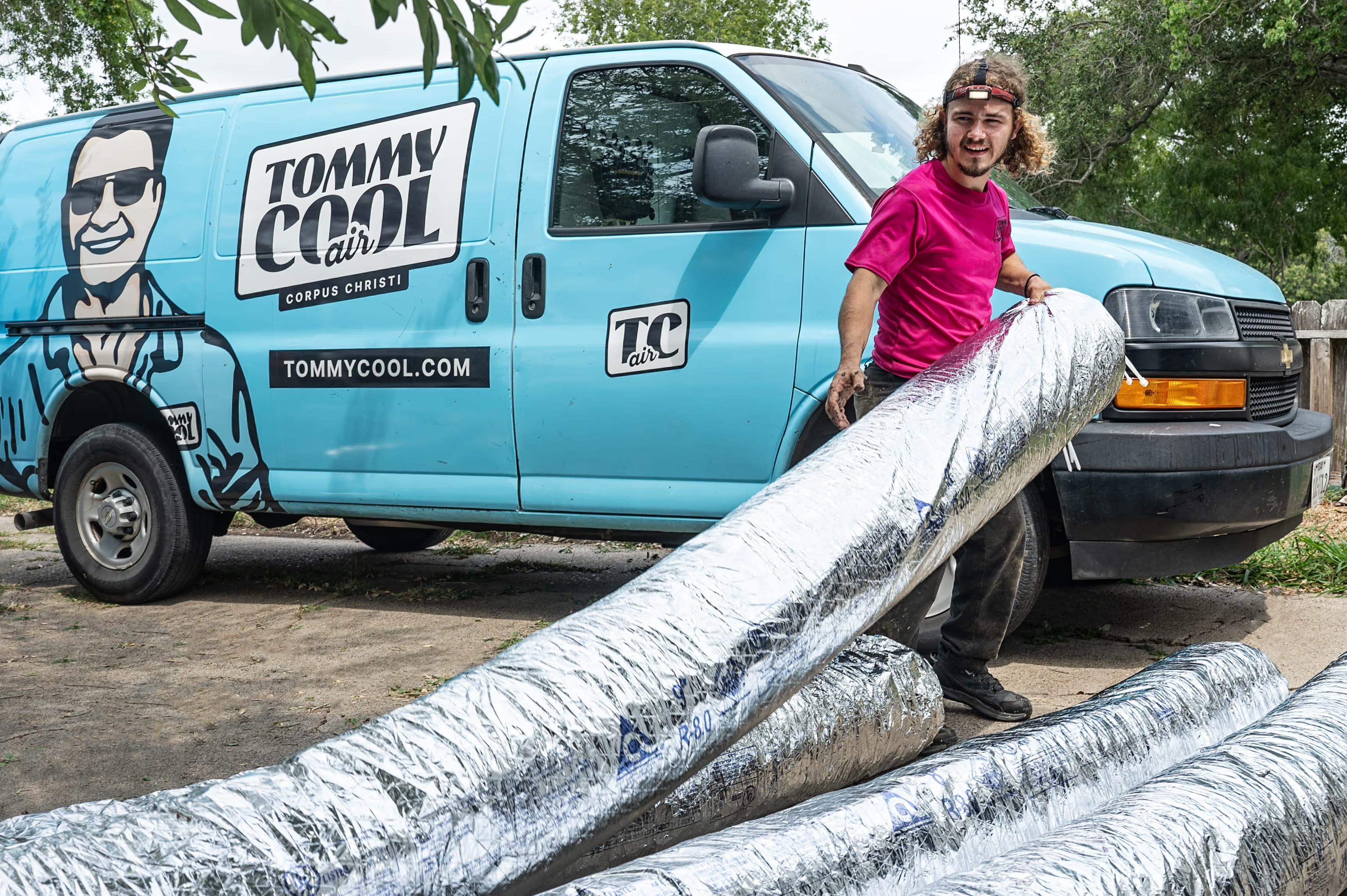
It might come as a surprise, but many top-tier HVAC companies also offer professional plumbing services. Since HVAC systems often connect to plumbing lines (like the condensate drain) and gas lines (for furnaces), it’s a natural extension of their expertise. This means the same company you trust with your air conditioner can also handle a leaky faucet, a clogged drain, or a water heater issue. At Tommy Cool Air, our team includes licensed plumbers who can manage a wide range of residential and commercial plumbing needs, from simple repairs to installing gas lines for a new stove or outdoor grill, providing you with a single, reliable source for your home service needs.
Related Articles
- How Do I Choose the Right Climate Control System for My Home?
- Best Air Conditioners for 2021
- The AC Refrigerant You Can No Longer Get
- Enhancing Your Home's Comfort: A Guide to HVAC Efficiency Improvements
- 2023 SEER 15 Federal Change on Home Air Conditioners
Frequently Asked Questions
What's more important: the AC brand or the installation quality? This is a great question, and the answer might surprise you. While starting with a reliable brand like Trane is always a smart move, the quality of the installation is the single most important factor for your system's performance and lifespan. An expert installation ensures the unit is sized correctly for your home, connected properly, and tested thoroughly. Even the best air conditioner on the market will run inefficiently and break down sooner if it isn't installed by a skilled professional.
How long should a new air conditioner last in Texas? In a climate like ours where air conditioners work overtime, you can generally expect a new, well-maintained system to last between 10 and 15 years. The key to reaching and even exceeding that lifespan is consistent professional maintenance. An annual tune-up helps your system run efficiently, catches small problems before they become major expenses, and ultimately protects your investment for years to come.
Will a higher SEER2 rating really save me money? Yes, absolutely. Think of a SEER2 rating like the miles-per-gallon rating on a car. The higher the number, the less energy the air conditioner uses to cool your home. While a system with a higher SEER2 rating may have a larger upfront cost, it translates directly into lower monthly electricity bills. Over the life of the unit, those savings can add up significantly, often paying back the initial difference in price.
Why can't I just buy a bigger AC unit to cool my house faster? It seems logical, but an oversized air conditioner actually creates more problems than it solves. A unit that's too powerful will cool the air so quickly that it shuts off before it has a chance to remove humidity, leaving your home feeling cool but uncomfortably damp. This constant starting and stopping, known as short-cycling, also puts a lot of stress on the system's components, leading to more frequent repairs and a shorter lifespan.
How often does my AC system need professional maintenance? We recommend having your air conditioning system professionally serviced once a year. The ideal time for a tune-up is in the spring, just before the heavy heat of summer arrives. This proactive check-up allows a technician to clean the system, test its components, and ensure it’s running at peak efficiency. Regular maintenance not only helps prevent unexpected breakdowns on the hottest days but also keeps your energy bills lower.